茶饮

Search documents
新茶饮不是倒在价格战
3 6 Ke· 2025-12-18 01:27
Core Insights - The decline of new tea beverage brands, exemplified by Heytea closing over 600 stores, indicates a significant challenge in the industry's expansion strategy [1] - The rapid growth of store numbers has not translated into profitability, with many brands facing pressure on single-store performance [3][5] - The shift to a franchise model has not alleviated the financial burdens on franchisees, leading to increased closures and operational difficulties [7][11] Industry Overview - As of October 2024, Heytea had 4,610 stores, but this number is projected to drop to 3,930 by October 2025, marking a net decrease of 680 stores in one year [3] - Other brands, such as Bawang Chaji, are also experiencing profit declines despite increasing store counts, with adjusted net profits dropping by 22.23% year-over-year [3] - The overall market is seeing a decline in same-store sales, with Heytea's monthly GMV per store down 28.3% [5] Franchise Model Challenges - Franchisees are reporting extended payback periods, often exceeding 18 months, due to high operational costs and insufficient sales [7][18] - Complaints from franchisees include high operational costs and inadequate support from the franchisor, leading to inefficiencies [7] - The franchise model, initially seen as a growth lever, is now revealing significant risks as profitability at the store level diminishes [18] Competitive Landscape - The market is becoming increasingly crowded, with many brands competing on price rather than quality, leading to thinner profit margins [8][21] - The rise of mid-tier brands with established franchise systems is intensifying competition, forcing established brands to engage in price wars [8][21] - The consumer preference is shifting towards more affordable options, as seen with the growth of brands like Mixue Ice Cream and Tea [21][25] Economic Context - The overall economic environment is affecting consumer spending, with retail sales growth slowing to 2.9% year-over-year as of October 2025 [23] - The shift in consumer behavior towards more budget-conscious spending is impacting non-essential goods like premium tea beverages [23][25] - The industry is facing a hard constraint as the high-margin growth period ends, forcing brands to adapt to a more competitive and price-sensitive market [23][27] Future Directions - The industry may need to pivot towards creating more frequent and everyday products, reducing reliance on high-margin narratives [27] - Alternatively, weaker players may exit the market, leading to a reduction in supply and potentially healthier competition in the long run [27] - The focus will shift from merely expanding store counts to ensuring each store can operate profitably under real market conditions [27]

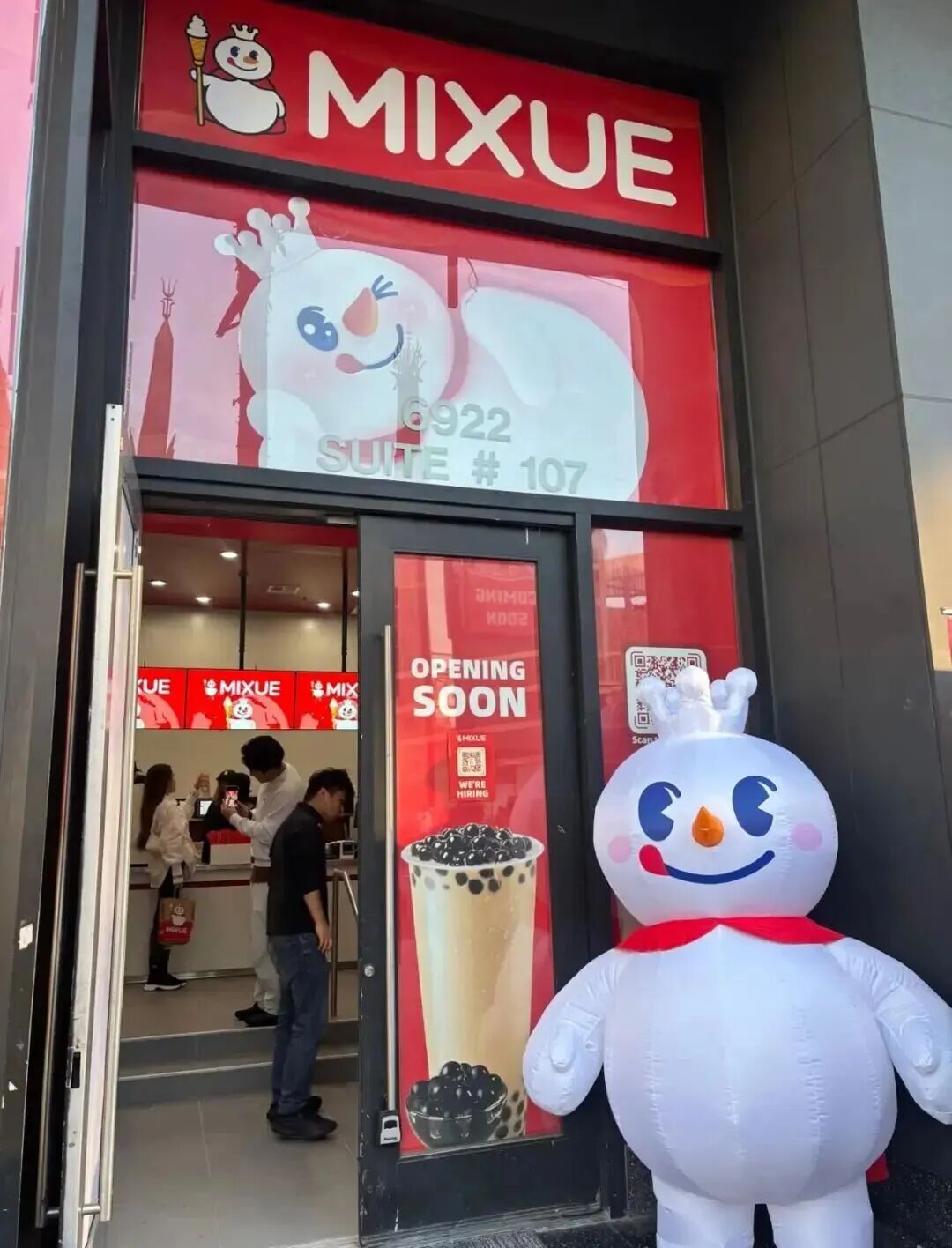
糖度最高200% 蜜雪冰城开始做美国人的生意
Mei Ri Jing Ji Xin Wen· 2025-12-17 12:05
Core Insights - The opening of MIXUE (蜜雪冰城) store on Hollywood Walk of Fame is generating significant interest among Chinese netizens in Los Angeles, with promotional activities including free drink giveaways [1][3] - The store has launched a limited-time pre-sale package priced at $3.99 (approximately 28 RMB), which includes a drink and ice cream, and offers discounts for new users [5] - MIXUE has expanded internationally since opening its first overseas store in Vietnam in 2018, now operating over 4,800 stores across 11 countries, including recent openings in Kazakhstan and upcoming stores in New York and Mexico [5][6] Company Performance - As of June 30, 2025, MIXUE has established a global network of over 53,000 stores, with 48,281 in mainland China and 4,733 overseas [6] - The company reported a revenue of 14.875 billion RMB for the first half of 2025, marking a year-on-year growth of 39.32%, and a net profit of 2.693 billion RMB, up 42.94% [6] - Other tea beverage companies, such as Bawang Chaji and Cha Baidao, are also accelerating their international expansion, with Bawang Chaji's overseas GMV reaching over 300 million RMB in Q3 2023, reflecting a year-on-year increase of 75.3% [6][8] Market Trends - The adaptation of MIXUE's products to cater to Western consumer preferences includes offering customized sugar levels, with options for 120%, 150%, and 200% sweetness [5] - The competitive landscape in the tea beverage sector is intensifying, with brands like Bawang Chaji and Cha Baidao also making significant strides in overseas markets, particularly in Southeast Asia [6][8]
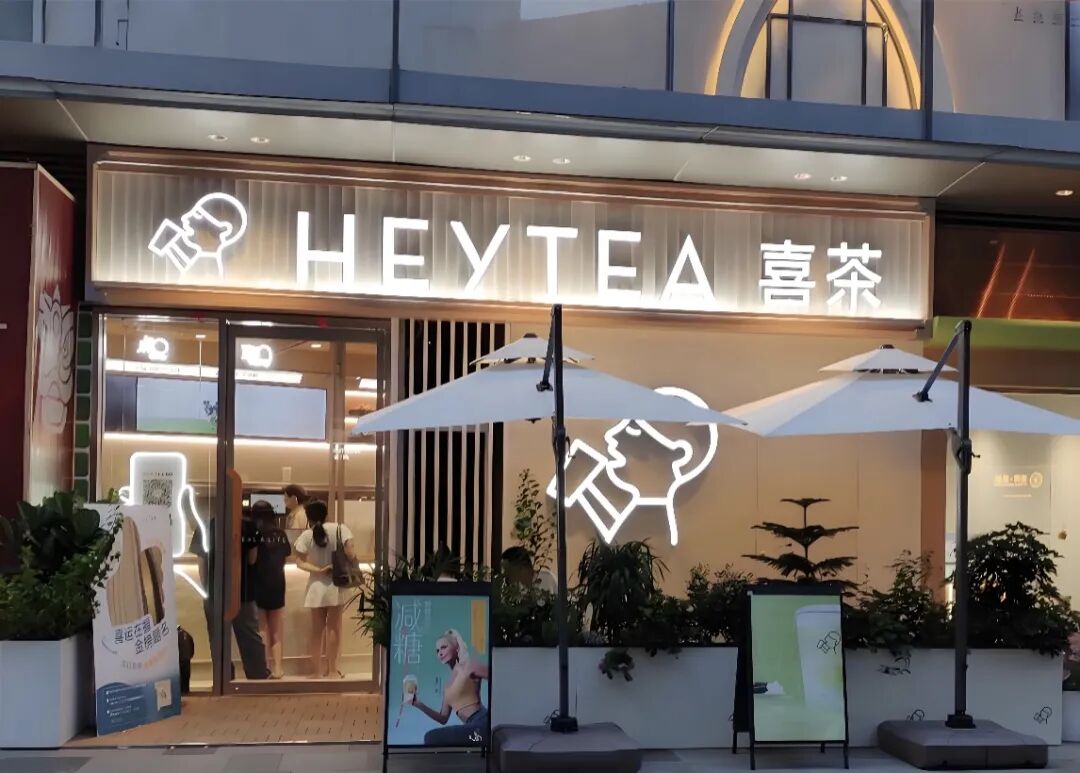
一年关店超600家:重回高端的喜茶,艰难前行的加盟商
3 6 Ke· 2025-12-17 11:53
Core Insights - The core point of the article is that Heytea has experienced significant growth in store numbers but is now facing challenges with its franchise model, leading to a strategic shift towards maintaining quality and high-end positioning while managing franchisee pressures [1][9][29]. Expansion and Franchise Strategy - Heytea's store count increased from under 900 to over 3200, with more than 2300 being franchise stores, marking a successful phase in its franchise strategy [1]. - The franchise model was initiated in November 2022 to expand into more markets [2]. - However, the expansion faced difficulties, leading to a suspension of the franchise business in February 2023 and franchisees expressing the need for more support from the brand [3][19]. Store Closures and Challenges - Over the past year, Heytea closed more than 650 stores, indicating a high closure rate within the industry [4][6]. - The reasons for store closures include contract expirations and poor performance, with franchisees facing significant pressure due to high standards and a competitive market [6][10]. - Monitoring data shows a rapid shift from expansion to contraction, with a net closure of 680 stores projected by October 2025 [9][10]. Franchisee Experience and Pressure - Franchisees report high entry costs and operational pressures, with some considering not to renew contracts due to financial strains [12][19]. - The operational demands from Heytea, including strict adherence to quality standards, have led to high turnover rates among employees, further complicating franchisee operations [17][19]. Market Position and Competition - Heytea's market position has weakened compared to competitors, with other brands like Mixue and Gu Ming rapidly expanding their store counts [24][25]. - The company is exploring alternative expansion strategies, including smaller store formats and international markets, to maintain its brand quality while adapting to market conditions [26][28]. High-End Positioning and Product Strategy - Heytea aims to return to a high-end market position, focusing on product quality and customer experience, despite the challenges of competing in a price-sensitive market [29][33]. - The company has introduced new products with high-quality ingredients, but faces difficulties in maintaining premium pricing due to market competition [34][36]. - The brand's commitment to high standards is evident in its operational practices and product offerings, although achieving this in a competitive landscape remains challenging [39].

情绪价值、新茶饮、跨界IP合作……当老字号“潮”前走
Zhong Guo Jing Ji Wang· 2025-12-17 09:21
Group 1 - The "Good Duck" cultural products from Quanjude have gained popularity among young consumers at the service trade fair, showcasing a blend of traditional culture and modern design [1] - Quanjude has launched the "Good Duck" products in 26 stores in Beijing, aiming to connect with younger consumers through interactive and playful designs that convey emotional value [1] - A museum has been established at Quanjude's Pingmen flagship store, allowing consumers to experience the brand's history and craftsmanship after enjoying Peking duck [1] Group 2 - Zhang Yiyuan is focusing on establishing itself as a leading brand in jasmine tea, with the launch of its new tea drink brand "Yuan Lai Shi Cha" set for the 2025 service trade fair [2] - The "Wuhua Tianbao·Journey to the West Feast" anime market created by Huaten Group aims to revitalize traditional brands and attract younger customers through innovative cross-industry collaborations [2] - The strategy involves systematizing and sustaining the experience initiated at the service trade fair, with themed packages and games integrated into the daily operations of various traditional brand stores [2]

撬动战略咨询107期《战略算法》:揭三大实战百亿增长逻辑
Sou Hu Cai Jing· 2025-12-17 04:41
Core Insights - The article discusses how Chinese companies are navigating uncertainty to find growth opportunities, emphasizing the importance of cultural, technological, and demand-driven strategies in achieving success in a changing global landscape [1] Group 1: Cultural Strategy - The evolution of Eastern culture from a marketing tool to a solid business foundation is highlighted, with the example of Wangba Tea, which established a strategic positioning of "Modern Eastern Tea" and developed a replicable global operating system. Its GMV increased from 1.2 billion to over 29.5 billion in three years, with projected revenue of 12.4 billion in 2024 and a 20% year-on-year growth in the first half of 2025, demonstrating the cultural value's ability to transcend regions and become a global currency [6] Group 2: Technological Strategy - The article notes that Chinese technology has evolved from merely addressing availability issues to defining quality standards. The case of Pantum printers is presented, which established itself as a "Chinese printer leader" and achieved continuous market expansion. In 2024, Pantum's revenue reached 4.6 billion, marking eight consecutive years of the highest global growth rate, with a 21% growth from January to July 2025, positioning "Chinese standards" as a fundamental industry cornerstone [9] Group 3: Demand Strategy - The shift from conceptual innovation to demand reconstruction in smart technology is discussed, with the example of Shufude smart beds, which created a new category in the intelligent sleep market. The brand achieved a scale of 1 billion in three years and received the world's first L4-level smart bed certification, expanding its stores from 0 to 200, successfully elevating "smart" from a product feature to a core value in health [11] Group 4: Consulting Firm Achievements - Leverage Consulting has successfully developed notable cases for brands like Wangba Tea, Shufude smart beds, and Pantum printers, assisting 62 companies in achieving breakthrough growth over the past decade. The firm is recognized as a global innovator in strategic positioning and has received the "Management Science Award" in China, with its unique "Positioning Equation" theory published in the MIT Sloan Management Review [13]
洛阳觅果茶饮有限公司成立 注册资本20万人民币
Sou Hu Cai Jing· 2025-12-17 04:21
天眼查App显示,近日,洛阳觅果茶饮有限公司成立,法定代表人为侯先达,注册资本20万人民币,经 营范围为一般项目:食品销售(仅销售预包装食品);供应链管理服务;食品互联网销售(仅销售预包 装食品);保健食品(预包装)销售;信息咨询服务(不含许可类信息咨询服务);采购代理服务;日 用品销售;日用百货销售(除依法须经批准的项目外,凭营业执照依法自主开展经营活动)。 ...
茶百道20251216
2025-12-17 02:27
Summary of Cha Bai Dao Conference Call Company Overview - **Company**: Cha Bai Dao - **Industry**: Beverage (Tea and Coffee) Key Points and Arguments Financial Performance - In Q1 2025, Cha Bai Dao experienced a year-on-year decline due to a high base effect, but Q2 and Q3 saw a 20% increase in revenue driven by product and store adjustments, as well as delivery subsidies [2][5] - Q4 2025 is expected to show over 10% year-on-year growth, with accelerating monthly growth indicating a recovery trend [2][3] - For Q1 2026, the company anticipates double-digit same-store growth, although Q2 and Q3 may see flat or slight declines due to reduced delivery subsidies [2][5] Strategic Initiatives - Core strategies include broadening price ranges to penetrate lower-tier markets, increasing new product contribution to over 30%, and recovering consumers lost due to public relations issues [2][5] - The company plans to open 1,000 new stores annually, focusing on lower-tier markets [2][7] Product Development and Supply Chain - Cha Bai Dao aims to differentiate in the coffee segment by leveraging existing supply chain advantages, such as fresh fruit delivery and low-temperature milk supply [2][9] - The company is introducing HPP juice factories to ensure standardized product flavors and improve supply chain responsiveness [14][18] Market Insights and Consumer Engagement - The company utilizes market insight teams and data analysis to capture consumer demand and optimize products [2][13] - New product development is based on consumer feedback and market trends, with a focus on maintaining high product quality [12][13] Profitability and Cost Management - Expected gross margin increase of 1-2 percentage points in 2026 due to GMV growth, strict cost control, and revenue growth driving net profit [4][16] - Long-term profitability improvements are anticipated through supply chain standardization and optimization of management systems [18] Store Operations and Expansion Plans - As of mid-2025, the number of stores remained stable at 8,444, with a conservative opening pace due to quality control and franchisee management [6][7] - The company plans to focus on strategic markets like Korea and the US, with 100 new stores expected in 2026, 60% of which will be in these key markets [4][23] Competitive Landscape and Market Positioning - Cha Bai Dao faces competition primarily from franchisee structures and aims to avoid internal competition by allowing existing franchisees to open additional stores in their regions [33][35] - The company emphasizes the attractiveness of the tea beverage sector, with a relatively low initial investment and a quick return on investment compared to other retail sectors [34][35] Pricing Strategy - The pricing strategy for coffee products aims to maintain a balance between quality and profitability, with an average price above 10 yuan despite market price wars [10][27] Delivery and Dine-in Strategy - The company expects delivery to account for around 60% of sales in 2026, with initiatives to enhance dine-in rates through pricing strategies and loyalty programs [28][29] Challenges and Regulatory Environment - Recent tax and social security policies have had a limited impact on franchisees, with most being single-store operators benefiting from reduced tax burdens [30][31] Conclusion - Cha Bai Dao is strategically positioned for growth in both domestic and international markets, with a focus on product innovation, supply chain efficiency, and market expansion while maintaining profitability and competitive advantage in the beverage industry [2][4][18]
南京市添惠隆茶饮有限公司成立 注册资本100万人民币
Sou Hu Cai Jing· 2025-12-17 00:41
Group 1 - Nanjing Tianhuilong Tea Beverage Co., Ltd. has been established with a registered capital of 1 million RMB [1] - The legal representative of the company is You Xin [1] - The business scope includes food sales, retail of publications, and internet sales of food, subject to approval by relevant authorities [1] Group 2 - The company is permitted to engage in general projects such as internet sales of pre-packaged food, cosmetics retail, and sales of daily necessities [1] - Additional activities include technical services, cultural and artistic exchange activities, and sales of daily glass products [1] - The company is also involved in the sale of non-medical daily masks and various toys and arts and crafts [1]
社服行业 2026 年度投资策略:星垂平野阔,潮生万象新
Changjiang Securities· 2025-12-16 14:55
Industry Overview - The service consumption sector in China has significant growth potential, with the current GDP per capita exceeding $13,000, indicating a shift from goods to service consumption as the economy matures [4][7][24] - The proportion of development-oriented and enjoyment-oriented service consumption in China is relatively low, particularly in cultural, leisure, and health sectors, suggesting substantial room for improvement [4][7][24] - Recent government policies at both central and local levels have been introduced to support service consumption, focusing on the needs of the elderly and Generation Z, which are expected to drive growth in health, tourism, and new consumption sectors [4][7][24] Tourism and Travel - The domestic tourism market is projected to grow significantly, with 4.998 billion trips expected in the first three quarters of 2025, reflecting an 18% year-on-year increase [8][46] - The government has implemented various supportive policies to enhance tourism, including the issuance of travel vouchers and promotional activities to stimulate demand [8][58] - The tourism industry is undergoing consolidation, with companies optimizing resources and enhancing operational efficiency to drive high-quality development [8][58] Local Lifestyle - The restaurant industry is expected to see steady growth, although there is significant market differentiation, with high-end dining facing challenges while mass dining remains robust [10][10] - The tea beverage sector is experiencing growth driven by delivery services, with leading brands expanding their store presence despite potential challenges from subsidy reductions [10][10] - Meituan is facing increased competition in the delivery market, with a focus on improving operational efficiency and service quality to enhance long-term value [10][10] Education and Employment - The education sector is gradually recovering, with leading institutions expected to gain market share due to their brand strength and resource capabilities [11][11] - The human resources sector is seeing structural demand recovery, with AI technology providing opportunities for cost reduction and efficiency improvements [11][11] Summary of Investment Opportunities - Investment opportunities are concentrated in sectors that combine valuation safety margins with growth logic, particularly in health, tourism, and new consumption areas driven by demographic changes [4][7][24]


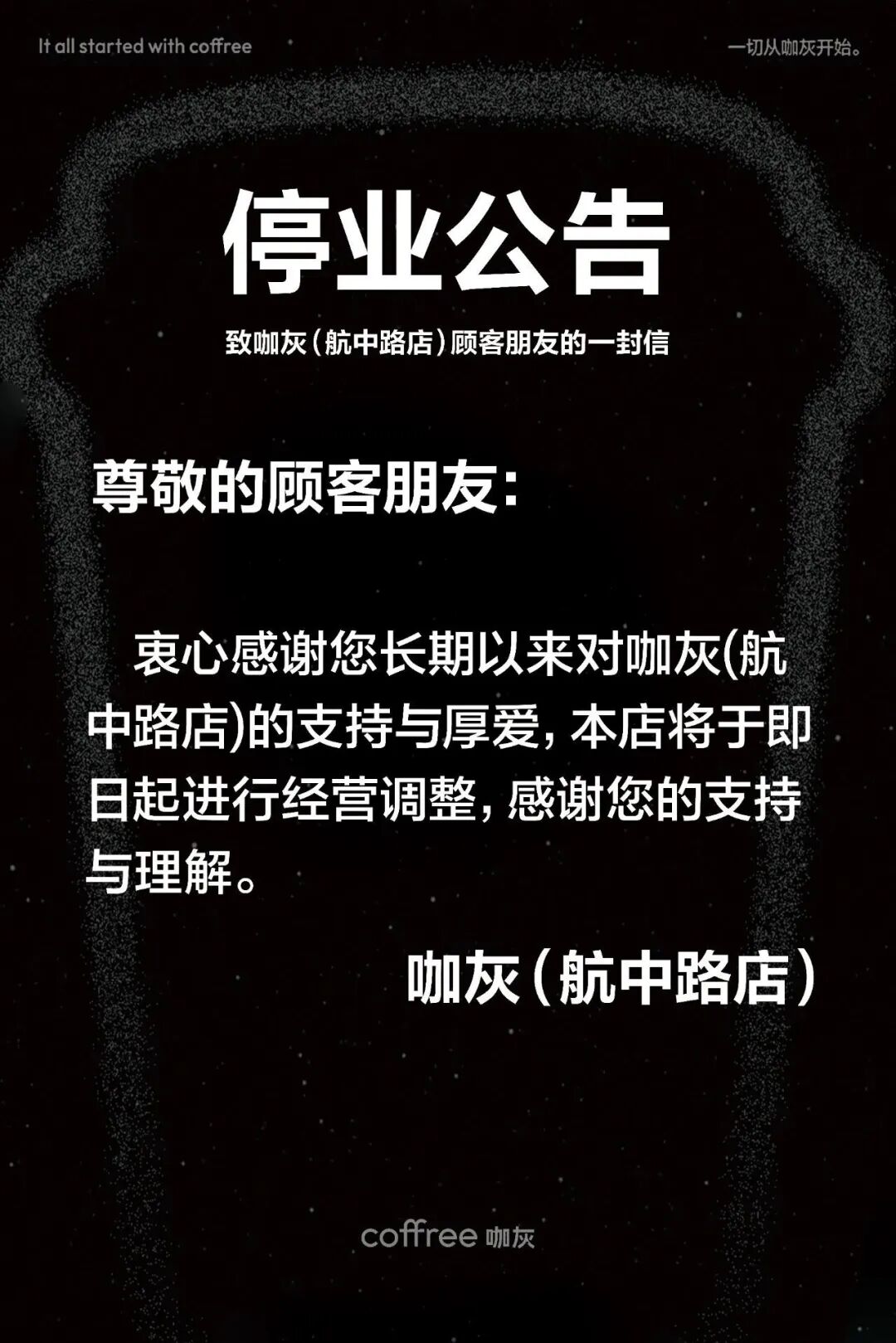
开业两年,茶百道首家咖啡店停业调整
Si Chuan Ri Bao· 2025-12-16 13:59
四川日报全媒体记者 赵泽宇 12月15日晚,茶百道自营咖啡品牌咖灰发布停业公告称:咖灰(航中路店)将于即日起进行经营调整。16日上午10点,川观新闻记者走访该店时看到,工 作人员正在打包和搬运店内物品,其中一位工作人员介绍,目前因为公司战略调整,该门店进行停业调整,还有1家位于孵化园的门店可以点外卖。 咖灰小程序相关页面。 咖灰成都航中路店停业公告。图据咖灰微信公众号 随后,记者通过外卖平台搜索咖灰位于成都的另一家门店时,均无检索结果。咖灰官方小程序也显示:在成都,当前地区暂未开放门店。仅一家第三方生 活消费点评平台显示,成都另有一家咖灰门店位于孵化园片区的嘉煜金融科技中心。 茶百道小程序相关页面。 公开资料显示,咖灰是茶百道于2023年推出的咖啡子品牌,首店于2023年12月在成都正式落地,即桐梓林片区航中路。据了解,咖灰是属于茶百道新茶饮 业务之外的独立业务,首店为直营店,在开业后并未拓展新店。 记者在走访中注意到,目前部分茶百道门店上线了新茶饮之外的现磨咖啡新业务。在茶百道官方小程序中,销售咖啡产品的门店有专门的"现磨咖啡"标识 注明。截至记者发稿,前述停业公告已在咖灰官方微信公众号上删除。 两张现场照 ...