纺织

Search documents
200家工厂告诉我的中国制造业真相
3 6 Ke· 2025-11-19 02:09
Core Insights - The article highlights the challenges faced by small and medium-sized manufacturing enterprises in China, particularly focusing on their low profit margins and the struggle for survival in a saturated market [1][2][3]. Group 1: Profitability and Market Conditions - In 2023, the manufacturing sector's value added accounted for 26.2% of GDP, but over 70% of manufacturing firms have a net profit margin below 5%, with many below 2% [2]. - The end of the high-growth era has led to a saturated domestic market and shrinking international orders, resulting in intense price competition [3]. - Many companies are unable to invest in digital transformation due to low profit margins, with a full digital overhaul costing at least 50 million yuan and taking up to 20 years to recoup the investment [3]. Group 2: Workforce Challenges - There is a noticeable absence of workers under 40 in traditional manufacturing sectors, while younger workers are attracted to industries with higher added value and better working conditions [4][5]. - The aging workforce is a significant issue, with less than 30% of skilled workers under 35, compared to over 50% in countries like Japan and Germany [5]. - Social perceptions of factory work have deteriorated, leading to a lack of interest among young people in manufacturing jobs, despite competitive salaries [6]. Group 3: Management and Innovation - There is a disconnect between academic research and the practical needs of manufacturing firms, with less than 5% of top management journals focusing on frontline manufacturing management [8][9]. - Many companies rely on "local methods" for efficiency improvements rather than formal management theories, indicating a need for practical solutions tailored to the Chinese context [9][12]. - Innovations in process rather than product are crucial for manufacturing firms, with a focus on improving operational efficiency and yield rates [21]. Group 4: Talent Development and Training - There is a significant gap in the training of skilled workers, with many companies reluctant to invest in long-term training due to the risk of losing trained employees [6][18]. - Successful training programs, such as those by Jianfeng Management Group, focus on developing line managers from ordinary workers, addressing the skills gap in the manufacturing sector [18]. - The need for a more practical approach to management training is evident, as many graduates lack the skills required for manufacturing roles [18]. Group 5: Strategic Recommendations - The article suggests a shift from scale-oriented thinking to specialization, encouraging firms to focus on niche markets rather than trying to diversify into unrelated sectors [20]. - Emphasis should be placed on process innovation rather than solely product innovation, as improving production efficiency can provide a competitive edge [21]. - Adapting Western management theories to fit the Chinese context is essential, with a focus on team-based incentives rather than individual performance [22].


立津门时尚文化消费新地标!天津 “抵羊生活馆”全国首店正式开业
Sou Hu Cai Jing· 2025-11-18 19:12
Core Viewpoint - The opening of the "Diyang Lifestyle Pavilion" in Tianjin marks a significant step in blending traditional textile craftsmanship with modern design, aiming to rejuvenate the 93-year-old national brand and adapt to contemporary consumer preferences [1][3]. Group 1: Opening Event Highlights - The opening ceremony featured a fashion show showcasing new winter apparel, emphasizing the brand's transformation from "industrial salvation" to "lifestyle aesthetics" [5]. - Key leaders from various government departments and industry representatives attended the event, highlighting the brand's historical significance and innovative retail model [3]. - The event included awards for six partner organizations, reinforcing the collaborative spirit and industry influence of the Diyang brand [5]. Group 2: Brand Strategy and Vision - The Diyang Lifestyle Pavilion represents a strategic move towards becoming a mid-to-high-end apparel brand centered on natural materials, reflecting a commitment to cultural heritage and modern aesthetics [5]. - The vice president of Tianjin Textile Group emphasized the importance of balancing tradition and innovation, aiming for comprehensive advancements in products, channels, and business models [3]. - The pavilion is seen as a benchmark for the transformation and value re-establishment of traditional brands in the context of consumer upgrades [3].

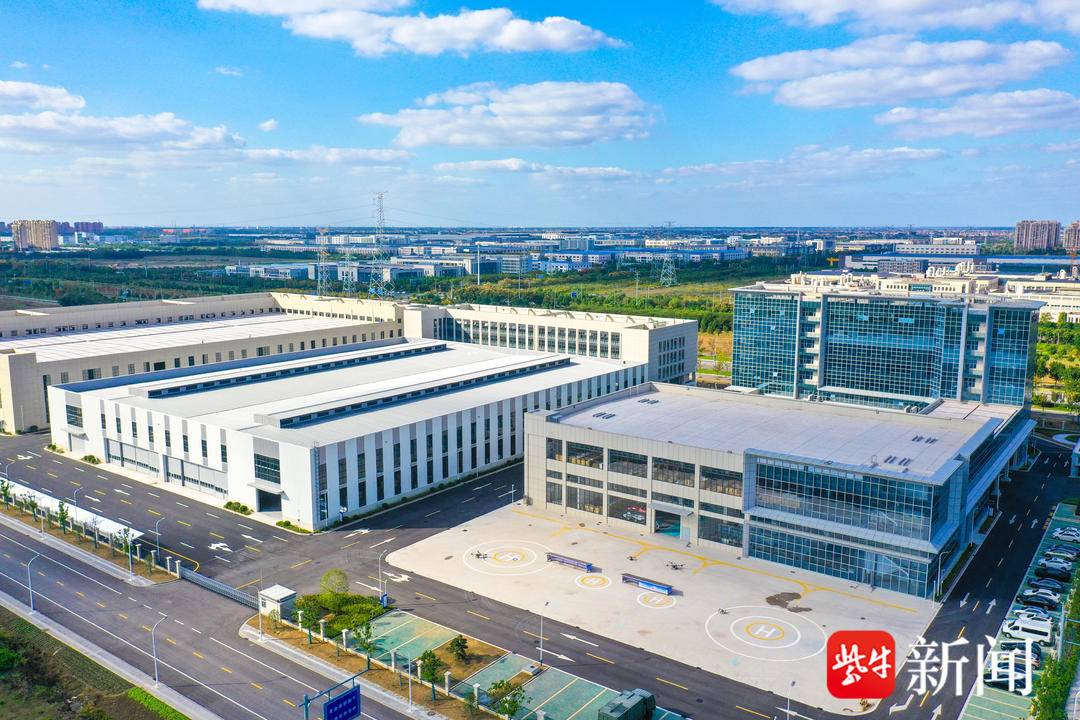
创新雨林育“苗”成“林”,盐城东台科产融合培育产业新生态
Yang Zi Wan Bao Wang· 2025-11-18 02:19
Core Insights - The article highlights the transformation of innovation in Dongtai, where research and production are deeply integrated, leading to significant advancements in high-quality development [1][3]. Group 1: Ecological Empowerment - Dongtai has established a robust "innovation rainforest" that combines policy support, financial resources, and talent cultivation to foster a conducive environment for both scientific and industrial innovation [3]. - The collaboration between universities and enterprises has resulted in successful technology transfers, exemplified by the development of water-based resin gloves that meet international market demands [5]. Group 2: Digital and Intelligent Foundations - Dongtai is leveraging digitalization and intelligence to enhance traditional manufacturing, significantly improving the efficiency of innovation outcomes [6]. - The implementation of smart factories and interconnected machinery has led to substantial reductions in energy consumption and labor costs, with some companies achieving production efficiency increases of up to 300% [6]. Group 3: Champion Cultivation - Dongtai is nurturing a tiered ecosystem of technology-driven enterprises, from small and medium-sized enterprises to unicorns, through targeted support mechanisms [8]. - The region boasts 23 provincial gazelle enterprises and 218 provincial specialized and innovative enterprises, indicating a thriving environment for innovation and growth [8].

India's goods trade deficit in October shatters records, beating estimates, as gold imports surge 200%
CNBC· 2025-11-18 02:04
Core Insights - India's goods trade deficit reached a record high of $41.7 billion in October, driven by a surge in gold imports and the impact of U.S. tariffs on exports [1][2] Trade Deficit and Imports - The trade deficit significantly exceeded Reuters poll estimates of $28.8 billion and surpassed the previous record of $37.8 billion set in November 2024 [2] - Gold imports in October amounted to $14.7 billion, marking an increase of nearly 200% compared to the same month last year, with consumers estimated to have spent $11 billion during the five-day festival period [2] Exports and Tariff Impact - Exports to the U.S. declined for the second consecutive month, falling 8.5% year-on-year in October to $6.3 billion due to the 50% tariffs implemented at the end of August [3] - Despite the decline, the U.S. remained the largest export destination for India, with shipments worth $52 billion in the first seven months of the fiscal year [3] - Key exports such as gems and jewelry fell by 29.5% to $2.3 billion, while engineering goods decreased by 16.7% to $9.4 billion [4] Future Outlook - Merchandise imports are expected to decrease in November and December 2025 as gold imports decline post-festival season, alongside a potential increase in exports [5] - India's current account deficit is projected to widen to 2.4-2.5% of GDP in the third quarter of the fiscal year ending March 2026, with a CAD to GDP ratio of around 1.2% for fiscal year 2026 if U.S. tariffs remain in place [6] Trade Negotiations - Ongoing trade negotiations between the U.S. and India have yet to yield a deal, although both sides are softening their positions, with hints from U.S. President Trump about potential tariff reductions [7] - India has increased oil and gas purchases from the U.S. to address the trade surplus and is expected to buy agricultural products as well [7]

今日看点|2025中国国际零售创新大会将举行
Jing Ji Guan Cha Bao· 2025-11-18 00:45
Group 1 - The 2025 China International Retail Innovation Conference will be held from November 18 to 20, showcasing "Retail Technology Emerging Enterprises" and best practices in "Retail Digitalization and Technology Applications" as well as "Innovation Best Practices in Consumer Goods" [1] Group 2 - On November 18, a total of 16 companies will have their restricted shares unlocked, with a total of 492 million shares released, amounting to a market value of 10.037 billion yuan based on the latest closing prices [2] - The companies with the highest number of unlocked shares include Bona Film Group (309 million shares), Yunzhongma (86.45 million shares), and Meiai Technology (83.41 million shares) [2] - In terms of market value, Meiai Technology (3.963 billion yuan), Yunzhongma (3.309 billion yuan), and Bona Film Group (2.194 billion yuan) lead the list [2] Group 3 - On November 18, 11 companies disclosed their stock repurchase progress, with 3 companies announcing new repurchase plans and 1 company updating on its repurchase implementation [3] - The new repurchase plans include Xiangyuan Cultural Tourism (up to 120 million yuan), Keli'er (20 million yuan), and Jack Technology (145,400 yuan) [3] - Zhihua Power has repurchased shares worth 39.9047 million yuan [3]
江苏龙玉科技发展有限公司成立 注册资本1000万人民币
Sou Hu Cai Jing· 2025-11-18 00:12
Group 1 - Jiangsu Longyu Technology Development Co., Ltd. has been established with a registered capital of 10 million RMB [1] - The legal representative of the company is Que Zhongqiang [1] - The company's business scope includes technology promotion and application services, technical services, and new material technology research and development [1] Group 2 - The company is involved in the manufacturing of automotive parts and accessories, as well as automotive decorative products [1] - It also engages in the production and sales of industrial textile products and related raw materials [1] - The company is permitted to conduct non-residential real estate leasing activities [1]
乳山市:合规“引擎”驱动“纺织”企业发展新动能
Zhong Guo Jing Ji Wang· 2025-11-17 08:03
Group 1 - The textile industry is a key sector in Weihai's Lushun City, with a dedicated industrial park covering 2 square kilometers and hosting nearly 40 domestic and foreign enterprises, generating an annual output value exceeding 500 million yuan [1] - The local tax authority is enhancing tax management services for textile enterprises, utilizing big data to support compliance and reduce tax risks associated with cross-border trade [1][2] - The company has actively participated in over 10 influential trade exhibitions annually, attracting numerous overseas orders while facing tax-related challenges in cross-border trade [1] Group 2 - To mitigate tax risks from trade friction, the company maintains close communication with domestic tax authorities, receiving support in tax management [2] - The local tax bureau provides resources such as investment tax guides and case libraries to assist enterprises in navigating tax treaties and resolving disputes, creating a comprehensive service loop [2] - Since 2025, the company has benefited from nearly 7 million yuan in export tax rebates, improving capital turnover efficiency by 30% and enhancing confidence in expanding overseas markets [2] - The incidence of tax risks among textile enterprises in Lushun has decreased by 15% year-on-year, indicating a growing awareness of compliance among businesses [2] - The local tax authority plans to extend its successful strategies to other key industries such as food processing and equipment manufacturing, aiming for a broader regulatory impact [2]
融合破局 创新赋能 以才引才海安绘就教育科技人才一体化发展新图景
Xin Hua Ri Bao· 2025-11-17 00:03
11月15日,2025年火炬科技成果直通车暨"百园百校万企"成果转化对接行动在海安启幕。这场由工 信部火炬中心指导的高规格活动,聚焦锦纶纤维、电工电气等地方优势产业,不仅是科技成果转化 的"催化剂",更是展示海安近年来探索教育、科技、人才一体化改革成效的一扇窗口。从"单打独 斗"到"系统作战",海安正以一场深刻的系统性变革,驱动县域发展动能澎湃。 载体筑基"强引擎",推动产学研无缝对接 "科技成果'先使用后付费',让初创企业轻装上阵。"江苏畅州能源科技有限公司董事长李荣的感 慨,源自今年1月与南京大学海安高新技术研究院签订的能源智慧管理技术转让合同。这种模式直击科 技成果转化"成本高、周期长"的痛点,打通实验室到生产线的"最后屏障"。 推进科技成果"先尝后买"的改革实践背后,折射出海安的科技成果转化优势。为打通科技创新与产 业创新之间"最后一公里",海安已连续12年举办"创新创业在海安""两院专家走进海安"主题活动,常态 化开展"高校海安日""企业高校院所行"等系列活动,拓展大院大所合作矩阵,让更多科技成果从"实验 台"迈向"生产线"。 不久前,南通大学高端纺织研究院内,一场关于"功能纺织品与先进纤维"的对接 ...
消费行业4季度个股精选
2025-11-16 15:36
Summary of Key Points from Conference Call Records Industry Overview - **Consumer Industry**: The conference call discusses various segments within the consumer industry, including snack retail, pet products, scientific research services, and food services, highlighting growth opportunities and challenges across these sectors. Key Company Insights Wanchen Group - **Expansion**: Wanchen Group is expanding its snack retail channel, with nearly 20,000 signed stores and plans to open 300 new stores this year. [4] - **Profit Growth**: The company reported a 360% year-on-year increase in net profit attributable to shareholders in Q3. [4] - **Future Projections**: Expected revenue growth of 70% and profit growth of 300% in 2025, maintaining a buy rating with a projected PE of 28x. [4] Pet Products Sector - **Discount Trends**: During the Double Eleven shopping festival, discount rates decreased to 80%-85%, allowing for better profit margins for retailers. [5][6] - **Market Leaders**: Royal Canin and Mai Fu Di lead the pet food rankings on JD, while Xian Lao and Fuli Jiate lead on Tmall. [6] - **Growth of Zhongchong Co.**: The company anticipates a 25%-30% compound annual growth rate for its proprietary brands over the next three years, with overseas sales expected to grow over 50%. [7][8] Scientific Research Services - **Performance**: The sector is benefiting from the trend of domestic innovative drugs going overseas, with many companies achieving double-digit growth. [9] - **Market Dynamics**: The demand for high-quality fillers has increased, alleviating previous pressures on the sector. [10] - **Key Players**: Companies like Saifen Technology and Yaokang Bio are showing strong performance and potential for overseas market growth. [11] Babi Food - **Sales Recovery**: Babi Food has seen positive same-store sales and plans to expand its store count to 20-30 by the end of 2025. [12][13] - **New Store Formats**: The introduction of new store formats has significantly improved revenue and profit margins. [12] Hotel Industry - **Market Recovery**: The hotel sector is experiencing increased attention post-Q3 reports, with companies like Huazhu, Jinjiang, and Shoulu Hotel showing promising recovery signs. [14][17] - **Demand Trends**: Business demand remains stable, while tourism demand is growing, indicating a balanced supply-demand relationship. [15][16] Xiaogoods City - **Profit Growth**: The opening of new markets has led to profit doubling, with strong cash flow expected to continue over the next three years. [18][19] - **Future Projections**: Expected net profits of 4.7 billion yuan in 2025 and 6.3 billion yuan in 2026, with a focus on expanding digital services. [19] TCL Electronics - **Market Position**: As a leading player in the domestic TV market, TCL is projected to achieve a 45% growth in annual performance. [23][24] - **Innovation and Governance**: The company is benefiting from a global expansion cycle and innovations in Mini LED products, alongside improved corporate governance. [24] LeShuShi - **Market Leadership**: LeShuShi is the leading brand in the African hygiene products market, with a strong growth trajectory driven by demographic trends and market penetration. [25][26] Additional Insights - **Investment Opportunities**: The conference highlights several companies with strong growth potential, including Xiaogoods City and Focus Technology, suggesting they are worth monitoring for investment. [22] - **Overall Market Sentiment**: The consumer sector is viewed as having significant opportunities for selective stock picking, especially in light of recent economic trends and consumer behavior shifts. [3]
欧盟要对中国电商收税了,德国财长表示:不要中国垃圾!
Sou Hu Cai Jing· 2025-11-15 16:51
Core Viewpoint - The statement by German Finance Minister Lars Klingbeil regarding "no Chinese junk" reflects deep concerns over the impact of low-priced Chinese cross-border e-commerce products on the European market, prompting discussions on imposing high tariffs on small packages valued under 150 euros [1][3]. Group 1: Economic Impact - A significant 91% of small packages entering the EU originate from China, which has disrupted local retail, textile, and fast fashion industries due to competitive pricing and efficient logistics [1]. - Germany's economy is experiencing a downturn, attributed to global economic slowdowns and the outsourcing of manufacturing, leading to weakened internal competitiveness [3]. - The proposed policy changes may result in higher costs and longer wait times for consumers, particularly affecting low-income groups who may see prices double due to tariffs [3]. Group 2: Policy Implications - The effectiveness of the EU's tax measures remains uncertain, as Chinese e-commerce's advantages stem from advanced production capabilities and flexible supply chains, potentially keeping prices lower than local products even with tariffs [5]. - The EU's desire to "restore fairness" may not align with consumer priorities, which focus on price, quality, and shopping experience, suggesting that simplistic policy measures may not suffice in a globalized economy [5]. - The shift from cooperation to confrontation in trade relations could lead to detrimental outcomes for both Europe and China, highlighting the need for dialogue and collaboration to navigate economic challenges [7]. Group 3: Internal EU Dynamics - There may be dissent among EU member states regarding the protectionist measures, as not all countries may support such policies, indicating potential complications in implementation [7]. - The complex internal environment of the EU suggests that while Germany and France may appear united in pushing for these tariffs, actual consensus may be harder to achieve [7].