酒业

Search documents
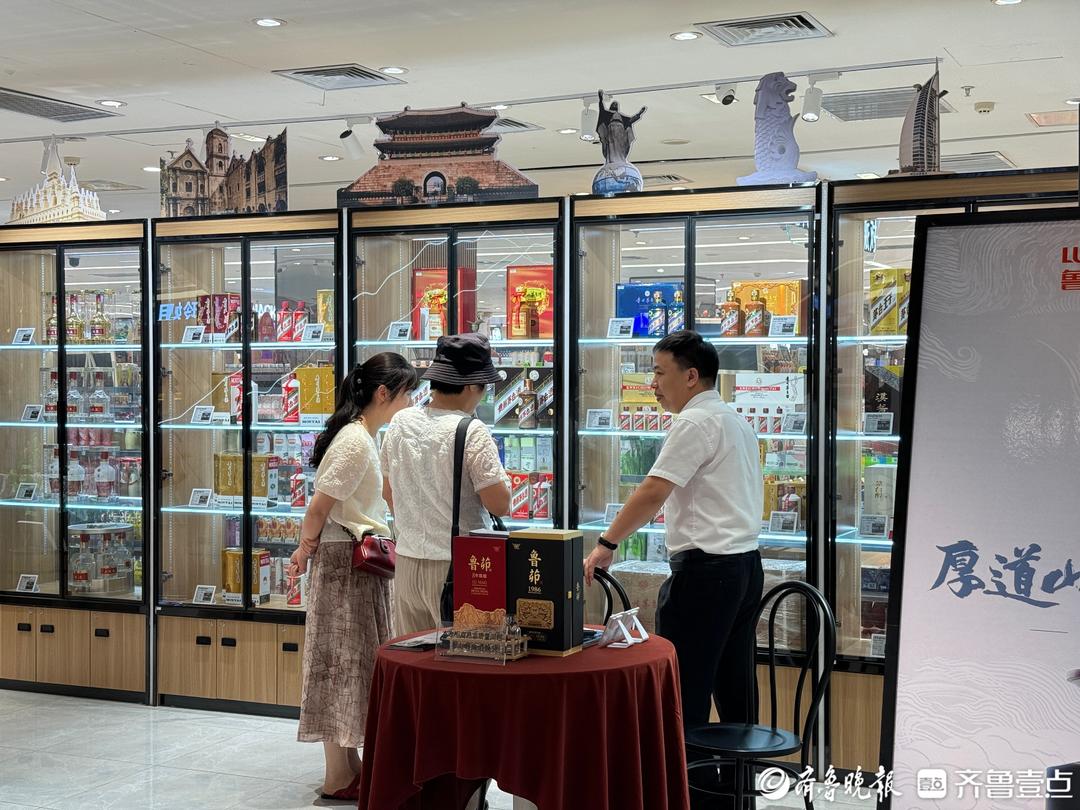
“双节”前济南酒市:平价中追寻理性
Qi Lu Wan Bao Wang· 2025-09-11 11:44
Core Viewpoint - The wine industry is experiencing a significant decline in sales ahead of the upcoming Mid-Autumn and National Day holidays, traditionally a peak consumption period for alcoholic beverages [2][5]. Group 1: Sales Trends - Sales volume in the Jinan wine market has decreased by approximately 30% compared to the previous year, with many retailers reporting a slowdown in pre-holiday purchasing activity [2][5]. - Retailers are focusing on inventory clearance as the primary sales strategy, with many orders coming from existing customers rather than new ones [3][5]. - The average daily sales for some retailers have dropped to just over ten bottles, indicating a shift towards more rational purchasing behavior among consumers [3][5]. Group 2: Consumer Behavior - Consumers are exhibiting more rational purchasing habits, with a preference for value and practicality over high-end products [6][9]. - There is a noticeable trend of consumers opting for "last-minute" purchases, with some customers placing orders only a week before events, reflecting a shift in consumption patterns [9][10]. - The demand for high-end white wines remains subdued, with prices for premium products like Moutai significantly lower than last year, indicating a price sensitivity among consumers [9][10]. Group 3: Market Dynamics - Despite the overall decline in sales, there are signs of slight recovery as the holidays approach, with some retailers reporting an uptick in orders for high-end brands [3][5]. - Local brands such as Baotu Spring and Langyatai are maintaining stable sales, primarily serving as local specialty gifts and everyday consumption [5]. - The market is witnessing a trend towards low-alcohol products, with several brands launching new low-alcohol offerings in response to changing consumer preferences [10].


吴向东受邀出席2025世界酒业发展峰会并作主旨演讲
Sou Hu Cai Jing· 2025-09-11 05:29
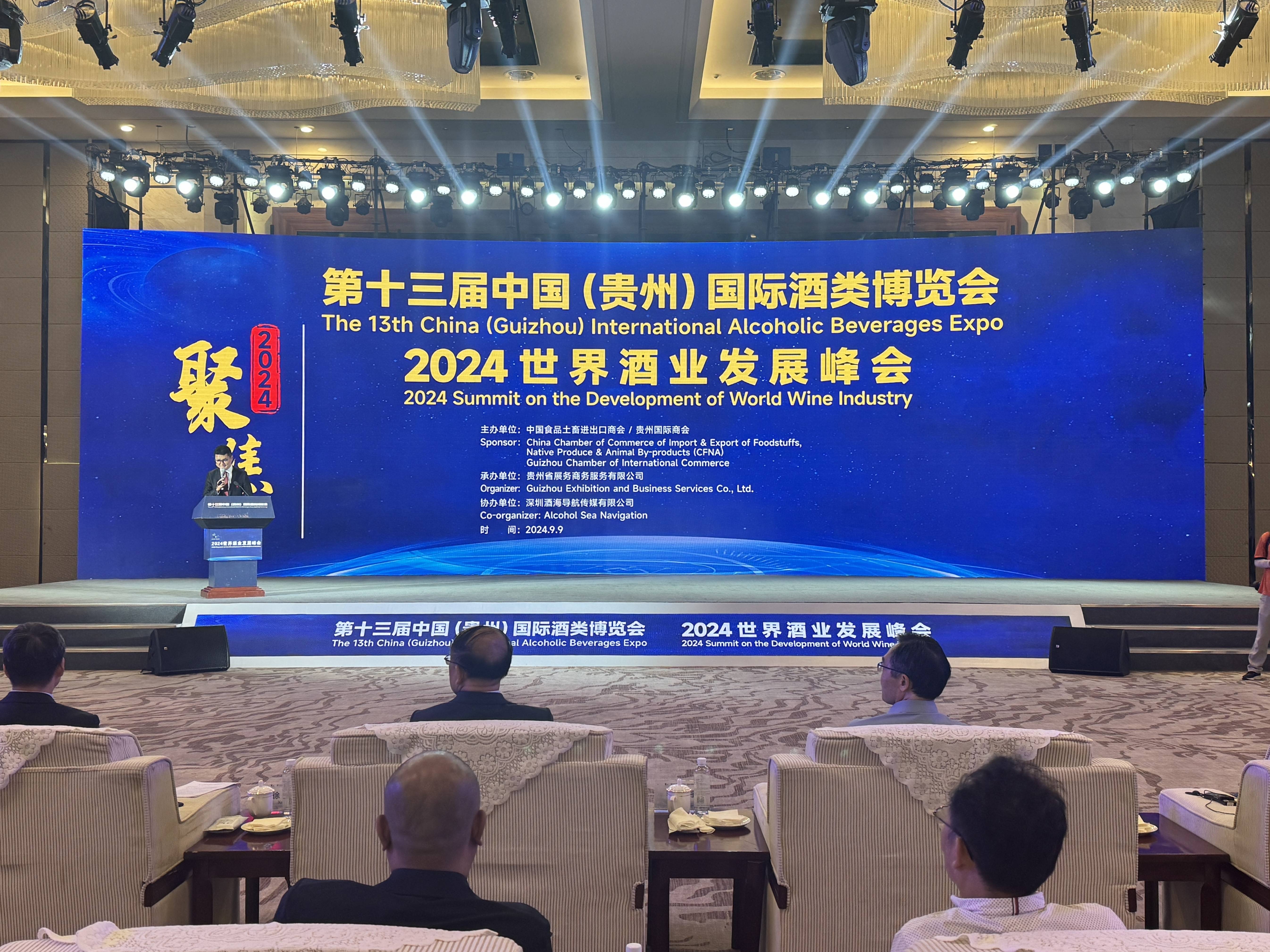
Core Insights - The 2025 World Wine Industry Development Summit was held in Guiyang, focusing on the opportunities and challenges faced by the industry, aiming to provide new ideas and solutions for the high-quality development of China's liquor industry [1] Company Overview - Zhenjiu was established in 1975 and is located in the core production area of Chinese sauce-flavored liquor in Zunyi. It gained recognition in 1985 from the highest-level liquor industry appraisal committee and won a national quality award in 1988, becoming one of the three major sauce-flavored brands in Guizhou [3] - Zhenjiu has invested over 12 billion yuan in production expansion in recent years. By the 2024 production season, it will have a production capacity of 44,000 tons, with a current storage of high-quality base liquor reaching 120,000 tons, making it one of the top three liquor companies in Guizhou and the largest private liquor enterprise in the region [3] Market Strategy - In response to changes in the current liquor market, Zhenjiu is actively expanding its channels, with 6,414 participants in the Wan Shang Alliance and 2,418 successful customer signings [5] - Zhenjiu emphasizes the importance of integrating Chinese liquor with Chinese culinary culture for international expansion. The company is working on enhancing the competitiveness of Chinese cuisine and the supply chain through the 1912 Zhenjiu Culinary Research Institute in Changsha, aiming to broaden the market boundaries of the liquor industry [5] - The company believes there is still room for improvement in the craftsmanship, cultural expression, and drinking experience of Chinese liquor. Modifying taste and strengthening brand storytelling will help gain wider recognition among international consumers [5]

2025世界酒业发展峰会举行 200余嘉宾共探中国白酒出海路径
Sou Hu Cai Jing· 2025-09-11 03:48
Core Insights - The 2025 World Liquor Development Summit was held in Guiyang, China, focusing on how Chinese Baijiu can break into the global market and establish sustainable export pathways [1] Group 1: Summit Discussions - Over 200 industry leaders, experts, and representatives discussed key topics such as the transition from selling liquor to selling lifestyle, and the importance of capital, strategy, culture, education, marketing, logistics, and standards [5] - Wu Xiangdong, Chairman of Huazhi Liquor, shared insights on how Baijiu companies can build competitive advantages and value in the global market from the perspective of industrial capital and international layout [5] - Jiang Moma, Deputy General Manager of Guizhou Guotai Intelligent Liquor Group, presented on digital marketing, experiential scenarios, and brand ecosystem construction as part of Guotai Liquor's practices and new marketing strategies for Guizhou Baijiu [5] Group 2: Strategic Collaborations and Reports - A strategic cooperation agreement was signed between the Spanish Chamber of Commerce in Beijing and the Liquor Expo City, laying a solid foundation for further collaboration in the liquor industry [6] - The China Food and Animal Products Import and Export Chamber, in collaboration with the Guizhou Provincial Department of Commerce, released the "China Baijiu Going Global Report," marking a new phase of systematic and data-driven internationalization for Chinese Baijiu [6] - The report provides a comprehensive overview of global liquor consumption and trade trends, key overseas target markets, and strategic recommendations for liquor companies looking to expand internationally [6]
突发!网红“柴怼怼”等人被温州警方带走,已立案侦查
Mei Ri Jing Ji Xin Wen· 2025-09-10 07:58
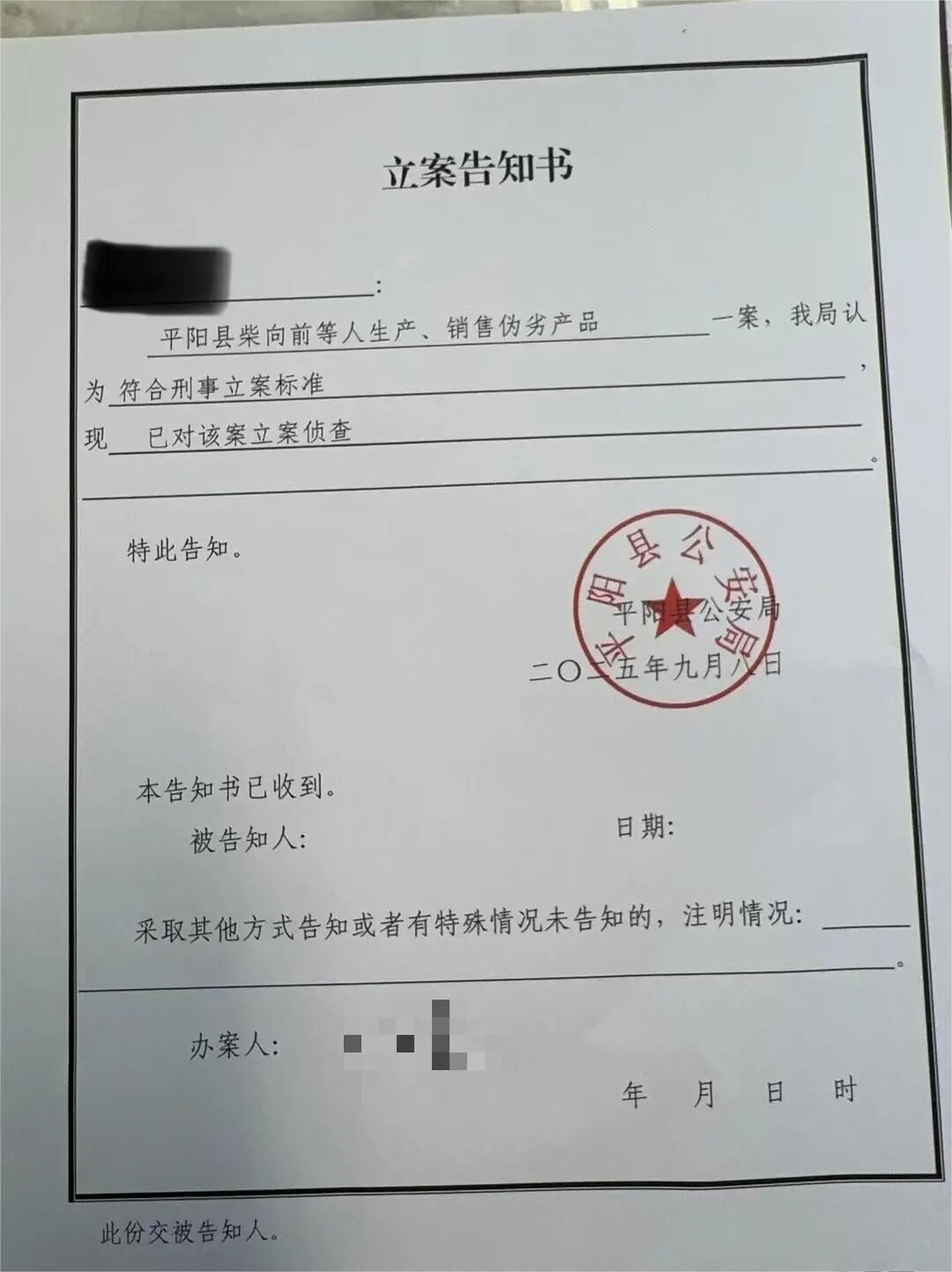
Group 1 - The influencer "Chai Dui Dui" (real name Chai Xiangqian) and associates are under investigation by the Pingyang County Public Security Bureau for allegedly producing and selling counterfeit products [1] - Multiple consumers have reported issues, leading to the police investigation, confirming the situation [1] - A consumer named Ms. Zhang is involved in two civil lawsuits against companies associated with "Chai Dui Dui," with hearings scheduled for September 11 [2] Group 2 - Ms. Zhang claims to have spent 3,596 yuan on "Qi Shi Tea" based on false health claims, leading to health complications and hospitalization [2] - She also alleges that after paying 8,000 yuan to join a wine sales program, she faced issues with refunds and product delivery [2] - Ms. Zhang is seeking triple compensation and 3,000 yuan for emotional distress in her lawsuits [3] Group 3 - The Pingyang County Market Supervision Administration previously fined the company associated with "Chai Dui Dui" 220,000 yuan for false advertising and selling unlabelled products [3] - The company has faced multiple legal challenges, including a defamation lawsuit from a competitor, "Pang Dong Lai," for disparaging remarks made by "Chai Dui Dui" [3][5] - The company has been penalized for advertising containing false content, resulting in fines totaling 6,000 yuan [7]
从“无用渣”到“高端料”——糖业循环经济“蔗”里掘金闯新路
Xin Hua She· 2025-09-10 06:24
Group 1: Industry Overview - The sugarcane industry in China, particularly in Guangxi and Yunnan, is evolving towards a circular economy, aiming to maximize the value derived from sugarcane beyond traditional sugar production [1][2] - Guangxi's sugarcane waste, known as bagasse, is being transformed into high-value materials such as biomass porous carbon for supercapacitors, showcasing innovation in waste utilization [1] - The comprehensive utilization rate of bagasse in Guangxi has reached 100%, indicating a significant advancement in the value chain from paper production to high-end supercapacitor materials [1] Group 2: Company Innovations - Green Cycle New Materials (Yunnan) Co., Ltd. is converting bagasse into biodegradable tableware and packaging materials, expanding its market reach into medical supplies and pet litter [2] - Anqi Yeast (Cruz) Co., Ltd. processes sugar molasses into high-activity dry yeast and yeast extracts, consuming nearly 250,000 tons of molasses annually and exporting products to over 130 countries [2] - Baile Qibao Rum Company is utilizing sugar molasses as a key ingredient for rum production, with an expected annual output value of 500 million yuan from its circular economy industrial park project [3] Group 3: Economic Impact - The circular economy in Guangxi's sugar industry is projected to achieve an output value of 5.4 billion yuan in 2024, reflecting a year-on-year growth of 62.15% and accounting for 13.99% of the total sugarcane industry output [3]
天津宁河区“十四五”落地京冀实体项目115个
Bei Jing Ri Bao Ke Hu Duan· 2025-09-05 10:10
Core Viewpoint - The news highlights the progress and initiatives taken by Ninghe District in Tianjin to integrate into the Beijing-Tianjin-Hebei collaborative development strategy during the 14th Five-Year Plan period, focusing on industrial cooperation, ecological governance, transportation connectivity, shared livelihoods, and the establishment of a demonstration zone [1][3][4]. Group 1: Industrial Cooperation - Ninghe District has introduced over 50 projects from Beijing with a total investment exceeding 203 billion yuan, establishing long-term partnerships with state-owned enterprises like China Nuclear Group and China General [3]. - Key projects include the construction of a new campus for Civil Aviation University of China and the relocation of Beijing Red Star Brewery's Tianjin branch, contributing to a positive cycle of project signing, implementation, and reserve [3]. Group 2: Ecological Governance - The district has implemented a collaborative approach to air pollution control for seven consecutive years, establishing the first aerial video monitoring system for open burning in the Beijing-Tianjin-Hebei region [3]. - Joint waterway inspections and emergency drills have been conducted, leading to Ninghe being recognized as a "Biodiversity Charming City" by the United Nations [3]. Group 3: Transportation Connectivity - A multi-node, grid-like transportation network has been developed, with the completion of inter-provincial roads such as Binyu Road and Meifeng Road, and seamless public transport connections with "flying areas" [3]. - Ongoing projects like the G112 expansion are accelerating cross-regional infrastructure development to facilitate industrial collaboration [3]. Group 4: Shared Livelihoods - Initiatives such as "instant approval" for business registrations and cross-province service agreements have been implemented to enhance administrative efficiency [4]. - The district has organized job fairs targeting high-skilled talent and improved healthcare access through inter-regional medical billing [4]. Group 5: Demonstration Zone Development - Ninghe District is committed to advancing the Beijing-Tianjin cooperation demonstration zone, establishing a dedicated task force to streamline management processes and expedite key projects [4]. - Recent developments include the opening of Xinjinhan Road and the Central Park, with ongoing efforts to revitalize the Yuxiangjun project [4].
香飘十载满深汕!谷丰酒业坚持以纯粮造佳酿 | “深汕友农”新势力
Nan Fang Nong Cun Bao· 2025-09-04 11:02
Core Viewpoint - The article highlights the development and success of Gu Feng Distillery in the Shenshan Special Cooperation Zone, emphasizing its commitment to traditional grain-based brewing and the establishment of the "Shenshan Younong" regional public brand, which has significantly increased the visibility and recognition of local agricultural products [3][5][61]. Group 1: Brand Development - The "Shenshan Younong" brand has been established to enhance agricultural modernization and product selection, leading to increased exposure and recognition [3][5]. - Gu Feng Distillery's products, "Shenshan Qing" and "Shenshan Chun," have successfully filled the gap in the liquor category within the "Shenshan Younong" brand matrix [13][14]. - The distillery's participation in the "Shenshan Younong" brand has provided a broader platform for marketing and promotion, allowing for greater market penetration [63][64]. Group 2: Company Background and Growth - Gu Feng Distillery, led by Wu Lan, focuses on pure grain brewing and traditional production techniques, utilizing local resources to create unique flavors [9][10]. - The company achieved a sales peak of nearly 300 high-end liquor products in a single month around the Spring Festival [12]. - After facing operational challenges, the distillery relocated to a new facility and obtained production qualifications for both white and yellow liquor, marking a significant step in its growth [30][31]. Group 3: Product Quality and Strategy - The distillery emphasizes quality by using a combination of rice, sorghum, and wheat for brewing, establishing a reputation for "premium pure grain liquor" [41]. - The production process includes strict time requirements for each step, ensuring the quality and flavor of the final product [48]. - The "Shenshan Qing" series is designed to reflect local culture and stories, enhancing its appeal as a regional product [58][59]. Group 4: Future Aspirations - The company aims to create affordable quality liquor for the local community, positioning itself as a key player in the Shenshan region [36]. - Wu Lan expresses confidence in the brand's potential for growth, driven by the support from local authorities and the unique identity of the "Shenshan" brand [62][63]. - The distillery's ongoing efforts in market expansion and customer relationship management are seen as critical to its future success [49][50].

新疆乌苏市开展“全国科普月”宣传活动
Zhong Guo Shi Pin Wang· 2025-09-04 08:43
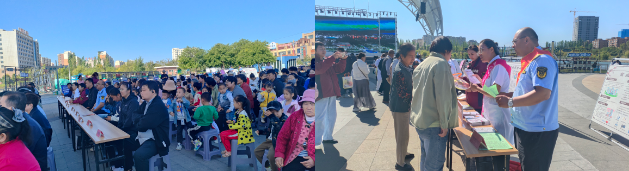
今年"全国科普月"乌苏市主场活动现场,乌苏市市场监管局工作人员采取设置展板、悬挂横幅、发放宣 传资料等多种方式,围绕食品、药品、计量、标准、特种设备、产品质量、知识产权、消费维权等20余 项公众关注的热点内容,科普宣传相关知识,广泛宣传市场监管领域科技创新成果,充分展示市场监管 科技成果服务经济社会发展和人民生活的显著成效。(杜志锋、努尔艾力、王春蓉) 9月4日,新疆维吾尔自治区乌苏市市场监管局强化党建引领,以"科学改变生活 创新赢得未来"为主 题,在乌苏市和谐广场会同市科协、商工信、卫健委、人民医院、凯赛生物科技、疆域酒业、紫域庄园 等20个单位,举办2025年乌苏市"全国科普月"启动仪式。 ...
迎驾贡酒成立君临酒业销售新公司
Zheng Quan Shi Bao Wang· 2025-09-04 08:25
Group 1 - A new company named Anhui Yingjia Junlin Liquor Sales Co., Ltd. has been established with a registered capital of 30 million yuan [1] - The business scope of the new company includes liquor sales and food sales [1] - Yingjia Junlin Liquor Sales Co., Ltd. is wholly owned by Yingjia Gongjiu (603198) [1]

三重困境压顶,低度酒饮能否成为酒商中秋突围的救命稻草?
Sou Hu Cai Jing· 2025-09-04 08:22
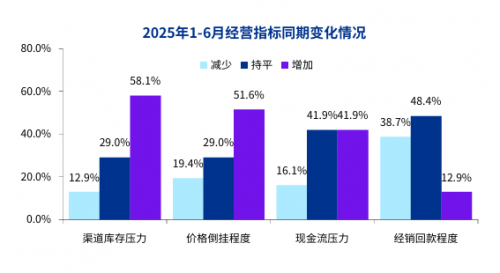
Core Viewpoint - The Chinese liquor industry is facing a significant transformation, with the upcoming Mid-Autumn Festival and National Day serving as a critical test of survival amid severe challenges including inventory buildup, price collapse, and changing consumer scenarios [1][2]. Group 1: Survival Challenges - The liquor industry is experiencing systemic challenges, with inventory turnover days reaching 900, a 10% increase year-on-year, and over 58.1% of distributors reporting increased inventory [3][5]. - The price inversion phenomenon is worsening, with over 50% of distributors and retailers facing negative profit margins, particularly in the 800-1500 yuan price range, where competition from both high-end and low-end products is intense [6][7]. - The new regulations prohibiting alcohol in work meals have severely impacted core consumption scenarios, leading to a 40% year-on-year decline in demand, further exacerbated by online low-price competition [7][9]. Group 2: Market Dynamics - The overall liquor market is shrinking, with traditional categories like white liquor, wine, and beer facing significant challenges, while the low-alcohol beverage market is projected to grow to 74 billion yuan by 2025, with a compound annual growth rate of 25% [11][13]. - The shift in consumer demographics towards younger generations is driving demand for low-alcohol, health-oriented products, necessitating a reevaluation of traditional liquor offerings [11][19]. - Innovative products like low-alcohol sparkling wines are gaining traction, with brands like Mei Jian and craft beers showing significant growth, indicating a shift in consumer preferences [16][18]. Group 3: Strategic Responses - Liquor companies are responding to market pressures by diversifying their product lines, with notable launches of low-alcohol options aimed at capturing the evolving consumer base [14][19]. - The industry's future competitiveness will hinge on understanding consumer needs and adapting to new consumption scenarios, moving away from traditional high-alcohol offerings [14][19]. - The rise of brands like Mei Jian, which has seen over 20% growth in a challenging market, exemplifies the potential for success through targeted product positioning and broad consumption scenarios [16][18].