
软饮料

Search documents
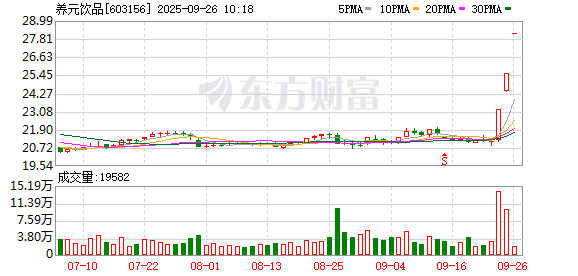
养元饮品连收3个涨停板
Zheng Quan Shi Bao Wang· 2025-09-26 02:18
近日该股表现 | 日期 | 当日涨跌幅(%) | 换手率(%) | 主力资金净流入(万元) | | --- | --- | --- | --- | | 2025.09.25 | 10.02 | 0.79 | 1448.31 | | 2025.09.24 | 9.98 | 1.12 | 7861.85 | | 2025.09.23 | 0.14 | 0.25 | -120.11 | | 2025.09.22 | -0.61 | 0.18 | 114.56 | | 2025.09.19 | 0.81 | 0.17 | 162.55 | | 2025.09.18 | -1.27 | 0.31 | 214.93 | | 2025.09.17 | 0.52 | 0.23 | 401.13 | | 2025.09.16 | -0.28 | 0.16 | -3.53 | | 2025.09.15 | -1.30 | 0.25 | -500.07 | | 2025.09.12 | -1.47 | 0.29 | 55.82 | 注:本文系新闻报道,不构成投资建议,股市有风险,投资需谨慎。 养元饮品盘中涨停,已连收3个涨停板,截 ...


养元饮品2涨停
Zhong Guo Jing Ji Wang· 2025-09-25 07:50
(责任编辑:康博) 中国经济网北京9月25日讯 养元饮品(SH:603156)今日股价涨停,截至收盘报25.58元,涨幅 10.02%,总市值322.38亿元。该股此前1个交易日涨停。 ...
揭秘! 巴菲特、段永平都在用的期权策略:躺着赚现金,等着接“打折”好股! (第六期-卖出看跌期权 Short Put)
贝塔投资智库· 2025-09-25 04:00
卖出看跌期权 - 各大知名投资者中最热门的期权策略 如果有人告诉你,他有个稳健的投资策略, 不仅能在市场横盘,小涨,或小跌的时候都可以赚取现金流,还有机会以低价买入长期看好的优质股 ,你 会怎么想呢?可能有老道的投资者会觉得这肯定是唬人,市场里哪可能有这种"天下掉馅饼"的事。然而事实是,期权中还真有这么一个策略能实现 —— Sell Put (卖出看跌期权) ,而且该策略的实用性也已被各大投资者所验证,因为实操步骤简单,可以说是最热门的期权交易策略也不为过。 在1993年4月,当可口可乐股价在40美元左右时, 巴菲特 觉得股价在 短期内不会大涨,但同时也不太可能大跌,他长期还是看好可口可乐这家公司 。 因此他卖出500万份当年12月到期,行权价35美元的看跌期权。在12月到期时,可口可乐在40-45美元间震荡,并未跌破35美元,期权作废,巴菲特作为 卖方赚取了近 750万美元 的期权金。即使我们假设可口可乐真的跌破35美元,那么巴菲特就需要以这个价格大量购买可口可乐的股票,在当时仍然是相 当划算的交易,因为在1994年股价上涨了超过23%。 在今年4月初美股大跌的时候,被誉为"中国巴菲特"的 段永平 也通过卖 ...




年销30亿的国货“卖身”美国,创始人曾说绝不卖给外资,原因曝光
Sou Hu Cai Jing· 2025-09-24 13:58
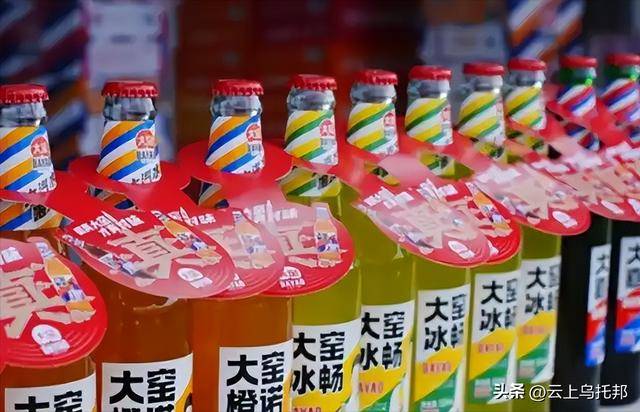
Core Viewpoint - The acquisition of the domestic beverage brand "Dai Yao" by foreign capital reflects the challenges faced by many domestic brands, highlighting a shift from emotional attachment to capital-driven decisions [2][20]. Group 1: Company Background - "Dai Yao" is a well-known beverage brand in China, associated with nostalgia and cultural significance, particularly among northern consumers [4][6]. - The brand has leveraged the "national trend" and celebrity endorsements, such as Wu Jing, to enhance its market presence [4][6]. Group 2: Acquisition Details - In 2025, "Dai Yao" was acquired by the American KKR Group, which now holds 85% of the company's shares, despite previous statements from the company's leadership against foreign acquisition [4][12]. - The acquisition is seen as a strategic move by KKR, which specializes in leveraged buyouts and capital management, rather than a typical competitor acquisition [13][20]. Group 3: Market Challenges - The beverage industry is characterized by high costs associated with packaging, transportation, and distribution, with "Dai Yao" facing significant challenges due to its glass bottle packaging [8][10]. - The company has struggled with market penetration, particularly in southern China, where its market share is less than 10% [12]. Group 4: Future Prospects - KKR's involvement may lead to operational improvements in supply chain and market expansion, potentially benefiting "Dai Yao" in the long run [16][20]. - The entry of foreign capital could stimulate competition among domestic brands, pushing them to focus on quality and operational efficiency rather than emotional branding [16][20]. Group 5: Consumer Sentiment - Consumers express disappointment over the acquisition, fearing a loss of the brand's original values and quality, yet they may continue to purchase the product if it maintains its taste and quality [6][18]. - The brand's ability to retain its essence and consumer trust will be crucial for its future success, regardless of ownership changes [18][20].
食品饮料周报:预制菜概念驱动餐供表现居前,关注双节催化-20250924
Tianfeng Securities· 2025-09-24 12:43
Investment Rating - The industry rating is maintained as "Outperform the Market" [7] Core Viewpoints - The pre-prepared food concept is driving short-term performance in the catering supply sector, with a focus on the upcoming double festival catalysis [5][16] - The overall food and beverage sector experienced a decline of 2.53% from September 15 to September 19, with specific segments like pre-processed foods and soft drinks showing positive performance [23][26] Summary by Sections Market Performance Review - From September 15 to September 19, the food and beverage sector declined by 2.53%, while the Shanghai Composite Index and CSI 300 Index fell by 1.30% and 0.44%, respectively [23] - Specific segment performances included: pre-processed foods (+0.32%), soft drinks (+0.07%), and health products (+0.05%), while snacks (-1.28%) and meat products (-3.64%) saw declines [23] Alcoholic Beverages - The liquor sector saw a decline of 2.95%, underperforming compared to the overall food and beverage sector and the CSI 300 [14] - Key brands like Jinhuijiu and Gujinggongjiu experienced significant drops, with the overall consumption environment remaining under pressure [14] - The current PE-TTM for the liquor index is 19X, indicating a relatively low valuation compared to the past decade [14] Beer Sector - The beer sector showed a slight increase of 0.03%, with brands like Qingdao Beer and Yanjing Beer performing well [15] - Cumulative beer production from January to August 2025 was 26.83 million kiloliters, a slight decrease of 0.2% year-on-year [15] Investment Recommendations - For the liquor sector, three main investment lines are recommended: strong beta stocks (e.g., Jiugui Jiu, Shui Jing Fang), value recovery stocks (e.g., Yingjia Gongjiu), and strong alpha stocks (e.g., Shanxi Fenjiu, Guizhou Moutai) [22] - In the beer sector, focus on companies with sustained growth potential and those benefiting from cost reductions [22] Key Data Tracking - The average price of fresh milk in major production areas was 3.03 yuan/kg as of September 18, 2025, with no year-on-year change [20] - The production capacity of Daizhou yellow wine increased from 18,000 tons to 130,000 tons over the past three years, with a reported output value of 263 million yuan in the first half of the year, up 14.3% year-on-year [14]





装瓶商与可乐公司的关系是什么?为什么分分合合?| 声动早咖啡
声动活泼· 2025-09-24 09:04
Core Viewpoint - Elliott Management has urged PepsiCo to follow Coca-Cola's lead in divesting its bottling operations, which are crucial to the beverage business [2][3] Group 1: Historical Context of Bottling Operations - The bottling business emerged as a solution to early distribution challenges faced by Coca-Cola, which initially sold only syrup to local soda fountains [4] - By 1919, Coca-Cola's bottling network had expanded to 1,200 plants, significantly increasing syrup revenue [4] - PepsiCo adopted a similar bottling strategy, inspired by Coca-Cola's model, to facilitate its own growth [4] Group 2: Advantages of the Bottling Model - The bottling model allows beverage companies to avoid heavy capital investments in manufacturing and logistics, as these responsibilities are managed by bottlers [5] - Local bottlers can leverage regional resources and market knowledge, accelerating product distribution [5][6] Group 3: International Expansion and Partnerships - Both Coca-Cola and PepsiCo replicated their bottling strategies internationally, forming partnerships with local bottlers to enhance market penetration [6][7] - Coca-Cola's return to China involved collaborations with local firms like COFCO and Swire, while Pepsi initially attempted to maintain full control over its bottling operations [7] Group 4: Tensions Between Companies and Bottlers - There exists a tension between beverage companies and bottlers regarding pricing strategies, as companies prefer a "low-margin, high-volume" approach while bottlers seek higher prices to improve their margins [8] - New product launches often create friction, as bottlers face additional costs for production line adjustments and marketing efforts [8] Group 5: Market Dynamics and Competitive Strategies - The rise of large retail chains like Walmart has shifted the dynamics, with PepsiCo gaining an advantage by negotiating directly with retailers, while Coca-Cola had to reform its bottling network to maintain competitiveness [9][10] - Coca-Cola has restructured its bottling network by acquiring stakes in bottlers and supporting larger regional bottlers, while PepsiCo continues to maintain direct control over its bottling operations [10]

泉阳泉涨2.12%,成交额4489.31万元,主力资金净流入246.55万元
Xin Lang Cai Jing· 2025-09-24 06:23
Company Overview - The company, Jilin Quanyunquan Co., Ltd., is located in Changchun City, Jilin Province, and was established on September 29, 1998. It was listed on October 7, 1998. The main business involves the production and sales of natural mineral water from Changbai Mountain [1]. - The revenue composition of the company includes beverages (78.15%), door products (12.59%), greening projects (5.85%), others (3.10%), and design fees (0.31%) [1]. Financial Performance - As of June 30, 2025, the company achieved an operating income of 684 million yuan, representing a year-on-year growth of 13.91%. The net profit attributable to the parent company was 23.47 million yuan, with a year-on-year increase of 13.50% [2]. - The company has cumulatively distributed 800 million yuan in dividends since its A-share listing, with no dividends distributed in the last three years [3]. Stock Market Activity - On September 24, the stock price of Quanyunquan increased by 2.12%, reaching 7.22 yuan per share, with a trading volume of 44.89 million yuan and a turnover rate of 0.88%. The total market capitalization is 5.164 billion yuan [1]. - The stock has seen a price increase of 0.14% year-to-date, with a decline of 1.50% over the last five trading days, 1.77% over the last 20 days, and 0.41% over the last 60 days [1]. - As of June 30, 2025, the number of shareholders increased to 42,900, a rise of 5.73%, while the average circulating shares per person decreased by 5.42% to 16,677 shares [2]. Shareholding Structure - As of June 30, 2025, Hong Kong Central Clearing Limited is the seventh-largest circulating shareholder, holding 3.292 million shares as a new shareholder [3].

上市即售罄,茶的传人这款爆品藏着无糖茶的破局密码
Zhong Guo Shi Pin Wang· 2025-09-24 02:34
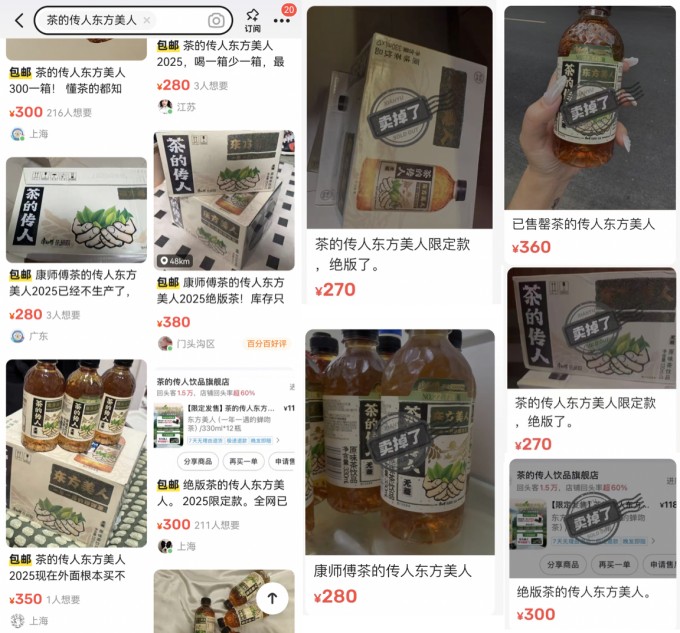
Core Insights - The launch of "Tea's Inheritor Oriental Beauty" at a price of 9.9 yuan per bottle sold out within 83 minutes, indicating strong market demand and consumer interest in premium tea products [1][3] - The unsweetened tea market has experienced rapid growth over the past 2-3 years, but is now facing challenges such as market saturation and increased competition, leading to a slowdown in sales growth [3][21] - "Tea's Inheritor" successfully differentiates itself by focusing on quality and consumer demand for a better taste experience, rather than engaging in price wars [4][21] Market Dynamics - The unsweetened tea market is transitioning from "incremental expansion" to "stock competition," with significant challenges including product homogeneity and intense channel competition [3][21] - Sales growth for unsweetened tea is projected to remain above 10% year-on-year in most months of 2024, but this is a marked decrease compared to the previous year's monthly growth rates exceeding 100% [3][21] Product Quality and Differentiation - "Tea's Inheritor Oriental Beauty" uses rare "Oriental Beauty" tea leaves, which are difficult to cultivate and have a limited harvest period, contributing to its premium quality [6][9] - The product's pricing reflects a deeper understanding of quality-to-price ratio, as the raw material value of the tea exceeds the retail price [6][9] - The brand emphasizes traditional craftsmanship and direct sourcing from tea-producing regions, ensuring high-quality tea experiences for consumers [15][17] Consumer Experience and Cultural Connection - The brand's commitment to quality is evident across its product range, with each tea sourced from renowned regions and adhering to traditional production methods [13][15] - "Tea's Inheritor" enhances consumer experience by offering a taste akin to freshly brewed tea, addressing the challenge of optimizing flavor in unsweetened tea [11][21] - The brand integrates cultural narratives into its marketing, fostering a deeper connection with consumers through storytelling and respect for tea heritage [19][21] Strategic Positioning - The collaboration with the China Agricultural University Tea Research Institute aims to enhance product development and ensure high-quality standards [17] - As the unsweetened tea market matures, the focus is shifting from quantity to quality, with brands needing to emphasize good ingredients, craftsmanship, and cultural depth to maintain long-term value [21] - "Tea's Inheritor" sets a precedent for the industry by moving away from price competition and towards value creation through quality and cultural engagement [21]
东鹏:撕红牛、踢怪兽,国货 “续命水”凭何成逆袭王?
3 6 Ke· 2025-09-23 23:02
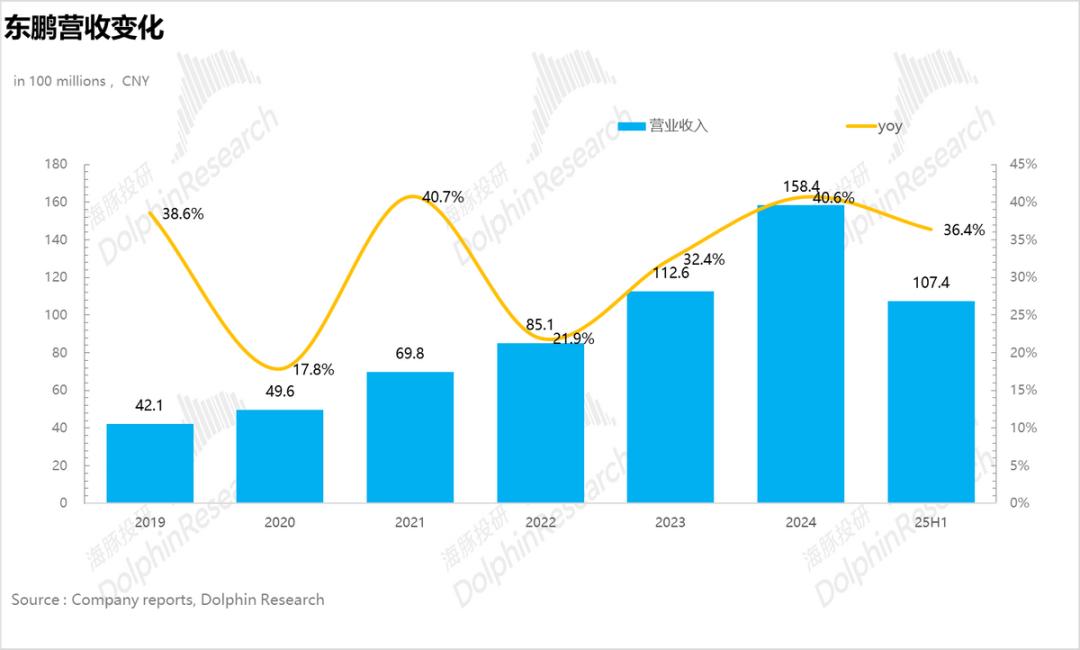
Group 1 - The core viewpoint of the article is that Dongpeng Beverage has achieved remarkable growth in the energy drink market, surpassing Red Bull in market share and revenue since its listing in 2021, with a compound annual growth rate (CAGR) of over 30% in revenue and over 40% in profit [1][2][4] - Dongpeng Beverage has transformed from a regional brand in Guangdong to a national leader in the energy drink sector, with its revenue increasing from 4.2 billion yuan in 2019 to 15.8 billion yuan in 2024, maintaining a high growth rate even after surpassing 10 billion yuan in 2023 [2][4] - The company initially focused on energy drinks, which constituted over 90% of its sales, but has since diversified into other categories such as electrolyte water and ready-to-drink coffee, with energy drinks now making up 84% of total revenue [4][7] Group 2 - Dongpeng adopts a heavy asset model, controlling production and distribution channels, with over 30% of total assets in fixed assets and construction before listing, which has decreased to 23% as the company expanded nationally [9][12] - The company has established 13 production bases across China, ensuring efficient logistics with a transportation radius of no more than 500 kilometers, achieving a production capacity utilization rate of 90% by the end of 2024 [9][12] - Dongpeng's distribution model is unique, utilizing a three-tier structure involving distributors, "postman merchants," and terminal stores, which enhances control over the distribution network and allows for deeper market penetration [12][13] Group 3 - Dongpeng has a gross margin of approximately 45%, with energy drinks nearing 50%, showcasing strong cost control capabilities compared to industry averages [14][17] - The company has achieved a return on equity (ROE) that surpasses both Nongfu Spring and Coca-Cola, indicating high shareholder returns and operational efficiency [17] - The company has maintained a low inventory turnover period of 27 days, significantly better than the industry average of 40-60 days, reflecting its efficient supply chain management [36] Group 4 - Dongpeng's marketing strategy focuses on functional benefits, targeting a broad audience, and utilizing high-frequency advertising to build brand recognition [42][43] - The company has implemented a digital transformation strategy since 2015, investing nearly 3 billion yuan to create a leading digital system that enhances operational efficiency and market control [28][41] - The "five-code integration" system allows for real-time tracking of products throughout the supply chain, significantly improving production efficiency and reducing issues like inventory shortages [33][39] Group 5 - Dongpeng's competitive advantage lies in its ability to maintain low prices while ensuring high operational efficiency, which is supported by its extensive digital infrastructure and scale [46][47] - The company's strategy aligns with cost leadership principles, allowing it to offer lower prices than competitors while achieving higher profits [46][47]

Perfat Technologies获融资;奈雪进入纽约;盒马CEO将兼任CMO
Sou Hu Cai Jing· 2025-09-23 15:20
Investment Dynamics - Finnish startup Perfat Technologies raised 20.879 million RMB in Series A funding, led by Newtree Impact and Beyond Impact. The company has developed a plant oil conversion technology that transforms liquid oils into solid functional fats, reducing fat content by 80% and calories by 30% compared to traditional fats, while adding dietary fiber [3] - McDonald's plans to invest 200 million USD (approximately 1.4 billion RMB) in regenerative agriculture practices across U.S. ranches over the next seven years, covering 4 million acres across 38 states. This is the largest investment by McDonald's in the U.S. to support regenerative agriculture [5] - M Stand acquired Shanghai restaurant brand RAC BAR, which was established in 2017 and operates several locations in Shanghai. The acquisition allows RAC BAR to maintain independent operations at its original location [8][9] - Regal Food, a UK baking manufacturer, acquired soft drink brand Suncrest, known for its tropical fruit-flavored beverages. This acquisition aims to expand Regal Food's beverage product portfolio and create new growth opportunities in the UK and international markets [10][12] - Saks Global is negotiating to sell 49% of its luxury department store Bergdorf Goodman for approximately 1 billion USD. The sale could help stabilize Saks Global's financial situation, which is burdened by over 4 billion USD in debt [13][15] - Winland Foods and La Doria merged to create a new food manufacturing entity valued at 4 billion USD, named Windoria. The merger aims to enhance product offerings and strengthen the supply chain for retailers and food distributors globally [18] - SPC has reached a cooperation agreement with Fonterra to produce Fonterra brand products at its Carrum Downs factory for overseas markets. This partnership is expected to enhance the flexibility of regional supply chains in the dairy processing sector [21] - Nayuki Tea launched a pop-up store in Flushing, New York, attracting significant foot traffic in a Chinese community area. The store's location is strategically chosen due to lower rental costs compared to Manhattan and the presence of other Chinese tea brands [23] - Jean-Marc Bellaiche, former CEO of Printemps, will become the CEO of Sani/Ikos Group, a resort operator, starting January 1. His transition reflects a trend of fashion industry leaders moving into the hospitality sector [24] - Hema announced a major organizational restructuring, with CEO Yan Xiaolei also taking on the role of Chief Merchandise Officer (CMO) to enhance product development and supply chain management, aiming to strengthen Hema's competitive position in the fresh and instant retail market [28]

