超市

Search documents
国庆中秋福利多!金牛区首家“胖改”永辉超市焕新开业
Sou Hu Cai Jing· 2025-09-30 21:02
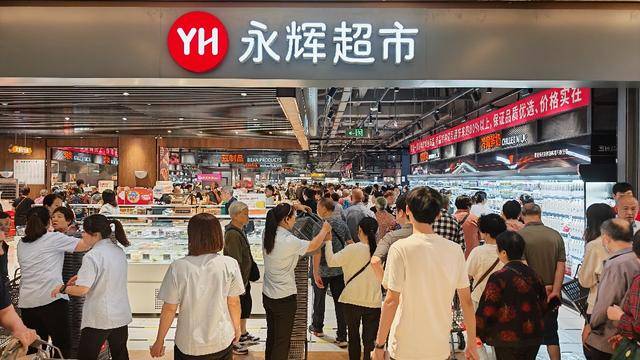
Core Insights - Yonghui Supermarket's Longhu North City Tianjie store has reopened after a 41-day upgrade, marking a significant step towards "quality retail" in the southwestern market [1] - The store's renovation aligns with Yonghui's "Learning from Pang Donglai" strategy, aimed at meeting the consumption needs of mainstream Chinese families [1] Store Environment and Shopping Experience - The store features a modern design with a focus on product display, including a unified shelf height of 1.6 meters and a main aisle width of 3 meters, enhancing overall visibility [3] - Clear zoning within the store includes areas for baked goods, fresh food, and standard products, with a particular emphasis on the baking section [3] Product Quality and Selection - The product structure has been significantly optimized, with 36.6% of original items eliminated and 3,708 new selected products introduced, achieving over 80% alignment with Pang Donglai's product system [6] - The proportion of imported goods has increased to 20%, and exclusive brand sections for Yonghui and Pang Donglai have been established [6] Customer Service Enhancements - The store has implemented 30 convenience measures, including specialized equipment in various sections and a new "convenience service area" with essential facilities [8] - Promotional offers include exclusive benefits for customers and a "free parking for 9 days" initiative during the National Day and Mid-Autumn Festival [8]


云姨夜话丨密集“换装”,今秋“济超”有新赛事
Qi Lu Wan Bao· 2025-09-30 15:59
Group 1 - The "Jinan Supermarket" is undergoing significant changes with new store openings and renovations, particularly by Yonghui Supermarket, which is adopting a "Pang Donglai" style of store transformation [2] - Yonghui Supermarket's first transformed store in Jinan reported a sales increase of over 300% and a customer traffic increase of over 100% in the first three months after reopening [2] - A total of 26 transformed stores were opened by Yonghui Supermarket across various locations in late September, indicating a rapid expansion of their new store format [2] Group 2 - The third transformed store of Shandong Yonghui Supermarket is set to reopen on November 28, following a temporary closure starting October 10 [3] - Historical context shows that several major supermarket brands, including RT-Mart and Carrefour, have exited the Jinan market, highlighting the competitive landscape [3] - Supermarkets are increasingly investing in bakery and prepared food categories, with Yonghui Supermarket introducing over 200 new products in its "Bakery and Prepared Food" channel [3]

蔚来城商业广场十一开业,德州商业格局再迎新变化
Qi Lu Wan Bao Wang· 2025-09-30 06:53
Group 1 - The core viewpoint of the article highlights the opening of the NIO City Commercial Plaza in Dezhou, which is expected to bring significant changes to the local commercial market and has garnered widespread attention from citizens [1] Group 2 - The commercial landscape in Dezhou has been dominated by major players such as Debai Group, which operates several supermarkets and shopping centers, and the foreign brand Yinzuo Mall, indicating a competitive environment [2] - The entry of Wanda Plaza has increased foot traffic for its supermarket brand, Shenghao Supermarket, but the recent closure of Shenghao Supermarket and the potential takeover by Hema Fresh illustrates the intense competition and market turnover [2][3] - Smaller chain supermarkets like Shangchu Supermarket and Chunfeng Supermarket are thriving by being community-oriented and flexible, contributing to a diverse commercial ecosystem in Dezhou [2] Group 3 - The entry of NIO City Commercial Plaza presents both opportunities and challenges; the vibrant consumer market and the exit of Shenghao Supermarket create openings for new entrants, but established players like Debai Group maintain strong customer loyalty [3] - To succeed, NIO City Commercial Plaza must differentiate itself through brand mix, consumer experience, and innovative services, as traditional shopping and dining models may no longer attract consumers [3] Group 4 - The opening of NIO City Commercial Plaza reflects the ongoing development of commercial real estate in Dezhou, providing citizens with new shopping and leisure options while potentially stimulating regional commercial vitality and upgrading local services [4] Group 5 - The introduction of new commercial entities is seen as a test and stimulus for the existing market, with the opening celebration of NIO City Commercial Plaza featuring an extended 8-day event designed to engage the local community [5]

步步高涨2.11%,成交额4.80亿元,主力资金净流出1429.28万元
Xin Lang Cai Jing· 2025-09-30 03:13
Company Overview - Bubu Gao Commercial Chain Co., Ltd. is located in Changsha, Hunan Province, established on December 11, 2003, and listed on June 19, 2008. The company's main business involves retail sales, with revenue composition as follows: supermarkets 64.34%, others 27.44%, department stores 6.01%, logistics and advertising 2.21% [1]. Stock Performance - As of September 30, Bubu Gao's stock price increased by 2.11% to 5.81 CNY per share, with a trading volume of 480 million CNY and a turnover rate of 3.91%, resulting in a total market capitalization of 15.621 billion CNY [1]. - Year-to-date, Bubu Gao's stock price has risen by 47.09%, with a 6.41% increase over the last five trading days, a 5.07% decrease over the last 20 days, and a 14.60% increase over the last 60 days [1]. Financial Performance - For the first half of 2025, Bubu Gao achieved a revenue of 2.133 billion CNY, representing a year-on-year growth of 24.39%. The net profit attributable to shareholders was 201 million CNY, showing a significant year-on-year increase of 357.71% [2]. - Since its A-share listing, Bubu Gao has distributed a total of 1.677 billion CNY in dividends, with no dividends paid in the last three years [3]. Shareholder Information - As of June 30, 2025, the number of shareholders for Bubu Gao was 88,500, an increase of 96.50% compared to the previous period. The average circulating shares per person decreased by 49.11% to 17,105 shares [2]. - Among the top ten circulating shareholders, Hong Kong Central Clearing Limited is the tenth largest shareholder, holding 10.5068 million shares as a new shareholder [3]. Industry Classification - Bubu Gao belongs to the Shenwan industry classification of retail trade, specifically general retail and supermarkets. The company is associated with several concept sectors, including prepared dishes, community group buying, delisting concepts, duty-free concepts, and unified market concepts [2].

线下零售新风口:电商布局硬折扣超市,面临哪些挑战?
Huan Qiu Wang· 2025-09-30 02:02
Core Viewpoint - The rise of hard discount supermarkets is becoming a new trend in the retail sector, driven by consumer demand for extreme cost-effectiveness and the strategic interests of e-commerce platforms [2][5]. Group 1: Market Overview - Hard discount supermarkets are characterized by absolute low prices achieved through extreme efficiency, primarily focusing on private label products [3][5]. - The hard discount market in China is still in its nascent stage, with a total of only 77 stores from major players like Aoleqi, indicating significant growth potential [2][5]. - The market is projected to exceed 200 billion yuan in 2024, with a penetration rate of only 8%, compared to 42% in Germany and 31% in Japan, highlighting the vast opportunity for expansion [5]. Group 2: Business Model - Hard discount supermarkets typically maintain a limited SKU range of 1,000 to 2,000 items, focusing on essential goods such as grains, dairy, and beverages, which allows for stronger bargaining power and lower procurement costs [3][5]. - The operational area of hard discount stores is generally smaller, ranging from 500 to 1,000 square meters, and they often utilize bulk packaging to reduce costs [3][5]. - E-commerce platforms are leveraging their supply chain advantages to implement direct sourcing and optimize logistics, enhancing operational efficiency [3][6]. Group 3: Competitive Landscape - Major e-commerce players like JD.com and Meituan are entering the hard discount market, with JD's discount supermarket model already opening six stores and Meituan's Happy Monkey launching two stores in Hangzhou [2][6]. - The competitive advantage of these platforms lies in their ability to eliminate intermediaries and utilize data-driven strategies to optimize inventory and pricing [6][7]. Group 4: Challenges Ahead - The transition from online to offline retail poses operational challenges, as e-commerce companies must adapt to the unique dynamics of physical retail environments [7]. - The sustainability of profit models in hard discount operations is a concern, as many platforms currently rely on subsidies for growth, necessitating the development of viable long-term strategies [7][8]. - Companies must focus on enhancing their private label offerings and restructuring supply chains to balance low prices with profitability [7][8].
网传月饼礼盒设计费上千万 胖东来否认:9款设计费372万
Nan Fang Du Shi Bao· 2025-09-30 00:32
Core Points - The controversy surrounding the high design fee of 10 million yuan for the mooncake packaging by Pang Dong Lai has attracted significant attention [1][2] - Pang Dong Lai clarified that the design fees for the 2025 Mid-Autumn Festival mooncake gift boxes amounted to 3.72 million yuan for 9 designs and 420,000 yuan for 21 types of loose packaging [2] - There is a reported shortage of several mooncake gift boxes in stores, with some sellers on second-hand platforms indicating a significant price increase for popular items [1][2] Design Fees - Pang Dong Lai's mooncake packaging was designed by Hong Kong designer Chan Yau Kin and his team, with prices for the gift boxes ranging from 97 yuan to 350 yuan [2] - The total design cost for the mooncake packaging was broken down into 3.72 million yuan for 9 gift box designs and 420,000 yuan for 21 loose packaging designs [2] Consumer Concerns - Consumers have raised concerns about the excessive packaging of the mooncakes, questioning whether the high design fees are justified [3] - The packaging for three specific mooncake gift boxes features interactive elements, which has led to further scrutiny regarding the necessity of such elaborate designs [3] Company Background - Pang Dong Lai is a well-known supermarket chain in Henan, established in 1995, with a total of 13 stores located in Xuchang and Xinxiang [4] - As of September 23 this year, Pang Dong Lai reported a total sales revenue of 16.773 billion yuan [4]
电商布局硬折扣超市,面临哪些挑战
Zhong Guo Qing Nian Bao· 2025-09-29 20:02
Core Insights - The rise of hard discount supermarkets is becoming a new trend in the retail sector, driven by consumer demand for extreme cost-effectiveness and efficiency [2][6] - The hard discount market in China is still in its nascent stage, with a total store count remaining limited and highly concentrated in the Jiangsu, Zhejiang, and Shanghai regions [2][3] Hard Discount Supermarket Characteristics - Hard discount supermarkets focus on absolute low prices, primarily through high self-brand product ratios and efficient supply chain management [3][4] - The average store size for hard discount supermarkets is typically between 500 to 1,000 square meters, with SKU counts ranging from 1,000 to 2,000 [3][4] - Self-owned brands account for a significant portion of sales in hard discount supermarkets, with companies like Aldi achieving up to 90% in self-brand sales [3][6] Market Potential and Growth - The hard discount market in China is projected to exceed 200 billion yuan by 2024, with a penetration rate of only 8%, indicating substantial growth potential compared to countries like Germany and Japan [6] - Aldi's performance in China, with 20 billion yuan in sales from just 55 stores in Shanghai, reflects the market's potential [6] E-commerce Involvement - E-commerce platforms are entering the hard discount market as a strategic choice to differentiate themselves and leverage their supply chain advantages [5][7] - The integration of online and offline operations allows e-commerce companies to quickly penetrate the market and enhance their instant retail capabilities [7] Challenges for E-commerce Companies - The operational logic differences between online and offline retail present significant challenges for e-commerce companies entering the hard discount space [8] - Establishing a sustainable profit model is crucial, as many platforms currently rely on subsidies for growth [8][9] - Companies must focus on building self-owned brands and optimizing supply chains to balance low prices with profitability [8][9]


一位超市老板的自述:5年亏下500万,终于把加工做到净利率8%
Sou Hu Cai Jing· 2025-09-29 03:18
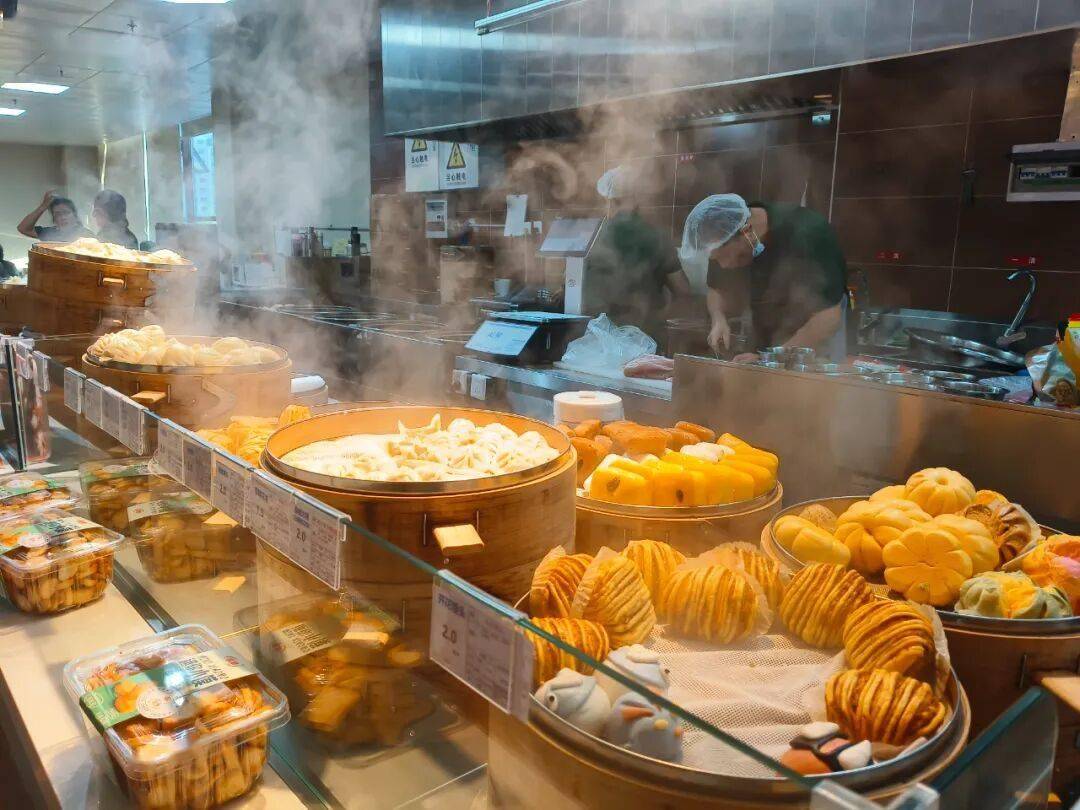
Core Insights - The article discusses the journey of a supermarket owner in Beijing, Zhao Yulong, who has spent eight years exploring the processing sector, sharing experiences and insights to help industry peers [2] - The processing segment is crucial for supermarkets to differentiate themselves and attract customers, especially in a competitive market [5][10] Group 1: Challenges in Processing - Transitioning from outsourcing to self-operated processing proved to be difficult due to a lack of skilled personnel and operational mechanisms [4][12] - The company faced significant financial losses, amounting to approximately 5 million yuan over five years, as the processing segment struggled to generate profits [5][14] - The pandemic exacerbated existing challenges, leading to a decline in store sales by about 8% to 10%, which was better than the industry average but still concerning [5] Group 2: Strategic Shifts and Improvements - After a period of reflection, the owner decided to take direct control of the processing operations, leading to a notable improvement in profitability, with a net profit margin reaching 8% [5][16] - The company restructured its organizational framework and shifted its performance evaluation from gross margin to sales, significantly boosting employee motivation and productivity [16][17] - The introduction of high-quality raw materials and a focus on authentic flavors helped enhance product quality and customer satisfaction [20][21] Group 3: Recommendations for Industry Peers - Establishing a robust organizational structure is essential for effective processing management, requiring leaders who understand both the business and the needs of the team [22][24] - Clear product categorization and regular updates based on market trends are necessary to maintain customer interest and drive sales [24][25] - Daily operational management should focus on optimizing product availability during peak hours while ensuring quality and minimizing waste [28]
商贸零售行业周报:吉宏股份预告高增长,关注三季度高景气赛道公司-20250928
KAIYUAN SECURITIES· 2025-09-28 14:36
Investment Rating - The industry investment rating is "Positive" (maintained) [1] Core Views - The retail industry index decreased by 4.32% in the week of September 22-26, 2025, underperforming the Shanghai Composite Index, which increased by 0.21% [6][13] - The report highlights the strong performance of certain companies, such as Jihong Co., which is expected to achieve a net profit of 209-222 million yuan for Q3 2025, representing a year-on-year increase of 55-65% [4][26] - The report emphasizes the importance of emotional consumption themes and recommends focusing on high-quality companies in high-growth sectors [7][31] Summary by Sections Retail Market Review - The retail industry index closed at 2281.69 points, ranking 29th among 31 primary industries [6][13] - The brand cosmetics sector experienced the smallest decline of 1.31% during the week, while the watch and jewelry sector led with a year-to-date increase of 26.87% [18][20] Company Performance Highlights - Jihong Co. is expected to achieve a net profit of 209-222 million yuan for Q3 2025, driven by its dual business model of cross-border e-commerce and packaging [4][26] - Old Puhuang reported a revenue of 12.354 billion yuan for H1 2025, a year-on-year increase of 250.9%, with a net profit of 2.268 billion yuan, up 285.8% [36][37] - Chao Hong Ji achieved a revenue of 4.102 billion yuan in H1 2025, with a net profit increase of 44.3% [39] Investment Recommendations - Focus on high-quality companies in the gold and jewelry sector, such as Old Puhuang and Chao Hong Ji, which are expected to benefit from emotional consumption trends [7][31] - Emphasize the importance of offline retail companies that adapt to consumer trends, recommending companies like Yonghui Supermarket and Aiying Room [31][32] - Highlight the potential of domestic beauty brands, recommending companies like Mao Ge Ping and Po Lai Ya, which are positioned well in the high-end market [32][33]

“双低”健康月饼、特色产区大闸蟹热销,多家电商、超市发力双节
Bei Ke Cai Jing· 2025-09-28 08:00
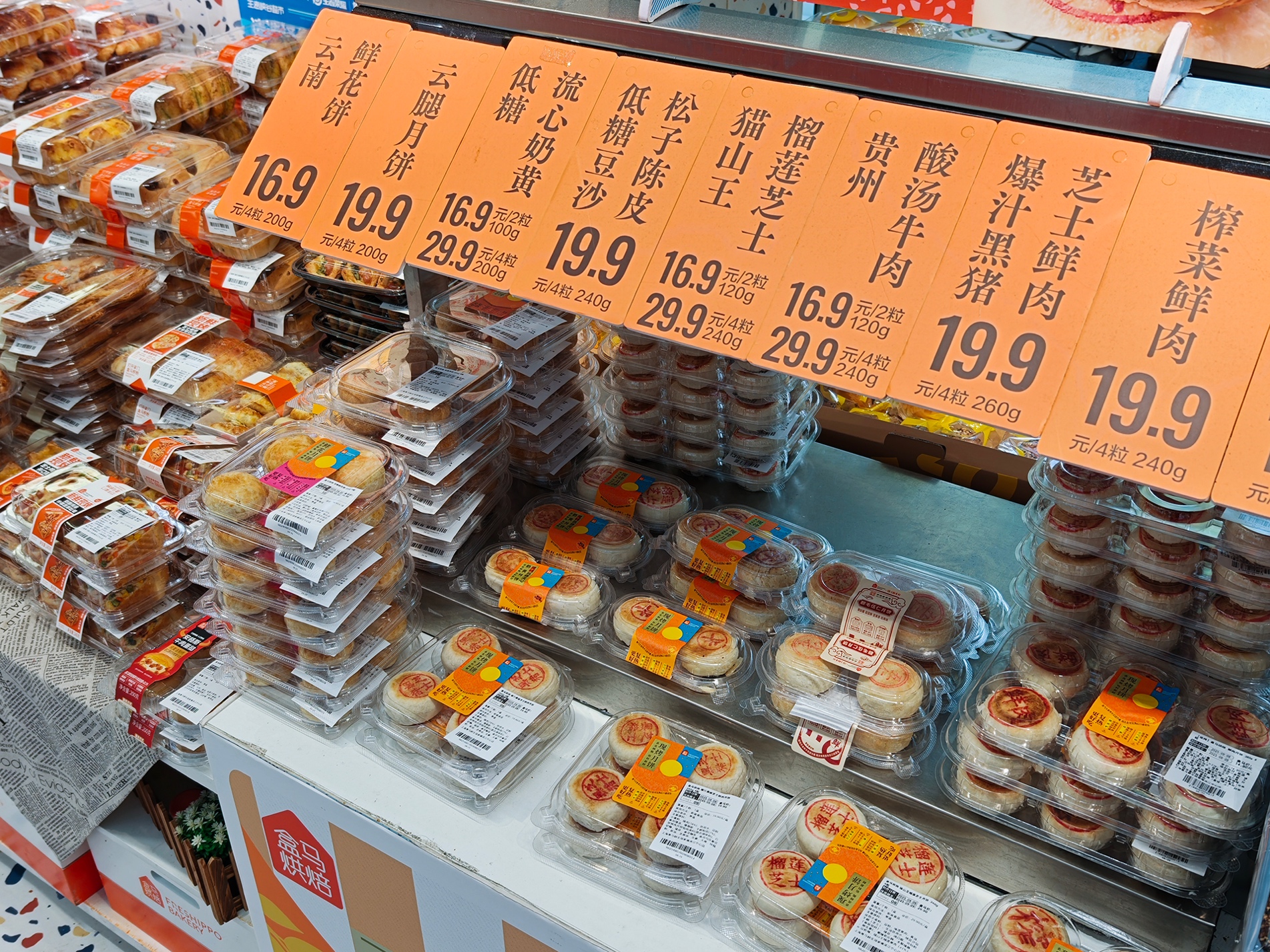
Group 1: Health-Conscious Products - The demand for "low sugar and low oil" mooncakes has significantly increased, with 96.7% of surveyed consumers prioritizing health when selecting mooncakes [2][4] - Boxed low-sugar mooncake gift sets have increased by 6 varieties compared to last year, reflecting a shift towards healthier options [2] - Various platforms are introducing unique mooncake flavors, such as low GI mooncakes and medicinal ingredient mooncakes, to cater to health-conscious consumers [4] Group 2: Regional Specialty Mooncakes - Sales of regional specialty mooncakes, such as Su-style fresh meat mooncakes, have seen over 100% year-on-year growth [5] - The popularity of Yunnan flower cakes and Guizhou-style mooncakes is rising, indicating a trend towards unique local flavors [5] - Overall, mooncake sales during the holiday period are expected to increase by over 30% compared to last year [5] Group 3: Seasonal Products and Trends - The sales of hairy crabs are projected to increase by 4-5 times during the double holiday period, driven by the demand for family gatherings [6][8] - Various platforms are enhancing their supply chains to ensure stable availability of crabs from different regions [8] - The introduction of seasonal products like fresh-cut duck meat and new rice varieties is also gaining traction, with duck meat sales up by approximately 30% [11][12] Group 4: Local Agricultural Products - Yonghui Supermarket is launching a new line of chestnuts sourced from a recognized geographical area, with a procurement plan of 2,500 tons expected to boost local farmers' income [9][10] - The supermarket employs a rigorous quality control process to ensure product consistency and quality [10]