
仓储

Search documents
10月份中国仓储指数为50.6% 较上月回升1个百分点
Di Yi Cai Jing· 2025-11-05 01:52
Core Insights - The China Logistics and Purchasing Federation, in collaboration with China Storage Development Co., has reported that the China Warehousing Index for October 2025 is at 50.6%, indicating a recovery of 1 percentage point from the previous month and returning to the expansion zone above 50% [1] Summary by Categories Overall Index - The China Warehousing Index has increased to 50.6%, marking a return to the expansion zone [1] Sub-Indices - The business volume index, facility utilization rate index, end inventory index, and average inventory turnover index have all risen, with increases ranging from 0.6 to 3.8 percentage points [1] - The business volume index specifically stands at 52.7%, up by 2.2 percentage points from the previous month [1] Sector Performance - In terms of specific categories, the business volume indices for chemical products, coal, agricultural products, and cotton are all above 50%, indicating growth [1] - Conversely, the business volume indices for steel and pharmaceuticals are below 50%, suggesting a contraction in those sectors [1] Employment and Expectations - The enterprise employee index and business activity expectation index have both declined, with decreases of 0.4 and 3.4 percentage points, respectively [1]
WEI指数有所回升——每周经济观察第43期
一瑜中的· 2025-10-27 14:42
Group 1: Economic Trends - The Huachuang Macro WEI Index increased to 5.3% as of October 19, up 1.19 points from the previous week [2] - Port container throughput showed a slight rebound, with a 3.6% increase compared to the previous week, while the year-on-year growth rate decreased to 4.3% [2][27] - Oil prices rebounded significantly, with WTI crude oil closing at $61.5 per barrel, up 6.9%, and Brent crude at $65.9 per barrel, up 7.6% [2][44] Group 2: Consumer Behavior - Retail sales of passenger cars turned negative, with a cumulative year-on-year decrease of 5.7% as of October 18, compared to a 6% increase in September [3][16] - The growth rate of non-durable goods consumption declined, with express delivery volume showing a year-on-year decrease of 0.8% [3][16] - Real estate sales saw a significant drop, with residential sales in 67 cities down 23% year-on-year as of October 24, compared to a 1.2% decline in September [3][16] Group 3: Production and Industry - Cement dispatch rates fluctuated, with a rate of 38.4% as of October 17, slightly up from the previous week [19] - Industrial production showed a decline in coal throughput at Qinhuangdao Port, with a year-on-year increase of only 4.6% as of October 24, down from 19% in September [19][23] - The construction sector's apparent consumption of rebar was down 14% year-on-year as of October 24 [19] Group 4: Policy and Investment - New policy financial tools have been issued, totaling over 330 billion yuan, expected to drive total project investment of 4.8 trillion yuan [4][49] - The focus of the recent Central Committee meeting shifted from "supply-side reform" to "building a unified market," indicating a change in policy direction [4][23] - The Ministry of Industry and Information Technology emphasized the need for modernization in industry governance during the recent meeting [4][23] Group 5: Trade Dynamics - The number of ships from China to the U.S. saw a significant year-on-year decline of 28.6% as of October 25 [27][29] - The overall import value from the U.S. showed a slight rebound, while imports from China remained at a low level, with a year-on-year decrease of 24.8% [28][29] - Container shipping rates for exports from Shanghai increased by 7.1% in the week ending October 24 [27] Group 6: Price Movements - Prices for pork and eggs continued to decline, with pork prices down 1.7% and egg prices down 2% [45] - The overall commodity price index increased by 0.9%, while global commodity prices rose significantly, with the RJ/CRB index up 3.3% [43][44] - The price of industrial silicon futures decreased by 0.5%, while polysilicon futures dropped by 4.1% [44][45]


氪星晚报|淘宝出海正式上线跨境家具直邮服务;Rivian计划裁员超600人;雷军回应小米K90定价
3 6 Ke· 2025-10-24 10:16
Group 1: Company Developments - Rivian plans to lay off over 600 employees due to increasing market challenges in the electric vehicle sector [1] - Tesla aims to increase its vehicle production to 3 million units within the next two years, driven by the expansion of its full self-driving technology [3] - Xiaomi has introduced a tax subsidy plan for its vehicles to address unexpected order volumes and delivery issues, offering up to 15,000 yuan in tax relief [6] - TikTok is undergoing structural adjustments and is actively recruiting high-end talent, with multiple positions offering annual salaries exceeding 1 million yuan [7] - EVE Energy expects to launch the next generation of solid-state batteries in the fourth quarter, while also exploring semi-solid battery production [10] Group 2: Industry Trends - Taobao has officially launched cross-border direct mail services for furniture, covering markets such as Hong Kong, Taiwan, Singapore, and Malaysia, with over 1 million items available for direct shipping [4] - The China Logistics and Purchasing Union has initiated an "anti-involution" campaign to promote high-quality development in the warehousing industry, advocating for fair competition and price stability [8] - The French highway operator has successfully tested dynamic inductive charging technology for electric heavy-duty trucks, which could enhance decarbonization in transportation [11] Group 3: Financing Activities - Pony.ai plans to go public in Hong Kong within two weeks, aiming to raise over $500 million [12] - The parent company of the large model Kimi, Moonlight Dark Side, is set to complete a new round of financing amounting to several hundred million dollars [13]
X @外汇交易员
外汇交易员· 2025-10-24 06:51
Industry Regulation & Competition - The China Federation of Logistics and Purchasing (CFLP) initiated a proposal against "involutionary" competition to promote high-quality development in the warehousing industry [1] - Warehousing operators must strictly follow the "Price Law" and base pricing on production and operating costs and market supply and demand [1] - The industry should consciously maintain market price stability and jointly create a fair and orderly competitive environment [1] - The industry should resolutely resist vicious competition involving low quality and low prices [1] - In the entire bidding process, it is strictly forbidden to participate in bidding with quotations below cost [1]
中国物流与采购联合会发起“反内卷”倡议:坚决抵制仓储行业恶性竞争行为
Yang Shi Xin Wen· 2025-10-24 06:40
Core Viewpoint - The China Federation of Logistics and Purchasing has launched an initiative to oppose "involution-style" competition and promote high-quality development in the warehousing industry [1] Group 1: Initiative Requirements - Warehousing operators are required to strictly adhere to the Price Law of the People's Republic of China, maintaining fairness, legality, and integrity in pricing [1] - Pricing should be based on production and operational costs as well as market supply and demand, ensuring the exercise of autonomous pricing rights and the maintenance of market price stability [1] - There is a strong emphasis on resisting low-quality and low-price vicious competition, with a prohibition on bidding below cost during the entire bidding process [1] Group 2: Strategic Directions - Warehousing operators are encouraged to focus on digital transformation as a core strategic direction [1] - The initiative promotes the enhancement of operational efficiency and core competitiveness through technological upgrades, process optimization, and data empowerment [1] - The goal is to fundamentally establish a solid foundation for the industry to counteract "involution" [1]
为推动民营经济发展壮大把脉支招
Sou Hu Cai Jing· 2025-10-22 03:14
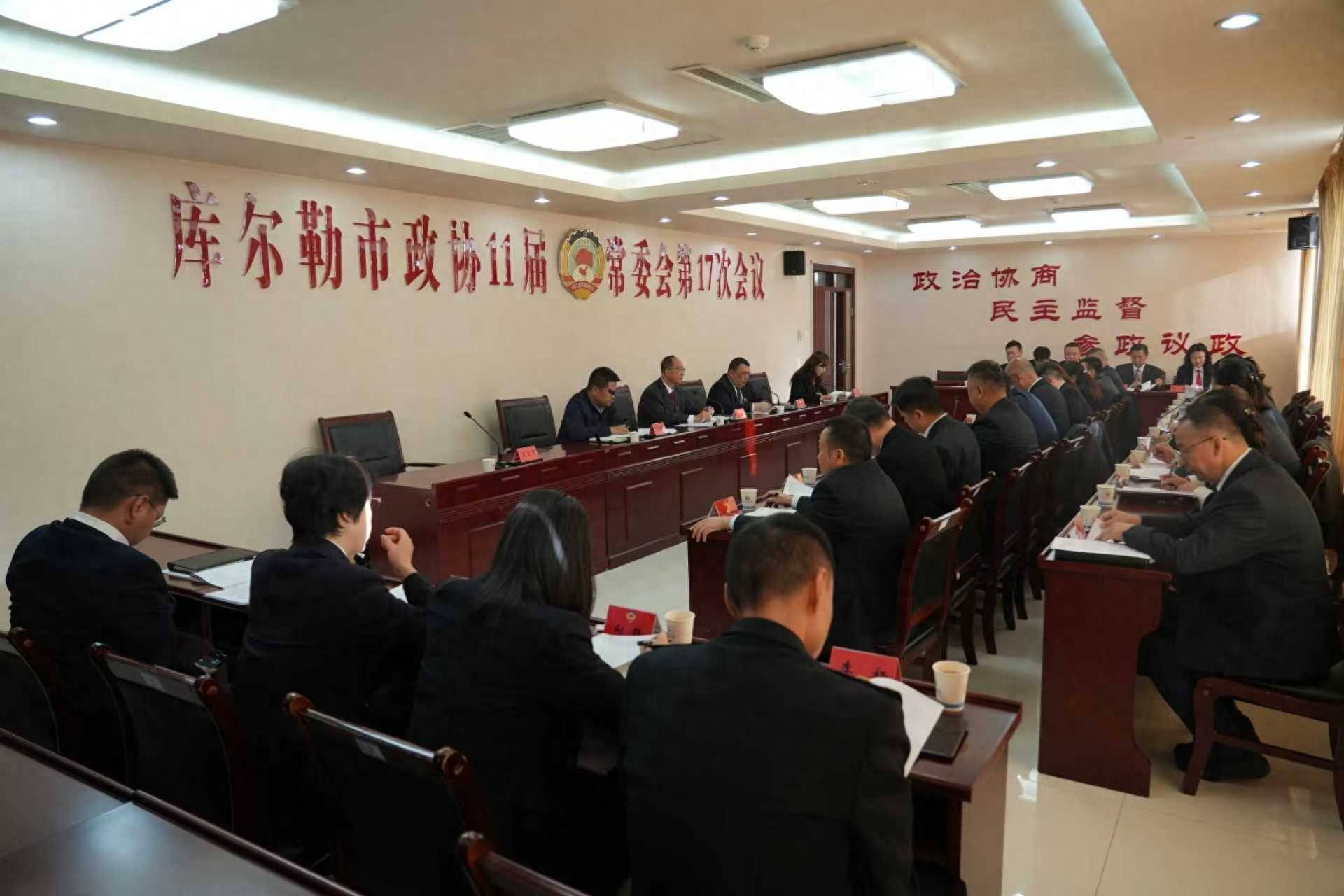
Core Viewpoint - The meeting held by the Xinjiang Korla Municipal Political Consultative Conference focused on promoting the development and growth of the private economy, aiming to provide targeted advice for high-quality development [3][6]. Group 1: Meeting Overview - The 17th Standing Committee meeting of the 11th Xinjiang Korla Municipal Political Consultative Conference took place on October 21, 2023, discussing strategies to enhance the private economy [3]. - Key officials, including the Secretary of the Political Consultative Conference and the Deputy Mayor, participated in the meeting, emphasizing the importance of high-quality development for private enterprises [3][6]. Group 2: Policy Initiatives - Korla City has been optimizing the policy environment to support private enterprises, implementing measures such as the "Thirty Measures for Promoting High-Quality Economic Development" and "Twelve Measures for Supporting Technological Innovation and Talent Development" [4][6]. - The city has established a "High-Efficiency Handling" service model, which has processed 21,824 cases this year, streamlining administrative procedures for businesses [4]. Group 3: Challenges and Recommendations - Common challenges faced by private enterprises include a lack of dedicated R&D teams and low R&D investment, which hinder product and technological innovation [6]. - Recommendations from committee members include increasing government incentives for R&D investment, enhancing financing support for small and micro enterprises, and improving policy communication and market access for private businesses [6][7][9]. Group 4: Government Response - The government is committed to supporting the work of the Political Consultative Conference and will actively consider the suggestions made during the meeting to facilitate the growth of the private economy [9].
原油成品油早报-20251017
Yong An Qi Huo· 2025-10-17 04:06
1. Report Industry Investment Rating - No information provided 2. Core View of the Report - This week, oil prices declined. The first - stage cease - fire agreement in the Gaza region led to the withdrawal of the Middle East geopolitical risk premium. Trump reignited the trade war, worsening the macro - sentiment, and Brent crude fell to $62 per barrel with a daily decline of over 4%. Fundamentally, crude oil supply continued to be released. OPEC confirmed a production increase of 137,000 barrels per day in November and was expected to do the same in December. Since September, OPEC+ net crude oil exports increased significantly, and Russian crude oil exports also rose. Global floating storage of crude oil increased substantially. The US EIA commercial crude oil inventory increased, and production rose while the number of drilling rigs decreased. Global refinery profits declined with the fall of diesel cracking. Next week, the Dangote refinery in West Africa is expected to resume, restoring global gasoline supply. Considering the sanctions on Iran and Russia, the fourth - quarter refinery start - up rate is slightly lowered. In the baseline scenario, there will be an oversupply of over 2 million barrels per day in the fourth quarter of 2025 and 1.8 - 2.5 million barrels per day in 2026. The oversupply pattern remains unchanged. The absolute price center in the fourth quarter is expected to fall to $55 - 60 per barrel [5] 3. Summary by Relevant Catalogs 3.1 Price Data - From October 10 to 16, 2025, WTI crude oil price dropped from $58.90 to $57.46, a decrease of $0.81; Brent crude oil price decreased from $62.73 to $61.06, a decline of $0.85; Oman crude oil price decreased from $62.55 to $62.10 (data on October 16 is missing); SC crude oil price increased by $0.10; domestic gasoline price dropped by $50, and domestic diesel price decreased by $28. Other related products also showed different price changes [3] 3.2 Daily News - Affected by the weakening of Brent crude oil and firm freight rates, the price of Russian Urals crude oil fell below the EU price cap of $47.60 per barrel for the first time. Deutsche Bank believes that the UK economy is losing momentum. The US Treasury Secretary hopes that Japan will stop importing Russian energy. Indian refiners expect a gradual reduction in Russian oil imports. Trump said that Modi promised that India would stop buying Russian oil, but it would be a process [3][4] 3.3 Regional Fundamentals - In the week ending October 10, US crude oil exports increased by 876,000 barrels per day to 4.466 million barrels per day; domestic crude oil production increased by 700 barrels to 13.636 million barrels per day; commercial crude oil inventory (excluding strategic reserves) increased by 3.5 million barrels to 424 million barrels, a growth rate of 0.8%; the four - week average supply of US crude oil products was 20.669 million barrels per day, a 0.5% decrease compared to the same period last year; strategic petroleum reserve (SPR) inventory increased by 400,000 barrels to 408 million barrels, a growth rate of 0.2%; commercial crude oil imports (excluding strategic reserves) decreased by 878,000 barrels per day to 5.255 million barrels per day. US EIA gasoline inventory decreased by 267,000 barrels, and refined oil inventory decreased by 4.529 million barrels [4] 3.4 Weekly View - Due to the cease - fire in the Gaza region and the trade war, oil prices declined. Crude oil supply continued to increase, and OPEC planned to increase production. Global floating storage of crude oil increased, and refinery profits declined. The Dangote refinery in West Africa is expected to resume next week. Considering the sanctions on Iran and Russia, the fourth - quarter refinery start - up rate is slightly lowered. There is an oversupply of crude oil, and the absolute price center in the fourth quarter is expected to fall to $55 - 60 per barrel [5]
从企业创新、仓储、物流、消费等领域火热数据感知经济新“动”力
Yang Shi Wang· 2025-10-11 08:02
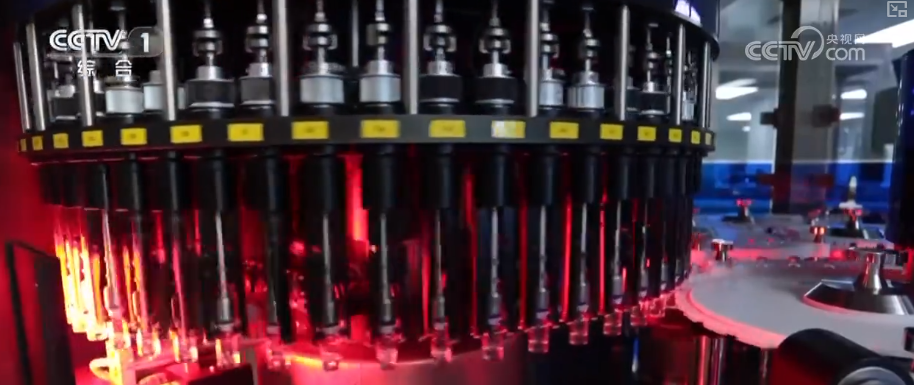
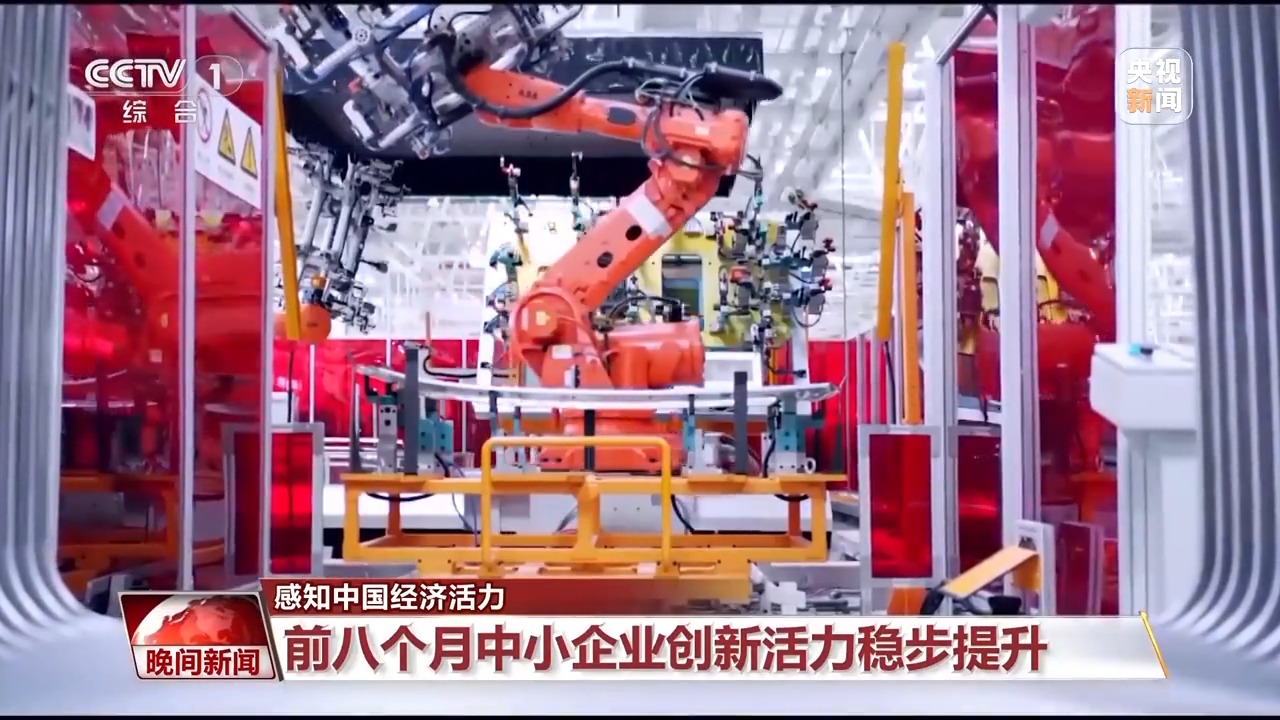
Core Insights - The latest economic data released by multiple departments indicates a steady improvement in the innovation vitality of small and medium-sized enterprises (SMEs) in China, with significant growth in various sectors including warehousing, logistics, and consumption [1][3]. Group 1: SME Innovation and Economic Performance - In the first eight months of 2025, the overall economic operation of SMEs in China remained stable, with a notable increase in innovation vitality. The value added of industrial SMEs grew by 7.6% year-on-year, outpacing large enterprises by 3.3 percentage points [3]. - The "specialized, refined, distinctive, and innovative" SMEs, referred to as "little giant" enterprises, saw an 8.7% year-on-year increase in value added [9]. Group 2: Warehousing and Logistics Activity - In September 2025, China's warehousing business activity showed signs of recovery, with the warehousing index rising to 49.6%, an increase of 0.3 percentage points from the previous month. The new orders index returned to the expansion zone, indicating active demand in the warehousing sector [6]. - A total of 169 new international air cargo routes were opened in the first nine months of 2025, with 17 routes added in September alone, enhancing the connectivity of international air freight [10][12]. Group 3: Consumer Activity During Holidays - During the National Day and Mid-Autumn Festival holiday in 2025, UnionPay and NetUnion processed over 415 billion payment transactions, an increase of 95.23 billion transactions compared to the previous year. The total transaction amount reached 13.26 trillion yuan, up by 1.86 trillion yuan [15]. - The postal and express delivery industry processed over 72 billion packages during the holiday period, averaging over 9 billion packages per day, reflecting a strong consumer demand [18]. Group 4: Upcoming Trade Events - The 138th Canton Fair is scheduled to take place from October 15 to November 4, 2025, in Guangzhou, featuring a record total of 74,600 exhibition booths and over 32,000 participating enterprises, with more than 3,600 companies making their debut [18].
从企业创新、仓储、消费等多领域亮眼数据 感受中国经济活力
Yang Shi Xin Wen Ke Hu Duan· 2025-10-11 06:13
Group 1: Small and Medium Enterprises (SMEs) - The overall economic operation of SMEs in China has remained stable in the first eight months of the year, with significant improvement in innovation vitality [1] - The added value of industrial SMEs above designated size increased by 7.6% year-on-year, outpacing large enterprises by 3.3 percentage points [1] - Specialized and innovative SMEs, referred to as "little giants," saw an 8.7% year-on-year increase in added value [1] - The export index for SMEs stood at 51.9% in August, indicating continuous expansion for 17 months [1] Group 2: Logistics and Warehousing - The China Logistics and Purchasing Federation reported a rise in the warehousing index to 49.6% in September, up 0.3 percentage points from the previous month [5] - The new orders index returned to the expansion zone, reflecting increased demand for warehousing services as seasonal factors improved [5] - Various sectors, including non-ferrous metals, mineral products, and pharmaceuticals, showed new orders in the expansion zone [5] Group 3: International Air Cargo - In September, 17 new international air cargo routes were opened, contributing to a total of 169 routes established in the first nine months of the year [6] - The route structure includes 81 routes to Asia, 66 to Europe, 15 to North America, 3 to Oceania, 2 to South America, and 2 to Africa [6] - The cargo structure primarily consists of cross-border e-commerce goods, high-end manufacturing products, high-value goods, auto parts, machinery, and fresh produce [6] Group 4: Payment Transactions and Express Delivery - During the National Day and Mid-Autumn Festival holiday in 2025, UnionPay and NetLink processed 415.52 billion payment transactions, an increase of 95.23 billion compared to the previous year [9] - The total transaction amount reached 13.26 trillion yuan, up by 1.86 trillion yuan from the last holiday [9] - The postal express industry handled 72.31 billion packages during the same holiday period, averaging over 9 billion packages per day [13] - Express companies are actively exploring new scenarios combining express delivery with cultural tourism to convert travel flow into consumption growth [13]
9月份中国仓储指数为49.6% 新订单指数重回扩张区间
Zheng Quan Ri Bao· 2025-10-10 15:43
Core Insights - The warehouse index in China for September 2025 is reported at 49.6%, showing a slight recovery of 0.3 percentage points from August [1] - The new orders index returned to the expansion zone at 51%, indicating a rebound in warehouse business activities due to the reduction of weather-related factors and the arrival of the traditional peak season [1] - The end-of-period inventory index fell to 47.9%, suggesting that the industry is still in a destocking cycle with cautious inventory replenishment by enterprises [1] Industry Performance - The employee index increased to 52%, up by 3.6 percentage points from August, reflecting improved confidence among enterprises [2] - The business activity expectation index stands at 54.5%, indicating a slight decline of 0.3 percentage points from August but remains in the expansion zone [2] - The average warehouse index for the third quarter was 49.7%, down by 1 percentage point from the second quarter but up by 0.9 percentage points compared to the same period last year, demonstrating resilience against short-term shocks [2] Future Outlook - Analysts express optimism for the fourth quarter, citing good enterprise confidence and a relatively positive outlook for future business activities [2] - A series of economic stabilization and growth-promoting policies are expected to continue to enhance economic momentum, including new fiscal incentives and infrastructure projects [2] - Seasonal factors such as holidays and promotional periods are anticipated to further boost demand for warehouse services, leading to a stable growth trajectory for the industry [2]
