半导体设备

Search documents
持仓观望?
第一财经· 2026-03-13 10:38
Market Overview - The A-share market indices are experiencing a volatile adjustment pattern, with the Shanghai Composite Index dipping to 4086.85 points before rebounding, driven by sectors like infrastructure and wind power, but facing pressure again towards the end of trading [3] - The Shenzhen Component Index weakened due to the drag from technology and new energy sectors, while the ChiNext Index saw a narrower decline supported by lithium battery materials [3] Sector Performance - There is a clear divergence in stock performance, with more stocks declining than rising. The cyclical and defensive infrastructure sectors are the main market drivers, with wind power equipment, chemicals, fertilizers, home appliances, and construction decoration leading the gains. In contrast, previously strong technology growth sectors like AI computing, semiconductor equipment, solar energy, and commercial aerospace are collectively weakening [5] Trading Volume and Capital Flow - The trading volume in both markets has slightly decreased, indicating a state of existing capital adjustment and competition. The capital structure shows a shift from high-valuation technology growth sectors to low-valuation cyclical and defensive sectors, with an increased proportion of trading volume in the Shanghai market, highlighting a growing risk aversion among investors [6] Institutional and Retail Investor Behavior - Institutional investors are clearly shifting their positions, moving funds from high-volatility growth sectors to low-valuation, high-dividend, and performance-stable defensive sectors. They are taking profits in computing, electronics, communications, media, and new energy, while increasing positions in power equipment, basic chemicals, coal, oil and petrochemicals, and banks. Retail investors are also adjusting their positions in line with market style changes, chasing high-priced precious metals and state-owned enterprises while selling off AI and semiconductor sectors that are experiencing corrections [8]


BESI或将出售,两大芯片巨头竞购
半导体芯闻· 2026-03-13 10:12
Group 1 - The core viewpoint of the articles highlights the increasing strategic value of BESI's advanced packaging technology, which is crucial for the development of next-generation chips in AI and high-performance computing [2] - BESI has received acquisition interest from semiconductor equipment manufacturers, including Lam Research and Applied Materials, indicating a competitive landscape for its strategic technology [1][2] - BESI is currently working with Morgan Stanley to evaluate various options while maintaining its commitment to operate as an independent company [2] Group 2 - The advanced packaging technology is identified as a key bottleneck in the industry, with BESI and Applied Materials being long-term partners in hybrid bonding technology, which enables faster data transmission and lower power consumption in advanced semiconductors [2] - Analysts suggest that BESI's shareholders may believe that Applied Materials will eventually seek to acquire the entire company, reflecting the ongoing interest in BESI's strategic assets [2]

失效分析,如何助力芯片研发和良率提升?
半导体行业观察· 2026-03-12 01:39
Core Insights - The article emphasizes the importance of precise insights and efficient verification capabilities as key competitive advantages in the semiconductor industry, particularly as technology advances towards higher yield and reliability [2]. Event Details - The Thermo Fisher Semiconductor Solutions Seminar will take place on March 24, 2026, from 13:00 to 18:30 at the Thermo Fisher Customer Experience Center in Shanghai [3]. - The event will be conducted both online and offline, and registration is free [6]. Seminar Topics - The seminar will cover various topics including: - Physical and electrical failure analysis techniques - ESD testing and failure path verification - Multi-dimensional collaborative analysis methods - Semiconductor analysis solutions in the AI era [4]. Agenda Highlights - The agenda includes: - Welcome Speech by Trisha Rice - Introduction of Thermo Fisher's latest integrated spherical aberration-corrected TEM by Guittet Pierre-Yves - Presentation on next-generation focused ion beam systems by Michael Rauscher - Live demonstrations of Helios 5 Hydra, Helios 6 HD, and ELITE [7].


恒运昌:公司先后推出CSL、Bestda、Aspen三代产品系列等离子体射频电源系统
Zheng Quan Ri Bao Wang· 2026-03-11 13:40
Core Viewpoint - The company has successfully broken the long-standing monopoly of two major American companies in the domestic market for plasma radio frequency power systems, launching three generations of products over the past decade [1] Group 1: Product Development - The company has introduced the CSL, Bestda, and Aspen series of plasma radio frequency power systems, filling a domestic gap in the market [1] - The company has initiated research and development for the localization of core components of semiconductor equipment, including quality flow meters [1] Group 2: Supply Chain Localization - Since 2021, the company has made significant progress in the localization of upstream procurement, achieving domestic application of vacuum capacitors, ceramic capacitors, MCUs, SiCMOS, LDMOS, and some ADCs and FPGAs [1] - The company has established a comprehensive plan for the full localization of upstream components and will continue to advance the verification of component localization [1]
芯片测试,越来越难了
半导体行业观察· 2026-03-11 02:00
Core Viewpoint - The article discusses the increasing complexity and challenges of tool matching in semiconductor manufacturing, emphasizing the need for consistency across various processes and equipment to ensure high yield and performance. Group 1: Tool Matching Challenges - As semiconductor manufacturing processes become more complex, achieving tool-to-tool matching (TTTM) is increasingly difficult due to smaller feature sizes and tighter process windows [2] - The production of chips may involve 600 to 800 steps within three months, necessitating high standards for measurement and testing systems [2] - Shorter product lifecycles and faster yield improvement rates add pressure to tool matching operations, requiring greater transparency and reduced sources of error [2][3] Group 2: Tool Matching Methods - Tool matching ensures output consistency between different Automatic Test Equipment (ATE) by using standard wafers traceable to the National Institute of Standards and Technology (NIST) [2] - Various methods exist for achieving tool matching, including statistical comparisons to a reference tool known for its performance [3] - Tool matching is not a one-time process; it must be performed frequently, especially with advanced processes and new product introductions [3][4] Group 3: Data Sharing and Collaboration - To meet the demands of leading device manufacturers, enhanced data sharing is necessary, combining device-specific data with tool-level data for better performance consistency [5] - The integration of machine learning models can help in identifying and managing tool fingerprints, improving the accuracy of tool matching [14] Group 4: Measurement and Calibration - Precision and accuracy are critical in measurement, with accuracy defined as the closeness of a measurement to its true value [6] - Regular calibration and monitoring of tools are essential to maintain performance consistency across different equipment [9][10] - The correlation between measurement results and electrical testing is becoming increasingly important in ensuring that tools perform at levels that do not adversely affect device performance [10] Group 5: Future Directions - The industry is moving towards continuous data-driven monitoring systems for tool matching, reducing the need for periodic manual checks [11] - Machine learning is expected to play a significant role in enhancing tool matching and managing tool fingerprints, allowing for more automated decision-making processes [14][15] - As feature sizes shrink, the challenges of tool matching will intensify, necessitating advanced modeling of random effects such as line edge roughness and CD uniformity [15]


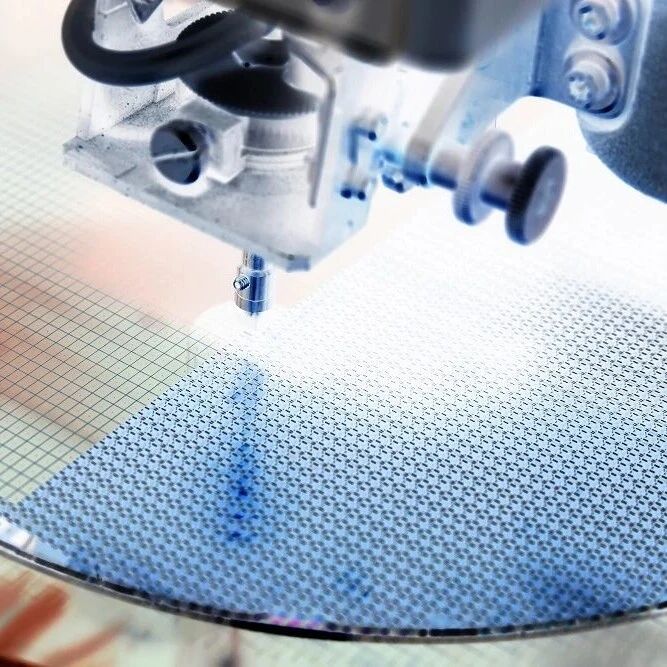
EDA,迎来巨变
半导体行业观察· 2026-03-10 02:04
Core Insights - The article discusses the evolving landscape of the semiconductor industry, particularly the role of Electronic Design Automation (EDA) companies and their integration with artificial intelligence (AI) [2][5]. Group 1: Historical Context - In the 1980s, IBM was considered a safe investment due to its established ecosystem, despite not being the most advanced option [2]. - EDA companies have historically been tool suppliers in the semiconductor industry, benefiting from economies of scale, but this dynamic is changing [2][4]. Group 2: Current Developments - Major companies like Google and NVIDIA are transitioning from software to hardware development, creating proprietary tools and AI models that outperform traditional designs [3]. - NVIDIA has developed various tools, including ChipNeMo, utilizing advanced techniques for domain adaptation and model training [3]. Group 3: Challenges for EDA Companies - EDA companies face limitations in accessing necessary information and understanding the development goals of their internal tools, which may hinder their competitive edge [4]. - The tools developed by major tech companies are not publicly available, making it difficult for EDA companies to compete effectively [3][4]. Group 4: Investment and Market Dynamics - There is a surge of venture capital investment in EDA startups, aiming for rapid growth, but past investments in disruptive technologies have often ended in failure [5]. - The current industry environment resembles a "Wild West," with companies navigating trust, collaboration, and market demands [5].

全球产业趋势跟踪周报:两会锚定算电协同,OpenAI发布旗舰模型GPT-5.4-20260309
CMS· 2026-03-09 15:12
Group 1 - The core focus of the report is on the integration of computing power and electricity, termed "算电协同," which has been included in the national infrastructure plans for 2026, indicating a shift from policy planning to industrial practice [2][3][14] - The report highlights that the electricity sector has shown excess returns, with the CITIC Power and Utilities Index rising 7.46% since February 13, 2026, outperforming the CSI 300 Index by 8.71 percentage points [21][14] - The report emphasizes the growth potential in the electricity industry driven by green electricity direct supply and data centers, with specific segments like power supply services, power equipment, and green electricity operations expected to benefit [3][21][24] Group 2 - OpenAI has released its flagship model GPT-5.4, which marks a significant evolution towards a "native digital employee" paradigm, capable of automating complex desktop workflows and directly controlling system operations [2][28][36] - The model introduces a new "Thinking" mode that allows for real-time human intervention and logical correction, significantly reducing the hallucination rate by 33% [28][32] - The report notes that the AI industry is transitioning from a dialogue-based generator to fully autonomous agents, indicating a shift in commercial value capture from broad consumer platforms to deep integration within enterprise workflows [36][28] Group 3 - The report suggests investment opportunities in four main lines due to the "算电协同" policy: power supply service providers, power equipment manufacturers, green electricity operators, and regulatory power companies [24][25][27] - The demand for high-reliability power supply equipment and green electricity grid integration devices is expected to increase as data centers and green electricity projects scale up [25][26] - The report indicates that the integration of computing power and electricity will enhance the economic and strategic value of regulatory power sources, as they will be crucial in maintaining grid stability amid fluctuating demands [27][24] Group 4 - The report identifies five sectors with marginal improvements to focus on in March: chemicals, lithium mining, domestic computing power, semiconductor equipment, and overseas computing power [38][40] - It highlights that the chemical sector is experiencing price support due to supply constraints and rising demand, particularly in refrigerants and titanium dioxide [41][40] - The lithium mining sector is also noted for its price increases, with expectations of further upward movement due to supply disruptions and strong demand [41][40] Group 5 - The global stock market performance shows that energy sectors have performed well, while materials and consumer sectors have shown weaker results [42][43] - The report indicates that the energy sector has been a strong performer across various markets, including the US, Europe, and China, while other sectors like utilities and consumer goods have struggled [42][43] - The report also mentions significant movements in large-cap stocks, particularly in the technology and energy sectors, reflecting broader market trends [48]


十大板块,订单增长——战略看多中游制造系列二
一瑜中的· 2026-03-09 14:26
Core Viewpoint - The report emphasizes the positive outlook for the midstream sector, highlighting strong order growth across various industries, including gas turbines, power transmission, storage chips, semiconductor equipment, and robotics [2]. Group 1: Gas Turbines - Strong demand for gas turbines is reported, with companies like Jerry Holdings, Siemens Energy, Mitsubishi Heavy Industries, and GE Vernova disclosing high order volumes. Jerry Holdings has signed four contracts for gas turbine power generation with the U.S. since November 2025 [4][15]. - Siemens Energy reported a record order backlog of €146 billion, indicating increasing delivery times [15]. Group 2: Power Transmission - The domestic signed contracts for power transmission by Tebian Electric amounted to CNY 41.5 billion from January to September 2025, a year-on-year increase of approximately 10%. International product contracts reached USD 1.24 billion, up over 80% [21]. - China XD Electric reported a total of CNY 115.4 billion in contracts for 2025, a 35.4% year-on-year increase [21]. Group 3: Shipbuilding - As of December 2025, the shipbuilding industry held an order volume of 27.442 million deadweight tons, a 31.5% year-on-year increase, accounting for 66.8% of the global total. The delivery cycle is projected to reach 5.1 years, the highest since 2009 [26]. - Companies like Sumida and China Shipbuilding have reported full order books extending into 2028 and beyond [26][27]. Group 4: Offshore Equipment - The offshore equipment sector shows a strong order reserve, with CIMC reporting approximately USD 5.55 billion in hand orders, scheduled for production until 2027/2028 [28]. - Tianhai Defense has captured about 30-40% of the market share for wind power installation platforms, with total orders around CNY 14 billion, of which 25% are offshore vessel orders [28]. Group 5: Construction Machinery - Caterpillar reported a record backlog of USD 51 billion, a 71% increase year-on-year. The outlook for North America remains optimistic, driven by demand in the resource sector [29][31]. - Excavator production in 2025 is expected to grow by 16.6%, with exports increasing by 22.16% [29]. Group 6: Aircraft Manufacturing - The aircraft manufacturing sector is experiencing growth, with an increase in added value of 24.8% in 2025. Airbus reported a record backlog of 8,754 aircraft by year-end [36]. - Boeing's net order volume reached 1,173 aircraft, with a backlog value of USD 567 billion [36]. Group 7: Robotics - The global robotics market is thriving, with ABB reporting a 32% increase in comparable orders in Q4 2025. Most segments achieved double-digit growth, particularly in electrification and automation [37]. - Japan's industrial robot order value increased by 41.1% in 2025, while China's industrial robot production grew by 28% [37]. Group 8: Storage Chips - The storage chip market is benefiting from increased capital expenditure in artificial intelligence, leading to tight supply conditions. Micron Technology reported that its HBM supply for 2026 is already sold out [41][42]. - Western Digital also indicated that its 2026 products are nearly sold out, with long-term agreements signed with major clients [41][42]. Group 9: Semiconductor Equipment - The semiconductor equipment sector is expected to continue its strong growth, with AMAT forecasting over 20% growth in 2026. Wafer fab equipment spending is projected to reach USD 135 billion [45][46]. - ASML and Lam Research also express optimism about sustained demand driven by artificial intelligence [45][46]. Group 10: Optical Modules - The outlook for optical modules is positive, with companies like Coherent and Lumentum expecting significant revenue growth. Coherent anticipates that most of its bookings for 2026 are already filled [47][50]. - Domestic company Zhongji Xuchuang reported rapid growth in demand and orders, with many clients placing orders extending into 2026 [47][50].
智能制造行业周报:持续看好半导体设备零部件国产化替代-20260309
Shanghai Aijian Securities· 2026-03-09 11:06
Investment Rating - The mechanical equipment industry is rated as "Outperform" compared to the market [1] Core Insights - The semiconductor equipment and components sector is expected to see accelerated domestic substitution due to rising prices of key materials and supply chain security demands [2] - The laser equipment sub-sector showed the best performance with a weekly increase of 7.89% [2] - The report highlights the potential for price increases in the tool industry driven by rising raw material costs and recovering demand [2] Summary by Sections Industry Performance - The Shanghai Composite Index decreased by 1.07% this week, while the mechanical equipment sector fell by 2.81%, ranking 19th out of 31 sectors [5][6] - The PE-TTM for the mechanical equipment sector is at 43.7x, within the 92nd percentile over the past three months [11] Sub-sector Analysis - The top-performing sub-sector was laser equipment (+7.89%), while the worst performers included instruments and meters (-7.18%) and robotics (-6.72%) [8][2] - The PE-TTM for sub-sectors shows significant variation, with other automation at 201.3x and robotics at 193.8x, while rail transportation III is at 18.8x [11] Key Companies and Recommendations - Recommended companies in the semiconductor equipment sector include North Huachuang (002371), Zhongwei Company (688012), and Shengmei Shanghai (688082) [2] - In the controllable nuclear fusion sector, recommended companies include Wanyi Technology (688600) [2] - For commercial aerospace, suggested companies are Western Materials (002149) and Yingliu Co., Ltd. (603308) [2] Market Trends - The report indicates a strong growth trajectory for the semiconductor equipment market, driven by domestic supply chain enhancements and increasing demand for high-purity materials [2] - The commercial aerospace sector is expected to experience a significant increase in launch frequency and market size, with projections indicating a market growth from 10.26 billion yuan in 2025 to 47.39 billion yuan by 2030 [37]




ASMPT20260306
2026-03-09 05:18
Summary of ASMPT Conference Call Industry and Company Overview - The focus is on the advanced packaging (AP) sector, which is expected to account for 35% of total revenue by 2026, with TCB equipment revenue growing over 50% year-on-year, contributing 10% to total revenue [2][4] - The company is engaged in semiconductor solutions and surface mount technology (SMT), with revenue contributions projected at 55% for SMT and 45% for semiconductor solutions by 2026 [4] Core Insights and Arguments - Strong order guidance for Q1 2026, with a projected 40% year-on-year and 20% quarter-on-quarter increase, marking the highest quarterly orders in nearly four years [2][5] - The gross margin for Q4 2025 was impacted by a one-time semiconductor inventory impairment, but excluding this, a moderate upward trend is expected [2][5] - The company is accelerating the divestiture of non-core assets, having completed the sale of AAMI and planning to sell NEXS in H1 2026, aiming to focus on core packaging operations [2][7] - TCB technology lifespan has been extended, with the total addressable market (TAM) revised to $1.6 billion by 2028, and orders for HBM4 12-layer equipment have been secured from Micron and SK Hynix [2][8] Additional Important Points - The company has made significant progress in the CtoW field, with two AOI devices entering TSMC's supply chain earlier than expected, aiming to regain market share lost to lower-priced competitors [2][8] - The net profit for Q4 2025 saw a significant boost from a one-time gain of HKD 1.11 billion from the sale of AAMI, affecting year-on-year comparability [6] - The divestiture strategy is aimed at enhancing performance flexibility and generating one-time disposal gains, with a focus on increasing the revenue share from advanced packaging and TCB [7][10] - The company anticipates a potential valuation uplift, with a target PE ratio of 30-35 times for 2027, indicating a potential upside of 30%-35% from the current valuation of 22 times PE [3][10]