
进出口贸易

Search documents
春节期间海南自贸港进口“零关税”货物近4860万元
Yang Shi Xin Wen· 2026-02-24 03:15
Group 1 - The core viewpoint of the article highlights the significant growth in duty-free sales and imports during the 2026 Spring Festival in Hainan Free Trade Port, indicating a positive trend in consumer spending and trade activities [1] Group 2 - The total amount of duty-free sales monitored by Haikou Customs reached 2.72 billion yuan, representing a year-on-year increase of 30.8% [1] - The number of sales transactions was 1.997 million, showing a year-on-year growth of 21.9% [1] - The number of shoppers reached 325,000, which is a year-on-year increase of 35.4% [1] Group 3 - During the Spring Festival, Hainan Free Trade Port imported "zero tariff" goods worth nearly 48.6 million yuan, with tax reductions amounting to 9.4232 million yuan [1] - The value of processed and value-added goods for domestic sales that were exempt from tariffs was 8.8545 million yuan, leading to a tax reduction of 1.2527 million yuan [1] Group 4 - The total value of imported goods at Hainan Port during the Spring Festival was 1.426 billion yuan, primarily consisting of crude oil and coal [1] - The total value of exported goods was 344 million yuan, mainly including chemical products and rapeseed oil [1]
何韵:这场司法博弈,不仅关乎美国关税战走向
Xin Lang Cai Jing· 2026-02-23 22:47
Core Viewpoint - The recent developments in the U.S. tariff battle highlight a shift in legal grounds for imposing tariffs, reflecting intense domestic power struggles and posing significant challenges to global trade [1][2]. Group 1: Legal Framework and Court Rulings - The U.S. Supreme Court ruled that the imposition of tariffs under the International Emergency Economic Powers Act (IEEPA) was illegal, emphasizing that tax and tariff authority must be explicitly granted by Congress [2][5]. - Following the Supreme Court's decision, the Trump administration has turned to other legal provisions, such as Section 122 of the Trade Act of 1974, to continue imposing tariffs [3][4]. Group 2: Economic Implications - The total amount of tariffs collected under IEEPA since last year is approximately $175 billion, which raises questions about refunding these tariffs to consumers and the potential impact on federal deficits [3][4]. - The uncertainty in the financial markets has increased, with U.S. national debt surpassing $38 trillion and interest rates remaining around 4%, partly due to concerns over the stability of tariff revenues [4]. Group 3: Political and Governance Impact - The Supreme Court's ruling serves as a significant constraint on presidential power, testing the boundaries of authority within the U.S. political system and potentially undermining the traditional separation of powers [5][6]. - The ongoing tariff battle and the legal challenges surrounding it may lead to a more ideologically driven economic policy landscape in the future [2][5].
关税政策被判违法后,特朗普称将加征10%全球进口关税
Sou Hu Cai Jing· 2026-02-23 16:42
Core Viewpoint - The U.S. Supreme Court ruled that the Trump administration's imposition of tariffs under the International Emergency Economic Powers Act lacked clear congressional authorization, marking a significant check on executive power [1][3] Group 1: Legal and Regulatory Changes - Following the Supreme Court's ruling, Trump quickly signed a new executive order imposing a 10% global import tariff under the Trade Act of 1974, which he later increased to 15% [2][3] - The Trade Act of 1974 allows the president to impose tariffs in cases of trade imbalance, but these tariffs are limited to 150 days unless Congress approves an extension [3] - The ruling emphasizes the "major questions doctrine," requiring explicit congressional authorization for actions with significant economic and political implications [1][4] Group 2: Economic Impact - The economic cost of the tariffs has been substantial, with U.S. consumers and businesses bearing nearly 90% of the tariff burden, totaling over $200 billion in tariffs collected by 2025 [4][5] - The Wharton Budget Model estimates the total tariff cost could exceed $175 billion, indicating a significant financial impact on the economy [4] Group 3: Business Reactions and Future Uncertainty - Business groups welcomed the Supreme Court's decision, viewing it as a necessary clarification that could stabilize global supply chains [4][5] - However, concerns remain regarding the potential for the government to impose new tariffs through other legal mechanisms, creating uncertainty for long-term business planning [5][6] - The introduction of new tariffs has led to increased uncertainty in trade policy, which could negatively affect capital expenditures [6]

热点思考 | IEEPA关税被判违法,后续如何演绎?——“关税压力测试”系列之十三(申万宏观·赵伟团队)
申万宏源宏观· 2026-02-23 16:04
Core Viewpoint - The U.S. Supreme Court ruled on February 20, 2026, that tariffs imposed by the Trump administration under the IEEPA are illegal, including the equal tariffs and fentanyl tariffs, leading to potential changes in the tariff landscape [1][7][47]. Group 1: Supreme Court Tariff Ruling - The Supreme Court's ruling deemed IEEPA tariffs illegal due to violations of the principles of clear authorization and significant issues, affecting fentanyl tariffs (20% for China, 25% for Canada and Mexico) and global equal tariffs (10% base tariff) [1][7][47]. - The actual execution of the ruling may be delayed until late March to early April, with the ruling's effective date being February 20, 2026 [1][7][47]. - The probability of full refunds for IEEPA tariffs is low, but partial refunds are more likely, depending on how lower courts handle the relief scope [1][9][48]. Group 2: Trump's Response Strategy - Trump may seek to maintain the current tariff framework to avoid losing tariff gains, but significant upgrades may not occur due to electoral pressures [3][10][49]. - Following the ruling, Trump announced a global tariff increase from 10% to 15%, exempting key products, which may serve as a transitional measure for future tariffs [3][10][14][49]. - A potential gap in tariffs may arise in July, with the expiration of the 122 tariffs, leading to possible adjustments in existing 301 tariffs [3][10][15][49]. Group 3: Future Tariff Landscape - The invalidation of IEEPA tariffs could increase the federal deficit rate by 0.5-0.6 percentage points, with IEEPA tariffs accounting for 47.8% of U.S. tariff revenue in FY2025 [4][17][50]. - Without alternative measures, the effective U.S. tariff rate could decrease by approximately 7 percentage points, with the rate for China dropping from 31% to 15.4% [4][29][50]. - The tariff landscape may evolve into a new phase characterized by increased uncertainty, a gradual exit from universal tariffs, and a shift towards more targeted measures [6][42][51].

泰国连续19个月出口保持增长
Sou Hu Cai Jing· 2026-02-23 13:09
Group 1 - Thailand's total export value in January 2026 reached $31.573 billion (approximately 227.3 billion RMB), marking a year-on-year increase of 24.4% and achieving positive growth for the 19th consecutive month [1] - The growth in exports was primarily driven by the accelerated global adoption of artificial intelligence and the rapid development of digital infrastructure, with sustained demand for electronic products [1] - The total import value in January was $34.877 billion (approximately 251.1 billion RMB), reflecting a year-on-year increase of 29.4%, which is also a historical high [1] Group 2 - Exports to major markets in January saw a year-on-year increase of 24.1%, with exports to the United States growing by 43.1%, to China by 35.1%, to Japan by 2.7%, to the European Union (27 countries) by 17.8%, and to ASEAN (5 countries) by 29.8% [2] - The outlook for the year suggests continued growth in Thai exports, supported by the global acceleration in digital infrastructure and AI data center construction, advantages in food security, expansion into emerging markets like India and Latin America, and tariff benefits from newly effective free trade agreements [2] - However, there are uncertainties regarding export performance due to fluctuations in the Thai baht exchange rate and adjustments in global trade rules amid geopolitical conflicts, necessitating enhanced risk management by related enterprises [2]
不到24小时,特朗普突然改口,全球关税上调5%,中方占据上风?
Sou Hu Cai Jing· 2026-02-23 12:19
Core Viewpoint - The recent changes in U.S. tariff policy, particularly the increase from 10% to 15% on global imports, reflect a reaction to a Supreme Court ruling that questioned the legal basis of previous tariffs, indicating a complex interplay of legal and economic factors in U.S.-China trade relations [1][3][10]. Group 1: U.S. Tariff Policy Changes - Trump announced a 5% increase in tariffs on global imports, raising the rate from 10% to 15%, claiming it is within legal limits [1][10]. - The Supreme Court ruled against the Trump administration's previous tariff measures, stating they lacked clear legal authority, which led to a significant shift in tariff strategy [3][5]. - Following the ruling, Trump quickly signed an executive order to impose a temporary 10% tariff under a different legal framework, but this was reversed within 24 hours [6][8]. Group 2: Legal and Economic Implications - The Supreme Court's decision has led to over 1,000 U.S. companies suing the government for refunds on tariffs paid under the now-invalidated policies, creating substantial obstacles for Trump's administration [10][12]. - The use of the Trade Act of 1974 as a legal basis for the new tariffs is seen as a limited and temporary measure, allowing for a maximum of 15% tariffs for 150 days without Congressional approval for extension [12][18]. Group 3: China's Response and Strategy - China has maintained a calm and measured response to the U.S. tariff changes, focusing on long-term strategies such as diversifying trade partnerships and enhancing domestic industries [14][16]. - The U.S. Supreme Court ruling has rendered some tariffs on Chinese goods legally invalid, potentially reducing the tax burden on Chinese exports to the U.S. and providing China with more leverage in future negotiations [18][23]. Group 4: Global Reactions - The tariff adjustments have prompted international responses, with Germany and the EU considering unified stances against U.S. tariffs, indicating a broader impact on global trade dynamics [19][21]. - The EU is preparing potential countermeasures, including tariffs on U.S. goods, while South Korea is also monitoring the situation closely to protect its economic interests [21][23].
美高院推翻“对等关税” 接下来会发生什么?
智通财经网· 2026-02-21 11:55
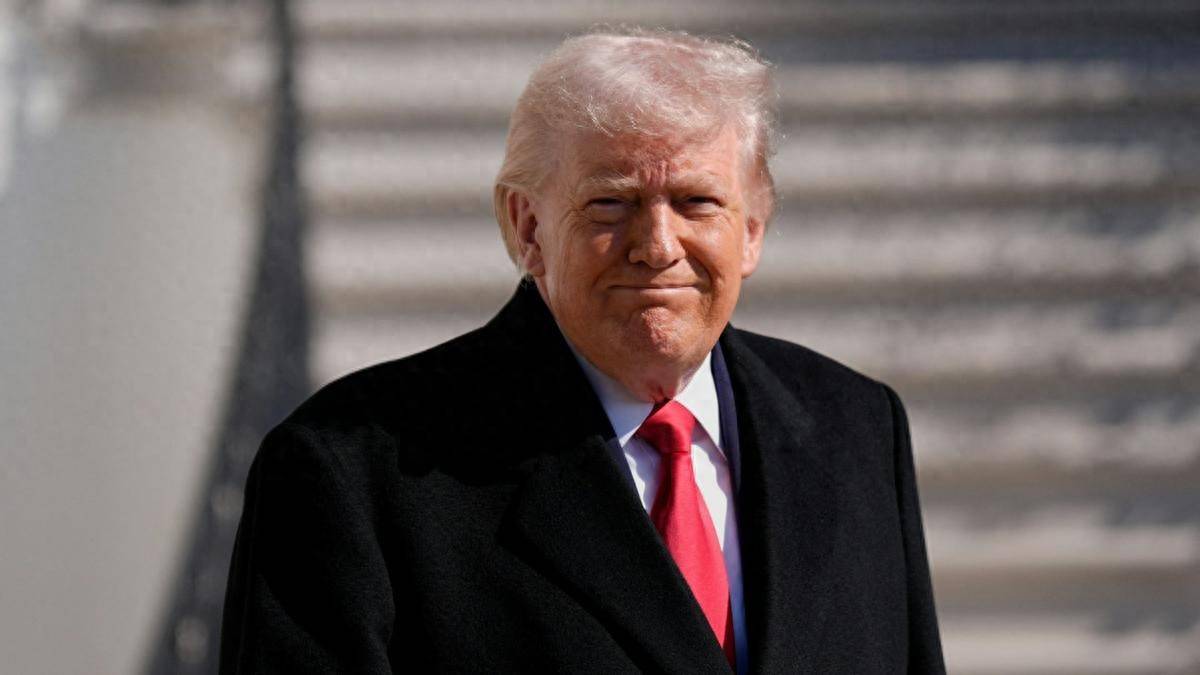
Core Viewpoint - The U.S. Supreme Court ruled that the Trump administration's use of the International Emergency Economic Powers Act (IEEPA) to impose tariffs on imported goods was illegal, shifting market focus from "are tariffs still in place?" to "what about refunds, how to change legal provisions, and do trade framework agreements still count?" [1] Group 1: Legal Implications of the Ruling - The Supreme Court determined that the IEEPA does not authorize the President to impose tariffs under the guise of a "national emergency," undermining the legal foundation of the tariff system established by the Trump administration [2][3] - Existing tariffs under Section 232 (national security tariffs), Section 301 (trade remedy tariffs), and Section 201 (safeguard measures) remain unaffected by this ruling [3] Group 2: Potential Tariff Adjustments - The government has two potential paths: 1. Not replacing the rejected tariffs, which could lower the current estimated weighted average tariff rate (WATR) from 12.9% to 7.2%, potentially increasing GDP growth by 0.2% and reducing PCE inflation by 30 basis points in the short term [3] 2. Implementing a "Plan B" to maintain tariffs as a key policy agenda, utilizing other trade authorizations [3][4] Group 3: New Tariff Measures - The Trump administration announced a 10% global tariff under Section 122, which can be implemented without a negotiation period and applies to all imports, but is limited to a maximum of 150 days [7][8] - This Section 122 tariff is viewed as a transitional measure, as it lacks the flexibility of the IEEPA to apply differentiated tariffs based on specific countries [8] Group 4: Refunds and Legal Challenges - The market is concerned about the potential need for refunds on tariffs collected under IEEPA, with estimates suggesting that up to $175 billion may need to be refunded if the tariffs are deemed illegal [9][11] - Nearly 1,000 companies have filed cases in the Court of International Trade (CIT) to secure refund eligibility, but the process for determining the scope and timing of refunds remains uncertain [11] Group 5: Impact on Trade Agreements - The ruling does not clarify the status of existing bilateral framework agreements with countries like the UK, EU, and Japan, which may be affected if the IEEPA tariffs are invalidated [12] - The Trump administration's approach to Section 122 may replace some of the tariff rates established under these agreements, but the enforceability of these agreements remains in question [12] Group 6: Market Implications - The ruling could lead to a significant increase in tariff revenue, with projections indicating that tariff income could reach $264 billion by 2025, raising concerns about potential revenue retraction if IEEPA-related income is contested [13] - The uncertainty surrounding refunds and future tariff revenues may increase existing deficit pressures, influencing interest rates and the yield curve [14] - The ruling is expected to contribute to a weaker dollar due to heightened policy uncertainty, reinforcing the view of a soft dollar outlook [15][16] - The overall risk appetite for assets may remain stable or improve marginally, as the less flexible alternative tools may reduce volatility in tariff policies [17]
败诉后美国对华关税彻底归零?只下调了10%,未来大概率加回来
Sou Hu Cai Jing· 2026-02-21 07:38
Core Viewpoint - The U.S. Supreme Court ruled on February 20 that the Trump administration's use of the International Emergency Economic Powers Act (IEEPA) to impose global tariffs was illegal, leading to the potential repeal of several previously announced tariff measures [1] Group 1: Tariff Changes and Legal Framework - Following the Supreme Court's ruling, the Trump administration invoked Section 122 of the Trade Act to impose a 10% tariff on most goods from various countries starting February 24, effective for 150 days, complicating U.S. tariff policy [3] - The U.S. average tariff on Chinese goods had already reached 35%-40% before the ruling, with approximately 20% of this increase stemming from the IEEPA framework [5] - The Supreme Court's decision resulted in the repeal of the "Fentanyl Tariff" and "Reciprocal Tariff," theoretically reducing the average tax rate on Chinese goods by 20%, but the new 10% tariff effectively countered this, maintaining the actual average tariff in the 25%-30% range [6] Group 2: Historical Context and Policy Evolution - Historically, U.S. tariff policy has shown a clear trend of tool iteration, with the IEEPA being favored for its rapid implementation capabilities during Trump's first term, but the Supreme Court's ruling has now defined the legal boundaries for tax increases [8] - The shift from IEEPA to more legally recognized tariffs like "232 Tariffs" and "301 Tariffs" indicates a transition from quick responses to procedural compliance, enhancing policy sustainability despite reduced efficiency [8] - The U.S. judicial system does not oppose tariffs per se but rather the violation of procedural norms, suggesting that future tariff increases will rely more on legally recognized frameworks, which may take longer to implement but offer greater certainty in policy outcomes [8] Group 3: Implications for U.S.-China Trade - In the short term, the 10% tariff reduction may provide some relief, but the average tariff rate of 25%-30% remains significantly higher than pre-2018 levels, indicating continued cost pressures on Chinese goods [10] - In the long term, the procedural transformation of U.S. tariff policy may reduce volatility, while the maintenance of high tariff baselines suggests a normalization of trade frictions between the U.S. and China [10] - The retained tools such as "301 Tariffs" and "232 Tariffs" still possess the capacity to impose high tariffs on specific goods, particularly in strategic sectors like semiconductors, necessitating a comprehensive approach from China to address both overall tariff pressures and structural challenges [10]
(新春走基层)马达加斯加“95后”青年的中国情缘:港口是锚,宁波是岸
Xin Lang Cai Jing· 2026-02-20 11:26
Group 1 - The article highlights the cultural connection between Madagascar and China, particularly through the experiences of a young Malagasy named Li Yong, who has embraced his life in Ningbo, China, during the Year of the Horse in 2026 [1][3] - Li Yong arrived in Ningbo in 2019 as part of a student exchange program established between Ningbo and Tamatave, which included the establishment of a Confucius Institute [3] - After graduating from Ningbo University, Li Yong chose to stay in Ningbo and now holds multiple positions in a local company, leading international sales and procurement efforts across various countries [3][6] Group 2 - Ningbo's strategic importance in international trade is emphasized, particularly due to the Ningbo-Zhoushan Port, which is the largest in the world by cargo throughput [4][5] - In 2025, Ningbo-Zhoushan Port achieved a cargo throughput of over 1.4 billion tons and maintained its position as the world's largest port for 17 consecutive years, with container throughput exceeding 43 million TEUs [5] - Li Yong's team has successfully opened new sales channels in South America and several African countries in 2025, with plans to expand into Southeast Asia in 2026 [6][8]

【环球财经】摩根大通报告显示美国中型企业受关税冲击严重
Xin Hua Cai Jing· 2026-02-20 05:17
Core Insights - The report from JPMorgan Chase indicates that U.S. mid-sized enterprises are significantly impacted by tariffs, with monthly tariff expenditures tripling since early 2025 [1] Group 1: Tariff Impact on Mid-Sized Enterprises - Monthly tariff expenditures for U.S. mid-sized enterprises began to rise sharply from April 2025, reaching approximately three times the levels seen in April by August [1] - Tariff expenditures for U.S. enterprises account for about 10% of their international outlay, while mid-sized enterprises' tariff expenditures represent around 15% of their international spending [1] Group 2: Financial Data and Trends - The report highlights that the relative stability of total international payment data in 2025 masks the significant impact of tariffs on mid-sized enterprises [1] - There has been a notable redirection in international payments due to the increased tariff-related costs for mid-sized enterprises [1] Group 3: Long-Term Implications - The report suggests that the reconfiguration of mid-sized enterprises may occur gradually rather than through an immediate withdrawal from global activities [1] - The long-term effects of tariffs may depend on whether rising costs and policy uncertainties lead to more permanent changes in corporate decision-making [1]
