潮玩

Search documents
泡泡玛特(09992):泡泡玛特的三个潜在预期差
HTSC· 2026-01-20 06:42
Investment Rating - The report maintains an investment rating of "Buy" with a target price of HKD 410.00 for the company [1]. Core Insights - Recent market expectations for the company have been influenced by short-term high-frequency tracking data, leading to concerns about IP popularity and sustainable performance growth. However, the company's Q4 domestic and overseas performance shows strong resilience, supported by its IP matrix after the sales peak of Labubu 3.0. The report identifies three potential discrepancies in market expectations: comprehensive judgment of high-frequency data, growth potential of new IPs, and the potential of content and IP ecosystem layout [1]. Summary by Sections Q4 Overseas Market Performance - The report anticipates that Q4 overseas performance, particularly in North America, will exceed market pessimism. Despite a projected 10% decline in Tik Tok sales in Q4, improved inventory levels in stores are expected to enhance offline sales significantly compared to Q3. In Southeast Asia, while some countries saw a year-on-year decline in sales, this is attributed to natural channel structure changes, with strong growth anticipated in overall channel sales [2][3]. New IP Growth Potential - The report highlights that the diversification of IPs in Q4 has been successful, with new IPs like Star People and Crybaby gaining traction, reducing the sales share of Labubu. In Southeast Asia, the sales share of Labubu has dropped below 40%, with new IPs collectively accounting for over 50% in some markets. The report suggests that the company's channel layout in domestic and Southeast Asian markets is robust, allowing for the transmission of popularity from established to emerging IPs [3][4]. Ecosystem Development and Content Layout - The company's IP content layout is entering a practical implementation phase, with plans for animated shorts and potential feature films to enhance IP influence. The report draws parallels with the success of Sanrio's Hello Kitty in leveraging content to boost brand recognition and sales. The content strategy is expected to become a new tool for breaking into broader markets, complementing existing strengths in product offerings and fan engagement [4][5]. Profit Forecast and Valuation - The report maintains profit forecasts, projecting adjusted net profits of RMB 135 billion, 185 billion, and 237 billion for 2025-2027. The target price is based on a PE ratio of 27x for 2026, reflecting the company's high barriers to entry and ongoing diversification of IP and business models [5].

一财主播说|大手笔回购 泡泡玛特开盘涨超10% 股价催化剂来了?
Di Yi Cai Jing· 2026-01-20 06:39
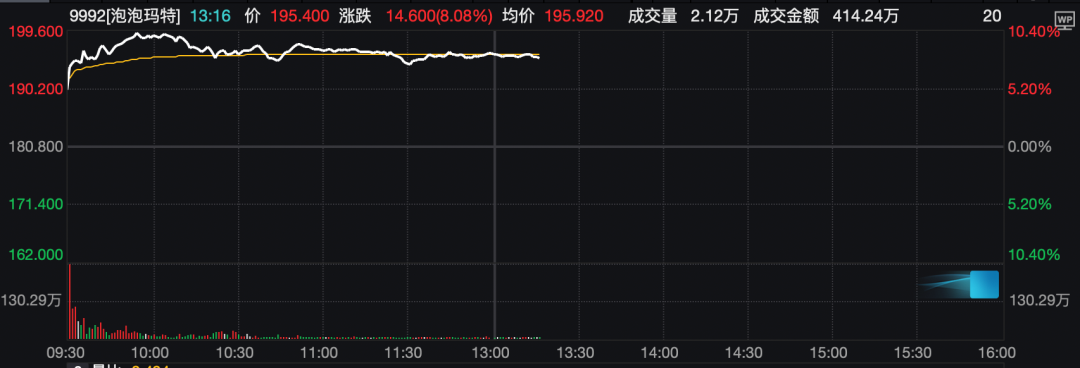
今天开盘,泡泡玛特大涨超10%,股价逼近200港元。昨天,泡泡玛特公告,将斥资2.51亿港元回购140 万股股份,每股回购价177.7-181.2港元。多家投行对泡泡玛特此次回购给予认可,大摩表示,泡泡玛特 首次回购股份,预计能够吸引更多投资者关注,特别是那些等待股价催化剂的投资者。目前泡泡玛特业 绩增长强劲,驱动因素清晰,长期逻辑明确。该行预计泡泡玛特2025年净利润达126亿元人民币,且在 去年末有200亿元的现金,表明公司拥有充足财务资源给股东带来更多回报。此外,有分析师指出,泡 泡玛特此次大力度回购有望为股价托底。 今天开盘,泡泡玛特大涨超10%,股价逼近200港元。昨天,泡泡玛特公告,将斥资2.51亿港元回购140 万股股份,每股回购价177.7-181.2港元。多家投行对泡泡玛特此次回购给予认可,大摩表示,泡泡玛特 首次回购股份,预计能够吸引更多投资者关注,特别是那些等待股价催化剂的投资者。目前泡泡玛特业 绩增长强劲,驱动因素清晰,长期逻辑明确。该行预计泡泡玛特2025年净利润达126亿元人民币,且在 去年末有200亿元的现金,表明公司拥有充足财务资源给股东带来更多回报。此外,有分析师指出,泡 泡 ...
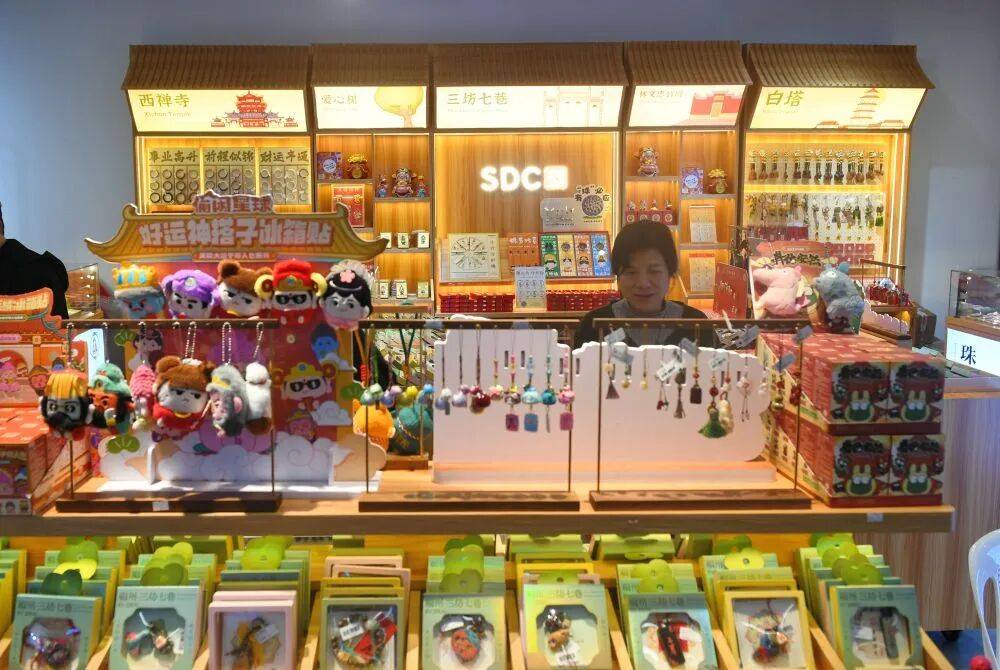
场景构建叠加社群崛起 次元经济重塑零售逻辑
Bei Jing Shang Bao· 2026-01-20 06:19
Core Insights - Emotional consumption is driving a transformation in the fashion market in Beijing, shifting user engagement from "traffic acquisition" to "emotional maintenance" [1] - The rise of emotional economy is evident in various retail and experiential formats, such as trendy toys, anime, and music festivals, which have become important outlets for young people to express themselves [1] Group 1: Emotional Consumption and Market Trends - The emotional demand is establishing new business models, with trendy toys becoming a new growth point in the consumer sector, as highlighted in Beijing's action plan to promote the "Guzi economy" [2] - The transformation of traditional shopping districts, such as Wangfujing, into themed spaces for anime and trendy toys has led to significant revenue increases, with projected earnings doubling post-renovation [2] - The "Guzi economy" is expected to see a 105% year-on-year increase in transaction volume in 2024, with young consumers, particularly those born after 2005, driving this growth [3] Group 2: Event-Driven Consumption - Concerts and events are becoming significant drivers of economic activity, with over 180 concerts planned in Beijing for 2025, achieving an 80% sell-out rate [6] - The integration of concerts with commercial spaces is creating a new model of cultural and commercial synergy, enhancing the overall consumer experience [7] - Events like the "eye-opening" Beijing trendy esports festival have led to substantial increases in sales and foot traffic, demonstrating the effectiveness of experiential marketing [5] Group 3: Challenges in the Market - Despite the growth, the market faces challenges such as homogenization and copyright issues, which are hindering high-quality development [8] - The rapid increase in "Guzi economy" related enterprises has led to a saturation of similar products, with consumers reporting a lack of uniqueness in offerings [8] - Copyright infringement remains a significant issue, with a notable increase in consumer complaints related to unauthorized products, highlighting the need for better IP protection [9]
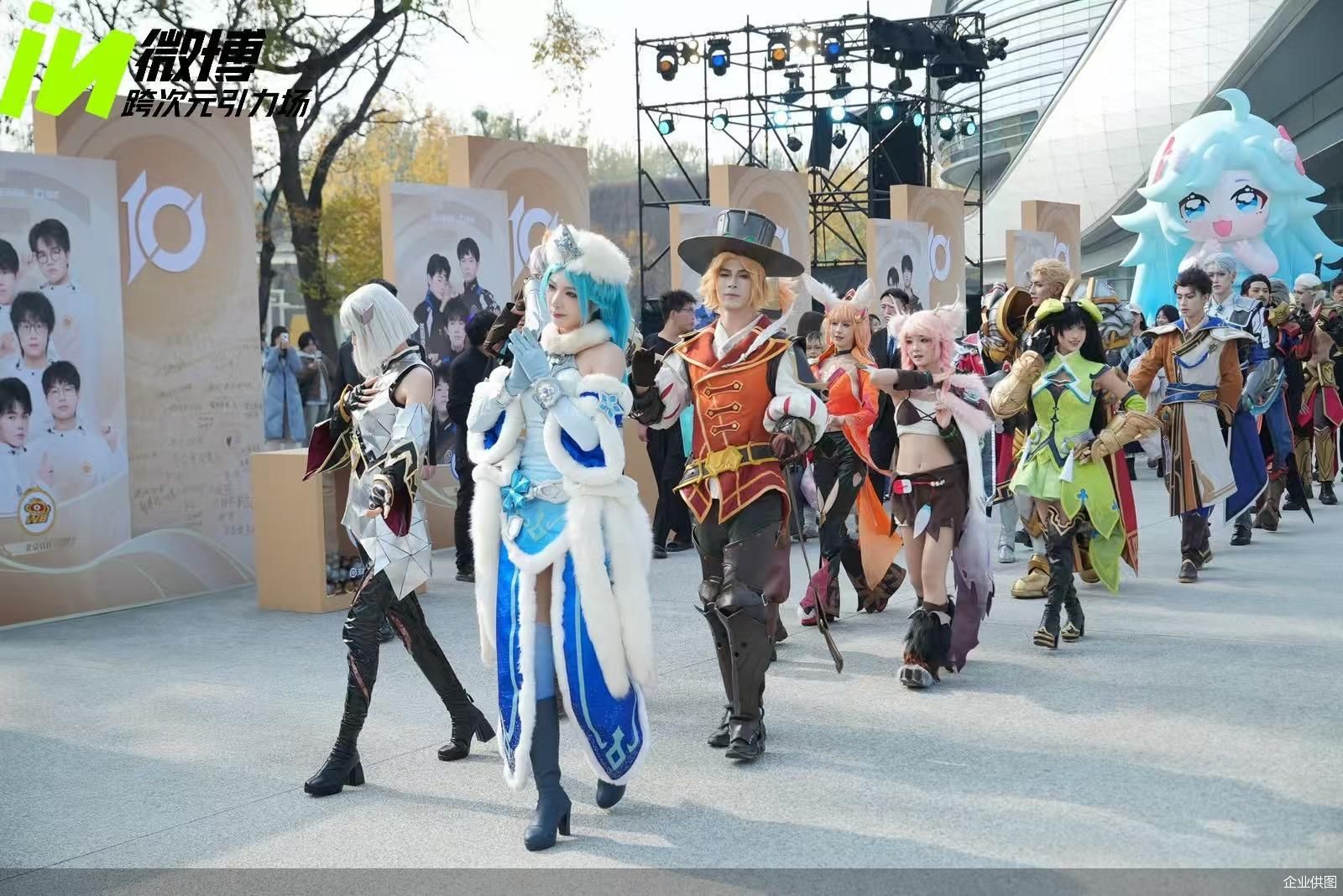
潮尚重构消费|场景构建叠加社群崛起 次元经济重塑零售逻辑
Bei Jing Shang Bao· 2026-01-20 06:08
Core Insights - Emotional consumption is driving a transformation in the fashion market in Beijing, shifting user engagement from "traffic acquisition" to "emotional maintenance" [1] - The rise of emotional economy is evident in various retail and experiential formats, such as trendy toys, anime, and music festivals, which have become important outlets for young people to express themselves [1] Group 1: Emotional Consumption and Market Trends - The value of trendy toys is recognized not only by consumers but also by commercial real estate developers, marking a new growth area in the market [3] - The "Guzi economy" is highlighted as a new growth point in consumption, with government initiatives supporting the development of quality anime products and trendy toy hubs [3] - The Wangfujing shopping district has transformed its B2 level into a 10,000 square meter anime-themed space, resulting in a doubling of revenue in 2024 compared to the same period before renovation, with anime-related revenue nearing 100 million [3] Group 2: Consumer Behavior and Demographics - The 2025 "Guzi" trend report indicates a 105% year-on-year increase in Guzi consumption, with the first quarter of 2025 seeing domestic Guzi transaction volumes 1.2 times that of imported Guzi [4] - The "post-05" generation is the fastest-growing demographic in this market, with female consumers making up 78% and averaging 2.9 purchases per month, spending over 100 yuan per transaction [4] Group 3: Event-Driven Consumption - The concert market in Beijing is booming, with over 180 concerts in 2025 and an 80% sell-out rate, significantly boosting related sectors like transportation and dining [8] - Events like the Mayday concert have drawn hundreds of thousands of attendees, creating a ripple effect on local businesses and services [8] Group 4: Market Challenges - Despite the growth, the industry faces challenges such as homogenization and copyright issues, which are hindering high-quality development [10][11] - The rapid increase in "Guzi economy" related enterprises has led to a saturation of similar products, with consumers noting a lack of uniqueness in offerings [10] - Copyright infringement remains a significant issue, with a 46% increase in complaints related to IP products, highlighting the need for better protection and development of original IP [11]

大摩:泡泡玛特(09992)近两年来首次股份回购 预计去年底持净现金200亿人民币
智通财经网· 2026-01-20 06:00
历史纪录显示,泡泡玛特在2022年回购3,430万股,金额约7.35亿港元,当年调整后净利润为5.74亿元人 民币。公司于2023年则回购1,990万股,金额约3.71亿港元,当年调整后净利润为12亿元人民币。一如既 往,公司并未设定明确的回购规模或时间表,而是根据当时的市场情况作出评估。根据股东大会决议, 泡泡玛特最多可回购已发行股份总数的10%。公司可持续进行回购,直至业绩公布前30天,除非获得豁 免。 智通财经APP获悉,摩根士丹利发布研报称,泡泡玛特(09992)报表披露,昨日(19日)在联交所购回140 万股,每股作价介乎177.7至181.2港元,涉及总额约2.51亿港元,而上一次回购发生在2024年2月,正值 业绩公布前。该行估算泡泡玛特在2025年录得净利润126亿元人民币,并于2025年底持有200亿元的净现 金人民币,显示公司具备充裕的财务资源以进一步回馈股东。 ...
股价飙涨!泡泡玛特大动作→
Zheng Quan Shi Bao· 2026-01-20 05:26
Group 1 - The core point of the news is that Pop Mart (09992.HK) experienced a significant stock price increase, rising over 8% after a strong performance in the Hong Kong market for new consumption concepts [1][3] - On January 19, Pop Mart announced a share buyback plan, spending HKD 251 million to repurchase 1.4 million shares at prices ranging from HKD 177.7 to HKD 181.2 per share, marking the company's first buyback of 2024 [3] - The same day, Honor announced a collaboration with Pop Mart to launch the "Honor 500Pro MOLLY 20th Anniversary Limited Edition" smartphone, priced at CNY 4,499, with a net price of CNY 3,999 after national subsidies, set to be officially released on January 25 [3] Group 2 - Huatai Securities believes that Pop Mart's global and IP group strategy leverages its unique business model advantages, driving rapid growth in performance and positioning the company as a leading global platform for trendy toys [3]
股价飙涨!泡泡玛特大动作
Zheng Quan Shi Bao· 2026-01-20 05:23
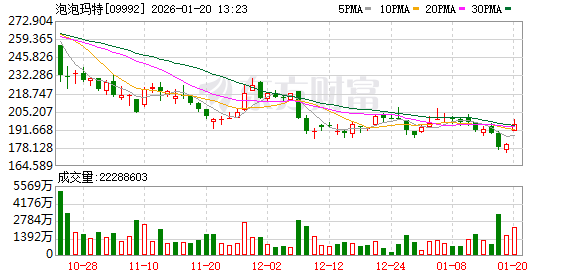
Group 1 - Pop Mart (09992.HK) experienced a significant stock increase, rising over 10% at one point and closing up more than 8% on January 20 [2] - The company announced a share buyback of 2.51 billion HKD for 1.4 million shares, with a repurchase price ranging from 177.7 HKD to 181.2 HKD per share, marking its first buyback of 2024 [3] - The collaboration with Honor to launch the "Honor 500 Pro MOLLY 20th Anniversary Limited Edition" smartphone, priced at 4,499 RMB (3,999 RMB after subsidies), is set to officially go on sale on January 25 [4] Group 2 - Huatai Securities believes that Pop Mart's globalization and IP group strategy will leverage its unique business model to drive rapid growth, positioning it as a leading global platform for trendy toys [4]
歌手与知名品牌合作推出联名款,销量火爆
Sou Hu Cai Jing· 2026-01-20 05:22
Core Insights - The article highlights the transformative impact of music IP collaborations on China's consumer market, particularly in 2025, where notable artists have generated significant sales through brand partnerships [2][8] Group 1: Music IP and Brand Collaborations - In the first half of 2025, collaborations led by artists like Jay Chou and Jolin Tsai generated over 1.5 billion yuan in sales, showcasing the core value of music IP among young consumers [2] - The brand Couple Hunnid, led by rapper Xie Di, launched over 200 products on the Dewu App, achieving a single-day GMV of over 200 million yuan, indicating the effectiveness of artist influence in activating consumer engagement [4] - The tea brand Cha Bai Dao partnered with the animated IP "Toy Story" to launch limited edition drinks, achieving over 300,000 cups sold on the first day, demonstrating the power of music marketing in revitalizing product offerings [4] Group 2: Technological Integration and Product Innovation - The collaboration between singer and motorcycle racer Marc Marquez and the Ace Pro2 sports camera resulted in a 160% year-on-year GMV increase during the 618 shopping festival, highlighting the dual appeal of professional performance and emotional connection through music [5] - The partnership between Pop Mart and the animated film "Ne Zha 2" led to over 10 million yuan in sales within eight days, indicating a new consumer trend driven by the fusion of blind box economics and music IP [5] Group 3: Long-term Brand Strategy - Brands are shifting focus from short-term sales spikes to sustainable operational models, with Dewu App achieving a 38% repurchase rate for Couple Hunnid, surpassing the industry average by 22 percentage points [6] - The tea brand leveraged Jolin Tsai's concert to open pop-up stores in ten cities, resulting in a 215% year-on-year increase in new memberships, illustrating the effectiveness of integrating offline and online marketing strategies [6] - Music marketing is evolving into a comprehensive brand strategy, as seen in Sprite's collaboration with Zhang Yixing, which generated over 5 million private domain users and a 65% year-on-year sales increase for its beverage line [6] Group 4: Industry Challenges and Future Outlook - The rise of co-branded products has led to challenges such as homogenization and supply chain risks, with some brands facing backlash due to quality issues and a 70% sales drop after the initial marketing hype [7] - Experts emphasize the need for cultural alignment, supply chain capability, and long-term value planning in artist collaborations to avoid falling into the "traffic trap" [7] - The market for music IP licensed products is projected to exceed 80 billion yuan by 2025, with a compound annual growth rate of 35%, indicating a sustained release of commercial value as Generation Z becomes the primary consumer group [8]

股价飙涨!泡泡玛特大动作→
证券时报· 2026-01-20 05:21
Core Viewpoint - Pop Mart (09992.HK) has made significant moves in the market, including a stock buyback and a collaboration with Honor for a limited edition phone, indicating a strong growth strategy in the global collectible toy market [4]. Group 1: Stock Performance - On January 20, Pop Mart's stock surged, with an intraday increase of over 10%, closing up more than 8% [3]. - The new consumer concept stocks in the Hong Kong market also showed strength, with related stocks like Blukoo rising over 7% [3]. Group 2: Company Actions - On January 19, Pop Mart announced a buyback of 1.4 million shares for a total of HKD 251 million, with a buyback price ranging from HKD 177.7 to HKD 181.2 per share [4]. - This buyback marks the company's first repurchase since the beginning of 2024 [4]. Group 3: Strategic Partnerships - Pop Mart has partnered with Honor to launch the "Honor 500 Pro MOLLY 20th Anniversary Limited Edition" smartphone, priced at RMB 4,499, with a net price of RMB 3,999 after subsidies, set to be released on January 25 [4]. - This collaboration is part of Pop Mart's strategy to leverage its unique business model and expand its global presence [4].
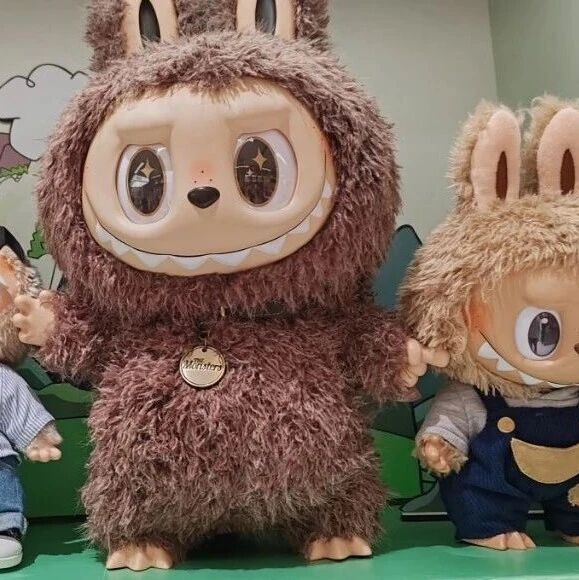
【热点新闻】从“必需”到“悦己”:中国兴起“犒赏”消费新势力
Sou Hu Cai Jing· 2026-01-20 05:07
Group 1 - The core concept of "reward economy" refers to consumers purchasing non-essential goods or experiential services within their financial means to gain immediate pleasure and self-affirmation in response to work and life pressures [2][3] - The rise of the "reward economy" reflects a shift in consumer values from functional utility to emotional value, indicating a transition from "buying useful" to "buying happiness" [3][5] - The development of the "reward economy" showcases the continuous release of China's consumption potential, with experiential rewards becoming a significant new consumption trend [5][7] Group 2 - The "trendy toy market" has emerged as a major driver of the "reward economy," with predictions indicating that the market size will reach 110.1 billion yuan by 2026 [7] - Companies are increasingly targeting emotional consumption needs, transforming products and services towards personalization, IP integration, and experiential offerings across various industries [7] - The rise of the "reward economy" highlights the resilience and vitality of the Chinese economy, showcasing an upgrade in consumer concepts that will empower domestic demand expansion and industrial upgrading [7]