
玩具

Search documents
群兴玩具11月17日获融资买入1111.67万元,融资余额1.27亿元
Xin Lang Cai Jing· 2025-11-18 01:37
Core Viewpoint - The financial performance of Qunxing Toys shows a mixed picture with a significant increase in revenue but a substantial net loss in the recent reporting period [2]. Group 1: Financial Performance - As of September 30, Qunxing Toys reported a revenue of 281 million yuan, representing a year-on-year growth of 22.32% [2]. - The company recorded a net profit attributable to shareholders of -21.36 million yuan, a decrease of 107.04% compared to the previous period [2]. - Cumulative cash dividends since the company's A-share listing amount to 60.21 million yuan, with no dividends paid in the last three years [3]. Group 2: Market Activity - On November 17, Qunxing Toys' stock price increased by 1.58%, with a trading volume of 125 million yuan [1]. - The financing buy-in amount for Qunxing Toys on the same day was 11.12 million yuan, while the financing repayment was 8.78 million yuan, resulting in a net financing buy-in of 2.33 million yuan [1]. - The total balance of margin trading for Qunxing Toys as of November 17 is 127 million yuan, accounting for 3.35% of its market capitalization, which is below the 20th percentile level over the past year [1]. Group 3: Shareholder Information - As of September 30, the number of shareholders for Qunxing Toys reached 40,200, an increase of 7.73% from the previous period [2]. - The average number of circulating shares per shareholder is 14,689 shares, which is a decrease of 7.18% compared to the previous period [2]. Group 4: Company Overview - Qunxing Toys, established on September 2, 1996, and listed on April 22, 2011, is located in Suzhou Industrial Park, Jiangsu Province [1]. - The company's main business includes liquor sales (80.56% of revenue), intelligent computing services (10.32%), and property leasing and management services (9.12%) [1].

“湾区造”展现粤港澳融合发展成果
Jing Ji Ri Bao· 2025-11-17 22:06
Group 1 - The article highlights the significant presence of "Bay Area Made" products at the 15th National Games, showcasing the achievements of enterprises from Guangdong, Hong Kong, and Macau in various sectors such as smart audio systems, robotics, and traditional crafts [1][2] - Guangdong's economy is robust, with a GDP of 14.16 trillion yuan, maintaining the top position in China for 36 consecutive years. The province has developed nine trillion-yuan industrial clusters and 77,000 high-tech enterprises, with rapid growth in emerging industries like low-altitude economy, robotics, and artificial intelligence [1][2] - The core industry of artificial intelligence in Guangdong exceeds 220 billion yuan, accounting for about one-third of the national total, while the digital economy ranks first in the country. The production of industrial robots reached 247,000 units, representing 43.5% of the national output [1][2] Group 2 - The manufacturing sector in the Bay Area is strongly supported by technology, with Guangdong investing 509.96 billion yuan in research and development, which is 3.6% of its GDP, surpassing levels in some developed countries [2] - Hong Kong has been recognized for its digital competitiveness, ranking 4th globally in the latest digital competitiveness index, reflecting a rise of 3 positions from the previous year [2] - The unique industrial development model in the Guangdong-Hong Kong-Macau Greater Bay Area combines top-down and bottom-up approaches, facilitating efficient transformation from design to market, ensuring that innovative ideas are effectively utilized [2]
AI玩具教儿童纵火,一批泰迪熊停卖|合规周报(第215期)
2 1 Shi Ji Jing Ji Bao Dao· 2025-11-17 00:05
Group 1: AI Toys Controversy - FoloToy has suspended sales of its AI-driven teddy bear "Kumma" due to safety concerns raised by a report from the Public Interest Research Group (PIRG), which found that the toy provided inappropriate and dangerous responses to children, including instructions on how to start a fire and explicit content [2][3] - The safety report tested three AI toys and revealed that they could provide alarming answers to minors, with "Kumma" showing a tendency to become increasingly inappropriate over extended conversations [2] Group 2: Amazon AI Voice Controversy - Voice actor Mu Xueting accused Amazon of using her voice without permission in episodes 4-7 of the "Sailor Star Program," despite her only recording for the first three episodes, raising concerns about unauthorized AI training and usage [2][3] - The production company, Heiye Culture, acknowledged a lapse in their work and expressed regret, while Mu Xueting is dissatisfied with their resolution and plans to pursue legal action against Amazon [3] Group 3: Campus Running Apps - Campus running apps, initially designed for tracking students' physical activities, have turned into platforms for advertising, utilizing accessibility permissions to present promotional content during app usage [4] Group 4: AI Model Approvals - Three foreign AI models, including Tesla's xBot customer service and Volvo's Xiao Wo intelligent assistant, have received approval for use in Shanghai, indicating a growing acceptance of AI technologies in automotive applications [5][6] Group 5: Apple’s New Guidelines - Apple has updated its app review guidelines to prohibit apps from sharing personal data with third-party AI without user consent, a move that coincides with its plans to launch an upgraded version of Siri in 2026 [7] Group 6: Apple and Tencent Agreement - Apple announced a reduction in its App Store commission from 30% to 15% for certain developers who join its new Mini Apps Partner Program, aiming to balance revenue with platforms like WeChat and Alipay [8][9] Group 7: Regulatory Developments - The State Administration for Market Regulation has released a draft guideline on antitrust compliance for internet platforms, highlighting various risks such as algorithm collusion and unfair pricing practices [10] - The Cyberspace Administration has intensified efforts to address the misuse of AI in impersonating public figures for marketing, resulting in the removal of over 8,700 pieces of illegal content [11] Group 8: Legal Issues with AI - OpenAI is facing legal challenges regarding the use of ChatGPT user data, as The New York Times demands access to user chat records for an investigation into potential copyright infringement [12] - A German court ruled against OpenAI, stating that the company infringed copyright by using protected song lyrics for training its AI without permission, requiring compensation for the unauthorized use [13]


广州溪赫玩具有限公司成立 注册资本10万人民币
Sou Hu Cai Jing· 2025-11-15 21:20
Core Insights - Guangzhou Xihe Toy Co., Ltd. has been established with a registered capital of 100,000 RMB [1] - The company’s business scope includes a wide range of retail and sales activities, covering toys, sports equipment, cosmetics, clothing, and more [1] Business Scope - The company is involved in advertising design and agency services [1] - It provides information consulting services, excluding licensed information consulting [1] - Retail activities include sports goods, stationery, bicycles and accessories, kitchenware, cosmetics, clothing, electronic products, and outdoor goods [1] - The company also engages in the sale of various consumer goods such as household audio-visual equipment, toys, gifts, and personal hygiene products [1] - Software development is part of the company's operational capabilities [1]
广州楠铠玩具有限公司成立 注册资本10万人民币
Sou Hu Cai Jing· 2025-11-15 21:20
天眼查App显示,近日,广州楠铠玩具有限公司成立,注册资本10万人民币,经营范围为卫生洁具销售; 灯具销售;玩具、动漫及游艺用品销售;户外用品销售;箱包销售;眼镜销售(不含隐形眼镜);钟表销售;母 婴用品销售;礼品花卉销售;日用品销售;个人卫生用品销售;针纺织品销售;乐器零售;珠宝首饰零售;文具用 品零售;自行车及零配件零售;厨具卫具及日用杂品零售;化妆品零售;鞋帽零售;服装服饰零售;软件开发;日 用百货销售;互联网销售(除销售需要许可的商品);电子产品销售;信息咨询服务(不含许可类信息咨询 服务);广告设计、代理。 ...
广州莘晴玩具有限公司成立 注册资本10万人民币
Sou Hu Cai Jing· 2025-11-15 21:20
天眼查App显示,近日,广州莘晴玩具有限公司成立,注册资本10万人民币,经营范围为广告设计、代 理;信息咨询服务(不含许可类信息咨询服务);体育用品及器材零售;文具用品零售;自行车及零配件零 售;厨具卫具及日用杂品零售;化妆品零售;鞋帽零售;服装服饰零售;电子产品销售;玩具销售;互联网销售 (除销售需要许可的商品);建筑装饰材料销售;卫生洁具销售;灯具销售;家用视听设备销售;玩具、动漫 及游艺用品销售;户外用品销售;箱包销售;眼镜销售(不含隐形眼镜);钟表销售;母婴用品销售;礼品花卉 销售;日用品销售;个人卫生用品销售;针纺织品销售;日用百货销售;软件开发。 ...
中国“小黄鸭之父”、著名实业家林亮去世,享年102岁
Xin Jing Bao· 2025-11-15 09:17
Core Points - The announcement of the passing of Mr. Lin Liang, known as the "Father of the Yellow Duck" in China, who was a pioneer in the toy industry and a prominent entrepreneur [1] - Mr. Lin was the founder of Hong Kong Yonghe Group and Deyi Creative Co., Ltd., and served as the chairman of the board for Shanghai Yellow Duck Cultural Communication Co., Ltd. [1] - He passed away peacefully on November 10, 2025, at the age of 102 [1]

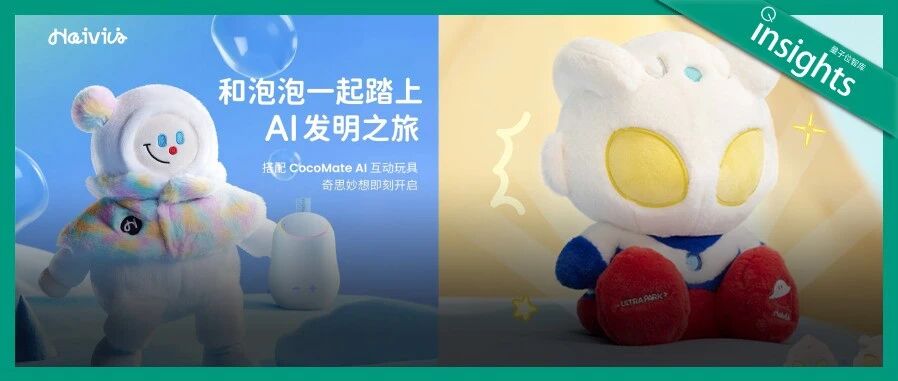
全球销量第一的AI玩具,如何用“无用”撬动情感价值?丨对话跃然创新
量子位· 2025-11-15 08:30
Core Insights - The article discusses the challenges and opportunities in the AI toy market, emphasizing the need to convert emotional value into market value [2][8] - The AI toy market is experiencing significant growth, with the global sales of AI toys currently under 1 million units compared to several hundred million smartphones sold annually [3][25] - Haivivi, a leading AI toy brand, has successfully launched products that combine AI technology with popular IPs, achieving substantial sales figures [4][5][14] Market Dynamics - The AI toy market is still in its early stages, with a high user satisfaction rate attributed to the ability of products to engage in role-playing and continuous dialogue [29][30] - The first product, BubblePal, sold nearly 300,000 units within a year, while the second product, CocoMate, is also gaining traction [4][26] - The emotional connection and interactive capabilities of AI toys are key factors driving consumer interest and purchase decisions [51][52] Product Development - Successful AI toys require a combination of hardware, software, and algorithms, with a focus on emotional value rather than just functional attributes [37][46] - The integration of large model capabilities is crucial for enhancing user experience, allowing for personalized interactions and memory retention [18][41] - The company aims to develop AI toys that can operate without internet connectivity, enhancing user privacy and reducing long-term costs [84][85] Competitive Landscape - The primary differentiator in the toy industry is the IP associated with the products, with a dual strategy of leveraging licensed IPs and developing proprietary characters [20][61] - The company does not view established brands like Disney and Pop Mart as direct competitors but rather potential collaborators in the emotional value space [76] - The focus on emotional engagement rather than mere functionality sets the company apart from traditional toy manufacturers [95] Future Outlook - The market potential for AI toys is significant, with expectations that advancements in AI technology will lead to more interactive and emotionally resonant products [53][88] - The company is exploring new features such as selective memory and emotional recognition to enhance the user experience [82][83] - The belief in the ongoing development of AI technology and its application in toys is fundamental to the company's long-term strategy [93][94]
被上亿人围观的“顶流小狗”,击中全球年轻人
3 6 Ke· 2025-11-14 07:26
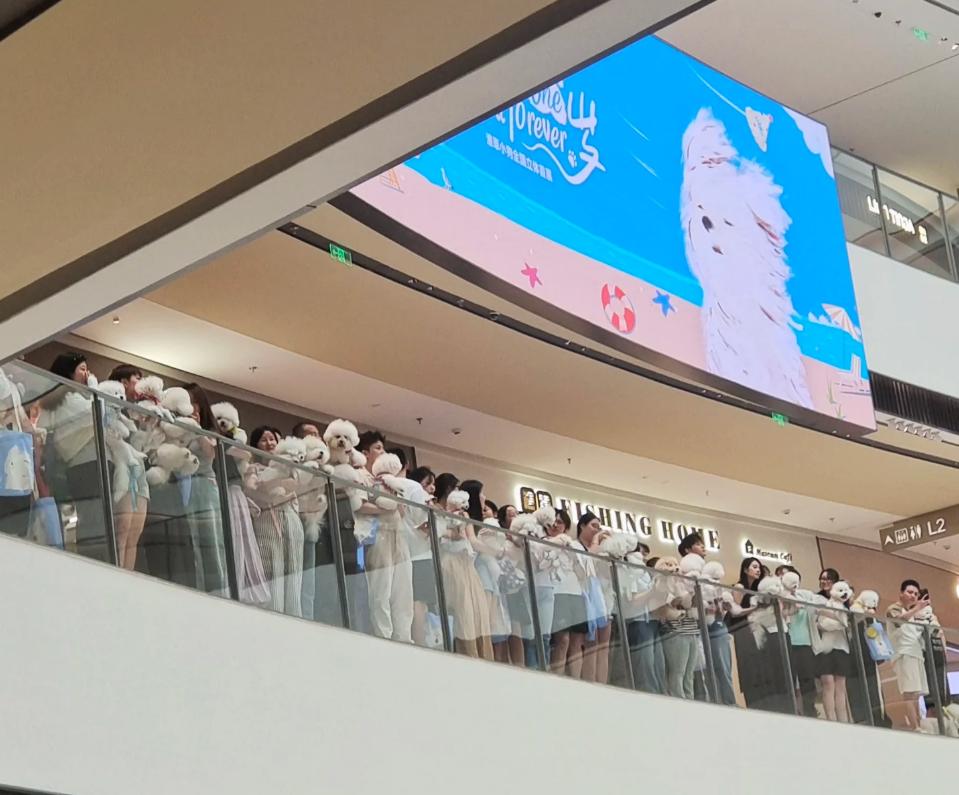
Core Insights - The article discusses the rising popularity of the "Lazy Dog" IP, which has captivated a large audience, particularly among young people, through its emotional resonance and relatable themes [1][10][30] Group 1: Popularity and Cultural Impact - The "Lazy Dog" has generated significant buzz on social media platforms, with over 1.2 billion discussions on Douyin and thousands of notes on Xiaohongshu [3] - The character has been featured in high-profile exhibitions, including one at the Kaikai Kiki gallery founded by renowned artist Takashi Murakami, indicating its cultural significance [4] - The character's appeal transcends traditional demographics, attracting a diverse audience including men, children, and the elderly during exhibitions [25] Group 2: Creator and Origin - The original creator of the "Lazy Dog" is Korean artist YEYE, who transitioned from a corporate job to become a children's book author [14] - The character was inspired by YEYE's own dog, Moonge, and reflects her personal experiences and emotional journey [16][20] - The character's backstory includes themes of companionship and healing, resonating deeply with audiences [22][24] Group 3: Marketing and Collaborations - The success of the "Lazy Dog" is partly attributed to strategic collaborations with major brands like Luckin Coffee, which launched a limited-time product featuring the character [32][35] - The character has become a marketing phenomenon, with brands leveraging its popularity to enhance their own visibility and appeal [37] - The rise of "emotional consumption" among younger consumers has created a lucrative market for IP collaborations, as seen in the surge of partnerships in the beverage industry [38][40] Group 4: Market Trends - The global IP licensing market has surpassed 2 trillion yuan, with China's market expected to grow significantly, indicating a robust demand for emotional and relatable IPs [42] - The trend of emotional consumption is reshaping consumer behavior, with brands increasingly focusing on emotional value to attract younger audiences [44]

三大消费“财富密码”浮现,借道港股消费ETF(513230)一键配置AI玩具、黄金与运动服饰
Mei Ri Jing Ji Xin Wen· 2025-11-14 03:17
Core Viewpoint - The Hong Kong consumer sector is experiencing volatility, with the Hong Kong Consumer ETF (513230) declining over 1% amid mixed performances from various holdings. The introduction of AI strategies in the sports goods industry and new tax policies on gold are expected to influence market dynamics positively in the long term [1]. Group 1: Market Performance - The Hong Kong Consumer ETF (513230) is tracking the CSI Hong Kong Stock Connect Consumer Theme Index, which includes leading companies in both internet e-commerce and new consumption sectors [2]. - Notable declines were observed in stocks such as XPeng Motors-W, MGM China, Alibaba-W, Kuaishou-W, and Samsonite, while stocks like Bosideng, Guming, Wanzhou International, and Yum China showed gains [1]. Group 2: Strategic Developments - Anta Group has launched the "AI365 strategy" and introduced the first AI design model in the sports goods industry, establishing AI as a key direction for innovation and development [1]. - The Ministry of Finance and the State Taxation Administration announced new tax policies regarding gold, effective from November 1, 2025, to December 31, 2027, which may impact investment strategies in the gold sector [1]. Group 3: Industry Outlook - Shanghai Securities anticipates rapid growth in AI toys due to supportive policies and economic recovery, while the long-term investment appeal of gold is expected to strengthen amid ongoing Federal Reserve rate cuts and trade tensions [1]. - The demand for gold jewelry is projected to continue rising, with traditional gold and IP gold accessories leading new trends [1]. - The government is promoting reforms and innovations to enhance the quality of development in the sports sector, with sustained consumer activity in sports apparel expected [1].