油气

Search documents
中石油:中国油气行业“十四五”发展成就报告
Xin Lang Cai Jing· 2025-12-22 11:19
(来源:数局) CONTENT 目录 油气行业外部环境五大特点 1 Five Features of External Environment of the Oil and Gas Industry 油气行业发展取得十大成就 N9 Ten Great Achievements of the Oil and Gas Industry 未来五年油气行业五大展望 6 Five Prospects of the Oil and Gas Industry in the Next Five Years 变与稳 弱与强 世界百年变局加速演进 全球经济弱势增长 中国油气行业稳健前行 中国经济韧性增强 退与进 逆与顺 能源转型有退有进 油气需求增速放缓 中国引领绿色发展 贸易流向"逆顺"转换 新与融 科技革命突飞猛进, 融合创新赋能油气行业 3 特点1:世界百年变局加速演进,中国油气行业稳健前行 特点2:全球经济弱势增长,中国经济韧性增强 中国经济增速 全球经济增速 フラ and 10:2 10:2 10:2 10:2 数据来源:国家统计局,中石油经济技术研究院 数据来源:IMF《世界经济展望》 □ 大国博弈波及能源,供应链安 ...




媒体报道丨今年能源重点项目预计完成投资3.54万亿元
国家能源局· 2025-12-22 01:40
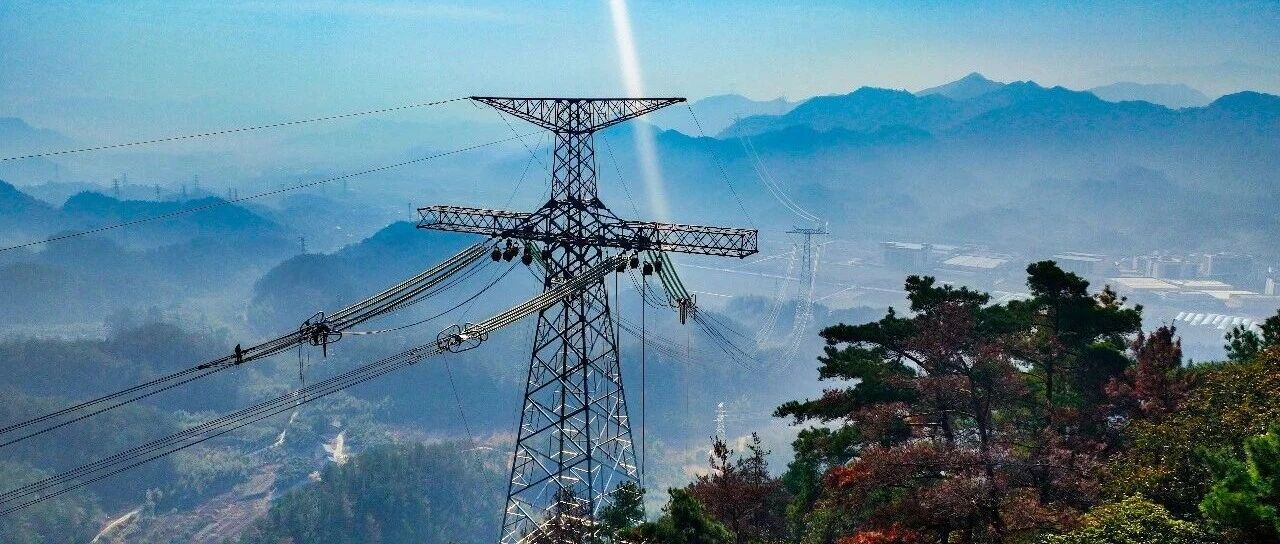
Core Viewpoint - Energy investment in China has shown strong growth this year, focusing on safety and transformation, with a projected completion investment of 3.54 trillion yuan, representing an 11% year-on-year increase [2] Investment Trends - Significant investments are observed in nuclear power, onshore wind power, distributed photovoltaic, and power grids, with rapid growth in new energy storage, charging infrastructure, and hydrogen energy [2] - Private enterprises have actively participated, with their investment completion amount increasing by 15% year-on-year [2] Policy and Mechanisms - The National Energy Administration has established mechanisms to facilitate private enterprise participation in nuclear power projects, with all 10 newly approved nuclear units this year involving private capital, with the highest share reaching 20% [2] - Support for private enterprises to invest in hydropower projects and oil and gas pipeline projects is being promoted under market principles, along with the approval of four large private coal mine projects [2]
顶层设计标明能源行业奋进方向
中国能源报· 2025-12-21 23:33
Core Viewpoint - The article emphasizes the robust development of China's energy industry as it transitions into the "15th Five-Year Plan," highlighting the commitment to energy security, green transformation, and technological self-reliance [2][5]. Group 1: Energy Security and Supply - In 2025, China's energy sector achieved significant milestones in energy security, marking the best year since the "14th Five-Year Plan," with stable coal production and effective responses to peak electricity demands [3]. - Oil and gas production reached historical highs, with crude oil output at approximately 215 million tons and natural gas production exceeding 260 billion cubic meters, marking a continuous increase for nine years [3]. - Coal production surpassed 4.8 billion tons, with imports around 470 million tons, maintaining a reasonable supply margin and enhancing supply elasticity [3]. Group 2: Mechanism Innovation and Quality Development - The establishment of a cross-departmental collaboration system for energy monitoring and emergency response has transformed the management of energy resources, moving away from isolated operations [4]. - The renewable energy sector saw significant advancements, with major projects in wind and solar energy, including the completion of the first batch of wind and solar bases and the acceleration of hydropower and nuclear projects [4]. - The increase in non-fossil energy consumption and improvements in energy self-sufficiency and system regulation capabilities were highlighted as significant breakthroughs [4]. Group 3: Green Transformation and Technological Integration - The energy sector's development direction for the "15th Five-Year Plan" focuses on enhancing energy security while promoting a green and low-carbon transition [5]. - Innovative projects, such as a large-scale photovoltaic project in Shanxi and a solar thermal project in Gansu, exemplify the integration of renewable energy sources with storage systems and intelligent management platforms [5][6]. - The establishment of a virtual power plant platform in the Guangdong-Hong Kong-Macao Greater Bay Area aggregates over 5,000 adjustable load resources, enhancing grid flexibility and efficiency [6]. Group 4: Market Reform and Unified Energy Market - The energy industry is actively transforming reform momentum into high-quality development, with a focus on building a unified national market and enhancing resource allocation efficiency [8]. - The introduction of a unified electricity market framework aims to eliminate regional barriers and facilitate fair trading of electricity across the country [8][9]. - The need for a flexible adjustment mechanism in the electricity system is emphasized, particularly in response to the increasing share of variable renewable energy sources [9][10].

能源卖不动,俄罗斯要憋出内伤了
Sou Hu Cai Jing· 2025-12-21 13:17
Core Viewpoint - Russia's energy resources are abundant, but due to ongoing attacks from Ukraine and sanctions, the country faces significant challenges in selling its oil and gas, leading to a potential economic crisis [2][10]. Group 1: Impact of Ukrainian Attacks - Ukraine has destroyed key energy infrastructure, including the "Central Asia-Center" pipeline, which had an annual gas transport capacity of 12 billion cubic meters, halting gas deliveries indefinitely [4]. - Multiple attacks on Russian oil infrastructure, including refineries and oil terminals, have resulted in a 40% decrease in refining capacity during peak periods [4]. - Ukrainian strikes have targeted shadow fleets of oil tankers, further complicating Russia's ability to transport oil [6][8]. Group 2: Oil Supply and Pricing Issues - A record 178 million barrels of Russian oil are currently stranded on tankers, unable to find buyers due to sanctions and logistical challenges [10]. - To generate quick revenue for war efforts, Russia has resorted to selling oil at significant discounts, with Urals crude oil prices dropping to $34.52 per barrel, approximately half of the price at the beginning of the year [13]. - The discount on Russian oil has reached $23-25 per barrel, with prices now around $35 per barrel, which is detrimental to Russia's budget that relies on a price of $67 per barrel [13].
抛售15吨黄金救急!军费太烧钱,越打越富的俄罗斯也熬不住?
Sou Hu Cai Jing· 2025-12-21 03:13
越打越富的神话已经破灭,实际情况是,战争的消耗远远超出了收入。2025年前9个月,俄罗斯的国防支出已达到1422.5亿美元,相当于每小时2090万美 元。军费占GDP的比例为6.7%,远高于许多国家。油气收入也下降了22%,预计2026年经济增长仅为1%,通货膨胀率将低于6%,但经济结构严重失衡。卖 黄金说明俄罗斯的常规财政手段已经用尽,经济的缓冲层已变得越来越薄弱。虽然特朗普提出的和平方案偏向俄罗斯,但乌克兰方面并未接受,冲突依然在 拖延。等到俄罗斯黄金储备卖光之后,油气收入难以恢复到高峰,民生问题将更加严重。俄罗斯的财政计划表明,2026年至2028年,税收将大幅增加,但赤 字依然巨大,军费也维持在高位。俄罗斯的总黄金储备为2300吨,通过调整税收和加强与亚洲市场的联系,俄罗斯正在缓解危机,但核心问题是,战争的消 耗已严重超载。经济的冷却持续,企业活动也显得越来越疲弱。储备的消耗或将迫使俄罗斯做出更大调整,但到底何时能结束,仍是未知数。财政状况的紧 张加剧,2025年俄罗斯56个地区的赤字已达到1692亿卢布。国家财富基金的规模也从2022年的1135亿美元缩水至516亿美元。卖黄金的策略风险极大,进一 ...
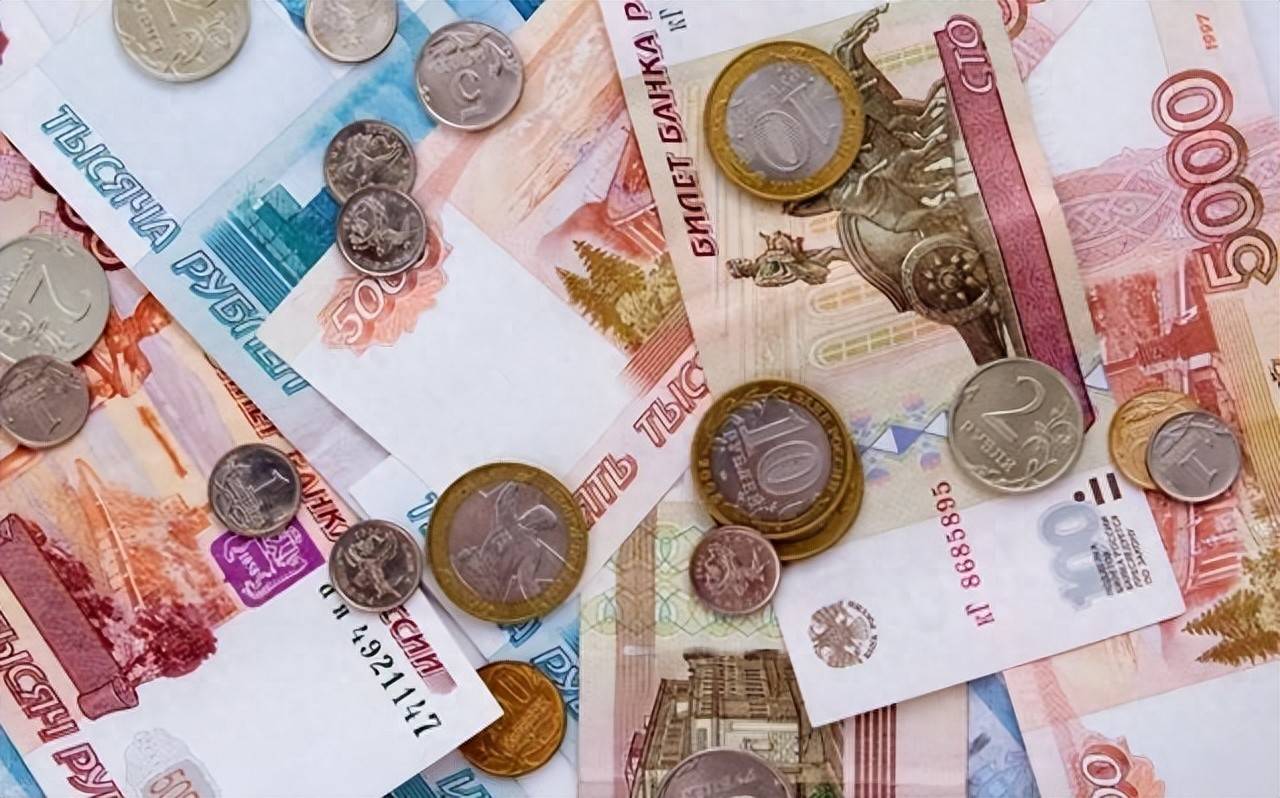
今年能源重点项目预计完成投资3.54万亿元
Ren Min Ri Bao· 2025-12-20 21:56
Core Insights - Energy investment in China has shown strong growth this year, focusing on safety and transformation, with an expected completion of 3.54 trillion yuan in key energy projects, representing an 11% year-on-year increase [1] Investment Trends - Significant investments are noted in nuclear power, onshore wind power, distributed photovoltaic, and power grids, with rapid growth in new energy storage, charging and swapping infrastructure, and hydrogen [1] - Private enterprise investment has increased by 15% year-on-year, indicating a robust participation from various investment entities [1] Policy and Mechanisms - The National Energy Administration has established mechanisms to facilitate private sector participation in nuclear power projects, with all 10 newly approved nuclear units this year involving private capital, with the highest share reaching 20% [1] - Support for private enterprises to invest in hydropower projects and oil and gas pipeline projects is being promoted under market-oriented principles, along with the approval of four large private coal mine projects [1]
爆发!昨夜,最火赛道,大幅反弹!
Sou Hu Cai Jing· 2025-12-20 00:32
Group 1: Stock Market Performance - The US stock market saw a collective rise on December 19, with the Dow Jones Industrial Average up 0.38% to 48,134.89 points, the S&P 500 up 0.88% to 6,834.5 points, and the Nasdaq up 1.31% to 23,307.62 points [1] - European indices also experienced slight gains, with the German DAX up 0.39% to 24,293.56 points, the French CAC40 up 0.01% to 8,151.38 points, and the UK FTSE 100 up 0.61% to 9,897.42 points [1] - The Nasdaq Golden Dragon China Index rose 0.86%, with notable individual stock performances including Pony.ai up nearly 12% and Hesai Technology up over 7% [1] Group 2: AI Sector Developments - Oracle's stock rose over 6% following the announcement of a joint venture with TikTok, which includes Oracle, Silver Lake, and MGX [3] - Nvidia's stock increased by approximately 4%, amid reports of the Trump administration reviewing the company's export of advanced AI chips to China [3] - CoreWeave's stock surged over 22%, while other AI-related companies like AMD and Broadcom also saw gains [4] Group 3: Other Notable Company Movements - Nike's stock fell over 10% after the company projected a decline in sales [5] - Morgan Stanley is expected to lead the underwriting for SpaceX's IPO, leveraging its long-standing relationship with CEO Elon Musk [6][7][8] Group 4: Commodity Market Insights - Gold futures rose by 0.1% to $4,368.7 per ounce, with a weekly increase of 0.9%, while silver futures increased by 3.34% to $67.395 per ounce, marking an 8.55% weekly rise [10] - Oil prices also saw a rebound, with West Texas Intermediate crude up 0.96% to $56.54 per barrel and Brent crude up 1.01% to $60.1 per barrel [10]
Watch for Crude Oil "Washout" Before Bottom Hits, Plunge to $15 Possible
Youtube· 2025-12-19 19:00
Core Viewpoint - The outlook for crude oil prices in 2026 appears bleak, with expectations of continued downward pressure and potential for prices to drop significantly unless a major market shift occurs [2][6][10]. Crude Oil Market Analysis - Historical trends indicate that the current bearish market for crude oil is the fourth in two decades, with previous downturns ending in significant price drops [5][6]. - A short-term bounce in crude oil prices is anticipated due to seasonal factors and a weak dollar, but this is not expected to lead to a sustained recovery [3][4]. - The market has experienced a risk premium due to geopolitical tensions, particularly related to the Russia-Ukraine conflict, which could influence future pricing [9][10]. - Analysts suggest that a capitulation in price and sentiment is necessary to identify a true market bottom, with potential for prices to reach $40 per barrel if conditions worsen [7][10]. Natural Gas Market Analysis - Natural gas prices are influenced by seasonal factors, with a historical pivot point around $3.60; prices above this level tend to be bullish, while those below are bearish [13][14]. - Current natural gas prices around $4 may seem high compared to recent lows but are significantly lower than the peaks seen in previous years [16][17]. - Expectations for natural gas prices should be tempered, with projections suggesting a trading range of $2 to $5.50 in the near future [17].
今日股市1218丨指数分化震荡但个股活跃度高 能否继续积极做多?
Xin Lang Cai Jing· 2025-12-19 15:03
Market Overview - The Shanghai Composite Index closed up 0.16% at 3876.37 points, while the Shenzhen Component fell 1.29% to 13053.97 points, and the ChiNext Index dropped 2.17% to 3107.06 points, indicating a mixed performance among the three major indices [1][2] - The total trading volume across the three markets was 16,770 billion, a decrease of 1,575 billion compared to the previous day, raising questions about short-term upward momentum [1][2] Sector Performance - The market saw a mixed performance across sectors, with pharmaceuticals, aerospace equipment, coal, banking, oil and gas, and retail sectors leading the gains, while consumer electronics, batteries, photovoltaics, and lithium mining sectors experienced declines [1][2] - The "reward economy" emerged as a new consumption model, with stocks like Sanxiang Impression and Zhejiang Zhongcheng seeing significant gains, raising questions about their sustainability [1][2] Individual Stocks - Over 70 stocks hit the daily limit up, a noticeable increase from the previous day, indicating high individual stock activity [1][2] - The retail sector remained strong, with leading stock Baida Group achieving six consecutive limit ups, alongside other stocks like Nanjing Business Travel and Central Mall also hitting limit up [1][2] - The monthly active users of "Ant Financial" exceeded 15 million after its launch, boosting related stocks such as Meiyan Health and Luyan Medicine, which achieved consecutive limit ups, prompting discussions on their continued performance [1][2] - The commercial aerospace sector continued to be a strong market theme, with Shunhao Co. achieving eight limit ups in 15 days, alongside multiple stocks hitting limit up, suggesting ongoing opportunities in this sector [1][2]
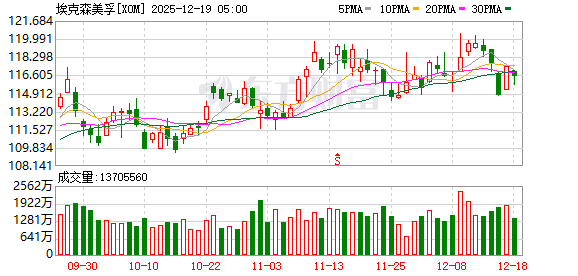
美国能源巨头埃克森美孚:愿继续加大对中国投入
Zhong Guo Xin Wen Wang· 2025-12-19 14:00
Core Viewpoint - ExxonMobil's Global Senior Vice President, Wei Jie Kai, expressed the company's willingness to increase investments in China, highlighting the importance of collaboration in energy transition and low-carbon technologies [2] Group 1: Company Commitment - ExxonMobil aims to deepen practical cooperation in various fields within China [2] - The company has made significant progress in its global and Chinese operations, indicating a strong commitment to the Chinese market [2] Group 2: Government Engagement - China's National Energy Administration Deputy Director, Wan Jinsong, emphasized the long-standing partnership between Chinese oil and gas companies and ExxonMobil, noting mutual benefits from years of close cooperation [2] - China welcomes foreign companies, including ExxonMobil, to share in the new opportunities presented by the country's energy development [2] Group 3: Focus Areas - Discussions between ExxonMobil and Chinese officials included the role of natural gas in energy transition, carbon capture, utilization and storage (CCUS), low-carbon hydrogen, and product carbon measurement [2]