高端装备

Search documents
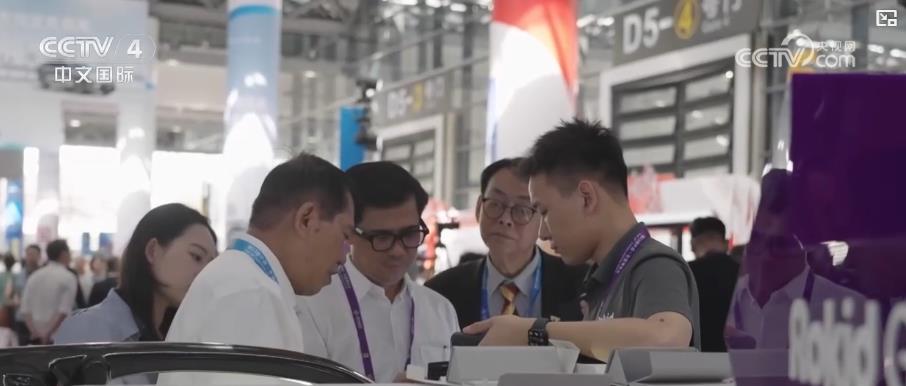
上海发布24个市重点工业领域应用场景 面向全球发出投资邀约
Xin Hua Cai Jing· 2025-09-23 13:54
Core Viewpoint - The 25th China International Industry Fair opened in Shanghai, highlighting the city's commitment to high-quality industrial development and investment opportunities in advanced manufacturing [1] Group 1: Industrial Development - Shanghai's industrial output value exceeded 1.9 trillion yuan in the first half of the year, marking a year-on-year growth of 5.6%, the highest growth rate in two years [1] - Industrial investment in Shanghai grew by 19.8%, with 1,944 key projects landing and a total investment exceeding 670 billion yuan [1] Group 2: Investment Promotion - The "Invest in Shanghai: Meet at the Industry Expo" event showcased 24 key industrial application scenarios, focusing on high-end equipment, electronic information, automotive, and new materials [2] - The event emphasized a full-chain support system for advanced manufacturing enterprises, from technology adaptation to commercial implementation [2] Group 3: Policy Initiatives - Shanghai's recent implementation plan for "AI + Manufacturing" aims to promote smart applications in 3,000 manufacturing enterprises over three years [3] - The plan includes the establishment of key platforms such as industrial cloud computing and industrial language services, along with the creation of 10 benchmark models and 100 benchmark smart products [3]

上海首批中试平台发布 涵盖新型储能和人形机器人等领域
Zheng Quan Shi Bao Wang· 2025-09-23 03:27
Core Viewpoint - The first batch of Shanghai's pilot platforms has been announced, marking the beginning of efforts to enhance the commercialization of laboratory innovations into industrial applications [1] Group 1: Pilot Platforms - The announced pilot platforms include those for photoresists and raw materials, new energy storage testing bases, high-end machine tools for aerospace, and humanoid robots [1] - These pilot platforms are part of Shanghai's initiative to establish a series of municipal pilot platforms across various fields, with plans for increased financial support [1] Group 2: Resource Sharing and Public Services - The initiative aims to publicly release the service content and direction of the pilot platforms, facilitating service connections and resource sharing among the platforms [1]

互利共赢 谱写中国东盟合作新篇章
Ren Min Ri Bao· 2025-09-22 22:02
Group 1: Core Insights - The China-ASEAN Expo (CAEXPO) has successfully promoted the development of China-ASEAN relations, with high-tech cooperation emerging as a new growth point [1][3] - The expo showcased advanced achievements in artificial intelligence (AI) and stimulated innovation and entrepreneurship [1][2] - The event highlighted the ongoing economic integration and trade cooperation between China and ASEAN, aiming for mutual benefits and a new chapter of collaboration [1][3] Group 2: Technological Innovations - The expo featured a dedicated AI pavilion, the introduction of "AI exhibition" entities, and the first China-ASEAN AI ministerial roundtable, indicating a shift towards a future-oriented regional cooperation model [3] - Companies like Zhongke Shuguang are focusing on smart computing, cloud computing, and big data, providing a platform for technology display and demand matching [3] - The establishment of a new productivity pavilion at the expo reflects the broad prospects for cooperation in strategic emerging industries between China and ASEAN [3][4] Group 3: Trade and Investment Cooperation - The expo displayed 178 geographical indication products and 76 new ASEAN products, indicating a vibrant atmosphere for cooperation in agriculture and rural revitalization [5] - Trade between China and ASEAN has significantly increased from over 870 billion RMB in 2004 to nearly 7 trillion RMB in 2024, maintaining growth for nine consecutive years [5] - Companies like SAIC-GM Wuling are expanding their markets into ASEAN countries, showcasing the deepening cooperation in various sectors beyond traditional trade [6] Group 4: Cultural and Human Exchange - The expo serves as a platform for cultural exchange, with activities designed to foster closer ties between the people of China and ASEAN [6][7] - The number of exchanges between Chinese residents and ASEAN countries reached over 25.2 million in the first eight months of the year, reflecting increasing interactions [7] - The next CAEXPO will focus on implementing the upgraded version of the China-ASEAN Free Trade Area, enhancing business opportunities and dialogue [7]
【发展之道】 央企变革正重塑中国产业基因
Zheng Quan Shi Bao· 2025-09-22 21:33
Core Insights - The State-owned Assets Supervision and Administration Commission (SASAC) recently reported significant achievements of state-owned enterprises (SOEs) during the 14th Five-Year Plan, highlighting a total asset value exceeding 90 trillion yuan and annual R&D investments surpassing 1 trillion yuan for three consecutive years [1][2] - The transformation of SOEs is characterized by a shift from scale-driven growth to innovation-driven development, with strategic emerging industries projected to generate over 11 trillion yuan in revenue by 2024, reflecting an 8 percentage point increase in contribution over the past two years [1][3] Group 1: Restructuring and Integration - The restructuring of 6 groups of enterprises and the establishment of 9 new SOEs represent a strategic realignment of national resources, facilitating a collaborative approach to innovation rather than isolated efforts [2] - This integration is designed to activate the innovation ecosystem, allowing for a "chemical reaction" of resources rather than mere physical mergers, thereby enhancing the global positioning of Chinese industries [2] Group 2: Future Development and Innovation - To cultivate "new productive forces," SOEs need to establish effective connections between research and production, ensuring that research outcomes are not left unutilized [3] - Exploring "innovation enclaves" that link SOEs with local industries and research institutions is essential for fostering a fluid movement of innovative resources [3] - The ongoing restructuring aims to elevate SOEs from being mere industry giants to becoming ecological organizers, particularly in emerging fields like artificial intelligence and quantum information [3]
全球制造业投资上行,券商详解提速的三重逻辑
Huan Qiu Wang· 2025-09-22 01:30
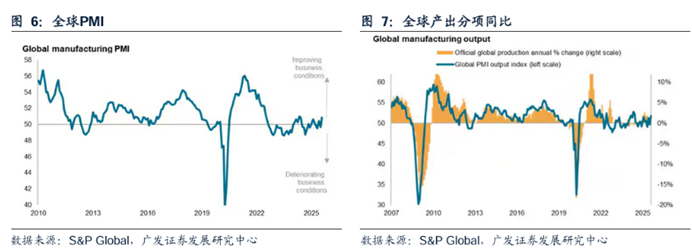
Core Insights - The 2025 World Manufacturing Conference recently opened in Hefei, Anhui, with participation from over 40 countries and regions, focusing on key sectors such as drones, artificial intelligence, robotics, digital economy, and high-end equipment, resulting in 735 cooperation projects with an investment amount of 380.2 billion yuan [1] Group 1 - Global manufacturing investment is on the rise, driven by three main factors: the transition from a rate hike cycle to a rate cut cycle, the re-industrialization in Europe and the U.S. leading to a return of manufacturing, and historically low inventory levels in the U.S. with new orders in construction and industrial machinery turning positive [1] - The U.S. is promoting manufacturing return through external tariffs and internal tax cuts, significantly increasing construction spending, with the current wave of manufacturing return focusing more on traditional industries like metal manufacturing rather than just technology sectors like semiconductors [1] Group 2 - The company expresses optimism about the upward trend in global manufacturing investment and recommends focusing on overseas resource products, European and American industrial products, European and American consumer products, and supply chain companies, particularly those with global pricing power in sectors such as oil and gas, marine engineering, mining, and shipbuilding [3]


“十四五”时期,科技创新能力稳步提升,科技强国根基不断夯实——中国科技事业取得历史性成就
Ren Min Ri Bao Hai Wai Ban· 2025-09-22 00:19
Core Viewpoint - The "14th Five-Year Plan" marks a significant milestone in China's technological development, showcasing historical achievements and transformations in the sector under strong leadership and collective efforts from society [1] Group 1: Major Technological Achievements - The "Tiangong" space station has entered regular operation, and the "Chang'e 6" mission successfully returned samples from the moon's far side [2] - 5G communication has achieved large-scale application, and the Beidou navigation system provides global precision services [2] - The C919 aircraft has commenced commercial flights, and China leads the world in the production and sales of new energy vehicles [2] - The first global fourth-generation nuclear power plant has been put into operation, and China leads in ultra-high voltage power transmission and renewable energy installations [2] Group 2: Advancements in Artificial Intelligence and Robotics - Multiple general-purpose AI models have emerged domestically, with some achieving accuracy rates exceeding 95% [3] - Breakthroughs in humanoid robotics technology have been made, facilitating applications in automotive manufacturing, logistics, and power inspection [3] - Brain-computer interface technologies are aiding patients with paralysis and blindness, with domestic brain stimulators now fully commercialized [3] Group 3: Strengthening of Basic Research - China's R&D investment is projected to exceed 3.6 trillion yuan in 2024, a 48% increase from 2020, with a research intensity of 2.68% [4] - Basic research funding has reached 249.7 billion yuan, growing over 70% since 2020, with significant achievements in quantum technology, life sciences, and space science [4] - The number of high-impact scientific researchers has increased significantly, with 1,405 high-citation scientists in 2024, representing 20% of the global total [5] Group 4: Technology Transfer and Innovation - The level of technology transfer in China has improved, with national technology contract transaction amounts reaching 6.8 trillion yuan in 2024 [6] - Pilot programs for technology transfer have led to a 126.5% increase in contract amounts, involving nearly 700 units across 28 provinces [7] - Collaborative research initiatives between universities and enterprises have resulted in over 2,500 joint projects and the training of more than 2,000 engineering graduates [7] Group 5: Enhancements in Quality of Life through Technology - Efforts to improve air quality have led to an 18% reduction in PM2.5 concentrations in the Beijing-Tianjin-Hebei region [9] - Advances in agricultural technology have supported food security and rural revitalization, including the development of disease-resistant crop varieties [9] - Transportation innovations have achieved significant milestones, such as the CR450 train reaching speeds of 400 km/h and the C919 aircraft securing over 1,000 domestic and international orders [10] - Health-related technological advancements include the development of a groundbreaking MRI machine and a dual-antibody drug for cervical cancer, enhancing patient care and reducing costs [10]
中国科技事业取得历史性成就
Ren Min Ri Bao· 2025-09-21 21:12
Core Viewpoint - The "14th Five-Year Plan" marks a significant milestone in China's technological development, showcasing historic achievements and transformations in the sector under strong leadership and collective efforts from society [1]. Group 1: Major Technological Achievements - The "Tiangong" space station has entered regular operation, and the "Chang'e 6" mission successfully returned samples from the moon's far side [2]. - 5G communication has achieved large-scale application, and the Beidou navigation system provides global precision services [2]. - The C919 large passenger aircraft has commenced commercial flights, and China's new energy vehicle production and sales remain the highest in the world [2]. - The first fourth-generation nuclear power plant has begun commercial operation, and China leads globally in installed capacity for solar and wind power [2]. Group 2: Advancements in Artificial Intelligence and Robotics - Multiple general-purpose AI models have emerged domestically, with some achieving accuracy rates exceeding 95% [3]. - Breakthroughs in humanoid robotics technology have been made, facilitating applications in automotive manufacturing, logistics, and power inspection [3]. - Brain-computer interface technology has begun assisting patients with paralysis and blindness, with domestic brain stimulators now fully commercialized [3]. Group 3: Strengthening of Basic Research - China's R&D investment is projected to exceed 3.6 trillion yuan in 2024, a 48% increase from 2020, with a research intensity of 2.68% [4]. - Basic research funding has reached 249.7 billion yuan, growing over 70% since 2020, leading to significant original achievements in various scientific fields [4]. - The number of high-impact scientific researchers has increased significantly, with 1,405 high-citation scientists in 2024, representing 20% of the global total [5]. Group 4: Technology Transfer and Innovation - The level of technology transfer in China has improved significantly, with the national technology contract transaction volume projected to reach 6.8 trillion yuan in 2024 [6]. - Pilot programs for technology transfer have led to a cumulative contract amount of 12.09 billion yuan, marking a 126.5% increase compared to the previous three years [7]. - Collaborative research initiatives between universities and enterprises have resulted in over 2,500 joint projects and the training of more than 2,000 engineering master's and doctoral students [7]. Group 5: Enhancements in Quality of Life through Technology - Significant advancements have been made in environmental protection, food security, transportation, and healthcare, contributing to improved living standards [9][10]. - Air quality in the Beijing-Tianjin-Hebei region has improved, with PM2.5 concentrations decreasing by 18% due to targeted research efforts [9]. - Innovations in agricultural technology have led to the development of high-yield crop varieties and advanced agricultural machinery, supporting food security [9]. - Breakthroughs in medical technology include the development of a global first 5.0T MRI machine and a dual-antibody drug for cervical cancer, enhancing healthcare accessibility [10].
安徽省专精特新中小企业高层次人才总量超10万人 技术研发类人才成中坚力量
Zheng Quan Shi Bao Wang· 2025-09-20 14:09
Core Insights - The report highlights the growth and significance of specialized and innovative small and medium-sized enterprises (SMEs) in Anhui Province, emphasizing their role in talent development and industrial competitiveness [1][2][3] Group 1: Talent Development - As of now, Anhui Province has approximately 946,000 employees in specialized and innovative SMEs, with around 102,000 high-level talents, accounting for 10.8% of the workforce [1] - The average age of high-level talents is 39.4 years, indicating a strong presence of young professionals driving industrial development [1] - The demand for high-level talents in specialized and innovative SMEs is projected to reach about 23,000 by 2025, with an annual growth rate of approximately 10.8% over the next five years [2] Group 2: Industry Growth - The number of specialized and innovative SMEs in Anhui has increased from 2,618 in 2019 to 7,221 currently, with "little giant" enterprises growing from 19 to 690 [2] - These SMEs have an average of 8.2 invention patents per enterprise and a research and development intensity of 5.1%, nearly double the provincial average [2] - Over 70% of these SMEs have been deeply engaged in niche industries for more than 10 years, with over 80% recognized as key players in the industrial sector [2] Group 3: Future Outlook - The report predicts that by 2030, the cumulative demand for high-level talents in specialized and innovative SMEs will reach 159,000 [2] - The demand for technical research talents is expected to constitute 51.3% of the total talent needs, with significant shortages anticipated in optical research, digital IC design, overseas sales, and intelligent robotics [2] - Anhui aims to enhance its talent attraction and retention strategies, focusing on policy development, supply expansion, and fostering a supportive environment for talent [3]
向新而行 创新浙江活力奔涌
Yang Shi Wang· 2025-09-20 12:47
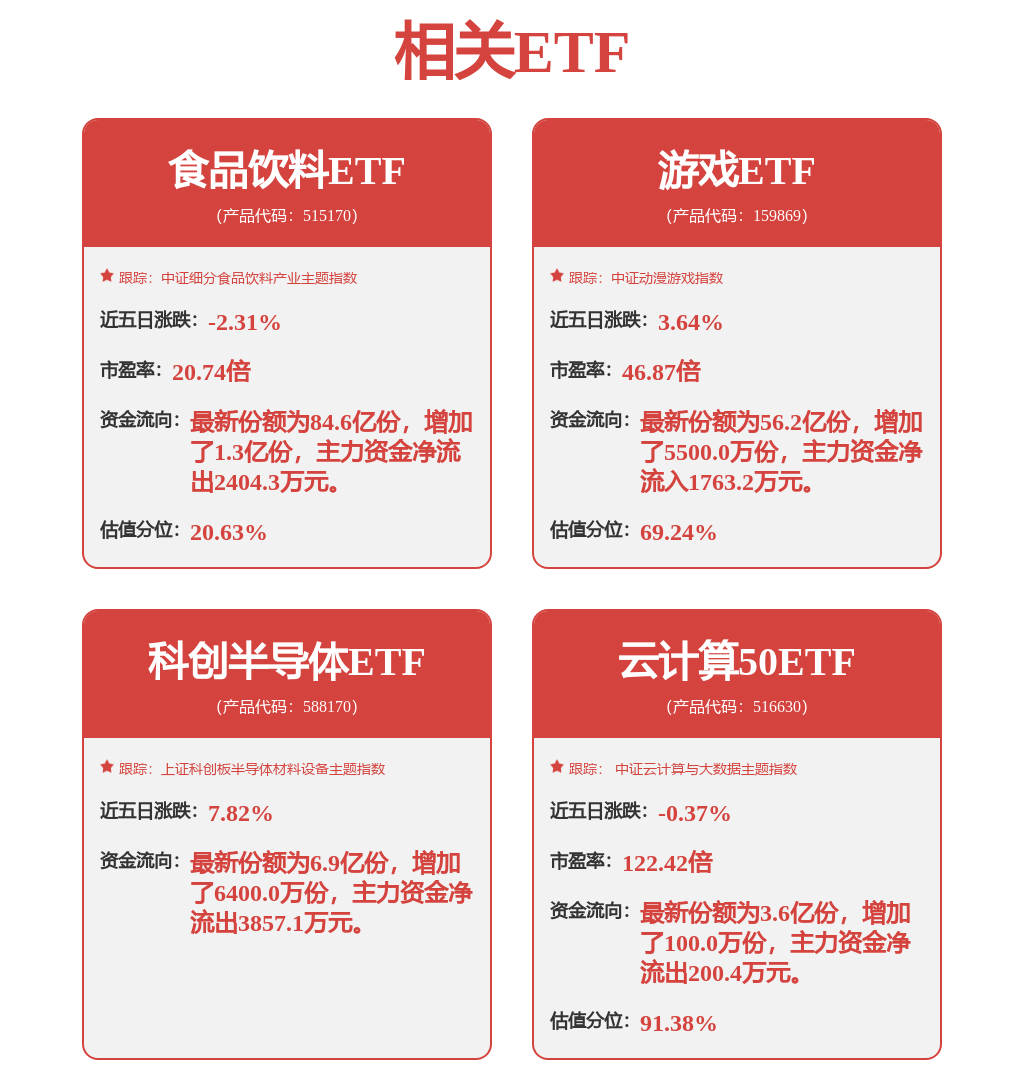
Group 1 - Zhejiang has established a mechanism for the integrated promotion of education, technology, and talent, facilitating talent exchange between universities, research institutes, and enterprises, with over 3,700 high-tech talents shared across the province [2] - The province has initiated a "use first, transfer later" model for technological achievements in enterprises, leading to the emergence and implementation of several innovative projects in fields such as smart IoT, biomedicine, and high-end equipment [2] Group 2 - During the "14th Five-Year Plan" period, five industrial clusters in Zhejiang, including green petrochemicals, smart IoT, high-end software, modern textiles and clothing, and new energy vehicles and components, have surpassed a scale of one trillion [4] - In 2024, Zhejiang's exports of high-tech products, represented by new energy vehicles, solar photovoltaic cells, and industrial robots, reached 319.64 billion, marking a 97.9% increase compared to 2020 [4]
东博会155个项目签约:“人工智能+”领衔,中国—东盟“数智”合作升温
Yang Shi Wang· 2025-09-20 03:09
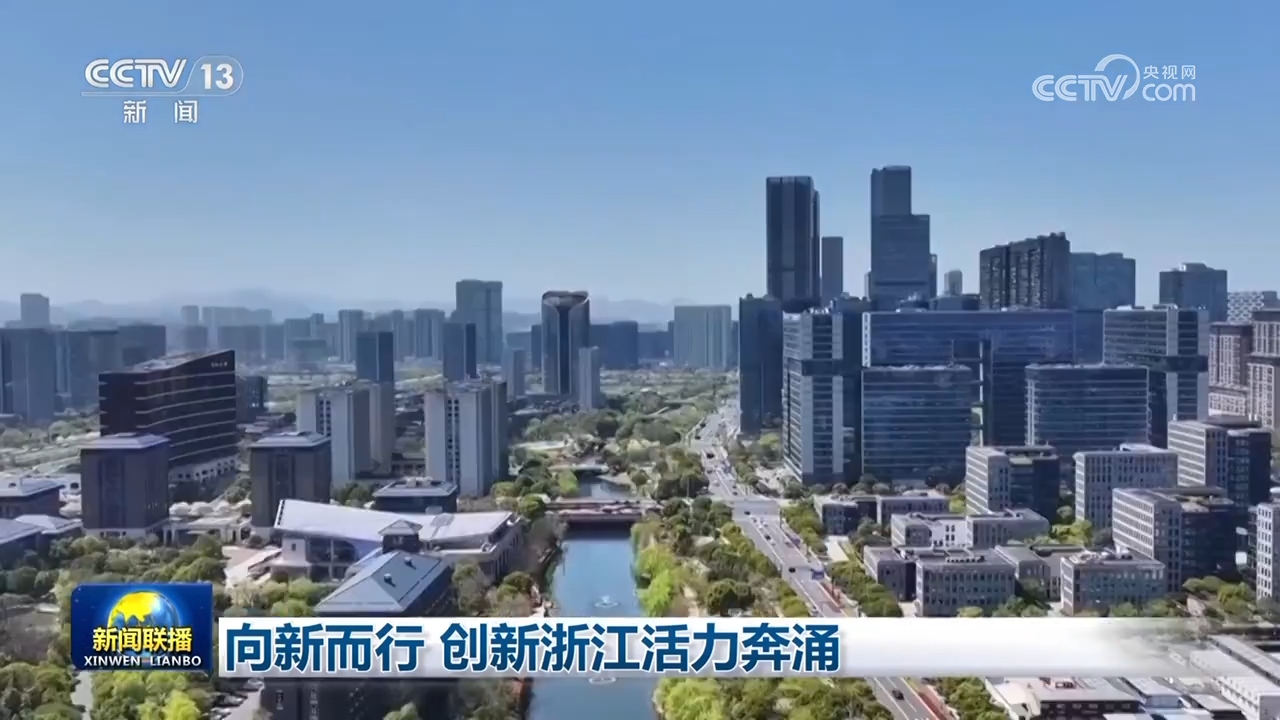
亚洲数字经济科学院院长 陈柏珲:东盟的人口非常年轻化,人口平均中位数是30岁左右,所以他们对新兴科技、新兴事物的接 受程度非常高,中国可以凭借自己在人工智能、数字科技等方面的优势,帮助东盟提升科技研发水平,同时也可以帮助中国企业找 到更好的落地应用场景。 央视网消息:在本届东博会的现场签约仪式上,155个项目成功签约,涉及多个东盟国家和领域,中国与东盟的合作正在迈 入"数智"新阶段。 总台央视记者 易扬:本届东博会现场签约的155个项目涉及马来西亚、越南、缅甸等6个东盟国家,包括了94个产业项目和44 个"人工智能+"赋能千行百业项目,为中国—东盟合作注入AI能量。 已签约的项目中,10亿元以上项目共45个,涵盖新能源、高端装备、商业航天、低空经济等细分行业,其中2个项目规模达到百 亿元以上。今年10月中国—东盟自贸区3.0版议定书将正式签署,本届东博会明确将自贸区3.0、数字经济、绿色发展与人工智能作为 未来合作四大支点。 东盟秘书长 高金洪:升级为3.0版,我认为将使双方经贸合作迈向新的高度,不仅巩固已有合作,还将不断拓展。在当今复杂的 全球经济形势下,这对中国和东盟都非常重要。 ...