
贸易

Search documents
欧盟内爱尔兰就业者受美国关税影响最大
Shang Wu Bu Wang Zhan· 2025-10-19 17:18
Core Insights - The European Central Bank (ECB) indicates that tariff measures may continue to "weigh on business and consumer confidence" [1] - Irish workers are the most affected group within the EU by U.S. tariffs, with heightened concerns about potential unemployment risks [1] Group 1: Tariff Impact on Employment - In July, the U.S. agreed to impose a 15% tariff on all EU goods, finalized in August, significantly impacting Irish exports, particularly pharmaceuticals [1] - The ECB's analysis shows that since the announcement of the tariffs, the majority of EU workers have not increased their concerns about unemployment, with 85% reporting unchanged or reduced unemployment expectations [1] - Only 15% of workers expressed increased concerns about job loss, suggesting that most employers are not directly affected by declining U.S. consumer demand [1] Group 2: Sector-Specific Vulnerabilities - Workers in industries such as manufacturing, construction, and trade are more susceptible to the negative impacts of tariffs due to their reliance on exports to the U.S. [2] - Financial services and information and communication technology sectors also show heightened unemployment concerns among employees due to U.S. tariffs [2] - Ireland and the Netherlands have a higher proportion of jobs dependent on U.S. exports, with Ireland at 6.7%, more than double that of the Netherlands at 3.2% [1][2]
宏观周周谈:调整到位了吗?
2025-10-19 15:58
Summary of Conference Call Records Industry Overview - The macroeconomic environment is influenced by the Federal Reserve's interest rate cuts and the depreciation of the US dollar, leading to an expansion of global liquidity and a shift of funds from the US to other markets. The dollar index has decreased from 115 to below 100, indicating a reversal in capital flows and a narrative of "the East rising and the West declining" [1][2] Key Points and Arguments - **Market Drivers for 2025**: The primary driver for the market in 2025 is the weak dollar, which has led to an increase in non-US equity assets. The expansion of global liquidity, driven by the Fed's rate cuts and dollar depreciation since September 2024, has facilitated this shift [2][3] - **Hong Kong Stock Market Performance**: Over the past year, the Hong Kong stock market has experienced three significant pulse movements closely tied to the Fed's monetary policy and global liquidity changes. The first pulse occurred in September 2024, driven by favorable policy expectations, while the second and third pulses occurred in early 2025 and September 2025, respectively, following dollar fluctuations and Fed rate cuts [3][4] - **Impact of Fed's Monetary Policy**: The Fed's recent monetary policy has significantly impacted the market. In September 2025, the Fed revised down its non-farm employment data, providing a rationale for a 75 basis point rate cut. However, the guidance for future cuts was adjusted to 25 basis points per year, compressing expectations for future liquidity expansion [5][6] - **Investor Behavior and Market Stability**: Changes in investor behavior, particularly among state-owned and professional investors, have been observed. A significant decrease in the central bank's debt holdings indicates profit-taking and a potential shift in market dynamics, leading to an uneven market state that could increase future volatility [6][8] - **Investor Sentiment and Market Trends**: In 2025, investor sentiment has led to significant market movements. Many investors, having realized substantial gains, are opting to take profits or adjust their portfolios. This behavior has contributed to a rapid market decline, particularly in the dual innovation sector, as investors react to perceived risks and expectations of state intervention [8][10] - **Future Market Signals**: The current Kondratiev cycle's downturn is expected to persist until at least November 2026, with the overall bull market trend continuing. Observations of the relationship between the dollar index and the Hang Seng Technology Index are crucial for future bullish signals. A potential rise in the Hang Seng Technology Index is anticipated by December 2025 or January 2026 [9][10] Other Important Insights - **Social Financing Trends**: The current social financing growth has decreased by 230 billion, with a growth rate of 8.7%, reflecting a slight decline compared to previous periods. The high net financing of government bonds continues to impact overall income growth [12][13] - **Gold's Role in Market Adjustments**: Gold has acted as a safe haven during equity asset adjustments, with its price reflecting market risk sentiment. The recent stabilization in gold prices indicates an improvement in market risk sentiment, despite ongoing downward pressures [11] - **US-China Trade Relations**: Recent developments in US-China trade relations indicate a temporary easing of tensions, with both sides engaging in talks to manage short-term risks. However, significant barriers remain, and achieving breakthrough results is challenging due to a lack of mutual trust [20][22] - **Market Signals for Reassessment**: To reassess bullish positions, it is essential to monitor the Fed's signals for further easing and the dollar index's movements. A significant drop in the dollar index could lead to increased liquidity flowing into non-US markets, positively impacting Hong Kong, H-shares, and A-shares [10][19] This summary encapsulates the key insights and developments from the conference call, providing a comprehensive overview of the current market dynamics and future outlook.
不涨军费就加税,特朗普对西班牙放出狠话,这次怕是要动真格的了
Sou Hu Cai Jing· 2025-10-19 04:31
Core Viewpoint - Trump expresses dissatisfaction with Spain for not increasing military spending to 5%, threatening trade penalties such as tariffs [3][5][10] Group 1: Military Spending and NATO - Spain is the only NATO member not to meet the 5% military spending requirement, which Trump views as disrespectful to NATO [3][5] - Spain's current military spending is approximately 17.2 billion euros, or 1.3% of its GDP, which is significantly below the requested 5% [6] - The increase to 5% would require an additional expenditure of about 50 billion euros, which is unsustainable given Spain's total budget of less than 200 billion euros for 2024 [6] Group 2: Economic Relations and Trade - Spain's economy is heavily reliant on the U.S. for technology, raw materials, and markets, making it vulnerable to U.S. tariffs [5][7] - The total trade volume between Spain and the U.S. is relatively small, around 20 billion euros, which may lessen the impact of U.S. tariff threats [7] - Spain's refusal to comply with Trump's demands reflects a broader resistance among countries facing economic constraints [9] Group 3: Political Dynamics - Spain's firm stance against increasing military spending is notable, especially as most NATO countries have complied with Trump's demands [5][10] - The geopolitical context shows that Spain's security concerns are less directly tied to NATO's overall defense strategy against Russia [3][6] - Trump's strategy to increase military spending among NATO members is seen as a means to boost U.S. arms sales, but faces significant opposition due to global economic challenges [9]

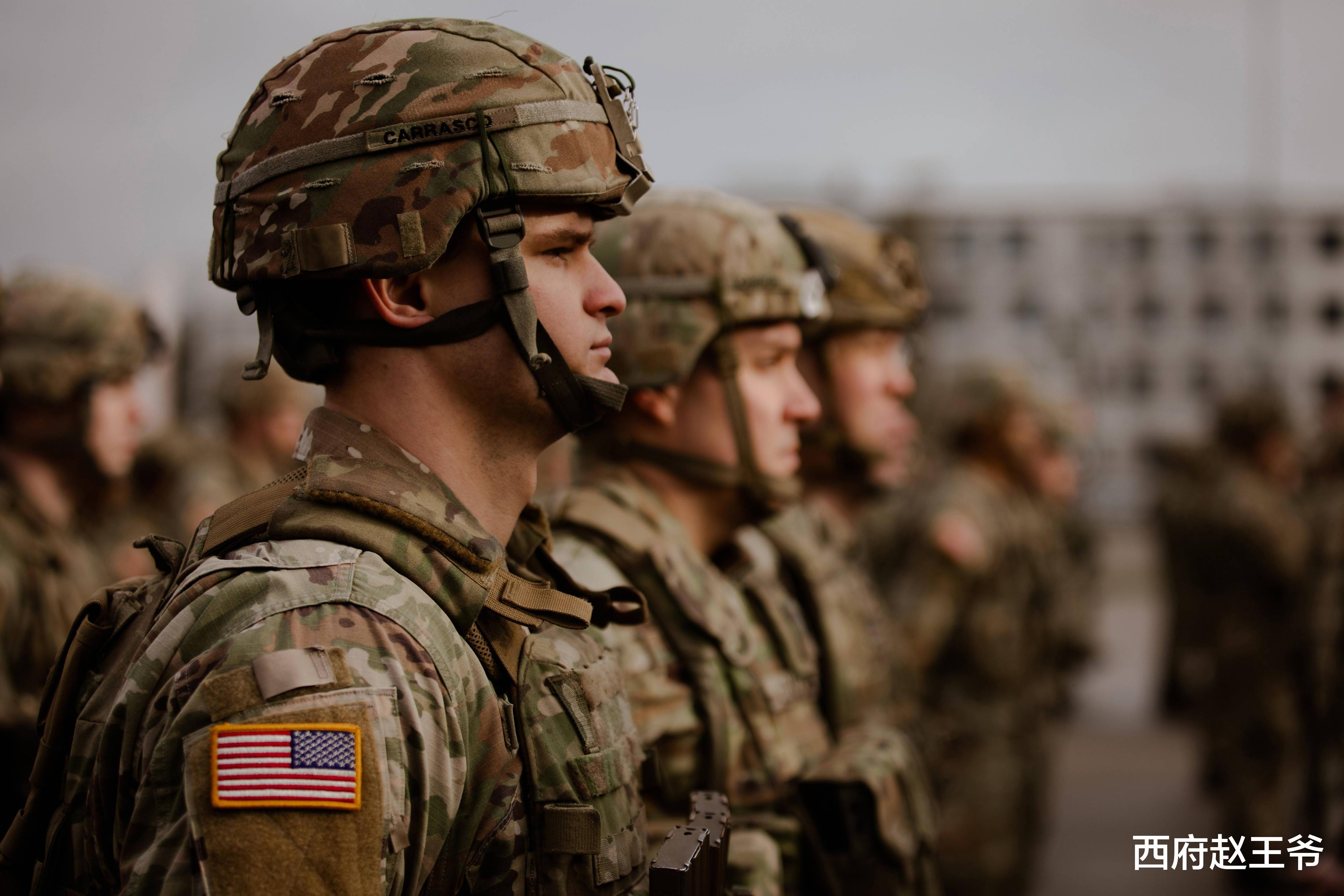
中国打响对美关税反击战,印度嘴上说要加入,行动时却扯中方后腿
Sou Hu Cai Jing· 2025-10-19 01:54
Core Viewpoint - The article discusses India's reluctance to effectively retaliate against the U.S. in the ongoing trade war, highlighting its tendency to undermine China's efforts while failing to take decisive action against the U.S. [1][6][14] Group 1: India's Response to U.S. Tariffs - India has previously announced plans to impose retaliatory tariffs on U.S. goods but has not followed through, indicating a lack of resolve in confronting the U.S. [7] - The Indian government has expressed intentions to learn from China's approach to countering U.S. tariffs, yet has not taken significant steps to implement such measures [3][6]. - Despite initial enthusiasm, India's actions have resulted in higher tariffs on its own goods, with a reported 50% maximum tariff imposed, leading to stalled negotiations with the U.S. [9] Group 2: China's Position in the Trade War - China has actively engaged in countermeasures against the U.S., utilizing its leverage in rare earth exports and other sectors, which has put pressure on the U.S. [3][16]. - The article emphasizes that China's success in the trade war could benefit global markets, including India, if India chose to align with China rather than undermine it [16]. - China's recent actions, such as imposing anti-dumping duties on Indian solar panels, reflect its strategy to protect its interests while responding to India's provocations [9][14]. Group 3: Implications for India - India's attempts to impose anti-dumping duties on Chinese solar panels, with rates up to 30%, are seen as counterproductive and indicative of its narrow-minded approach [9][14]. - The article suggests that India's lack of support for China in the trade war could lead to negative consequences for its own economy, as it risks losing out on potential benefits from a successful Chinese counter-offensive against the U.S. [16]. - The ongoing tensions and India's actions may ultimately harm its relationship with both China and the U.S., as it navigates its position in the trade landscape [6][14].
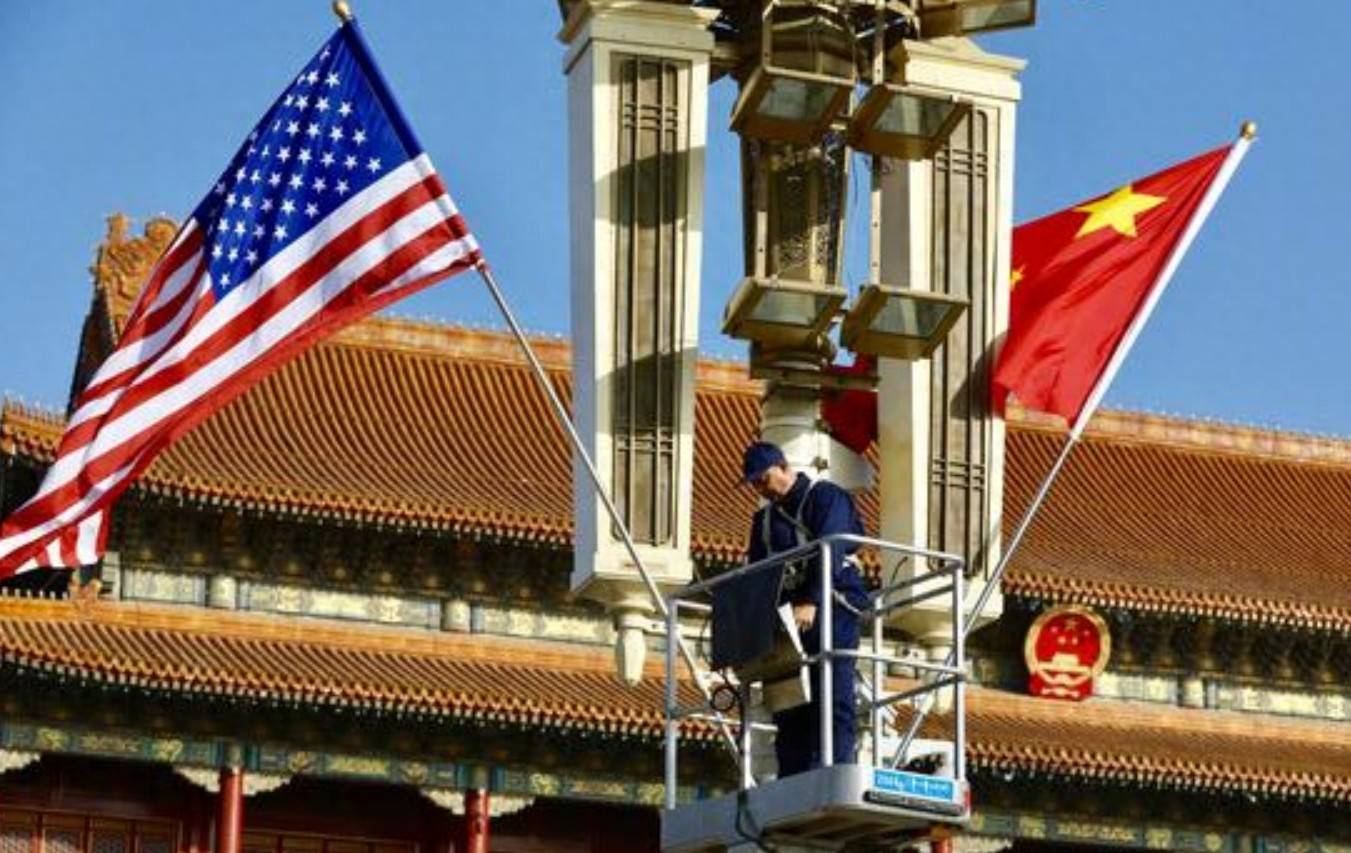
印度将停止买俄油?特朗普称莫迪同意了,威胁对华征500%关税
Sou Hu Cai Jing· 2025-10-18 17:14
Core Points - The U.S. is pressuring India to stop purchasing Russian oil, with President Trump announcing this at a press conference, while also demanding similar actions from China [1][3] - The energy competition between the U.S. and India has been ongoing, with the U.S. imposing a 50% tariff on Indian imports to pressure India into complying with the "energy de-Russification" strategy [3] - Despite the pressure, India remains significantly dependent on Russian oil, with 34% of its crude oil supply coming from Russia as of September, although this is a decrease from 40% year-on-year [3] - India has increased its oil imports from the U.S. by 6.8% year-on-year, reaching 213,000 barrels per day, indicating a balancing act between maintaining ties with Russia and responding to U.S. pressure [3] - Analysts suggest Trump's actions serve multiple purposes, including strengthening his anti-Russia image ahead of the 2026 midterm elections, addressing challenges in the U.S. oil industry, and setting the stage for further pressure on China [4] - The new round of tariffs has not boosted the U.S. economy but has instead caused global market panic, leading to a sell-off of U.S. assets and a decline in stock prices [6] - The geopolitical landscape is shifting, with major countries like China, Russia, and India showing greater strategic resilience and flexibility, indicating a move towards a multipolar world order [9]
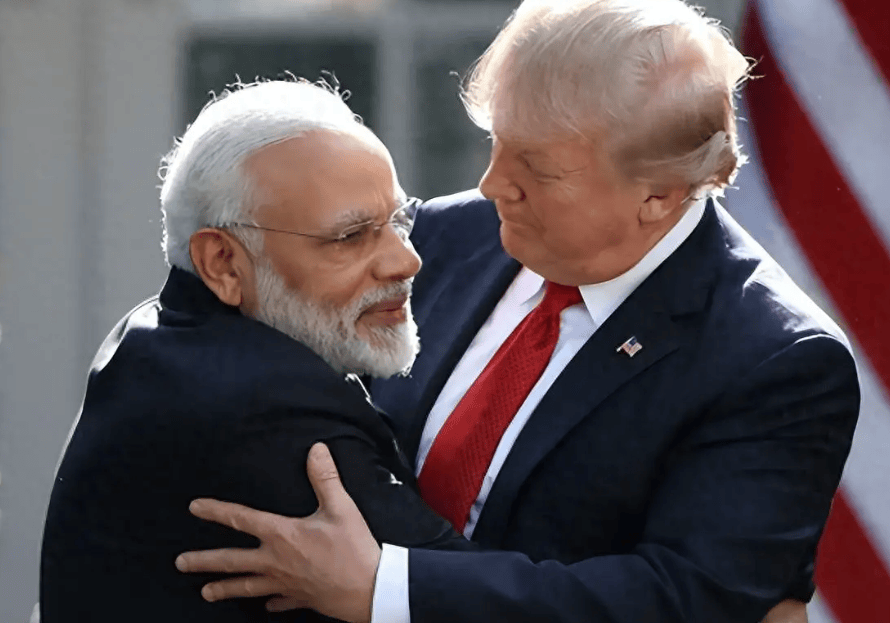
加纳2025年外国投资增长382%
Shang Wu Bu Wang Zhan· 2025-10-18 15:55
Core Insights - Foreign direct investment (FDI) in Ghana has significantly rebounded, with inflows rising from $17.907 million in the first half of 2024 to $86.296 million by June 2025, marking a year-on-year increase of 382% [1] Investment Projects - In the first half of this year, a total of 76 new investment projects were registered across various sectors, including manufacturing, services, general trade, and agriculture [1] - The manufacturing sector accounted for the highest number of projects, with 32 registered, while general trade attracted the largest investment amount of $62.29 million, representing over 72% of total FDI during the same period [1] Source Countries - China remains the leading source of new projects in Ghana, contributing 22 projects, followed by India with 14 projects, Nigeria with 8, and the UAE and the UK with 4 each. The US registered 3 projects, with additional investors from Liberia, Mauritius, Singapore, and Turkey [1] Geographic Distribution - Most of the registered projects are concentrated in the Greater Accra Region and the Ashanti Region [1]
广州简集商贸有限公司成立 注册资本1万人民币
Sou Hu Cai Jing· 2025-10-18 06:45
Core Viewpoint - Guangzhou Jianji Trading Co., Ltd. has been established with a registered capital of 10,000 RMB, indicating a new player in the trading and retail sector in China [1] Company Overview - The legal representative of the company is Liao Derong [1] - The company’s business scope includes a wide range of activities such as technology import and export, domestic cargo transportation agency, and various retail and wholesale activities [1] Business Activities - The company is involved in the import and export of goods, including cosmetics, labor protection products, building materials, and daily necessities [1] - Retail activities cover a diverse range of products, including electronics, furniture, outdoor goods, and personal hygiene products [1] - The company also engages in internet sales, indicating a focus on e-commerce alongside traditional retail [1]
怀化市聚益贸易有限责任公司成立 注册资本508万人民币
Sou Hu Cai Jing· 2025-10-18 05:04
Core Insights - Huaihua City Ju Yi Trading Co., Ltd. has recently been established with a registered capital of 5.08 million RMB [1] - The legal representative of the company is Wu Jianying [1] - The company's business scope includes sales of non-metallic minerals and products, metal ores, import and export agency, technology import and export, and various consulting services [1] Company Overview - The registered capital of the company is 5.08 million RMB, indicating a moderate level of initial investment [1] - The company is involved in a diverse range of activities, including domestic trade agency and internet sales, which may provide multiple revenue streams [1] Industry Implications - The establishment of the company reflects ongoing activity in the trading sector, particularly in non-metallic and metallic minerals, which may indicate growth opportunities in this industry [1] - The inclusion of import and export services suggests potential engagement in international trade, which could enhance market reach and competitiveness [1]
研发投入增幅超五成 创新成为民企生存发展“必答题”
Chang Jiang Ri Bao· 2025-10-18 00:51
Core Insights - The report indicates a significant rise in the strength of private enterprises in Wuhan, surpassing state-owned enterprises in the number of companies listed in the top 100 rankings for the first time [1] Group 1: R&D Investment - Private enterprises in Wuhan have increased their R&D investment by 54.26% compared to the previous year, significantly outpacing revenue and profit growth [2] - The rise in R&D investment has led to a notable increase in the proportion of invention patents and participation in industry standard formulation [2] - TCL Huaxing's collaboration with Xiaomi on the "Miao Xiang Back Screen" for the Xiaomi 17 Pro series exemplifies the technological advancements being pursued by local companies [2] Group 2: International Expansion - 40 of the top enterprises in Wuhan have begun to expand internationally, transitioning from initial market entry to establishing a local presence [3] - Renfu Pharmaceutical Group has invested in modern pharmaceutical factories in Mali and Ethiopia, resulting in a price reduction of over 30% for certain medications [3] - Longfei Optical Fiber Cable Co., Ltd. has successfully laid the world's first 7-core optical fiber submarine experimental cable, showcasing its technological capabilities on a global scale [3] Group 3: Industry Structure Optimization - The industrial structure of Wuhan's top enterprises is continuously optimizing, with emerging industries becoming key drivers of high-quality development [4] - The integration of AI in logistics by Jiuzhoutong Pharmaceutical Group has significantly enhanced operational efficiency, with an investment of 146 million yuan leading to substantial revenue [4] - Midea Group's investment in smart manufacturing equipment has resulted in over 50% automation in production, demonstrating the impact of technological upgrades [4]


青海聚晶工贸有限公司成立 注册资本300万人民币
Sou Hu Cai Jing· 2025-10-17 10:51
Core Insights - Qinghai Jujing Industrial and Trade Co., Ltd. has been established with a registered capital of 3 million RMB [1] - The company is engaged in a variety of business activities including non-edible salt sales, chemical products sales, and industrial robot sales [1] Company Overview - The legal representative of the company is Zhang Yongbin [1] - The registered capital is 3 million RMB [1] Business Scope - The company’s business activities include: - Non-edible salt sales - Sales of chemical products (excluding licensed chemical products) - Sales of specialized chemical products (excluding hazardous chemicals) - Sales of high-purity elements and compounds - Solid waste management - Sales of industrial robots - Sales of pumps and vacuum equipment - Sales of mechanical equipment - Sales of labor protection products - Domestic trade agency - Sales of synthetic materials - Retail of hardware products - Sales of intelligent unmanned aerial vehicles - Mineral washing and processing (excluding projects that require approval) [1]