外卖

Search documents
美团将建骑手公寓|首席资讯日报
首席商业评论· 2025-11-23 03:33
Group 1 - Meituan plans to invest 10 billion yuan over the next five years to build a comprehensive rider protection system, including the establishment of "rider apartments" in cities like Beijing, Shenzhen, and Chongqing [2] - Xiaomi's automotive division has been ordered by a court to return double the deposit to consumers for unfulfilled vehicle deliveries, marking a potential precedent in consumer rights [2] Group 2 - The Ministry of Industry and Information Technology announced that the output value of China's civil aviation products is expected to exceed 160 billion yuan in 2024, representing a year-on-year growth of 23.6% [5] - Jiuzhaigou scenic area has welcomed its 7 millionth visitor this year, achieving a historical high and a 27.05% increase compared to the previous year [6] Group 3 - The Beijing-Tianjin-Hebei region has made significant progress in air pollution prevention during the 14th Five-Year Plan period, with a reduction in environmental protection tax costs per unit of GDP from 18.6 yuan to 17.6 yuan [7] - Shanghai's Songjiang District is expanding the operational area for shared bicycles in response to public demand for improved commuting options [8] Group 4 - The 2025 China 5G+ Industrial Internet Conference has commenced in Wuhan, where the Ministry of Industry and Information Technology launched commercial trials for satellite IoT services [10][12][13] - Golden Dragon Fish has responded to a contract fraud case involving its subsidiary, asserting its innocence and planning to appeal the ruling [11]


“镇合意·工暖‘新’”服务品牌织密保障网 新业态劳动者有了“暖心巢”
Zhen Jiang Ri Bao· 2025-11-22 23:25
Core Points - The article highlights the launch of the "Zhenheyi·Gongnuan'xin'" service brand by the Zhenjiang Municipal Federation of Trade Unions to enhance the influence, cohesion, and service capacity of labor unions for new employment forms [1][7] - The service system includes a comprehensive organizational network and five service packages aimed at improving the sense of gain, happiness, and belonging among new employment form workers [1][7] Group 1: Organizational Network - The establishment of a city-level union for internet, road transport, and delivery workers in Zhenjiang is a pioneering move in the province, with full coverage of county-level unions planned by 2024 [2] - The "scan to join" initiative and the launch of a comprehensive service center for new employment form workers have made it easier for workers to join unions and access services [2] - The municipal union has equipped new industry unions with social workers and provided subsidies to stimulate grassroots activity [2] Group 2: Service Infrastructure - The construction of a "15-minute service circle" with 25 24-hour smart service stations has been implemented to provide convenient rest and refreshment options for outdoor workers [3] - The new comprehensive service center integrates various resources to offer one-stop services, becoming a "spiritual home" for new employment form workers [3] - Initiatives like "one yuan noodles" and the establishment of "union canteens" aim to enhance the welfare of workers [3] Group 3: Rights Protection - The introduction of the "Courier Workers Care Day" and the "Courier Workers Care Subsidy Measures" has provided financial support and emotional care for workers facing difficulties [4][5] - Legal aid stations have been established to protect the legal rights of new employment form workers, with significant financial assistance provided [5] - A democratic consultation mechanism has been created to address workers' grievances and improve management practices [5] Group 4: Growth Empowerment - Various activities and competitions have been organized to enhance the skills and personal development of new employment form workers, fostering a sense of community and growth [6] - The union has implemented programs for educational advancement and mental health support, contributing to the overall development of workers [6] - The focus on both material support and personal growth reflects a commitment to improving the quality of life for workers in new employment forms [6]
别再羡慕吃红利的人了,他们也在悄悄还债。
3 6 Ke· 2025-11-22 03:18
Core Viewpoint - The current era offers low-cost living for ordinary people, but this comes at the expense of others who are struggling to adapt to changing job markets and economic conditions [1][3]. Group 1: Economic Conditions and Industry Dynamics - The competition among platforms, such as food delivery services, leads to a situation where all participants, including riders and merchants, face increased pressure and reduced profits despite consumers benefiting from lower prices [4][6]. - Many individuals are transitioning to new jobs or industries due to economic shifts, such as those who previously worked in management or retail now taking on roles in delivery or service sectors [3][4]. Group 2: Changing Perceptions of Success - The narrative of "success" has evolved; individuals can now choose alternative lifestyles or career paths without being labeled as lacking ambition, reflecting a broader acceptance of diverse life choices [15]. - Opportunities for career changes have increased, with many people moving from high-pressure environments in tech to more stable roles in other sectors, indicating a shift in how career paths are viewed [15]. Group 3: Psychological Impact and Social Commentary - The phenomenon of "lying flat" is not merely a rejection of work but a response to repeated disappointments, leading to a sense of learned helplessness among individuals [10][12]. - The ability to learn, adapt, and maintain curiosity about the future is becoming a valuable asset in navigating the complexities of modern life [15].

复旦团队研究了全国4万多商户,得出外卖补贴大战的影响数据
第一财经· 2025-11-21 13:12
2025.11. 21 该研究显示,7月以来竞争加剧期,商户每日"外卖加堂食"总订单量平均增长7%,但商户每日实收金 额平均下降约4%。在"外卖利润率保持不变"的基准情形下估算,竞争升温期商户外卖加堂食总利润 平均下降约1.7%,进入竞争加剧期后,平均降幅扩大至8.9%。上述利润增减因商户而异,若补贴大 战下外卖订单利润率进一步下降,则上述商户总利润降幅更大;反之,若外卖订单利润率提高,则可 能出现商户利润增长。 本文字数:1622,阅读时长大约3分钟 作者 | 第一财经 金叶子 今年4月以来,互联网平台纷纷入局外卖补贴大战。随着补贴大战逐渐退潮,参与其中的餐饮商户受 到了哪些影响? 21日在复旦大学经济学院主办的"平台价格竞争与餐饮业高质量发展"研讨会上,复旦大学文科资深教 授、经济学院院长张军教授领衔的课题组发布一项研究成果,数据分析结果显示,相对于常态化补 贴,大额补贴通过降低实际支付价格刺激了消费者外卖消费意愿,带动外卖订单量快速增长。然而, 商户侧普遍呈现"增量不增收"的状态。 这篇题为《"赚了流量,赔了利润"—补贴大战如何累及餐饮商户?》的研究成果,基于全国4万余家 餐饮商户堂食和外卖完整日交易数 ...

复旦团队研究了全国4万多商户 得出外卖补贴大战的影响数据
Di Yi Cai Jing· 2025-11-21 11:29
Core Insights - The research indicates that the recent subsidy wars among internet platforms have led to an increase in order volume for restaurants, but overall revenue has declined due to high subsidy costs and a shift from dine-in to takeout [1][2][3] Group 1: Impact on Restaurant Revenue - The study shows that since July, during the intensified competition phase, the average total order volume for restaurants (including takeout and dine-in) increased by 7%, while the average actual revenue decreased by approximately 4% [2] - In the context of stable takeout profit margins, the total profit for restaurants decreased by an average of 1.7% during the initial competition phase, with the decline expanding to 8.9% in the intensified phase [2] Group 2: Effects on Non-Participating Merchants - Non-participating merchants are also affected by a significant "siphoning effect," where customers shift to subsidized merchants, creating a dilemma of low profits if they participate and low orders if they do not [3] - Merchants that focus on dine-in services show greater resilience during the subsidy wars, with dine-in revenue declines being significantly smaller compared to those primarily focused on takeout [3] Group 3: Differentiation Among Merchants - Brand chain merchants have a higher participation rate in the subsidy wars and experience greater benefits in takeout revenue, while independent stores face more substantial losses [3] - The negative impact of large takeout subsidies on dine-in services has spillover effects, potentially reducing foot traffic in surrounding restaurants and other service sectors [3] Group 4: Regulatory Recommendations - The research suggests establishing a regulatory framework for platform subsidy behaviors, defining reasonable limits and boundaries for subsidies to prevent market price distortion [4] - It emphasizes the need to protect the pricing autonomy and operational rights of small and medium-sized merchants to avoid excessive subsidy burdens [4]
复旦团队研究了全国4万多商户,得出外卖补贴大战的影响数据
Di Yi Cai Jing· 2025-11-21 10:20
Core Insights - The competition in the food delivery market has intensified since July, leading to a 7% average increase in total daily orders for merchants, while their actual revenue has decreased by approximately 4% [1][2] - A study conducted by Fudan University highlights the impact of the subsidy war on restaurant merchants, indicating that while large subsidies stimulate consumer demand, they do not translate into increased revenue for merchants, resulting in a "gain in traffic, loss in profit" scenario [1][2] Summary by Sections Impact of Subsidy Wars - Since the onset of the subsidy wars in April, the average total profit for merchants has decreased by 1.7% during the competition period, with a more significant decline of 8.9% during the intensified competition phase [2] - Merchants that participate more heavily in subsidies see an increase in orders but also experience a greater decline in profits [3] Merchant Dynamics - Non-participating merchants are also affected by a "siphoning effect," where consumers shift to subsidized merchants, forcing them to reconsider their strategies [3] - Merchants focusing on dine-in services show greater resilience compared to those primarily reliant on delivery, with dine-in revenue declines being significantly smaller [3] Market Regulation - The National Market Regulation Administration has urged major platforms like Ele.me, Meituan, and JD to regulate promotional behaviors and foster a healthier ecosystem for consumers, merchants, and delivery personnel [4] - The study recommends establishing a regulatory framework for platform subsidies to protect small merchants and ensure fair pricing practices [4]


出海观察|加码巴西外卖,滴滴能否赢得下一城?
Xin Lang Ke Ji· 2025-11-21 03:47
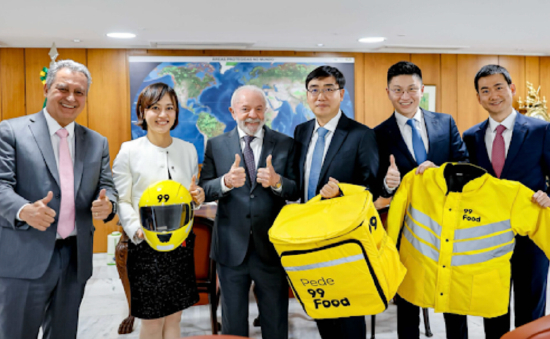
Core Insights - Didi is re-entering the Brazilian food delivery market with its "99 Food" brand, planning to invest 2 billion reais by June 2026, which is double its initial plan [2] - The Brazilian food delivery market is experiencing rapid growth, with a market size of 139 billion reais in 2023 and an annual growth rate of 15% to 20% from 2019 to 2023 [6] - iFood dominates the market with an 80% market share, making it challenging for new entrants like Didi and Uber to gain traction [4][5] Company Strategies - Didi aims to leverage its experience from Mexico, where it has successfully integrated ride-hailing and food delivery services, to establish a foothold in Brazil [8] - The company has a significant user base in Brazil, with over 55 million users and 1.5 million registered drivers, which can be utilized for food delivery [8] - Didi's strategy includes reusing existing transportation capacity to reduce delivery costs and improve response times [8] Market Dynamics - The Brazilian food delivery market is characterized by a high concentration of power with iFood, leading to complaints from riders about low wages and long hours, creating an opportunity for new players [6][11] - iFood is responding to competition by investing 17 billion reais and integrating with Uber to enhance its service offerings [7] - The competitive landscape is shifting as Didi and Meituan introduce different operational models, making the market less monotonous [10][11] Consumer Behavior - Consumers in Brazil show a strong preference for iFood due to its extensive restaurant partnerships and established brand loyalty, making it difficult for new entrants to attract users [4][10] - Local consumers express a willingness to try new platforms if they offer unique services or better value propositions, indicating potential for market disruption [10] Regulatory Environment - The Brazilian government has introduced regulations requiring platforms to provide benefits to delivery workers, increasing operational costs for companies like Uber [5] - The evolving regulatory landscape may impact the expansion strategies of new entrants like Didi, as they navigate different local laws and labor standards [9][11]

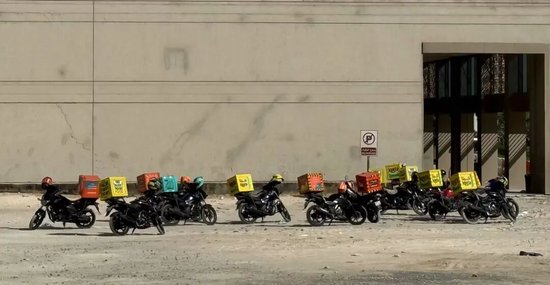
在迪拜送外卖:没有“电驴”、运力不稳,配送费约3.9元到5.8元
Di Yi Cai Jing· 2025-11-21 00:15
Core Insights - The article discusses the evolving food delivery market in Dubai, highlighting the challenges and opportunities faced by various platforms, particularly the Chinese platform Keeta, which aims to penetrate this market with a no-commission model and fast service [2][11]. Market Overview - Dubai's food delivery market is characterized by a mix of local and international platforms, with a significant presence of riders from South Asia [3][5]. - The market is still developing, with a high potential for growth due to the local climate and lifestyle, as many residents do not rely on delivery as heavily as in China [9][10]. Platform Dynamics - Keeta, a platform under Meituan, has entered the Dubai market with a no-commission strategy, attracting merchants who previously faced high commission rates from other platforms [6][8]. - The competitive landscape includes platforms like Talabat and COME COME, which have established user bases and cater to specific demographics, such as Chinese cuisine [9][10]. Consumer Behavior - The cost of food delivery in Dubai is relatively high, leading many residents to prefer cooking at home, especially given the high living expenses [4][5]. - Delivery times are comparable to other markets, with users typically receiving their orders within 30 to 40 minutes [5][9]. Growth Projections - The online food delivery market in the UAE is projected to reach $1.87 billion by 2025 and $2.46 billion by 2030, with a user penetration rate of 31.4% by 2025 [9]. Regulatory Environment - The Dubai Consumer Protection and Fair Trade Authority has established guidelines to enhance competition and maintain high standards in the food delivery sector [10]. Strategic Expansion - Keeta's expansion strategy in the Middle East has been cautious, starting from Saudi Arabia and gradually moving into the UAE, with plans to adapt to local market conditions [14][15]. - The platform's success relies on its ability to offer a diverse range of products, reliable delivery services, and competitive pricing [15][16].
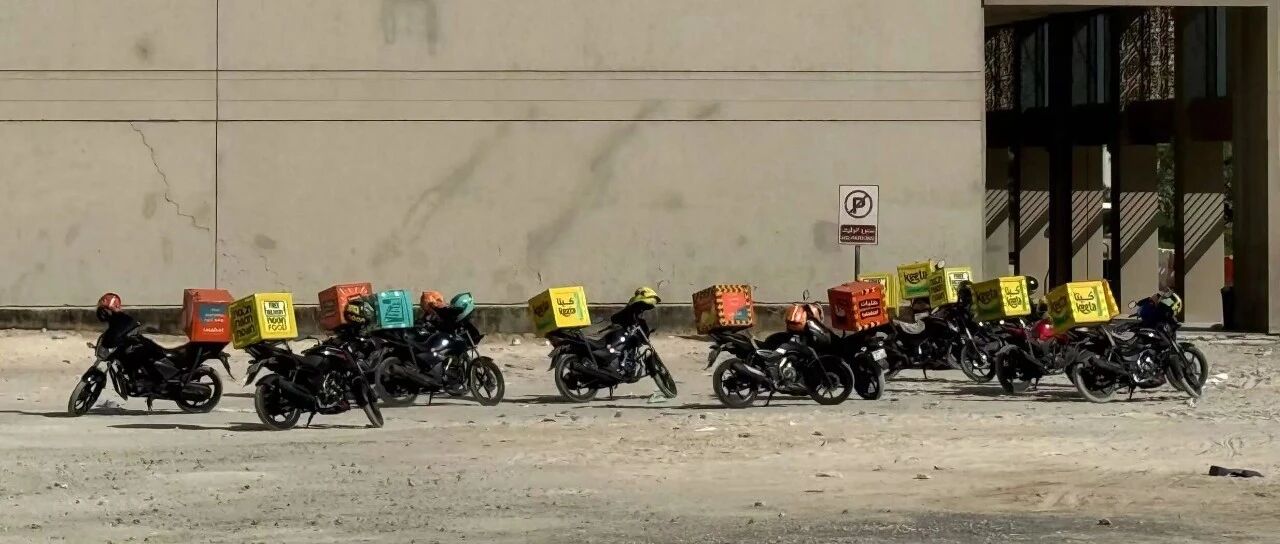
在迪拜送外卖:没有“电驴”、运力不稳,配送费约3.9元到5.8元
第一财经· 2025-11-21 00:11
Core Viewpoint - The article discusses the evolving food delivery market in Dubai, highlighting the challenges and opportunities for foreign platforms like Meituan's Keeta in a culturally distinct environment [3][14]. Group 1: Market Overview - Dubai's food delivery market is still developing, with various platforms competing for market share, but it has not yet achieved "delivery freedom" [4][12]. - The online food delivery market in the UAE is projected to reach $1.87 billion by 2025 and $2.46 billion by 2030, with a user penetration rate of 31.4% by 2025 [12]. Group 2: Local Challenges - The delivery model in Dubai differs from China, with many riders being non-locals from South Asia, leading to a "one order one delivery" approach that affects efficiency [5][6]. - High living costs in Dubai result in higher food delivery prices, making it less common for residents to order food frequently [6][7]. Group 3: Platform Dynamics - Keeta, a platform under Meituan, is attempting to penetrate the market with a no-commission model, contrasting with other platforms that charge commissions of 17% to over 30% [10][14]. - The user experience on Keeta is enhanced by features like real-time rider tracking and timely delivery, which are seen as competitive advantages [15][20]. Group 4: Competitive Landscape - Talabat and COME COME are notable local competitors, with Talabat having over 6 million active users and 119,000 active riders, while COME COME focuses on Chinese cuisine [13][14]. - Keeta has rapidly expanded in the Middle East, entering Dubai and Abu Dhabi after establishing a presence in Saudi Arabia [13][20]. Group 5: Strategic Insights - Chinese platforms like Keeta leverage their domestic experience to navigate the unique cultural and regulatory landscape of the Middle East, focusing on product variety, reliable delivery, and competitive pricing [20][21]. - The article emphasizes the importance of adapting strategies based on local market research and conditions to succeed in the diverse Middle Eastern market [21].

2025年第45周:跨境出海周度市场观察
艾瑞咨询· 2025-11-21 00:07
Group 1: Low-altitude Economy in Guangdong - Guangdong's low-altitude economy is experiencing significant breakthroughs, with companies like XPeng and EHang achieving milestones in product launches and commercial operations [3][4] - The goal is to surpass a market scale of 300 billion yuan by 2026, supported by favorable policies and technological advancements [3] Group 2: Brand Integration for Overseas Markets - Chinese companies are shifting from merely selling products to building brand recognition through cultural integration in target markets [5] - Strategies for successful brand integration include local storytelling, leveraging local influencers, and aligning with cultural values [5] Group 3: Energy Storage Market Dynamics - Chinese energy storage companies saw overseas orders reach 186 GWh in the first half of 2025, a year-on-year increase of over 220% [6] - Major markets include the Middle East, Europe, and Australia, while challenges such as trade barriers and certification standards persist [6] Group 4: Smart Agriculture and Technology - Recent international agricultural exhibitions highlighted the role of smart machinery in enhancing agricultural productivity [7][8] - Chinese agricultural technology is gaining traction globally, with significant participation from international buyers [7] Group 5: Automotive Export Trends - From 2021 to 2024, China's automotive exports are projected to grow from 2.01 million to 5.86 million units, with a 21% year-on-year increase in the first three quarters of 2025 [9] - Chinese automakers are focusing on local production and brand acquisitions to expand their global market share [9] Group 6: Gaming Market Expansion - The global gaming market is expected to grow significantly, with mobile gaming projected to reach $342.2 billion by 2033 [10] - Russia is emerging as a key market for Chinese mobile games, with a notable presence in the top revenue-generating titles [10] Group 7: Robotics Market in South Korea - Chinese service robots, particularly in the cleaning sector, are gaining market share in South Korea, with companies like Roborock leading [11] - The collaboration between China and South Korea in AI and digital economy sectors presents significant growth opportunities [11] Group 8: Southeast Asia Consumer Trends - Southeast Asia's young population and economic growth are driving demand for Chinese products, particularly through e-commerce [12] - The region presents opportunities for Chinese companies to establish local manufacturing to mitigate risks [12] Group 9: Sports Industry Growth - The Asian sports industry is experiencing rapid growth, with a focus on high-quality development and digital innovation [13] - The 2025 Asian Sports Industry Summit aims to explore opportunities for collaboration and growth in the sector [13] Group 10: ByteDance's Global Strategy - ByteDance is shifting its strategy for overseas AI applications from technology showcase to user acquisition, particularly in Southeast Asia and the Middle East [14][15] - The company is leveraging its existing ecosystem while navigating regulatory challenges in Western markets [15] Group 11: Didi's Electric Vehicle Initiative - Didi has launched a fleet of 500 electric vehicles in Mexico, aiming to promote sustainable transportation in Latin America [16] - The company plans to expand its electric vehicle fleet significantly by 2030, contributing to reduced carbon emissions [16] Group 12: Meituan's Financial Performance - Meituan reported a revenue of 86.6 billion yuan in Q1, with a year-on-year growth of 18%, highlighting its robust overseas performance [17] - The company is focusing on sustainable growth through technological innovation and expansion into new markets [17] Group 13: Cainiao's Logistics Innovations - Cainiao is partnering with retail giants in Southeast Asia to enhance logistics efficiency through AI and automated systems [18][19] - The company aims to leverage its technology to improve supply chain operations and expand its market presence [19] Group 14: Li Auto's Market Strategy - Li Auto has opened its first retail center in Central Asia, focusing on a dealer authorization model to mitigate risks [20] - The company is prioritizing Central Asia for its expansion strategy while delaying plans for the European market [20] Group 15: TCL's Global Strategy - TCL reported a revenue of 14.346 billion yuan in the first three quarters of 2023, with a focus on high-quality growth and brand value [21] - The company is enhancing its global presence through sports marketing and increased R&D investment [21] Group 16: New Stone's Expansion in Autonomous Vehicles - New Stone has secured over $600 million in funding to accelerate its expansion in the autonomous vehicle market [22] - The company plans to deploy 5,000 autonomous vehicles in the UAE by next year, reflecting the industry's rapid growth [22] Group 17: Yushu Technology's IPO Progress - Yushu Technology is advancing its IPO process, with overseas business accounting for 50% of its revenue [23] - The company is focusing on expanding its market share in the robotics sector while enhancing its global strategy [23]