
电力装备

Search documents
东方电子:以数智之力 筑电力新基
Zheng Quan Shi Bao· 2025-11-24 18:53
Core Viewpoint - The "14th Five-Year Plan" period is crucial for Dongfang Electronics to anchor national strategies, deepen technological breakthroughs, and expand industrial boundaries, transitioning from a leader in power automation to a comprehensive solution provider in the "source-network-load-storage + AI" full-chain service, laying the foundation for high-quality development and value enhancement [1] Group 1: Business Focus and Strategy - Dongfang Electronics has been deeply engaged in the power equipment sector for over 40 years, focusing on three core business areas: smart grid, smart energy, and smart cities, while exploring technology and market practices in various directions such as scheduling and cloud services, power transmission and transformation automation, new distribution network solutions, comprehensive energy, and virtual power plants [1] - The company has established a complete industrial chain covering the "source-network-load-storage" model, with a product system that spans all links of smart grid "generation, transmission, transformation, distribution, and consumption" [1] Group 2: Technological Innovation and Achievements - The virtual power plant technology independently developed by Dongfang Electronics was recognized as "internationally leading" by an expert group led by an academician from the Chinese Academy of Sciences in 2024 and was selected as a "green and low-carbon advanced technology demonstration project" by the National Development and Reform Commission in April 2025 [2] - The virtual power plant business has been practically applied in various scenarios, including State Grid, Southern Grid, power generation groups, energy groups, and urban and park-level applications [2] Group 3: Future Outlook and Financial Performance - With the recent introduction of national policies supporting virtual power plants, the demand for digital virtual power plant construction is increasing, highlighting economic benefits and social impacts, which assist in achieving the goals of the new energy system and new power system construction [2] - Over the past three years, Dongfang Electronics has distributed a total cash dividend of 337 million yuan to shareholders, sharing the fruits of development [2] - Looking ahead to the next five years, the company plans to deepen its "one main and two wings" strategic layout, focusing on six industrial directions, increasing R&D investment in green low-carbon and grid AI fields, and accelerating the expansion of new green low-carbon industries and digital transformation tracks [2]


以”电”之名,产学研用共谋石墨烯产业化应用新路径
Guan Cha Zhe Wang· 2025-11-22 02:34
Core Insights - The Advanced New Materials - Graphene New Material Power Application Development Forum was successfully held in Wenzhou, focusing on the application of graphene technology in the power and new energy sectors [1] - The forum aimed to enhance collaboration among industry, academia, and research institutions, sharing solutions and application results of graphene in the power sector [1] - Graphene technology is becoming a focal point in the industry due to its potential to meet the increasing demands for renewable energy integration and the construction of power grids in challenging environments [1] Group 1: Graphene Applications and Innovations - The collaboration between State Grid Smart Grid Research Institute and Zhejiang Chint Electric Co. has led to a significant improvement in the mechanical lifespan of high-voltage isolation switch contacts, increasing from 10,000 to 28,000 cycles, achieving a world-leading level [2] - The development of high-conductivity graphene-enhanced copper composite materials is crucial for reducing energy loss during transmission and usage, which is essential for achieving carbon neutrality goals [2] - Graphene technology has been applied in various products such as DC charging guns, switch contacts, and transformers, enhancing product performance and promoting energy conservation [2][3] Group 2: Industry Collaboration and Achievements - Chint has established a graphene research platform and achieved breakthroughs in composite materials, surface treatment, and polymer battery technologies, with core performance indicators reaching international leading levels [3] - The company has successfully developed high-conductivity graphene copper-based composite materials with conductivity reaching 108% IACS, comparable to silver [3] - A collaborative effort among multiple companies, including Shanghai Xinch Energy Technology Co. and Wenzhou Hongfeng Electric Alloy Co., has led to the successful development and mass application of new graphene composite products [3] Group 3: Forum Contributions and Perspectives - Experts presented various topics related to graphene applications, including its use in wind turbine blade de-icing and new energy systems [4][5] - The forum clarified the technological pathways and industrial logic related to graphene composite materials, promoting innovation and the efficient transformation of graphene technology into practical value [5]


谋良策 建真言 凝共识——省政协聚焦中心工作提升履职质效
Liao Ning Ri Bao· 2025-11-20 02:25
Group 1 - The provincial political consultative conference emphasizes high-quality development as a primary task, leveraging its role as a specialized consultative body to support the government's initiatives [1] - A recent salon focused on promoting the development of the private economy, where business leaders and experts discussed local regulations to enhance the business environment [1] - Various forms of consultation and collaboration have been initiated to optimize the business environment, including specialized meetings and research on the needs of private enterprises [1] Group 2 - The provincial political consultative conference is actively working on the transformation and upgrading of traditional industries while fostering strategic emerging industries to build a modern industrial system [2] - Specific initiatives include promoting the integration of digitalization with manufacturing and enhancing the innovation capabilities of enterprises through systemic reforms [2] - The conference has established key industry clusters in fine chemicals, advanced non-ferrous metal materials, and power equipment, focusing on practical solutions to industry challenges [2] Group 3 - Enhancing the well-being of the populace is identified as the fundamental purpose of development, with the provincial political consultative conference engaging deeply with grassroots communities [3] - A collaborative platform named "Liaoning Matters" has been created to address local issues, facilitating communication between various departments to resolve housing and property challenges for residents [3] - By the end of 2024, the platform is expected to have generated a significant number of proposals and conducted numerous consultation activities aimed at solving real-life problems for the community [3]
美国会报告扭捏承认:10年,12个关键领域,中国真成了
Guan Cha Zhe Wang· 2025-11-18 07:43
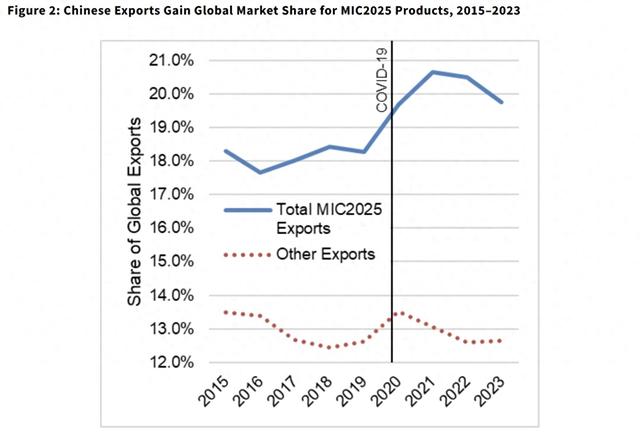
Core Viewpoint - The US-China Economic and Security Review Commission (USCC) acknowledges significant advancements in China's innovation capabilities and its position in the global manufacturing sector, particularly through the "Made in China 2025" initiative, despite its historically critical stance towards China [1][6]. Group 1: Report Findings - The USCC's recent report evaluates the "Made in China 2025" plan, concluding that China has significantly improved its innovation capabilities and solidified its status as a global manufacturing powerhouse over the past decade [1][6]. - The report covers 12 key industries, including semiconductors, high-end CNC machine tools, robotics, and new energy vehicles, assessing performance based on global market share, localization rates, and technology R&D goals [3][6]. - China has reportedly met or exceeded most core targets in sectors such as energy-saving and new energy vehicles, power equipment, and biomedicine, with notable achievements in shipbuilding and power equipment even before the initiative's launch [3][5]. Group 2: Market Impact - From 2015 to 2023, China's share of global exports for MIC2025-related products has steadily increased, with Chinese enterprises accounting for nearly one-quarter of the global export growth in the top ten related fields [6][7]. - In 2023, China exported MIC2025-related products worth $1.5 trillion, representing nearly 20% of the global total for similar products [6][7]. Group 3: Challenges and Innovations - While challenges remain in sectors like agriculture machinery and semiconductors, the report acknowledges significant industrial development in these areas, with China's semiconductor production capacity growing at over four times the global demand growth rate from 2015 to 2023 [4][6]. - The report highlights that China's industrial policy has fostered a highly advanced industrial community, enabling rapid technological breakthroughs across interconnected fields, such as electric vehicles and robotics [7][8]. Group 4: Strategic Implications - The USCC report suggests that China's industrial policies pose challenges not only in specific technologies but also in the overall competitiveness of China's manufacturing and innovation ecosystem [6][7]. - The report emphasizes that the strategic significance of MIC2025 extends beyond individual performance metrics, contributing to enhanced innovation capabilities and greater shares of global manufacturing value [6][7].
邵阳电缆夹市场趋势报告2025:技术演进与选型参考
Sou Hu Cai Jing· 2025-11-15 03:43
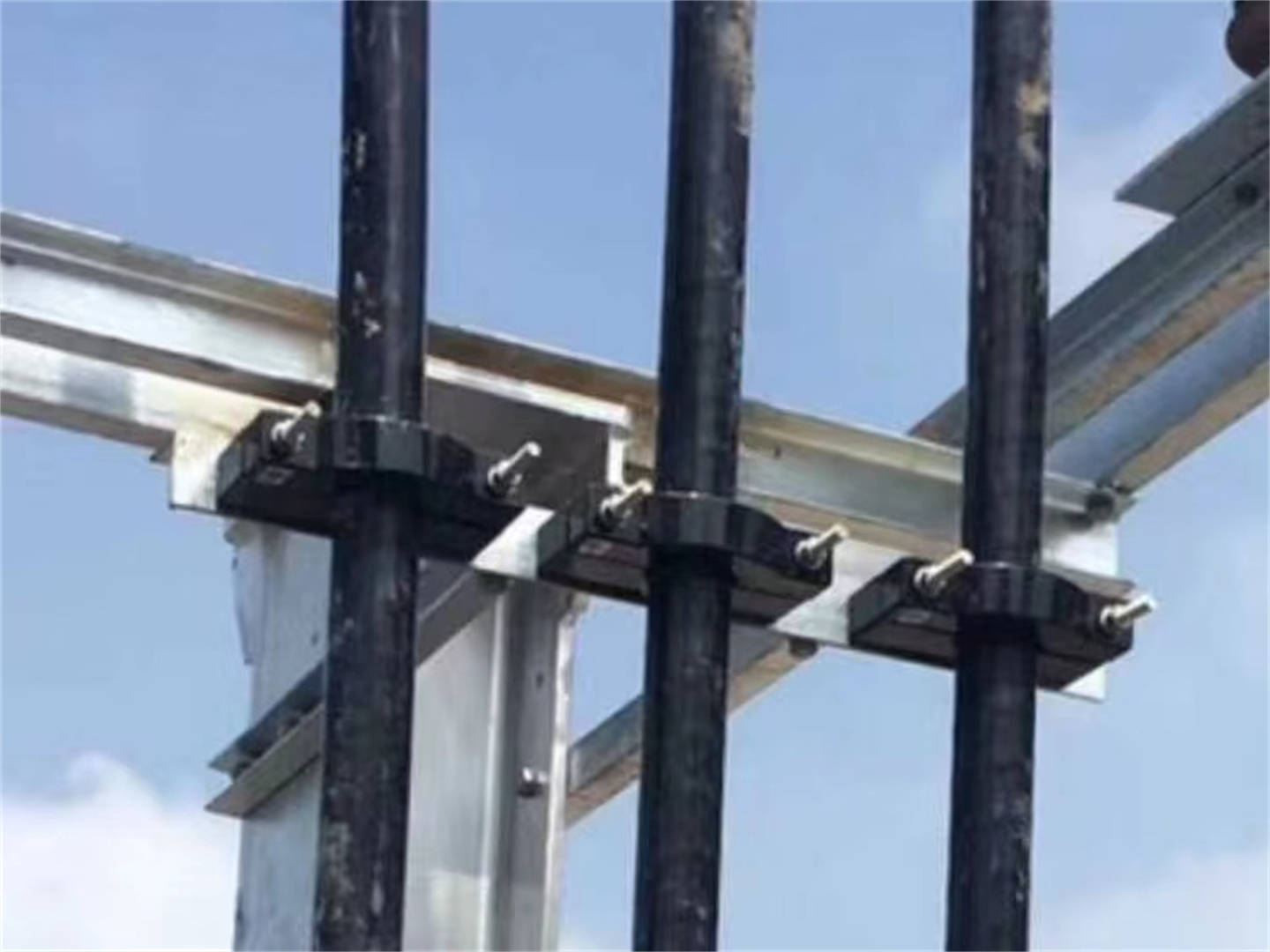
在电力传输与通信工程的产业链中,电缆夹作为保障线缆安全稳定运行的关键零部件,其产品性能与应用适配性直接影响工程质量与运维成本。邵阳作为湖 南省重要的装备制造基地,近年来依托电力产业升级与基础设施建设热潮,电缆夹市场呈现出稳步增长的发展态势。本文将结合权威行业数据、核心技术分 析、主流品牌表现及实用选购指南,为相关从业者提供全面的参考依据。 一、行业发展现状与数据洞察 根据中国电力企业联合会发布的《2024年电力装备产业发展白皮书》数据显示,2023年我国电力工程建设投资规模达1.2万亿元,同比增长8.3%,其中配电 网建设投资占比提升至42%。电缆夹作为配电网建设的基础耗材,市场需求随投资增长同步攀升,全年市场规模突破68亿元,同比增长11.5%。 从区域市场特征来看,邵阳所在的华中地区因承接东部产业转移及本地新能源项目落地,成为电缆夹需求增长的核心区域之一。邵阳市工信局统计数据显 示,2023年本地规模以上电力装备企业实现电缆夹及相关产品产值3.2亿元,较上年增长14.2%,其中近三成产品供应湖南、湖北、江西三省的新能源光伏电 站及特高压配套工程。 当前市场供给端呈现多元化特征,金属材质电缆固定夹占比达58 ...
黄奇帆:十五五期间,民营企业最重要的赛道
Sou Hu Cai Jing· 2025-11-14 17:24
Core Viewpoint - China's manufacturing industry has achieved "five leading and five parallel" sectors, with significant global presence in various fields [2] Group 1: Manufacturing Industry Achievements - The automotive, shipbuilding, power equipment, high-speed rail equipment, and new energy equipment sectors are leading globally [2] - New materials, biomedicine, high-end equipment, aerospace, and artificial intelligence sectors are on par with developed countries [2] - The global share of China's manufacturing industry has reached 32% [2] Group 2: Productive Service Industry - The productive service industry includes ten categories: R&D, logistics, inspection and testing, finance, green low-carbon, digitalization, trade, intellectual property, professional consulting, and human resources [2] - This sector is a key driver for GDP growth, unicorn cultivation, service trade enhancement, and total factor productivity [2] - There is a call for private enterprises to expand into the productive service industry to alleviate manufacturing competition, create job opportunities for graduates, and revitalize office resources [2]

工信部:推动建设整机装备、核心系统及关键零部件产品试验验证线等创新基础设施
Xin Lang Cai Jing· 2025-11-11 07:04
Core Viewpoint - The Ministry of Industry and Information Technology (MIIT) has issued a notice to accelerate the systematic layout and high-level construction of manufacturing pilot platforms, emphasizing public service nature and functionality [1] Group 1: Policy Framework - The notice outlines a strategy based on "strengthening a batch, activating a batch, and supplementing a batch" to promote the development of pilot platforms [1] - The "Manufacturing Pilot Platform Construction Guidelines (2025 Edition)" and "Key Directions for Manufacturing Pilot Platform Construction (2025 Edition)" are referenced as foundational documents for this initiative [1] Group 2: Infrastructure Development - The initiative aims to build innovative infrastructure such as testing and verification lines for complete equipment, core systems, and key components [1] - It focuses on enhancing service capabilities in testing evaluation, adaptation verification, and extreme environment validation [1] Group 3: Industry Focus Areas - The plan supports major technological innovations and pilot validations in various fields, including power equipment, agricultural machinery, aviation equipment, robotics, instrumentation, industrial mother machines, intelligent connected new energy vehicles, rail transit equipment, marine engineering equipment, medical equipment, safety emergency and environmental protection equipment, water-saving equipment, and core basic components [1]
星闪电力应用破局,全球首个基于星闪的智能开关柜亮相CEIC2025
Zhong Guo Neng Yuan Wang· 2025-11-10 03:47
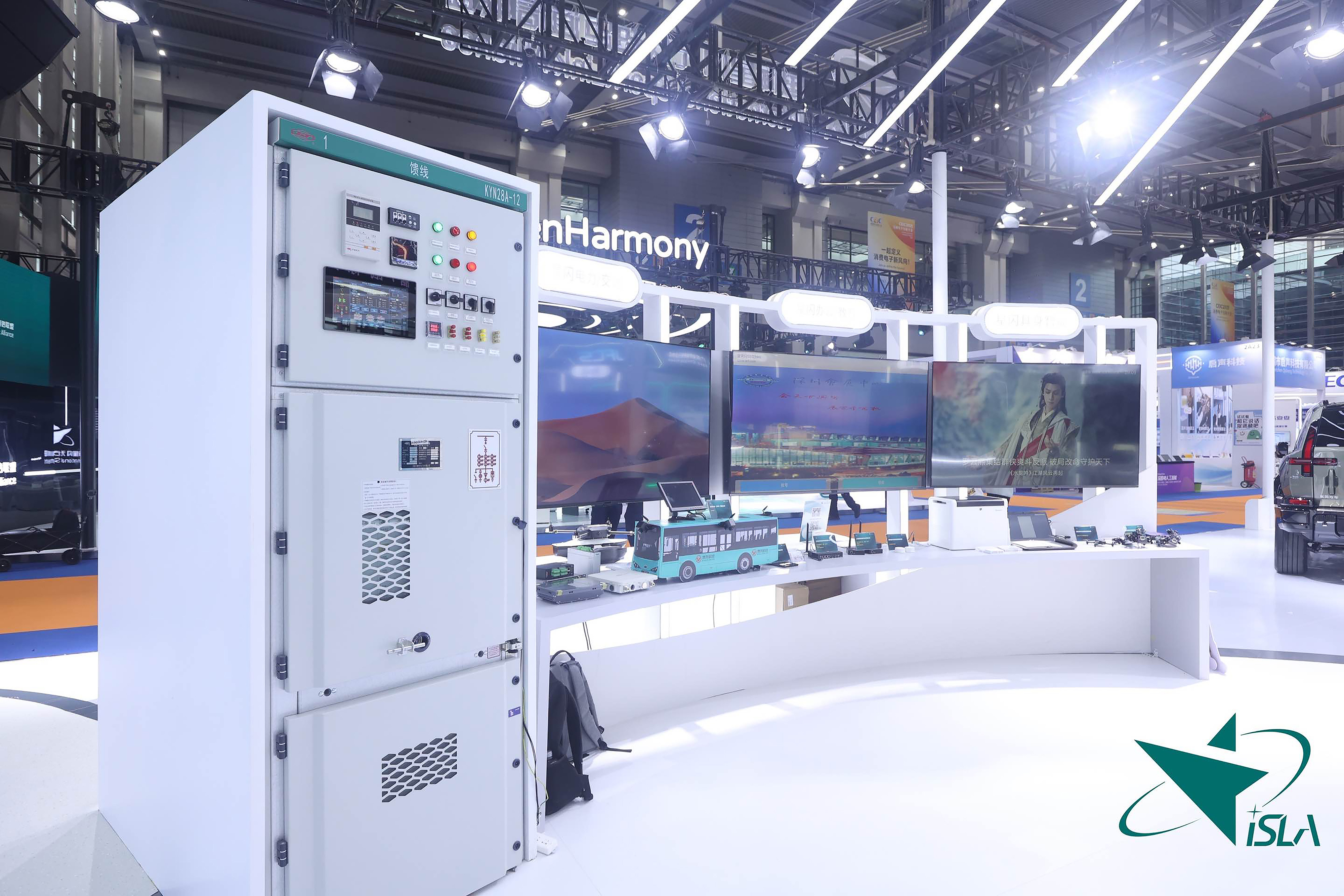
Core Insights - The power industry requires high safety and reliable communication, and the Star Flash technology provides a core connection base for building a high-reliability "power neural network" [1] - XJ Electric launched the industry's first intelligent switch cabinet based on Star Flash technology at the CEIC 2025 exhibition, marking a significant breakthrough in the large-scale application of this technology in the power sector [2] Technical Advantages - Star Flash technology demonstrates significant advantages in power application scenarios, achieving a peak transmission rate of 12 Mbps and ultra-low latency of less than 1 ms, which revolutionizes key operations such as real-time control command issuance and robot video data transmission [5] - The technology maintains stable transmission in EMC interference environments, ensuring uninterrupted control commands and data transmission in high-security scenarios like substations and distribution networks, fully meeting the core business needs of the grid side, load side, and operation and maintenance side [5] Future Outlook - With the maturation of chip and module industries, Star Flash technology is expected to accelerate penetration across all segments of the power system, becoming the next-generation mainstream wireless communication technology with full coverage and unified access [7] - The end-edge-cloud collaborative solution created by Star Flash in the power industry sets a replicable model for industrial and intelligent manufacturing sectors, indicating that Star Flash has evolved from a technical option to a core foundation for industrial digitalization, forming a new ecosystem worth over a trillion [7]

“双高协同”,共谋高质量发展
Xin Hua Ri Bao· 2025-11-09 20:18
Group 1 - Nanjing Engineering Institute signed 56 cooperation projects with enterprises and local governments to empower regional high-quality development [1] - The institute established strategic partnerships with 24 well-known companies and local governments, including comprehensive strategic cooperation agreements with Yangzhou and Zhenjiang [1] - A total of 16 industry-university-research projects were signed, focusing on high-end equipment and intelligent manufacturing [1] Group 2 - Jiangsu Province's flexible power equipment key laboratory is being established in collaboration with Changzhou Borui Electric and Nanjing Engineering Institute to address new challenges in the power grid [2] - The partnership with Haida Co., Ltd. focuses on the development of new energy vehicle battery packs, enhancing the integration of education and industry [2] - Nanjing Engineering Institute has cultivated over 280,000 engineering and management talents, emphasizing the application-oriented education model [2]
56项校城校企合作项目签约
Nan Jing Ri Bao· 2025-11-09 01:15
Group 1 - Nanjing Engineering Institute signed 56 school-city-enterprise cooperation projects, marking a new chapter in deep integration and mutual development [1] - The institute has a strong focus on application-oriented talent cultivation, having trained over 280,000 engineering and management professionals, including an academician of the Chinese Academy of Engineering [1] - The school has achieved full coverage of cooperation with various districts in Nanjing, continuing to deepen school-city integration and serve regional development [1] Group 2 - Nanjing Engineering Institute established strategic cooperation with 24 well-known enterprises and units, and jointly built 16 scientific innovation platforms with leading research institutions and industry leaders [2] - The Nanjing Tianyin Lake Sci-tech Innovation Fund Alliance was formed to enhance the vitality of technology transfer and innovation enterprise incubation [2] - The "Double High Collaborative Innovation Center" was officially unveiled, and the "Tianyin Lake Technology Innovation Demonstration Zone" was launched in collaboration with Jiangning District [2] Group 3 - Nanjing Engineering Institute signed a cooperation agreement with Haida Co., a leading non-tire rubber enterprise, focusing on the core components of new energy vehicle battery packs [3] - The collaboration aims to enhance students' understanding of enterprises and empower the school's research to better serve the industry [3]
