
食品零售

Search documents
沙湾市市场监督管理局开展“你点我检”活动守护市民“舌尖上的安全”
Zhong Guo Shi Pin Wang· 2026-01-23 03:06
Core Viewpoint - The Shawan City Market Supervision Administration is enhancing food safety oversight through the "You Choose, I Test" initiative, focusing on public concerns and improving transparency in food safety regulation [1][2] Group 1: Event Overview - The "You Choose, I Test" series was organized at the Aigou Supermarket, aiming to elevate the relevance and transparency of food safety regulation [1] - The initiative involved public participation through an online voting platform where citizens selected food items they were most concerned about for testing [1] - Key food categories identified for testing included fruits, vegetables, meat products, and staple foods based on public feedback [1] Group 2: Testing and Results - A total of 16 batches of vegetables and fruits were quickly tested on-site, with 4 batches of marinated meat and hot pot base sent to a third-party laboratory for testing [1] - All rapid tests conducted were compliant, and results from the third-party laboratory will be publicly disclosed on the Shawan government website [1] Group 3: Public Engagement and Education - Over 180 individuals consulted on-site, and more than 300 informational brochures were distributed during the event [1] - Food safety volunteers conducted educational activities, providing legal knowledge and practical tips on food selection, storage, and consumer rights [1] - The initiative aims to foster a community atmosphere where everyone is engaged in food safety awareness and practices [1] Group 4: Future Actions - The Shawan City Market Supervision Administration plans to continue the "You Choose, I Test" initiative, addressing public concerns and ensuring strict action against non-compliant food products [2] - Ongoing food safety education and the establishment of a collaborative social governance mechanism are priorities to safeguard public dietary safety [2]
Canada’s front-of-package labelling deadline reaches enforcement stage
Yahoo Finance· 2026-01-22 08:55
Core Points - Canada has introduced a front-of-package nutrition symbol requirement for prepackaged foods high in saturated fat, sugars, or sodium, effective from January 1, 2026, marking a significant regulatory change in food packaging standards [1][3] - The new regulation aims to enhance consumer awareness by making key nutritional information immediately visible through a standardized "high in" symbol on food packaging [1][4] Group 1: Regulatory Impact - The change affects both domestic and imported products sold in Canada, imposing new compliance obligations on food manufacturers, retailers, and packaging suppliers [2] - Under the amendments to Canada's Food and Drug Regulations, most prepackaged foods that meet or exceed specified thresholds for saturated fat, sugars, or sodium must display the front-of-package nutrition symbol [3] Group 2: Symbol Design and Compliance - The front-of-package nutrition symbol will be a black-and-white design featuring a magnifying glass and text indicating the nutrient of concern, facilitating quick identification of high-nutrient foods [4] - The regulations specify strict presentation requirements for the symbol to ensure visibility and clarity across various packaging formats, including bilingual presentation in English and French [6][7] - Compliance teams in packaging and regulatory sectors must integrate these design requirements into their label production workflows to maintain consistency across products [7] Group 3: Exemptions and Enforcement - Certain categories, such as specific raw single-ingredient foods, small packages, and some dairy and produce items, are exempt from the symbol requirement to avoid misleading consumers [5] - Products that do not display the required symbol and meet the nutrient criteria may face regulatory action under inspection frameworks starting January 1, 2026 [5]
疆乌苏市市场监管局护航节前菜篮子市场安全稳定
Zhong Guo Shi Pin Wang· 2026-01-21 05:19
Core Viewpoint - The article emphasizes the efforts of the Urumqi Market Supervision Administration in Xinjiang to enhance food safety and market order stability ahead of the holiday season through comprehensive inspections of food products [1] Group 1: Inspection Measures - The administration has implemented a full coverage special supervision check focusing on rice, flour, vegetable oil, meat, and vegetables [1] - Inspections are conducted using a QR code scanning method at various retail locations including farmers' markets, specialty grain and oil stores, supermarkets, and local convenience shops [1] Group 2: Compliance and Standards - The checks ensure that the sourcing channels for grain and oil products are legitimate, packaging labels are standardized, and production dates and shelf lives are clearly marked [1] - The administration aims to prevent the circulation of products that are unbranded, expired, or contaminated [1] Group 3: Storage and Pricing Regulations - Given the cold weather conditions, the administration is also inspecting whether grain and oil storage meets required standards and is urging operators to improve storage conditions to avoid quality issues [1] - Operators are reminded to strictly adhere to transparent pricing regulations, prohibiting hoarding and price gouging practices [1]
瑞银:消费出现复苏迹象,行业估值仍有吸引力
IPO早知道· 2026-01-21 01:31
Group 1: Consumer Confidence and Market Trends - UBS believes that consumer confidence is improving, with a notable shift in preferences among consumers [3] - The firm conducted discussions with approximately 35 consumer companies and observed a recovery in consumer sentiment despite a short-term downturn in the real estate market [3] - UBS indicates that the valuation of the consumer sector remains attractive, being about one standard deviation below the 10-year average, and has not yet reflected the recovery in consumption [3] Group 2: Sector-Specific Insights - The snack industry is expected to benefit from category expansion and channel restructuring, presenting structural growth opportunities [6] - In the liquor sector, private consumption and potential easing of drinking bans for government institutions may support mid-range liquor demand, with companies accelerating channel transformation for sustainable long-term earnings growth [5] - The ready-to-drink beverage (FMB) segment is projected to capture market share from bottled beverages, driven by rapid store expansion and more efficient business models [5] Group 3: Dairy and Other Beverages - Despite resilience in fresh milk, liquid milk sales are expected to remain weak in 2025, with a slight recovery anticipated in 2026 due to improved raw milk supply and demand, alongside marketing and innovation efforts [5] - The beer segment is experiencing short-term consumption fatigue, but product diversification and home consumption channel expansion continue to drive premiumization [5] Group 4: Other Consumer Goods - The pet food sector shows confidence in domestic market growth despite varying overseas growth prospects [7] - The home appliance industry is expected to see higher growth overseas compared to the domestic market, with strategies to cope with rising material costs differing among companies [9] - In the jewelry sector, brands with differentiated product designs and craftsmanship may pursue consolidation following VAT reforms [10]



贵德年货购物节西宁“开门红”
Xin Lang Cai Jing· 2026-01-17 17:42
Core Viewpoint - The "Charming Guide·Happy Shopping, Galloping into Spring·Taste the New Year" shopping festival in Guide County showcases over 120 local specialty products, attracting a large number of citizens to participate in the event [1] Group 1: Event Overview - The shopping festival took place from January 15 to 18 in Xining, featuring a variety of local products [1] - The event included a non-heritage handicraft area, agricultural and livestock product displays, and tasting experiences, creating a vibrant atmosphere [1] Group 2: Product Highlights - Traditional handicrafts such as Tibetan embroidery and gourd carvings were demonstrated live, with artisans accepting custom orders [1] - Agricultural products like barley products and beef and lamb were neatly displayed, with clear origin tracing information on packaging [1] - Tasting areas featured local delicacies, including freshly made fried dough and honey, which received positive feedback from attendees [1] Group 3: Consumer Engagement - The event offered a government subsidy of "200 off 20" to encourage consumer spending, making local products more appealing compared to supermarkets [1] - The festival aims to enhance the sales channels for local farmers and promote the integration of culture, agriculture, tourism, and commerce [1]
来伊份:2025年预计营收亏损1.7亿元,同比亏损扩大
Xin Lang Cai Jing· 2026-01-16 13:53
Core Viewpoint - The company, Laiyifen, anticipates a significant net loss for the year 2025, with projected net profit attributable to shareholders expected to be around -170 million yuan, indicating a worsening financial situation compared to the previous year [1] Financial Performance - The estimated net profit for 2025 is projected at -170 million yuan, while the non-recurring net profit is expected to be around -190 million yuan [1] - In the same period last year, the net profit attributable to shareholders was -75.27 million yuan, and the non-recurring net profit was -90.03 million yuan, showing a substantial decline in performance [1] Operational Adjustments - The primary reason for the anticipated loss is the company's adjustment of store types and structures in certain regions, leading to a decrease in both the total number of stores and the gross profit margin year-on-year [1] - Non-recurring gains and losses are expected to impact the net profit by approximately 20 million yuan [1]

元祖股份:2025年度净利润同比减少52%到43%
Ge Long Hui· 2026-01-16 12:12
Core Viewpoint - Yuanzi Co., Ltd. (603886.SH) expects a significant decline in net profit for the fiscal year 2025, projecting a decrease of 52% to 43% year-on-year for net profit attributable to shareholders, and a decrease of 59% to 51% for net profit excluding non-recurring gains and losses [1] Group 1: Financial Projections - The company anticipates a net profit attributable to shareholders of between 119 million yuan and 142.8 million yuan for 2025 [1] - The expected net profit excluding non-recurring gains and losses is projected to be between 95 million yuan and 114 million yuan for 2025 [1] Group 2: Market Conditions and Strategies - The company faces challenges due to a slowdown in consumer demand and intensified industry competition [1] - In response, the company is optimizing its existing store network and enhancing the operational quality of individual stores [1] - The company is actively investing resources in high-potential regions, successfully opening initial stores in locations such as Shanghai Hongqiao Airport, Shenzhen, and Quanzhou [1] Group 3: Growth Outlook - The company plans to achieve a net increase of over 20 stores nationwide in 2025 compared to 2024, aiming for a more balanced and sustainable growth pattern [1] - Despite the initial phase of new market development, the revenue contribution from these new stores has not yet fully materialized, and the associated fixed costs are exerting pressure on overall profits [1] - The company maintains confidence in the long-term development of the industry and aims to enhance core competitiveness through targeted marketing and differentiated competition strategies [1]

去年日本企业破产数超1.2万
Di Yi Cai Jing Zi Xun· 2026-01-15 08:07
Group 1 - The number of corporate bankruptcies in Japan reached a record high of 12,610 cases last year, marking a 27.36% increase from 9,901 cases in 2024, and this is the fourth consecutive year of growth in bankruptcies [2] - The majority of bankruptcies involve small and medium-sized enterprises, with 6 out of 7 industries experiencing an increase in bankruptcies compared to 2024 [3][4] - The service industry saw the highest number of bankruptcies, with 2,648 cases, a 4.0% increase from 2,547 cases in 2024, while the retail sector also faced significant challenges with 2,193 bankruptcies, up 5.1% [3][4] Group 2 - The rise in bankruptcies is attributed to high prices, labor shortages, and interest rate hikes, creating a challenging business environment [2][4] - The "unfavorable economic conditions" category accounted for 8,502 bankruptcies, representing 82.8% of the total, with "poor sales" being the most common reason [4] - The average minimum wage in Japan increased from 902 yen to 1,121 yen over five years, a rise of 24.3%, further straining small businesses [5] Group 3 - The construction industry also faced significant bankruptcies due to rising material costs and labor shortages, with the number of bankruptcies in this sector exceeding 2,000 [3][5] - The trend of bankruptcies is expected to continue into 2026, with potential shifts from high prices to issues related to labor shortages and operator health [6] - Real estate prices have been rising, adding to the rental burdens for small businesses, with an average increase of 1.5% in land prices reported [5]
去年日本企业破产数超1.2万
第一财经· 2026-01-15 07:58
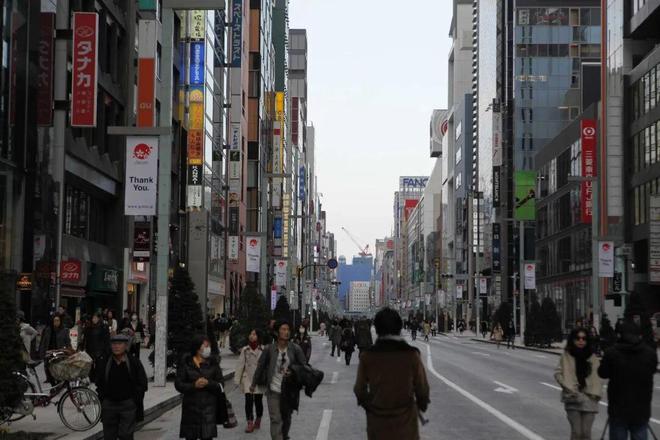
Core Insights - The number of corporate bankruptcies in Japan reached a new high, with 12,610 cases reported in the previous year, marking a 27.36% increase from 9,901 cases in 2024 [3] - This marks the fourth consecutive year of rising bankruptcies, surpassing the 10,000 mark for the first time since 2013 [3] - The majority of bankruptcies involve small and medium-sized enterprises (SMEs), with a significant impact on the service sector [3][5] Bankruptcy Trends - The number of bankruptcies among companies with liabilities under 50 million yen increased to 6,383, accounting for 62.2% of total bankruptcies, the second-highest proportion since 2000 [5] - The service industry saw the highest number of bankruptcies, with 2,648 cases, a 4.0% increase from 2,547 in 2024 [5] - Retail and construction industries also faced significant bankruptcies, with retail bankruptcies rising to approximately 2,193, a 5.1% increase [5] Regional Analysis - Eight out of nine regions in Japan reported an increase in bankruptcies, with the Shikoku region experiencing the fastest growth at 9.2% [6] - "Economic downturn bankruptcies" accounted for 8,502 cases, representing 82.8% of total bankruptcies, with sales downturn being the most common reason [6] Factors Contributing to Bankruptcies - Labor shortages and high prices are identified as primary factors driving the increase in bankruptcies, with 427 cases attributed to labor shortages and 949 to high prices, both reaching historical highs [6][9] - The average minimum wage in Japan rose from 902 yen to 1,121 yen between 2020 and 2025, an increase of 24.3%, further straining SMEs [8] Industry-Specific Challenges - In the restaurant sector, large chains benefit from economies of scale, while small businesses struggle with rising operational costs [8] - The price transfer rate in the restaurant industry is 32.3%, below the industry average of 39.4%, indicating challenges in passing on costs to consumers [9] - Rising real estate prices have also increased rental burdens for SMEs, with average land prices rising by 1.5% for four consecutive years [9] Future Outlook - The trend of SME bankruptcies is expected to continue into 2026, with concerns shifting from high prices to labor shortages and other human factors [9] - Close monitoring of the impact of tariffs on exports, particularly in the automotive and semiconductor sectors, is advised [9]
新高!去年日本企业破产数超1.2万,中小企业最受伤
Di Yi Cai Jing· 2026-01-15 07:05
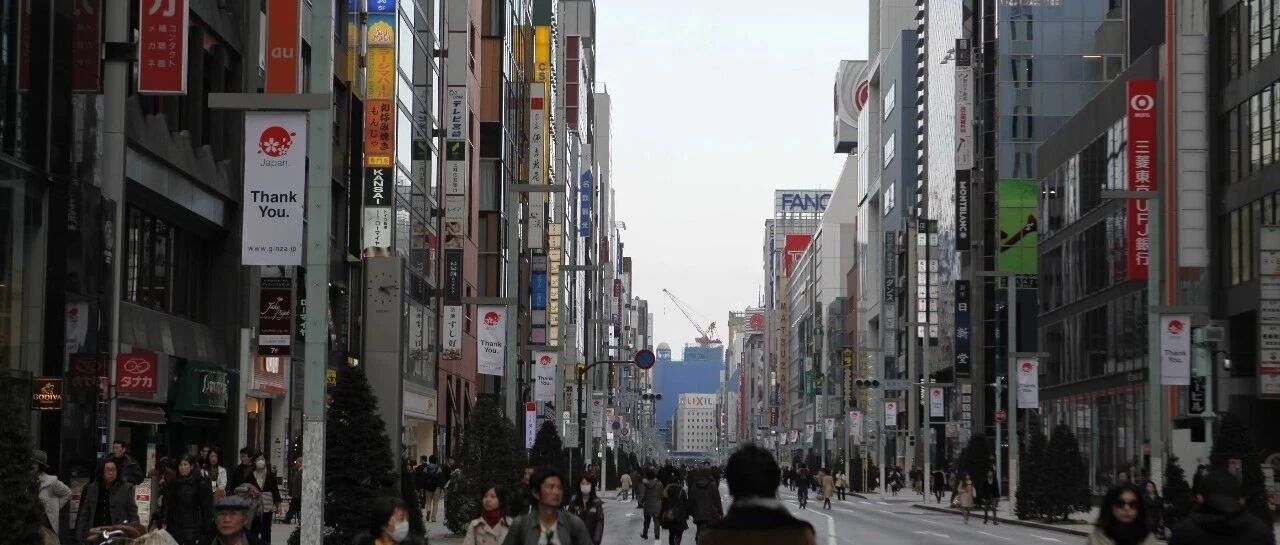
Core Insights - The number of bankruptcies in Japan's service industry reached the highest level since 2000, with a total of 12,610 cases last year, marking a 27.36% increase from 9,901 cases in 2024 [1] - The bankruptcies have been primarily among small and medium-sized enterprises, with the trend of increasing bankruptcies continuing for the fourth consecutive year [1] - High operational costs, labor shortages, and central bank interest rate hikes are major factors contributing to the rising bankruptcy rates [1] Group 1: Bankruptcy Statistics - The number of bankruptcies for companies with liabilities under 500 million yen increased to 6,383, a 7.8% rise from 5,919 in 2024, accounting for 62.2% of total bankruptcies, the second-highest proportion since 2000 [2] - Six out of seven industries reported an increase in bankruptcies compared to 2024, with the service industry seeing a 4.0% increase from 2,547 to 2,648 bankruptcies [2] - The retail industry also faced challenges, with approximately 2,193 bankruptcies last year, reflecting a 5.1% increase [2] Group 2: Sector-Specific Insights - Within the service industry, the "advertising, research, and information services" sector, particularly security services, contributed significantly to the overall increase in bankruptcies [2] - The restaurant sector experienced a record high of 900 bankruptcies, driven by rising food and labor costs [2] - The construction industry also saw a surge in bankruptcies, with over 2,000 cases, influenced by increased material costs and labor shortages [2] Group 3: Regional and Economic Factors - Eight out of nine regions in Japan reported an increase in bankruptcies, with the Shikoku region experiencing the fastest growth at a 9.2% increase [3] - "Economic downturn bankruptcies" accounted for 8,502 cases, representing 82.8% of total bankruptcies, with sales downturn being the most common reason [3] - Labor shortages and high prices are identified as the primary causes of the surge in bankruptcies, with record highs of 427 bankruptcies attributed to labor shortages and 949 to high prices [3] Group 4: Challenges for SMEs - Small and medium-sized enterprises in the restaurant industry are struggling with rising operational costs, while larger chains benefit from economies of scale [4] - The average minimum wage in Japan increased by 24.3% from 902 yen to 1,121 yen between 2020 and 2025, posing challenges for SMEs in managing labor costs [4] - The rental burden from rising real estate prices adds to the financial strain on SMEs, with average land prices increasing by 1.5% for four consecutive years [5] Group 5: Future Outlook - The trend of bankruptcies among SMEs is expected to continue into 2026 due to persistent high prices and labor shortages [5] - There is a need to monitor the potential shift in bankruptcy causes from high prices to human factors such as labor shortages and operator health issues [5] - The impact of tariffs on exports, particularly in the automotive and semiconductor sectors, as well as currency fluctuations, will also be crucial for economic activity [5]