
高新技术

Search documents
打破认知!海南封关不是隔绝,而是中国新时代开放的“关键落子”
Sou Hu Cai Jing· 2025-12-18 12:08
Core Viewpoint - The launch of the Hainan Free Trade Port's full island closure operation is a strategic move by China to enhance high-level openness to the outside world, rather than a means of isolation from the mainland [1][3]. Group 1: Policy Changes - The term "closure" refers to establishing a regulatory boundary between Hainan and foreign countries, not between Hainan and the mainland, allowing for continued free movement of people and goods within China [3]. - Hainan will become a "special zone" with policies such as duty-free imports, tax incentives for processing and value-added sales, and enhanced trade liberalization [3][5]. - This transformation positions Hainan as China's largest "super open test field," facilitating the import of foreign raw materials for processing and re-exporting to the mainland without tariffs [3][5]. Group 2: Economic Opportunities - The new policies will attract global resources to Hainan, making it a strategic hub connecting domestic and international markets, thus expanding China's openness from "points" to "lines" and then to "areas" [3][5]. - Consumers in Hainan will benefit from a wider variety of affordable imported goods, enhancing the shopping experience without the need to travel abroad [5]. - The influx of domestic and international businesses will create numerous job opportunities in sectors such as cross-border trade, high-end tourism, digital economy, and high-tech industries [5]. Group 3: Strategic Implications - The full closure operation sends a clear signal to the world that China's doors to openness will continue to expand, even amid a complex international environment [5][7]. - Hainan's development is expected to drive high-quality growth in the South China region and provide a replicable model for high-level openness across the country [5][7]. - The initiative aims to elevate Hainan from a "tourist island" to an "open highland," contributing significantly to China's modernization efforts [7].

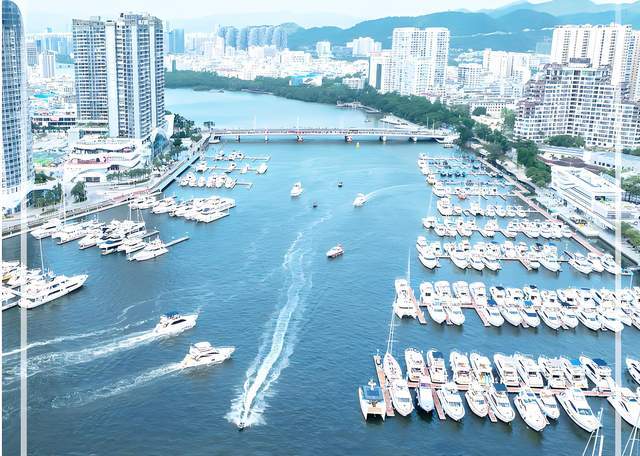
同方股份:目前已孵化出了专注于毫米波与太赫兹等成像技术研发与应用的神目科技等数个高新技术企业
Mei Ri Jing Ji Xin Wen· 2025-12-18 10:57
Group 1 - The company emphasizes the importance of technology innovation incubation and actively promotes the transformation of technological achievements [1] - The company has successfully incubated several high-tech enterprises, including Shenmu Technology, which focuses on millimeter-wave and terahertz imaging technology, Tongfang Ultra Light, which specializes in high-energy short-pulse solid-state laser products, and New Hong Electronics, which develops "cold cathode" multi-focus distributed X-ray source products [1] Group 2 - An investor inquired about the various venture capital enterprises and technology parks associated with the company, questioning whether these entities have participated in the incubation of unicorns or high-tech enterprises in future industries [3]

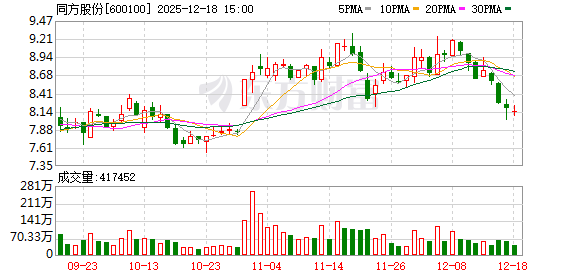
昊创瑞通:公司通过高新技术企业重新认定 将继续按15%的税率缴纳企业所得税
Xin Lang Cai Jing· 2025-12-18 10:10
昊创瑞通(301668.SZ)公告称,公司收到北京市科学技术委员会、北京市财政局、国家税务总局北京市 税务局联合颁发的《高新技术企业证书》,再次被国家高新技术企业认定管理机构评定为高新技术企 业。根据国家对高新技术企业税收优惠政策的有关规定,公司自本次高新技术企业证书颁发之日所在的 年度起的连续三个会计年度(即2025年度至2027年度)将继续享受国家高新技术企业的相关税收优惠政 策,即按15%的税率缴纳企业所得税。 ...
海南全岛封关,开启我国对外开放新篇章
2 1 Shi Ji Jing Ji Bao Dao· 2025-12-17 22:47
12月18日,海南自由贸易港正式启动全岛封关运作。这不仅是海南发展(002163)的里程碑,更是我国 坚定不移扩大高水平对外开放、推动建设开放型世界经济的标志性举措,标志着海南将打造成为引领我 国新时代对外开放的重要门户。 在当前全球单边主义、保护主义抬头,多边贸易体系面临挑战的背景下,我国大力推动贸易和投资自由 化便利化,实施高水平对外开放,致力于建设开放型世界经济,以高水平对外开放推动构建新发展格 局,增强国内大循环内生动力和可靠性,提升国际循环质量和水平,以对外开放的主动赢得经济发展的 主动、赢得国际竞争的主动。 海南的独特优势正在于此,其毗邻东盟,联动粤港澳大湾区,处于RCEP成员国网络的中心位置。从海 南出发的"4小时飞行圈"可覆盖全球47%的人口、30%的GDP。凭借地理区位与制度创新的双重优势, 海南有望成为连接中国国内市场与东南亚乃至全球的双循环关键枢纽之一。 封关后,海南将实施以"'一线'放开、'二线'管住、岛内自由"为基本特征的自由化便利化政策制度。"一 线"放开,就是将海南自贸港与我国关境外其他国家和地区之间作为"一线",实施一系列自由便利进出 举措;约74%的商品将享受进口"零关税", ...
海南自贸港封关 中国制度型开放迈出一大步
Mei Ri Jing Ji Xin Wen· 2025-12-17 13:43
大有大的道理。海南聚焦旅游业、现代服务业和高新技术产业"三大领域",依托国家深海基地南方中心 等"五大平台"构建特色产业体系,充足的空间体量能承载完整的产业链布局。 大也有大的底气。海南自贸港的大体量是中国超大规模经济的必然要求,其不仅仅着眼于外,也立足于 国内广阔的经济腹地——南繁科研育种基地可联动全国农业市场,航天基地能对接国内航天产业集 群……这种产业联动的模式,让海南既能吸引全球高端要素,又能将开放红利传导至国内,形成国内国 际双循环的枢纽节点。 2025年12月18日,中国改革开放进程迎来历史性时刻——海南自由贸易港正式启动全岛封关运作。 这种覆盖全要素、全产业的制度革新,以《中华人民共和国海南自由贸易港法》的形式得到确认和保 护,为来自全世界的市场主体创造了稳定的政策环境。海南自贸港"2025年初步建立、2035年更加成 熟、本世纪中叶全面建成"的目标也就有了高确定性的预期。 封关并非物理隔绝,而是以"'一线'放开、'二线'管住、岛内自由"为基本特征的自由化便利化政策制 度。随之落地的零关税、低税率等政策红利,将广泛惠及市场主体——企业可享受进口生产资料免税、 对鼓励类产业企业生产的含进口料件加工 ...
海南封关政策红利全解析:零关税、低个税、投资准入放宽、跨境资金自由、创业扶持……
Mei Ri Jing Ji Xin Wen· 2025-12-17 11:19
Core Viewpoint - The Hainan Free Trade Port will officially start its full island closure operation on December 18, 2025, marking a significant milestone in China's reform and opening-up process, with policies aimed at higher levels of openness to the world [3][4]. Policy Changes - The closure operation represents a systematic and institutional upgrade, significantly enhancing the "zero tariff" level, optimizing processing and value-added tax exemptions, improving the investment environment, and facilitating entry and exit from Hainan [4]. - The "zero tariff" policy will expand from 1,900 tax items to approximately 6,600 tax items, covering about 74% of all product tax items, an increase of nearly 53 percentage points compared to before the closure [9][13]. Tax Incentives - The low tax rate policy, known as the "two 15%" policy, allows qualifying enterprises to be taxed at a reduced rate of 15% on corporate income tax, significantly lowering operational costs [14]. - Individuals classified as high-end or urgently needed talents working in Hainan can also benefit from personal income tax reductions, with any income tax burden exceeding 15% being exempted [19][21]. Comparison with Other Free Trade Ports - Hainan Free Trade Port differs from other international free trade ports like Singapore and Dubai by remaining within China's customs territory, allowing for domestic circulation of goods and easier access for mainland residents [23][24]. - Hainan's unique advantages include its vast market potential, being the largest free trade port globally at 33,900 square kilometers, and a focus on developing a modern industrial system centered on tourism, modern services, high-tech industries, and tropical agriculture [23][24]. Industry Development Focus - Post-closure, Hainan will prioritize the development of tourism, modern services, high-tech industries, and tropical agriculture, while also enhancing high-end shopping, healthcare, and international education sectors [26]. - The digital economy is expected to be a key industry, supported by significant infrastructure developments, including the establishment of the largest data center in Hainan and the world's first commercial underwater data center [27].

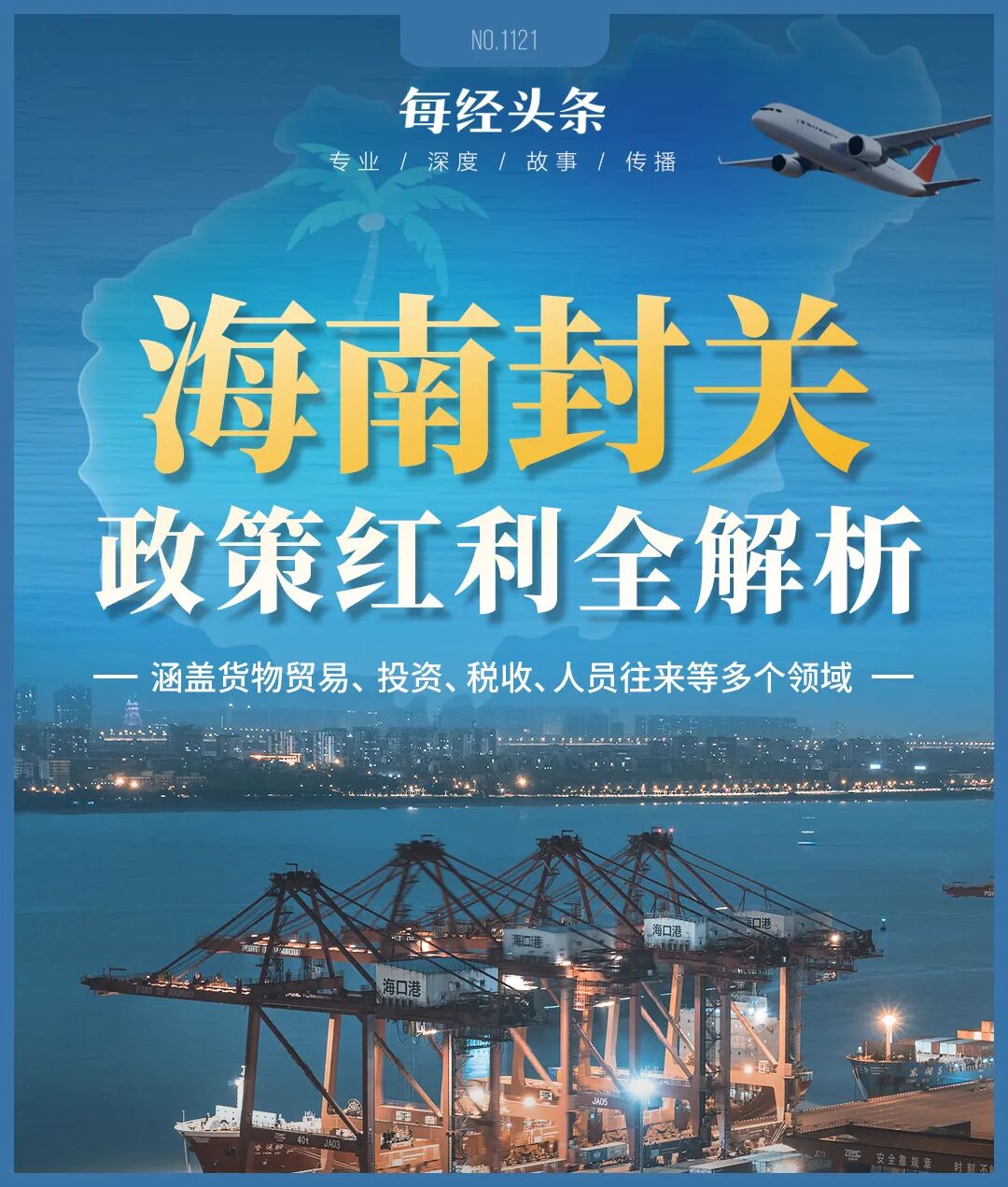
西班牙学者:海南自贸港封关运作为世界经济注入新活力
人民网-国际频道 原创稿· 2025-12-17 07:30
Core Insights - Hainan Free Trade Port will officially launch its full island closure on December 18, marking its enhanced role as an open gateway in China's new development landscape [1] - Hainan serves as a "testbed" for China's exploration of innovation and expansion of opening-up, playing a crucial role in trade, finance, logistics, and ecological civilization [1] - The construction of Hainan Free Trade Port has made significant progress, with continuous optimization of policies in finance, customs, and investment, and a dual 15% tax incentive for eligible enterprises and core talents [1] Economic Growth and Trade - Hainan's enterprises have increased their import and export value with RCEP member countries from 57.36 billion yuan in 2021 to 102.98 billion yuan in 2024, a growth of 79.5% [2] - In 2024, the trade value of Hainan enterprises with RCEP countries will account for 37.1% of the province's total, with ASEAN being the largest trading partner for six consecutive years [2] Sustainable Development - Hainan emphasizes green development, seeking a balance between ecological and economic growth, and has established the Hainan Tropical Rainforest National Park and initiated mangrove restoration projects [3] - The province aims to promote over 1.5 million new energy vehicles by 2030, exploring a low-carbon island development model [3] Reform and Governance - Hainan continues the tradition of "promoting reform through trials," exploring new paths in trade liberalization and institutional opening [4] - The construction of Hainan Free Trade Port is supported by central government design, legal guarantees, and coordinated policy execution, with a focus on infrastructure, talent development, and international exchanges [4]
“十四五”时期江苏建设高水平科技强省成绩单发布科技创新能力稳步提升,创业创造活力充分释放
Xin Hua Ri Bao· 2025-12-16 23:09
Core Insights - Jiangsu Province has achieved significant advancements in technology innovation during the "14th Five-Year Plan" period, ranking second nationally in regional innovation capability [1][2] - The province's government has reported on its achievements in a press conference, highlighting the integration of technological and industrial innovation [1][9] Investment and Growth - Jiangsu's total R&D investment reached 459.75 billion yuan last year, a 53% increase compared to the end of the "13th Five-Year Plan" [2] - The R&D intensity increased to 3.36%, up by 0.43 percentage points from the end of the previous plan, placing it above average among innovative countries and regions [2] - The number of high-tech enterprises in Jiangsu is expected to exceed 61,000, an 85% increase from the end of the "13th Five-Year Plan" [2] Innovation and Research - Jiangsu's total investment in basic research reached 24.07 billion yuan last year, nearly three times the amount at the end of the "13th Five-Year Plan" [3] - The province has established a network of laboratories, including national and provincial key laboratories, to support foundational research [3] - The number of R&D personnel in Jiangsu exceeds 1.26 million, with the highest number of national major scientific talent [3] Industry Integration - Jiangsu has focused on creating an innovation ecosystem led by enterprises, integrating technology research and industrialization [4] - The province supports the establishment of national and provincial manufacturing innovation centers, enhancing collaboration between industry and academia [4] Breakthroughs in Key Areas - Jiangsu has achieved breakthroughs in various sectors, including the approval of 49 innovative drugs, leading the nation [5] - The province has filled domestic gaps in critical technologies such as photoresists and high-strength steel [5] - A total of 273 major projects in artificial intelligence, quantum technology, and biomedicine have been organized to drive further innovation [5] Policy and Regulation - Jiangsu has revised and introduced regulations to strengthen the legal framework for technology innovation and the connection between innovation and industry [6] - The province has established a new model for technology property transactions, facilitating the transformation of scientific achievements [6] Talent and Reform - Jiangsu has implemented reforms to enhance the innovation ecosystem, including expanding the scope of technology achievement rights [7] - The province has supported over 3,597 outstanding postdoctoral researchers since the beginning of the "14th Five-Year Plan" [7] Technology Transfer and Application - Jiangsu has established a national center for technology transfer and conversion, with significant financial backing to support innovation [8] - The province has promoted the application of 6,269 new technologies and products over the past five years [8] Future Outlook - Jiangsu aims to deepen the integration of technology and industry in the next five years, providing robust support for the modernization of the province [9]
11月外贸及物价数据点评:出口超预期,PPI同比仍偏弱
Hua Yuan Zheng Quan· 2025-12-12 06:18
Group 1: Report Industry Investment Rating - No relevant information provided Group 2: Core Viewpoints of the Report - In November, the year-on-year increase in CPI was mainly driven by a sharp rebound in fresh vegetable prices, while PPI remained weak year-on-year. The unexpected rebound in exports may be due to factors such as the suppression of the base effect in October, Christmas stocking in Europe and the United States, and improvements in Sino-US tariffs. The structure of foreign trade exports continued to improve, with diversification results becoming prominent, and high-end manufacturing becoming the core driving force for exports [2]. - The economy still faces certain pressures. Although there is growth in durable goods and service consumption supported by policies on the consumer side, the structural differentiation of CPI and the mild rebound of core CPI reflect that the overall consumer willingness of residents still needs to be boosted. Exports rebounded unexpectedly in November, and the trade structure continued to improve. Affected by the high base of pre - emptive exports in the first half of this year, the resilience of foreign trade growth next year needs to be continuously observed. The 75BP interest rate cuts by the Federal Reserve in the second half of the year have brought changes in global liquidity, and overseas trade frictions may still continuously disrupt export expectations. Against the backdrop of the intertwining of internal and external factors, the probability of the introduction of growth - stabilizing policies such as reserve requirement ratio cuts and interest rate cuts has increased, and attention should be paid to the implementation effects of policies and the improvement signals of prices and foreign trade [3]. - The performance of the bond market in 2026 is expected to be better than expected. Since the second half of the year, the bond market has often deviated from the fundamentals and is mainly dominated by institutional behavior. From the perspective of the domestic fundamentals, the domestic economic data is under pressure, and the necessity of lowering the policy interest rate has significantly increased. From the external environment, the Federal Reserve has cut interest rates by 75BP, and the inversion of the Sino - US interest rate spread has been significantly relieved. Currently, the yield of long - term bonds has reached a high point this year. Under the dual effects of internal and external factors, the probability of a successful long - position strategy is relatively high [3]. Group 3: Summary by Relevant Catalogs CPI Situation - In November, CPI increased by 0.7% year - on - year, the highest level since March 2024. Food prices turned from a decline of 2.9% last month to an increase of 0.2%, while non - food prices rose by 0.8% year - on - year. Core CPI increased by 1.2% year - on - year, maintaining above 1% for three consecutive months [2]. - Food prices "turning from negative to positive" were the core driving force. Fresh vegetable prices rose by 14.5% year - on - year, with the impact on the year - on - year increase of CPI increasing by about 0.49 percentage points. The year - on - year decline in pork prices narrowed to - 15.0%, and the prices of beef and mutton increased. Energy prices had a greater drag, with energy prices falling by 3.4% year - on - year [2]. - There was a structural differentiation in core CPI. On the industrial consumer goods side, the year - on - year increase in gold jewelry prices expanded to 58.4%, and clothing prices rose by 2.0%, but household appliance prices decreased. On the service side, although the demand for post - holiday travel declined, the prices of domestic services and dining out still maintained positive growth [2]. PPI Situation - In November, PPI decreased by 2.2% year - on - year, with the decline expanding by 0.1 percentage points. Production materials decreased by 2.4% year - on - year, and living materials decreased by 1.5% year - on - year. PPI increased by 0.1% month - on - month, maintaining positive growth for two consecutive months [2]. - Domestic policies and seasonal demand supported upstream prices. The start of "peak - winter power consumption" in November led to a surge in coal demand, and the prices of coal mining and washing and coal processing increased significantly month - on - month. The effects of comprehensive rectification of "involution - style" competition were evident, and the year - on - year decline in prices of some industries continued to narrow [2]. - Input factors showed a differentiated pattern. The increase in international non - ferrous metal prices drove up the prices of domestic non - ferrous metal mining and smelting industries, while the decline in international oil prices led to a decline in the prices of the oil and gas extraction and refined petroleum product industries [2]. - The seasonal decline in downstream demand for infrastructure restricted the overall ex - factory prices. The prices of the ferrous metal smelting and rolling processing industry decreased both month - on - month and year - on - year, reflecting the weakening of infrastructure demand. Most industries' ex - factory prices were still under significant pressure year - on - year, but non - ferrous metal industries performed well [2][3]. Foreign Trade Situation - In November, the total value of imports and exports was 3.9 trillion yuan, a year - on - year increase of 4.1%. Exports were 2.3 trillion yuan, a year - on - year increase of 5.7%, turning from negative to positive compared with October. Imports were 1.6 trillion yuan, a year - on - year increase of 1.7%, continuing the six - month growth trend. The trade structure continued to have the characteristics of "strong exports and stable imports" [3]. - Trade with the EU and Africa rebounded significantly, while the decline in exports to the US continued to expand. Exports to ASEAN maintained double - digit growth. Exports to the EU rebounded strongly, and exports to Africa had a high growth rate. Although the decline in exports to the US expanded, the drag on overall exports was offset by the growth of the EU and African markets [3]. - This month's unexpected export growth was mainly affected by the rebound in export growth to the EU and Africa. High - end manufacturing became the core driving force for the rebound. Exports of mechanical and electrical products and high - tech products increased significantly year - on - year, while the growth rates of labor - intensive products were still in the decline range [3].
在海南自贸港建设中增进民生获得感
Hai Nan Ri Bao· 2025-12-10 01:22
民生改善激活海南自由贸易港建设内生动力。民心是最大的政治,民生福祉持续提升,为海南自由 贸易港建设凝聚合力。群众真切感受到发展带来的变化,就会主动从"旁观者"变成"参与者""推动者", 这种源自基层的内生动力,既体现在生态保护、社会治理等具体实践中,更融入制度创新、政策优化的 全过程。在生态保护一线,当地居民主动参与环境治理,守护绿水青山,既改善了人居环境,也夯实了 可持续发展的根基。而人民群众的实践智慧,为自由贸易港制度集成创新提供鲜活样本,让发展走得更 稳、走得更远。 罗璠 习近平总书记在听取海南自由贸易港建设工作汇报时强调,"通过持续努力,全面实现海南自由贸 易港建设目标","加强普惠性、基础性、兜底性民生建设,解决好人民群众急难愁盼问题,扎实推进共 同富裕"。海南自由贸易港建设的出发点和落脚点,是让老百姓过上好日子。如今,全岛封关在即,如 何用开放发展的"加速度",换来民生福祉的"幸福感",成为检验海南自由贸易港建设成色的重要标准。 相辅相成的辩证统一 海南自由贸易港建设为民生发展筑牢物质根基。海南自由贸易港紧扣"打造引领我国新时代对外开 放的重要门户"战略目标,全力构建具有国际竞争力的更高水平开放型 ...