休闲食品

Search documents
从“制造”到“品牌” 糖果企业的升维之路
Bei Jing Shang Bao· 2025-09-10 17:35
Core Insights - The Chinese food industry is at a critical juncture for high-quality development, transitioning from "Made in China" to "Chinese Brands" is a pressing issue [1] - The forum highlighted the release of a report on the transformation of the candy industry, providing new strategies for upgrading [2] Industry Growth - The overall scale of the leisure food industry is projected to grow from 784.5 billion yuan in 2020 to 1,009.3 billion yuan by 2024, with a compound annual growth rate of 6.5% [2] - The share of candy and chocolate within the leisure food sector is expected to decrease from 15.2% in 2020 to 14.5% in 2024, although absolute growth continues [2] Innovation and Collaboration - The report emphasizes the integration of food industry with cultural and creative sectors, suggesting that collaboration with cultural IPs can enhance product value, with premium rates for co-branded products reaching 40%-60% [2] - The partnership between candy companies and popular cultural IPs, such as the collaboration with the game "Black Myth: Wukong," is expected to drive market growth by 30% [2] Market Dynamics - The rise of instant retail, particularly through platforms like Meituan, has led to significant growth in the leisure food category, with monthly orders for a popular snack brand reaching nearly 2 million [3] Health and Technology Trends - The industry is focusing on health and digital transformation, with innovations aimed at reducing salt, sugar, and oil content in products [4] - Smart processing equipment is being developed to enhance automation and efficiency in food production [4] Cultural Heritage and Modern Demand - Traditional brands are integrating intangible cultural heritage with modern consumer needs, exemplified by the Ma Dajie brand's low-sugar products that meet health demands [5] - Xu Fu Ji Group emphasizes continuous R&D investment, amounting to nearly 200 million yuan annually, to foster innovation while preserving cultural heritage [5] International Expansion - Companies face challenges in international markets, including regulatory barriers and differing consumer preferences [6] - Xu Fu Ji has achieved consecutive years of overseas market growth, expanding its products to over 60 countries [7] - Wang Wang Group's international strategy includes establishing local operations, with products now available in 64 countries [7] - The establishment of overseas factories is crucial for localizing operations and penetrating global markets [7]
2025服贸会 | 从“制造”到“品牌” 中国食品工业的升维之路
Bei Jing Shang Bao· 2025-09-10 15:22
Core Insights - The Chinese food industry is at a critical juncture for high-quality development, focusing on transitioning from "Made in China" to "Chinese Brands" [1] - A forum held on September 10 discussed the national policy guidance, innovation, and internationalization trends in the food industry, emphasizing the importance of building national brands [1][3] - The report "The Transformation and Expansion Code of the Candy Industry" was released, providing new strategies for the candy sector's transformation [1][3] Policy Guidance - The leisure food sector has seen significant growth, expanding from 784.5 billion yuan in 2020 to 1,009.3 billion yuan by 2024, with a compound annual growth rate of 6.5% [3] - The candy and chocolate segment's market share decreased from 15.2% in 2020 to 14.5% in 2024, although its absolute scale continues to grow [3] - Collaboration between candy companies and cultural IPs has increased, with co-branded products achieving a premium of 40%-60% [3] Heritage and Innovation - The focus on health and digital transformation in the leisure food industry includes innovations in reducing salt, sugar, and oil content [5] - Traditional brands are integrating intangible cultural heritage with modern consumer demands, exemplified by the Ma Dajie brand's low-sugar products [6] - Xu Fu Ji Group invests nearly 200 million yuan annually in R&D, emphasizing collaboration with universities for product innovation [6] International Market Opportunities - Companies face challenges in overseas markets, including regulatory barriers and differing consumer preferences [7] - Xu Fu Ji has achieved consecutive years of doubling overseas market growth, with products available in over 60 countries [7] - Wang Wang Group's "Da Zuo Zhan" gummy candy has successfully penetrated the Japanese market through continuous innovation [7] Globalization and Local Operations - Establishing overseas factories is crucial for localizing operations and expanding into global markets [8] - Companies like COFCO Sugar are increasing imports of sugarcane and exploring international cooperation models [8] Conclusion - Empowering brand value through cultural creativity, enhancing product capabilities via technological innovation, and expanding market reach with an international perspective are key drivers for the Chinese food industry's transition from manufacturing to branding [9]

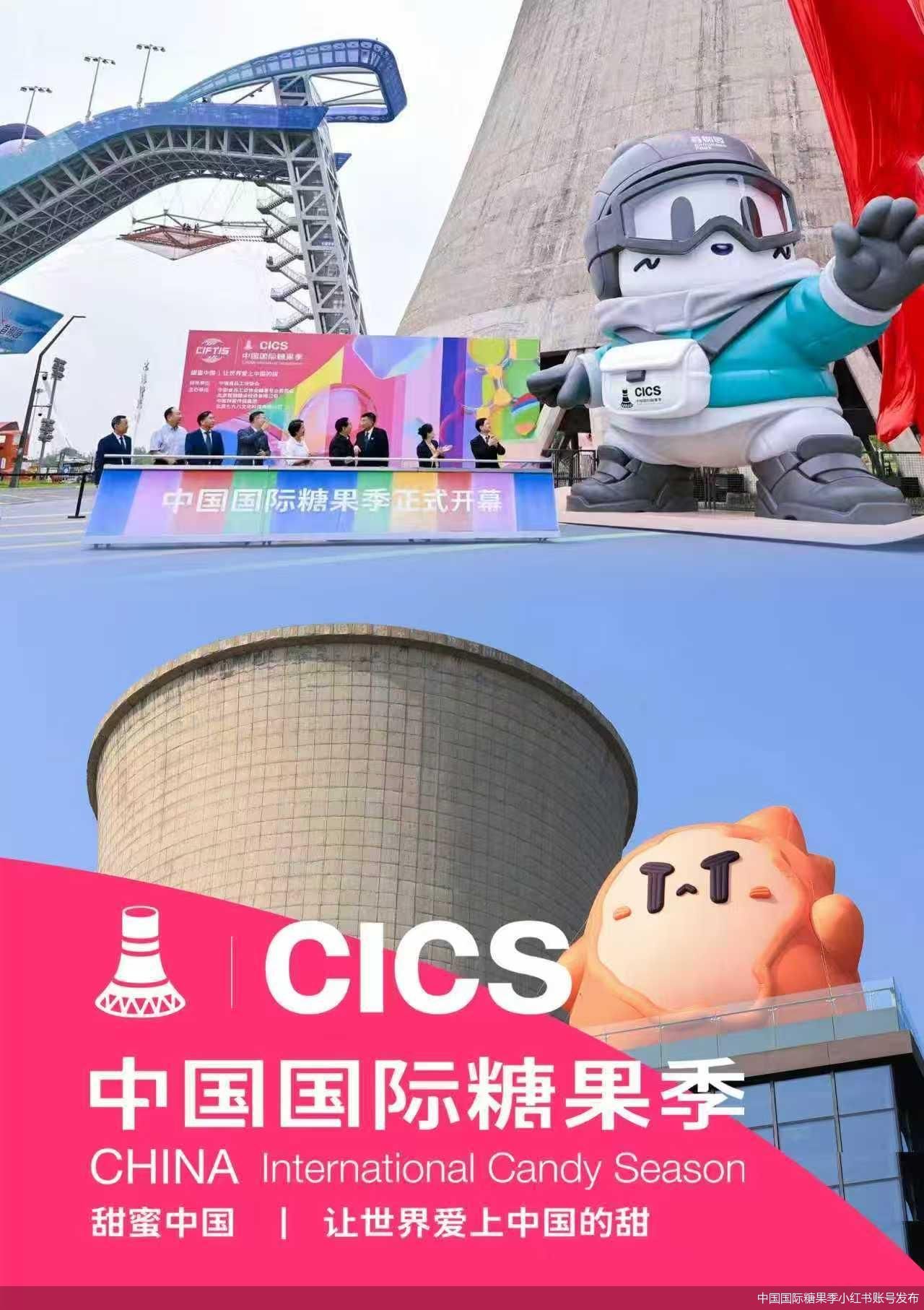
从“制造”到“品牌”,中国食品工业的升维之路
Bei Jing Shang Bao· 2025-09-10 15:17
Core Insights - The Chinese food industry is at a critical juncture for high-quality development, transitioning from "Made in China" to "Chinese Brands" [1] - The forum discussed three main dimensions: policy guidance, cultural inheritance, and internationalization [1] Policy Guidance - The leisure food sector has seen rapid growth, expanding from 784.5 billion yuan in 2020 to 1,009.3 billion yuan by 2024, with a compound annual growth rate of 6.5% [2] - Despite a decrease in market share from 15.2% in 2020 to 14.5% in 2024 for candy and chocolate, the absolute scale continues to grow [2] - The report on the candy industry's transformation emphasizes the integration of food industry and cultural creativity as a new solution for traditional candy companies [2] Cultural Inheritance and Innovation - The industry is focusing on health and digital transformation, with innovations in reducing salt, sugar, and oil content [4] - Traditional brands are combining intangible cultural heritage with modern consumer needs, as seen with the "Palace Pastry" series from the Ma Dajie brand [5][6] - Xu Fu Ji Group invests nearly 200 million yuan annually in R&D, focusing on health snacks and digital transformation [6] International Market Opportunities - Companies face challenges in overseas markets, including regulatory barriers and differing consumer preferences [7] - Xu Fu Ji has achieved consecutive overseas market growth, expanding its products to over 60 countries [7] - The establishment of overseas factories is crucial for local operations and global market penetration [8]
美团闪购休食行业负责人刘国庆:即时零售赋能休食产业发展,下沉市场增长潜力显著
Bei Jing Shang Bao· 2025-09-10 14:59
Group 1 - The core viewpoint of the article highlights the significant growth of the ready-to-eat food industry driven by instant retail, particularly through Meituan's flash purchase service [1] - Since the launch of Meituan's flash purchase, the ready-to-eat food category has experienced rapid growth, with increased penetration in lower-tier markets [1] - The collaboration between the well-known snack brand "Hao Xiang Lai" and Meituan's flash purchase has resulted in a monthly order surge to nearly 2 million orders within just four months of partnership [1]

2025服贸会|《糖果业转型拓展密码——食品工业融合文化创意产业发展报告》发布:食品工业与文创产业的“时尚邂逅”具有广阔前景
Bei Jing Shang Bao· 2025-09-10 14:44
Core Insights - The report highlights the transformation direction of the candy industry and the integration of the food industry with the cultural and creative industries [1] Market Growth - The Chinese leisure food market has shown steady growth, expanding from 784.5 billion yuan in 2020 to 1,009.3 billion yuan in 2024, with a compound annual growth rate (CAGR) of 6.5% [1] - The share of candy and chocolate within the leisure food segment decreased from 15.2% in 2020 to 14.5% in 2024, although the absolute scale continues to grow [1] Industry Collaboration - The integration of the food industry with cultural and creative sectors presents significant opportunities, exemplified by the collaboration between candy brands and the game "Black Myth: Wukong," which launched a co-branded gift box "Qitian Lan Yue" [1] - This collaboration model, which deeply integrates packaging, narrative content, and marketing, is expected to drive market growth by 30%, serving as a vital force for industry development [1]
华源晨会精粹20250910-20250910
Hua Yuan Zheng Quan· 2025-09-10 13:11
New Consumption - In August 2025, the GMV of the beauty category on Douyin exceeded 20 billion yuan, with a year-on-year growth of 19.56% and a month-on-month growth of 21.46% [2][7] - Domestic brands performed well, with Han Shu leading the market with a GMV exceeding 700 million yuan, and the Han Shu Hongman Waist Ring Six Peptide Set being the only product to exceed 100 million yuan in sales [7][8] - The trend in Douyin beauty consumption is shifting from "trial consumption" to "stable repurchase," indicating a more rational consumer behavior focusing on product practicality [8] Robotics Industry - The human-shaped robot market is expected to grow significantly, with the market size projected to reach approximately 27.6 billion yuan in 2024 and 750 billion yuan by 2029 [9][10] - Key components for human-shaped robots include actuators, sensors, and transmission systems, with the planetary roller screw expected to account for 19% of the total cost by 2030 [9][10] - Domestic companies are gradually breaking into the high-end bearing market, which is currently dominated by eight global enterprises, with a current localization rate of less than 20% [10][11] Food and Beverage Industry - National beer companies showed stable revenue and profit performance in the first half of 2025, with cost reductions contributing to gross profit growth [15][16] - The dairy sector is expected to see a reversal in fundamentals as raw milk prices stabilize and beef prices rise, which could enhance profitability for dairy companies [16] - The snack food sector is experiencing a divergence in performance, with emerging channels like bulk snacks and membership supermarkets maintaining high momentum, while traditional channels face challenges [17] Logistics Industry - Zhonggu Logistics reported a revenue of 5.338 billion yuan in the first half of 2025, a decrease of 6.99% year-on-year, but net profit increased by 41.59% to 1.072 billion yuan [19][20] - The company is optimizing its capacity deployment in response to domestic demand recovery and external trade needs, which supports profit growth [20][21] - The company plans to distribute 9.03 billion yuan in dividends, reflecting its strong profit attributes [21] Public Utilities and Environmental Protection - Datang New Energy achieved a revenue of 6.845 billion yuan in the first half of 2025, with a year-on-year growth of 3.26%, while net profit decreased by 4.37% [22][23] - The company’s capital expenditure significantly decreased, indicating a focus on optimizing financial structure [26][27] - The wind power sector is expected to outperform solar power in terms of output and operational cycles, with a favorable market environment anticipated for wind power operators [27]

休闲食品板块9月10日跌0.53%,紫燕食品领跌,主力资金净流出1.25亿元
Zheng Xing Xing Ye Ri Bao· 2025-09-10 08:30
Market Overview - The leisure food sector experienced a decline of 0.53% on September 10, with Ziyan Food leading the drop [1] - The Shanghai Composite Index closed at 3812.22, up 0.13%, while the Shenzhen Component Index closed at 12557.68, up 0.38% [1] Individual Stock Performance - Ziyan Food (603057) closed at 22.22, down 4.72% with a trading volume of 85,400 shares and a transaction value of 191 million [1] - Wancheng Group (300972) closed at 177.45, down 2.29% with a trading volume of 42,900 shares and a transaction value of 762 million [1] - Jinjun Puzhi (002847) closed at 70.71, down 2.20% with a trading volume of 43,200 shares and a transaction value of 305 million [1] - Other notable declines include Lihai Food (300973) down 1.59% and Zhizhi Food (002557) down 1.38% [1] Capital Flow Analysis - The leisure food sector saw a net outflow of 125 million from main funds, while retail investors contributed a net inflow of 110 million [3] - Notable capital inflows include Laiyifen (603777) with a net inflow of 33.97 million from main funds, while it experienced a net outflow of 40.59 million from retail investors [3] - Other stocks like Zhi Shi Ma (000716) and Tao Li Bread (603866) also showed mixed capital flows, with significant outflows from retail investors [3]


大众品25年中报总结:龙头韧性凸显,重视牧业、餐饮链估值修复机会
Hua Yuan Zheng Quan· 2025-09-10 06:09
Investment Rating - The report maintains a "Positive" investment rating, emphasizing the resilience of leading companies and the valuation recovery opportunities in the livestock and restaurant chains [5]. Core Insights - The report highlights that national beer companies have shown stable revenue and profit performance, while regional companies exhibit better elasticity in performance. The cost decline has contributed to gross profit growth, and the improvement in expense ratios is gradually releasing profitability [5][24]. - In the snack food sector, the report notes a divergence in channel performance, with emerging channels like bulk snacks and membership supermarkets maintaining high momentum, while traditional channels face challenges. The focus is shifting from revenue growth to profitability logic [25]. - The restaurant chain sector is experiencing a bottoming out of fundamentals and sentiment, with a gradual recovery expected as policies adjust and consumption peaks approach. The report suggests focusing on undervalued companies like Haidilao and Guangzhou Restaurant [29][31]. - The livestock sector is anticipated to see a fundamental reversal as raw milk prices stabilize and beef prices rise, which could significantly enhance profitability for companies like China Shengmu [36][45]. Summary by Sections Beer - National beer companies have demonstrated operational resilience, with stable revenue growth driven primarily by volume recovery. Regional companies like Yanjing and Zhujiang Beer have shown stronger revenue performance [12][13]. - Cost improvements from raw material price declines and stable pricing have driven gross margin increases for beer companies. The report anticipates continued upward potential in the beer sector as terminal demand gradually recovers [18][24]. Snack Foods - The snack food sector is characterized by a split in channel performance, with new channels like bulk snacks and membership supermarkets thriving, while traditional channels face challenges. The report emphasizes the importance of profitability over revenue growth moving forward [25][26]. - Companies like Wancheng Group and Yuyuan Foods are highlighted for their strong performance in emerging channels, while others are advised to focus on cost optimization to enhance profitability [25][26]. Restaurant Chains - The restaurant sector has been under pressure due to policies and competition, but a recovery is expected as restrictions ease and consumption peaks. The report suggests focusing on companies with low valuations and potential for recovery, such as Haidilao and Green Tea Group [29][31]. - The report notes that the overall restaurant revenue for H1 2025 was 2.75 trillion yuan, reflecting a 4.3% increase, but with high-end dining facing significant challenges [29][30]. Livestock - The livestock sector is expected to see a turnaround as raw milk prices stabilize and beef prices rise, which could significantly enhance profitability for companies like China Shengmu. The report indicates that the most challenging phase for livestock companies may be over [36][45]. - The report highlights that the decline in raw milk prices has pressured revenue, but a stabilization is anticipated, which could improve the valuation of biological assets and overall profitability [36][38].




万辰集团(300972):净利率持续超预期,关注港股上市及少数股东权益收回
ZHESHANG SECURITIES· 2025-09-07 14:40
Investment Rating - The investment rating for the company is "Buy" [4] Core Views - The company achieved a revenue of 22.6 billion yuan in H1 2025, representing a year-on-year increase of 107%, and a net profit of 472 million yuan, reflecting a staggering year-on-year growth of 50359% [1] - The company is positioned as a pure player in the hard discount sector and is the only listed company in the bulk snack segment, with a continued focus on new store formats and potential Hong Kong listing [1][3] - The net profit margin has consistently exceeded expectations, with operational capabilities showing continuous improvement [1] Revenue and Profitability - In Q2 2025, the company reported a revenue of 11.8 billion yuan, up 93% year-on-year, and a net profit of 257 million yuan, up 4940% year-on-year [1] - The bulk snack business generated revenue of 11.7 billion yuan in Q2 2025, with a net profit margin of 4.7% after adjusting for share-based payment expenses [1] - The company’s cash flow remains robust, with H1 2025 sales cash receipts of 25.14 billion yuan, inventory of 1.672 billion yuan, and cash reserves of 3.436 billion yuan [1] Store Expansion - The company opened 1,468 new stores in the first half of the year, maintaining a low closure rate of 2% [2] - The total number of stores at the end of the period reached 15,365, with expectations for accelerated store openings in the second half of the year [2] Minority Shareholder Rights Recovery and Financing - The company plans to acquire 49% equity in Nanjing Wanyou for 1.379 billion yuan, increasing its stake to 75% [3] - The company is also planning a Hong Kong listing, aiming to issue up to 15% of its total share capital [3] Earnings Forecast and Valuation - The company’s projected net profits for 2025-2027 have been revised upwards to 1.23 billion, 1.83 billion, and 2.39 billion yuan, with growth rates of 319%, 49%, and 30% respectively [3] - The expected earnings per share for 2025, 2026, and 2027 are 6.56 yuan, 9.76 yuan, and 12.74 yuan respectively [3] Catalysts - Key catalysts for the company include faster-than-expected store openings, continued improvement in net profit margins, and the recovery of minority shareholder rights [3]
食品饮料周报:25Q2软饮料表现居前,看好白酒释压期预期先行-20250905
Tianfeng Securities· 2025-09-05 15:28
Investment Rating - Industry rating is maintained at "Outperform" [6] Core Views - The beverage sector showed a positive performance with a 2.13% increase, outperforming the Shanghai Composite Index [1][21] - The liquor segment, particularly white liquor, is entering a release period, with strong brands like Guizhou Moutai and Shanxi Fenjiu showing resilience despite industry adjustments [2][13] - Soft drinks and snacks are highlighted as sectors with strong performance and investment opportunities, driven by favorable market conditions and company-specific growth strategies [4][15] Summary by Sections Market Performance Review - From August 25 to August 29, the food and beverage sector increased by 2.13%, with snacks leading at +10.20% and beer slightly declining at -0.02% [1][21] Weekly Updates - White liquor saw a +2.14% increase, with companies like Shede Liquor and Jinhui Liquor performing well due to strong Q2 results. The sector's revenue and net profit decreased by 5.01% and 7.50% year-on-year, respectively [2][13] - The soft drink sector showed strong performance with a revenue increase of 17.8% and net profit increase of 18.8% in Q2 [16] Investment Recommendations - For the liquor sector, strong alpha companies such as Shanxi Fenjiu and Guizhou Moutai are recommended, while beta concept stocks include Luzhou Laojiao and Jingjia Gongjiu [20] - In the consumer goods sector, companies that focus on cost reduction and market share growth are favored, including Dongpeng Beverage and Salted Fish [20] Sector and Stock Performance - The food and beverage sector's dynamic P/E ratio is 22.0, with snacks having the highest valuation increase of +10.20% [28] - The top-performing stocks include Wancheng Group (+41.10%) and Ziyuan Food (+18.79%) [23][24]