
石油

Search documents
突发!两艘油轮遭袭!伊拉克境内所有石油码头停运
证券时报· 2026-03-12 09:52
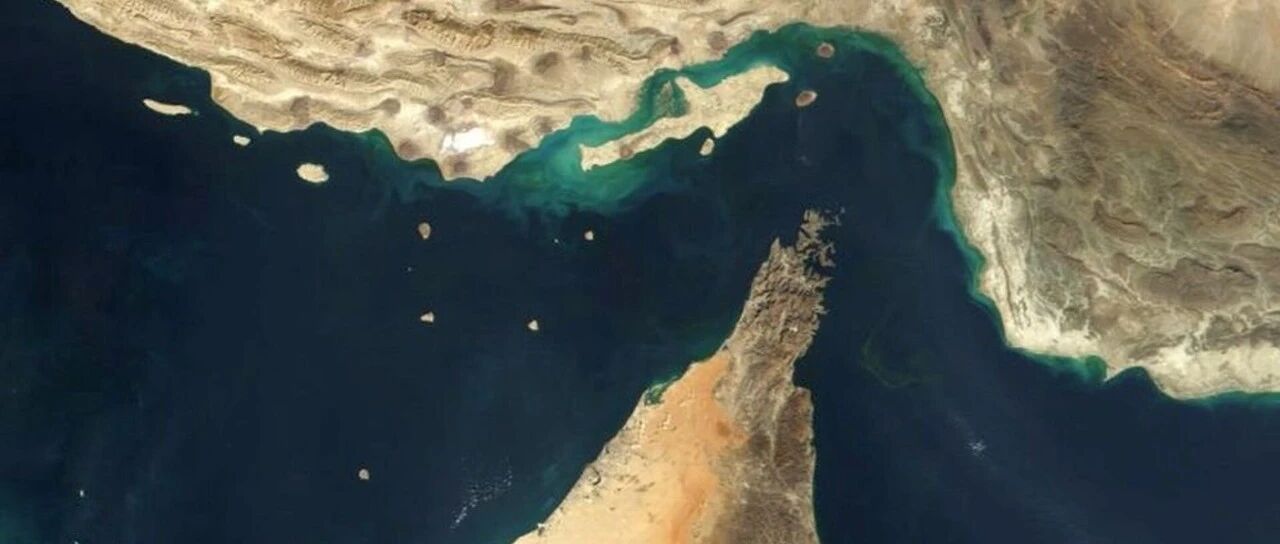
据伊拉克方面12日消息,两艘油轮在伊拉克海域遭袭,造成1人死亡。伊拉克港口总公司宣布,伊拉克全国所有石油码头暂停运营。 此外,英国海上贸易行动办公室12日说,一艘货船在霍尔木兹海峡附近被不明发射物击中,遭袭船只起火。 英国海上贸易行动办公室发表声明说,事件发生在阿联酋阿里山北部35海里处。据悉,所有船员均安全,具体情况正在调查中。 英国海上贸易行动办公室11日说,一艘货船在霍尔木兹海峡被不明发射物击中,遭袭船只起火。事件发生在阿曼以北11海里处。 霍尔木兹海峡是全球运输要冲。美国和以色列2月28日对伊朗发动军事打击后,该海峡通行情况受到各方关注。 当地时间3月11日,美国总统特朗普表示,美国在对伊朗的战争中处于"有利地位",美国将重点关注霍尔木兹海峡局势。 特朗普还表示,美国知道伊朗的"秘密组织"在哪里,他们都在密切监控中。 据悉,伊联合行动指挥部下属安全媒体中心负责人萨阿德·马安当天早些时候证实,两艘外国油轮在伊拉克南部巴士拉省附近海域遭袭起火,导致一名船 员死亡,另有38人获救。救援行动仍在进行中。 伊拉克方面未透露两艘油轮遇袭的具体时间。 随后,伊拉克港口总公司宣布,全国所有石油码头暂停运营,但商业港口 ...


IEA head says oil reserve release had 'strong impact' on markets
Reuters· 2026-03-12 09:26
Group 1 - The IEA has released 400 million barrels of oil from global strategic reserves to stabilize energy markets amid critical disruptions caused by the Iran war and the closure of the Strait of Hormuz [1][1][1] - This intervention is described as the largest in history and aims to mitigate one of the worst oil shocks since the 1970s [1][1][1] - The IEA's Executive Director, Fatih Birol, emphasized the strong impact of this decision on global energy markets, which are currently facing significant challenges [1][1][1] Group 2 - U.S. President Donald Trump stated that the IEA's decision will "substantially" reduce oil prices during the ongoing conflict involving the U.S. and Israel against Iran [1][1][1] - Tehran has warned that oil prices could escalate to $200 per barrel due to attacks on tankers in Iraqi waters and near the Strait of Hormuz [1][1][1]
Oil Tops $100 Again as Iran Hit 3 Cargo Ships. Why Reserve Release Isn't Helping.
Barrons· 2026-03-12 09:09
Core Viewpoint - Oil prices increased significantly on Thursday, despite a record release of emergency reserves by the U.S. and other countries [1] Group 1: Oil Market Dynamics - The surge in oil prices occurred even with the unprecedented release of emergency reserves, indicating strong market demand or other influencing factors [1]
原油评论:供应中断持续时间延长将推高油价-Oil Comment_ Longer Disruption Means Higher Prices
2026-03-12 09:08
Summary of Key Points from the Conference Call Industry Overview - The report focuses on the oil industry, specifically the impact of disruptions in the Strait of Hormuz on oil prices and supply dynamics. Core Insights and Arguments - **Longer Disruption Assumption**: The price forecast has been upgraded due to an assumption of 21 days of low oil flows from the Strait of Hormuz at 10% of normal levels, followed by a 30-day gradual recovery [2][5] - **Estimated Impact on Exports**: The estimated hit to Persian Gulf oil exports is 16.2 million barrels per day (mb/d) based on a 4-day moving average [7] - **Price Forecasts**: The forecast for Brent and WTI prices in Q4 2026 has been adjusted to $71 and $67 respectively, up from $66 and $62 [10][24] - **Risk Premium**: A large risk premium is expected due to uncertainty surrounding the duration of the supply shock, which is the largest on record [12][28] - **Policy Response**: Global policy measures, including Strategic Petroleum Reserve (SPR) releases, are estimated to reduce the impact on global oil inventories by nearly 50%, from 617 million barrels (mb) to 332 mb [18] - **Price Scenarios**: In a 30-day disruption scenario, Brent and WTI prices could average $76 and $72, respectively, while in a 60-day scenario, prices could rise to $93 and $89 [3][22] Additional Important Insights - **Two-Sided Risks**: The risks to the price forecast are two-sided but skewed to the upside, with potential for prices to exceed the 2008 peak if disruptions persist [28] - **Market Dynamics**: The market may require demand destruction to hedge against falling inventories, which could temporarily lift prices above $100 during disruptions [22] - **Geopolitical Factors**: The U.S. Administration's military actions could significantly influence the risk premium in oil prices, with a potential sharp reduction if military actions cease [28] This summary encapsulates the critical insights and forecasts regarding the oil industry as discussed in the conference call, highlighting the implications of geopolitical disruptions on oil prices and supply.

Oil supply gap far from closing despite reserve releases, strategist says
Youtube· 2026-03-12 08:16
Market Reactions to Oil Prices and Geopolitical Tensions - The market's response to recent oil reserve releases has been muted, indicating skepticism about their effectiveness in addressing price increases due to the Iran conflict [2][5] - The gap in oil supply is estimated to be between 11 to 16 million barrels per day, with Japan's contributions not expected until next Monday, suggesting a prolonged period of elevated prices [2] - Despite the geopolitical tensions, equities have not shown significant volatility, indicating a potential rotation back into US assets as investors assess vulnerabilities in the energy sector [3][4] Economic Implications of Oil Prices - A ceasefire in the conflict may not lead to an immediate drop in oil prices, as recovery from damage and investor sentiment regarding energy supplies will play crucial roles [7][8] - The interplay between oil prices and economic growth is critical, with a meaningful reduction in oil prices necessary for markets to recover from recent corrections [8] Tariff Impacts and Inflationary Pressures - The introduction of Section 301 investigations and potential tariffs on Chinese products adds to existing inflationary pressures from rising oil prices, complicating the market outlook [10][11] - The market is currently weighing inflationary impacts more heavily than growth concerns, which has affected the performance of traditional safe-haven assets like treasuries and gold [11][15] Sector-Specific Vulnerabilities - Companies sensitive to commodity price inflation are likely to experience more significant impacts on their share prices, particularly in regions that are net importers of energy [19][20] - Asian markets, including Indonesia, Philippines, and Thailand, have already shown signs of distress due to the ongoing conflict and rising energy costs [19]

宏观点评:兼评美国2月CPI:警惕美国通胀走高的市场压力-20260312
GOLDEN SUN SECURITIES· 2026-03-12 07:40
Inflation Data Summary - The U.S. February CPI increased by 2.4% year-on-year and 0.3% month-on-month, aligning with market expectations[1] - Core CPI rose by 2.5% year-on-year and 0.2% month-on-month, also meeting market forecasts[1] Market Reactions - Following the CPI release, U.S. stock markets, bonds, and gold prices fell, while the U.S. dollar strengthened[2] - The S&P 500 and Dow Jones indices dropped by 0.08% and 0.61%, respectively, while the 10-year Treasury yield increased by 7.2 basis points to 4.23%[5] Inflation Outlook - The market anticipates a reduction in interest rate cuts for 2026, now expected at 1.09 times[2] - Concerns remain regarding persistent service inflation and rising oil prices due to geopolitical tensions, which could complicate the Federal Reserve's dual mandate of employment and inflation control[2][8] Sector Performance - Food inflation rose from 2.9% in January to 3.1% in February, while energy inflation increased from -0.1% to 0.5%[4] - Core goods inflation decreased from 1.1% to 1.0%, indicating weakness, while non-housing core services inflation remained sticky at 2.75%[4] Future Policy Considerations - The Federal Reserve is likely to maintain a wait-and-see approach in its upcoming meetings, with significant policy changes expected after the May leadership transition[8] - The focus will also be on U.S. dollar liquidity, as non-bank sectors may face liquidity risks in 2026[2][8]
油价飙升突破100美元,4亿桶紧急石油储释也没用,又有货船在霍尔木兹海峡遭袭
21世纪经济报道· 2026-03-12 06:51
Core Viewpoint - The International Energy Agency (IEA) has agreed to release 400 million barrels of strategic oil reserves to mitigate the risks of global energy supply disruptions due to conflicts in the Middle East, with the aim of stabilizing the global energy market and alleviating the impact on oil supply and prices [2] Group 1: Strategic Oil Reserve Release - The United States will contribute significantly to this release, with President Trump authorizing the Department of Energy to release 172 million barrels starting next week, with deliveries expected to take about 120 days [2] - Despite the largest release in IEA history, oil prices surged nearly 5%, with Brent crude futures rising by 4.8% to $91.98 per barrel and U.S. crude closing up 4.6% at $87.25 per barrel [2] - On March 12, oil prices further increased, with Brent crude futures surpassing $100 per barrel due to supply concerns following attacks on vessels in the Strait of Hormuz [2][6] Group 2: Market Reactions and Concerns - The release of 400 million barrels is only equivalent to about 20 days of transit volume through the Strait of Hormuz, raising concerns that it may not sufficiently alleviate market fears of supply disruptions [6] - Analysts indicate that the release of strategic reserves cannot fundamentally compensate for the production and export losses caused by the Middle East conflict, as the release process takes time and has daily limits [4][6] - The IEA's efforts to provide oil reserves at a pace that matches the losses from the Middle East conflict are deemed insufficient, even if the conflict were to end quickly [6] Group 3: Future Outlook - The stability of the global oil market hinges on the restoration of tanker transport through the Strait of Hormuz, which is currently uncertain due to ongoing conflicts [7] - Analysts suggest that the potential for a prolonged conflict could lead to significant economic and operational damage globally, with the possibility of rising oil prices if tensions escalate further [7][8] - The future of oil prices will largely depend on geopolitical developments, particularly whether President Trump will take further actions to mitigate the situation as the midterm elections approach [8]

伊朗喊话美国:准备好迎接200美元油价
财联社· 2026-03-12 05:40
Core Viewpoint - The article discusses the escalating tensions in the Strait of Hormuz, highlighting Iran's threats to oil shipping and the potential for oil prices to rise significantly, possibly reaching $200 per barrel due to regional instability [1][3]. Group 1: Iran's Position and Threats - Iran has declared that any vessels belonging to the U.S., Israel, or their allies are legitimate targets for attack, indicating a shift from previous retaliatory strategies to a "chain strike" approach [2]. - The Iranian spokesperson emphasized that Iran has the capability to block the Strait of Hormuz, asserting that no oil will pass through the strait if it benefits the U.S. and its allies [2]. - Iran has repeatedly warned that if the current conflicts escalate, oil prices could remain at triple-digit levels for an extended period [3]. Group 2: Situation in the Strait of Hormuz - The Strait of Hormuz is a critical passage for global oil exports, with approximately one-fifth of the world's maritime oil passing through this narrow waterway [4]. - Recent reports indicate that multiple vessels have been attacked in the Gulf waters, including a Thai cargo ship and a container ship near the UAE, raising concerns about maritime security [5]. - The Iranian Revolutionary Guard has confirmed attacks on vessels that ignored warnings, further escalating tensions in the region [5]. Group 3: U.S. Response and Market Reactions - President Trump stated that the U.S. Navy would provide escort for tankers through the Strait if necessary, although no such actions have been taken yet [7]. - The U.S. Navy has reportedly been declining requests for military escort due to high risks of attacks, suggesting ongoing disruptions to Middle Eastern oil exports [8]. - Despite the International Energy Agency's (IEA) historic release of 400 million barrels of strategic oil reserves, oil prices still rose nearly 5% due to fears of supply disruptions from the Strait of Hormuz [8]. - As of the latest reports, both WTI and Brent crude oil prices have increased by over 7%, with Brent crude nearing the $100 per barrel mark [9].
IEA释放战略储备,但交付速度远低于预期
Hua Tai Qi Huo· 2026-03-12 05:33
Report Industry Investment Rating - Not provided in the given content Core Viewpoints - The IEA announced the release of 400 million barrels of strategic reserves, but the overall delivery speed is slow. For example, the US needs 120 days to deliver 170 million barrels of strategic reserves. The supply interruption due to the strait is as high as 10 million barrels per day. If the 400 million barrels of crude oil cannot be released quickly in the short term, it will be a drop in the bucket for alleviating the market supply gap. Currently, several short - term solutions to ease oil prices have emerged, but they still cannot completely offset the fundamental contradiction of the strait interruption. The market needs the strait to resume navigation to return to normal [3] Summary by Related Catalogs Market News and Important Data - The price of light crude oil futures for April delivery on the New York Mercantile Exchange rose $3.80 to $87.25 per barrel, a 4.55% increase; the price of Brent crude oil futures for May delivery rose $4.18 to $91.98 per barrel, a 4.76% increase. The SC crude oil main contract closed up 7.05% at 695 yuan per barrel [1] - The US Energy Secretary announced that 32 IEA member countries agreed to release 400 million barrels of crude oil and refined oil from their reserves. Trump authorized the release of 172 million barrels of crude oil from the strategic petroleum reserve starting next week, which is expected to take about 120 days for delivery. The US plans to replenish about 200 million barrels of strategic reserves in the next year, 20% more than the planned extraction, at no cost to taxpayers [2] - G7 leaders discussed the latest situation in the Middle East and how to deal with its economic impact. The UK Prime Minister welcomed the IEA's decision to release strategic reserves and emphasized the importance of ensuring freedom of navigation in the Strait of Hormuz [3] - US President Trump is preparing to invoke Cold - War - era powers to resume oil production off the coast of Southern California to ease the global crude oil supply shortage caused by the Iran war [4] - Colombia is taking measures to import natural gas from Venezuela. PDVSA will repair a 5 - kilometer section of the pipeline on the Colombian side, and Colombia will work to obtain the necessary permits [5] - The fuel tank at Salalah Port in Oman was attacked by drones. The container and bulk terminals at the port have suspended operations, while other Omani ports are operating normally [6] Investment Logic - The slow release of strategic reserves may not be enough to offset the supply gap caused by the strait interruption, and the market needs the strait to resume navigation to return to normal [3] Strategy - The short - term geopolitical situation causes high volatility in oil prices. The risk of participating in the crude oil market is high, and it is recommended to use options to hedge risks [4]
冠通期货早盘速递-20260312
Guan Tong Qi Huo· 2026-03-12 05:33
1. Hot News - Trump said that there are "almost no targets left to strike" in Iran and the US military action against Iran is "coming to an end", but US and Israeli officials said they haven't received any internal instructions to stop the military action. The US Central Command warned of possible attacks on Iranian civilian ports, and an Iranian military spokesman said they would strike all ports and terminals in the region if their ports are threatened [2] - The International Energy Agency (IEA) agreed to release 400 million barrels of strategic oil reserves. The G7 energy ministers supported using strategic reserves to stabilize the energy market if necessary. Trump said the US will "slightly" cut its strategic oil reserves, Japan will release about 80 million barrels starting March 16, and Germany will release 2.4 million tons [2] - In February, China's auto sales were 1.805 million, a 15.2% year - on - year decrease. New energy vehicle sales were 765,000, a 14.2% year - on - year decrease, while auto exports were 672,000, a 52.4% year - on - year increase [2] - Iranian President Pezeshkian reiterated Iran's commitment to regional peace in calls with Russian and Pakistani leaders, stating that the "only way" to end the war is to recognize Iran's legitimate rights, pay war reparations, and have international guarantees against future aggression [3] - Starting from the settlement on March 16, 2026, the trading margin for apple futures contracts 2604 and 2605 will be adjusted to 15%, and the daily limit will be adjusted to 13% [3] 2. Sector Performance Key Focus - Urea, Shanghai copper, p - xylene, crude oil, PP [4] Night - session Performance - Non - metallic building materials rose 2.25%, precious metals rose 30.75%, energy rose 6.91%, chemicals rose 12.92%, grains rose 1.02%, agricultural and sideline products rose 2.64%, oilseeds and fats rose 8.32%, non - ferrous metals rose 23.99%, soft commodities rose 2.53%, and coal, coking, steel and minerals rose 8.68% [4][5] 3. Sector Positions - The document shows the changes in commodity futures sector positions in the past five days, including Wind agricultural and sideline products, Wind grains, Wind chemicals, Wind energy, Wind coal, coking, steel and minerals, Wind non - ferrous metals, Wind comprehensive commodities, Wind soft commodities, Wind oilseeds and fats, Wind precious metals, and Wind non - metallic building materials [6] 4. Performance of Major Asset Classes Equity - The Shanghai Composite Index rose 0.25% daily, - 0.71% monthly, and 4.15% annually; the Shanghai 50 rose 0.12% daily, - 1.78% monthly, and - 1.51% annually; the CSI 300 rose 0.64% daily, - 0.13% monthly, and 1.61% annually; the CSI 500 fell 0.08% daily, - 2.95% monthly, and rose 12.56% annually; the S&P 500 fell 0.08% daily, - 1.50% monthly, and - 1.02% annually; the Hang Seng Index fell 0.24% daily, - 2.75% monthly, and rose 1.05% annually; the German DAX fell 1.37% daily, - 6.50% monthly, and - 3.47% annually; the Nikkei 225 rose 1.43% daily, - 6.50% monthly, and 9.31% annually; the UK FTSE 100 fell 0.56% daily, - 5.10% monthly, and rose 4.25% annually [7] Fixed - income - The 10 - year Treasury bond futures fell 0.04% daily, - 0.12% monthly, and rose 0.37% annually; the 5 - year Treasury bond futures fell 0.03% daily, - 0.06% monthly, and rose 0.17% annually; the 2 - year Treasury bond futures fell 0.01% daily, - 0.01% monthly, and 0% annually [7] Commodities - The CRB commodity index rose 1.99% daily, 13.53% monthly, and 18.81% annually; WTI crude oil rose 6.52% daily, 32.22% monthly, and 54.59% annually; London spot gold fell 0.14% daily, - 1.81% monthly, and rose 20.02% annually; LME copper fell 0.69% daily, - 1.86% monthly, and rose 4.42% annually; the Wind commodity index fell 1.38% daily, - 4.64% monthly, and rose 15.81% annually [7] Others - The US dollar index rose 0.32% daily, 1.66% monthly, and 1.01% annually; the CBOE volatility index fell 2.81% daily, rose 22.00% monthly, and 62.07% annually [7] 5. Stock Market Risk Preference and Major Commodity Trends - The document shows the trends of the Baltic Dry Index (BDI), CRB spot index, WTI crude oil, London spot gold, London spot silver, LME 3 - month copper, gold - oil ratio, copper - gold ratio, risk premium, CBOT soybeans, CBOT corn, and Wind All - A (ex - financials and oil & petrochemicals) [8]