家电制造

Search documents
“小作文”刺激股价涨停,三花智控深夜澄清:假的!70多亿资金追高买入
Mei Ri Jing Ji Xin Wen· 2025-10-15 22:32
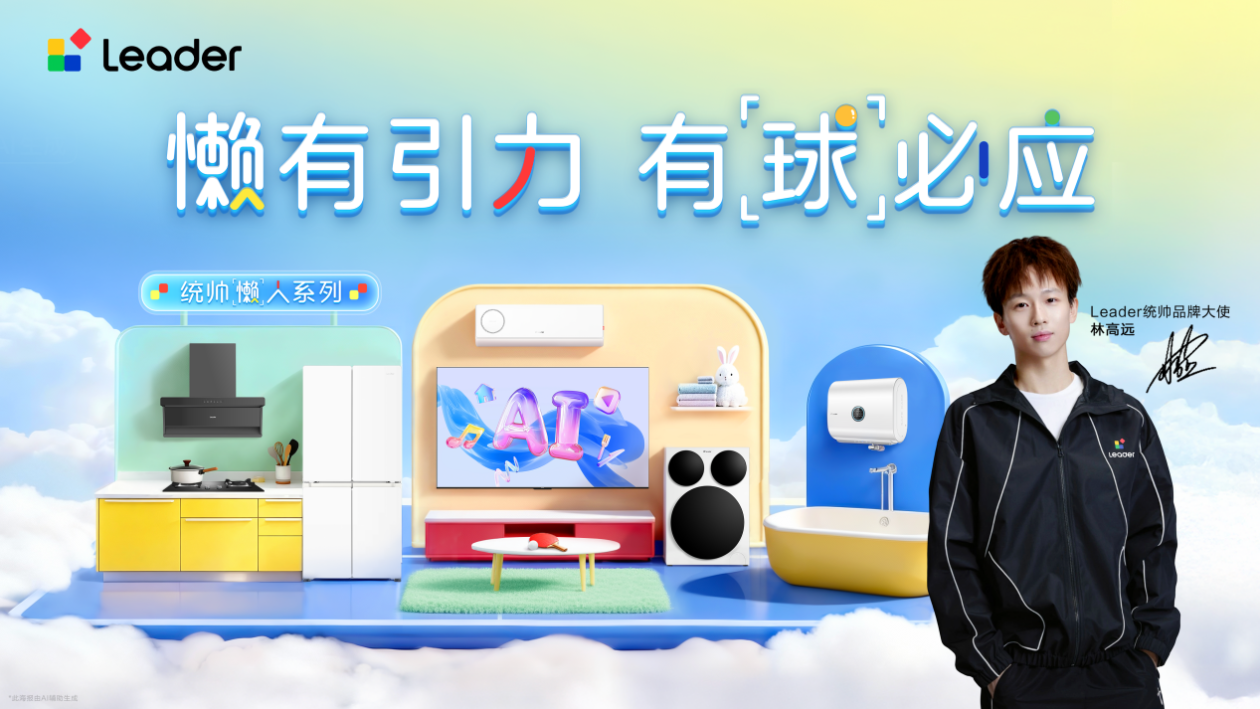
10月15日晚,三花智控发布关于市场不实传言的公告称,近日,公司关注到网络媒体上有大量关于三花智控获得机器人大额订单的传言。经核实,公司针 对上述传闻事项说明如下:关于三花智控获得机器人大额订单的传言不属实;公司也不存在应披露而未披露的重大事项;2025年10月15日公司亦未接受任 何媒体的采访。 值得一提的是,盘后龙虎榜数据显示,一营业部席位"国泰海通上海浦东"净买入6.82亿元。 | 重要股东买卖 | 龙虎榜 | 沪深港通持股 | | --- | --- | --- | | > 2025-10-15 | | 净买入:5.40亿(4.50%) | | 上榜理由 | | | | 涨跌幅偏离值达7% | | | | 涨跌幅 | | 10.01% | | 成交额 | | 119.80亿 | | 换手率 | | 7.64% | | 买入前五营业部 | | 净买入 | | 游 国泰海通上海浦东 | | 6.82亿 | | 机深股通专用 | | 4,055万 | | ூ机构专用 | | 3.901万 | | ூ机构专用 | | -7.741万 | | 柯中信建投安徽分公 | | 1.44亿 | | 合计 | | 8.2 ...


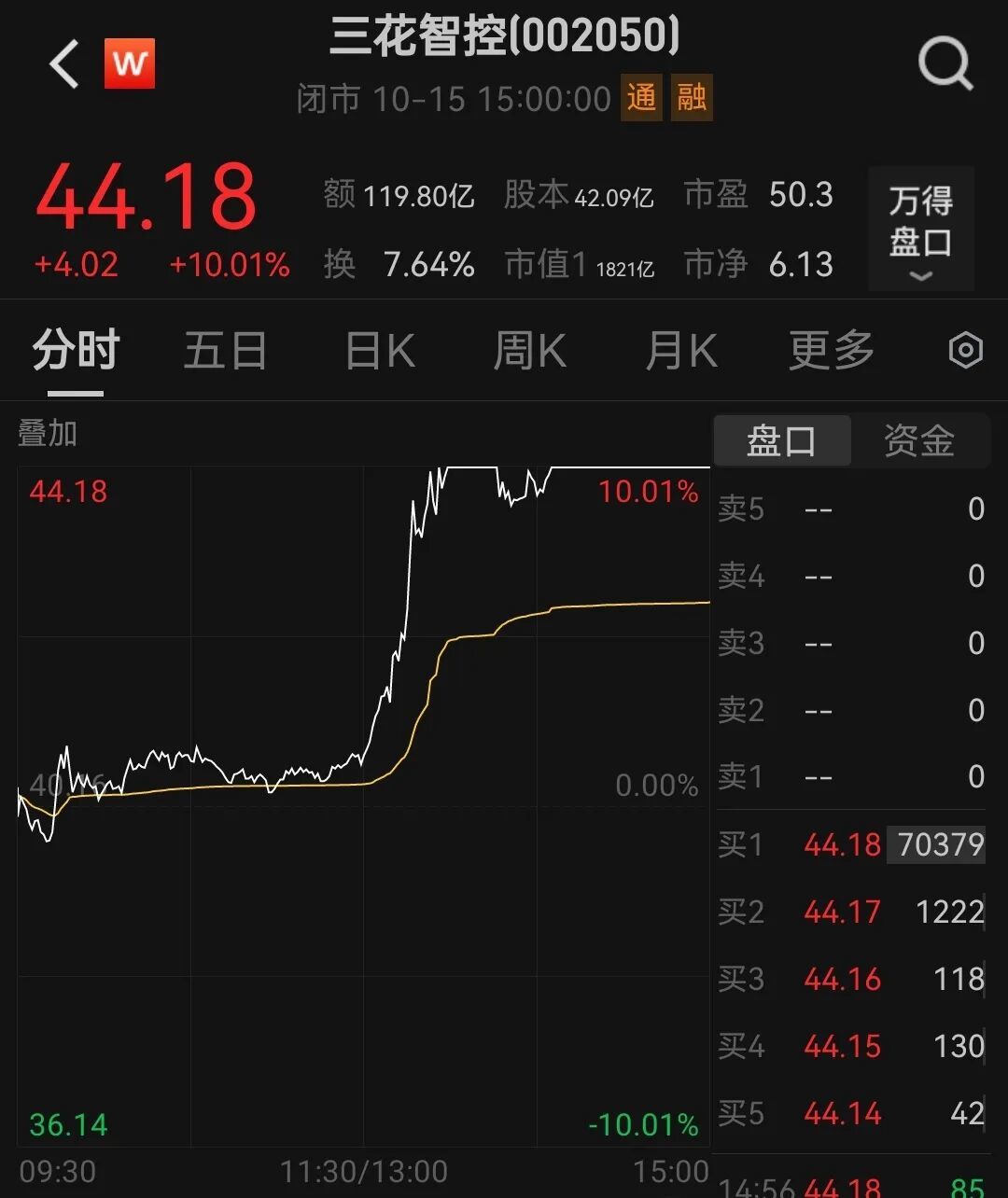
Leader统帅官宣品牌大使林高远,懒人新风空调同步上线
Sou Hu Wang· 2025-10-15 01:29
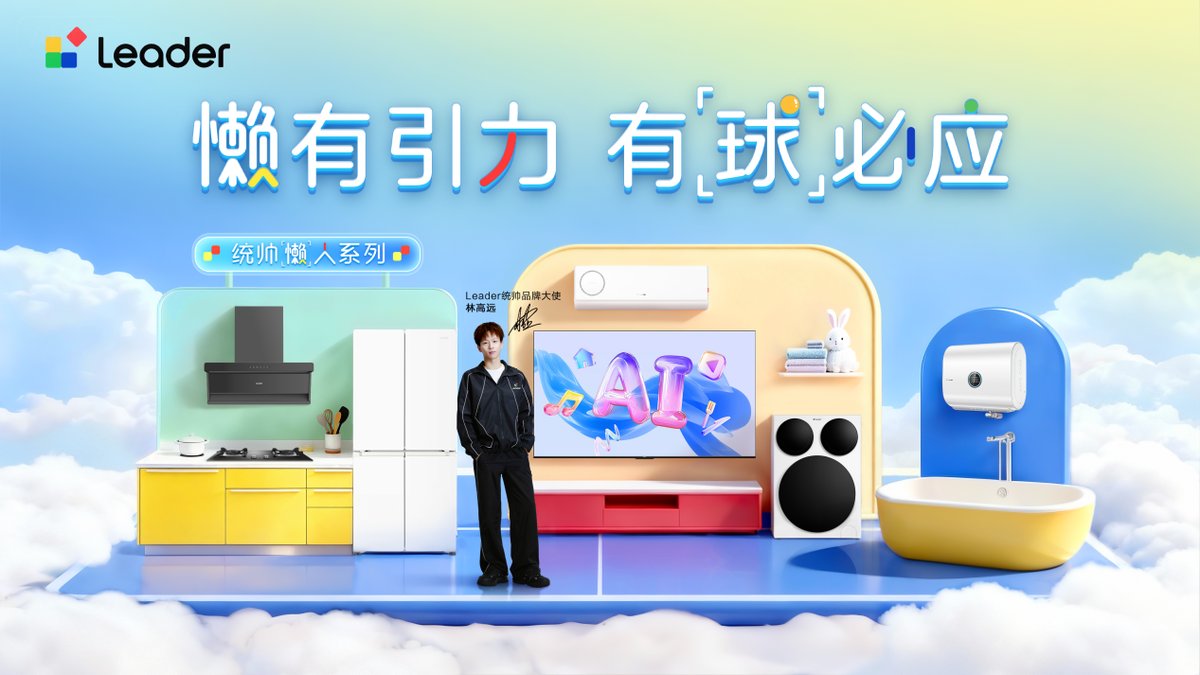
Group 1 - Leader announced table tennis world champion Lin Gaoyuan as its brand ambassador, aligning with the brand's philosophy of "listening to advice and pursuing ultimate experience" [1] - The new product, Lazy New Wind Air Conditioner, is part of the Lazy Family series, promoting the concept of "lazy attraction" and "champion quality x ideal life" [1] - The collaboration aims to enhance user experience by integrating champion quality into lazy living scenarios [6] Group 2 - Leader's innovation is driven by user demands, exemplified by the launch of the "one machine three drums" washing machine in response to consumer feedback [3] - The product line has expanded from a single item to a comprehensive "lazy washing family," including washing and drying machines, and shoe washers, creating a complete lazy living ecosystem [3] - The introduction of AI technology in the new air conditioner allows for an "one-click lazy mode," automatically shutting down after 60 minutes of inactivity, enhancing energy efficiency [6] Group 3 - The Lazy New Wind Air Conditioner features high airflow and four-stage filtration for fresh indoor air, while AI technology adjusts temperature for optimal comfort [8] - The brand's strategy focuses on creating a full range of smart products to provide users with a more convenient and efficient lazy lifestyle [8]
网络强国:从并跑到领跑
Jing Ji Ri Bao· 2025-10-14 22:04
Core Insights - During the "14th Five-Year Plan" period, China has significantly enhanced its integration of information technology and industrialization, leading to a notable improvement in technological innovation capabilities and the emergence of high-tech products [1][2] Group 1: Technological Innovation - Key breakthroughs in network information technology have been achieved, particularly in artificial intelligence (AI), with a continuous increase in the number and scale of AI enterprises in China [2] - China's AI patent count accounts for 60% of the global total, indicating a substantial leap in comprehensive AI capabilities [2] - The launch of the Qwen3-Max model by Alibaba, featuring over one trillion parameters, showcases advancements in programming and intelligent tool usage [3] Group 2: Digital Economy Development - The digital economy is entering a phase of comprehensive expansion, with the core industry value added expected to reach 10.4% of GDP by the end of 2024 [6][7] - The number of 5G base stations has reached 4.598 million, facilitating widespread application in various sectors such as mining and manufacturing [5] - The digital transformation of the manufacturing sector has shifted from leading benchmarks to large-scale promotion, with over 35,000 basic-level and 230 excellent-level smart factories established [5][7] Group 3: Data Development and Utilization - The annual data production in China is projected to reach 41.06 ZB by 2024, reflecting a 25% year-on-year growth [8][9] - The number of data trading enterprises has surpassed one million, with total data transaction amounts exceeding 22 billion yuan, marking an 80% increase [9] - The establishment of a national-level data infrastructure is underway to support the development of the digital economy and technological innovation [10]
海信家电及附属认购17.39亿元金谷信托理财产品
Zhi Tong Cai Jing· 2025-10-14 10:16
Core Viewpoint - Hisense Home Appliances (000921) announced a financial agreement to invest in a trust product, indicating a strategic move to enhance its financial management and investment portfolio [1] Group 1: Financial Agreement - The company and its subsidiaries, including the air conditioning marketing company, Guloni Company, and refrigerator marketing company, have entered into a financial agreement with Jingu Trust [1] - The total subscription amount for the trust product is RMB 1.739 billion [1] - The investment period for this agreement is set from May 27, 2025, to October 13, 2025 [1]
海尔、美的、TCL、松下…家电巨头们正掀起一场AI联姻潮
Guan Cha Zhe Wang· 2025-10-14 10:08
Core Insights - The home appliance market in China is undergoing a transformation as companies partner with AI technology firms to explore new paths for growth following the end of government subsidies [1][3] - Major players like Haier, TCL, and Midea are actively engaging in AI collaborations, indicating a shift towards integrating AI into their product offerings and operational strategies [1][4] Group 1: AI Collaborations - Haier has signed a comprehensive strategic cooperation agreement with Alibaba, marking a significant step in the ongoing trend of home appliance and AI partnerships [1] - TCL is working with Alibaba Cloud to develop a specialized AI model focused on semiconductor display technology, enhancing smart terminal image quality and interaction [3] - Midea is collaborating with Huawei to create a smart home ecosystem, aiming for seamless interconnectivity across devices and brands [4] Group 2: Marketing and Global Expansion - The partnership between Haier and Alibaba will also focus on deepening cooperation in e-commerce, leveraging Haier's industrial strengths and Alibaba's overseas e-commerce framework to build a digital ecosystem [7] - International brands like Panasonic are also entering AI collaborations, with plans to develop smart home solutions for Southeast Asia and the Middle East in partnership with Alibaba Cloud [7]





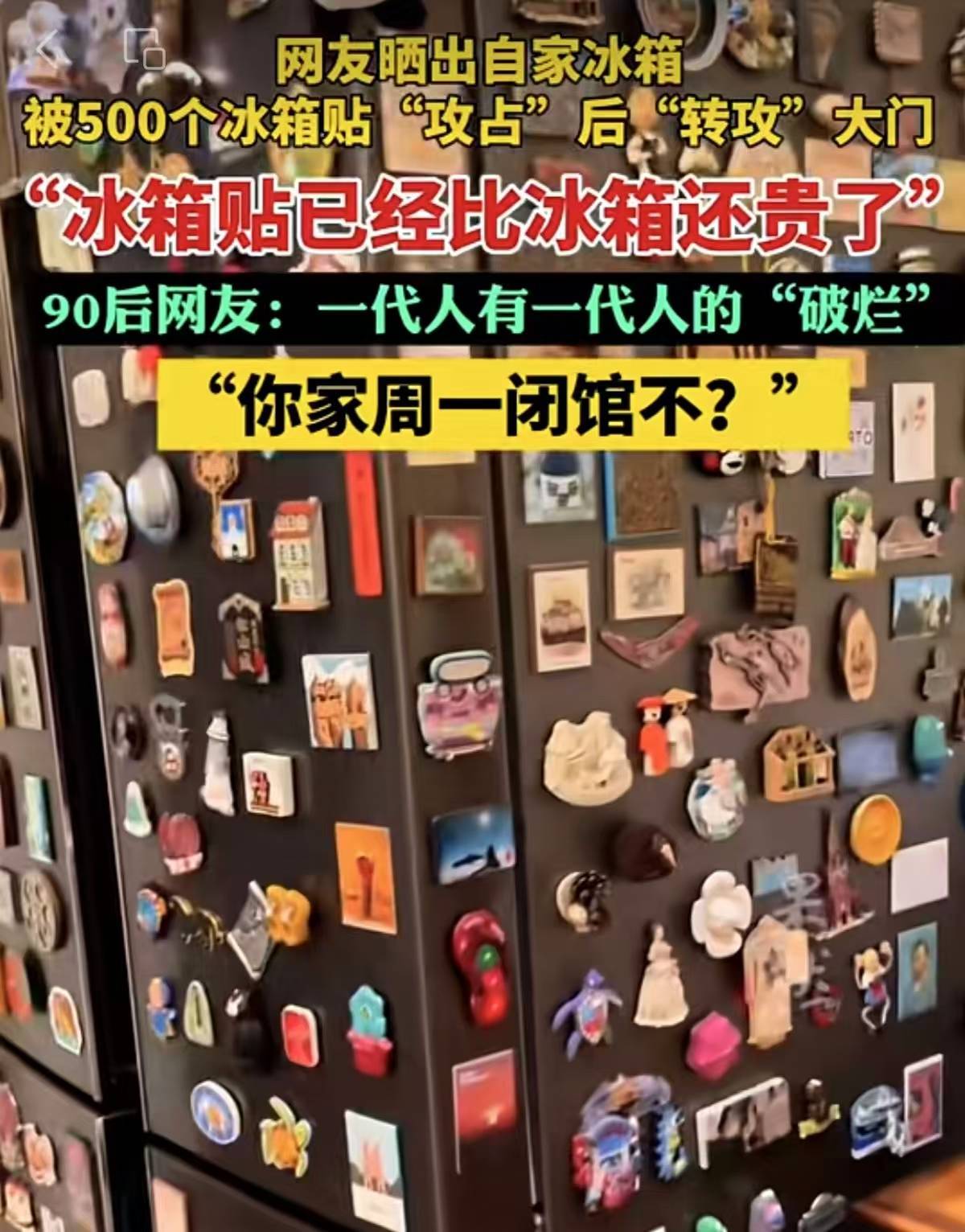
“冰箱贴比冰箱贵”,背后藏着哪些市场密码 | 新京报专栏
Sou Hu Cai Jing· 2025-10-14 08:52
Core Insights - The phenomenon of refrigerator magnets becoming more expensive than refrigerators has gained attention, highlighting a shift in consumer behavior and market dynamics [3][12] - The rising prices of refrigerator magnets can be attributed to various factors, including profit margins, manufacturing costs, and the emotional value associated with these products [10][14] Profit Margins - The profit margins for different products vary significantly, with lower-priced items often yielding higher profit margins due to lower production costs relative to selling prices [5][6] - For example, a refrigerator brand's gross margin has decreased from 19.94% in 2016 to 11.15% in 2024, indicating a highly competitive market with slim margins [5] Manufacturing Costs - Manufacturing costs for refrigerator magnets include direct material costs, labor, and manufacturing expenses, which can be substantial despite the small size of the product [8][9] - The complexity of some refrigerator magnets, especially those with intricate designs, can lead to higher production costs due to mold and assembly expenses [9][10] Emotional and Cultural Value - Refrigerator magnets serve as emotional and cultural artifacts, providing consumers with a way to commemorate travel experiences and showcase personal stories [13][14] - The growing trend of collecting and displaying refrigerator magnets reflects a shift in consumer preferences, with social media amplifying the desire for unique and culturally significant items [14] Market Dynamics - The increasing size of refrigerators has led to a higher potential expenditure on magnets, as filling a large refrigerator with magnets can exceed the cost of the appliance itself [11][12] - The market for refrigerator magnets is influenced by scarcity and cultural significance, with limited edition and IP-associated magnets commanding higher prices [10][14] Broader Economic Implications - The contrast between declining refrigerator prices and rising magnet prices reflects broader trends in China's manufacturing sector, showcasing advancements in technology and design [14][15] - The production of refrigerator magnets, while part of the manufacturing industry, also incorporates elements of design, marketing, and cultural significance, indicating a shift towards higher value-added manufacturing [15][16]
王克:企业重构建,应主动创造新世界
Sou Hu Cai Jing· 2025-10-14 08:14
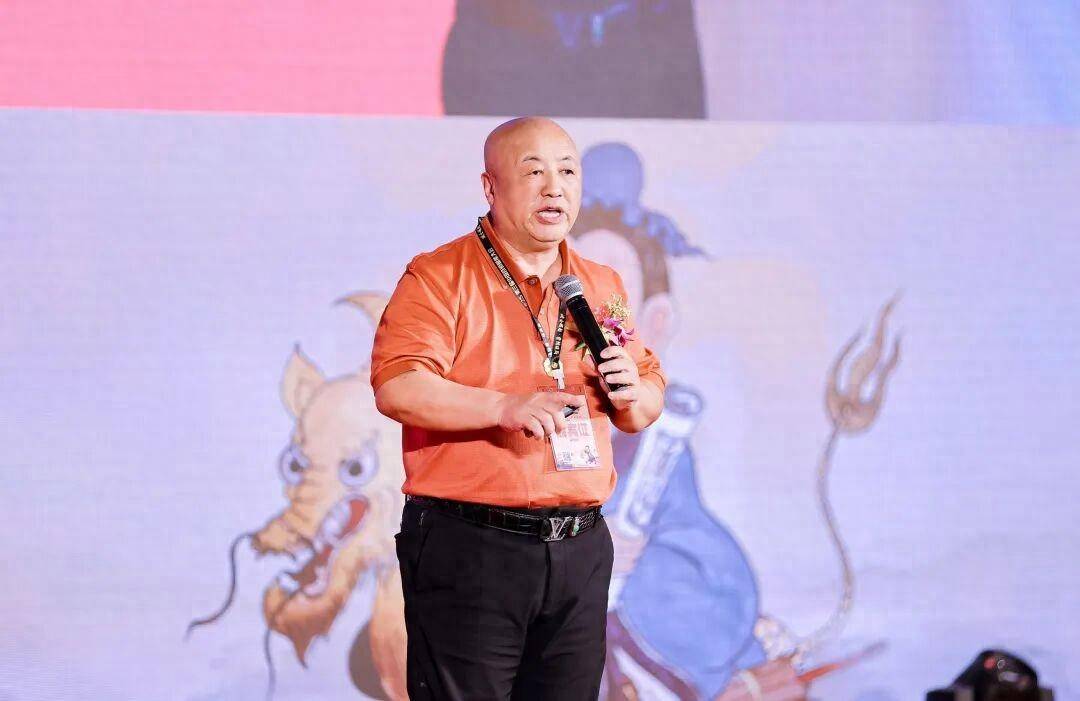
Core Insights - The transformation and upgrading of enterprises is essential for high-quality development, especially in the AI era, as highlighted by the upcoming "Transformation and Upgrade Landmark Recognition" event in Shenzhen [2] - The event will feature major companies like Huawei, ZTE, Tencent, and DJI, and will release China's first authoritative "Transformation and Upgrade Blue Book," defining standards and models for transformation from the Internet era to the AI era [2] - Wang Ke, a leading expert in strategic management, emphasizes the concept of "reconstruction," which provides a strategic path for enterprises to break through uncertainties and create a new world rather than merely improving in an old one [2][3] Group 1: Concept of Reconstruction - Reconstruction is a profound cognitive revolution that requires breaking free from the "success trap" of traditional enterprises, which often leads to missed opportunities [3] - Enterprises must establish "dynamic capabilities" to sense changes, seize opportunities, and reconfigure resources, necessitating a paradigm shift in thinking [5] - Successful examples like Haier and Alibaba illustrate that reconstruction involves a comprehensive redesign of value creation logic, moving from linear value chains to networked value ecosystems [5][6] Group 2: Digital Transformation - Digital transformation is a critical foundation for enterprise reconstruction, where data becomes the fourth production factor alongside land, labor, and capital [6] - Companies like Huawei and Midea have demonstrated significant efficiency gains through deep integration of technology and business, shortening product development and order delivery cycles [6] - However, the success of digital transformation relies more on organizational change and talent restructuring than on technology alone [6] Group 3: Organizational Structure and Culture - Building organizational capabilities is one of the most challenging aspects of reconstruction, with a shift from traditional hierarchical structures to agile organizations being necessary [6] - Innovative practices from companies like Handu Yishe and ByteDance show that empowering small teams and providing a creative environment can lead to remarkable growth [6][7] - Establishing a culture that embraces trial and error, viewing failures as learning opportunities, is crucial for successful organizational transformation [7] Group 4: Customer-Centric Business Models - Enterprises need to develop customer-centric business models in response to the rise of consumer sovereignty, moving away from product-centric approaches [9] - Companies like Starbucks and Xiaomi exemplify how to redefine value exchange with customers through innovative experiences and integrated ecosystems [9] - The theory of reconstruction emphasizes the need for entrepreneurial spirit and the courage to innovate, as demonstrated by leaders like Ren Zhengfei and Zhang Ruimin [9][10] Group 5: Future Challenges and Opportunities - Embracing reconstruction is not just a management upgrade but a fundamental change in survival strategies for enterprises [10] - Companies that actively engage in reconstruction will gain strategic advantages in the next decade, especially as disruptive technologies like the metaverse and quantum computing emerge [10] - The current fast-paced environment presents an optimal time for Chinese entrepreneurs to undertake necessary transformations to adapt to constant change [10]

“冰箱贴比冰箱贵”,背后藏着哪些市场密码
Xin Jing Bao· 2025-10-14 08:13
Core Insights - The rising trend of refrigerator magnets being more expensive than refrigerators reflects a shift in consumer behavior and market dynamics [1][6] - The price increase of refrigerator magnets is driven by high profit margins on low-cost items and the emotional value they provide to consumers [2][7] Profit Margins and Market Dynamics - The profit margin for refrigerator magnets is significantly higher than that of refrigerators, with the latter's gross margin declining from 19.94% in 2016 to 11.15% in 2024 due to market saturation and competition [2] - In contrast, low-cost items like refrigerator magnets can have profit margins that reach several hundred percent, making them more lucrative for retailers [2] Manufacturing Costs - Manufacturing costs for refrigerator magnets include direct material, labor, and manufacturing expenses, which can be substantial despite the low material costs [3][4] - The complexity of designs and the need for manual coloring contribute to higher production costs, with some molds costing between 200,000 to 500,000 yuan [3][4] Cultural and Emotional Value - Refrigerator magnets serve as cultural and emotional artifacts, often linked to travel experiences, which enhances their perceived value [7][8] - The trend of collecting and showcasing refrigerator magnets on social media platforms indicates a growing consumer preference for items that carry personal significance [7][8] Market Trends and Consumer Behavior - The increasing size of refrigerators means that consumers are willing to spend more on magnets, with some high-end or limited-edition magnets priced significantly higher than standard ones [5][6] - The market for refrigerator magnets is influenced by their scarcity and cultural significance, leading to higher prices for unique or IP-linked designs [8] Broader Implications for Manufacturing - The distinction between traditional manufacturing and value-added manufacturing is highlighted by the success of refrigerator magnets, which combine design, marketing, and cultural elements [9] - The evolution of manufacturing in China reflects a shift towards products with higher emotional and cultural value, as seen in the rising prices of refrigerator magnets compared to the declining prices of refrigerators [9]
欠债百亿的乐视公开讨债,嘲讽债主“江东Jerry”;没有贾跃亭,员工人均年薪44万
Sou Hu Cai Jing· 2025-10-14 06:15
Group 1 - LeEco has publicly criticized Nanjing Panda Electronics after a dispute over defective television sets, with a failure rate of nearly 20% compared to an agreed rate of 1.8% [1] - The conflict has escalated into a three-step strategy by LeEco: issuing a public statement, displaying banners, and taking legal action [2] - LeEco has received a court ruling for 14.95 million yuan, but Nanjing Panda has responded by closing factories, changing names, and initiating bankruptcy proceedings [3] Group 2 - LeEco's founder, Jia Yueting, has significant debts totaling approximately 14.2 billion yuan, and the company has previously drawn attention for its own financial issues [3] - Despite financial challenges, LeEco has maintained a high average employee salary of 440,000 yuan, and its four-and-a-half-day workweek has made it attractive to job seekers [4] - In the first half of the year, LeEco reported total revenue of 73 million yuan, a year-on-year decline of 7.36%, with a net loss of 17.3 million yuan, widening by 16.56% compared to the previous year [6]
Leader统帅官宣世界冠军林高远为品牌大使
Huan Qiu Wang· 2025-10-14 05:19
Core Insights - Leader announced table tennis world champion Lin Gaoyuan as its brand ambassador, aligning with the brand's philosophy of creating a straightforward lifestyle for young people [1][3] - The partnership emphasizes a shared vision between the young brand and the champion athlete, highlighting the synergy in their approaches to excellence and market strategy [3][5] Brand and Market Strategy - Lin Gaoyuan's selection as a brand ambassador reflects a strong alignment between his competitive spirit and Leader's commitment to innovation and market responsiveness [3] - Leader's recent product launch, the "Lazy Man" washing machine, achieved nearly 200,000 units delivered shortly after its release, indicating a successful market entry and expansion into overseas markets [3][5] - The brand's overall revenue grew by 15% in the first half of the year, with retail sales reaching 8.6 billion yuan, a significant increase of 51.7% year-on-year, and total shipments exceeding 5.4 million units [5] Product Innovation and User Engagement - Leader's product development is driven by user feedback, leading to the creation of innovative solutions like the first three-tub washing machine designed to address specific consumer pain points [5][7] - The newly launched "Lazy Man" air conditioner exemplifies the brand's commitment to user-centric design, offering features that enhance convenience and adaptability for young consumers [7] - The collaboration with Lin Gaoyuan aims to explore lifestyle enhancements, promoting a "lazy" yet efficient way of living that resonates with the target demographic [9]