
铁矿石

Search documents
低头了!澳洲铁矿石巨头表态,澳媒热议,海外盛赞历史转折
Sou Hu Cai Jing· 2025-10-19 09:52
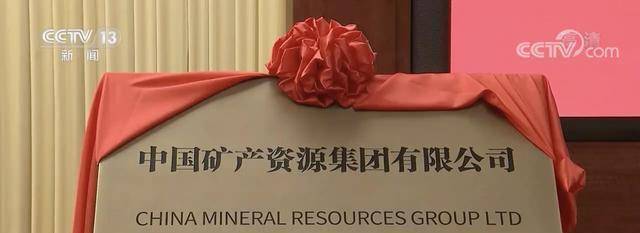
Core Viewpoint - The article discusses the rapid shift in BHP's stance towards China, highlighting the impact of China's decision to halt purchases of dollar-denominated iron ore, leading BHP to agree to settle transactions in RMB, reflecting a significant change in the global commodity settlement landscape [4][10][39]. Group 1: BHP's Initial Stance and Response - Initially, BHP maintained a strong position, believing that China needed their iron ore and would not easily walk away from the relationship [10][12]. - However, after China’s directive to stop purchasing dollar-denominated iron ore, BHP's stock price began to decline sharply, indicating market reactions to the situation [6][10]. - Within a week, BHP was compelled to agree to China's terms, demonstrating a rapid loss of negotiating power [12][14]. Group 2: China's Strategic Positioning - China's ability to leverage its position stems from years of strategic planning, consolidating the purchasing power of over 600 steel companies through the establishment of the China Mineral Resources Group [18][22]. - The diversification of iron ore sources, including long-term agreements with Brazil's Vale, has strengthened China's negotiating position [18][26]. - The West Mangdu iron ore project, expected to produce significant quantities by 2025, further enhances China's supply chain resilience [24]. Group 3: Shift in Global Commodity Settlement - The agreement to use RMB for iron ore transactions marks a significant shift in the global commodity settlement landscape, traditionally dominated by the US dollar [31][35]. - Other major players, including Vale and Fortescue Metals Group, have also agreed to RMB settlements, indicating a broader trend away from dollar dependency [33][35]. - This change is expected to gradually reduce the dollar's dominance in global commodity trade, with RMB becoming a more reliable option for international transactions [35][39].


铁矿石周度观点-20251019
Guo Tai Jun An Qi Huo· 2025-10-19 08:34
1. Report Industry Investment Rating There is no information provided in the report regarding the industry investment rating. 2. Core View of the Report - The risk appetite has declined, and the iron ore price has corrected from its high level. The supply - side disturbances of iron ore have been fully priced in the previous period. The market has now returned to trading the potential macro - negative impacts of Sino - US trade frictions. Coupled with the further erosion of industrial chain profits by the coking coal end, the relative strength of iron ore prices has weakened [3][5]. 3. Summary by Relevant Catalogs 3.1 Supply - **Overall Shipping Volume Data**: The global shipping volume in the recent week was 3207.5 million tons, a week - on - week decrease of 71.5 million tons and a year - on - year increase of 186.6 million tons. The cumulative shipping volume from the beginning of the year to the current period was 126,682.6 million tons, a year - on - year increase of 1.2%. The Australian shipping volume was 1854 million tons, a week - on - week decrease of 48.3 million tons and a year - on - year increase of 212.6 million tons. The cumulative Australian shipping volume was 72,761.7 million tons, a year - on - year decrease of 0.7%. The Brazilian shipping volume was 812.5 million tons, a week - on - week decrease of 12.6 million tons and a year - on - year decrease of 37.6 million tons. The cumulative Brazilian shipping volume was 30,761.7 million tons, a year - on - year increase of 0.6% [4]. - **Shipping Volume of Major Miners to China**: Rio Tinto's shipping volume to China was 505.4 million tons, a week - on - week decrease of 80.7 million tons and a year - on - year increase of 55.7 million tons. BHP's shipping volume to China was 501.3 million tons, a week - on - week increase of 60.2 million tons and a year - on - year increase of 33.7 million tons. FMG's shipping volume to China was 342.9 million tons, a week - on - week decrease of 22.3 million tons and a year - on - year decrease of 114 million tons. Vale's global shipping volume was 600.7 million tons, a week - on - week increase of 0.9 million tons and a year - on - year decrease of 54.2 million tons [4]. - **Supply - side Situation Analysis**: The recent shipping volume of mainstream iron ore has recovered to a year - on - year high, and freight rates have increased. In Q4, the shipping volume of Rio Tinto and Vale is still expected to increase. The shipping volume from Peru and Ukraine has not recovered yet, and the capacity utilization rate of domestic mines in the southwest region has not recovered [5][16][20][27]. 3.2 Demand - **Downstream Demand**: The hot metal production remains at a relatively high level, but its marginal impact on ore prices has weakened. The scrap steel price has risen and then fallen, and the price difference between scrap steel and hot metal has shrunk again [5][30][34]. 3.3 Market Performance - **Contract Performance**: The price of the main 01 contract fluctuated weakly, closing at 771.0 yuan/ton. The open interest was 545,000 lots, an increase of 69,200 lots. The average daily trading volume was 369,000 lots, a week - on - week increase of 136,000 lots [7]. - **Spot Price Performance**: The spot price has fallen from its high level following the futures market. For example, the price of Carajás fines (64.5%) in Qingdao Port decreased from 923 yuan/ton last week to 901 yuan/ton this week [11]. 3.4 Inventory - The port inventory shows a seasonal accumulation trend in Q4 [38][40]. 3.5 Downstream Profit - The downstream industry has a high operating rate, but the profit has been continuously declining [42]. 3.6 Spot Category Price Difference - This week, the high - grade Carajás fines have corrected significantly, and the price difference between Carajás fines and PB fines has weakened. The price of domestic iron ore concentrate is still relatively strong compared to imported PB fines [45]. 3.7 Futures Monthly Spread - The valuation of the calendar spread for the bull spread is relatively high year - on - year. Recently, attention can be paid to the opportunity of spread narrowing caused by the macro - risk appetite correction [51]. 3.8 Basis Performance - This week, the futures price has fallen rapidly from its high level, and the basis has increased significantly [53].
人民币结算铁矿石激战升级,澳总理强烈反应,中国态度坚决不妥协
Sou Hu Cai Jing· 2025-10-19 02:12
Core Viewpoint - The recent halt of iron ore orders by China Mineral Resources Group from Australia signifies a shift in power dynamics in the iron ore market, indicating a potential change in pricing and supply chain control [1][5][12]. Group 1: Market Dynamics - In 2025, Australia's annual iron ore exports to China are valued at AUD 116 billion, yet the pricing power remains with Australian companies, highlighting a disparity in negotiation strength [3][5]. - Chinese steel mills have historically faced challenges due to fragmented purchasing strategies, allowing Australian miners to maintain control over pricing [3][5]. - The establishment of the China Mineral Resources Group in 2022 consolidated procurement, enhancing negotiation power and reducing the historical fragmentation among Chinese steel producers [5][12]. Group 2: Supply Chain Changes - China's iron ore imports from Australia exceeded 700 million tons in 2023, with similar expectations for 2025, indicating a strong bargaining position due to volume [5][6]. - New supply sources are emerging, such as the Simandou project in Guinea, which is expected to produce 120 million tons annually by the end of 2025, and increasing contributions from Brazil and Russia [6][9]. - The shift towards a diversified supply chain is gradually diminishing Australia's monopoly in the iron ore market [6][12]. Group 3: Currency and Settlement - The iron ore trade, valued at over USD 200 billion annually, has traditionally been settled in USD, but there is a growing push from China to use RMB, aiming to reduce reliance on the dollar [8][10]. - An agreement was reached on October 9, 2025, for 30% of spot trades to be settled in RMB, marking a significant shift in trade practices [9][10]. - The transition to RMB settlement could potentially save China USD 20 billion annually in exchange losses, reinforcing the domestic industrial chain [8][10]. Group 4: Historical Context and Future Outlook - The historical trade relationship between Australia and China, which began over a century ago, is at a turning point with the recent developments in trade practices and currency usage [1][12]. - The ongoing changes in the iron ore market reflect broader shifts in global commodity trading, with implications for future trade dynamics and currency preferences [10][12]. - The competitive landscape is evolving, and the ability to adapt to these changes will determine the future success of both Australian and Chinese stakeholders in the iron ore market [14].
铁矿石周报:钢厂利润下滑,原料价格承压-20251018
Wu Kuang Qi Huo· 2025-10-18 13:11
1. Report Industry Investment Rating No relevant content provided. 2. Core Viewpoint of the Report The terminal demand is weak, and macro - level disturbances persist. Iron ore prices are under pressure and are expected to fluctuate weakly. Attention should be paid to the support level of 760 - 765 yuan/ton [11][13][14]. 3. Summary by Directory 3.1 Week - to - Week Assessment and Strategy Recommendation - Supply: The latest global iron ore shipment volume was 32.075 million tons, a week - on - week decrease of 715,000 tons. Shipments from Australia and Brazil totaled 27.31 million tons, a decrease of 949,000 tons. Australian shipments decreased by 636,000 tons to 19.163 million tons, of which those to China dropped by 767,000 tons to 15.845 million tons. Brazilian shipments decreased by 313,000 tons to 8.147 million tons. The arrival volume at 47 Chinese ports was 31.441 million tons, a week - on - week increase of 3.683 million tons; the arrival volume at 45 ports was 30.458 million tons, an increase of 4.371 million tons [13]. - Demand: The daily average hot metal output was 2.4095 million tons, a decrease of 59,000 tons from the previous week. The blast furnace iron - making capacity utilization rate was 90.33%, a decrease of 0.22 percentage points. The steel mill profitability rate was 55.41%, a decrease of 0.87 percentage points [13]. - Inventory: The total inventory of imported iron ore at 47 national ports was 149.6187 million tons, a week - on - week increase of 3.2079 million tons; the daily average port clearance volume was 3.2932 million tons, a decrease of 1.222 million tons [13]. 3.2 Futures and Spot Markets - Price Difference: The PB - Super Special powder price difference was 73 yuan/ton, a week - on - week increase of 1 yuan/ton. The Carajás fines - PB powder price difference was 123 yuan/ton, a decrease of 12 yuan/ton. The Carajás fines - Jinbuba powder price difference was 168 yuan/ton, a decrease of 12 yuan/ton. The ((Carajás fines + Super Special powder)/2 - PB powder) price difference was 25 yuan/ton, a decrease of 6.5 yuan/ton [19][22]. - Feeding Ratio and Scrap Steel: The pellet feed ratio was 15.64%, an increase of 0.44 percentage points. The lump ore feed ratio was 12.36%, an increase of 0.11 percentage points. The sinter feed ratio was 72%, a decrease of 0.55 percentage points. The scrap steel price in Tangshan was 2,205 yuan/ton, a decrease of 50 yuan/ton; in Zhangjiagang, it was 2,140 yuan/ton, a decrease of 10 yuan/ton [25]. - Profit: The steel mill profitability rate was 55.41%, a decrease of 0.87 percentage points from the previous week; the PB powder import profit was - 22.84 yuan/wet ton [28]. 3.3 Inventory - Port Inventory: The inventory of imported iron ore at 45 ports was 142.7827 million tons, a week - on - week increase of 2.5377 million tons. The pellet inventory was 261,790 tons, an increase of 27,000 tons. The iron concentrate powder inventory was 1.00323 million tons, a decrease of 46,480 tons. The lump ore inventory was 1.78405 million tons, an increase of 53,750 tons. The Australian ore port inventory was 58.6973 million tons, an increase of 893,000 tons. The Brazilian ore port inventory was 56.84 million tons, an increase of 1.4747 million tons [35][38][41]. - Steel Mill Inventory: The imported iron ore inventory of 247 steel mills was 89.8273 million tons, a decrease of 634,600 tons from the previous week [45]. 3.4 Supply Side - Overseas Shipments: The latest volume of Australian shipments to China via 19 ports was 15.257 million tons, a week - on - week decrease of 665,000 tons. Brazilian shipments were 8.125 million tons, a decrease of 126,000 tons. Rio Tinto's shipments to China were 5.054 million tons, a week - on - week decrease of 807,000 tons. BHP's shipments to China were 5.013 million tons, an increase of 602,000 tons. Vale's shipments were 6.007 million tons, an increase of 9,000 tons. FMG's shipments to China were 3.429 million tons, a decrease of 223,000 tons [50][53][56]. - Arrival Volume and Domestic Supply: The arrival volume at 45 ports was 30.458 million tons, a week - on - week increase of 4.371 million tons. In August, China's non - Australian and non - Brazilian iron ore imports were 16.899 million tons, a month - on - month decrease of 622,700 tons. The domestic mine capacity utilization rate was 60.66%, an increase of 0.77 percentage points. The daily average output of iron concentrate powder from domestic mines was 473,700 tons, an increase of 60,000 tons [59][65]. 3.5 Demand Side - Production Indicators: The domestic daily average hot metal output was 2.4095 million tons, a decrease of 59,000 tons from the previous week. The blast furnace capacity utilization rate was 90.33%, a decrease of 0.22 percentage points [70]. - Consumption Indicators: The daily average port clearance volume of iron ore at 45 ports was 3.1572 million tons, a week - on - week decrease of 1.128 million tons. The daily consumption of imported iron ore by 247 steel mills was 2.9735 million tons, a week - on - week decrease of 179,000 tons [73]. 3.6 Basis As of October 17, the calculated iron ore BRBF basis was 63.71 yuan/ton, and the basis rate was 7.63% [78].
中国赢了!澳洲铁矿巨头妥协, 人民币结算铁矿石, 美元霸权再受创?
Sou Hu Cai Jing· 2025-10-18 06:55
Core Viewpoint - BHP has agreed to conduct iron ore transactions in RMB, marking a significant shift in the international trading landscape and a milestone in the internationalization of the RMB [1][3]. Group 1: Company Overview - BHP is Australia's largest iron ore group and has been the largest supplier of iron ore to China for decades [3]. - The company has been generating substantial profits from iron ore exports to China, earning over a billion dollars annually, significantly more than the profits of the Chinese steel industry [5]. Group 2: Strategic Moves by China - China has implemented a strategy to control steel production and established the China Mineral Resources Group to unify procurement negotiations, enhancing its bargaining power [7]. - The shift to RMB for iron ore transactions is part of China's broader strategy to reduce reliance on the US dollar and promote "de-dollarization" in international trade [9]. - China has diversified its iron ore supply sources beyond Australia, including Brazil and Russia, reducing its dependency on Australian iron ore [9]. Group 3: Infrastructure Development - China is investing in infrastructure to facilitate iron ore transportation from alternative sources, including constructing large-capacity ships and railways in Africa [9][11]. - This infrastructure development demonstrates China's capability to overcome geographical challenges in securing iron ore supplies [9]. Group 4: Implications for Global Trade - The agreement with BHP signifies a shift in power dynamics, where market strength and technological capabilities dictate trade rules [11]. - The successful model of using RMB for iron ore transactions can be replicated in other commodity markets, benefiting China's manufacturing sector and the broader economy [11].

黑色系周报:铁矿石-20251017
Dong Ya Qi Huo· 2025-10-17 11:41
交易咨询业务:沪证监许可【2012】1515号 黑色系周报—铁矿石 2025年10月17日 研究员:李海啸 交易咨询:Z0019568 审核:唐韵 Z0002422 【免责声明】 http://www.eafutures .com 本报告基于本公司认为可靠的、已公开的信息编制,但本公司对该等信息的准确性及完 整性不作任何保证。本报告所载的意见、结论及预测仅反映报告发布时的观点、结论和建议。 在不同时期,本公司可能会发出与本报告所载意见、评估及预测不一致的研究报告。本公司 不保证本报告所含信息保持在最新状态。本公司对本报告所含信息可在不发出通知的情形下 做出修改, 交易者(您)应当自行关注相应的更新或修改。 本公司力求报告内容客观、公正,但本报告所载的观点、结论和建议仅供参考,交易者 (您)并不能依靠本报告以取代行使独立判断。对交易者(您)依据或者使用本报告所造成 的一切后果,本公司及作者均不承担任何法律责任。 基本面要点: 基本面信息: 观点: 铁水环比下降;港库累积,钢厂库存环比下降。铁矿石上行空间有限。 铁矿石2601合约震荡。 发表、引用或再次分发他人等任何形式侵犯本公司版权。如征得本公司同意进行引用、 ...
南华期货铁矿石周报:钢厂利润和宏观情绪承压,关注政策能否托底止跌-20251017
Nan Hua Qi Huo· 2025-10-17 11:34
1. Report Industry Investment Rating No relevant content provided. 2. Core Viewpoints of the Report - The short - term fundamentals and macro - sentiment of iron ore are under pressure. The focus on policy changes will be the key variable to break the downward trend. The market is looking forward to incremental stimulus policies during the upcoming Fourth Plenary Session and potential China - US talks. If fiscal or monetary easing measures are implemented, it is expected to improve demand expectations and boost iron ore prices [3][5][10]. 3. Summary by Relevant Catalogs 3.1 Core Contradictions and Strategy Recommendations 3.1.1 Core Contradictions - **Liberal Factors**: Current hot metal production, though slightly down month - on - month, maintains year - on - year positive growth and is at a seasonal high, supporting the basic demand for iron ore. The current basis of iron ore has increased, and the valuation is relatively low. The expectation of incremental stimulus policies under weak demand has risen [4][6][10]. - **Negative Factors**: Sino - US trade frictions have led to a significant decline in market risk appetite. Iron ore shipments remain at a seasonal high, and port inventories are accumulating beyond the seasonal norm. Hot - rolled coil inventories are continuously accumulating beyond the seasonal level, with production still at a high level and overall demand momentum insufficient. Steel mill profits have dropped significantly, and the pressure of negative feedback from steel mill production cuts is constantly building up. The strong coking coal market is squeezing the space for iron ore [8][9][10]. 3.1.2 Trading - Type Strategy Recommendations - Operate the iron ore 2601 contract within the range of [760, 810] [11]. 3.1.3 Industrial Customer Operation Recommendations - **Inventory Management**: For those with spot inventory worried about future price drops, directly short iron ore futures to lock in profits (I2511, short, 25%, entry range 800 - 810), and sell call options to collect premiums (I2511 - C - 850, 30%, sell at high prices). - **Procurement Management**: For those planning to purchase in the future and worried about price increases, directly go long on iron ore futures to lock in costs (I2511, long, 30%, entry range 750 - 760), and sell out - of - the - money put options. If the price falls below the strike price, hold long futures positions (I2511 - P - 790, 40%, sell at high prices) [13]. 3.1.4 Core Data - **Black Industry Chain Cost - Profit Table**: The iron water cost on October 17, 2025, was 2461.88 yuan/ton, a weekly decrease of 18.56 yuan/ton and a monthly increase of 19.86 yuan/ton. The blast furnace hot - rolled coil profit was - 46 yuan/ton, a weekly decrease of 65 yuan/ton and a monthly decrease of 85 yuan/ton. The blast furnace rebar profit was - 60 yuan/ton, a weekly decrease of 43 yuan/ton and a monthly decrease of 45 yuan/ton. The steel mill profitability rate was 55.41%, a weekly decrease of 0.87% and a monthly decrease of 3.46% [13][14]. - **Iron Ore Weekly Shipment Data Table**: The global iron ore shipment volume on October 10, 2025, was 3207.5 tons, a weekly decrease of 71.5 tons and a monthly decrease of 365.6 tons. The Australian and Brazilian shipment volume was 2666.5 tons, a weekly decrease of 60.9 tons and a monthly decrease of 184.3 tons [15]. - **Iron Ore Demand Weekly Data Table**: The daily average port clearance volume on October 17, 2025, was 315.72 tons, a weekly decrease of 11.28 tons and a monthly decrease of 15.56 tons. The daily average hot metal production was 240.95 tons, a weekly decrease of 0.59 tons and a monthly decrease of 0.07 tons [16]. - **Iron Ore Inventory Weekly Data Table**: The inventory of imported iron ore at 45 ports on October 17, 2025, was 14278.27 tons, a weekly increase of 253.77 tons and a monthly increase of 428.8 tons. The proportion of trade ore at 45 ports was 64.49%, a weekly decrease of 0.72% and a monthly decrease of 0.75% [17]. 3.2 Supply - **Global Shipment Analysis**: No specific summary data provided in the text, but there are multiple charts showing the seasonal and cumulative year - on - year changes in global iron ore shipments [17][18][19]. - **Four Major Mines Shipment Analysis**: Multiple charts show the seasonal, cumulative year - on - year, and over - seasonal changes in the shipments of the four major iron ore mines [24][25][26]. - **Non - mainstream Mines Shipment Analysis**: Multiple charts show the seasonal, cumulative year - on - year, and over - seasonal changes in non - mainstream mine shipments. The Platts iron ore price index leads non - mainstream shipments by about 5 weeks [28][31][37]. - **Arrival and Port Congestion Analysis**: Multiple charts show the seasonal, cumulative year - on - year changes in the arrival volume of 47 ports, the number of ships at ports, port congestion days, and actual arrival volume [37][38][41]. - **Capsize Shipping Analysis**: Multiple charts show the seasonal changes in the freight rates of capsize ships on different routes, the proportion of freight in iron ore prices, ship speeds, and global weekly sea - floating inventories [44][45][48]. - **Domestic Ore Supply Analysis**: Multiple charts show the seasonal changes in the daily average production of iron concentrate powder from 186 mining enterprises and the monthly production of iron concentrate powder from 433 mining enterprises in China [49][50][51]. 3.3 Demand Analysis - **Hot Metal Analysis**: Multiple charts show the seasonal, over - seasonal, and year - on - year changes in the daily average hot metal production of 247 steel enterprises in China, as well as the relationship between hot metal production and iron ore prices [54][55][56]. - **Steel Mill Profit Analysis**: Multiple charts show the production profits of rebar and hot - rolled coils, the profitability rate of 247 steel enterprises, and the leading relationship between profits and the production of various steel products [57][58][59]. - **Downstream Steel Analysis - Rebar**: Multiple charts show the production, consumption, total inventory, short - process production, cost assessment, and price differences of rebar [72][73][74]. - **Downstream Steel Analysis - Hot - rolled Coil**: Multiple charts show the seasonal production, consumption, total inventory, and price differences of hot - rolled coils [80][81][82]. - **Downstream Steel Analysis - Medium and Heavy Plate**: Multiple charts show the production, consumption, and inventory - to - sales ratio of medium and heavy plates [83][84][85]. - **Downstream Steel Analysis - Off - balance - sheet Steel**: Multiple charts show the estimated seasonal production of off - balance - sheet steel, the combined inventory of on - and off - balance - sheet crude steel, and the production, inventory, and apparent demand of various steel products such as H - beams, angle steels, galvanized coils, etc. [88][89][90]. - **Export Analysis**: Multiple charts show the monthly production of special steel, the monthly export volume of steel, the port - out volume of steel, export orders, and the export profit of hot - rolled coils [110][111][115]. 3.4 Inventory Analysis - **Port Inventory Analysis**: Multiple charts show the seasonal changes in the inventory of 45 ports, the inventory structure of iron ore at ports, the over - seasonal changes in inventory compared with the past 5 years, the seasonal changes in the inventory of different types of iron ore (such as lump ore, iron concentrate powder, etc.), and the proportion of different types of iron ore in port inventory [116][117][118]. - **Other Inventory Analysis**: Multiple charts show the seasonal changes in the inventory of imported iron ore in 247 steel enterprises, the combined inventory of in - plant and in - transit iron ore in steel mills, the estimated seasonal inventory turnover days of iron ore [132][133]. 3.5 Valuation Analysis - **Basis and Term Structure**: The report provides a table of iron ore warehouse receipt prices, showing the basis and delivery profits of different iron ore varieties. It also shows the seasonal changes in the basis of different iron ore futures contracts and the term structure of iron ore futures [134][136][137]. - **Rebar - Iron Ore Ratio and Hot - rolled Coil - Iron Ore Ratio**: Multiple charts show the seasonal changes in the rebar - iron ore ratio and hot - rolled coil - iron ore ratio of different contracts [138][139][141]. - **Coking Coal Ratio Analysis**: Multiple charts show the seasonal changes in the price difference between coking coal and iron ore of different contracts, and the relationship between coking coal and iron ore prices [143][144][147]. - **Scrap Steel Cost - effectiveness Analysis**: Multiple charts show the price difference between iron and scrap steel, the cost - effectiveness of scrap steel, and the relationship between the scrap steel consumption ratio of pure blast furnace enterprises and the price difference between iron and scrap steel [148][149][150].
铁矿周报:铁水见顶,需求下滑-20251017
Zi Jin Tian Feng· 2025-10-17 09:59
Report Industry Investment Rating No relevant content provided. Core Viewpoints - Supply of iron ore is rising, demand is declining, downstream profits are weakening, and after continuous inventory accumulation, futures prices may face downward pressure. The monthly spread may remain volatile in the short term, and the spot trading volume has increased. Iron water production may have reached its peak and is expected to decline. [3] Summary by Relevant Catalogs Supply - Global iron ore shipments have increased, with shipments from Australia rising and those from Brazil recovering, while shipments from non - mainstream regions are weak. As of October 12, 2025, the 7 - day moving average shipment volume of global iron ore (excluding mainland China) was 4,550 thousand tons, with a week - on - week decrease of 6.35% and a year - on - year increase of 10.2%. Australian 7 - day moving average shipment volume was 2,816 thousand tons, with a week - on - week increase of 0.5% and a year - on - year increase of 18.2%. Brazilian 7 - day moving average shipment volume was 934.9 thousand tons, with a week - on - week decrease of 24.5% and a year - on - year increase of 13.9%. [3][24] Demand - The daily average molten iron production of 247 samples decreased by 0.31 tons week - on - week to 241.54 tons. The average daily molten iron production in October was about 241 tons. With more recent overhauls, the molten iron production may have reached its peak and is expected to decline. The profit of finished steel products continued to decline slightly, and the scrap - iron price difference in Tangshan decreased. [3] Inventory - The inventory of 45 ports increased by 232,400 tons week - on - week, and the proportion of traded ore was 65.23%. The total inventory of imported ore in steel mills decreased by 9.9 million tons, with the plant inventory decreasing by 2.8712 million tons and the sum of sea - floating and port inventory decreasing by 7.0348 million tons. The available days of imported ore decreased by 3 days to 21 days. The total inventory of the five major steel products increased, with the inventory of rebar increasing and the inventory of hot - rolled coils increasing significantly. [3] Price and Basis - The trading volume of iron ore spot and forward contracts increased significantly. The basis rate of the 01 contract was about 4%, with a slight increase in the basis and an upward basis rate. The 1 - 5 monthly spread fluctuated within a narrow range. [3][158] Variety Differences - The premium of Jinbabu powder weakened, the premiums of mainstream medium - low - grade ores were stable, and the price difference between domestic and foreign ores decreased. [3] Balance Sheet - The total supply of iron ore from 2025/1 to 2026/5 shows certain fluctuations, with production and imports being the main sources. Exports and consumption also vary in different months. There are periods of surplus and deficit. Although the molten iron production is expected to decline, the current level is still relatively high, and the recent consumption is slightly adjusted upwards. [181]
美元霸权再减!中方“卡脖子”后,澳铁矿巨头松口接受人民币结算
Sou Hu Cai Jing· 2025-10-17 07:24
Core Insights - The proportion of iron ore trade settled in RMB has surged from 5% in 2023 to 25%-28% in 2025, indicating a significant shift in the global mining industry dynamics [1][3] - BHP, previously adamant about dollar settlements, has agreed to settle 30% of its spot iron ore transactions in RMB starting from Q4 2025, reflecting China's growing influence as the largest buyer [3][31] - The shift in settlement currency is a result of China's strategic moves to consolidate purchasing power and diversify supply sources, allowing it to negotiate better terms with mining companies [19][21][39] Group 1: Market Dynamics - The average profit margin for major Chinese steel mills is only 0.71% in 2024, highlighting the challenging profitability landscape in the steel industry [6] - BHP's cost to extract iron ore is approximately $19 per ton, while it sells to China at prices significantly higher, leading to substantial profits for Australian companies [6][12] - China imports over 1.2 billion tons of iron ore annually, accounting for more than 70% of global demand, which has historically forced it to accept unfavorable terms [8][12] Group 2: Strategic Developments - In 2022, China established a mineral resources group to consolidate procurement from major steel companies, capturing 40% of domestic iron ore orders and enhancing bargaining power [19] - China has invested in infrastructure projects in Brazil, such as the "Northern Corridor" railway, reducing transportation costs by 30% and increasing the share of Brazilian iron ore imports settled in RMB [21] - The development of the Simandou iron ore project in Guinea, with reserves exceeding 2.25 billion tons, is expected to significantly contribute to China's iron ore supply by 2026 [23] Group 3: Currency Settlement Changes - China has signed currency swap agreements with 42 countries, totaling over 4.1 trillion yuan, facilitating direct RMB settlements in trade [25] - Following BHP's agreement to RMB settlements, other mining companies like Rio Tinto and FMG are also increasing their RMB transaction volumes, indicating a broader trend [35] - The trading volume of RMB-denominated iron ore futures on the Shanghai Futures Exchange has increased by 40% year-on-year, reflecting growing acceptance of RMB in commodity trading [35] Group 4: Implications for Global Trade - The recent negotiations mark a pivotal moment in global commodity trading, with China transitioning from a passive buyer to a key player capable of setting terms [36][41] - Analysts predict that by 2030, the proportion of commodities settled in RMB could reach 30%, signaling a potential shift in the dominance of the dollar in global trade [38] - The changes in settlement practices are not aimed at replacing the dollar but rather at establishing a more equitable trading environment where both buyers and sellers can negotiate on equal footing [42]
日度策略参考-20251017
Guo Mao Qi Huo· 2025-10-17 06:36
Report Investment Rating - The report does not provide an overall industry investment rating. However, specific ratings for some commodities are as follows: - Crude oil: Bearish [1] - Fuel oil: Bearish [1] Core Viewpoints - Short - term stock index is expected to fluctuate strongly, and attention should be paid to the possible meeting between Chinese and US leaders during the APEC meeting in South Korea at the end of this month. Asset shortage and weak economy are beneficial to bond futures, but the central bank has recently reminded of interest - rate risks [1]. - Gold is supported to remain at a high level due to factors such as the US government shutdown, Sino - US trade uncertainty, and the Fed's expected rate cut in October, but short - term high - level volatility risks should be noted. Silver price has risen and then fallen again, with increased short - term high - level volatility risks [1]. - Although global trade frictions suppress copper prices, copper prices are expected to continue to run strongly due to ongoing disturbances in copper mine supply and improved domestic and foreign macro - liquidity [1]. - The fundamentals of electrolytic aluminum are mixed, and its price is expected to fluctuate. Alumina production and inventory are increasing, and its fundamentals are weak, pressuring the spot price [1]. - The non - ferrous sector faces correction risks due to Sino - US trade frictions. Zinc prices are under short - term pressure, nickel prices are affected by macro factors in the short term, and stainless steel futures are expected to fluctuate in the short term [1]. - Agricultural product prices are affected by various factors such as trade frictions, policies, and supply - demand relationships, showing different trends of fluctuation [1]. - Energy and chemical product prices are also affected by multiple factors including production, trade policies, and market demand, with different price trends [1]. Summary by Commodity Categories Macro - finance - Stock index: Short - term strong - side fluctuation, beware of tariff policy changes, focus on the possible Sino - US leaders' meeting at the end of the month [1] - Bond futures: Asset shortage and weak economy are beneficial, but the central bank reminds of interest - rate risks [1] - Gold: Supported at a high level, short - term high - level volatility risks [1] - Silver: Short - term high - level volatility risks increased, expected to fluctuate [1] Non - ferrous metals - Copper: Expected to run strongly due to supply disturbances and improved liquidity [1] - Electrolytic aluminum: Mixed fundamentals, price to fluctuate [1] - Alumina: Weak fundamentals, price under pressure, focus on cost support [1] - Zinc: Short - term pressure, support if export window opens [1] - Nickel: Short - term macro - driven fluctuation, high - inventory suppression exists [1] - Stainless steel: Short - term fluctuation, pay attention to supply and macro changes [1] - Tin: Long - term low - buying opportunities, short - term facing callback risks [1] - Industrial silicon: Southwest in the wet season, northwest resuming production [1] - Polysilicon: Production increase in October, supply - demand imbalance [1] - Lithium carbonate: High demand in new energy fields [1] Black metals - Rebar: Lack of clear industrial drivers, low valuation, not recommended for directional trading [1] - Iron ore: Near - month contracts restricted by production cuts, far - month contracts have upward potential [1] - Glass: Supply surplus, price under pressure [1] - Soda ash: Follow glass, price under pressure [1] - Coking coal: Price bottom - finding not over, temporarily wait and see [1] - Coke: Similar logic to coking coal [1] Agricultural products - Palm oil: Near - month contracts lack new drivers, wait for production - reduction and inventory - clearance cycle [1] - Soybean oil: Cost pressure and de - inventory expectation coexist, wait and see [1] - Rapeseed oil: Possible negative speculation, unilateral wait - and - see, inter - month positive spread expected to rise [1] - Cotton: Short - term wide - range fluctuation, long - term pressure with new cotton listing [1] - Sugar: High sugar - making ratio may be adjusted, limited upside space [1] - Corn: Short - term limited rebound, pay attention to grain sales [1] - Ethanol: Tax - included ethanol close to raw sugar price, sugar - making advantage weakened [1] - Logs: Fundamentals declined, wait and see [1] - Live pigs: Supply increase, price outlook weak [1] Energy and chemicals - Crude oil: Bearish due to factors such as OPEC+ production increase and demand decline [1] - Fuel oil: Bearish, follow crude oil in the short term [1] - Asphalt: Supply is sufficient, demand may be over - estimated [1] - Natural rubber: Affected by trade policies and supply increase [1] - BR rubber: Supply is loose, downstream demand is weak [1] - PTA: Production decline due to plant maintenance [1] - Ethylene glycol: Low port inventory, but price under pressure [1] - Short - fiber: Factory devices returning, price - related changes in delivery willingness [1] - Urea: Limited upside space, cost - end support [1] - PVC: Supply pressure, price to fluctuate weakly [1] - Alumina: Short - term price bearish, medium - term bullish [1] - LPG: Suppressed by supply and demand factors [1] - Container shipping: Possible low - level rebound [1]