
激光雷达

Search documents
禾赛-W:以“智驾之眼”筑基,迈向“物理AI”通用感官新纪元-20260127
China Post Securities· 2026-01-27 03:24
证券研究报告:汽车 | 公司深度报告 发布时间:2026-01-27 股票投资评级 买入 |首次覆盖 个股表现 资料来源:Wind,中邮证券研究所 公司基本情况 | 最新收盘价(港元) | 224.80 | | --- | --- | | 总股本/流通股本(亿 | 1.57/ 1.30 | | 股) | | | 总市值/流通市值(亿港 | 353 / 293 | | 元) | | | 52 周内最高/最低价 | 244.0/ 116.3 | | 资产负债率(%) | 18.99% | | 市盈率 | 75.1 | | 第一大股东 | Fermat Star Limited | 研究所 分析师:付秉正 SAC 登记编号:S1340524100004 Email:fubingzheng@cnpsec.com 禾赛-W(2525.HK) 以"智驾之眼"筑基,迈向"物理 AI"通用感官新纪元 l 投资要点 禾赛科技为全球领先的激光雷达研发与制造企业,产品广泛布局 自动驾驶、具身智能等多领域。截止 2025 年,公司全球车载激光雷 达市占率第一、全球 ADAS 激光雷达市占率第一、全球 L4 自动驾驶激 光雷达市占率第 ...
禾赛-W(02525):以“智驾之眼”筑基,迈向“物理AI”通用感官新纪元
China Post Securities· 2026-01-27 02:44
证券研究报告:汽车 | 公司深度报告 发布时间:2026-01-27 股票投资评级 买入 |首次覆盖 个股表现 资料来源:Wind,中邮证券研究所 公司基本情况 | 最新收盘价(港元) | 224.80 | | --- | --- | | 总股本/流通股本(亿 | 1.57/ 1.30 | | 股) | | | 总市值/流通市值(亿港 | 353 / 293 | | 元) | | | 52 周内最高/最低价 | 244.0/ 116.3 | | 资产负债率(%) | 18.99% | | 市盈率 | 75.1 | | 第一大股东 | Fermat Star Limited | 研究所 分析师:付秉正 SAC 登记编号:S1340524100004 Email:fubingzheng@cnpsec.com 禾赛-W(2525.HK) 以"智驾之眼"筑基,迈向"物理 AI"通用感官新纪元 l 投资要点 禾赛科技为全球领先的激光雷达研发与制造企业,产品广泛布局 自动驾驶、具身智能等多领域。截止 2025 年,公司全球车载激光雷 达市占率第一、全球 ADAS 激光雷达市占率第一、全球 L4 自动驾驶激 光雷达市占率第 ...
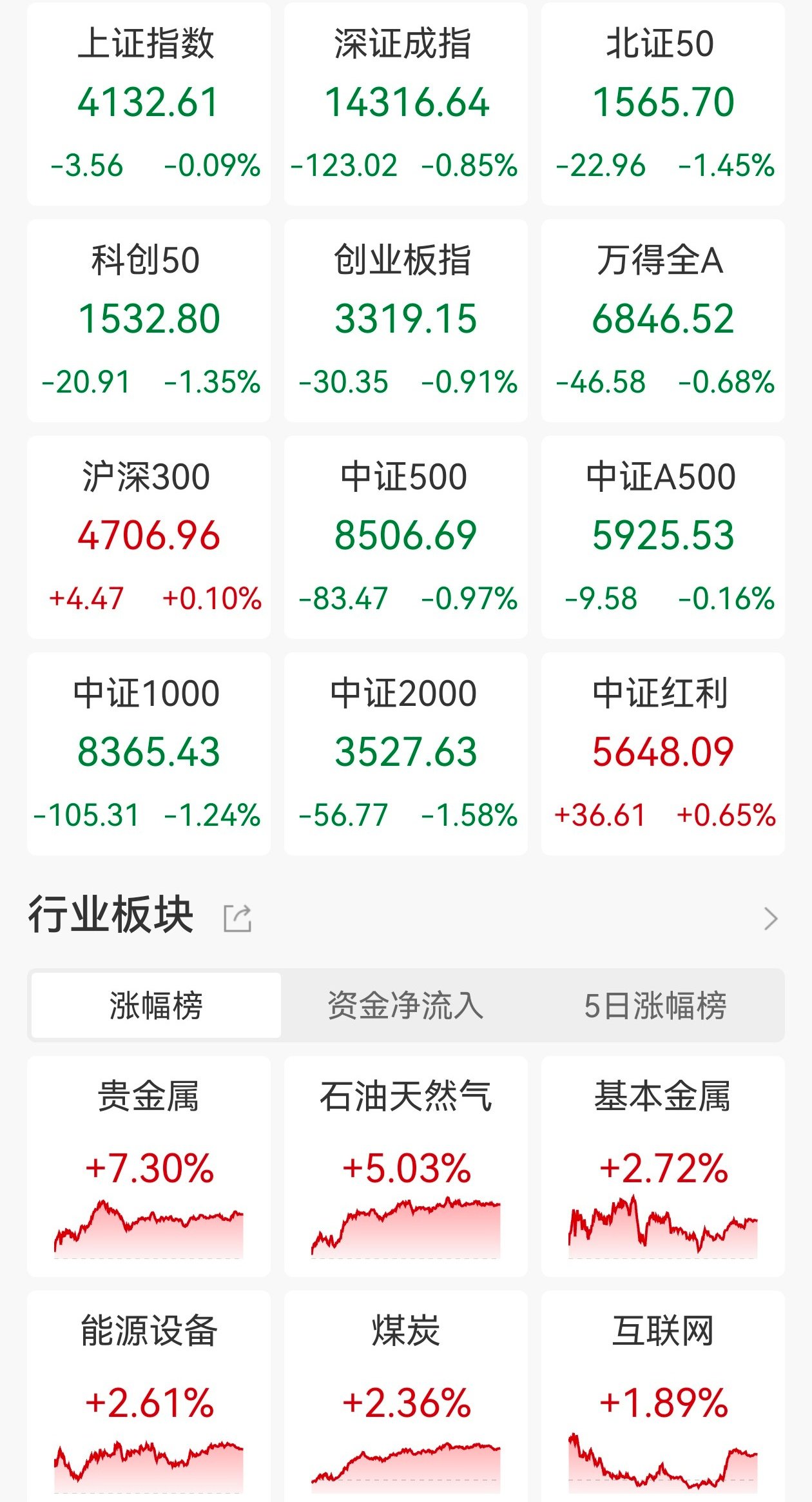
A股收评:成交额3.28万亿元!三大指数集体下跌,贵金属、生物疫苗股逆市大涨
Ge Long Hui· 2026-01-26 07:11
Market Overview - The three major A-share indices collectively declined, with the Shanghai Composite Index down 0.09% to 4132 points, the Shenzhen Component Index down 0.85%, and the ChiNext Index down 0.91% [1] - The total market turnover reached 3.28 trillion yuan, an increase of 162.5 billion yuan compared to the previous trading day, with over 3700 stocks declining [1] Sector Performance - Precious metals and gold concepts surged, with multiple stocks such as Xiaocheng Technology, Western Gold, and Hunan Silver hitting the daily limit [1] - The outbreak of the Nipah virus in India led to a rise in the biopharmaceutical sector, with stocks like Cap Bio also hitting the daily limit [1] - The non-ferrous metals sector saw gains, with stocks like Xingye Silver and Tin also reaching the daily limit [1] - The oil, insurance, and influenza sectors performed well, showing significant gains [1] - Conversely, the commercial aerospace and satellite internet sectors experienced a sharp decline, with stocks like China Satellite and Aerospace Development hitting the daily limit [1] - The 6G concept sector fell, with Yaguang Technology dropping over 13% [1] - The military industry sector also declined, with stocks like Chaojie Co. falling over 10% [1] - Sectors such as LiDAR, AI chips, and humanoid robots faced significant losses [1] Fund Inflow and Performance - The top sectors by net fund inflow included oil and gas (+7.30%), precious metals (+5.03%), and basic materials (+2.72%) [2] - Other sectors showing positive performance included coal (+2.61%), energy equipment (+2.36%), and the internet sector (+1.89%) [2]

万集科技:预计2025年净亏损1.35亿元-1.85亿元
Ge Long Hui· 2026-01-23 10:45
Core Viewpoint - The company expects a net profit attributable to shareholders in 2025 to be between -185 million and -135 million yuan, with operating revenue projected to be between 1.075 billion and 1.115 billion yuan [1] Group 1: Financial Performance - The company anticipates a significant improvement in operating revenue, achieving over 15% growth in 2025, driven by the integration of vehicle-road-cloud systems and the digital transformation of highway infrastructure [1] - Revenue from smart connected vehicles, LiDAR, and dynamic weighing businesses is expected to grow by more than 20% year-on-year [1] - Despite improvements in net profit and operating cash flow, the company will still report a net loss in 2025 due to ongoing high investments in market and research and development [1] Group 2: Cost Management and Receivables - The company has implemented stronger cost control measures, resulting in a decrease in period expenses year-on-year [1] - Efforts to enhance the collection of accounts receivable have led to a reduction in credit impairment provisions compared to the previous year [1]

达沃斯“捕获”中国企业家:出海不当“搬运工”,主导全球汽车充电规则,牵手英伟达不被“低估”|一探
Di Yi Cai Jing· 2026-01-23 01:17
Core Viewpoint - The article highlights the current state of Chinese companies going global, emphasizing the importance of effectively communicating their technological advancements and innovation stories to the world [1] Group 1: Company Insights - BYD's Executive Vice President, Li Ke, stated that the company's plug-in hybrid technology can replace traditional fuel vehicles on a one-to-one basis, and its fast-charging technology allows electric vehicles to charge at speeds comparable to refueling [1] - Li Yifan, CEO of Hesai Technology, noted that hard tech companies often struggle with external communication, leading to an underestimation of China's technological capabilities by international partners [1] - Longi Green Energy's Vice President and North America President, Luo Xin, emphasized that the company's competitive edge lies not only in solar technology but also in creating a comprehensive clean energy system that includes photovoltaics, energy storage, and hydrogen energy [1] Group 2: Industry Trends - The "wild capture" interviews reveal a common challenge for Chinese companies: how to better narrate their innovation stories to the world while possessing strong technological advantages [1] - The shift from being "underestimated" to "actively communicating" reflects a new phase for Chinese companies in technology export, focusing on value dissemination rather than just product output [1] - Chinese enterprises are learning to articulate their core strengths in a language that resonates globally, marking a significant evolution in their international engagement strategies [1]




李一帆:破解真实世界痛点,机器人技术解锁物理世界新可能
Di Yi Cai Jing· 2026-01-22 12:36
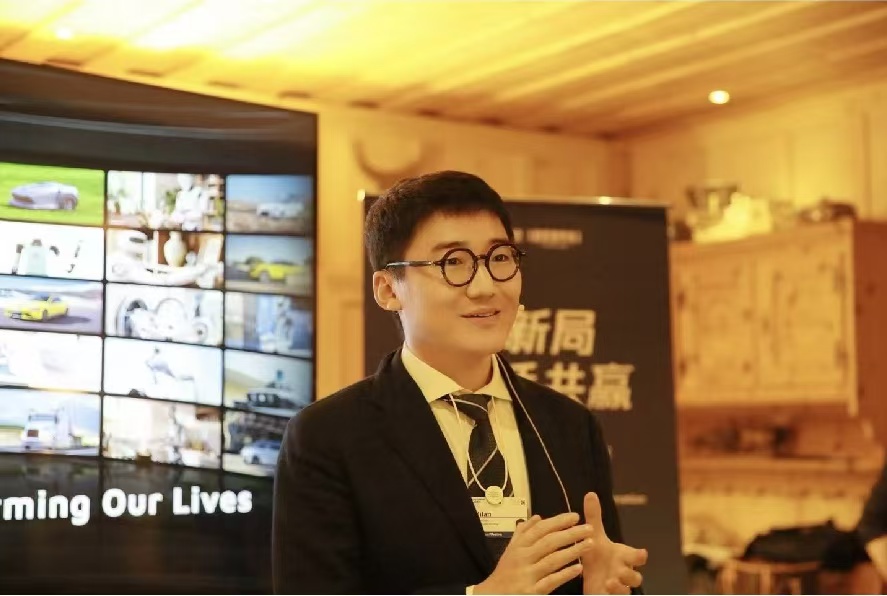
禾赛科技首席执行官李一帆受邀出席,并围绕"速度与底线:智能时代的全球基础设施新对话"主题发表演讲。 瑞士时间1月21日,在达沃斯举办的世界经济论坛2026年年会召开期间,由腾讯新闻、腾讯财经主办、第一财经Yicai Global作 为独家英文合作媒体的2026冬季达沃斯愿景晚宴在达沃斯当地举行。来自国内外30余位著名学者、商业精英和政界人士,围 绕"智绘新局,对话共赢"这一主题,共同探讨人工智能(AI)发展新趋势,寻找经济发展新动能。 李一帆以自身创业经历为切入点,用激光雷达的国产化突围案例,印证了中国科技企业的核心竞争力。他回忆,十几年前从 硅谷回国创业时,激光雷达行业被美国完全垄断,单台价格高达5万美元的"天价壁垒"。而在量产领域,尤其是在中国客户也 领先的领域,中国企业做这种技术就会变得非常的有优势。这种优势不仅因为制造业强,而且归功于企业面向的客户也厉 害,是从供应链到需求都占据优势。结合国内新能源汽车产业的领先优势与头部车企的庞大需求,禾赛科技在去年将激光雷 达价格压缩至200美元、降幅达99.7%,量产规模实现跨越式增长。 谈及禾赛在全球市场突围后的困境,李一帆坦言,2020年公司产品覆盖全球,却 ...

中国人寿海外公司多措并举,支持香港金融中心发展
Jing Ji Wang· 2026-01-22 09:48
为深化香港另类投资行业的交流与合作,助力香港另类资本市场持续发展,中国人寿海外公司在2025年 成功主办了"香港另类投资策略会——拓展新局,共赢未来",近800位专家齐聚,探讨另类投资机遇。 香港作为桥头堡的独特地位,为保险资金挖掘另类机会提供广阔空间。此外中国人寿海外公司还定期举 办香港保险资管论坛、投资洞见沟通会、保险资金投资分享会等高端投研活动,汇聚香港头部机构共商 投资策略,有力提升了香港作为国际保险与资管枢纽的地位,促进跨境合作与创新。 中国人寿海外公司通过投资业务拓展、论坛平台搭建等多维度举措,坚定支持香港提升国际金融中心地 位。其作为中资机构的桥头堡作用,将继续深化协同,助力香港金融市场繁荣与国家战略实施,实现共 赢发展。 2025年中国人寿海外公司参与多宗香港H股IPO,支持联交所18A章程(允许未盈利生物科技公司上 市),积极投资半导体、AI、医疗等热点领域企业,支持优秀中资企业在IPO中获得合理定价,繁荣香 港金融市场。中国人寿海外公司通过半导体、AI、医疗等赛道的多只私募股权基金,积极参与到多个 明星创新企业的股权投资,其中部分亮点企业包括: 禾赛科技:全球3D传感器领域的领先者,致力于 ...

深圳外贸蝉联内地城市首位
2 1 Shi Ji Jing Ji Bao Dao· 2026-01-22 09:34
21世纪经济报道记者 李金萍 深圳报道 1月22日,21世纪经济报道记者从深圳海关获悉,2025年,深圳全年进出口总额达4.55万亿元人民币,同比增长1.4%。规模再创 历史新高,继续位居内地城市首位,出口实现"33连冠"。 全国城市中,外贸总额超过4万亿的外贸城市,只有深圳和上海。外贸总额3万亿的城市中,有北京一座城市。外贸规模第四大 市苏州(2025年为28119.26亿元)距离3万亿仅一步之遥。昨日上海公布外贸数据,2025年1-12月,上海实现外贸进出口总额 45103.40亿元,比上年同期增长5.6%。其中,出口20150.38亿元,增长10.8%;进口24953.02亿元,增长1.8%。 从体量看,深圳进出口规模连续6年保持正增长,占全国进出口总额的10%;占广东全省比重达48%,对全省增长贡献率达 15.5%,在稳住外贸基本盘中发挥"压舱石"作用。 从结构看,深圳出口规模长期保持领先,全年出口2.74万亿元;进口更是值得关注,全年进口1.81万亿元,增长8%,对全省进 口增长贡献率达53.2%,这意味着深圳不仅"卖得出去",更"接得住、用得好",以开放的需求端,推动全球资源要素高效流动。 企业集 ...

2025年机器人激光雷达行业词条报告
Tou Bao Yan Jiu Yuan· 2026-01-21 12:56
Investment Rating - The report indicates a strong growth potential for the robot lidar industry, with a compound annual growth rate (CAGR) of 29.19% from 2020 to 2024 and an expected CAGR of 15.87% from 2025 to 2030, suggesting a positive investment outlook for the sector [4][57]. Core Insights - The robot lidar industry is characterized by technological intensity, cost reduction, and a shift from automotive dominance to a balanced focus on both automotive and robotics applications. The market size is projected to grow from 62.23 billion RMB in 2020 to 173.31 billion RMB in 2024, driven by the explosion of the robotics industry and domestic substitution [4][57]. - The industry is undergoing a cost revolution, with high-end product prices dropping from $5,000 in 2021 to 2,000-3,000 RMB by 2025, influenced by chip design, scale effects, and accelerated domestic supply chain development [20][61]. - The application scenarios for lidar are diversifying, expanding from the automotive sector to various fields, including service robots, logistics, and security, with significant growth in demand for humanoid robots [21][59]. Summary by Sections Industry Definition - Robot lidar serves as the core sensor for providing three-dimensional vision to robots, essential for high-precision, all-weather perception. The technology has evolved through mechanical rotation, semi-solid, and solid-state designs to enhance reliability and reduce costs [5]. Industry Characteristics - The robot lidar industry is a high-tech, research-driven sector with significant cost reductions and price wars reshaping market dynamics. The application scenarios are diversifying, with rapid growth in the robotics market [18]. Development History - The industry has evolved through three phases: initial experimentation (1960s-2000), industrialization and rapid growth (2001-2015), and large-scale application and maturity (2016-present) [23]. Industry Chain Analysis - The industry chain consists of upstream core components, midstream manufacturing and integration, and downstream application scenarios. Domestic substitution is advancing, with significant improvements in the localization of core components and algorithms [27][28]. Market Size - The market size for robot lidar is expected to grow from 193.68 billion RMB in 2025 to 404.52 billion RMB by 2030, with a CAGR of 15.87%. The growth is driven by the rapid expansion of the robotics industry and increasing penetration rates of lidar in various applications [57][61]. Competitive Landscape - The competitive landscape is characterized by a concentration of market share among leading companies such as Hesai Technology and RoboSense, with a projected market share of 95% for the top four companies in the overall lidar market [75][80]. The competition is shifting towards ecosystem collaboration, integrating lidar with algorithms and downstream applications [81].
智感跃迁——机器人激光雷达在三维视觉革命中的技术进化与市场重构 头豹词条报告系列
Tou Bao Yan Jiu Yuan· 2026-01-21 12:24
Investment Rating - The report rates the robot lidar industry with a strong growth outlook, projecting a compound annual growth rate (CAGR) of 29.19% from 2020 to 2024 and 15.87% from 2025 to 2030, indicating robust market potential [4][57]. Core Insights - The robot lidar industry is characterized by technological intensity, cost reduction, and a shift from automotive dominance to a balanced market between automotive and robotics applications. The market size is expected to grow from 62.23 billion RMB in 2020 to 173.31 billion RMB in 2024, driven by the explosion of the robotics industry and domestic substitution [4][57]. - The industry is undergoing a cost revolution, with high-end product prices dropping from $5,000 in 2021 to 2,000-3,000 RMB by 2025, influenced by chip design, scale effects, and accelerated localization of the supply chain [20][61]. - The application scenarios for lidar are diversifying, with significant growth in both automotive and robotics sectors, particularly in service robots and autonomous vehicles [21][59]. Summary by Sections Industry Definition - Robot lidar serves as the core sensor for providing three-dimensional vision to robots, essential for high-precision, all-weather perception. The technology has evolved through mechanical rotation, semi-solid, and solid-state designs to enhance reliability and reduce costs [5]. Industry Characteristics - The robot lidar industry is a high-tech, research-driven sector with significant cost reductions reshaping market dynamics. The application scenarios are becoming increasingly diverse, with rapid growth in the robotics market [18]. Development History - The industry has evolved through three phases: initial experimentation (1960s-2000), industrialization and rapid growth (2001-2015), and large-scale application and maturity (2016-present) [23]. Industry Chain Analysis - The industry chain consists of upstream core components, midstream manufacturing and integration, and downstream application scenarios. The domestic substitution is progressing rapidly, with significant improvements in localization across all segments of the supply chain [28][29]. Market Size - The market size for robot lidar is projected to grow from 193.68 billion RMB in 2025 to 404.52 billion RMB by 2030, with a CAGR of 15.87%. The growth is attributed to the rapid expansion of the robotics industry and increasing penetration rates of lidar in various applications [57][61]. Competitive Landscape - The competitive landscape is characterized by a tiered structure, with leading companies like Hesai Technology and RoboSense dominating the market. The market concentration is expected to increase, with top firms capturing a significant share of the emerging robotics lidar market [75][80].
