
电子电器

Search documents
新年首个“政策包”来了!“含金量”满满
Da Zhong Ri Bao· 2026-01-01 01:53
Core Viewpoint - The first policy package of 2026, consisting of 28 measures, aims to support quality enterprise development and project construction, with 20 measures focused on rewards and subsidies to stimulate market vitality [1] Group 1: Economic Support Measures - The policy list includes five areas with 28 measures, emphasizing the integration of supply to stabilize the economy and enhance service industry support [1] - A total of 500 million yuan is allocated to support new and "quasi-standard" enterprises, with additional funds for modern service projects, particularly in high-end productive services [2] - The government will provide 1 billion yuan to support key projects in marine services and cultural tourism, including discounts for certain tourist attractions [2] Group 2: Industrial and Investment Support - The policy emphasizes "one industry, one policy" to support 12 key industries, including steel and chemicals, and aims to stabilize the construction industry through increased green building material procurement [3] - A total of 5 million yuan is allocated for fixed asset investment assessment rewards, with additional incentives for provincial enterprises in emerging industries [3] - The policy aims to optimize land and carbon emission indicators to ensure the construction of key projects [3] Group 3: International Market Development - The province will provide funding support for enterprises participating in key exhibitions and developing cross-border e-commerce, with a focus on traditional and high-value industries [5] - The "Ten Thousand Enterprises Going Global" initiative will organize over 500 overseas exhibition activities, involving more than 10,000 enterprises [5] - The policy aims to foster the integration of cross-border e-commerce with industrial clusters, supporting around 1,000 enterprises in various aspects of international marketing [5] Group 4: Implementation and Accessibility - The effectiveness of the policy package relies on its implementation, with plans to develop supporting measures and streamline the application process for enterprises [6] - The "Ru Hui Tong" policy platform will be utilized to enhance the accessibility of policy benefits, ensuring that enterprises can quickly access and enjoy the advantages of the new policies [6]
打造一流营商环境,全球投资者到“湾”里来 | 盛会看广东
Sou Hu Cai Jing· 2025-12-30 03:44
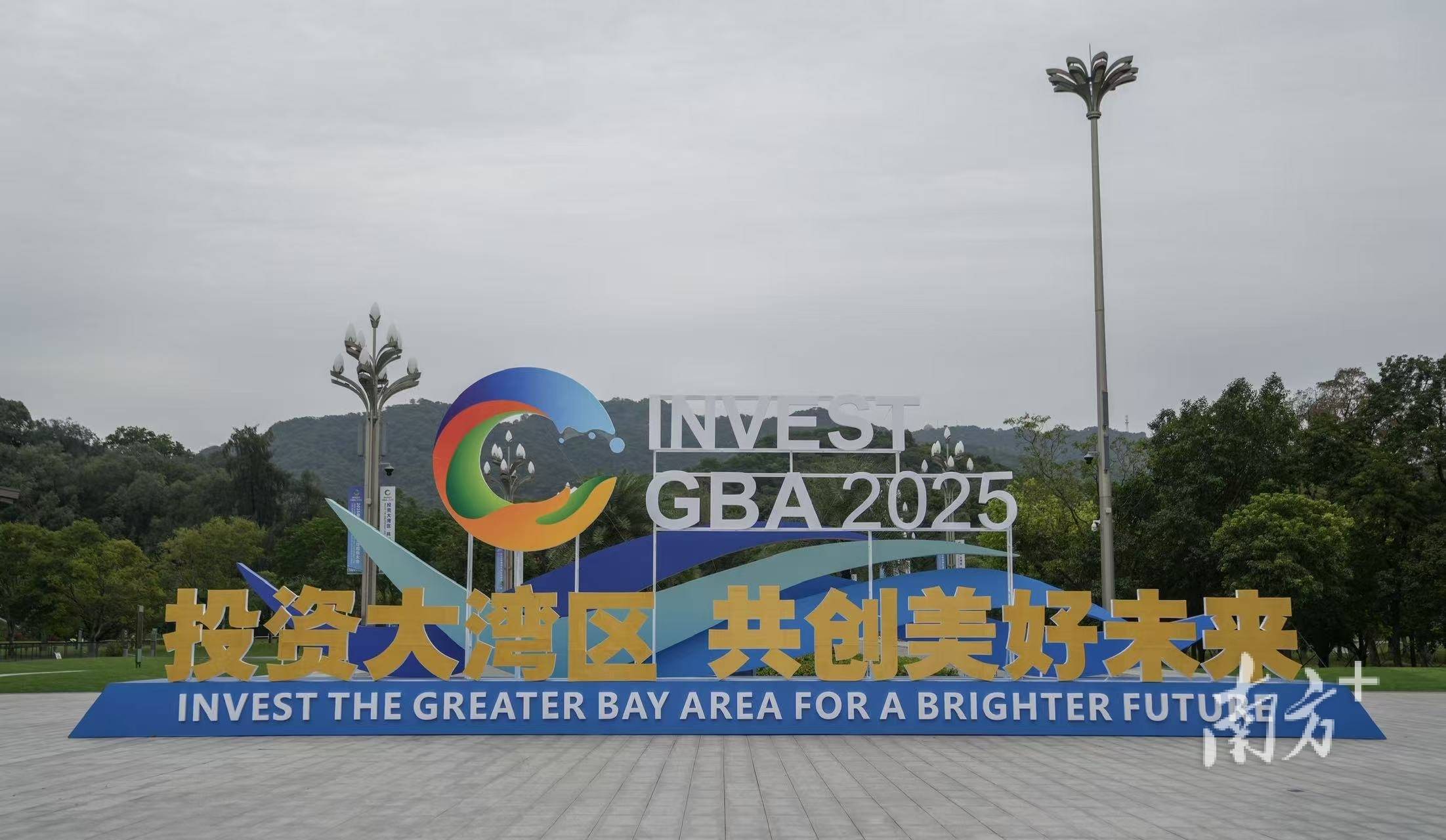
Group 1 - The 2025 Guangdong-Hong Kong-Macao Greater Bay Area Global Investment Conference was held in Guangzhou, featuring 21 key projects for signing and the announcement of the 2024 excellent investment cities list [1] - Over 171 representatives from multinational companies attended the event, highlighting the Greater Bay Area's appeal for foreign investment [1] - Guangdong has established itself as a primary entry point for foreign enterprises into the Chinese market, with ongoing confidence in the Greater Bay Area's development [1] Group 2 - Panasonic has invested over 30 years in the Greater Bay Area, operating 12 enterprises across six cities, with plans to increase production capacity by over 20% in Guangzhou [3] - Amcor plans to invest over 30 million yuan in Huizhou for a new production line and over 60 million yuan in Dongguan for new facilities, indicating strong foreign investment activity [3] - From January to November, Guangdong saw the establishment of 31,000 new foreign enterprises, a growth of 36.1%, with total foreign investment reaching 607.69 billion USD [3] Group 3 - Guangdong has formed nine trillion-yuan industrial clusters and encompasses all 31 categories of manufacturing, showcasing a robust industrial foundation [4] - The province has 20.226 million business entities, including nearly 9.2 million enterprises, leading the nation in total business volume [4] Group 4 - The conference featured a "1+9+N" series of activities aimed at attracting global entrepreneurs and investors to the Greater Bay Area [6] - Guangdong is focused on creating a market-oriented, law-based, and international first-class business environment, with a high online service rate of 92.8% for government services [6] - The province has implemented regulations to optimize the business environment and protect foreign investment rights, ensuring a supportive atmosphere for enterprises [6]

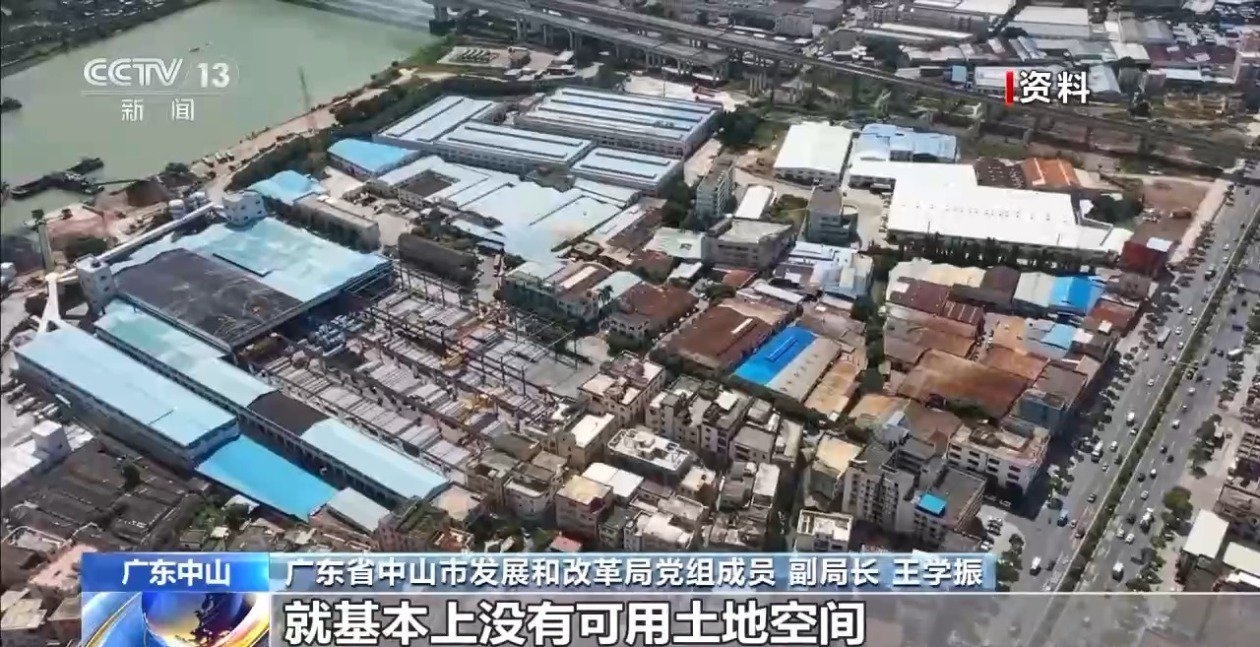
深中通道开通一年半 中山承接湾区产业新机遇
Huan Qiu Wang· 2025-12-28 11:22
Core Insights - The opening of the Shenzhen-Zhongshan Channel has significantly increased traffic, with over 43.2 million vehicle trips recorded, averaging 88,000 trips per day, establishing it as a vital artery in the Guangdong-Hong Kong-Macao Greater Bay Area [1] - Zhongshan is facing challenges related to fragmented and inefficient land use, which hinders its ability to attract and support industrial development [1][3] - The local government is actively pursuing the transformation of low-efficiency industrial parks to enhance land utilization and attract high-quality projects [7] Group 1: Development Opportunities - The Shenzhen-Zhongshan Channel has created new historical opportunities for Zhongshan, facilitating industrial spillover from Hong Kong, Macau, Guangzhou, and Shenzhen [1] - Zhongshan's industrial transformation is underway, with the removal of outdated policies and the repurposing of land to support new projects, such as the technology park developed by Aoni Electronics [7][9] - The city has seen a significant increase in industrial investment, with over 20 billion yuan in new investments triggered by the cleanup of low-efficiency industrial land [10] Group 2: Industrial Transformation - Zhongshan's industrial landscape is characterized by outdated production methods and environmental challenges, necessitating a shift towards high-quality development [5] - The local government aims to synchronize the development of strategic emerging industries with the upgrading of traditional industries, focusing on the entire industrial chain [12] - The city has successfully doubled its industrial investment total since 2022, with an average annual growth rate of 26%, indicating a robust economic transformation [10]
白银价格暴涨:全球新质生产力资源争夺战已经开场
Xin Lang Cai Jing· 2025-12-28 10:10
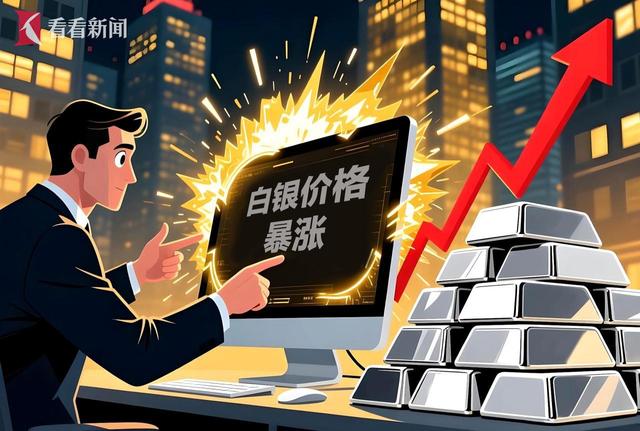
Core Insights - Recent surge in silver prices, with spot silver exceeding $79 per ounce and a year-to-date increase of over 170% [1] - The rise in silver prices is attributed to both financial speculation and fundamental shifts in demand due to its critical role in new energy and AI technologies [1] Demand and Supply Dynamics - Silver is increasingly viewed as a strategic metal, transitioning from being a "shadow" of gold to a necessity in industries such as photovoltaics, AI, and electric vehicles [1] - Demand for silver has outstripped supply for five consecutive years, leading to a ten-year low in inventory levels [1] - The primary source of silver is as a byproduct of copper and zinc mining, making it difficult to increase production [1] Industrial Applications - The industrial sector is the largest consumer of silver, with significant demand driven by photovoltaics, AI servers, electric vehicles, and medical devices [1] - Photovoltaics serve as the primary demand engine, while AI servers require 2-3 times more silver than traditional servers [1] - Electric vehicles also utilize more silver compared to conventional vehicles, indicating a structural and long-term demand increase [1] Economic Implications - The phenomenon of silver being more expensive than oil is seen as a potential warning sign of an economic crisis [2] - Companies are advised to utilize financial tools to stabilize costs and secure long-term contracts to manage price volatility [2] - Emphasis on technological innovation to reduce silver usage in applications like photovoltaic cells and the exploration of alternative materials is crucial [2] Future Outlook - The demand for silver is expected to continue growing, particularly with the expansion of computational infrastructure, leading to a sustained supply-demand gap [2] - Price fluctuations are anticipated to be significant, with high volatility becoming the new norm [2] - Companies that can secure resources, innovate in substitution technologies, and adapt to new development paradigms will thrive in the upcoming industrial revolution [2]
2025年12月全球市场准入资讯
Sou Hu Cai Jing· 2025-12-25 09:51
Group 1 - The announcement from the China Certification and Accreditation Administration (CNCA) clarifies the compliance assessment standards and testing methods for harmful substances in electrical and electronic products under the RoHS directive, providing clear guidance for enterprises [1][2][3] - The compliance assessment activities must follow GB/T 26572-2011 or its amendments until December 31, 2025, and transition to GB 26572-2025 starting August 1, 2027 [2][3] - The new RoHS compliance management directory includes 33 products, consolidating the first batch from 12 to 10 and adding 23 new products, effective from the announcement date [5][6] Group 2 - The international standard IEC PAS 63595:2025 for industrial 5G, co-developed by China and Germany, has been officially released, filling a gap in international standards for industrial 5G applications [4] - The standard provides a unified technical specification for deploying and applying 5G technology in industrial environments, covering the entire lifecycle from planning to optimization [4] Group 3 - The international standard IEC 60068-3-14:2025 for climate environment testing has been published, marking the first standard in this field led by China, providing a unified guideline for climate environment testing sequences [8][9] - The standard aims to ensure product quality and reliability through scientifically defined testing sequences, addressing the growing diversity of applications for electrical and electronic products [9] Group 4 - The new national standard for the use of recycled materials in household appliances (GB/T 46730-2025) has been approved and will take effect on May 1, 2026, promoting green and low-carbon development in the industry [11] - The standard emphasizes the selection of recycled materials that meet performance and environmental requirements, establishing a quality control and traceability mechanism throughout the supply chain [11] Group 5 - The draft standard for energy efficiency of crystalline silicon photovoltaic modules and inverters has been submitted for public consultation, with feedback due by December 26, 2025 [12] - This standard outlines energy efficiency levels and testing methods for photovoltaic components, including various types of grid-connected inverters [12]

全球感知|中企赴泰投资增速逾20% 需防范三大跨境风险
Xin Lang Cai Jing· 2025-12-20 03:36
Core Insights - The "Thailand-China Investment Forum" highlighted the deepening collaboration between Thailand and China, emphasizing the importance of cross-border risk management in areas such as equity structure, tax compliance, and human resource management [1] Group 1: Economic Cooperation - Thailand has been China's largest trading partner for 12 consecutive years and the biggest source of foreign investment [1] - In the first nine months of 2025, Thailand's investment promotion project applications reached 1.37 trillion Thai Baht (approximately 301.4 billion RMB), a 94% year-on-year increase, marking the highest record in 60 years [1] - Chinese investment applications accounted for 839 projects, with an investment amount of 142.9 billion Thai Baht (approximately 32 billion RMB), a 26% year-on-year increase, primarily in the electronics, metals, and automotive sectors [1] Group 2: Strategic Investment Policies - Thailand's "Future-Oriented Strategic Investment" aims to transform the economy from traditional to high-value modern industries, with foreign investment at its core [2] - The government has adjusted electric vehicle policies to accelerate market penetration through subsidies and aims to increase the share of clean energy from 22% to 50% by 2027 [2] - Thailand has signed 17 free trade agreements with 24 countries, enhancing its position as a pharmaceutical production and export hub [2] Group 3: Investment Facilitation - The "Thailand Fast Track" mechanism aims to expedite the approval process for high-value strategic projects, reducing approval times by 20% to 50% [2] - This mechanism applies to projects with a minimum investment of 1 billion Thai Baht and in targeted high-tech industries [2] Group 4: Talent Development - The Thai government plans to train 100,000 skilled professionals to meet the demands of new industries, supported by various training programs [3] - BOI encourages Chinese companies to assist in upgrading local industries, particularly in transitioning traditional automotive suppliers to electric vehicle components [3] Group 5: Compliance Risks - Companies investing in Thailand must pay attention to compliance risks related to equity structure, tax arrangements, and human resource management [5] - The Thai government has established a scrutiny committee focusing on high-risk sectors, and companies in restricted industries must apply for foreign business licenses [5] - Tax compliance is critical, as residing in Thailand for over 180 days may classify individuals as tax residents, requiring global income reporting [5]

十大国产PLM系统,全球供应链协同款!
Sou Hu Cai Jing· 2025-12-18 18:28
Core Insights - The article emphasizes that Product Lifecycle Management (PLM) systems are no longer exclusive to large multinational corporations but are increasingly being adopted by Chinese manufacturing enterprises to enhance their core business processes [2] - Domestic PLM systems are designed to address complex global supply chain challenges, offering unique advantages in aligning with local operational models and facilitating cross-regional and cross-enterprise collaboration [2] Group 1: Collaborative Capabilities of Domestic PLM Systems - To assess whether a PLM system possesses the "global supply chain collaboration" capability, it is essential to examine its internal logic architecture that supports the entire lifecycle data flow from concept to disposal [3] - A significant barrier to global collaboration is "data silos," where different departments may not be able to access or utilize the same data effectively. A robust PLM system acts as a powerful data hub, enforcing a single source of truth for all participants [4] - Real-time and transparent data synchronization in PLM systems helps avoid rework and waste caused by information delays, with experts noting that the success of PLM implementation largely depends on the standardization and unified management of data [4] Group 2: Process Integration and Automation - The core value of collaborative PLM lies in managing processes rather than just outcomes, enabling the automation of complex engineering change processes and new product introduction workflows [5] - In a collaborative PLM environment, all relevant personnel receive tasks and can view change details, comment, and approve online, significantly speeding up decision-making and ensuring compliance and consistency in processes [5] Group 3: Overview of Leading Domestic PLM Systems - The article identifies ten prominent PLM systems in the domestic market based on market share, technological advancement, industry reputation, and supply chain collaboration features [6] - CAXA PLM is highlighted as a leading solution, providing an integrated platform that connects design and manufacturing processes, showcasing its capability to manage complex product data effectively [9] - Other notable systems include Yonyou PLM, Kingdee PLM, and Siemens Teamcenter (localized version), each with unique strengths tailored to specific industries [9] Group 4: Future of PLM Systems - The evolution of domestic PLM systems is increasingly focused on "global supply chain collaboration," which is essential for maintaining resilience and agility in a competitive global landscape [10] - The integration of technologies such as artificial intelligence, industrial internet, and digital twin technology is expected to make PLM systems more intelligent and proactive in predicting supply chain risks and optimizing R&D paths [10]

日元迎来30年拐点:日本央行加息至0.75%,宽松时代正式落幕
Xin Lang Cai Jing· 2025-12-16 23:42
Group 1 - Japan's manufacturing activity showed a slower contraction in December, with the PMI rising from 48.7 in November to 49.7, remaining below the expansion threshold of 50 for the sixth consecutive month [1][36] - The service sector's growth momentum weakened, with the service PMI declining from 53.2 to 52.5, leading to a composite PMI drop from 52.0 to 51.5 [2][37] - Despite a slowdown in factory output, the pace of declining goods demand has eased to the lowest level in a year and a half, indicating potential stabilization in the manufacturing sector [2][37] Group 2 - Japan's government approved an additional budget of 18.3 trillion yen (approximately 118 billion USD) for the fiscal year 2025, marking the largest economic stimulus plan since the COVID-19 pandemic [3][38] - The budget is significantly higher than the previous year's 13.9 trillion yen and is primarily financed through new debt issuance, reflecting a proactive stance on economic support [3][38] Group 3 - The Bank of Japan is expected to raise the short-term policy interest rate from 0.5% to 0.75%, the highest level in 30 years, signaling a move towards monetary policy normalization [4][40] - This rate hike is driven by persistent inflation pressures, with Japan's inflation rate remaining above the 2% target for nearly four years [6][51] - The central bank's confidence in a wage-inflation cycle is bolstered by expectations of significant wage increases due to labor shortages [6][41] Group 4 - Japan's fiscal spending is expanding, with the initial budget for the fiscal year 2026 projected to exceed 120 trillion yen, driven by rising social welfare costs and defense spending [4][39][54] - Concerns over fiscal sustainability are growing as the government prepares to issue a large volume of bonds, pushing the benchmark 10-year government bond yield to an 18-year high [4][54] Group 5 - In the U.S., November non-farm payrolls increased by 64,000, rebounding from a decline of 105,000 in October, indicating resilience in the labor market despite trade policy uncertainties [7][42] - The unemployment rate rose to 4.6%, influenced by a 43-day government shutdown that distorted data collection [7][42] - Retail sales in October remained flat, reflecting cautious consumer spending amid rising living costs, with core retail sales showing a 0.8% increase [7][45][46] Group 6 - U.S. business activity growth slowed to a six-month low in December, with the composite PMI dropping from 54.2 to 53.0, indicating weakening demand in both manufacturing and services [12][47] - Input price inflation reached a near three-year high, reinforcing concerns about persistent inflation [12][49]
今年前11个月我国累计开展消费品召回924次
Yang Shi Xin Wen· 2025-12-16 22:27
Group 1 - The core viewpoint of the articles highlights the significant increase in product recalls in China, with a total of 924 recalls conducted in the first 11 months of the year, involving 5.33 million products, representing a year-on-year increase of 25.13% in the number of recalled items [1][2] Group 2 - Among the recalls, 857 were influenced by investigations, accounting for approximately 92.75% of total recalls, involving 4.10 million defective products, which is about 76.93% of the total recalled quantity [1] - Children's products had the highest number of recalls, totaling 300, which represents 32.47% of the total recalls from January to November [1] - In terms of quantity, electronic appliances had the largest recall volume, with 1.48 million products involved, making up 27.77% of the total recalls [1] Group 3 - A notable trend is the significant increase in recalls of products sold online, particularly in the case of power banks, where 1.18 million units were recalled, accounting for 79.6% of electronic appliances recalled in 2025, with over 90% of problematic power banks recalled through online channels [1] - Cumulatively, 6.30 million electric bicycles and their components have been recalled [1] - Since the implementation of the consumer product recall system in 2007, a total of 6,909 recalls have been conducted, involving 111 million items, with 6,266 recalls influenced by market regulatory investigations, affecting 76.91 million products [2]
前11月深圳海关自贸协定出口享惠货值超千亿元
Zhong Guo Xin Wen Wang· 2025-12-10 09:11
Core Insights - Shenzhen Customs issued 384,000 certificates of origin under free trade agreements for over 5,170 enterprises from January to November this year, involving a total value of 104.64 billion yuan, covering various sectors including electromechanical products and new energy vehicles [1] Group 1: Impact on Companies - Zhaochi Company reported that the certificate for exporting liquid crystal televisions saved nearly 10,000 yuan in costs, enhancing price competitiveness in international markets [1] - Zhaochi Company applied for 544 certificates of origin with a total value of 460 million yuan, resulting in a tax reduction of 16.458 million yuan, which supports market share expansion [1] - BYD Auto Industry Co., Ltd. benefited from the free trade agreement policies, applying for over 4,600 certificates of origin with a value exceeding 10.1 billion yuan [1] Group 2: Customs Initiatives - Shenzhen Customs is focusing on key enterprises, systematically reviewing free trade agreements and origin rules, and continuously expanding the range of preferential measures for enterprises [2]

