文化旅游

Search documents
“演出+”“赛事+”“科技+”……假期文旅市场持续升温——文旅场景上新 消费活力焕新
Xin Hua Wang· 2025-10-02 23:21
Core Insights - The cultural and tourism consumption is experiencing a surge during the National Day and Mid-Autumn Festival holidays, driven by various activities and government initiatives [1][5] - The Ministry of Culture and Tourism has launched a nationwide cultural and tourism consumption month, featuring over 29,000 events and distributing more than 480 million yuan in subsidies [1] Group 1: Cultural and Tourism Activities - New immersive experiences, such as the semi-mobile music drama "Yao Xi Sheng," are attracting audiences by blending traditional culture with modern technology [2] - Visitors are increasingly seeking deeper, personalized cultural experiences, such as traditional craftsmanship and creative cultural products [3] Group 2: Event-Driven Travel - Sporting events are becoming a new trend in travel, with initiatives like ticket discounts and local consumption vouchers enhancing the experience for attendees [4][5] - The integration of sports events with tourism is stimulating new consumption patterns, as seen in the initiatives in Suining and Chengdu [4] Group 3: Technological Integration - Innovative cultural spaces, such as the M511 Light and Shadow Hub in Hangzhou, are utilizing technology to create immersive experiences that attract visitors [7] - The combination of technology and art is enriching the cultural tourism offerings, exemplified by VR exhibitions and interactive installations [7] Group 4: Diverse Cultural Products - Unique performances, like the "Ice Glacier Pearl" water dance show in Xinjiang, highlight the integration of technology and cultural elements, enhancing the appeal of tourism products [8] - The blending of tourism with agriculture and industry is leading to a more diverse range of cultural tourism products [8]
一河清水润齐鲁——山东系统治理推进美丽河湖建设观察
Xin Hua She· 2025-10-02 22:01
Core Insights - Shandong has adopted a systematic approach to address river and lake governance challenges, focusing on "pollution co-governance, resource sharing, and ecological prosperity" [1] Group 1: Water Quality Improvement - The Yihe River has transformed from a heavily polluted waterway to a source of pride for local residents, now referred to as the "most beautiful hometown river" [3] - Since 2006, significant efforts have been made to control pollution sources, including shutting down over 290 outdated enterprises and more than 140 coal-fired boilers, leading to a shift towards "ecological industry + green manufacturing + industrial clusters" [2][3] Group 2: Water Resource Management - Despite having seven major rivers, Feicheng faces a water scarcity issue, with per capita water resources at only 271 cubic meters, which is 12.9% of the national average [6] - The city has implemented a water resource allocation system that integrates "saving, diverting, storing, and using," promoting a circular model of "wastewater - reclaimed water - industrial water" across 12 cities in the province, achieving an annual reclaimed water utilization of over 1 billion cubic meters [7] Group 3: Economic Development through Ecological Initiatives - The integration of river and lake governance with industrial development has led to a transformation where good water quality enhances economic value, exemplified by the production of high-value crops like rich-zinc apples and cherries, generating annual outputs of 30 billion and 1.39 billion respectively [9] - The Bai Lu Bay cultural tourism development in Rizhao has attracted nearly 600,000 visitors in 2024, generating revenue of 26.36 million, showcasing the potential of eco-tourism [8][9]

“演出+”“赛事+”“科技+”……假期文旅市场持续升温 文旅场景上新 消费活力焕新(文化中国行)
Ren Min Ri Bao· 2025-10-02 21:56
Core Insights - The cultural and tourism consumption is experiencing a surge during the National Day and Mid-Autumn Festival holidays, driven by various activities and government initiatives [1][5]. Group 1: Cultural and Tourism Activities - The Ministry of Culture and Tourism has launched a nationwide cultural and tourism consumption month, featuring over 29,000 events and distributing more than 480 million yuan in subsidies [1]. - New business models and immersive experiences are emerging, enhancing travel options and visitor engagement [1][3]. - The premiere of the immersive music drama "Yao Xi Sheng" in Shanghai showcases a blend of traditional culture and modern technology, attracting diverse audiences [2]. Group 2: Consumer Engagement and Experience - Tourists are increasingly seeking deeper, personalized cultural experiences, such as traditional crafts and local specialties [3]. - In Sichuan, events linked to sports, like football matches, are driving tourism, with discounts and incentives for ticket holders [4][5]. - The integration of technology and art in cultural spaces, such as the M511 Light and Shadow Hub in Hangzhou, is creating new immersive experiences for visitors [7]. Group 3: Innovative Cultural Products - The use of advanced technologies like VR and AI in cultural exhibitions is enhancing visitor engagement and creating unique experiences [7][8]. - The combination of tourism with agriculture and industry is leading to a richer supply of cultural tourism products, exemplified by the water dance show in Xinjiang [8].
“又新又潮又好玩”!解码新消费图景 百亿元大项目如何影响你我?划重点↓
Yang Shi Wang· 2025-10-02 02:36
Core Insights - The article highlights the vibrant activities at the Longfu Temple in Beijing during the National Day and Mid-Autumn Festival, showcasing a blend of cultural heritage and modern consumer experiences [1][2]. Group 1: Event Highlights - The Longfu Temple is hosting a national showcase of over a hundred time-honored brands, featuring local specialties, traditional Chinese medicine, and arts and crafts [2][4]. - The Beijing Time-Honored Food Culture Activation Exhibition is also taking place, presenting a panoramic view of traditional Beijing dining through the theme "Three Meals in Four Seasons" [6]. Group 2: Government Support and Initiatives - The Ministry of Finance and the Ministry of Commerce announced a plan to support consumption innovation across approximately 50 cities, allocating 200 million to 400 million yuan per city [10]. - The initiative aims to enhance the first-release economic service system by promoting flagship stores and hosting various first-time events in sectors like fashion, electronics, and beauty [12]. - It also focuses on creating diverse service consumption scenarios, integrating commerce, tourism, and culture, and upgrading traditional shopping areas into multi-functional consumption spaces [13]. Group 3: Future Consumption Trends - The article suggests that the future of consumption will involve immersive experiences that blend traditional culture with modern activities, such as attending folk music events or visiting repurposed industrial spaces [20]. - It emphasizes that the 100 billion yuan funding is intended to foster new lifestyles and consumption patterns, indicating a deep structural upgrade in consumer behavior [16][20]. - The potential for retail growth is significant, with projections indicating that China's total retail sales could exceed 50 trillion yuan by 2025, driven by innovative and engaging consumer experiences [21].
“十一”假期湖北文旅新场景点燃游客出游热情
Zhong Guo Xin Wen Wang· 2025-10-02 01:56
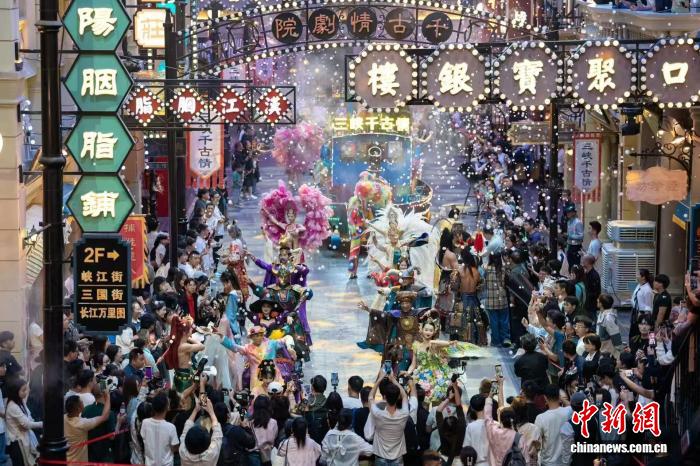
"十一"假期湖北文旅新场景点燃游客出游热情 中新网武汉10月1日电 (记者 梁婷)记者10月1日从湖北省文旅厅获悉,"十一"假期,该省推出丰富优 质、独具特色的文旅产品,激发游客出游热情。 "十一"假期期间,2025长江文化艺术季持续升温,"灵动长江"舞台艺术精品展、"映像长江"电影周等主 题活动将陆续推出900多场展演展出。全省图书馆、文化馆和基层文化站开展多场"村晚""村歌""全民阅 读"等文化惠民活动。2025国潮音乐嘉年华等160余场营业性演出活动为游客带来视听盛宴。千余场文旅 商体系列活动,整合文旅、商务、体育等多领域资源,满足市民和游客多样化需求,激活假日经济。 湖北推出160多项"文旅+"新产品,丰富节日文旅产品供给。十堰"武当一梦"园区推出裸眼3D穹幕剧 场、VR穿越体验、天幕电竞馆等数字科技奇观,让游客在虚实之间畅游武当。孝感市云梦祥云湾文旅 街区、十堰市竹溪武陵不夜城、黄冈市黄梅东山问梅村等60多个夜间文旅消费集聚区,推出音乐会、国 潮秀、烟花秀等260多场夜游促消费活动,打造灯火可亲、人气兴旺的假日夜场景。 本文为转载内容,授权事宜请联系原著作权人 中新经纬版权所有,未经书面授权,任何单 ...
周乃翔调度国庆中秋假期安全防范工作
Da Zhong Ri Bao· 2025-10-02 01:19
Core Points - The article emphasizes the importance of safety measures during the National Day and Mid-Autumn Festival holiday, highlighting the need for effective risk management to ensure public safety and stability [1] Group 1: Safety Measures - The provincial government is focusing on enhancing safety responsibilities across various sectors, including transportation, tourism, and emergency response [1] - There is a call for thorough inspections and rectifications of potential hazards in crowded places and specific small venues [1] - The government aims to strengthen safety governance in industries such as chemicals, mining, firefighting, gas, construction, and maritime [1] Group 2: Emergency Preparedness - The article mentions the importance of weather forecasting and pre-positioning of emergency response teams and materials to handle significant weather events [1] - It stresses the need for effective traffic management and safety supervision to ensure smooth travel and consumer needs during the holiday [1] - The government is committed to maintaining food and drug safety standards while enhancing overall social security measures [1]
商圈经济亮点纷呈
Jing Ji Ri Bao· 2025-10-02 00:42
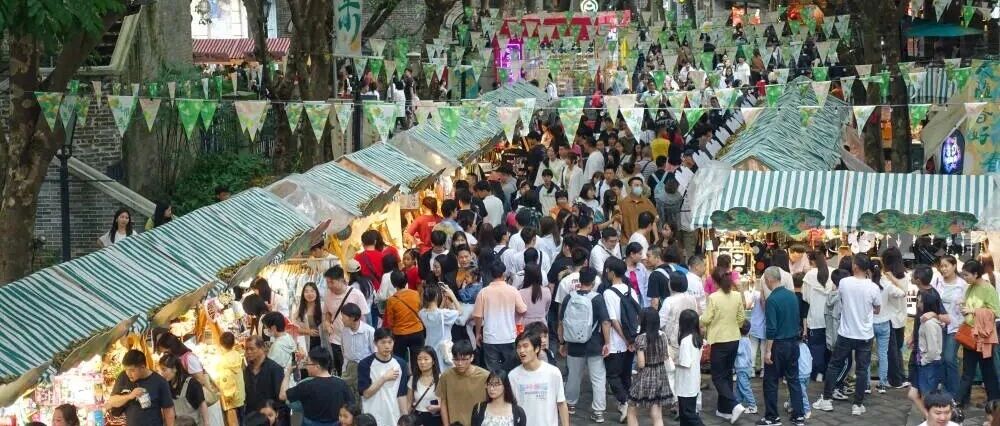
Core Insights - The National Day and Mid-Autumn Festival holidays have become a critical period for various commercial districts to enhance competitiveness through innovative business models and immersive experiences [1][2][3] Group 1: Event-Driven Consumption - Major sports events like the China Open and WTT Grand Slam in Beijing have significantly boosted sports-related consumption and revitalized surrounding commercial areas [1] - The introduction of limited edition merchandise during these events has created high demand among fans and tourists, highlighting the connection between sports and local culture [1] Group 2: Innovative Consumption Models - Beijing's Chaoyang District has launched a "Park + Business District" model, linking cultural experiences with shopping, which is expected to increase foot traffic by approximately 10% [2] - The emphasis on interactive and engaging consumption experiences has become a key strategy for attracting younger consumers and extending their time spent in commercial areas [2] Group 3: Technology Integration - Shanghai's Jing'an District has introduced a multi-faceted platform that utilizes data to enhance consumer experiences and optimize business operations, including the launch of the "Jing'an GO Consumption Wristband" [3] - This platform aims to break down physical barriers between commercial areas and cultural sites, providing consumers with immersive and interactive experiences [3] Group 4: Cultural and Technological Exhibitions - Chengdu's Kuanzhai Alley has partnered with local educational institutions to create interactive cultural exhibitions, enhancing visitor engagement and extending their stay [4] - The focus on unique thematic IPs aims to provide memorable experiences for tourists, showcasing the city's distinctive charm [4]
商圈经济亮点纷呈 ——假期市场热点见闻①
Jing Ji Ri Bao· 2025-10-01 22:21
Core Insights - The National Day and Mid-Autumn Festival holidays have become a critical period for various commercial districts to enhance competitiveness through innovative business models and immersive experiences [1][2][3] Group 1: Event-Driven Consumption - Major sports events like the China Open and WTT Grand Slam in Beijing have significantly boosted sports-related consumption and revitalized surrounding commercial areas [1] - The "Flower YOUNG Trendy" consumption season in Beijing's Chaoyang District integrates parks and shopping centers, enhancing cultural experiences and consumer engagement [2] - Shanghai's various festivals and events, such as the International Tea Culture Tourism Festival, have led to the opening of flagship stores and the launch of new products, driving consumer interest [2] Group 2: Innovative Consumer Engagement - The launch of the "Jingan GO Consumption Wristband" in Shanghai aims to enhance consumer experience by providing data-driven insights for optimizing shopping environments and improving service quality [3] - Chengdu's cultural technology exhibition at Kuanzhai Alley features interactive installations that engage visitors, enhancing their overall experience and encouraging social media sharing [3][4] - The focus on thematic IPs in Kuanzhai Alley aims to create unique and memorable experiences for visitors, thereby increasing their engagement and time spent in the area [4]
不止“好玩”,更是“好牌”:沙头角如何撬动深港融合新支点
Nan Fang Du Shi Bao· 2025-10-01 09:54
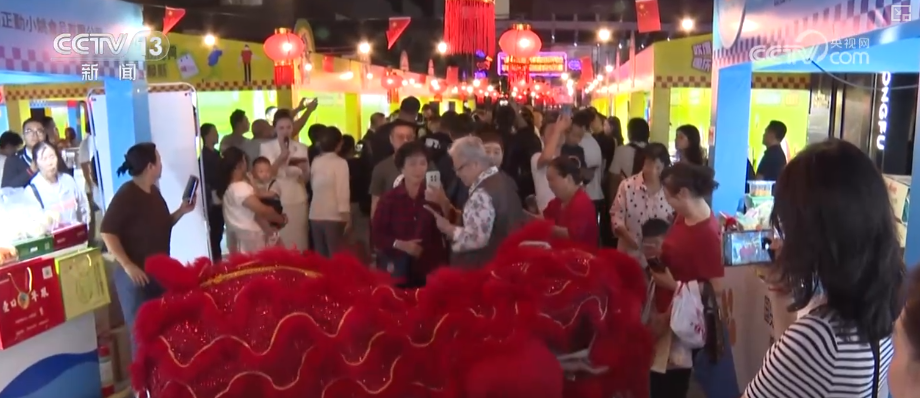
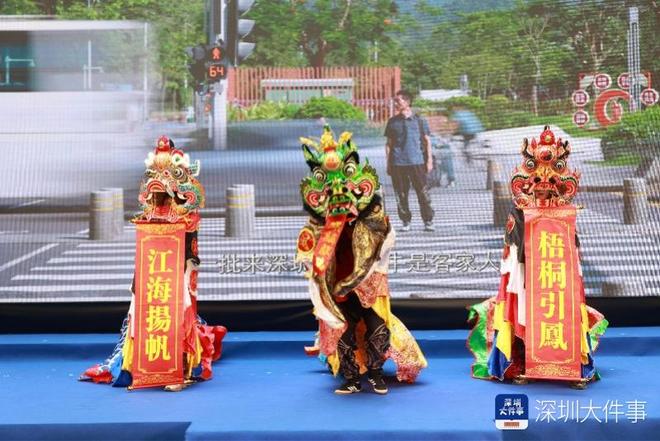
Core Insights - The event titled "潮世界・向未来" is a combination of a serious investment promotion and a vibrant consumer carnival, taking place in Shenzhen's Yantian District, aimed at exploring new paths for economic integration between Shenzhen and Hong Kong [1][15] Investment Promotion - The event showcases a dual strategy: precise investment attraction targeting businesses and immersive consumer experiences for citizens and tourists, reflecting a "dual-driven" model in the development of the "Shenzhen-Hong Kong International Consumption Cooperation Zone" [3] - A total of 12 cooperation agreements were signed with companies across various sectors, including cultural tourism, commerce, and technology, demonstrating substantial outcomes from the Shenzhen-Hong Kong collaboration [14] Consumer Experience - The carnival features diverse consumption scenarios, including music festivals and fashion shows, aimed at activating the "night economy" and exploring new retail formats through live streaming and runway shows [4][11] - The integration of traditional cultural elements, such as the "Shatoujiao Qilin Dance," enhances the event's appeal and interaction with modern commercial forms [10] Cultural and Economic Integration - A month-long "Film Prop Art Exhibition" is a key highlight, featuring immersive recreations of iconic scenes from popular films, which serves as a strategic urban marketing effort to attract younger consumers and convert online interest into offline traffic [13] - The event is positioned as a significant opportunity for regional development, leveraging the area's scenic beauty and business-friendly culture to attract investment and enhance its role in the Guangdong-Hong Kong-Macao Greater Bay Area [14][15]
21社论丨提升文旅体验,满足文旅产业细分的多元化需求
21世纪经济报道· 2025-10-01 02:20
Core Insights - The upcoming 8-day holiday during the National Day and Mid-Autumn Festival in 2025 presents a significant opportunity for the cultural and tourism market, leading to a concentrated release of consumer demand and revealing new trends in the market [1][2] Group 1: Market Trends - There is a notable increase in demand for long-distance and deep travel experiences, with spending on domestic long-distance products seeing a substantial year-on-year growth, particularly in personalized travel options like chartered tours [1] - The Northwest region has emerged as a popular travel destination, with the Northern Xinjiang loop being one of the hottest routes, and overall tourism orders for the Qinghai Plateau's natural scenery increasing by over 80% year-on-year [1] - The integration of cultural tourism and commercial activities is leading to new trends, with a 1.5 times increase in search volume for hotels and attractions near popular event venues, indicating a shift towards traveling in conjunction with events, exhibitions, and competitions [1][2] Group 2: Structural Changes in Consumer Behavior - The cultural and tourism market in China is undergoing a profound structural transformation, shifting from scale expansion to quality enhancement and deeper experiences [2] - Different consumer groups are exhibiting distinct preferences: families favor educational and interactive travel, younger travelers seek emotional and cultural connections, while the elderly prioritize comfort and convenience [2] Group 3: Government Initiatives - The Ministry of Culture and Tourism is organizing a national cultural and tourism consumption month to enhance quality supply and innovate consumption scenarios, aiming to meet the public's demand for a better life [3] - The initiative includes a variety of cultural tourism activities and benefits, with a focus on local cultural characteristics, such as intangible cultural heritage experiences and themed hotels [3] Group 4: Challenges in the Market - The tourism market faces structural challenges, including uneven regional development, inadequate infrastructure, and a lack of differentiated product offerings, which can negatively impact visitor experiences [4] - Issues such as inconsistent service quality and superficial cultural representations in tourism products are also prevalent, affecting visitor satisfaction and repeat visits [4] Group 5: Recommendations for Improvement - To promote high-quality development in cultural tourism, a collaborative governance model involving government, enterprises, communities, and tourists is essential [5] - Enhancements in transportation networks and public services, along with a focus on local cultural heritage, are recommended to shift from homogeneous competition to personalized and customized tourism products [5] - Establishing a comprehensive service quality standard system across the tourism value chain is crucial for improving overall service quality [5]