服装

Search documents
海澜之家:数字化转型与品牌焕新背后的产业升级路径
Nan Fang Du Shi Bao· 2025-12-25 23:17
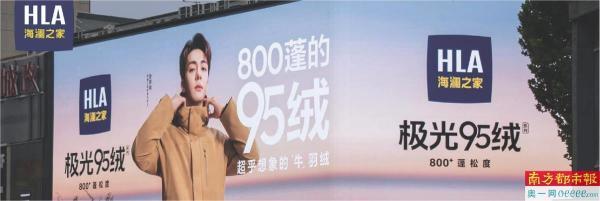
Core Insights - HLA is undergoing a comprehensive transformation to adapt to the changing dynamics of the apparel industry, focusing on product innovation, channel expansion, and brand culture [3][11] - The company is preparing for its IPO on the Hong Kong Stock Exchange, aiming to enhance its market position and brand image while pursuing growth opportunities [10][11] Group 1: Brand Strategy - HLA is transitioning from a "men's wardrobe" to a "family wardrobe" by expanding its brand matrix to cater to diverse consumer needs [4][11] - The company has developed a multi-brand strategy, including women's brand OVV, youth-oriented HLAJEANS, and children's brand YeeHoO, to cover various market segments [4][11] - HLA's international collaborations, such as exclusive agency agreements with HEAD and retail authorization from Adidas, are enhancing its operational capabilities and brand strength in the sports fashion sector [4][11] Group 2: Channel Transformation - HLA is optimizing its offline channel strategy by focusing on quality and experience rather than merely increasing the number of stores, with over 7,200 stores globally by September 30, 2025 [5][11] - The company is expanding its online presence through various platforms, including traditional e-commerce and social media, to engage younger consumers effectively [5][11] Group 3: Innovation and Manufacturing - HLA is increasing its R&D investment to enhance product quality and innovation, introducing new collections that resonate with current consumer trends [6][11] - The company has established a smart factory that integrates advanced technologies like 5G and AI, significantly improving production efficiency and enabling rapid order fulfillment [7][11] Group 4: Brand Culture and Marketing - HLA is focusing on emotional branding by integrating traditional Chinese culture with contemporary values, enhancing its connection with consumers [8][11] - The company is actively involved in sports marketing and cultural events to strengthen its brand identity and community engagement [8][11] Group 5: IPO and Future Plans - The upcoming IPO is a strategic milestone for HLA, with funds aimed at expanding its domestic sales network, enhancing brand building, and pursuing potential acquisitions [10][11] - The company's vision is to evolve into a "super national brand," reflecting its commitment to integrating cultural values and consumer engagement into its business model [10][11]


股市必读:欣贺股份(003016)12月25日董秘有最新回复
Sou Hu Cai Jing· 2025-12-25 18:00
Core Viewpoint - The company, Xinha Co., Ltd. (003016), is focusing on enhancing its brand value and operational performance through emotional engagement and IP collaboration, particularly in the context of the growing "reward economy" and "IP economy" [1][2]. Group 1: Company Performance - As of December 25, 2025, Xinha Co., Ltd. closed at 10.78 yuan, marking a 4.36% increase with a turnover rate of 19.51% and a trading volume of 801,700 lots, resulting in a transaction value of 895 million yuan [1]. - On the same day, the net inflow of main funds was 18.98 million yuan, indicating positive engagement from major investors [3]. Group 2: Strategic Initiatives - The company is committed to its mission of "leading Chinese fashion to the world" and aims to deepen its core business competitiveness while actively exploring emerging opportunities [1][2]. - The "Waste Rabbit Series" is highlighted as a successful example of the company's strategy to integrate emotional value and consumer identity expression, effectively transforming IP emotional assets into commercial growth [2]. Group 3: Market Trends - Consumer behavior is shifting from functional satisfaction to emotional fulfillment and value recognition, which the company is addressing through innovative collaborations and brand strategies [2]. - The company is open to evaluating opportunities related to co-branding and other innovative forms to attract target consumer groups, particularly among younger demographics [2].

森马服饰:第七届董事会选举董事长等并聘任多名高管
Xin Lang Cai Jing· 2025-12-25 11:48
Group 1 - The company announced the election of Qiu Jianqiang as the Chairman and General Manager, and Zhou Pingfan as the Vice Chairman during the first meeting of the seventh board of directors [1] - The company also appointed Chen Xingsheng as the Vice General Manager and Chief Financial Officer, Zhong Deda as the Vice General Manager, Zong Huichun as the Board Secretary, Fan Yajie as the Securities Affairs Representative, and Chen Weiwei as the Audit Responsible Person, with terms aligned with the seventh board of directors [1] - As of the announcement date, Qiu Jianqiang directly holds 359.4426 million shares, accounting for 13.34% of the company, making him one of the actual controllers [1]

河北廊坊通报“有商家以飞丝冒充羽绒服”:立案调查
Xin Lang Cai Jing· 2025-12-25 11:12
12月25日下午,河北廊坊市安次区市场监督管理局发布情况通报: 针对近期网络反映的某服装店"以飞丝材质服装冒充羽绒服"有关问题,该局立即对涉嫌违法经营场所进 行现场检查,并对涉案市场主体立案调查,依法依规核查处理,坚决维护消费者合法权益。 智通财经记者 吕新文 据媒体此前报道,河北廊坊一名男子在当地一家实体店花费599元购买了一件羽绒服。刚走出店门,他 就剪开衣服验货,发现填充物全是飞丝,与吊牌上标注的鸭绒及90%充绒量完全不符。尽管证据确凿, 店家仍坚称这是"绒丝",并提出私下解决。 ...
锦泓集团:12月25日召开董事会会议
Mei Ri Jing Ji Xin Wen· 2025-12-25 11:08
Group 1 - The core point of the article is that Jin Hong Group announced the convening of its sixth board meeting on December 25, 2025, to discuss various proposals, including a shareholder meeting [1] - For the first half of 2025, Jin Hong Group's revenue composition is as follows: TEENIE WEENIE clothing accounts for 78.27%, general clothing accounts for 17.63%, weaving accounts for 2.59%, and other businesses account for 1.52% [1] - As of the report date, Jin Hong Group has a market capitalization of 3.4 billion yuan [1]

你有多久没买优衣库的联名了?
36氪未来消费· 2025-12-25 09:51
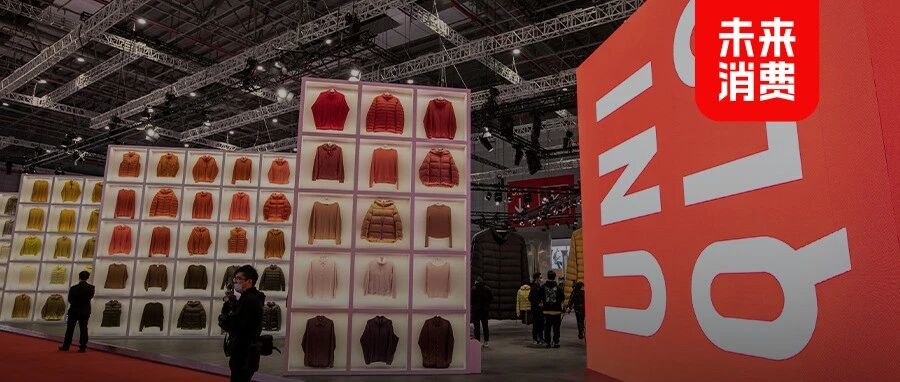
日语中有一个颇为微妙的表达——"unibare",指的是被他人识破身上穿的是优衣库、而非更昂贵品牌的那个瞬间。 作者 | 贺哲馨 编辑 | 乔芊 到年末了,优衣库的 +J 系列也如期上市了。 和一年前相似,本次 +J 复刻的规模依旧不大:仅有五款单品,包括三款衬衫、一款夹克和一款羽绒服,价格区间在 249 元至 899 元之间,将于 12 月 31 日起通过"掌上优衣库"以及部分线下门店发售。 +J 系列是优衣库与知名设计师 Jill Sander 的合作线。所谓"复刻",指的是将往年已经发售过的款式重新推出,并非全新设计。所以与其说这是一次新 一季联名,不如说更接近一次阶段性的回顾。 本 次+J复刻也依旧"很好穿"——版型偏宽松,颜色以基础色为主,上身效果安全、不挑人。对于希望买到一件"不会出错"的衣服来说,这无疑是优点; 但对于期待联名带来新鲜感的人而言,这样的设计又显得太过熟悉了点。 在优衣库的联名体系中,+J 位置特殊。该系列始于 2009 年,早于如今被视为核心设计线的U系列,可以被视作优衣库设计师联名策略的起点。Jill Sander 以极简主义著称,其强调结构、比例和面料的设计理念,与优衣库"L ...
人民币汇率“破7”,你的钱袋子将受影响?这几类人赚了!
Sou Hu Cai Jing· 2025-12-25 08:02
Group 1 - The offshore RMB has recently surpassed the 7.0 mark against the USD, indicating a significant shift in the financial market that affects various sectors and individual consumers [1][3] - The appreciation of the RMB is driven by three main forces: a weakening USD, increased demand for RMB from domestic companies converting foreign earnings, and inflows from international investors seeking undervalued assets in China's stock and bond markets [1][2] Group 2 - Industries benefiting from the RMB appreciation include those that import goods, such as airlines, which will see reduced costs for their USD-denominated debts, leading to increased profits [4] - Other sectors like paper, chemicals, and non-ferrous metals will also benefit from lower import costs due to the stronger RMB, enhancing their profit margins [4] - Core Chinese assets are being revalued positively as foreign investors are attracted to stable blue-chip stocks and leading companies in the financial and consumer sectors [4] Group 3 - Conversely, export-oriented industries, such as home appliances, clothing, and machinery manufacturers, face challenges as their products become more expensive in USD terms, potentially leading to reduced orders and profit compression [5] - The stock market is reacting to these concerns, with companies heavily reliant on exports already showing signs of pressure in their stock prices [5] Group 4 - The RMB's appreciation has implications for consumers, such as lower costs for overseas education, travel, and online shopping, making it a favorable time for currency exchange [6][8] - Investors are advised to reassess their portfolios, focusing on sectors that benefit from the RMB's strength while avoiding those that are negatively impacted by the currency's appreciation [9]
谁给波司登的勇气
半佛仙人· 2025-12-25 06:17
Core Viewpoint - The article discusses the inherent conflict between brands and consumers, emphasizing the need for brands to enhance their value to justify pricing, particularly in a competitive market where product quality is often similar across brands [2]. Group 1: Brand Value and Consumer Perception - Brands must evolve from merely selling products to creating a narrative that resonates with consumers, making them feel they are part of a larger mission or belief [2]. - The article highlights that in today's market, product quality alone is insufficient; brands must establish a strong identity and emotional connection with consumers [2][4]. Group 2: Marketing Strategies of Bosideng - Bosideng's recent marketing efforts for its "Extreme Cold Sixth Generation" series are presented as exemplary, showcasing how to effectively communicate brand strength and product capabilities [2][10]. - The company has a long history of supporting polar expeditions, which adds credibility to its products and marketing narrative [4][6]. - The marketing campaign includes significant events, such as donating products to the 42nd Antarctic Expedition, which helps create a compelling story around the brand [10][12]. Group 3: Product Innovation and Technical Achievements - The "Extreme Cold Sixth Generation" jacket boasts impressive specifications, including the ability to withstand temperatures as low as -60 degrees Celsius, a weight reduction of 500 grams, and a 15% increase in breathability [28][29]. - The article emphasizes that achieving these technical advancements is a significant challenge, especially in a market where consumers expect high performance without compromising comfort [28][30]. Group 4: Impact of Marketing on Brand Positioning - Bosideng's marketing not only promotes a product but also elevates the brand's overall presence and reputation in the market, linking it closely with extreme cold and exploration [41]. - The marketing strategy effectively combines storytelling with product features, ensuring that consumer attention is directed towards the brand's legacy and innovation [41].

从“Go中国”到“中国购”:老外购物车讲述“中国智造”新故事
Xin Hua She· 2025-12-25 04:07
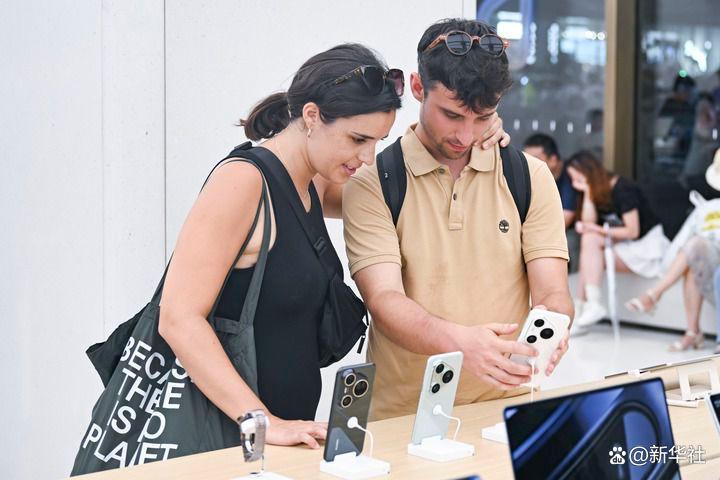
Core Insights - The article highlights the transformation of foreign consumer behavior in China, shifting from "Go China" to "China Purchase," showcasing the growing interest in Chinese products and lifestyle among international tourists [1][10]. Group 1: Consumer Trends - Foreign tourists are increasingly attracted to diverse shopping experiences in China, with products ranging from trendy toys and clothing to smartphones and electric vehicles [1]. - The popularity of Chinese brands abroad is rising, with tourists appreciating the quality and value of products, particularly in the sportswear sector [3]. - The influx of foreign visitors has led to a significant increase in sales, with foreign customers accounting for one-third of sales in some stores [3]. Group 2: Economic Impact - The number of foreign visitors entering China has surged, with a 52.1% year-on-year increase in visa-free entries from January to August 2025, totaling 15.89 million [3]. - Payment services for foreign visitors have improved, with UnionPay reporting a 100% increase in transaction volume and a 77% increase in transaction value from January to November 2025 [4]. - The number of foreign tourists utilizing tax refund services has increased by 285%, with sales and refund amounts also seeing significant growth [4]. Group 3: Product Appeal - Chinese-made products, especially in technology and electric vehicles, are gaining global recognition, with a notable increase in interest from foreign consumers [9][10]. - The article mentions that China is the world's largest producer and exporter of electric vehicles, with production and sales nearing 15 million units, reflecting over 30% year-on-year growth [9]. - The demand for innovative products like drones and AI devices illustrates the rapid advancement of Chinese manufacturing capabilities [9]. Group 4: Cultural Exchange - Foreign tourists are not only purchasing products but also seeking immersive experiences that reflect Chinese culture and lifestyle [11][14]. - The shift from mere sightseeing to cultural engagement indicates a deeper appreciation for Chinese traditions and innovations among international visitors [14]. - Tourists are increasingly interested in taking home not just products but also cultural symbols, such as traditional Chinese utensils, which signify a connection to Chinese heritage [14].
百丽集团Hush Puppies鞋类授权到期,嘉曼服饰开启全渠道运营新时代
Jin Tou Wang· 2025-12-25 03:28
Group 1 - The Hush Puppies footwear business in Greater China, previously managed by Belle Group, will officially end on December 31, with operational rights returning to the brand owner, Gamman Fashion [1] - Gamman Fashion has been responsible for the online operations of Hush Puppies footwear in Greater China since July 1, 2025 [1] - The first batches of footwear products designed and produced by Gamman Fashion, namely the "Zhenjiang Series" and "Weijingshi Series," were launched in October this year, gaining market attention due to innovative design and quality experience [1] Group 2 - Gamman Fashion, established in 1992, has extensive experience in multi-brand operations and mature omnichannel capabilities in the apparel industry [8] - The company has successfully self-operated Hush Puppies men's, women's, and children's clothing lines, and has maintained a stable operation of children's shoes and bags through an authorized model [8] - By fully taking over the footwear business, Gamman Fashion aims to further integrate core brand resources and enhance the "shoe and clothing integration" product layout, providing consumers with a more complete and coherent shopping experience [8]