
文旅

Search documents
浙江丽水“十五五”时期将聚焦“发展进阶提质增效”
Xin Lang Cai Jing· 2026-01-21 16:27
Core Viewpoint - During the "14th Five-Year Plan" period, Lishui, Zhejiang, has implemented the "Eight-Eight Strategy" and achieved an average annual economic growth rate exceeding 6.5%, significantly improving its economic contribution to the province and enhancing its overall strength from a national mid-lower tier to a mid-upper tier [1] Economic Growth and Income - Lishui's economic growth has resulted in its urban and rural residents' income ranking in the top 10% among over 300 prefecture-level cities in China by 2024, with farmers' income growth leading Zhejiang province for 16 consecutive years [1] - All nine counties (cities, districts) in Lishui have surpassed the national average income level, marking a solid step towards common prosperity in the old revolutionary areas [1] Ecological Quality and Innovation - Lishui has maintained the highest ecological quality index in Zhejiang for 21 consecutive years and has been recognized as a national ecological civilization demonstration zone [1] - The city focuses on modern ecological economy, driving industrial development through innovation and technology [1][2] Industrial Development Strategy - Lishui is integrating into Zhejiang's "415X" advanced manufacturing cluster and aims to establish two trillion-level and three 500-billion-level advanced manufacturing clusters by the end of the "15th Five-Year Plan" [2] - The city is enhancing its innovation capabilities by aligning innovation chains with industrial chains, establishing research institutes, and implementing targeted policies to support key industries [2][3] Corporate Innovation and AI Integration - Lishui has launched a plan to double the number of national high-tech enterprises, currently exceeding 1,000, by enhancing platforms for innovation and collaboration between academia and industry [3] - The city is embracing the AI era, focusing on key sectors such as industry, healthcare, and transportation, to develop distinctive "AI+" scenarios [3] Development Goals - The core goal for Lishui's "15th Five-Year Plan" is to achieve high-quality development, aiming for major economic indicators to exceed the national average by 2030 [4] - The strategy emphasizes practical, localized development approaches to enhance productivity and maintain economic growth within the top tier of Zhejiang province [4] Future Vision - Lishui envisions becoming a global benchmark for green development and a vibrant city, showcasing its unique ecological and economic strengths [5]
服务城市战略,威海国资委“十四五”改革发展交出优异答卷
Qi Lu Wan Bao· 2026-01-21 14:00
Core Viewpoint - The government of Weihai City is committed to high-quality development of state-owned enterprises (SOEs) during the "14th Five-Year Plan" period, focusing on reform, service to urban strategy, and enhancing operational efficiency and competitiveness of municipal SOEs [1][2]. Group 1: Economic Performance - The total assets of municipal SOEs reached 137.398 billion yuan, with net assets of 66.291 billion yuan, representing growth of 78.86% and 63% respectively compared to 2020 [2]. - By 2025, municipal SOEs are projected to achieve operating income of 10.264 billion yuan and profits of 223 million yuan, reflecting increases of 6.15% and 74.21% respectively from 2020 [2]. - The average operating income per employee is expected to be 741,500 yuan, a 29.76% increase from 2020 [2]. - The asset-liability ratio stands at 51.75%, which is 12.65 percentage points lower than the industry average [2]. Group 2: SOE Reform and Structure - The number of municipal SOEs has been optimized from 15 to 12 through strategic restructuring and professional integration [3]. - Key mergers include the absorption of the transportation company by the Urban Investment Group and the integration of the Capital Investment Group with the State-owned Assets Group [3]. - The focus on core functions and competitive strengths has led to a clearer positioning of leading industries, including energy, industrial investment, urban operations, and tourism [3]. Group 3: Industry Development - The dual approach of upgrading traditional industries and fostering strategic emerging industries has been implemented, with notable achievements in sectors like energy storage and new energy [4]. - The Thermal Power Group has expanded its heat supply network and is developing a clean and efficient coal power demonstration project [4]. Group 4: Corporate Governance - The governance structure of municipal SOEs has been enhanced by integrating party leadership into corporate governance, ensuring clear boundaries of authority among the board, management, and party committees [5][6]. - The implementation of external directors in the majority has been achieved across all municipal SOEs, improving governance effectiveness [5]. Group 5: Social Responsibility and Urban Development - Municipal SOEs have focused on enhancing public services and urban infrastructure, with significant projects in cultural and recreational facilities [7]. - The Water Supply Group has upgraded over 800 kilometers of pipelines, increasing annual water supply from 84.55 million cubic meters to 96.50 million cubic meters, a growth of 14.13% [7]. - The Public Transport Group has invested 240 million yuan in replacing 241 electric buses, achieving a total operational mileage of 15.8154 million kilometers [8].
新质生产力动能强劲,上海经济总量位居全球第五
Di Yi Cai Jing Zi Xun· 2026-01-21 13:37
Core Insights - Shanghai's GDP reached 56,708.71 billion yuan in 2025, growing by 5.4% year-on-year, surpassing the national growth rate after several years of lagging behind [1] - The city's economic resilience is highlighted by a steady recovery in consumption, investment, and exports, with Shanghai's growth rates exceeding national averages across all three sectors [2][3] Economic Growth - Shanghai's GDP growth of 5.4% in 2025 marks a significant recovery, positioning it as the first city in China to exceed a GDP of 50 trillion yuan [1] - The city's core functions and new industries are rapidly developing, contributing to its role as a leading economic center [1] Consumption Trends - In 2025, Shanghai's total retail sales of consumer goods increased by 4.6%, outperforming the national growth rate of 3.7% [2] - Key drivers for this growth include targeted policy measures, innovative consumer events, and a rebound in inbound tourism, with 9.36 million international visitors recorded, a 40% increase from the previous year [2] Investment Dynamics - Fixed asset investment in Shanghai grew by 4.6% in 2025, significantly higher than the national decline of 3.8% [3] - Industrial and infrastructure investments surged by 20% and 11.2%, respectively, indicating strong growth in these sectors [3] Trade Performance - Shanghai's total foreign trade reached 4.5 trillion yuan in 2025, with a growth rate of 5.6%, surpassing the national average of 3.8% [3] - Exports increased by 10.8%, with notable growth in high-end manufacturing sectors, including electric vehicles and industrial robots [3] Emerging Industries - The industrial added value in Shanghai grew by 5.0%, with strategic emerging industries contributing significantly, accounting for 45% of the total industrial output [4][5] - The three leading industries in Shanghai saw a 9.6% increase in output, with integrated circuit manufacturing and artificial intelligence growing by 15.1% and 13.6%, respectively [5] Quality of Development - Shanghai's port trade volume exceeded 11 trillion yuan, ranking first globally, while financial market transactions grew by 11.2% [6] - R&D investment as a percentage of GDP stands at approximately 4.5%, indicating a strong focus on innovation and future-oriented investments [6] Future Outlook - The "15th Five-Year Plan" emphasizes the need for Shanghai to enhance its economic resilience and transition to high-quality growth, focusing on new technologies and industries [7][8] - The city aims to foster a vibrant innovation ecosystem by optimizing the business environment and supporting small and medium-sized enterprises [8][9]
拓展内需新空间 释放消费新动能
Qi Lu Wan Bao· 2026-01-21 12:41
Core Viewpoint - Qingdao's Laoshan District is implementing a comprehensive strategy to boost consumption and expand domestic demand, focusing on creating a robust consumption system that integrates policy guidance, scenario-driven initiatives, and innovation empowerment [1] Group 1: Consumption Enhancement Strategies - The district has established a dedicated task force to coordinate efforts across various sectors, including culture, tourism, construction, and education, to break down barriers and enhance policy collaboration [1] - Initiatives include the promotion of high-quality cultural and tourism events, such as the Qingdao International Beer Festival and various sports competitions, to stimulate consumption and enhance regional economic development [2][3] - The district aims to create a unique consumption ecosystem by integrating dining, accommodation, and cultural activities, while also enhancing the quality of life through improved services in childcare and elderly care [2] Group 2: Seasonal and Thematic Consumption Activities - The "乐购崂山·悦享生活" theme has led to over 100 promotional events in collaboration with major supermarkets, establishing a benchmark for consumption upgrades in Qingdao [4] - Seasonal activities are designed to attract consumers year-round, with events like the "2025 Warm Winter Laoshans Food Festival" and "Laoshan Craft Beer Summer" drawing significant crowds and media attention [4] - The district is focusing on creating a vibrant shopping environment by developing unique commercial streets and enhancing the overall consumer experience [5][6] Group 3: Rural and Agricultural Consumption Development - Laoshan District is cultivating rural consumption scenarios by establishing demonstration points and hosting events like the Laoshan Tea Festival to promote local agricultural products [3] - The integration of agriculture with culture and tourism is aimed at increasing the visibility and impact of local products, thereby enhancing the overall consumer experience [3] Group 4: Internationalization and Digital Empowerment - The district is working towards international standards in consumer environments, including multilingual signage and international payment options, to attract a global audience [6] - Digital initiatives are being implemented to enhance the visibility of local brands and improve the overall shopping experience, aligning with international best practices [6][7]
湖北十堰产业转型提速 “十四五”GDP年均增长6.7%
Xin Lang Cai Jing· 2026-01-21 12:20
中新网十堰1月21日电 (张倩龙)湖北省十堰市第六届人民代表大会第五次会议21日开幕。代理市长余珂 作政府工作报告时介绍,2025年,十堰地区生产总值预计超过2700亿元,"十四五"时期当地地区生产总 值年均增长6.7%。"十五五"时期,十堰将构建现代化产业体系,着力提升"中国商用车之都"地位。 十堰因车而建,因车而兴。经过半个多世纪的发展,昔日的山区小镇已蝶变为一座现代汽车城。报告显 示,该市现代化产业体系加速构建:汽车加快向新能源和智能网联转型,培育新能源整车资质企业10 家;新兴产业和未来产业破局成势,先进级智能工厂达126家,位居全省第一;文旅产业蓬勃发展,3A 级以上景区数量全省第二。 与此同时,十堰科技创新与产业创新加速融合,国家高新技术企业突破1000家,技术合同成交额5年翻 两番。2025年,十堰高新技术产业增加值预计突破500亿元,十堰(武汉)离岸科创中心揭牌运行。 报告提出,"十五五"时期,十堰将突破性发展新能源和智能网联汽车,打造国际一流商用车生产基地、 全国一流专用车生产基地、全国零部件产业发展集聚区;培育壮大优势产业,加快新能源新材料、高端 装备和智能农机、循环经济、低空经济、数字经 ...

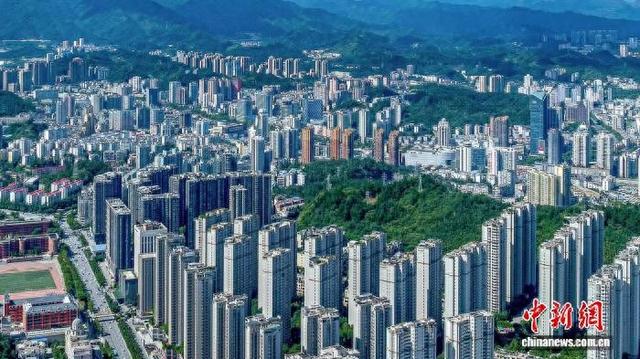
以文化之美点亮消费新场景
Xin Hua Wang· 2026-01-21 09:52
Group 1 - The core viewpoint of the articles emphasizes the integration of culture into consumer experiences, which enhances the vibrancy of consumption and stimulates economic growth [1][2] - The 40th Qinhuai Lantern Festival in Nanjing is set to offer not only visual enjoyment but also discounts and exclusive benefits, showcasing how cultural events can drive consumer engagement [1] - Cultural elements are transforming traditional shopping areas into multi-experience spaces, blending art exhibitions and performances with retail, thus enriching the consumer ecosystem [1] Group 2 - The success of cultural integration in consumption is evidenced by various cities, such as Nanjing and Shanghai, where cultural activities have led to significant sales growth, indicating a strong market potential [2] - Sustainable cultural integration requires a genuine understanding and respect for cultural content, avoiding superficial commercialization that can lead to consumer fatigue [2] - The development of diverse, high-quality products and services tailored to local contexts is essential for creating unique consumer experiences that foster economic and cultural prosperity [2]
从三个维度看“广货行天下”
Sou Hu Cai Jing· 2026-01-21 02:45
Core Viewpoint - The "Guangdong Goods Going Global" initiative, launched on January 15, 2026, aims to boost consumer spending and stabilize the economy while promoting Guangdong products both domestically and internationally [1][12]. Group 1: Promotion of Guangdong Goods - The initiative has successfully organized promotional events in cities like Foshan and Dongguan, leading to significant sales increases due to substantial discounts and strong online support from e-commerce platforms [1][12]. - Guangdong's products, known as "Guangdong Goods," encompass a wide range of categories, from traditional brands to innovative new products, showcasing the province's manufacturing and agricultural strengths [4][9]. Group 2: Historical and Economic Context - Guangdong has a long-standing role as a trade hub in China, historically serving as the first point of contact for foreign trade and commerce [5][8]. - The province boasts a comprehensive industrial system, being a major player in manufacturing, agriculture, and tourism, which supports the diverse offerings of "Guangdong Goods" [9][10]. Group 3: Innovation and Quality - Guangdong's focus on innovation has led to high-quality products with significant technological advancements, making it a leader in various sectors such as smart appliances and industrial robotics [10][12]. - Current statistics indicate that Guangdong produces 70% of the world's consumer drones and 40% of the nation's industrial robots, highlighting its manufacturing prowess [10]. Group 4: Strategic Goals - The initiative aligns with national strategies to enhance domestic demand and promote high-quality development, aiming to leverage Guangdong's market advantages to stabilize the national economy [13][14]. - "Guangdong Goods Going Global" also seeks to upgrade industries and enhance product quality, encouraging companies to innovate and improve brand value [14][15]. Group 5: Cultural Significance - The initiative emphasizes the cultural aspects of "Guangdong Goods," aiming to enhance their market appeal by integrating local cultural elements into product design and branding [15][22]. - By promoting the stories and cultural heritage behind the products, the initiative aims to increase the recognition and value of "Guangdong Goods" in both domestic and international markets [15][22]. Group 6: Market Expansion Strategies - The initiative plans to utilize both online and offline channels to penetrate various consumer segments, leveraging the Guangdong-Hong Kong-Macau Greater Bay Area's influence [19][23]. - It aims to establish efficient trade channels through cross-border e-commerce and other new trade formats to connect with global consumers [19][22].

2025年江西引客入赣成效显著 全年接待境外游客创近年新高
Zhong Guo Xin Wen Wang· 2026-01-21 02:23
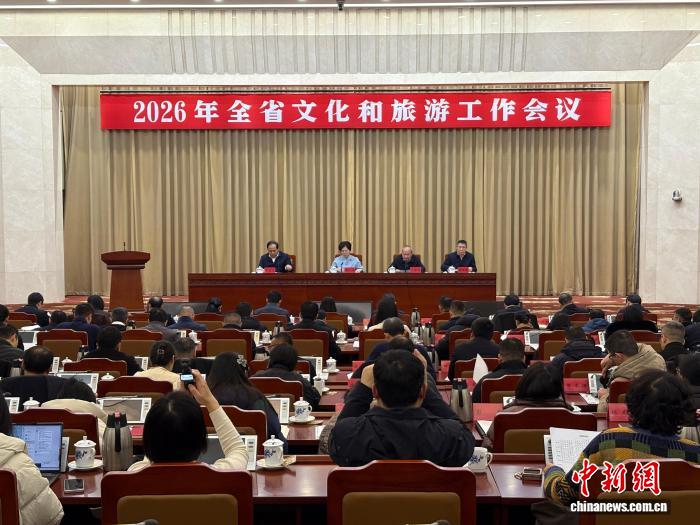
会议强调,2026年是"十五五"规划的开局之年,要求高、任务重、压力大,江西文化和旅游战线务必保 持昂扬斗志、饱满热情,以更高站位、更严作风、更实举措,全力推进文旅各项工作落到实处。 会上审议了《2026年江西省文化和旅游工作要点》。南昌市、上饶市文广旅局,赣州市龙南市政府、九 江市修水县政府、景德镇市陶阳里历史文化旅游区、抚州市文昌里历史文化街区等分别作交流发言。 1月20日,2026年江西省文化和旅游工作会议在南昌召开。李韵涵 摄 据介绍,2025年,江西预计接待国内游客总人次和旅游总花费分别同比增长4.75%和13.8%,人均消费 突破千元大关。其中,外省游客占比超三成,居中部首位。全年接待境外游客创近年新高。 会议要求,江西文化和旅游系统要充分认清新形势新挑战对文化和旅游工作提出的更高要求,科学谋划 各项工作,努力建设更高水平文化强省和更有竞争力的旅游强省。 中新网南昌1月20日电 (记者 李韵涵)1月20日,2026年江西省文化和旅游工作会议在南昌召开。记者从 会上了解到,2025年,江西引客入赣成效显著,江西文旅事业呈现出"全国有地位、百姓有口碑"的蓬勃 发展态势。 记者从会上了解到,江西文旅部门 ...
“消费第一城”上海火力全开
Di Yi Cai Jing Zi Xun· 2026-01-21 02:09
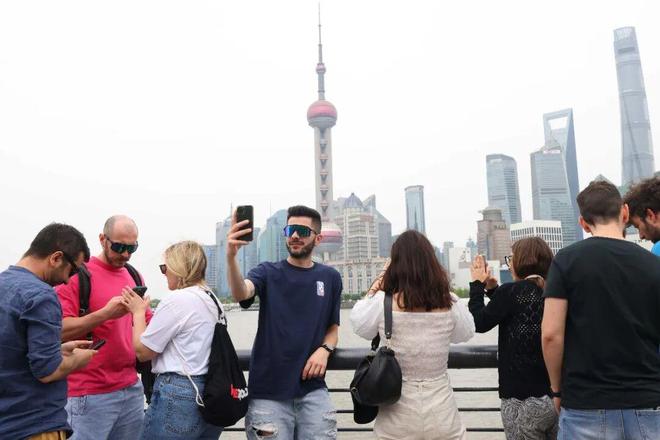
Core Insights - Shanghai's retail sales reached over 1.66 trillion yuan in 2025, marking a 4.6% year-on-year increase, outperforming the national average of 3.7% by 0.9 percentage points [2] - Key sectors such as new energy vehicles, communication equipment, and home appliances saw double-digit growth, with cultural and office supplies retail up by 30.4% [2] - The city welcomed a record 9.36 million inbound tourists in 2025, a 40% increase from the previous year, with tax refund sales rising by approximately 80% [2] Economic Drivers - The steady recovery in Shanghai's consumption is attributed to three main factors: targeted policy measures, innovative cultural and tourism events, and the accelerated recovery of international flights and visa facilitation [3] - Policies such as trade-in programs for automobiles and home appliances, along with service consumption vouchers, have effectively stimulated demand [3] - The implementation of the trade-in policy led to over 320,000 cars and 4.5 million digital products being replaced, generating over 120 billion yuan in sales and benefiting more than 21.95 million people [4] Future Outlook - The strong growth trend in consumption is expected to continue into 2026, with service consumption anticipated to remain a key driver [5] - Ongoing policies, including the "28 measures" for service and consumption linkage, are expected to further stimulate service consumption potential [5] - Recommendations for sustaining growth include enhancing inbound tourism measures, improving service quality, and leveraging digital tools for better consumer engagement [6]
总量全球第五,增速跑赢全国,2025上海GDP5.67万亿
Di Yi Cai Jing· 2026-01-21 01:46
多个细分指标向上向好跃升 分析全年数据可以发现,2025年上海经济社会在稳中有进、进中向好中,呈现出了韧性增长、功能提 升、结构向新、需求向好、民生改善的基本态势。 上海市发改委相关负责人表示,韧性增长,主要是经济运行顶压前行,展现出较强韧性和活力;功能提 升,主要是"五个中心"建设联动融合,城市核心功能持续提升;结构向新,主要是二三产业协调发展, 新动能新产业加快成长;需求向好,主要是三大需求平稳向好,内需市场有力提振;民生改善,主要是 就业物价保持平稳,民心工程和民生实事取得实效。 上海经济的多个细分指标,在2025年实现了向上向好的跃升。 进入"十五五",上海处于战略窗口期和结构性挑战并存的关键阶段 最新统计数据显示,2025年上海实现地区生产总值56708.71亿元,按不变价格计算,同比增长5.4%,高 于全国水平(5%),经济总量位居全球城市第五位。 作为全国首个GDP迈过5万亿元的城市,上海在经历了此前几年经济增速始终低于全国、2024年经济增 速与全国持平(5%)后,在2025年实现赶超。 不仅是经济增速,包括城市核心功能持续提升,新动能新产业加快成长,内需市场有力提振,都强化了 上海作为经济中 ...