军事装备

Search documents
外媒称美国做好对委内瑞拉动武准备
Zhong Guo Xin Wen Wang· 2025-11-03 07:19
Core Viewpoint - The United States has prepared for potential military action in Venezuela, with significant military assets deployed to the Caribbean region since August [1]. Military Deployment - The U.S. Navy has deployed at least 13 warships, 5 support vessels, and 1 nuclear submarine to the region [1]. - Key assets include the "Ford" nuclear-powered aircraft carrier, capable of carrying 75 aircraft, and amphibious assault ships such as the "Iwo Jima" and "San Antonio" [1]. - Multiple P-8A reconnaissance aircraft have been sent to gather intelligence on Venezuela [1]. Air Force Involvement - The U.S. Air Force has stationed 10 F-35 stealth fighters, along with unspecified numbers of V-22 tiltrotor aircraft, KC-130 refueling planes, and C-17 transport aircraft [1]. - Strategic bombers, including B-52 and B-1B, have been deployed for deterrent flights near the Venezuelan coast [1]. Infrastructure Enhancements - The U.S. military is accelerating repairs on runways, helipads, ammunition depots, and barracks in Puerto Rico and the Virgin Islands [1]. - New air control and radar monitoring systems are being installed to enhance operational capabilities [1].
突发!美国,大举增兵!
Zheng Quan Shi Bao Wang· 2025-11-02 16:12
Group 1 - The U.S. Navy is increasing its military presence in the Caribbean, with the arrival of the "USS Gettysburg," a Ticonderoga-class guided missile cruiser, marking the second cruiser deployed in the region [1][2] - The "USS Iwo Jima," an amphibious assault ship, and the "USS Gravely," a destroyer, are positioned to strike targets within Venezuela, indicating a significant escalation in regional tensions [2][3] - The Pentagon is evaluating potential strike and blockade options as military deployments in the Caribbean reach their largest scale in over 30 years [3] Group 2 - Venezuelan President Maduro is reportedly seeking military assistance from Russia, including defense radar, aircraft maintenance services, and missiles, amid the U.S. military buildup [5][6] - Maduro's requests were formalized in a letter to President Putin, emphasizing the need to enhance Venezuela's air defense capabilities and repair previously purchased Russian aircraft [5] - Additionally, there are indications that Venezuela is coordinating with Iran for military equipment, including passive detection devices and drones [6]
“投入作战服役”,法国国防部宣布
中国能源报· 2025-10-29 13:43
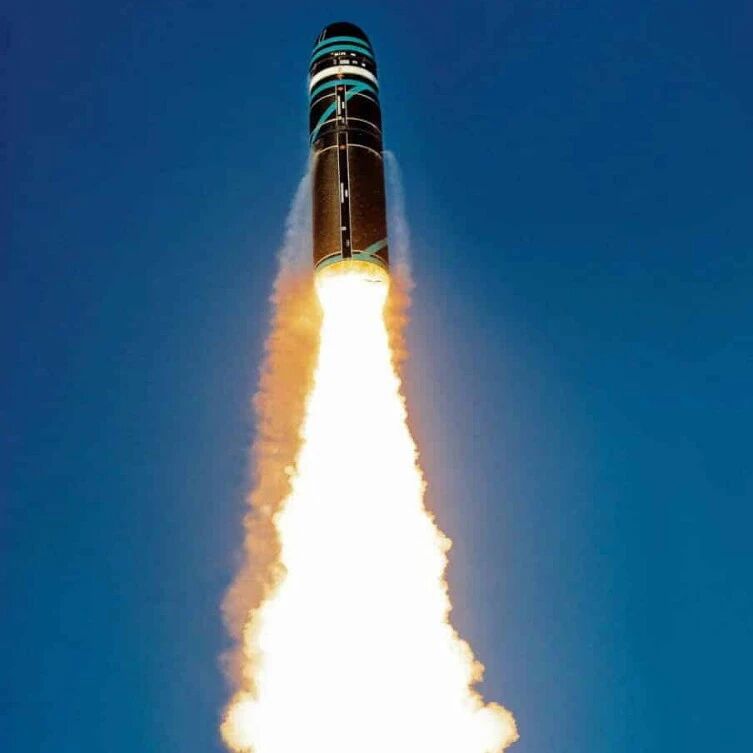
Core Viewpoint - France has announced the launch of the M51.3 submarine-launched ballistic missile, marking a significant milestone in the modernization of its maritime nuclear deterrent capabilities [3][5]. Group 1: Missile Specifications and Capabilities - The M51.3 missile is equipped with new nuclear warheads and has improvements in range, accuracy, and the ability to penetrate enemy air defense systems [5]. - The missile will be deployed on four of France's "Triomphant" class strategic nuclear submarines [5]. - The estimated range of the M51.3 missile exceeds 9,500 kilometers, compared to over 9,000 kilometers for its predecessor [5]. Group 2: Strategic Importance - The French Ministry of Defense emphasizes that the M51.3 missile ensures the reliability of France's sea-based nuclear forces amid the ongoing upgrades of enemy missile defense systems [5]. - The launch of the M51.3 missile aligns with France's military planning goals for 2024-2030, aimed at accelerating the modernization of military capabilities and ensuring long-term reliability of deterrent forces, which is a cornerstone of national security [5].

中国不可能低头买美国大豆,看透这一点的美国人,比特朗普拎得清
Sou Hu Cai Jing· 2025-10-29 08:33
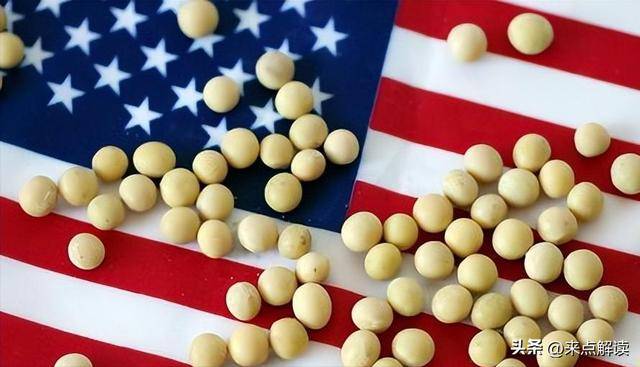
Core Viewpoint - The article emphasizes that China is unlikely to yield to pressure from the U.S. to purchase American soybeans, highlighting the ineffectiveness of coercive tactics in international trade relationships [1][10][28]. Group 1: U.S. Soybean Farmers' Perspective - U.S. soybean farmers, like David Brill, express frustration over the lack of Chinese purchases despite a record harvest, indicating that the pressure from the Trump administration is counterproductive [3][12]. - The overflowing inventory of soybeans has led to significant challenges for farmers, with reports of collapsing storage facilities due to excess stock [5][7]. - The disconnect between policymakers and actual farmers is evident, as Treasury Secretary Mnuchin's claims of empathy are seen as insincere given his financial background [9][10]. Group 2: U.S.-China Trade Dynamics - The article outlines that the U.S. has historically attempted to impose its will on China through tariffs and threats, but these strategies have not yielded the desired results [15][19]. - China's ability to source soybeans from other countries like Brazil and Argentina diminishes the U.S.'s leverage in the market [21][23]. - The insistence on coercive measures by the U.S. contradicts the principles of mutual respect and equitable trade, which are essential for long-term cooperation [23][30]. Group 3: Future Implications - The ongoing pressure tactics from the U.S. are likely to harm American interests, including the agricultural sector and national credibility [28][33]. - A shift towards respectful and cooperative dialogue is necessary for resolving trade issues and ensuring the well-being of U.S. farmers [30][32].
打不过中国还打不过你?为维护霸权不崩塌,美国决定先收割印度
Sou Hu Cai Jing· 2025-10-24 13:55
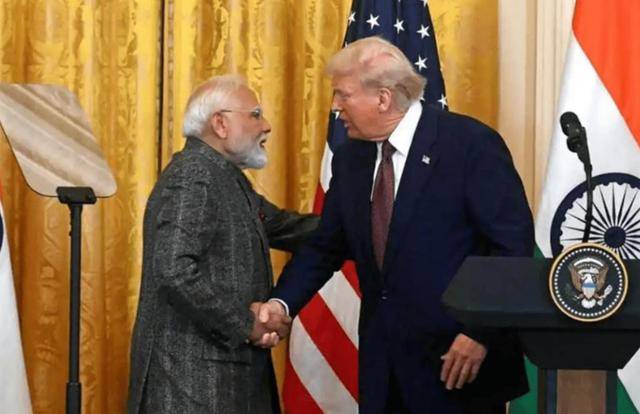
Core Viewpoint - The ongoing trade conflict between the United States and India, initiated by the Trump administration, reflects a broader struggle for economic dominance and the reconfiguration of global order, impacting emerging markets significantly [1][3]. Group 1: U.S. Tariff Strategy - The U.S. imposed a 10% tariff on all imported goods, with India facing an additional 26% tariff, raising the total to 36% [3]. - The U.S. justified these tariffs by highlighting India's average tariff of 17%, which is significantly higher than the U.S. rate of 3.3% [3]. - The U.S. aims to control India's economy, having previously discussed a "de-Indianization" strategy to reduce reliance on India while preparing for capital extraction [5]. Group 2: Impact on India's Economy - India's export sectors, particularly textiles, pharmaceuticals, and gemstones, are severely affected, leading to increased costs and loss of orders [7]. - Economic growth in India is projected to slow to 7.4% by 2025, marking a significant decline [7]. - The Indian rupee has depreciated to 86.63 against the dollar, causing a substantial decrease in public wealth and rising living costs [9]. Group 3: India's Response and International Relations - India has shown resistance by refusing to engage with U.S. officials and has seen a rise in anti-American sentiment among its citizens [13]. - In military terms, India participated in joint exercises with Russia, showcasing its strategic autonomy and reducing reliance on U.S. military procurement [16]. - India is also seeking to strengthen ties with other emerging markets and has initiated dialogues with China and Russia to counterbalance U.S. pressure [18][22]. Group 4: Future Implications - The U.S. may gain short-term benefits from high tariffs, but this approach risks damaging its international reputation in the long run [20]. - India's current challenges could lead to necessary reforms in its manufacturing sector, emphasizing the importance of maintaining independent foreign and economic policies [22]. - The outcome of this geopolitical struggle will influence the future dynamics of global trade and the positioning of emerging markets [25][27].
今晚,黄金生死劫!
Sou Hu Cai Jing· 2025-10-24 09:34
Group 1: Gold Market - Gold prices rebounded slightly after two days of significant decline, reaching a peak of $4154 before closing at $4125.81, but have since dropped to around $4070 [1] Group 2: U.S. Economic Indicators - U.S. stock indices closed higher, with the Dow Jones up 0.31%, S&P 500 up 0.58%, and Nasdaq up 0.89% [2] - The U.S. Senate voted against a bill to pay federal employees during the government shutdown, which has lasted 23 days and could become the longest in history if it continues past November 4 [5][7] - Analysts expect the U.S. Consumer Price Index (CPI) for September to show a core CPI increase of 0.3% month-over-month and 3.1% year-over-year, indicating a potential easing of inflation [7][9] Group 3: U.S.-Canada Trade Relations - President Trump announced the termination of trade negotiations with Canada due to allegations of Canada using false advertising against U.S. tariffs, which he claims are crucial for national security [4] Group 4: Geopolitical Tensions - President Putin warned of a strong response if the U.S. launches "Tomahawk" missiles against Russian territory, amidst ongoing tensions regarding military support for Ukraine [11] - The U.S. military has been active near Venezuela, with reports of a B-1B bomber approaching its coast, indicating potential military actions [16]
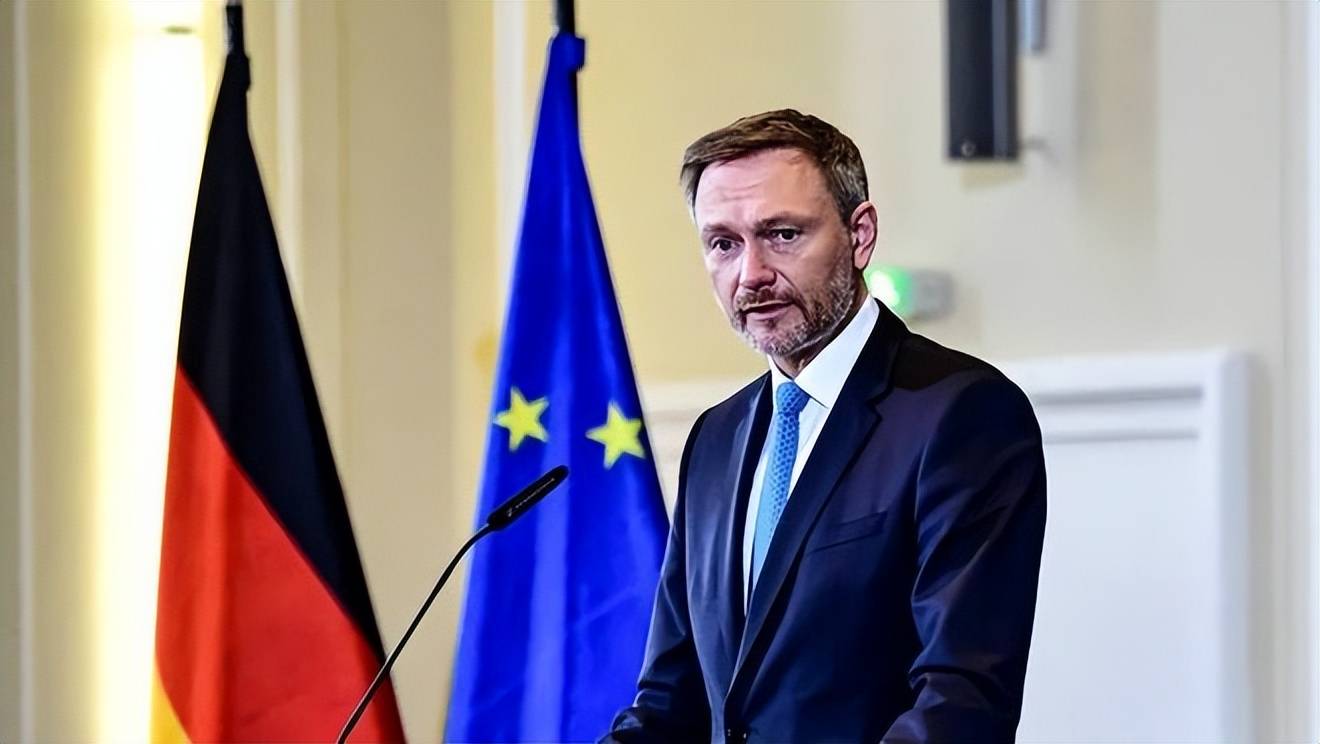
欧洲陷入稀土困局!德国财长急眼,中方举措令G7集体焦虑
Sou Hu Cai Jing· 2025-10-20 09:14
Core Insights - The article highlights the strategic dilemma Europe faces regarding its reliance on China's rare earth supply, which is critical for various industries, including defense and renewable energy [1][2][4]. Group 1: Importance of Rare Earths - Rare earths are essential materials for modern industries, impacting sectors from electric vehicles to military equipment, and Europe's industrial competitiveness heavily relies on them [2]. - China dominates the global rare earth supply chain, making any policy changes from China significantly impactful [2]. Group 2: Europe's Dual Dependency - Europe is caught in a cycle of dependency, relying on U.S. technology in the digital economy while simultaneously depending on China for critical raw materials [4]. - The current geopolitical climate poses challenges for Europe's defense and green transition, as modern military equipment and electric vehicle industries depend on rare earths from China [4]. Group 3: Historical Context - The article draws parallels to the Cold War, where technology embargoes were pivotal, but notes that the current dynamics differ significantly due to China's strong position in rare earths [5][7]. Group 4: G7 Coordination Challenges - The G7 is attempting to coordinate a response to rare earth supply risks, but internal disagreements among member countries hinder collective action [8]. - European nations face unique challenges in establishing a unified strategy due to conflicting environmental standards, industrial policies, and national interests [8]. Group 5: China's Position - China asserts that its rare earth export controls are standard industry management practices aimed at sustainable development, emphasizing prior communication with stakeholders [11]. - Experts indicate that China's advantages in the rare earth supply chain are deeply entrenched and cannot be easily altered through political maneuvers [11]. Group 6: Future Path for Europe - Analysts suggest that enhancing autonomous innovation capabilities is crucial for Europe to overcome its current predicament, as there is a notable investment gap in high-tech sectors compared to the U.S. and China [12]. - European think tanks emphasize the need to balance security and development, warning that excessive focus on "de-risking" could lead to missed market opportunities [14]. - Europe stands at a strategic crossroads, needing to decide whether to continue balancing between the U.S. and China or to carve out its own development path, which will influence its future global standing [14].
“欧盟将在2030年前做好与俄开战准备”?俄官员:欧盟正被变成一个“军事集团”
Huan Qiu Shi Bao· 2025-10-16 22:43
Group 1 - The EU plans to prepare for potential conflict with Russia by 2030, emphasizing the need for a strong defense posture within five years to effectively deter adversaries [1] - The military plan outlines priorities to address capability gaps in nine areas, including air defense, strategic support, artillery systems, artificial intelligence, cybersecurity, missiles and ammunition, and drones [1] - The EU aims to provide substantial military aid to Ukraine, transforming it into a deterrent force against Russia, while maintaining close coordination with NATO [1] Group 2 - Poland's Foreign Minister Sikorski stated that Ukraine plans to continue fighting Russia for another three years, urging European allies to prepare and support Kyiv [2] - NATO defense ministers met to coordinate military aid to Ukraine and long-term defense support, with the U.S. Defense Secretary advocating for increased purchases of American weapons [2] - Discussions between U.S. and Ukrainian leaders are expected to address the provision of Tomahawk cruise missiles to Ukraine, which could escalate the situation further [2]
欧盟委员会公布防务准备路线图
Xin Hua Wang· 2025-10-16 14:19
Core Points - The European Commission and the EU's High Representative for Foreign Affairs and Security Policy have proposed a "Defense Preparedness Roadmap 2030" emphasizing the transition from planning to action [1] - The roadmap outlines four priority flagship projects aimed at enhancing the EU's deterrence and defense capabilities across various domains, including land, sea, air, cyber, and space [1] Group 1: Flagship Projects - The four flagship projects include the "European Drone Defense Initiative," "Eastern Wing Monitoring," "Air Defense Shield," and "Defense Space Shield" [1] - These initiatives are designed to strengthen the EU's defense posture and capabilities [1] Group 2: Capability Development - The roadmap calls for joint development and procurement to address critical capability gaps, with member states required to form "capability alliances" in nine key areas [1] - These areas include air defense and missile defense, strategic support forces, military mobility, artillery systems, cyber and artificial intelligence, electronic warfare, missiles and ammunition, drones and counter-drone systems, ground operations, and naval forces [1] Group 3: Future Goals - By 2027, the roadmap aims to establish a "military mobility area" covering the entire EU, facilitating rapid troop and equipment movement through unified rules and transportation networks [1] - By 2030, the goal is to create a unified EU defense equipment market, focusing on air defense, drones, and space systems to track production capacity and shorten delivery times [1] - This roadmap builds on the EU's earlier "Ready for 2030" white paper and the "Rearming Europe" initiative, and it will be discussed at the upcoming EU summit [1]
乌克兰“想进攻” 特朗普:泽连斯基将阐述对俄“进攻”理由!俄外长最新表态
Mei Ri Jing Ji Xin Wen· 2025-10-16 01:03
Group 1 - Russia has signed a military cooperation agreement with Cuba, which was approved by President Putin and is seen as a way to strengthen military ties and provide a legal basis for bilateral cooperation [1] - The agreement is viewed as part of Russia's strategy to re-establish its military presence in the Western Hemisphere through joint military exercises, technical exchanges, and officer training [1] - The approval of this agreement is expected to open up broader options for Russia in response to the situation in Latin America, returning relations to a Soviet-era tradition [1] Group 2 - Ukrainian President Zelensky is urging European nations to purchase advanced "Tomahawk" missiles from the U.S., which may be transferred to Ukraine, alongside seeking additional "Patriot" air defense systems [2] - Russia has expressed that the provision of "Tomahawk" missiles to Ukraine would pose a significant threat, not change the battlefield dynamics, and severely escalate tensions between Russia and the U.S. [2][3] - Russian Foreign Minister Lavrov has warned that supplying "Tomahawk" missiles would cause irreparable damage to U.S.-Russia relations and lead to a dangerous escalation of the conflict [3][4] Group 3 - The "Tomahawk" missile, with a range exceeding 2000 kilometers, could theoretically strike Moscow if launched from Ukraine, indicating a significant escalation in U.S. involvement in the conflict [3] - Lavrov noted that the perception of improved U.S.-Russia relations following a meeting between the two presidents may be premature, as the potential provision of missiles could lead to a severe deterioration in relations [3][4] - Lavrov criticized the European desire to escalate the conflict, suggesting that Ukraine and Europe are eager for a more aggressive stance from the U.S. regarding the situation [5]