医药

Search documents
“东北霸总”给员工发40亿年终奖,自己成了“辽宁首富”
Sou Hu Cai Jing· 2026-02-17 03:16
Core Viewpoint - The article discusses the contrasting approaches of companies in distributing year-end bonuses, highlighting the extravagant cash bonuses given by Fangda Group and the innovative reward strategies employed by other firms in 2026 [2][3][17]. Group 1: Fangda Group's Year-End Bonus Strategy - Fangda Group has distributed nearly 4 billion yuan in cash bonuses to approximately 130,000 employees over the past decade, showcasing a unique and impactful incentive strategy [3][6]. - The company's founder, Fang Wei, has seen his wealth increase significantly, reaching 52.5 billion yuan in 2025, reflecting the success of his business model [5]. - The "cash wall" phenomenon, where employees receive large sums of cash in a dramatic fashion, has become a viral sensation on social media, reinforcing Fangda Group's image as a "fairy-tale company" [3][6]. Group 2: Other Companies' Bonus Strategies in 2026 - JD.com has adopted a performance-based bonus system, with top-performing employees potentially receiving up to 24 months' salary as bonuses, and overall bonus spending increasing by over 70% [17]. - Chasing Technology has introduced a unique "golden bonus" where each employee received a custom gold banknote, totaling an investment of approximately 26 to 28 million yuan [17]. - Insta360 and Junshi Biosciences have also implemented substantial rewards, including luxury cars and significant cash prizes, indicating a trend among companies to enhance employee motivation through tangible rewards [19][17].


读懂春晚广告位:今年谁是赚钱顶流?
Xin Lang Cai Jing· 2026-02-16 06:27
Core Insights - The evolution of Spring Festival Gala sponsorship reflects the changing landscape of the Chinese economy, transitioning from a production-driven era to a technology-driven era [4] Group 1: Historical Sponsorship Trends - The first sponsor of the Spring Festival Gala in 1984 was Jinan Kangbasi Clock Factory, which exchanged 3,000 clocks for a 10-second ad slot, leading to significant brand recognition [1] - In the 1990s, liquor and pharmaceutical companies emerged as major sponsors, with Kongfu Banquet Wine spending 30.79 million yuan in 1995, resulting in a sales surge to 918 million yuan the following year [1] - From 2003 to 2019, Midea Group dominated the zero-point advertising space, with ad costs rising from millions to tens of millions [1] Group 2: The Rise of Internet Giants - In 2015, Tencent spent 53.03 million yuan for exclusive sponsorship, launching the "Shake to Grab Red Envelopes" feature, which led to over 8.1 billion interactions in one night and significantly increased WeChat payment users [3] - The competition among internet giants intensified, with Alibaba, Baidu, Kuaishou, Douyin, JD, and Pinduoduo all vying for attention through massive red envelope giveaways, focusing on user engagement and data acquisition rather than mere brand exposure [3] Group 3: The Current Landscape and Future Trends - In 2026, traditional internet companies are still present, but new players in hard technology, particularly AI and robotics, are taking center stage [4] - ByteDance's Volcano Engine became the exclusive AI cloud partner for the 2026 gala, showcasing AI's integration into interactive segments, while several top robotics companies also participated [4] - This shift signifies a broader transformation in the economy, aligning with the national strategy of promoting "new quality productivity" [4]
抚慰心灵毛地黄
Xin Lang Cai Jing· 2026-02-15 06:20
▌[英]诺埃尔·金斯伯里著 毛地黄外观华丽、易于栽培,很早就成了园艺爱好者的宠儿;当然,由于其自身特性,它几乎随处可 见。19世纪末期,针对毛地黄的品种选育工作开始推进,当时以培育白色或其他颜色的品种为主。后来 种子公司也不断推出新品种,但由于毛地黄是自播两年生植物,这些新品种很快就会被常见的粉色幼苗 所取代。 或许毛地黄作为野生植物会比作为园林植物更受欢迎。它的种子能在土壤中休眠数十年,直到受到干扰 而感受到光照时才会发芽。在野外,如果遇到被砍伐的树木,通常意味着将会有大规模的毛地黄发芽, 而在一些通过伐木来维持林地的地区,大片野生毛地黄的萌发就成了一种常态。到了开花时节,其景象 极为壮观,被公认为北欧地区最佳野花奇观之一。 (23) ■发源地:北欧和中欧 ■生命周期:两年生草本 ■株高:约1米 ■生长环境:林缘、受人类活动影响的林地 ■颜色:粉色,也有白色变种 毛地黄这种生长在北欧和中欧大地上的绚丽之花,以其醒目的花朵,总能轻而易举地引起人们的注意。 一直以来,人们认为毛地黄是有毒的;在众多文化中,提起毛地黄,人们通常会联想到女巫或精灵。而 这也赋予了毛地黄以双重象征——既具有保护作用,也会因其可能招致厄 ...
这三类企业老板快看:这项政策延续两年
蓝色柳林财税室· 2026-02-15 02:02
Group 1 - The article discusses tax deduction policies for advertising and business promotion expenses for specific industries, including cosmetics manufacturing, beverage manufacturing (excluding alcoholic beverages), and pharmaceutical manufacturing, allowing a deduction of up to 30% of annual sales revenue from January 1, 2026, to December 31, 2027 [3][4]. - Expenses exceeding the 30% limit can be carried forward to future tax years for deduction [4]. - Related enterprises can allocate advertising and business promotion expenses through agreements, allowing one party to deduct eligible expenses while the other party can exclude these allocated expenses from their deduction limits [4].

硕迪生物股价连续下跌,GLP-1赛道竞争加剧引关注
Xin Lang Cai Jing· 2026-02-14 20:15
以上内容基于公开资料整理,不构成投资建议。 来源:经济观察网 机构观点 经济观察网 硕迪生物(GPCR.OQ)近7天(2026年2月9日至13日)股价呈现连续下跌趋势。根据内部 数据库,截至2月13日收盘,股价报70.07美元,单日下跌2.73%;近5日累计跌幅达6.47%,区间振幅为 14.95%,最低触及69.95美元。成交活跃度分化,2月12日成交额放大至6405万美元(换手率1.24%),2 月13日回落至8924万美元(换手率1.77%)。同期生物技术板块上涨1.32%,但个股表现弱于大盘(纳 斯达克指数跌0.22%)。 多家券商指出,长期看好硕迪生物基于专利合作带来的现金流潜力及口服GLP-1管线的稀缺性。但短期 股价受制于市场情绪波动、板块获利了结压力以及低流动性环境放大波动,资金分歧显著。 近期事件 2025年12月30日,硕迪生物与罗氏及基因泰克达成非独家专利许可协议,获得1亿美元预付款,并有权 收取口服GLP-1药物CT-996未来销售额的低个位数百分比特许权使用费。该合作虽提供非稀释性资金支 持,但近期股价与这一利好形成反差,主要受医药板块轮动、技术面回调及市场对GLP-1赛道竞争加剧 ...
金鹰基金大股东的BOSS,终于被拘了
Xin Lang Cai Jing· 2026-02-14 05:40
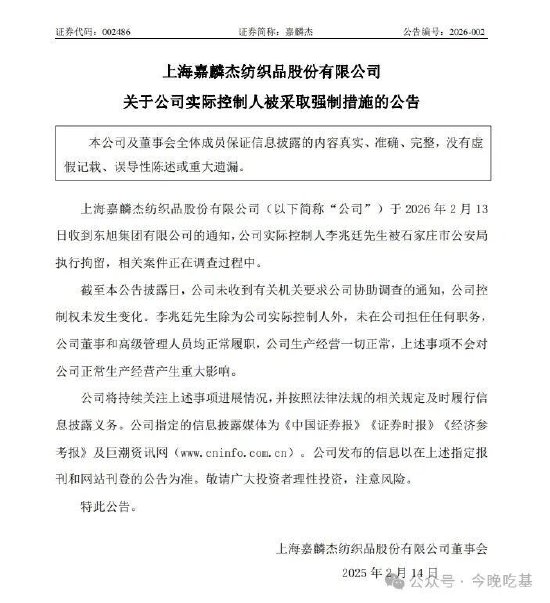
Core Viewpoint - Li Zhaoting, the former richest man in Shijiazhuang, has been detained by the police, which has significant implications for his companies, particularly Dongxu Group and its subsidiaries [2][3][19]. Group 1: Company Overview - Dongxu Group Limited, the largest shareholder of Jinying Fund with a 66% stake, is controlled by Li Zhaoting [17]. - At his peak, Li Zhaoting controlled three listed companies: Dongxu Optoelectronics, Dongxu Blue Sky, and Jialinjie [20]. Group 2: Financial Misconduct - From 2015 to 2019, under Li Zhaoting's leadership, Dongxu Group engaged in extensive financial fraud, inflating revenues by 47.825 billion yuan and profits by 13.001 billion yuan [21]. - The highest single-year inflation of cash funds reached 44.79 billion yuan, and the group fraudulently issued corporate bonds worth 3.5 billion yuan in 2018 [21]. Group 3: Current Status and Future Implications - Following a series of upheavals, only Jialinjie remains as a listed company under the "Dongxu system" [23]. - Li Zhaoting's control over Jinying Fund is in jeopardy due to a lifetime ban from the securities market imposed by the China Securities Regulatory Commission in June 2025 [25]. - The shares of Jinying Fund held by Dongxu Group have been frozen multiple times by the court due to significant debt disputes [25].

【财经分析】吉林省工业结构持续从“一业独大”转向多业支撑
Xin Hua Cai Jing· 2026-02-13 23:26
新华财经长春2月13日电(记者王晓林)2025年,吉林省工业发展亮点频现,在第一支柱产业汽车制造 业发展持续承压的背景下,石化、农产品加工、装备制造、医药、新能源等产业实现较快增长,带动全 省规模以上工业增加值同比增长7.8%。 专家表示,依托老工业基地的基础条件和科技创新优势,吉林"多业并举"的工业发展新格局正在逐步形 成,随着一批支撑新质生产力发展的重点项目规划建设和投产达效,全省工业结构将持续优化,呈现出 新旧动能接续转换的良好态势。 新兴产业领域,国电投大安、上海电气洮南、中能建松原等一批"绿电氢氨醇"标志性项目在2025年建成 投产,绿色氢氨醇产能在全国处于领先地位。2026年吉林省将推进中核汇能通榆、华电榆树、天楹辽源 等5个百亿级绿色氢基能源一体化项目建设。 工业结构正发生系统性转变 根据吉林省统计局和吉林省政府工作报告发布的数据,2025年,吉林省规模以上工业增加值同比增长 7.8%,高于全国1.9个百分点。从重点产业看,医药产业和石油化工产业增加值分别同比增长17.4%和 11.5%;食品产业、信息产业分别增长7.5%和7.3%;汽车制造业增长3.2%。农产品加工业产值增长 46.1%,装备 ...
港股医药板块本周领涨,关注港股通创新药ETF易方达(159316)、港股通医药ETF易方达(513200)投资价值
Mei Ri Jing Ji Xin Wen· 2026-02-13 13:46
本周,中证港股通医药卫生综合指数上涨3.3%,恒生港股通创新药指数上涨2.5%,中证创新药产业指数、沪深300医 药卫生指数均下跌0.2%,中证生物科技主题指数下跌0.6%。 华创证券称,医药行业能在持续经历各种挑战后走向新高最本质的原因,是人类对医药行业的持续需求和越来越多的 未被满足的需求,以及药企不断持续加大研发投入去满足这些需求。中国如今已成为全球创新药研发的重要参与者,海外 授权热度持续连年攀升,医药行业进入"创新驱动"的营收时代。 | | 恒生港股通 | 中证港股通 | 中证创新 | 中证生物 | 沪深300 | | --- | --- | --- | --- | --- | --- | | | 创新药指数 | 医药卫生综 | 药产业指 | 科技主题 | 矢药卫生 | | | | 合指数 | " | 指数 | 指数 | | 本周涨跌幅 | 2.5% | 3.3% | -0. 2% | -0. 6% | -0. 2% | | 指数估值 | 滚动市盈率 55.6倍 | 滚动市盈率 33. 4倍 | 滚动市盈率 51.3倍 | 滚动市盈率 54. 1倍 | 滚动市盈率 29.8倍 | | 指数估值 | ...

共同药业2025年业绩预亏,股价震荡下行
Jing Ji Guan Cha Wang· 2026-02-13 04:56
Core Viewpoint - The company announced a significant expected net profit loss for the year 2025, indicating a worsening financial situation compared to 2024 [1] Financial Performance - The company anticipates a net profit loss attributable to shareholders ranging from 58 million to 75 million yuan for 2025, which is an increase in the loss margin compared to 2024 [1] - In Q3 2025, the company reported a single-quarter net profit loss of 21.28 million yuan, representing a year-on-year decline of 135.33% [1] Market Performance - Over the past week (February 9 to 12, 2026), the company's stock price has shown a downward trend, with a decline of 0.56% and a fluctuation range of 3.39% [2] - On February 12, the closing price was 21.42 yuan, down 0.97% for the day, with a trading volume of 22.56 million yuan [2] - The stock has seen a net inflow of 376,000 yuan on that day, but a cumulative net inflow of 3.32 million yuan over the past five days, indicating short-term capital speculation [2] Industry Context - On February 12, 2026, the company’s announcements regarding fund flows and expected losses drew significant attention, with the overall pharmaceutical and biotechnology sector declining by 0.60%, indicating the company's performance was slightly weaker than the industry average [3]
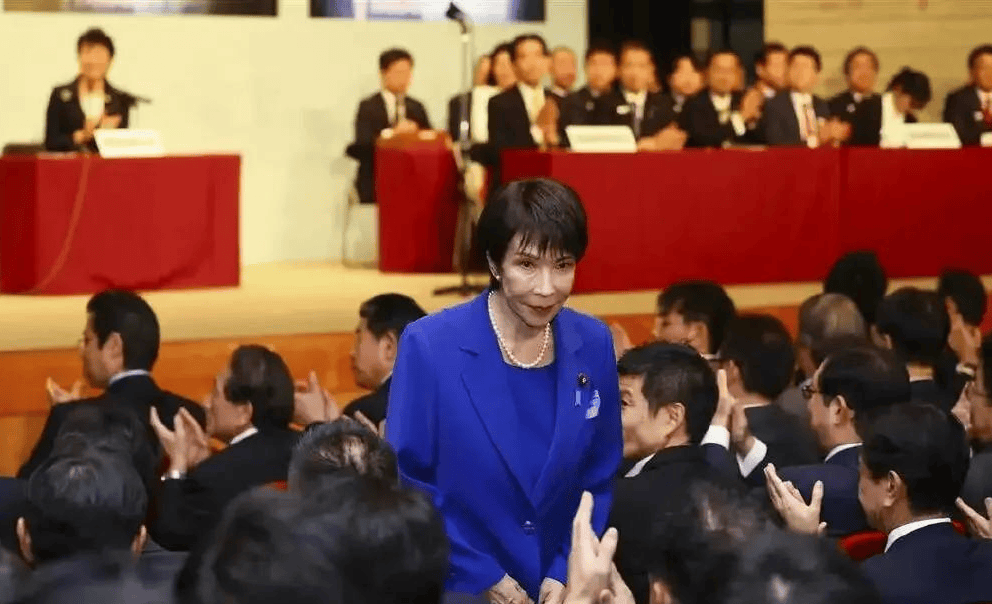
中国反制加强,日本财政恶化,700万亿还不上,前首相要求高市早苗下台
Sou Hu Cai Jing· 2026-02-13 04:09
Group 1 - Japan's government net debt is approaching 700 trillion yen (approximately 31.6 trillion RMB), with liabilities reaching 1,483.3 trillion yen against assets of 783.4 trillion yen, marking a historical record of insolvency [3] - The fiscal crisis is directly linked to Prime Minister Kishi's hardline stance towards China, particularly regarding Taiwan, which he has tied to Japan's national survival [3] - China's countermeasures against Japan include travel warnings and trade restrictions, leading to a 47% cancellation rate of flights from China to Japan and significant declines in tourism revenue [6] Group 2 - The export controls imposed by China on over 900 dual-use items, including critical resources like rare earths and semiconductor materials, have severely impacted Japan's high-end manufacturing sector, causing production halts at companies like Toyota [8] - The economic downturn is translating into political pressure, with former Japanese Prime Ministers criticizing Kishi's actions as reckless and potentially harmful to national interests [8] - Japan's economy is already vulnerable due to long-term issues such as aging population and weak domestic consumption, with government debt reaching 260% of GDP, far exceeding international warning levels [10] Group 3 - Kishi's economic stimulus measures, including a supplementary budget of 21.7 trillion yen, have led to soaring bond yields and increased interest payments, consuming nearly 40% of fiscal tax revenue [10] - Japan's high dependency on China for trade, at 40%, means that China's countermeasures are particularly damaging to key industries such as automotive, electronics, and pharmaceuticals [10] - The ongoing diplomatic isolation and economic contraction could lead Japan into a vicious cycle, with the looming threat of national credit bankruptcy as the debt crisis deepens [12]