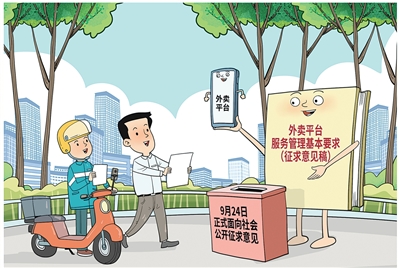
外卖

Search documents
关闭电商,取消外卖,让实体经济重获新生,这个建议靠谱吗?
Sou Hu Cai Jing· 2025-10-14 02:08
Core Viewpoint - The rise of e-commerce and food delivery services has significantly impacted the physical retail sector, leading to challenges for brick-and-mortar stores amid changing consumer behaviors and economic conditions [1][3]. Group 1: Impact of E-commerce and Food Delivery - E-commerce sales in China reached 10.8 trillion yuan, accounting for 24.5% of total retail sales, with online shopping users numbering 842 million by the end of 2021 [1]. - The food delivery market is projected to approach 941.74 billion yuan in 2022, with online food delivery users reaching 544 million [1]. - The shift towards online shopping and food delivery is driven by modern urban lifestyles, particularly among younger generations who prefer convenience and competitive pricing [3]. Group 2: Challenges Faced by E-commerce and Food Delivery - Despite the growth, e-commerce faces criticism over product quality, with consumers reporting frequent issues such as poor durability and discrepancies between online images and actual products [5]. - The food delivery sector also grapples with concerns over food safety and quality, alongside the potential negative impact on social interactions and health due to over-reliance on delivery services [5]. Group 3: Strategies for Physical Retailers - Physical stores can expand their online sales channels and adopt an O2O (online-to-offline) model to capture market share from e-commerce [6]. - Differentiation is key for physical retailers, leveraging unique advantages such as in-person product experiences and superior after-sales service to attract customers [6].

中信证券:双十一启动周期再次提前 强化核心用户价值
智通财经网· 2025-10-14 01:39
Core Insights - The Double 11 shopping festival has started earlier this year, with a promotional period extending over a month, indicating platforms' strong demand for traffic and growth [1] - Platforms are implementing classic promotions like "spend 300 get 50 off" alongside "single item discounts," while increasing subsidies for member users to enhance core user loyalty [1] - The integration of food delivery and instant retail platforms is expected to be a new variable in this year's promotions, highlighting the synergy between food delivery and e-commerce [1] Group 1: Promotion Timing and Structure - The promotional period for this year's Double 11 has been extended by about a week, with platforms like JD and Douyin starting sales earlier, while Tmall has prolonged the end period, resulting in over a month of promotions [1] - The extended promotional period may weaken consumer perception and impulse buying, as ongoing low-price experiences become normalized [1] - The overall sales data during this period reflects the platforms' current development momentum rather than just total growth rates, suggesting a focus on user and category strategies [1] Group 2: Discount Strategies - Most platforms are combining traditional "spend 300 get 50 off" offers with "single item discounts" to lower the entry barrier for consumers, enhancing user experience [2] - The average discount offered across platforms is around 83% to 85%, maintaining a consistent level compared to previous years [2] Group 3: Core User Incentives - Additional discount packages for core members have been enhanced, with platforms like Alibaba and JD offering extra coupons to boost conversion rates among VIP users [3] - For instance, Alibaba provides an "spend 500 get 50 off" coupon for 88VIP members, which is more generous compared to the previous year's offerings [3] - This strategy reflects a deeper focus on core users as the potential for new user growth is limited [3] Group 4: Instant Retail Focus - Instant retail is highlighted as a key aspect of this year's Double 11, with platforms like Meituan, JD, and Taobao expanding their offerings [4] - JD is promoting instant delivery items at discounts as low as 50%, while Taobao is offering 50% off for 88VIP on food delivery [4] - The high-frequency traffic from instant retail may create a synergistic effect for e-commerce platforms during the promotional period [4]

成都通报小米SU7车祸:酒驾发生碰撞燃烧,驾驶员死亡;极星汽车关闭国内最后一家直营门店;Windows 10即将“停服”丨邦早报
创业邦· 2025-10-14 00:08
Group 1 - The 2025 Nobel Prize in Economic Sciences was awarded to three economists for their contributions to understanding innovation-driven economic growth [5] - The prize winners highlighted the importance of managing creative destruction to avoid stagnation in economic growth [5] Group 2 - Meituan has introduced a feature allowing delivery riders to block customers, currently being piloted in seven cities [9] - Polestar has closed its last direct sales store in China, shifting to an online sales model to adapt to changing consumer demands [9] - China's three major telecom operators have launched eSIM services, with significant user interest indicated by over 68,000 online reservations for China Unicom's eSIM service [10] Group 3 - The cancellation of the "Striving Day" by Manbang Group reflects a focus on employee needs while maintaining a commitment to competitive spirit [13] - The new brand "Wawa Xiaozhi" will gradually replace "Zong Shifu," focusing on AD calcium milk products [13] Group 4 - OpenAI and Broadcom announced a strategic partnership to deploy a 10GW custom AI accelerator, with deployment expected to begin in late 2026 [13] - Vanke's chairman Xin Jie has resigned, with Huang Liping elected as the new chairman [13] Group 5 - The registration of the "You Yo Fast Line" trademark by Hongsheng Group indicates a focus on dairy and beverage products [14] - Apple is expected to launch three new products featuring the M5 chip this week [14] Group 6 - DJI's significant price cuts have sparked consumer backlash, leading to the issuance of vouchers to affected customers [14] - Xibei clarified that its newly registered company does not signify a shift towards pre-prepared meals [16] Group 7 - Microsoft will stop providing security updates and technical support for Windows 10 starting October 14, increasing vulnerability for users [17] - Zotye Auto announced the cessation of asset disposal and debt restructuring for its subsidiary [19] Group 8 - The successful listing hearing of Seres Group on the Hong Kong Stock Exchange indicates ongoing interest in the electric vehicle sector [19] - Volant completed a multi-hundred million B round financing to support its aviation projects [19] Group 9 - NineSight completed a multi-million dollar financing round led by Ant Group, focusing on L4 autonomous driving technology [19] - Future Intelligence announced a significant A round financing to advance its AI hardware solutions [19] Group 10 - EHang launched its VT35 eVTOL aircraft with a starting price of no less than 6.5 million yuan in the Chinese market [20][21] - The new Lexus LS model will debut as a six-wheeled MPV at the Tokyo Motor Show [23] Group 11 - In September, the penetration rate of new energy vehicles among manufacturers reached 53.5%, with significant growth in domestic brands [25]

昇世集团亚太区首席投资官陈敬维:亚洲超高净值投资者是如何投资的?
Sou Hu Cai Jing· 2025-10-14 00:07
Core Insights - The article discusses the investment strategies and preferences of ultra-high-net-worth (UHNW) investors in Asia, focusing on their cross-border asset allocation and long-term investment outlook [2][3]. Investment Preferences - UHNW investors typically have significant financial resources, with investment thresholds ranging from $20 million to $1 billion, and they prefer global asset allocation with a focus on long-term certainty [2]. - In addition to traditional investments like stocks, bonds, and gold, UHNW investors are increasingly considering alternative investments such as hedge funds, private equity, real estate funds, and infrastructure funds [2]. Investment Philosophy - UHNW investors prioritize long-term asset appreciation over short-term market fluctuations, often looking at investment horizons of 20 to 30 years [3][4]. - The investment strategy emphasizes capturing long-term trends, such as those in gold and AI sectors, while diversifying to mitigate risks [5]. Hedge Fund Preferences - UHNW investors favor hedge funds with strong management capabilities and robust risk control, often opting for multi-strategy hedge funds that provide stable returns with lower market correlation [6][7]. - The expected annual return for these hedge funds is between 10% and 15%, with a focus on minimizing drawdowns [7]. Stock Investment Recommendations - For direct stock investments, UHNW investors are advised to focus on companies within the AI supply chain, such as Nvidia, TSMC, ASML, and Samsung, as these companies are positioned well in the early stages of AI development [8]. - Concerns about high valuations are addressed, with Nvidia's current earnings growth and demand for its products justifying its valuation compared to historical tech bubbles [9]. Real Estate Investment Trusts (REITs) - UHNW investors show a strong preference for Singapore REITs due to their maturity and stability, with annual yields ranging from 4% to 8% [12]. - The Singapore government’s flexible regulatory approach helps attract foreign investment, making its REITs an appealing option for asset allocation [12]. Gold as a Safe Haven - Gold is viewed positively as a long-term investment, with recommendations to increase allocations since April 2024, supported by central bank purchases and its role as an inflation hedge [13]. - The current geopolitical uncertainties further enhance gold's appeal as a safe-haven asset [13]. Currency Outlook - The outlook for the US dollar is negative, with expectations of further declines due to a potential interest rate cut cycle, while other currencies like the euro, yen, and Swiss franc are being monitored for investment opportunities [14].
永远不要赚门槛太低的钱
洞见· 2025-10-13 12:34
Core Viewpoint - The article emphasizes the importance of pursuing high-barrier jobs that require skill and effort, rather than settling for low-barrier jobs that offer immediate but limited financial rewards. It argues that low-barrier jobs lead to a cycle of low-level competition and hinder personal growth and development [6][12][62]. Group 1: Industry Insights - The delivery industry, including food delivery and ride-sharing, is becoming saturated, with over 10 million delivery workers competing for orders, resulting in diminishing returns for individual workers [6][10]. - The ease of entry into low-barrier jobs has led to an oversupply of workers, causing a significant disparity between effort and income [10][12]. - The article cites a survey where most participants chose a job with a lower salary but easier entry, highlighting a common mindset that prioritizes immediate income over long-term career growth [14][18]. Group 2: Personal Development - The narrative of an individual named Lao Yang illustrates how reliance on low-barrier jobs can lead to stagnation and anxiety, especially as living costs rise [32][34]. - The article discusses the importance of investing time in skill development rather than engaging in low-level, repetitive work that does not contribute to personal growth [50][60]. - A contrasting example is provided through Ruby, who chose to develop new skills and take on challenging projects, ultimately leading to career advancement and job security [46][48]. Group 3: Career Choices - The article highlights the difference between jobs that require minimal skills and those that demand expertise, suggesting that higher barriers to entry can lead to better job security and financial rewards [39][45]. - It emphasizes that individuals should focus on developing unique skills that set them apart in the job market, rather than competing in oversaturated fields [62][64]. - The narrative of Li Kuli demonstrates the long-term benefits of prioritizing skill acquisition over short-term financial gains from side jobs [56][58].

强制补贴、“二选一”、设置不合理规则……平台竞争不能“薅商户羊毛”
Ren Min Ri Bao· 2025-10-13 02:31
Core Viewpoint - The article highlights the issues faced by merchants in the platform economy, including forced subsidies, unreasonable rules, and the impact on industry health and merchant rights [1][2][3] Merchant Complaints - Merchants report being forced to participate in subsidy programs without prior notice, leading to financial losses [2][3] - Specific examples include merchants being required to subsidize customer discounts, sometimes below cost, which can lead to a decline in product quality [2][3] - Instances of merchants being unknowingly enrolled in promotional activities have been documented, raising concerns about transparency [2][3] Platform Practices - Some platforms are accused of coercing merchants into exclusive agreements, limiting their ability to operate on multiple platforms, which may violate antitrust laws [3][4] - The presence of intermediaries and aggressive sales tactics by platform representatives can lead to unfair practices against merchants [4][5] Industry Regulations - Regulatory bodies have previously penalized platforms for monopolistic behaviors, yet issues persist, indicating a need for stricter enforcement [3][10] - Recent regulatory changes aim to prevent platforms from forcing merchants to sell below cost and to ensure fair competition [10][11] Flow Anxiety and Cost Pressures - Merchants experience "flow anxiety," feeling pressured to invest heavily in advertising and promotions to remain competitive, which can detract from product quality [7][9] - The reliance on paid promotions creates a cycle of increasing costs without guaranteed returns, leading to a detrimental impact on smaller merchants [7][9] Recommendations for Improvement - Experts suggest that platforms need to enhance rules and innovate regulations to create a healthier market environment for merchants [9][11] - Proposed measures include establishing better communication channels between platforms and merchants, as well as creating a fairer system for managing promotional activities [11]
明抢!中国企业147亿半导体资产被荷兰政府冻结,CEO被停职;小米第三款车YU9多张实车谍照曝光;美团外卖骑手能屏蔽顾客了
雷峰网· 2025-10-13 00:44
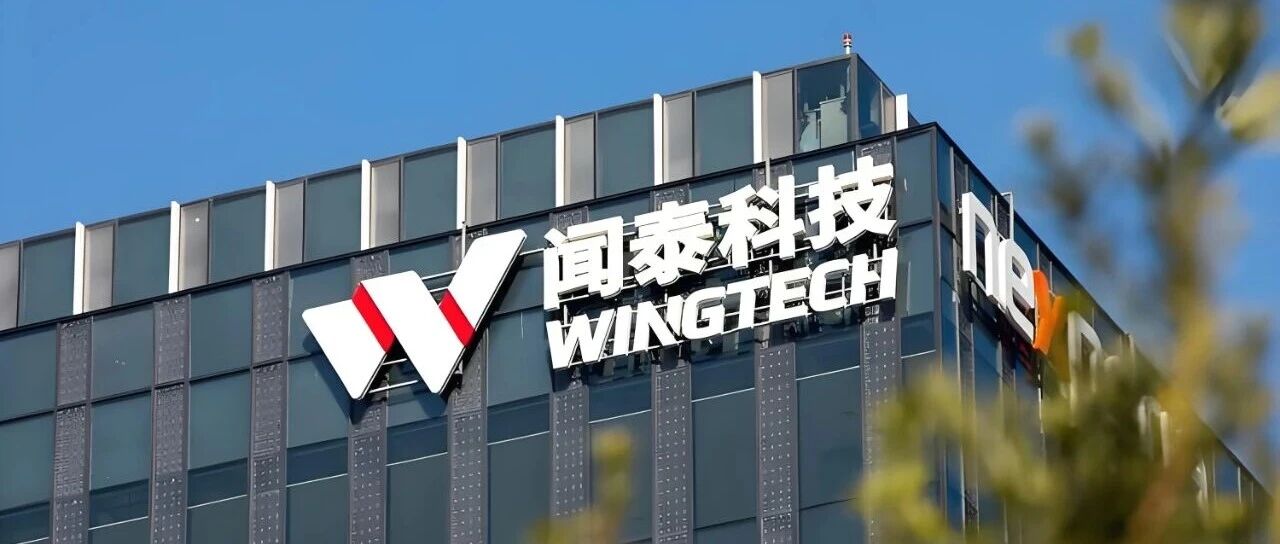
Group 1 - Apple made a typographical error on its Chinese website, incorrectly labeling AirPods as ArPods, which led to public embarrassment and criticism [3] - Nexperia, a subsidiary of Wintech, faced operational restrictions imposed by the Dutch government, affecting its global operations and management structure [6][7] - Xiaomi's CEO Lei Jun was spotted testing the company's third vehicle model, YU9, in Xinjiang, indicating the company's commitment to automotive development [9] - Didi Autonomous Driving secured 2 billion yuan in D-round financing, supported by multiple AI industry funds, to enhance AI research and development [10] - Xiaopeng Motors received a significant order for 600 flying cars from Middle Eastern clients, marking a milestone in the flying car market [12] - Meituan is trialing a feature allowing delivery riders to block customers, aimed at protecting rider rights [15] - BYD plans to phase out the Song Plus model in China, transitioning to the new Hai Lion 06 model, while continuing to sell the Song Plus in overseas markets [16] - Zotye Auto dismissed its vice president due to significant delays in vehicle development, reflecting ongoing challenges in the company's recovery [17] Group 2 - SoftBank is planning to raise $5 billion by mortgaging part of its Arm shares to invest further in AI, indicating its aggressive strategy in the sector [26][27] - Tesla's recent software update included advertisements for a Disney movie, which received mixed reactions from users, highlighting the company's approach to monetization [25] - Apple is in talks to acquire the talent and technology of computer vision startup Prompt AI, indicating its focus on enhancing its capabilities in this area [31]


早报|美团外卖骑手能屏蔽顾客了;鲍师傅回应蛋挞里吃出弹簧;商务部公告附件首次改为wps格式;韩国70岁以上人口首超20多岁人口
虎嗅APP· 2025-10-13 00:05
Group 1 - Meituan is testing a feature that allows delivery riders to block customers in seven cities, enhancing rider protection and user evaluation [2][3] - The feature enables riders to block customers for abusive behavior, preventing future orders from those customers for up to 365 days [2] - This initiative is seen as a positive exploration of providing more choices and protecting the rights of both users and riders [3] Group 2 - Wentaitech condemns the Dutch government's actions against Anshi Semiconductor as politically motivated interference, undermining fair competition [4] - The company criticizes attempts by certain foreign management to alter the ownership structure of Anshi Semiconductor under the guise of compliance [4] Group 3 - Elon Musk's xAI is developing "world models" to create AI systems that can understand and manipulate physical environments, competing with major tech firms [5] - The focus is on training these models using video and robotic data, aiming to surpass the limitations of current large language models [5] - xAI has recruited experts from NVIDIA to accelerate this development, with initial applications targeted at the gaming industry [5] Group 4 - Apple is reportedly in the final stages of negotiations to acquire Prompt AI, a startup specializing in home security systems, to enhance its smart home ecosystem [7][8] - Prompt AI's core product, "Seemour," connects to home security cameras and offers intelligent recognition features [7] Group 5 - The Chinese government is investigating Qualcomm for potential violations of antitrust laws related to its acquisition of Autotalks, which was completed without proper notification [10][12] - The investigation stems from concerns that the acquisition could restrict competition, leading to a formal inquiry by the market regulatory authority [10][12][13] Group 6 - The demographic shift in South Korea shows that the population aged 70 and above has surpassed those in their 20s for the first time, highlighting the impact of low birth rates and aging [18] - In 2024, the population of those aged 70 and above is projected to reach 6.543 million, while the population in their 20s is expected to be 6.302 million, marking a significant demographic change [18]




外卖骑手也能屏蔽顾客了,美团回应:可设置365天内不再接单相应用户
Mei Ri Jing Ji Xin Wen· 2025-10-12 22:36
Core Points - Meituan has introduced a feature allowing delivery riders to block customers in response to increasing friction between riders and customers in the expanding food delivery market [1][2][3] - The feature is currently being piloted in seven cities, including Jinjiang and Shaoxing, and allows riders to anonymously rate customers and block them for a year if they encounter abusive behavior [1][3] - Industry experts view this initiative as a positive step towards protecting the rights of both riders and customers, providing more options for both parties [2][3] Summary by Sections - **Feature Introduction** - Meituan has launched a trial for a new feature that enables delivery riders to block customers after negative interactions [1] - The feature allows riders to provide anonymous feedback on customers and block them for 365 days if necessary [1] - **Pilot Cities and Functionality** - The blocking feature is currently available in seven cities, with plans for nationwide expansion [1] - Riders can block up to two customers simultaneously, and the feature is accessible through the rider app [1] - **Market Context** - The food delivery market has seen an increase in conflicts between riders and customers, prompting the need for such protective measures [1] - Reports of negative customer remarks and unfair ratings have highlighted the challenges faced by delivery riders [1] - **Community Response** - The introduction of this feature has sparked discussions on social media, with many riders expressing support for the initiative [2][3] - Some riders believe that blocking two customers is insufficient, indicating a desire for more robust options [2][3]

平台竞争,不能“薅商户羊毛”(金台视线)
Ren Min Ri Bao· 2025-10-12 22:10
Core Viewpoint - The platform economy, as a vital part of the digital economy, is facing challenges where merchants report unfair practices by platforms, such as forced subsidies and unreasonable rules, which harm both merchant interests and industry health [1][2]. Merchant Complaints - Merchants have reported being forced into subsidy programs without prior notice, leading to situations where they must provide discounts that reduce their profits below cost [2][3]. - Specific examples include a merchant who discovered he was unknowingly participating in a subsidy program, resulting in significant financial losses [2]. - Another merchant faced pressure to choose between platforms, indicating a "choose one" scenario that could violate antitrust laws [4]. Regulatory Environment - The National Market Regulatory Administration has been drafting guidelines to address these issues, with a focus on fair practices in the food delivery sector [4][10]. - Previous actions against platforms for monopolistic behavior highlight ongoing regulatory scrutiny, with calls for compliance with e-commerce laws [10]. Industry Practices - Some platforms employ tactics that indirectly force merchants into unfavorable agreements, such as requiring exclusive contracts that limit competition [4][5]. - The existence of "price adjustment assistants" on platforms allows for unilateral changes to merchant pricing without consent, raising concerns about transparency and fairness [5][10]. Flow Anxiety and Competition - Merchants experience "flow anxiety," feeling pressured to invest heavily in advertising and promotions to remain competitive, which can lead to reduced product quality [7][8]. - The competitive landscape is skewed, where larger merchants can outspend smaller ones on advertising, creating an uneven playing field [8][9]. Recommendations for Improvement - Experts suggest that platforms need to enhance rules and innovate regulations to create a healthier market environment, focusing on fair treatment of merchants [9][10]. - Proposed measures include establishing mechanisms for merchant representation and feedback, as well as creating a more transparent system for flow distribution [12].