
即时零售

Search documents
2025即时零售20大事件复盘:卷不动的即时零售,谁能拿下2026入场券?
Sou Hu Cai Jing· 2025-12-26 13:37
富了即时零售的商品供给品类,加速了 "内容引流 + 电商交易 + 即时配送" 的生态深度融合,推动即时零售与内容生态的联动更紧密。 2 月 11 日,京东外卖正式启动 "品质堂食餐饮商家" 招募计划,明确 2025 年 5 月 1 日前入驻的商家可享受全年免佣金福利,同时京东将为全职骑手足额 缴纳五险一金。此次京东以 "品质外卖" 为核心切入点,正式进军即时零售赛道,直接打破了此前美团、饿了么长期主导的双强格局,让即时零售行业从 "双雄争霸" 正式迈入美团、饿了么、京东三足鼎立的 "三国杀" 时代,行业竞争格局迎来根本性重塑。 3 月 18 日,抖音小时达宣布将带货权限面向全量电商达人开放,达人无需额外申请即可通过短视频种草、直播带货等形式推广即时零售商品,消费者下 单后依托抖音配送网络,最快 30 分钟就能收到商品。这一举措不仅为广大内容创作者开辟了全新的变现路径,让流量快速转化为实际收益,还进一步丰 3 月中旬,多家媒体报道显示,2024 年朴朴超市实现首度全年盈利,全年收入约 300 亿元,毛利率达 22.5%,全段履约费用率控制在 17.5% 以内,全国布 局 400 多个大型前置仓。2025 年朴朴 ...





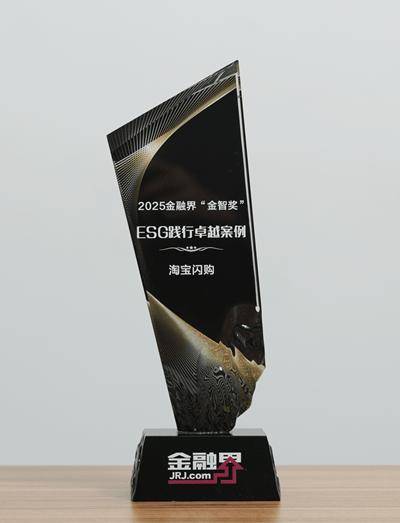
打造绿色、共赢、有温度的即时零售生态,淘宝闪购荣获第十四届金融界“金智奖”ESG践行卓越案例
Sou Hu Cai Jing· 2025-12-26 11:18
其中,2025年度ESG践行卓越案例中的企业,在环境可持续发展、社会价值共创、公司治理优化等方向 的深耕实践,取得显著成效。该奖项旨在树立高质量发展标杆,激励广大上市公司聚焦主业、深耕创 新、践行社会责任,为"十五五"时期实体经济与资本市场协同发展凝聚行业共识。 作为阿里巴巴集团即时零售业务的承载平台,淘宝闪购将ESG理念深度融入业务全流程,构建起特色鲜 明的实践体系。 在环境保护维度,淘宝闪购积极推动绿色消费,助力消费者低碳行为习惯养成,并通过流量倾斜、补贴 激励等方式引导商家践行低碳理念;社会价值层面,淘宝闪购开展多项爱心公益活动,并构建了"社区 侠"公益体系,发动城市骑士参与社区隐患排查、助老送餐等公益服务,实现骑士群体从城市服务者到 社区共建者、社会治理参与者的价值认可;治理层面,淘宝闪购不断完善沟通协商渠道,通过多项举 由金融界主办的"启航·2025金融峰会"于12月26日在北京成功举办,本届大会以"新开局、新动能、新征 程"为主题,汇聚监管部门、行业协会、金融机构、上市公司、媒体等领域数百位相关领导和重磅嘉 宾。作为大会备受关注的重要成果,第十四届金融界"金智奖"年度评选结果正式揭晓,淘宝闪购荣 ...
电商巨头入场角力 即时零售“三国杀”
Bei Jing Shang Bao· 2025-12-26 02:01
Core Insights - The article highlights the competitive landscape of instant retail among major e-commerce players, indicating that 2025 is expected to be a pivotal year for the sector as companies shift from price competition to a focus on overall business ecosystem capabilities [1][8]. Group 1: Market Dynamics - On December 25, 2023, 30 stores of Qixian Xiaochu in Beijing received over 16,000 orders, driven by promotional activities such as free chocolate for users [2]. - Major e-commerce platforms like JD.com, Meituan, and Taotian are intensifying their marketing efforts with significant discounts and promotional campaigns ahead of the New Year [3][4]. - The instant retail market in China is projected to reach 971.4 billion yuan in 2023, with expectations to surpass 1 trillion yuan in 2024 and potentially reach 2 trillion yuan by 2030, reflecting an annual growth rate of 12.6% during the 14th Five-Year Plan period [7]. Group 2: Competitive Strategies - JD.com has adopted a strategy focused on quality and zero commission, achieving over 25 million daily orders within 90 days of launching its services, while also offering social security for delivery personnel [4][7]. - Meituan has shifted its focus to instant retail by closing non-core businesses and enhancing its delivery services, with over 30,000 flash warehouses established across 2,800 counties and cities [5][7]. - Alibaba is integrating its resources to enhance its instant retail offerings, with a focus on improving user experience and increasing profitability through innovative business models like the Taobao convenience store [7]. Group 3: Future Outlook - The competition in the instant retail market is expected to evolve beyond mere subsidies and order volumes, emphasizing the importance of ecosystem collaboration, operational precision, and supply chain efficiency [8].
刘强东直播炒菜的那个百亿大项目,如今怎么样了?
Bei Jing Shang Bao· 2025-12-25 23:14
目前,七鲜小厨已在北京开出30家,基本实现对五环内城区的覆盖。 "从今天开始营业到中午11点,店内已经送出500多单了,现在还在爆单中。"七鲜小厨北京长保大厦门 店的马店长告诉北京商报记者。 在午餐高峰期,不少京东、美团等骑手在店内寻找订单。一位常跑附近区域的骑手表示,每天大概有十 几个订单会来自七鲜小厨。 抢占节日场景 暴涨的订单主要受营销活动推动。近日,七鲜小厨正在开展北京用户下单就送免费巧克力的活动,京东 主站也将活动同步在首页上。据京东统计,营业不到3小时,北京所有七鲜小厨门店的订单量已突破1.6 万单。 今年7月底,京东在长保大厦落地首家七鲜小厨门店,并计划在3年内投入超百亿元资金,在全国范围建 设超10000个七鲜小厨。据悉,9月16日,刘强东曾罕见现身为七鲜小厨站台,首次直播做菜。 目前,七鲜小厨已在北京开出30家,基本实现对五环内城区的覆盖。据马店长介绍,长保大厦门店的客 群主要来自周边居民、上班族和学生等。 今年3月,京东以"品质"心智、0佣金、为骑手买社保等策略举起外卖大旗,杀入对手阵地。上线90天 内,日订单量即突破2500万单,入驻商家超200万。京东外卖高频消费带来的交叉销售影响让阿 ...
即时零售“三国杀”
Bei Jing Shang Bao· 2025-12-25 16:02
Core Insights - The article highlights the competitive landscape of instant retail among major e-commerce players, indicating that 2025 is expected to be a pivotal year for the sector as companies shift focus from price wars to enhancing overall business ecosystem capabilities [1][4]. Group 1: Market Dynamics - On December 25, 2023, 30 stores of Qixian Xiaochu in Beijing received over 16,000 orders, driven by promotional activities such as free chocolate for users [2]. - Major e-commerce platforms like JD.com, Meituan, and Taotian are intensifying their marketing efforts ahead of the New Year, with significant sales expected for gift items and festive products [2][3]. - The instant retail market in China is projected to reach 971.4 billion yuan in 2023, with expectations to surpass 1 trillion yuan in 2024 and potentially reach 2 trillion yuan by 2030, reflecting an annual growth rate of 12.6% during the 14th Five-Year Plan period [7]. Group 2: Competitive Strategies - JD.com, Meituan, and Taotian are engaged in fierce competition, with JD.com adopting strategies such as zero commission and social security for delivery personnel, resulting in a daily order volume exceeding 25 million within 90 days of launching its services [4][5]. - Meituan has shifted its focus to instant retail by closing non-core businesses and enhancing its delivery capabilities, with over 30,000 flash warehouses established across 2,800 counties and cities [5][7]. - Alibaba is integrating its resources to enhance its instant retail offerings, with a focus on improving user experience and increasing profit margins through innovative business models like Taobao Flash Purchase [7][8]. Group 3: Financial Performance - In Q3 2023, Alibaba's instant retail revenue grew by 60% year-on-year, while JD.com's new business segment, including delivery services, saw a quarter-on-quarter growth of 12.56% [7]. - Despite revenue growth, Alibaba's operating profit declined by 85% year-on-year, indicating the high costs associated with sustaining competitive advantages through subsidies [7]. Group 4: Future Outlook - The competition in the instant retail market is expected to evolve beyond mere subsidies and order volumes, focusing instead on ecosystem collaboration, operational precision, and supply chain efficiency [8].
七鲜小厨在京扩张 即时零售流量战转向效率战
Bei Jing Shang Bao· 2025-12-25 14:24
Core Insights - The e-commerce industry is transitioning from scale expansion to efficiency and sustainability as it enters a period of stock competition, with major players like JD, Meituan, and Alibaba competing fiercely in instant retail [1][8] - The year 2025 is anticipated to be a breakout year for instant retail, with significant marketing activities driving order volumes, as seen with 7Fresh's stores in Beijing [2][4] Group 1: Market Dynamics - Major e-commerce platforms are engaging in intense competition, with JD, Meituan, and Alibaba employing various strategies to capture market share in instant retail [4][5] - JD has launched initiatives such as 0 commission and social security for delivery personnel, resulting in a rapid increase in daily order volume [4][7] - Alibaba has invested heavily in subsidies to compete, with a reported 500 billion yuan allocated to capture market share in the instant retail sector [4][6] Group 2: Sales and Promotions - During the holiday season, e-commerce platforms are heavily promoting gift items, with significant sales increases expected for products like beauty gift sets and festive food items [2][3] - 7Fresh's promotional activities, including free chocolate giveaways, have significantly boosted order volumes, demonstrating the effectiveness of marketing strategies [2][3] Group 3: Financial Performance - Instant retail revenue for Alibaba grew by 60% year-on-year in Q3, while JD's new business segment, including delivery services, saw a 12.56% quarter-on-quarter increase [7] - Despite revenue growth, Alibaba's operating profit fell by 85% year-on-year, highlighting the challenges of sustaining profitability amid heavy subsidies [7] Group 4: Future Outlook - The instant retail market in China is projected to reach 971.4 billion yuan by 2025, with expectations to exceed 1 trillion yuan by 2026 [8] - The competition will increasingly focus on operational efficiency, ecosystem collaboration, and the ability to extract value from existing customers rather than just on subsidies and order volume [8]
日均已超5000万单,抢食快递蛋糕的狼来了?
3 6 Ke· 2025-12-25 10:29
Group 1 - Anta has officially integrated with Taobao Flash Purchase, allowing consumers to order from nearby stores with delivery in as fast as 30 minutes, covering over 1,000 offline stores across 174 cities, with plans to expand to over 4,000 stores by 2026 [1] - The express delivery industry is facing a slowdown, with business volume growth dropping to 5% in November, following a decline to single digits at 7.9% in October, marking a nearly 10 percentage point drop from the annual average growth rate [1] - The express delivery sector's growth is closely tied to the e-commerce cycle, with significant growth observed since the inception of Taobao in 2003, reaching a staggering 1 trillion packages by 2021 [1] Group 2 - The express delivery industry has not seen a corresponding profit increase despite significant business volume growth, leading to a cycle of unhealthy competition, with delivery prices declining annually [2] - A crisis is anticipated in 2025 due to the rise of instant retail, which utilizes local warehousing and delivery networks to achieve "minute-level" fulfillment, diverting traditional express delivery's high-frequency, low-weight orders [2] - Major platforms like Meituan Flash Purchase, Taobao Flash Purchase, and JD Instant Delivery are projected to reach a combined daily order volume of 200 million by 2025, with an estimated annual business volume exceeding 50 billion orders [2] Group 3 - Instant retail has expanded its product categories from fresh produce and daily necessities to include electronics, home goods, and beauty products, directly impacting the high-margin segments of traditional express delivery [3] - The instant retail market is expected to reach a scale of 2 trillion yuan by 2030, with long-term projections of 3-4 trillion yuan, raising concerns about the potential erosion of express delivery's market share as consumer habits shift [3] - The most suitable products for instant retail are those with lower penetration rates in traditional e-commerce, such as fresh fruits and beverages, undermining the advantages of same-day and next-day delivery offered by traditional express services [3] Group 4 - To adapt to the challenges posed by instant retail, express delivery companies must shift from "scale expansion" to "value creation," focusing on technological, service, and model innovations to enhance competitiveness [4]
破局 即时零售站在万亿市场门槛上
Shang Hai Zheng Quan Bao· 2025-12-24 19:15
Core Insights - 2025 is a pivotal year for the instant retail market in China, with the market size expected to approach 971.4 billion yuan, and projected to exceed 1 trillion yuan in 2026, marking it as the year of breakthrough for instant retail [1][6] - The future competition in instant retail will focus on "quality," "efficiency," and "experience," moving beyond mere scale and speed to establish a sustainable and healthy ecosystem [1][6] Group 1: Market Definition and Growth - Instant retail is defined as a retail format that meets local immediate demand through online ordering and offline fulfillment, covering a wide range of products including fresh goods, electronics, pharmaceuticals, and more [2] - Major platforms like JD, Meituan, and Alibaba are heavily investing in instant retail to seek new consumer growth and escape traditional e-commerce competition, with significant resources allocated to boost daily order volumes to the billion-level [2][3] Group 2: Strategic Investments and Supply Chain Innovations - The strategic investments by platforms are driving deep changes in the retail supply side, with innovations like "front warehouses" and "lightning warehouses" emerging to enhance order fulfillment efficiency [4] - Instant retail is expanding the customer base and inventory turnover for physical stores, with thousands of offline stores integrating into instant retail platforms, transforming into "cloud warehouses" [4] Group 3: Stakeholder Benefits and Economic Impact - Consumers benefit from unprecedented convenience, while merchants gain new growth opportunities with support from platforms, including AI tools and traffic assistance [5] - The surge in orders has created new job opportunities for delivery personnel, with significant increases in their income and benefits [5] Group 4: Financial Performance and Future Challenges - Despite the growth in market size, major platforms are facing significant losses, with Alibaba's net profit down 53% and Meituan reporting a net loss of 16 billion yuan in Q3 [6] - The industry is transitioning from price-driven competition to a focus on user experience, with a need to convert initial investments into sustainable profitability [6][9] Group 5: Differentiated Competition Strategies - The three major platforms are adopting differentiated competition strategies, with Meituan focusing on rapid delivery, Alibaba integrating a vast product ecosystem, and JD emphasizing quality supply chains [7][9] - Future competition will increasingly rely on fulfillment capabilities and operational efficiency rather than just pricing [9]

京东时尚秒送合作门店数量增长超150%,大牌节日礼盒爆款低至5折
Sou Hu Cai Jing· 2025-12-24 06:59
截至2025年底,京东时尚秒送累计入驻商家超千家,包括滔搏、安踏、李宁、鸿星尔克、波司登、特步等国内零售巨头、 服饰运动大牌;营业门店数量同比增长超150%,覆盖了包括服装、鞋靴、内衣、美妆、运动户外等多个核心品类,持续为 消费者提供更丰富、更便捷的即时时尚消费体验。 在数字经济与消费转型的双重驱动下,即时零售正用"分钟级履约"重新定义商业效率的天花板。根据商务部研究院发布的 《即时零售行业发展报告(2025)》,2026年我国即时零售规模将突破1万亿元,预计到2030年,将达到2万亿元。构建良 好生态,推动高质量发展将是即时零售行业的重要议题。京东时尚秒送在2025年全面加速服饰、运动、美妆等核心品类供 给布局,迎来爆发式增长,已成为品牌布局即时零售、消费者获取潮流商品的重要方式。 2025年,品牌商家也通过京东时尚秒送实现了销售新增量。年初至今,耐克、阿迪达斯、骆驼、安踏等运动户外品牌成交 额同比增长均超2倍,内衣品牌松山棉店成交额同比增长5倍;随着冬季保暖需求增加,自11月波司登入驻京东秒送以来, 其销售也呈现高增长态势。 除此以外,京东时尚秒送在重要节日期间增长也尤为显著。近年来,受送礼观念日常化、礼 ...
商业订单达74万单,美团无人机布局再加速 京东、闪送等巨头加码即时零售“低空战场”
Mei Ri Jing Ji Xin Wen· 2025-12-22 12:23
Core Insights - Meituan's drone business has expanded significantly, launching multiple products and operating 65 routes in cities including Shenzhen, Shanghai, Beijing, Hong Kong, and Dubai, completing 740,000 commercial orders to date [1][3][4] Group 1: Company Developments - Meituan has introduced new drone products, including a low-altitude air network and an intelligent drone docking airport, enhancing its logistics capabilities [1] - The fourth-generation drone, M4L long-range version, can carry up to 4.5 kg and has a maximum range of 20 km, catering to various delivery needs [3] - Meituan's drone delivery orders have increased by 70,000 in less than three months, indicating a daily average growth of nearly 800 orders [5][6] Group 2: Industry Trends - The low-altitude economy is gaining traction, supported by government policies aimed at promoting smart logistics and drone delivery systems [7] - Major competitors like JD Logistics and SF Express are also investing heavily in drone technology, with JD planning to purchase 3 million robots and 100,000 drones over the next five years [8] - The market for low-altitude economy is projected to reach 1.5 trillion yuan by 2025, with a compound annual growth rate (CAGR) of 33.8% from 2023 to 2025 [9] Group 3: Market Dynamics - The demand for faster delivery times is increasing, with consumers expecting deliveries within 30 minutes, further driving the need for drone logistics [4] - Despite the growth in drone delivery, traditional delivery methods remain dominant in most scenarios, with drone services acting as a supplementary option [11] - The stability and cost-effectiveness of drone delivery are critical for its scalability, as high costs compared to human delivery could hinder widespread adoption [11]