投资

Search documents
现在是慢牛吗?一名一级从业者对二级市场的思考
叫小宋 别叫总· 2025-11-04 03:46
Market Characteristics - The secondary market is characterized by a high proportion of retail investors [1] - Investors tend to favor chasing hot stocks rather than relying on rational analysis, leading to price movements that defy conventional investment logic [2] - There is a tendency for investors to inflate stock prices based on future expectations, sometimes projecting valuations three, five, or even ten years ahead [3] Institutional Investment Strategy - There is a lack of primary institutions that adjust their investment strategies based on the characteristics of the secondary market [4] - The experience of investing in multiple companies shows that only a few make it to the secondary market, making it impractical to consider secondary market characteristics for primary market strategies [5] Slow Bull Market Discussion - The concept of a slow bull market raises questions about its duration and implications for primary institutions, particularly regarding the timing of exits for invested companies [6] - There is skepticism about whether primary institutions analyze past bull markets to inform their investment strategies in the primary market [6] Role of Institutional Shareholders - Institutional shareholders are expected to play a significant role in optimizing corporate governance and enhancing the capital market [7] - However, the reality is that institutional investors often celebrate a single successful exit among many investments, indicating limited engagement in governance [8] - There is a perception that institutional investors lack the capacity to significantly influence corporate governance or market improvement [9] Investment Focus and Market Dynamics - The focus of primary market investments may be shifting towards hard technology and AI, with a desire to keep investment funds within the domestic market rather than seeking overseas opportunities [14][17] - The discussion hints at a broader context of market dynamics, suggesting that the positioning of primary market institutions may be influenced by higher-level strategic considerations [17] Reflection on the Investment Industry - The narrative reflects a critical view of the investment industry, suggesting that some professionals may overestimate their status and influence within the broader social hierarchy [21] - The insights presented are based on seven years of experience in the primary market, indicating a level of introspection and acknowledgment of potential limitations in understanding [22]

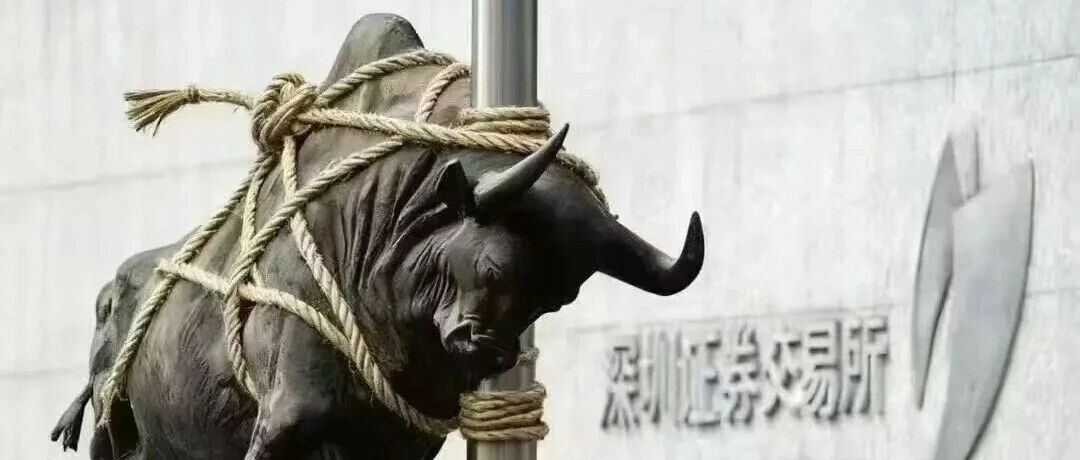
全球顶级投资机构:从补短板到体系重构,中国企业出海全新机遇来临
中国基金报· 2025-11-04 01:39
Core Viewpoint - The article discusses the transformation of China's industrial upgrade from merely filling gaps to a comprehensive system reconstruction, creating numerous investment opportunities in automation, greening, and intelligence within the manufacturing sector [2][32]. Group 1: Investment Opportunities - The focus is on three key areas for investment: automation, green production, and intelligence. Automation has shown a competitive advantage in China's manufacturing, with motor product exports growing faster than overall exports by about 2 percentage points [8]. - Green production is emphasized as a long-term focus, despite current supply-demand imbalances in the renewable energy sector, with potential for mean reversion through supportive policies [9]. - The intelligence sector is highlighted as a long-term trend, with significant growth in demand for technology and new components, although many industries are still in the exploratory phase [9]. Group 2: Market Dynamics - The article notes a significant divergence in market performance, with new economy sectors outperforming traditional ones, reinforcing the investment logic based on industrial upgrades [8]. - The Hong Kong stock market has seen increased activity, particularly in IPOs, with a complex investor structure that includes both long-term and trading strategies [13]. Group 3: Global Expansion - The article emphasizes the importance of understanding local markets for Chinese companies looking to expand internationally. Successful overseas ventures require local market experience and a sound value system [8][20]. - The shift from traditional exports to global operations is noted, with a focus on brand building, ecosystem development, and localization as key barriers to entry in foreign markets [21][20]. Group 4: Industry Insights - The article highlights the systemic advantages of Chinese manufacturing, particularly in new energy, electric vehicles, and AI, where Chinese companies are rapidly advancing [14][11]. - The need for companies to integrate into local ecosystems and achieve "common prosperity" is stressed, as many firms face challenges in local market integration [28][26]. Group 5: Economic Outlook - The article presents a cautiously optimistic view of the Chinese market, with signs of recovery and a shift towards a more rational investment approach focusing on cash flow and policy certainty [31]. - The transition from a follow-up model to a systematic reconstruction of the industry is seen as a significant historical shift, supported by China's talent pool and innovation capabilities [34][32]. Group 6: Future Trends - The article identifies three trends for future investment: industrial collaboration, diversification of overseas markets, and enhanced risk management capabilities [35]. - It also points to the importance of focusing on hidden champions in the industry, specialized consumer products, and new infrastructure opportunities in green and digital sectors [35]. Group 7: Technology Focus - The article underscores the critical role of technology in future investments, particularly in advanced manufacturing, AI applications, and the development of a robust talent ecosystem [44]. - It emphasizes the need for long-term value and global scarcity in technology investments, advocating for a deep understanding of industry dynamics to capture growth opportunities [44].

【省国资委】招才引智省属国有企业专场招聘活动走进京沪
Shan Xi Ri Bao· 2025-11-03 23:02
Group 1 - The event organized by Shaanxi Province aimed to attract talent through a recruitment fair targeting state-owned enterprises, held in Beijing and Shanghai, lasting four days [1][2] - A total of 21 provincial state-owned enterprises and 2 municipal state-owned enterprises participated, offering 263 quality job positions and planning to recruit over 1,600 individuals across key industries such as energy, chemical, high-end equipment manufacturing, and new materials [1] - The recruitment activities included specialized training, collection of job demands, and collaboration with targeted universities, with information disseminated through mainstream media and university employment centers [1] Group 2 - The opening ceremony took place at Tsinghua University, where officials discussed Shaanxi's development advantages and talent policy environment, including an in-depth explanation of the highly regarded selection policy for graduates [1] - During the job fair, company representatives engaged in face-to-face discussions with graduates about job details, career prospects, and salary expectations, while also collecting resumes on-site [2] - The event featured an exhibition of Shaanxi's intangible cultural heritage, enhancing the cultural appeal and attractiveness of the recruitment activities [2]
总对价增加9000万元 启明创投入主天迈科技迎来新进展
Zheng Quan Shi Bao· 2025-11-03 17:44
Core Viewpoint - Qiming Venture Partners is set to acquire a controlling stake in Tianmai Technology (300807), with recent developments indicating a change in the actual controller and an increase in the transaction price by approximately 90 million yuan compared to the original agreement [1][2]. Group 1: Transaction Details - Tianmai Technology announced that its controlling shareholder and related parties signed a supplementary agreement, which includes a new transaction price that exceeds the original agreement [1]. - The original fundraising target of 460 million yuan for the acquisition fund is now insufficient due to the increased transaction price, necessitating additional fundraising efforts by the Suzhou Qichen Fund established by Qiming Venture Partners [1][2]. - The buyer's entity changed from Suzhou Yihan to Suzhou Qichen, triggering a re-negotiation requirement under existing regulatory rules [1][2]. Group 2: Market Context - This acquisition marks the first case of a market-oriented venture capital institution taking control of a listed company following the "Six Merger Rules" introduced in September 2024, which encourages private equity funds to acquire listed companies for industrial integration [3][4]. - The supplementary agreement indicates that the acquisition fund had not completed fundraising at the time of the initial announcement, highlighting the challenges faced by private equity funds in securing financing before locking in transaction prices [2][3]. Group 3: Regulatory Environment - The fluctuation in Tianmai Technology's stock price and the change in transaction entities necessitated a re-locking of prices as per the guidelines for share transfer agreements [3]. - Recent policies have encouraged private equity funds to accelerate their involvement in mergers and acquisitions of listed companies, with regulatory support reiterated by officials [3][4]. Group 4: Challenges for Private Equity Funds - Private equity funds face significant challenges in acquiring listed companies, particularly regarding the timing of fundraising and price locking, which creates a dilemma for these institutions [5]. - The requirement for detailed disclosure of transaction agreements and changes in equity ownership adds complexity to the acquisition process for market-oriented venture capital institutions [5].

错过马云却押中AI独角兽!潮汕大叔用“1234法则”来筛选
Sou Hu Cai Jing· 2025-11-03 10:09
Group 1 - The core viewpoint of the article highlights that Eagle Fund has been recognized as one of the "Top 20 Investment Institutions in Soft Power for New Quality Productivity 2025," marking its third consecutive year on the FOFWEEKLY annual list and its first national-level recognition in the "soft power" dimension [1][2]. Group 2 - Eagle Fund defines "soft power" as the unseen capabilities that determine outcomes, such as predicting technology cycles, building industrial resonance, and fostering long-term consensus and collaboration [4]. - Over the past decade, Eagle Fund has actively invested in cutting-edge sectors like artificial intelligence, robotics, and low-altitude economy, creating a unique industrial ecosystem and resource integration capability to provide comprehensive support to its portfolio companies [4]. - The fund has invested in over 300 technology innovation companies, with more than 10 portfolio companies already listed or about to be listed [4][14]. Group 3 - Eagle Fund was founded by Liu Xiaoying, who embodies the entrepreneurial spirit of the Chaoshan people, having a background that includes significant experiences in both Hong Kong and mainland China [4][9]. - Liu Xiaoying's entrepreneurial journey began in 1993, and he quickly became the youngest chairman of a listed company in Hong Kong by successfully listing his company on the stock exchange in 2000 [9][10]. - The fund has established branches and offices in various cities, including Shanghai, Hangzhou, Wuhan, Chengdu, Hong Kong, Silicon Valley, and Boston, managing assets exceeding 3 billion RMB [14].
「投资万里行」深入科创名城,为硬科技项目搭建产融对接新平台
Sou Hu Cai Jing· 2025-11-03 09:56
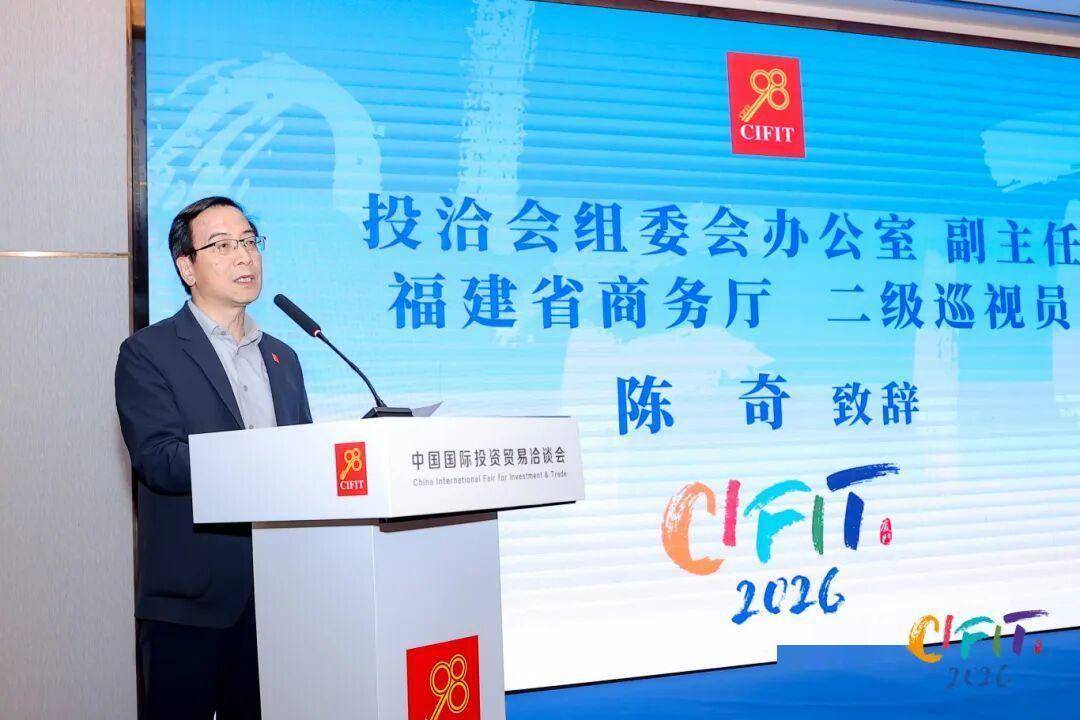
Core Insights - The "Investment Journey" event, co-hosted by the China International Investment and Trade Fair Committee and the Anhui Provincial Department of Commerce, successfully took place in Hefei, attracting over a hundred participants from various investment institutions and innovative enterprises in sectors like new energy, AI, and cultural tourism technology [1][2]. Group 1: Event Overview - The event was organized to build a new platform for industry-finance integration, marking the beginning of a monthly investment exchange meeting called "Investment Fair X" [2]. - The event featured notable leaders from various organizations, including the deputy director of the Investment Promotion Bureau of the Ministry of Commerce, highlighting the importance of creating efficient bridges between local industries and national capital [1][4]. Group 2: Market Trends and Insights - A presentation by a partner from 36Kr discussed new trends in the capital market, indicating a year-on-year increase in both fundraising and investment, with a shift towards hard technology sectors aligned with national strategic directions [6]. - The focus has transitioned from user metrics to technical parameters and product quality, indicating a move from an "innovation model" cycle to a "hardcore era" in venture capital [6]. Group 3: Project Presentations - Seven innovative companies from sectors such as new energy, AI, and cultural tourism showcased their technological breakthroughs and financing needs during the roadshow segment [9]. - Specific projects included hydrogen fuel cell solutions, market recycling models, digital cultural tourism projects, AI application scenarios, and advanced imaging technologies [11][13][15][19][21]. Group 4: Future Directions - The event marked the official launch of the "going out" model for the monthly investment fair, aiming to enhance the dual investment promotion platform's role in facilitating deep connections between capital and local industries [25]. - Future activities will continue to inject innovative momentum into regional economic development through established brands like "Investment Journey" and "Investment Fair X" [25].
ST中迪连收12个涨停板
Zheng Quan Shi Bao Wang· 2025-11-03 02:13
Core Viewpoint - ST Zhongdi has experienced a significant surge in stock price, achieving a total of 12 consecutive trading days of limit-up, with a cumulative increase of 79.48% during this period [2] Recent Stock Performance - As of 9:31 AM, the stock price reached 7.61 yuan, with a turnover rate of 0.45% and a trading volume of 1.3 million shares, amounting to a transaction value of approximately 9.9 million yuan [2] - The stock's limit-up order amount reached 145 million yuan, and the total market capitalization of A-shares is now 2.277 billion yuan, with a circulating market capitalization of 2.215 billion yuan [2] - The stock has been listed on the Dragon and Tiger list four times due to a cumulative closing price deviation of 12% over three consecutive trading days, with institutional net selling of 3.12 million yuan and a total net buying of 11.26 million yuan from brokerage seats [2] Financial Performance - According to the latest quarterly report, the company reported a total operating income of 135 million yuan for the first three quarters, representing a year-on-year decline of 52.64% [2] - The net profit for the same period was -151 million yuan, reflecting a year-on-year decrease of 42.08%, with a basic earnings per share of -0.5100 yuan [2] Company Background - Beijing Zhongdi Investment Co., Ltd. was established on August 2, 1993, with a registered capital of approximately 299.27 million yuan [2]

[11月2日]美股指数估值数据(巴菲特现金创新高,意味着什么;全球指数星级更新)
银行螺丝钉· 2025-11-02 13:59
Group 1 - The global stock market experienced slight fluctuations this week, with A-shares slightly up by 0.41% and European markets generally down [2][3][4] - The South Korean stock market saw a significant increase of over 20% this month, attributed to the APEC summit, following a period of undervaluation [4][5] - Since the Federal Reserve entered a rate-cutting cycle in September last year, global stock markets have benefited from increased liquidity, leading to higher valuations [6][7] Group 2 - The Federal Reserve announced a 25 basis point rate cut in October, aligning with market expectations, but indicated that a December rate cut is not guaranteed [8][9][10] - Market concerns arose regarding the potential uncertainty of a December rate cut, with current expectations placing the probability at around 50-60% [12] - Long-term projections suggest that the Federal Reserve will continue to lower rates, as the current rate of around 4% is considered too high for the dollar [14][15] Group 3 - Berkshire Hathaway, led by Warren Buffett, reported a record cash reserve of 381.67 billion yuan in Q3 [18][26] - Buffett's investment strategy is influenced by Benjamin Graham, focusing on increasing stock allocations when markets are undervalued and shifting to cash and bonds when markets are overvalued [19][20] - Over the past two years, as U.S. stocks have risen, Buffett has found fewer buying opportunities, leading to a continuous increase in cash and bond holdings [21][24] Group 4 - A global stock market star rating chart indicates that previous undervaluation phases occurred in 2018, 2020, and 2022, with the current rating around 2.9 stars [33][34] - There are currently no global stock index funds available in mainland China, but a "Global Index Advisory Portfolio" has been launched to simulate similar investment effects [36][37] Group 5 - The newly released sixth edition of "The Long-Term Investment Guide" has topped sales charts, emphasizing the importance of stock assets for long-term wealth accumulation [42][43] - The book includes updated data over nearly 30 years and introduces new chapters, reinforcing the idea that stocks are the best long-term investment tool [42][43]
27000亿现金,巴菲特如此操作,意味着什么?
华尔街见闻· 2025-11-02 12:24
Core Viewpoint - As Warren Buffett prepares to step down, Berkshire Hathaway's cash reserves have reached a record high of nearly $382 billion, signaling a cautious investment strategy amid limited opportunities in the market [2][6][21]. Group 1: Cash Reserves and Investment Strategy - Berkshire Hathaway's cash reserves reached $381.7 billion (approximately 27,167 billion yuan) as of the third quarter, increasing by $37.6 billion from the previous quarter, equivalent to a daily increase of $420 million [2]. - The company has been actively selling off stocks, with a total net sale of approximately $184 billion over the past three years, including a $6.1 billion stock sale in the third quarter alone [4][15]. - Buffett's perspective indicates that current market conditions present more selling opportunities than buying ones, as reflected in the company's investment activities [5][6]. Group 2: Stock Buybacks and Market Performance - Berkshire Hathaway has shown restraint in repurchasing its own shares, having not conducted any buybacks since the second quarter of 2024 [7]. - The company's stock price has underperformed the market, dropping about 12% since Buffett announced his intention to step down, while the S&P 500 index rose approximately 20% during the same period [16][17]. - Analysts suggest that the lack of buybacks sends a strong message to shareholders about the company's cautious approach to capital deployment [19]. Group 3: Future Leadership and Challenges - Warren Buffett will officially step down as CEO at the end of the year, with Greg Abel, the head of non-insurance businesses, set to take over [22]. - Abel will inherit a vast empire with nearly 200 subsidiaries and $382 billion in cash, and effectively deploying this capital will be his primary challenge [23]. - Some investors express optimism about Abel's leadership, while others are eager for the company to deploy its cash, indicating a mix of patience and urgency among shareholders [23].

全球海外资产最多的国家,海外资产总量是GDP的2倍,国家非常发达
Sou Hu Cai Jing· 2025-11-02 10:44
Group 1 - Japan's unique asset structure is characterized by a significant portion of its wealth being invested overseas, with overseas assets totaling over $10 trillion, more than double its GDP of approximately $5 trillion [3][4] - The Japanese government has intentionally promoted large-scale overseas investments since the 1960s, establishing a substantial overseas asset pool to avoid excessive stimulation of the U.S. economy and potential backlash [3][4] - The transfer of assets overseas was also a strategic response to fears of natural disasters, ensuring that Japan's wealth could sustain the nation even in the event of catastrophic events [4] Group 2 - Japan's overseas investments have allowed it to maintain economic prosperity and high living standards, even after experiencing significant economic crises [4] - The accumulation of overseas assets generates substantial income for Japan, supporting its continued development and affluence [4] - Japanese capital has significant influence in global markets, with many major Chinese enterprises being partially owned or controlled by Japanese investments [4]