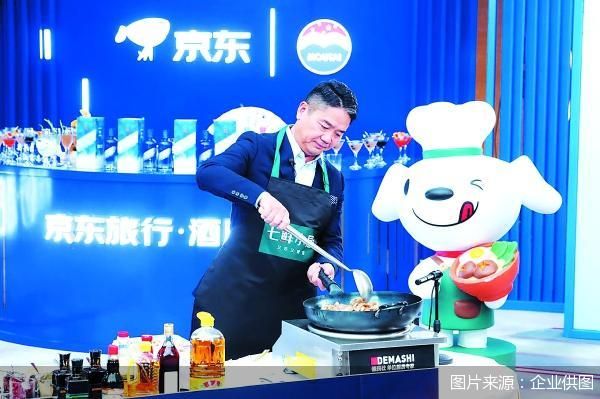
外卖

Search documents
刘强东:尊重王兴,不是仇人,酒旅不打价格战,还有大招
21世纪经济报道· 2025-09-17 02:57
Core Viewpoint - The article emphasizes the importance of healthy competition among private enterprises, urging them to focus on strategic and value-driven competition rather than personal grievances [2][3]. Group 1: Competition Among Enterprises - The company advocates for a straightforward approach among private enterprises, encouraging open dialogue and collaboration rather than animosity [3]. - It stresses that competition should be based on strategy, business models, value creation, and reputation to win consumer trust [3]. - The company expresses respect for competitors while promoting a culture of openness and simplicity in business interactions [3]. Group 2: Platform Competition - The article discusses two types of competition: downward competition that leads to lower quality and upward competition that focuses on better quality and fair pricing [4][5]. - The company calls for a shift towards upward competition in certain industries, particularly in food delivery and hospitality [5]. Group 3: Hotel Industry Strategy - The company plans to avoid price wars in the hotel sector, aiming to protect service quality and profit margins for hotel operators [7][8]. - A new hotel development plan is expected to be announced soon, focusing on innovation rather than price competition [8]. Group 4: Entry into Food Delivery - The company entered the food delivery market due to the high commission rates of 25% charged by existing platforms, which negatively impact food safety and quality [9][10]. - It highlights the importance of providing full social insurance for delivery personnel, a practice not previously adopted by other platforms [8][10]. Group 5: Self-Operated Business Model - The company’s self-operated food delivery service, "Seven Fresh Kitchen," has seen significant demand, with daily orders exceeding 1,500 and a 30% increase in sales for nearby restaurants [11][13]. - The company asserts that its self-operated model does not harm local businesses but rather complements them by driving more traffic and consumer interest [12][13]. Group 6: Entrepreneurial Journey - The company reflects on its entrepreneurial journey, emphasizing the importance of addressing market pain points through innovative business models [14][16]. - It recounts its initial success in the electronics market by implementing transparent pricing and quality assurance, which laid the foundation for its expansion into other sectors [15][16].



刘强东回应京东签约锦江入局酒旅:不希望把酒店业扯入价格战
Nan Fang Du Shi Bao· 2025-09-17 02:37
Core Insights - JD.com is actively expanding into the food delivery and hotel industries, aiming to innovate rather than engage in price wars that could harm service quality and profit margins [1][5][6] Group 1: Food Delivery Business - JD.com launched its "Seven Fresh Kitchen" food delivery service, achieving over 1,500 daily orders within two months of operation [3] - The company plans to invest over 10 billion yuan to establish 10,000 self-operated "Seven Fresh Kitchen" outlets across the country, focusing on fresh, made-to-order meals [3] - JD.com claims that its entry into the food delivery market has not negatively impacted local restaurants; instead, it has increased their order volumes by 30% in the surrounding areas [3][4] Group 2: Hotel Industry Strategy - The hotel industry is facing challenges due to oversupply and declining key performance indicators such as average daily rate and occupancy rate [5] - JD.com aims to provide supply chain services to optimize costs for hotels, addressing the industry's supply chain complexities [5][6] - A strategic partnership has been established between JD.com and Jinjiang Hotels to enhance dining experiences and explore new business models combining AI with food and lodging [5][6]

刘强东直播炒菜:尊重王兴,酒旅不打价格战,还有大招
Mei Ri Jing Ji Xin Wen· 2025-09-17 01:49
Core Insights - Liu Qiangdong, founder and chairman of JD Group, hosted a live cooking event at the "JD Wine Tasting" event, marking his return to user engagement after nearly 20 years [1][4] - JD Group is expanding into the travel and hospitality sector, emphasizing quality service and avoiding price wars in the market [3][8] - The event attracted significant attention, with over a million viewers and rapid hotel bookings, indicating strong consumer interest in JD's travel offerings [4][12] Company Strategy - JD Group has a history of involvement in the travel market, having launched flight booking services in 2011 and the JD Travel channel in 2014 [7] - The company aims to leverage its extensive supply chain and high consumer demand to enhance its travel services, targeting high-value customers [12][13] - Liu Qiangdong highlighted the importance of fair profit distribution among industry players to avoid detrimental competition [8][10] Market Positioning - JD Group's recent partnership with Jinjiang Hotels marks a strategic move to deepen collaboration in the hospitality sector [7] - The company is positioning itself to offer differentiated experiences in the travel market, combining high-end services with its existing e-commerce capabilities [12] - Liu Qiangdong's comments on avoiding "involution" in competition reflect a broader industry trend towards sustainable business practices [8][10]
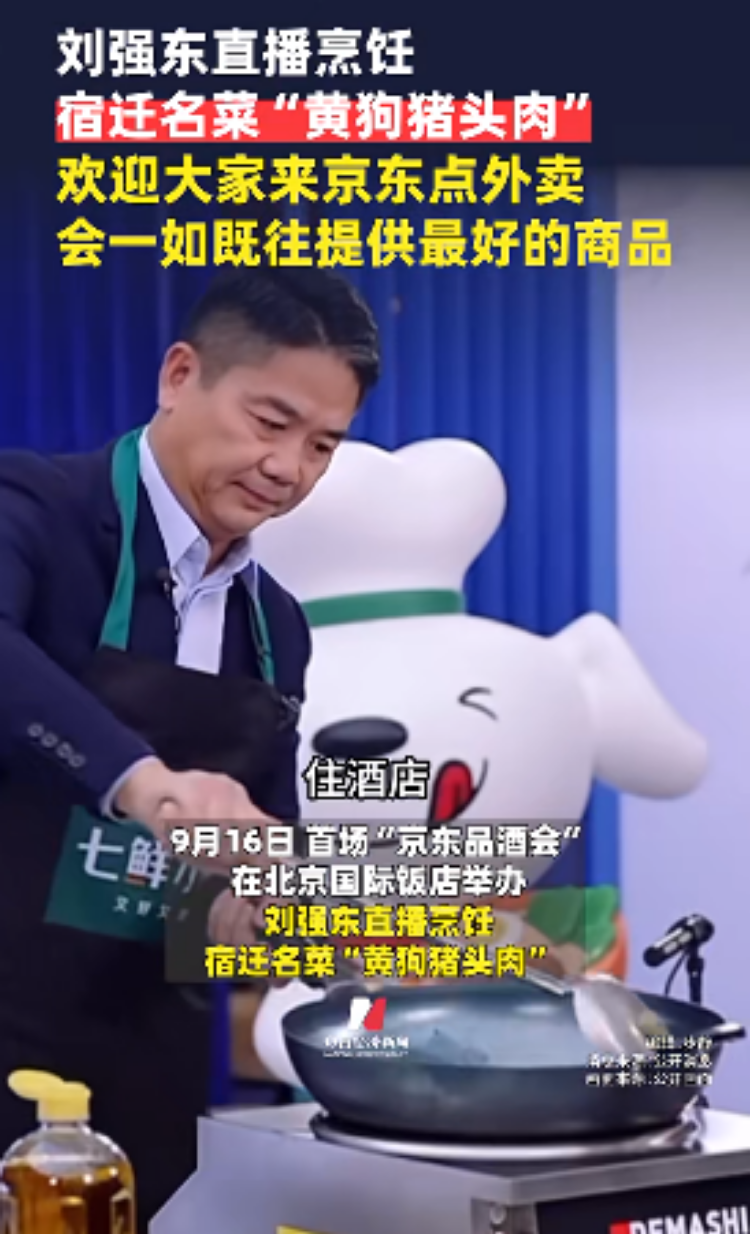
千笔楼丨扒扒“幽灵外卖”的画皮
Xin Hua Wang· 2025-09-17 01:16
Core Viewpoint - The emergence of "ghost takeout" has become a significant issue in China's booming online food delivery market, characterized by fraudulent practices that deceive consumers and evade regulatory oversight [4][7][10]. Group 1: Definition and Characteristics - "Ghost takeout" refers to restaurants that operate without proper licenses, often using fake permits and nonexistent physical locations, leading to poor food quality and safety risks for consumers [1][6]. - Various fraudulent practices include the use of forged licenses, operating multiple online entities from a single physical location, and misrepresenting business addresses [2][6]. Group 2: Market Context - As of December 2024, China's online food delivery user base reached 592 million, making it the largest market globally, which presents both opportunities and risks for the industry [7]. - The low barriers to entry in the food delivery sector have attracted unscrupulous operators seeking to profit illegally by minimizing operational costs [7]. Group 3: Regulatory Challenges - The lack of stringent oversight and enforcement by online platforms has allowed "ghost takeout" businesses to thrive, often with platforms turning a blind eye to illegal activities [9]. - Regulatory bodies have identified the need for stricter compliance with food safety laws and have announced plans to enhance inspection efforts to combat these fraudulent practices [12]. Group 4: Consumer Impact and Recommendations - The prevalence of "ghost takeout" has raised concerns among consumers regarding food safety, prompting discussions on how to identify and avoid such fraudulent services [6][10]. - Recommendations for consumers include choosing restaurants with verified physical locations and being cautious of overly perfect food images and suspiciously high ratings [6].

「不想再让三家平台卷价格!」刘强东敬酒15桌,吐露酒旅「阳谋」
Xin Lang Ke Ji· 2025-09-17 00:43
Core Insights - Liu Qiangdong is actively promoting JD's new business segments, particularly in the hotel and alcohol sectors, emphasizing a non-price war approach to maintain service quality and profit margins [2][11][13] - The recent wine tasting event attracted significant attention and led to a surge in hotel bookings and user engagement on JD's platform, indicating strong market interest [5][6][13] - JD's strategic focus on integrating its supply chain with new business ventures, including the hotel and food delivery sectors, aims to create a comprehensive service ecosystem [13][16] Group 1: Business Strategy - Liu Qiangdong outlined JD's new business strategy, which includes the launch of a new hotel development plan and innovative models for food delivery [2][11] - The company aims to avoid price wars in the hotel industry, ensuring that service quality and profit margins are preserved [11][13] - JD's approach includes a "zero commission" policy for hotels, which is expected to attract hotel partners and enhance collaboration [13][16] Group 2: Market Response - Following the wine tasting event, JD reported a 600% increase in hotel search volume in Beijing and sold 100 hotel rooms within 30 minutes [5][6] - The event not only boosted sales for partner hotels but also increased user traffic to JD's platform, with over a million users engaging in the event within 24 hours [5][6] - The company plans to hold monthly wine tasting events to further enhance its brand presence and industry influence [14] Group 3: Competitive Landscape - JD's new business segments are positioned to compete with established players in the market, such as Meituan, by leveraging its supply chain capabilities and offering unique value propositions [13][16] - The company is focusing on building a differentiated competitive edge through strategic partnerships and enhanced user experiences [16][17] - Despite the potential, JD faces challenges in brand recognition and resource coverage in the hotel sector, which may hinder its immediate impact on the market [16][17]

刘强东首谈京东做酒旅:不想让行业再陷入价格战
36氪未来消费· 2025-09-17 00:33
Core Viewpoint - The article discusses JD's recent developments in the food delivery and hotel industries, emphasizing the company's focus on supply chain innovation and its competitive stance against other platforms while maintaining a collaborative spirit in the industry [3][5][15]. Summary by Sections JD's Recent Events - The first "JD Wine Tasting Event" took place on September 16, where CEO Liu Qiangdong engaged with users, showcasing a dish he prepared, highlighting the company's commitment to customer interaction [3][4]. Business Growth and Strategy - JD's new delivery service has seen significant growth, with a 198.8% revenue increase in the new business segment to 13.852 billion yuan in Q2, despite a loss of 14.7 billion yuan in the same segment [4][5]. - The company reported a 35% increase in daily active users and a 17% increase in monthly active users, outperforming competitors like Taobao and Pinduoduo [4]. Supply Chain Innovation - Liu emphasized that JD's business model revolves around supply chain innovation, aiming to alleviate industry pain points rather than engage in destructive price wars [5][6]. - The "4+2" strategy for the hotel business focuses on four areas of revenue generation and two cost-saving measures, including low commissions and corporate procurement [5][6]. New Business Initiatives - The "Seven Fresh Kitchen" initiative aims to enhance hotel dining experiences and has already increased restaurant orders by over 30% in its vicinity [12][13]. - JD's approach to the hotel industry seeks to avoid price wars and instead focus on quality and service, with plans for future announcements regarding hotel development [15][16]. Commitment to Industry Standards - JD is committed to paying full social insurance for its delivery personnel, setting a new standard in the industry [17]. - Liu highlighted the importance of maintaining high-quality standards in retail, drawing parallels with the premium positioning of brands like Moutai [17]. Customer Engagement - Liu expressed gratitude for long-term customer relationships, emphasizing the importance of direct communication with users through events like the "Netizen Meeting" [18].

“不想再让三家平台卷价格” 刘强东敬酒15桌,吐露酒旅“阳谋”
Xin Lang Ke Ji· 2025-09-17 00:31
Core Insights - Liu Qiangdong is actively promoting JD's new business segments, particularly in the hotel and food delivery sectors, emphasizing a non-price war approach to maintain service quality and profitability [2][6][10] - The recent wine tasting event led to a significant increase in hotel bookings and user engagement on JD's platform, indicating strong market interest in the new initiatives [3][8] - JD's strategy includes a focus on supply chain integration and collaboration with hotels and restaurants to enhance user experience and operational efficiency [10][11] Group 1: Business Development - JD is launching a new hotel development plan and innovative business models for food delivery, aiming to avoid price wars that could harm service quality [2][6] - The "Seven Fresh Kitchen" initiative has shown promising results, with a daily capacity of at least 1,500 orders and a 30% sales increase for nearby restaurants [4] - JD's food delivery service has committed to providing full social insurance for its delivery personnel, a first in the industry [5] Group 2: Market Response - The wine tasting event attracted over a million users within 24 hours, with hotel search volume in Beijing increasing by 600% [3][8] - The event also resulted in the sale of 100 hotel rooms within 30 minutes, showcasing the effectiveness of JD's promotional strategies [3] Group 3: Strategic Positioning - JD's approach to the hotel and food delivery sectors is part of a broader strategy to integrate local life services and enhance supply chain capabilities [8][10] - The company is leveraging a "zero commission" policy to attract hotel partners, contrasting with higher commission rates from competitors [8][10] - Future plans include monthly wine tasting events to strengthen brand influence and partnerships within the industry [9]
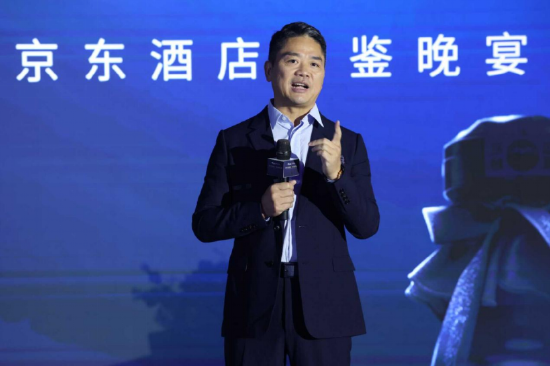
刘强东炒菜敬酒:尊重王兴,不是仇人,酒旅不打价格战,还有大招
2 1 Shi Ji Jing Ji Bao Dao· 2025-09-17 00:24
Core Viewpoint - Liu Qiangdong emphasizes the importance of healthy competition among private enterprises and advocates for respect among entrepreneurs, stating that business competition should not turn into personal grudges [1][2]. Group 1: Competition and Business Strategy - Liu Qiangdong calls for private enterprises to focus on strategic competition rather than personal conflicts, highlighting the need for a simple and straightforward approach in business [4][5]. - He encourages companies to compete based on strategy, business models, value creation, and reputation, rather than engaging in price wars [4][6]. - The company aims to avoid price wars in the hotel industry and will announce a new hotel development plan in the coming weeks [1][10]. Group 2: Platform Competition - Liu Qiangdong differentiates between two types of competition: downward competition that leads to lower quality and upward competition that focuses on quality and fair pricing [6][8]. - He advocates for innovation in the food delivery and hotel sectors, promoting a model that allows for sustainable growth for all parties involved [9][10]. Group 3: Industry Pain Points - The company entered the food delivery market due to the high commission rates (up to 25%) charged by existing platforms, which negatively impact food safety and quality [14][16]. - Liu Qiangdong highlights the importance of addressing industry pain points, stating that many restaurant operators struggle to survive under current commission structures [16][18]. Group 4: Business Innovations - The company’s new initiative, "Seven Fresh Kitchen," has seen significant success, with daily orders exceeding 1,500 and contributing to a 30% increase in sales for nearby restaurants [17][18]. - Liu Qiangdong asserts that the company’s self-operated model does not harm other businesses but rather complements them, creating a mutually beneficial ecosystem [17][18]. Group 5: Entrepreneurial Journey - Liu Qiangdong reflects on his entrepreneurial journey, emphasizing the importance of innovative business models and addressing customer pain points [19][21]. - He shares insights from his early experiences in the computer retail industry, which laid the foundation for the company's growth into various sectors, including electronics and home appliances [21][23].
百万人围观刘强东直播炒菜!品酒会东哥谈“外卖大战”,全新的京东酒旅发展计划要来了
Mei Ri Jing Ji Xin Wen· 2025-09-16 23:56
Core Viewpoint - Liu Qiangdong, founder and chairman of JD Group, is actively promoting JD Travel and its new initiatives in the hospitality and tourism sector, emphasizing quality service over price wars [2][6][11] Group 1: Event Highlights - Liu Qiangdong hosted a live cooking event at the JD Wine Tasting event, marking his return to user engagement after nearly 20 years [1][3] - The event attracted significant attention, with over one million users participating online and 100 hotel rooms sold within 30 minutes of the announcement [3][5] - JD Travel is expanding its offerings, with plans to release a new development plan for the wine and travel market soon [2][6] Group 2: Business Strategy - JD has a history in the travel sector, having launched flight booking services in 2011 and the JD Travel channel in 2014, and has made strategic investments in the OTA market [5][11] - The company aims to avoid price wars in the hospitality sector, focusing instead on maintaining service quality and protecting the profits of hotel operators [2][6] - JD's strategy includes leveraging its extensive supply chain and high consumer demand to enhance its travel services [11][12] Group 3: Market Positioning - JD Travel is positioning itself to attract high-value customers by integrating its services with existing consumer needs, such as dining and travel [11] - The partnership with Jinjiang Hotels marks a significant step in JD's strategy to expand its influence in the hotel industry [5][11] - Liu Qiangdong's emphasis on "anti-involution" reflects a broader industry trend towards sustainable competition and fair profit distribution among stakeholders [6][11]
刘强东“炒”出京东野望
Bei Jing Shang Bao· 2025-09-16 16:53
Core Viewpoint - JD.com is making a strong push into the local lifestyle market, particularly in the food and beverage and hotel sectors, with a focus on leveraging its supply chain capabilities to enhance profitability and service quality [1][6][9]. Group 1: Business Strategy - JD.com is launching a new hotel development plan and has recently restarted its wine tasting events to promote its travel business [1][4]. - The company aims to differentiate itself in the competitive food delivery and hotel markets by focusing on supply chain efficiency and quality service [6][8]. - JD.com is collaborating with Jinjiang Hotels to integrate its restaurant brand, Seven Fresh, into various hotel chains, enhancing dining options for hotel guests [6][7]. Group 2: Market Potential - JD.com has access to over 800 million high-spending users and more than 30,000 large enterprises, providing a strong foundation for its expansion into the hotel and travel sectors [5]. - The local lifestyle service market is projected to grow significantly, with estimates suggesting it will reach 35.3 trillion yuan by 2025, indicating a robust opportunity for JD.com [9][10]. Group 3: Competitive Landscape - Liu Qiangdong, the founder of JD.com, emphasized the importance of healthy competition in the food delivery sector, advocating for strategic and value-driven approaches rather than price wars [3][6]. - The company is aware of the challenges posed by established players in the market and is focused on creating a unique value proposition to attract customers [6][8].