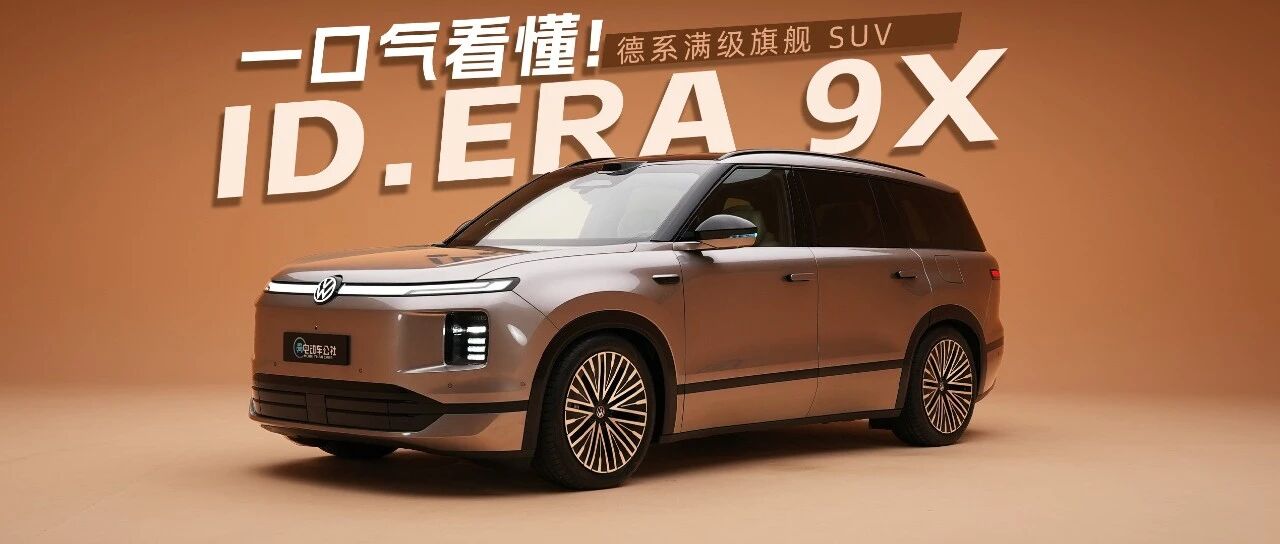
上汽大众ID.ERA 9X

Search documents
全球大公司要闻 | 特斯拉将建超级芯片工厂,茅台宣布涨价
Wind万得· 2026-03-31 01:19
Key Points - Guizhou Moutai announced a price increase for its Feitian Moutai liquor, raising the sales contract price from 1169 yuan to 1269 yuan per bottle, effective March 31 [2] - Midea Group aims to achieve a revenue of 456.45 billion yuan in 2025, a year-on-year increase of 12.11%, and a net profit of 43.945 billion yuan, up 14.03%. The company plans to distribute 4.3 yuan per share and repurchase shares worth 6.5 to 13 billion yuan [2] - iQIYI has submitted a listing application to the Hong Kong Stock Exchange for its Class A ordinary shares and plans to repurchase up to 100 million USD of its shares within the next 18 months to optimize its capital structure [3] - Tesla launched the TERAFAB superchip factory with a target annual capacity exceeding 1 terawatt of computing power, with an investment of approximately 20 billion USD [9] - Toyota announced a share buyback at 3067 yen per share and plans to increase global production by 6% in April to June to meet demand [12]







史上最强!1.5T & 406km纯电续航,满配的大众旗舰SUV来了?
电动车公社· 2026-03-17 16:38
Core Viewpoint - The article discusses the emergence of several competitive large six-seat SUVs in the Chinese market, highlighting the new ID.ERA 9X from SAIC Volkswagen as a significant player in this segment, which is characterized by its advanced technology and design tailored for Chinese consumers [1][5]. Group 1: Vehicle Specifications - The ID.ERA 9X is classified as a large SUV with dimensions of 5207mm in length, 1997mm in width, and 1810mm in height, along with a wheelbase of 3120mm [3][5]. - It features a 65.2kWh ternary lithium battery pack, providing a CLTC range of 406km and supporting 800V high-speed charging [9]. Group 2: Technical Features - The vehicle is equipped with an EA211 1.5T range extender, utilizing a variable geometry turbocharger (VGT) similar to that used by Porsche, which enhances efficiency by maintaining optimal turbine performance [6]. - The ID.ERA 9X employs an aluminum chassis with a front double-wishbone and rear five-link suspension system, featuring adjustable height and variable damping [10]. Group 3: Market Context - The introduction of the ID.ERA 9X marks a shift in SAIC Volkswagen's strategy, as the local team now has greater influence over product development, allowing for more innovative approaches to electrification and smart cabin design [5][6]. - The competitive landscape includes other models such as the AITO M9, Zeekr 9X, and Ideal L9, with varying fuel consumption rates, indicating a focus on efficiency among competitors [8].

Cortex2将在4月投入训练Optimus,“两会”为人形机器人产业划重点
Huaxin Securities· 2026-03-09 03:00
Investment Rating - The report maintains a "Recommended" rating for the humanoid robot industry, indicating a positive outlook for the sector [2][6]. Core Insights - The humanoid robot industry is experiencing significant growth, with a projected 28% increase in industrial robot production by 2025, and over 300 humanoid robot models launched by Chinese companies, accounting for more than half of the global total [3][4]. - The Chinese government is actively supporting the development of the humanoid robot industry, emphasizing the importance of original innovation and key technology breakthroughs during the "Two Sessions" [4]. - Tesla's Cortex 2 supercomputer is set to enhance the training capabilities for its Optimus robot, indicating a strong commitment to advancing AI and robotics technology [3]. Summary by Sections Humanoid Robot Sector - The Huaxin humanoid robot index fell by 6.55% this week, but has a cumulative return of 99.6% since 2025 [18]. - The sector's trading volume accounted for 13.9% of the CSI 2000 index, indicating a relatively high level of market activity [18]. - Among the sub-sectors, the reducer segment performed relatively well, while other components like dexterous hands and screws saw declines [21]. Automotive Sector - The CITIC automotive index decreased by 2.6%, underperforming the broader market [34]. - The commercial vehicle index showed better performance compared to passenger vehicles and other segments [35]. - Key companies such as Changyuan Donggu and Feilong shares saw significant gains, while others like Daimai and Tianpu shares experienced notable declines [40]. Key Companies and Profit Forecasts - Recommended companies include: - Mould Technology (EPS forecast: 0.68 in 2024, PE: 18.88) [11] - Shuanglin Co. (EPS forecast: 1.24 in 2024, PE: 26.81) [11] - New Spring Co. (EPS forecast: 2.00 in 2024, PE: 39.76) [11] - The report highlights the importance of components such as joints, screws, and motors in the humanoid robot sector, recommending specific companies for investment [10].

上汽集团:自主占比提升,新能源与出口贡献增量-20260303
Shanghai Aijian Securities· 2026-03-03 07:30
Investment Rating - The investment rating for the company is "Buy" [6] Core Insights - The company experienced a decline in February sales due to the Spring Festival holiday, but cumulative sales for January and February showed a year-on-year increase of 6.8% [6] - The contribution from the company's own brands is significant, with a 14% year-on-year increase in sales, accounting for 67.2% of total sales [6] - The company plans to launch a variety of new models in 2026, which is expected to drive growth [6] - The company aims for a sales target of 4.5 million vehicles in 2025, achieving a completion rate of 100.2% in 2025 [6] - The company is expanding its global presence, with a notable increase in export sales, which rose by 48.9% year-on-year in January and February [6] Financial Data and Profit Forecast - Total revenue for 2023 is projected at 744.705 billion yuan, with a slight year-on-year growth of 0.1% [4] - The net profit attributable to shareholders is expected to be 14.106 billion yuan in 2023, reflecting a year-on-year decrease of 12.5% [4] - Earnings per share (EPS) is forecasted to be 1.23 yuan in 2023, with a projected increase to 1.40 yuan by 2027 [4] - The gross profit margin is expected to improve from 1.7% in 2023 to 11.1% by 2027 [4] - The return on equity (ROE) is projected to increase from 4.9% in 2023 to 4.9% in 2027 [4] Market Data - The closing price of the stock is 14.28 yuan, with a price-to-earnings (P/E) ratio of 11.8 [5] - The market capitalization is approximately 164.153 billion yuan [5] - The stock has a dividend yield of 0.61% based on the most recent dividend announcement [5]
在华全力保盈利 大众2025年新能源销量缩回四年前
Jing Ji Guan Cha Wang· 2026-01-17 01:04
Core Insights - Volkswagen Group's global vehicle deliveries in 2025 exceeded 8.98 million, with pure electric vehicle deliveries reaching 983,100, a year-on-year increase of 32%, accounting for 10.9% of total global sales, up 2.7 percentage points from the previous year [2] Group 1: Sales Performance - In China, Volkswagen delivered over 2.69 million vehicles in 2025, with over 2.57 million being fuel vehicles and approximately 120,000 being new energy vehicles [2] - Volkswagen's sales in China declined by 8% compared to the previous year (2.93 million), with its share of global sales dropping from 32% to between 29.9% and 30% [3] - The market share of fuel vehicles in China increased to over 22%, marking a ten-year high since 2005, despite an overall decline in fuel vehicle sales [3] Group 2: New Energy Vehicle Strategy - New energy vehicle sales in China fell to 120,000 in 2025, a 40% decrease from 200,000 in 2024, representing only 4.5% of total sales, significantly lower than the global average [4] - Volkswagen's strategy focuses on profitability over market share, emphasizing the importance of fuel vehicle sales while preparing for the launch of new energy models [5] - The decline in new energy vehicle sales is attributed to both competitive pressures and a strategic shift towards fuel vehicles [5] Group 3: Future Plans and Developments - Volkswagen plans to launch over 20 new electric and hybrid models in 2026, including models based on new platforms and advanced technologies [7] - The company aims to enhance its new energy vehicle matrix to increase their share in overall sales, with a target of over 30 electric models by 2027 and around 50 by 2030 [8] - Volkswagen's export strategy from China has commenced, with the first vehicles successfully exported to the Middle East, aiming to expand into other potential markets [8]
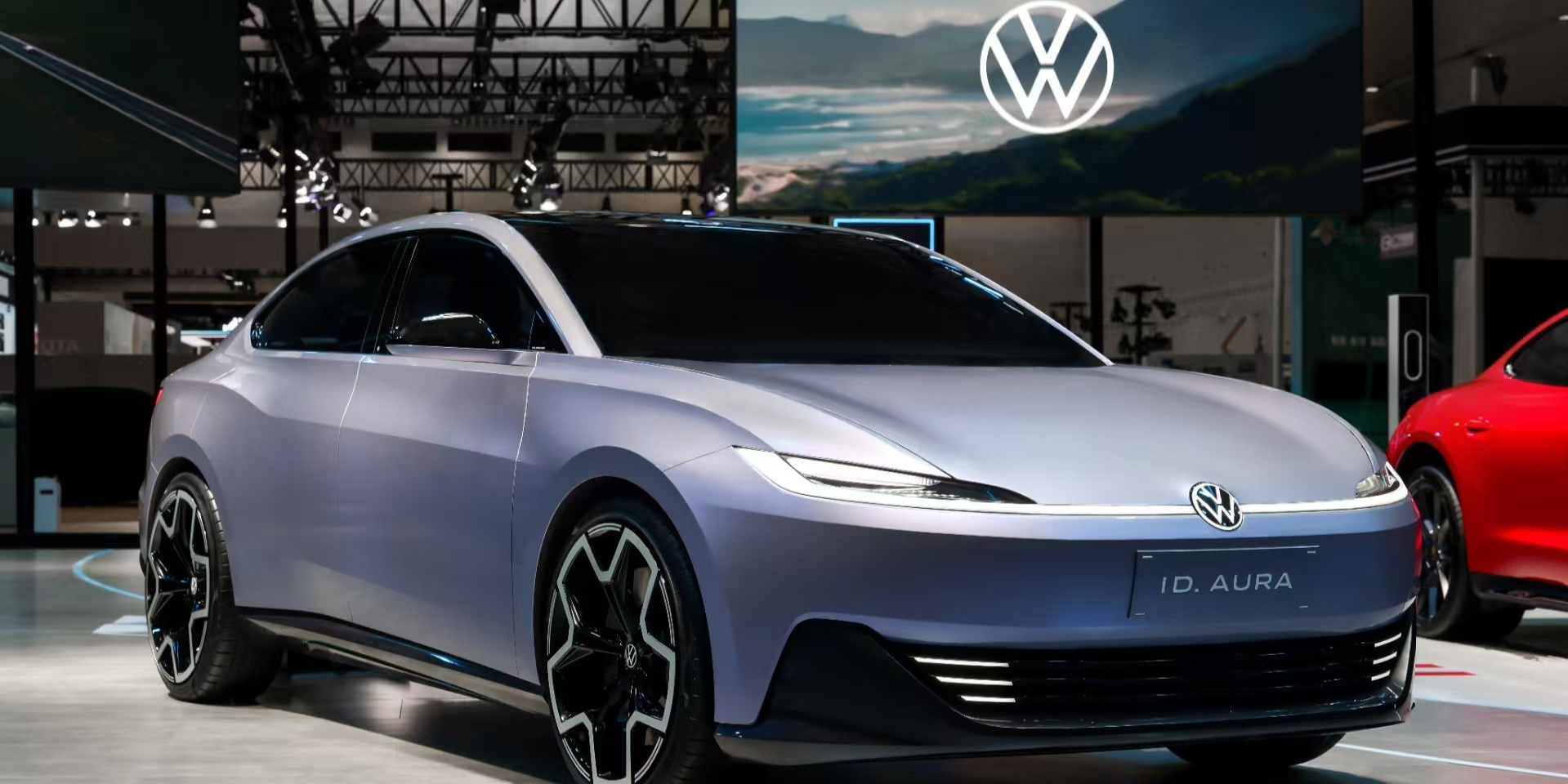
大众汽车集团2025年在华交付超269万辆 2026年超20款新能源车型将集中上市
Zheng Quan Ri Bao· 2026-01-13 03:11
Core Insights - Volkswagen Group delivered over 8.98 million vehicles globally in 2025, with electric vehicle deliveries reaching 983,100 units, a 32% year-on-year increase, making up 10.9% of total sales, up 2.7 percentage points from the previous year [1] - In China, Volkswagen achieved over 2.69 million vehicle deliveries, maintaining its position as the top foreign carmaker in the market, while emphasizing a strategy focused on profitability rather than market share [1] - The company plans to launch over 20 new electric and hybrid models in China by 2026, enhancing its product offerings with advanced driving assistance systems [3][4] Group 1 - Volkswagen Group's electric vehicle sales in 2025 accounted for 10.9% of total sales, reflecting a significant growth in the electric vehicle segment [1] - The company delivered over 2.57 million fuel vehicles in China, capturing more than 22% of the fuel vehicle market, with its brands leading in various segments [1] - Volkswagen's strategy emphasizes "value first," focusing on profitability and preparing for the launch of new energy models [1] Group 2 - The "In China, For China" strategy has entered a delivery phase, with new electric and intelligent connected models receiving positive market feedback [2] - Volkswagen's export strategy commenced in 2025, with initial vehicles successfully exported to the Middle East, and plans to expand into ASEAN, Middle East, Central Asia, Latin America, and Africa [2] - The company aims to strengthen local R&D capabilities, having invested over €3.5 billion in Hefei since 2023 to establish an innovation center for intelligent connected vehicles [4] Group 3 - By 2027, Volkswagen plans to introduce over 30 electric models in China, increasing to approximately 50 by 2030, with around 30 being fully electric [4] - The development cycle for new vehicles has been shortened by about 30%, with costs optimized by approximately 40% through a "software-defined vehicle" approach [5] - Volkswagen is enhancing its local capabilities in advanced driving assistance systems through partnerships and plans to design and develop system-level chips in China [5] Group 4 - The competitive landscape in the Chinese automotive market is shifting towards technology, experience, and efficiency, necessitating foreign carmakers to maintain profitability in fuel vehicles while advancing in new energy and intelligent technology [6] - Volkswagen's disclosed sales data and product plans reflect a strategy of stabilizing cash flow, accelerating new technology delivery, and strengthening local R&D [6] - The upcoming launch of over 20 new energy models in 2026 will be critical for validating Volkswagen's competitiveness in the Chinese market [6]
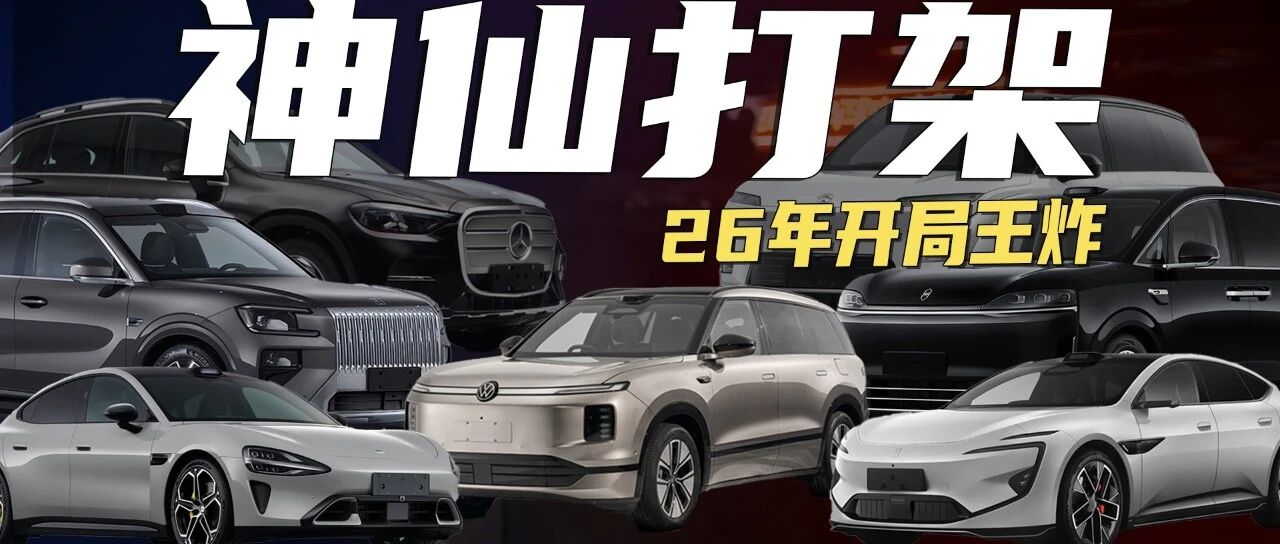
2026开局王炸!比亚迪宋Ultra、蔚来ES9、智界V9、极氪8X、大众ID.ERA、奔驰GLC纯电等多款新车登陆工信部!
电动车公社· 2026-01-10 16:06
Core Viewpoint - The automotive market in China is expected to experience cautious optimism for 2026, with predictions of a decline in passenger car sales after a peak in 2025 [1][2]. Group 1: Market Predictions - Morgan Stanley forecasts a 9% year-on-year growth in China's passenger car sales in 2025, followed by a 5% decline in 2026 [2]. - Despite continued growth in new energy vehicle (NEV) sales and exports, there may be a 30% drop in the first quarter due to changes in subsidies and purchase tax policies, impacting overall annual sales [3]. Group 2: Industry Competition - The consensus is that the Chinese automotive industry is entering a decisive phase, with expectations that only 5-10 NEV companies will survive in the coming years [7]. - As competition intensifies, there are indications of a significant influx of new models, with at least 24 different new energy vehicles expected to be launched, indicating fierce competition ahead [8][9]. Group 3: Key Trends for 2026 - Key themes for 2026 include technological iteration, configuration upgrades, larger vehicle sizes, and responses from joint ventures [10].