主动型基金

Search documents
一文看懂2026年基金行业市场研究报告:行业马太效应进一步凸显
Xin Lang Cai Jing· 2026-02-09 10:21
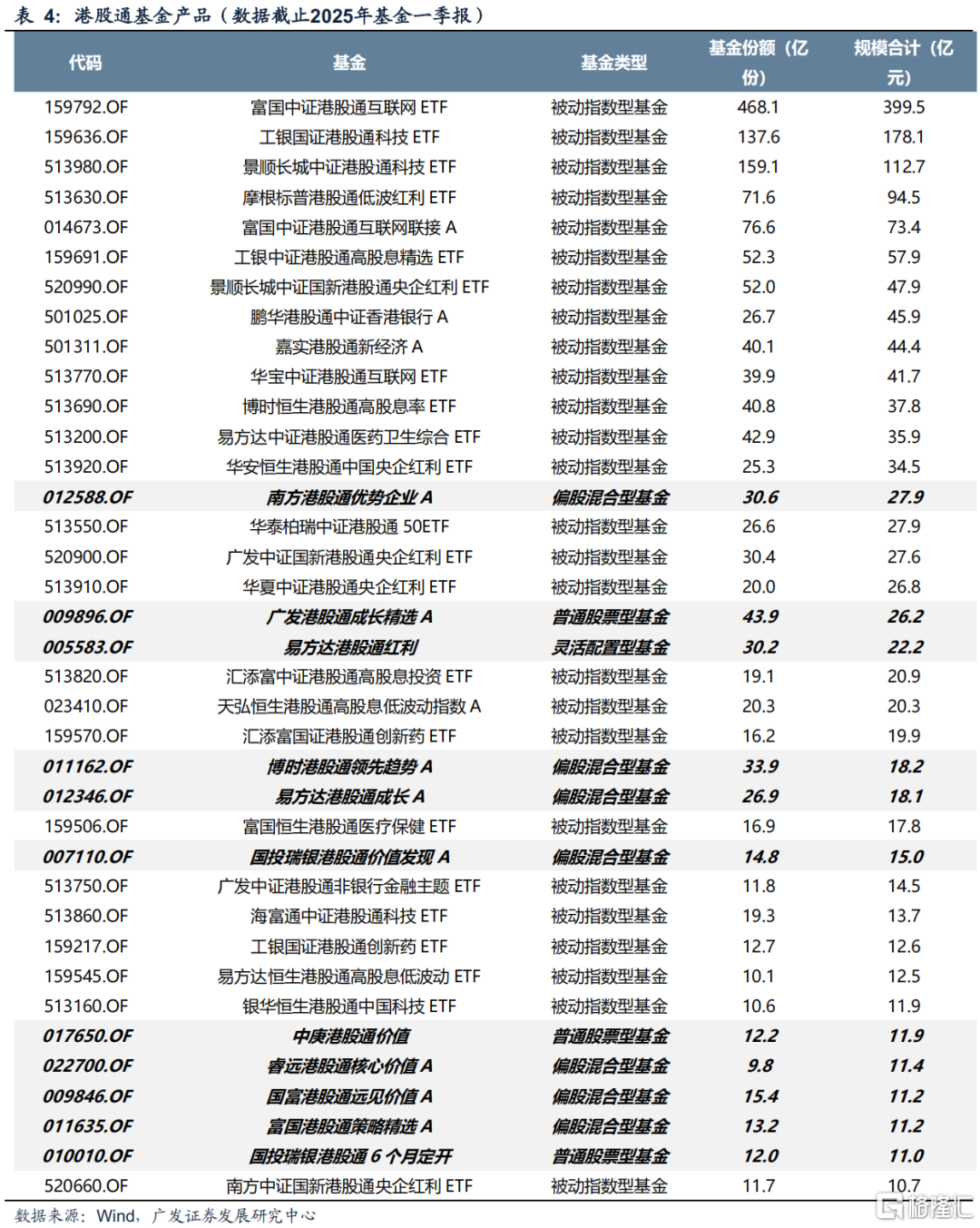
Core Insights - The real estate industry is transitioning to a stable development phase, leading to a shift in public investment needs from mere preservation to diversified value growth [1][15] - There is a significant adjustment in national asset allocation, with funds moving from traditional savings and real estate to standardized equity and fixed-income fund products [1][15] - The fund industry in China is expected to see substantial growth, with a projected total of 151,286 funds by October 2025, including 13,381 public funds and 137,905 private funds, with a total scale of 590,112.3 billion yuan [1][15] Overview of the Fund Industry - Funds, or securities investment funds, pool capital from multiple investors to create an independent asset managed by professional fund managers, allowing for diversified investment and risk sharing [2][16] - The benefits of funds include lower investment thresholds for ordinary investors, risk diversification, and professional management, although they still carry inherent market risks [2][16] Fund Classification - Funds can be categorized based on various criteria, including: - **By fundraising method**: Public funds (open to the public) and private funds (targeted at specific investors) [3][17] - **By investment object**: Money market funds, bond funds, stock funds, mixed funds, index funds, ETF funds, LOF funds, FOF funds, and QDII funds [3][17] - **By investment philosophy**: Active funds (managed to outperform the market) and passive funds (aiming to replicate market indices) [3][17] - **By operation mode**: Open-end funds (allowing continuous buying and selling) and closed-end funds (fixed size, traded on exchanges) [3][17] - **By trading venue**: On-exchange funds (traded like stocks) and off-exchange funds (purchased through fund companies or banks) [3][17] Development History - The development of China's fund industry has evolved through five key phases: pilot exploration, regulatory initiation, rapid expansion, transformation and adjustment, and high-quality development [6][20] - Recent trends indicate a shift towards professionalization, diversification, and internationalization, with innovative products like public REITs and ESG-themed funds emerging [6][20] Market Policies - The Chinese government emphasizes the importance of the fund industry for the stability of the capital market and the support of the real economy, implementing various policies to encourage and regulate its development [8][22] - Key policies include initiatives for green finance, support for technology enterprises, and measures to enhance financial services for housing rental markets [8][22] Current Market Status - The fund industry is experiencing a migration of capital from traditional savings and real estate to standardized equity and fixed-income products, indicating a broadening of investment strategies among the public [1][15] - The multi-layered fund product system in China is now capable of meeting diverse wealth management needs, with significant growth potential in the coming years [1][15]

元素周期表里的投资密码:当“冷门”资源成为2026年“顶流”
Xin Lang Cai Jing· 2026-01-27 09:18
Core Viewpoint - The investment landscape for resources such as non-ferrous metals, rare earths, and gold is evolving, with these sectors transitioning from niche interests to mainstream investment opportunities, driven by underlying industrial logic and market dynamics [3][14]. Scientific Perspective - The periodic table serves as an industrial map, with 92 naturally occurring metal elements being crucial for current economic and industrial development. Metals are categorized into "ferrous" and "non-ferrous," with the latter being the focus of current investment interest. Rare earth elements, comprising 17 specific elements, and precious metals like gold and silver play significant roles in financial history [4][15]. Explosive Logic - The surge in resource sector interest is attributed to unexpected significant increases in commodity prices, driven by tightening supply and enhanced financial attributes under global liquidity conditions. Three main drivers are identified: the challenge to the dollar credit system, insufficient supply due to low capital expenditure, and the strategic value of rare earths in trade and security [5][16]. Investment Framework - The current supply side is characterized by vulnerabilities, including natural depletion of mining grades and increased resource nationalism. On the demand side, structural growth is supported by global energy transitions and infrastructure upgrades, particularly benefiting basic metals like copper and aluminum. Resources exhibit cyclical characteristics, but their strategic value is becoming more prominent, suggesting a potential for sustained high prices [7][18]. Opportunity Map - Investment opportunities in metals are categorized into four areas: basic metals (copper, aluminum) for electrification, precious metals (gold, silver) as hedges against currency risks, energy metals (lithium, cobalt, nickel) benefiting from energy transitions, and minor metals (tin, tungsten) with specific strategic applications. China's advantages in gold reserves and a complete rare earth supply chain position it favorably in the global market [8][19]. Participation Pathways - Investors are advised to align their investment strategies with their understanding of the resource cycle. Options include actively managed funds for broad exposure or sector-specific ETFs for targeted investments. Disciplined investment strategies, such as dollar-cost averaging, are recommended to mitigate volatility, while direct participation in high-risk products like futures is discouraged [9][20]. From Elements to Assets - The dialogue emphasizes that resource investment transcends simple cyclical trading, influenced by scientific, macroeconomic, and geopolitical factors. Understanding these dynamics is essential for investors to capitalize on emerging opportunities in the resource sector by 2026 [10][21].

2026年,主动跑赢量化?
雪球· 2026-01-19 07:50
Group 1 - The core viewpoint of the article is that quantitative funds, despite their popularity and perceived effectiveness, did not significantly outperform actively managed funds in 2025, challenging the notion of their invincibility [10][12]. - In 2025, the average return of public quantitative stock selection funds was 30.3%, which was 5.7% higher than the CSI All Share Index, but lower than the 33.2% return of the 885001 index, indicating a slight underperformance compared to actively managed funds [5][6]. - The article highlights that quantitative strategies have been perceived as superior due to their performance in the bear market from 2021 to 2024, but the performance in 2025 has dispelled the illusion of continuous technical progress [10][11]. Group 2 - The article discusses the characteristics of quantitative strategies, noting that while they tend to have lower error rates, they can accumulate significant mistakes over time due to their reliance on multiple factors and market conditions [14][16]. - It emphasizes that the failure of certain factors in a market downturn can lead to collective underperformance of quantitative strategies, as seen in the market shifts in August 2025 [18][20]. - The article warns that when the protective layers of quantitative strategies fail, they can lead to significant market risks, similar to historical market crashes [20][28]. Group 3 - The article suggests that both quantitative and active funds have potential advantages depending on market conditions, with quantitative funds excelling in certain environments while active funds may outperform in others, particularly during macroeconomic recoveries [30][32]. - It identifies three scenarios where active funds could outperform quantitative strategies: macroeconomic improvements, significant policy shifts, and changes in trading regulations that affect market structure [33][34][35]. - The article concludes that investors should be aware of the risks associated with quantitative strategies, especially during periods of extreme market conditions where multiple factors may fail simultaneously [36][37].

大摩:去年12月中国股票续吸引外资流入 主要受被动型基金流入支持
Zhi Tong Cai Jing· 2026-01-08 05:52
Core Viewpoint - Morgan Stanley reports that foreign capital inflow into Chinese stocks continued in December, primarily supported by passive funds, while active funds are still selling but at a slower pace [1] Group 1: Foreign Capital Inflow - In December, the inflow of foreign passive funds into H-shares and A-shares accelerated to $4.4 billion, while the outflow from active funds slowed to $0.9 billion, resulting in a net inflow of $3.5 billion, an increase from the net inflow of $2.3 billion in November [1] - Cumulatively, the total net inflow of foreign capital for 2025 is projected to be $14 billion, while a net outflow of $17 billion is expected for 2024 [1] Group 2: Fund Allocation - The global fund's underweight position in China remains stable at 1.4 percentage points, with adjustments in allocation from emerging market funds and Asia (excluding Japan) funds towards China [1] - Foreign passive funds tracking the CSI 300 index recorded new inflows in December after two consecutive months of outflows [1]
基金的管理费怎么算的,投资基金还有什么费用?
Sou Hu Cai Jing· 2025-12-26 23:25
Core Insights - Many novice investors focus solely on fund returns while neglecting associated fees, which can significantly erode profits [1] - Understanding the various fees involved in fund investment is crucial to avoid hidden costs [1] Fund Management Fees - Fund management fees are the primary income source for fund companies, charged regardless of fund performance [3][4] - The calculation of management fees is based on the previous day's net asset value, calculated daily and paid monthly [5] - For example, a fund with a 1.8% annual management fee and a net asset value of 20,000 yuan incurs a daily fee of approximately 0.97 yuan [5] Fee Rate Differences - Management fees vary significantly based on the type of fund, with higher fees for actively managed funds and lower fees for passive index funds [6] - Active funds (e.g., equity funds) typically have fees around 1.5%, while index funds range from 0.5% to 1%, and money market funds have the lowest fees at approximately 0.33% [6] Additional Fees - Other fees include custody fees, subscription fees, redemption fees, and sales service fees, all of which impact overall returns [7] - Custody fees are paid to third-party custodians for asset protection, calculated similarly to management fees, with rates varying by fund type [7] - Subscription fees are charged when purchasing funds, often detailed in the fund contract [8][9] - Redemption fees apply when selling funds, with lower rates for longer holding periods, encouraging long-term investment [10] - Sales service fees may replace subscription fees in some funds, accumulating over time and impacting long-term costs [11][12] Importance of Understanding Fees - Fund investment returns are influenced not only by fund performance but also by various fees [13] - Investors should be aware of the fees associated with a fund, including rates and potential discounts, to make informed investment decisions [13][14]

7月外资基金净流入进一步加速 外资对中国资产兴趣升至近年高点
Shang Hai Zheng Quan Bao· 2025-08-14 18:23
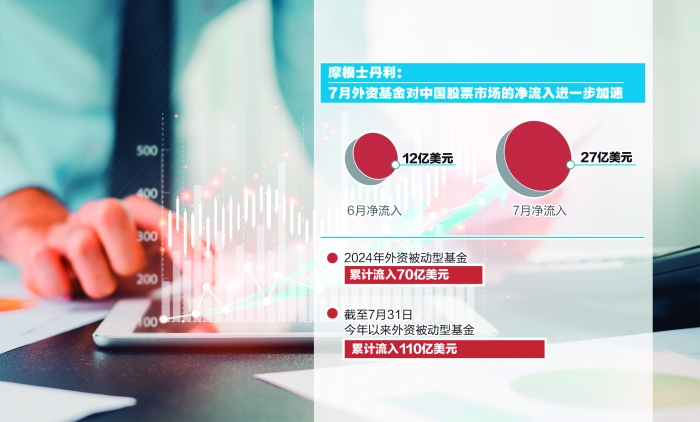
Group 1 - Recent performance of Chinese assets shows a synchronized strength in both domestic and international markets, with the Shanghai Composite Index reaching a nearly four-year high of over 3700 points on August 14 [2] - Foreign capital inflow into the Chinese stock market has accelerated, with net inflows increasing from $1.2 billion in June to $2.7 billion in July, driven primarily by passive funds [2] - Passive funds accounted for a significant portion of the inflow, totaling $3.9 billion in July, while active funds saw a reduced outflow of $1.2 billion [2] Group 2 - Data from the State Administration of Foreign Exchange indicates that foreign investment in RMB assets has stabilized, with a net increase of $10.1 billion in domestic stocks and funds in the first half of the year, reversing a two-year trend of net reductions [3] - Goldman Sachs reported heightened interest from global investors in the Chinese stock market, with a notable increase in allocations to China by emerging market and Asia-focused funds since late last year [3] - The MSCI China Index target price has been raised from 85 to 90, reflecting a positive outlook for the Chinese stock market in the Asia-Pacific region [3] Group 3 - Morgan Stanley anticipates a stronger trend of capital returning to the Chinese stock market post-summer, citing attractive valuations compared to other markets [4] - The profitability recovery of A-share companies is ongoing, with the current market conditions still offering investment value despite some investor concerns about high valuations [4] - Investment themes to watch include high-dividend companies and the long-term potential of AI applications to enhance productivity in China [4]
公募行业观察:明星基金经理“跌落神坛”,被动型基金开始崛起
Xi Niu Cai Jing· 2025-07-10 06:56
Core Insights - The public fund industry in China has shown significant performance in the first half of 2025, with a total of 3,533 dividend distributions amounting to 127.51 billion yuan, representing a year-on-year growth of 37.53% [2][3] - Bond funds accounted for over 85% of the total dividend amount, while QDII funds saw a staggering year-on-year increase of 1,163.94% in dividend payouts [2][3] - Despite the impressive dividend growth, the industry has experienced a high turnover of fund managers, with 662 departures in the first half of the year, the highest in nearly a decade [6][7] Dividend Distribution Summary - Bond funds: 2,856 distributions, 94.98 billion yuan, up 19.79% year-on-year [3] - Equity funds: 362 distributions, 22.53 billion yuan, up 229.62% year-on-year [3] - REITs: 69 distributions, 4.55 billion yuan, up 19.17% year-on-year [3] - Mixed funds: 208 distributions, 4.60 billion yuan, up 76.94% year-on-year [3] - QDII funds: 27 distributions, 0.79 billion yuan, up 1,163.94% year-on-year [3] Market Trends - The increase in dividends is believed to enhance market confidence and meet investors' demand for stable cash flow, leading to optimistic expectations for the second half of the year [5] - The high turnover of fund managers raises questions about the underlying changes in the public fund market, particularly as many well-known managers have left their positions [6][8] - The shift from a "star manager" driven market to a more team-oriented approach reflects a broader change in the industry, emphasizing the importance of collective research capabilities over individual performance [17][18] Fund Performance - Approximately 87% of public funds achieved positive returns in the first half of 2025, with the best-performing fund, Huatai-PB Hong Kong Advantage Selection A, seeing a net value increase of 86.48% [20] - The top 50 funds by growth were predominantly focused on innovative pharmaceuticals and themes related to the Beijing Stock Exchange [20][22] Fund Issuance Trends - A total of 680 new funds were launched in the first half of 2025, marking a 7.94% increase year-on-year and a 32.55% increase from the previous half [23] - Equity funds led the issuance with 390 new products, accounting for 57.35% of the total, with passive index funds dominating this category [23][24] - FOF funds also saw significant growth, with an 82.35% year-on-year increase in issuance, highlighting a growing interest in diversified investment strategies [24]

侃股:降息后高股息资产更有价值
Bei Jing Shang Bao· 2025-05-20 11:55
Group 1 - The central bank's reduction of the LPR rate and major banks lowering deposit rates have made high-dividend assets more valuable, leading investors to pay higher prices for them [1][2] - The decrease in deposit rates compresses the yield space for traditional savings, prompting investors to reassess their asset allocation and seek more attractive investment channels [1][2] - High-dividend assets are appealing due to their relatively high dividend returns, which become particularly valuable when other low-risk investment products fail to compete [1][2] Group 2 - The increase in high-dividend asset value results in higher comparative returns for shareholders, enhancing both capital appreciation and stable cash flow from dividends [2] - Investment in high-dividend assets supports quality enterprises in the real economy, promoting optimal resource allocation and healthy economic development [2] - Investors are advised to conduct thorough research on target companies' fundamentals, industry outlook, and dividend policies to select those with long-term investment value [2][3] Group 3 - Investors lacking financial analysis skills may consider buying related ETFs, such as the CSI 300 ETF or the SSE 50 ETF, as alternatives to directly purchasing high-dividend assets [3] - The reduction in deposit rates presents new opportunities for high-dividend assets, highlighting their value in the current financial environment [3]
媒体视点 | 从“重规模”向“重回报”转变 公募基金迎系统性改革
证监会发布· 2025-05-14 13:23
Core Viewpoint - The China Securities Regulatory Commission (CSRC) has announced an action plan to promote high-quality development in the public fund industry, marking a significant reform in an industry worth over 30 trillion yuan [1][10]. Group 1: Reform Objectives - The action plan aims to shift the focus of public funds from "scale" to "returns," addressing issues related to investor satisfaction and fund performance [2][3]. - Key reforms include optimizing the fee structure for actively managed equity funds, ensuring that poorly performing funds charge lower management fees, and incorporating performance metrics into the evaluation of fund managers [3][6]. Group 2: Implementation Strategies - The reform will enhance the stability of fund investment behaviors by synchronously addressing both horizontal (peer products) and vertical (time dimension) aspects [4]. - The action plan emphasizes the importance of long-term mechanisms and incentive constraints to guide fund companies and sales institutions back to their core mission of serving investors [6]. Group 3: Focus on Equity Funds - The reform highlights the need to develop equity funds, which are crucial for providing unique value to investors and enhancing the capabilities of industry institutions [6][7]. - Since September of the previous year, the scale of equity funds has increased from 7 trillion yuan to 8.3 trillion yuan, indicating a growing emphasis on this segment [7]. Group 4: Governance and Investor Services - The reform will also focus on improving fund company governance, strengthening core investment research capabilities, and enhancing investor service levels to build first-class investment institutions [8]. - The public fund industry, with over 800 million investors, plays an increasingly important role in wealth management and capital market development in China [10]. Group 5: Future Outlook - The reform is seen as a necessary step in the evolution of China's capital market, promoting a virtuous cycle of investment and financing [11]. - The public fund industry is expected to continue exploring reforms to effectively allocate financial resources and ensure that residents benefit from economic growth [11].

公募管理新规如何影响港A股?买银行股、卖港股?
Ge Long Hui A P P· 2025-05-12 08:11
Core Viewpoint - The China Securities Regulatory Commission (CSRC) has issued a plan to promote the high-quality development of public funds, introducing 25 reform measures that will significantly impact the public fund market in the medium to long term [1][2]. Group 1: Reform Measures - The plan includes a reform of the floating management fee rate, where the fee structure will depend on the fund's performance relative to a benchmark [1]. - Fund manager assessment mechanisms will be adjusted to emphasize long-term performance, with at least 80% of the evaluation based on three-year performance [1]. - Fund managers' compensation will be directly linked to performance, with significant reductions in pay if the fund underperforms the benchmark by more than 10 percentage points over three years [1]. Group 2: Market Trends - There is a consensus that the new plan will lead to a shift in the investment framework of actively managed equity funds towards indices, potentially increasing capital flows into currently underrepresented sectors and stocks [2]. - The most commonly used performance benchmarks for public funds are the CSI 300 and the CSI 800, which together account for 62% of the active public fund market [3]. Group 3: Sector Allocation Insights - Active equity funds have been overweight in technology manufacturing and underweight in financial infrastructure sectors, with non-bank financials and banks showing average underweights of 7.9% and 6.9% respectively since 2020 [3]. - The overall turnover rate of public funds may decrease, and fund managers may focus more on stable investment returns while being able to respond more calmly to short-term market downturns [4]. Group 4: Impact on Hong Kong Stocks - The new regulations may affect two types of products related to Hong Kong stocks: those that are already Hong Kong Stock Connect products and those that invest across both A-shares and H-shares but deviate from benchmark requirements [5]. - Active funds that use the CSI 300 as a benchmark have an estimated 5.5% overweight in Hong Kong stocks [7].