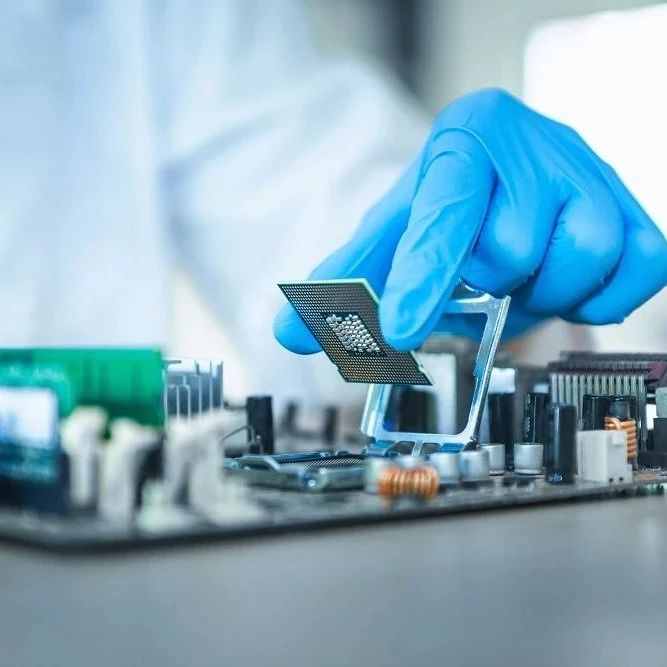
华为麒麟芯片

Search documents
策略专题报告:以港为媒:中国资产安全性价值重估
ZHESHANG SECURITIES· 2026-03-19 12:53
Core Insights - The report suggests that the ongoing geopolitical tensions, particularly the US-Iran conflict, may lead to a significant shift in global capital flows, positioning Hong Kong as a preferred destination for risk-averse investments [1] - The valuation of Hong Kong stocks is highlighted as being significantly lower compared to other markets, providing a safety margin for international investors [3] - The report emphasizes the resilience of Chinese assets, particularly in the context of energy independence and the potential for capital inflows into Hong Kong [5] Group 1: Financial Security - The number of family offices in Hong Kong has increased, indicating a trend where Middle Eastern capital is seeking refuge in Hong Kong due to geopolitical uncertainties [12] - The asset management scale of private banks in Hong Kong saw an 18.5% year-on-year increase in early 2026, reflecting growing confidence among investors [13] - The Hong Kong real estate market has shown signs of recovery, with rental yields exceeding mortgage rates, contributing to a stable housing market [16] Group 2: Valuation Gap - Hong Kong stocks are currently undervalued, with the Hang Seng Technology Index trading at a price-to-earnings ratio of 21.2, significantly lower than the KOSDAQ's nearly 120 times [26] - The report notes that global capital has been reducing exposure to the South Korean stock market, further highlighting the attractiveness of Hong Kong as a rebalancing opportunity [29] - The energy self-sufficiency of China, at 85%, contrasts sharply with Japan and South Korea's reliance on imported oil, making Chinese assets more resilient to geopolitical risks [29] Group 3: Quality Core Stocks in Hong Kong - The report categorizes Hong Kong's core assets into two types: traditional high-dividend blue chips like HSBC and new economy leaders such as Chinese tech giants, both of which are seen as essential for defensive investment strategies [31] - High-dividend assets are positioned as a stabilizing force in uncertain economic conditions, with Hong Kong being a hub for such investments [32] - The report highlights the potential of the Huawei supply chain as a key area for investment, emphasizing the importance of domestic demand in supporting technological advancements [36] Group 4: Outlook for Chinese Asset Safety - The report anticipates a revaluation of the safety of Chinese assets, driven by the ongoing geopolitical landscape and the attractiveness of Hong Kong as a financial center [40] - The influx of family offices and the stabilization of the Hong Kong real estate market are seen as indicators of a broader trend towards recognizing the value of Chinese assets [41] - The report concludes that Hong Kong's strategic position and its role as a hub for offshore RMB transactions will enhance its appeal to international investors [21]

12场促销+18场配套活动!“硬核”广货何以能行天下?
Sou Hu Cai Jing· 2026-01-13 19:44
Group 1 - The core initiative "Guangdong Products Going Global" aims to boost market expansion and sales for local enterprises, with a series of promotional activities scheduled for the first quarter of 2026 [1] - A total of 12 promotional events will be held, including 10 offline and 2 online, with a focus on various product categories such as home appliances, mobile phones, and food [16][20] - The Guangdong home appliance industry has a significant impact, accounting for nearly 50% of the national export share, with the Guangdong-Hong Kong-Macao Greater Bay Area's smart home appliance industry representing about 30% of the global market [12][16] Group 2 - Guangdong's manufacturing sector is characterized by a diverse industrial ecosystem, encompassing all 31 manufacturing categories, with 15 of them leading nationally [27] - The region's manufacturing capabilities include a complete supply chain in sectors like textiles and home appliances, enhancing responsiveness and reducing costs [27] - The transition from traditional manufacturing to intelligent manufacturing is evident, with automation and AI technologies significantly improving production efficiency across various industries [28][29]






全球都看错了!加税100%又怎样?中国攻克软肋,美国已无牌可打!
Sou Hu Cai Jing· 2025-10-19 16:04
Core Viewpoint - The US-China trade dispute has evolved into a comprehensive technological supply chain confrontation, with China strategically managing resources and innovation while the US imposes tariffs and export restrictions [2][18]. Group 1: Trade Dynamics - China's reliance on the US for exports has significantly decreased from 50% at its peak to 11.2%, indicating a diversification of its export markets [2]. - The US's attempt to impose a 100% tariff on all imports from China is expected to raise domestic prices and could lower GDP by 1.1% by 2027 [6][8]. - China's export of electric vehicles has increased its market share from 20% to 40% in Europe and Latin America, showcasing its adaptability in the face of tariffs [8]. Group 2: Rare Earth Elements - China controls 70% of global rare earth production and 90% of deep processing capacity, which is critical for modern industries [4]. - New export regulations require any product containing Chinese rare earth elements to declare its intended use, particularly for sensitive applications in defense and semiconductors [4][12]. - The US defense systems heavily rely on Chinese rare earth materials, with significant components like the F-35 and Tomahawk missiles depending on these supplies [6][14]. Group 3: Technological Advancements - China has made significant technological breakthroughs, overcoming 85% of the bottlenecks identified in 2018, including advancements in solid-state batteries and semiconductor production [10][12]. - The efficiency of wind power generation has improved due to a 20% increase in the strength of rare earth permanent magnets, which are essential for energy applications [12][16]. - China's self-sufficiency in battery material recycling has reached 90%, reducing environmental costs and enhancing its competitive edge in the green technology sector [16]. Group 4: Strategic Positioning - The trade conflict has revealed the limitations of US strategies, as the US remains dependent on Chinese processing capabilities, particularly in the defense and technology sectors [12][18]. - China's proactive measures in rare earth regulation are designed to target US vulnerabilities while maintaining compliance with international norms [14][18]. - The diversification of trade partners, including long-term agreements with Brazil for soybeans and Africa for minerals, has strengthened China's resilience against market fluctuations [14].
美国打压成功?中国GDP降至美国的59%?全球老二的崛起被打断?
Sou Hu Cai Jing· 2025-09-06 15:06
Group 1 - The core argument is that the perception of China's economic decline due to the US-China trade war and GDP comparisons is misleading, as it primarily stems from currency exchange rate fluctuations rather than actual economic performance [1][3] - The actual economic growth rate for China is projected to be around 4.5% by 2025, significantly higher than the US's projected growth of only 1.8% [3] - The trade war has forced China to develop its own technology, leading to advancements in sectors like semiconductor manufacturing, which were previously reliant on imports [3][5] Group 2 - China's reliance on exports to the US has decreased from 20% to 15%, while trade with ASEAN, the Middle East, and Russia has increased, indicating a diversification of trade partnerships [5] - Domestic consumption has become a more significant driver of China's economy, with its contribution rising from 55% to 65%, and sales of new energy vehicles increasing from 1 million to 8 million [5] - China possesses all industrial categories recognized by the United Nations, making its position in the global supply chain irreplaceable [7] Group 3 - The GDP of BRICS countries has surpassed that of the G7, and cooperation with the EU and the Middle East is strengthening, providing China with more strategic space on the international stage [7] - The future of a country is determined by its technological innovation capacity, industrial resilience, social cohesion, and strategic wisdom in the global context [7][9] - China is focused on maintaining its path and will reveal the true strengths and weaknesses of nations over time [9]
持续增长,人民币破7倒计时?外资大幅流入中国,美财长坐不住了
Sou Hu Cai Jing· 2025-08-29 07:31
Core Insights - The recent strengthening of the Renminbi (RMB) has attracted significant foreign investment into Chinese assets, with the offshore RMB/USD exchange rate surging past 7.12, marking a new high since November 2024 [1][3][24] - The capital influx is driven by expectations of a potential interest rate cut by the Federal Reserve, which has led to a depreciation of the US dollar and increased attractiveness of RMB-denominated assets [5][7][10] - The ongoing economic competition between China and the US has intensified, with both countries engaging in a broader strategic contest that includes trade and regulatory battles [14][16][20] Group 1: Currency and Investment Trends - The RMB's recent appreciation has resulted in a notable increase in foreign capital entering the Chinese stock market, with net inflows exceeding 10 billion RMB in a single day [3][7] - Key sectors attracting foreign investment include technology and renewable energy, reflecting a shift in perception of Chinese assets from a safe haven to a growth opportunity [7][20] - The anticipated interest rate cuts by the Federal Reserve have created a favorable environment for RMB assets, as the interest rate differential between China and the US narrows [5][10] Group 2: US Economic Concerns - The US is experiencing internal challenges, including political maneuvers that threaten the independence of the Federal Reserve, which could further destabilize the dollar [9][10][12] - The dollar index has seen a significant decline, dropping nearly 10% since January 2025, raising concerns about the sustainability of the US dollar as the world's reserve currency [10][12] - The current US administration is attempting to address economic issues through various strategies, including increasing oil production and urging Congress to raise the debt ceiling, indicating a reactive rather than proactive approach [12][20] Group 3: Geopolitical Dynamics - The competition between China and the US has evolved from trade disputes to a more comprehensive struggle over global economic rules and standards [14][16] - China's manufacturing competitiveness is bolstered by substantial R&D investments, which are expected to continue driving growth in key sectors such as semiconductors [14][16] - The geopolitical landscape is shifting, with both nations seeking to redefine their roles in global supply chains and economic partnerships, as evidenced by China's initiatives like RCEP and the Belt and Road Initiative [16][20]
为何年轻人用平替产品反而更自信?
3 6 Ke· 2025-08-28 09:43
Core Insights - The report indicates that 57.2% of consumers prefer alternative products when functionality and quality are similar, with a significant 72.3% preference among the post-95 and post-00 generations [1][3] - This shift in consumer behavior reflects a transition from viewing alternative products as a compromise to recognizing them as a symbol of "smart consumption" among young people [1][6] Group 1: Consumption Trends - "Calculative consumption" has emerged as a mainstream trend, with brands like Perfect Diary and Xiaomi gaining market share by offering high-quality alternatives at lower prices [3][6] - The consumer decision-making process has shifted from brand-centric to data-driven evaluations, focusing on ingredients, performance, and cost-effectiveness [3][6] Group 2: Psychological and Social Factors - The cognitive dissonance theory explains that young consumers adjust their perceptions to align with their rational choices, reinforcing the idea that choosing alternatives is a smart decision [6][7] - Social identity theory suggests that consumers form communities around shared values, with alternative product users creating a "smart consumer alliance" that values efficiency over luxury [7][8] Group 3: Brand Engagement and Community Building - Traditional brands are encouraged to adopt a more approachable communication style to connect with the younger demographic, moving away from elitist attitudes [13][14] - Brands should focus on shared values such as innovation and rational consumption to build user communities, as exemplified by Huawei's "HuaFan Club" [14][17] Group 4: Consumer Empowerment - The evolution of consumer confidence is characterized by a shift from external validation through luxury goods to internal validation through informed decision-making [11][18] - Young consumers are redefining "good consumption" standards based on their rationality and judgment, indicating a revolution in consumer sovereignty [18]


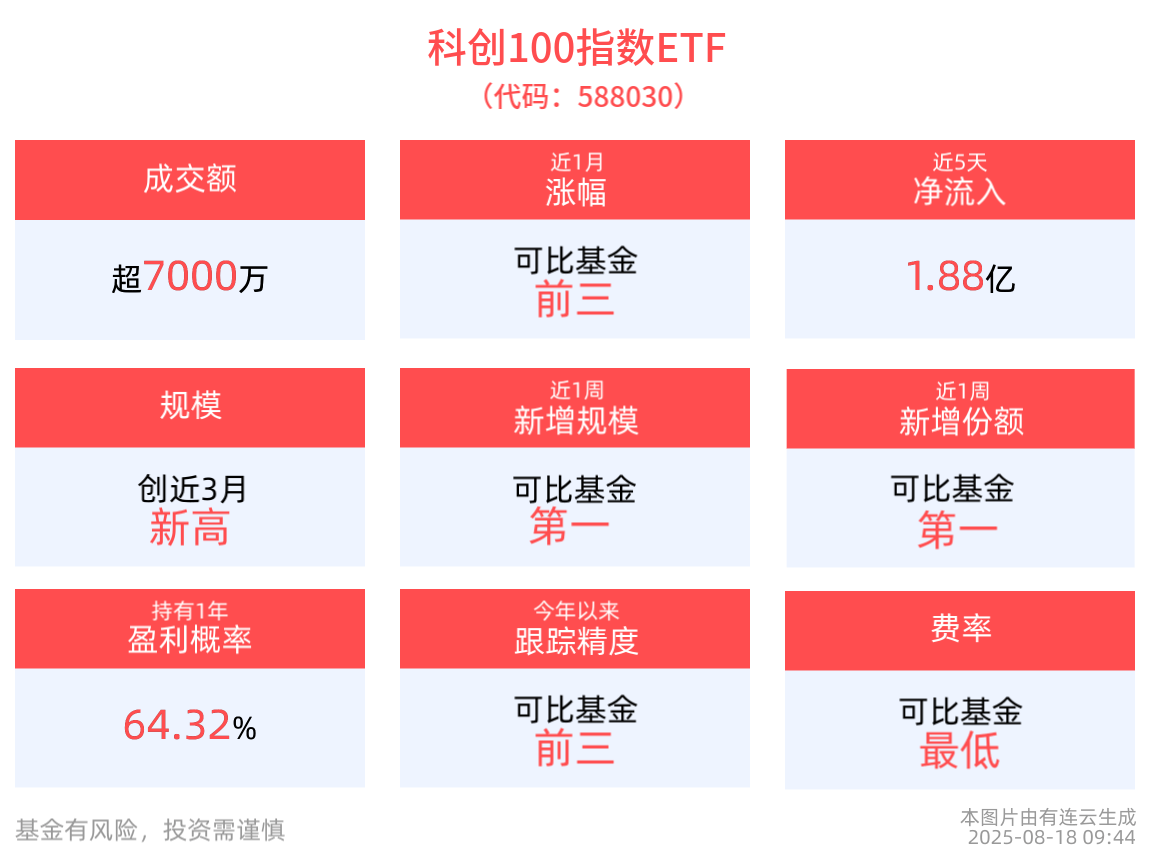
硬科技板块关注热度不减,科创100指数ETF(588030)最新规模逼近70亿元,创近3月新高,近1周新增份额同类居首
Sou Hu Cai Jing· 2025-08-18 02:04
Group 1 - The core event involves Huahong's announcement of a suspension to plan the acquisition of a controlling stake in Shanghai Huahong Microelectronics through a combination of share issuance and cash payment [4] - Dongxin Co., Ltd. has recently shown strong performance, attributed to its subsidiary Lishuan Technology's breakthrough in domestic GPU technology, achieving 3DMark scores comparable to NVIDIA's RTX 4060, supporting 4K high-quality gaming [4][5] - The market views Huahong's acquisition as a significant step in the consolidation of domestic semiconductor resources, while Dongxin's unique domestic GPU concept has earned it the nickname "Eastern NVIDIA" [5] Group 2 - The Sci-Tech Innovation 100 Index ETF (588030) has seen a recent increase in its scale, reaching 6.988 billion yuan, marking a three-month high and ranking first among comparable funds [6] - The ETF has experienced a significant increase in shares, with a growth of 177 million shares in the past week, also ranking first among comparable funds [6] - The ETF has recorded a net inflow of 318.497 million yuan recently, with three out of the last five trading days showing net inflows totaling 188 million yuan [6] Group 3 - As of August 15, the Sci-Tech Innovation 100 Index ETF has achieved a net value increase of 23.25% over the past six months, ranking 251 out of 3531 index equity funds, placing it in the top 7.11% [7] - The ETF's highest monthly return since inception was 27.67%, with the longest consecutive monthly gains being three months and the longest total gain being 37.87% [7] - The ETF's management fee is 0.15% and the custody fee is 0.05%, which are among the lowest in comparable funds [8]
和讯投顾田越滢:周末几个重要消息,与半导体领域相关
Sou Hu Cai Jing· 2025-08-18 01:12
Core Viewpoint - The semiconductor industry is experiencing significant developments, including Huawei's return of the Kirin chip after five years, which indicates progress in self-sufficiency in chip packaging, manufacturing, and design [1]. Group 1 - Huawei's Kirin chip is officially returning, marking a major milestone in achieving self-control in the semiconductor sector [1]. - The U.S. plans to impose tariffs on semiconductors next week, which may positively impact domestic alternatives and self-sufficiency in the semiconductor industry [1]. - The central bank's commitment to implementing a moderately loose monetary policy raises speculation about potential interest rate cuts, which is viewed as favorable for the industry [1].
华为麒麟芯片,全球第六
半导体芯闻· 2025-03-28 10:01
Group 1 - The core viewpoint of the article highlights that MediaTek is expected to maintain its leadership in the global smartphone processor market with a 34% market share in Q4 2024, followed by Apple at 23% and Qualcomm at 21% [1] - Samsung's market share has declined to 4% in Q4 2024, down from 5% in Q3 2024, indicating a significant downturn [1] - Samsung's Galaxy S25 series will exclusively use Qualcomm's Snapdragon 8 Elite chip due to poor yield rates of its second-generation 3nm process, which hindered the supply of its Exynos processors [1] Group 2 - There are rumors that Samsung is attempting to reduce its reliance on Qualcomm's Snapdragon processors, with the Galaxy Z Flip FE potentially being the first foldable device to use an Exynos processor if yield rates meet expectations [1] - Huawei's Kirin chip ranks sixth globally, despite facing various restrictions [2]