大衣

Search documents
年关说案 网购“套路”深
Yang Shi Wang· 2026-02-25 22:51
Group 1 - The core issue revolves around consumer rights and protection in online shopping, highlighting cases where customers face difficulties in obtaining refunds or returns from merchants [1] Group 2 - A woman experienced a situation where she ordered a discounted coat online, but the merchant claimed it was out of stock and requested a refund, leading her to suspect she was scammed [1] - A man discovered that he had overpaid for a scarf purchased online, but the merchant refused to accept the return, complicating his attempt to rectify the situation [1] - Both consumers are confronted with challenges in asserting their rights against perceived malicious practices by the merchants [1]
过新年穿新衣
Xin Lang Cai Jing· 2026-02-20 07:17
Group 1 - The tradition of wearing new clothes during the Spring Festival has deep historical roots, dating back to ancient texts that highlight the importance of "new garments" as part of the celebration [1] - In modern times, even during less affluent periods, families would invest in new clothing for the New Year, often employing tailors to create custom outfits [2] - The evolution of clothing practices has shifted with the advent of e-commerce, making new clothing more accessible, yet the cultural significance of wearing new clothes during the Spring Festival remains strong [3] Group 2 - Historical accounts indicate that specific patterns, such as the gourd motif, were favored in traditional clothing during the Spring Festival, symbolizing good fortune [1] - Personal anecdotes illustrate the craftsmanship involved in creating new garments, with family members often taking on the role of seamstress to ensure a perfect fit for festive occasions [2] - The emotional connection to new clothing during the Spring Festival is tied to family traditions and the desire for renewal and hope for the future [3]
不请导游的年轻人,花1块钱把城市玩透了
3 6 Ke· 2026-02-12 00:26
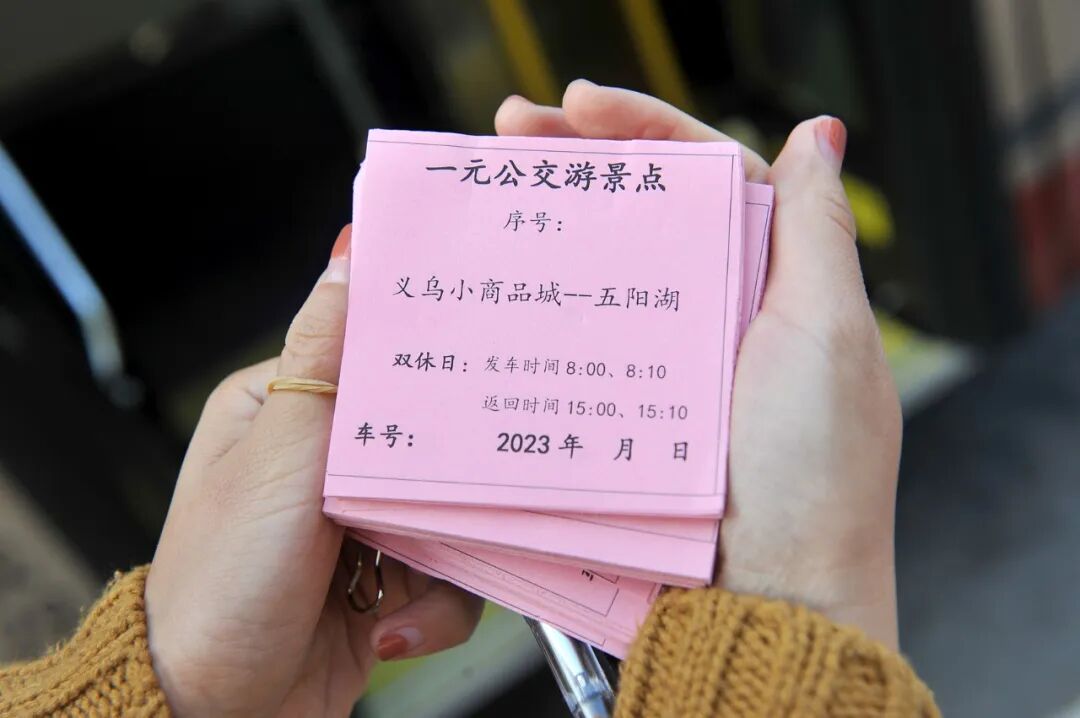
Core Insights - The article discusses how local public transportation systems are adapting to meet the needs of travelers, especially during the pre-Spring Festival period, by offering specialized routes that connect popular shopping areas and attractions [1][32]. Group 1: Customized Public Transport Solutions - Several cities are introducing dedicated bus lines to facilitate shopping for local specialties, such as clothing and footwear, making it easier for travelers to access these products without the hassle of driving or navigating complex routes [5][9]. - In Jinjiang, a special bus line was launched to connect major shopping districts and transportation hubs, allowing passengers to shop for discounted clothing directly at brand parks without needing reservations [5][7]. Group 2: Culinary Experiences via Public Transport - In cities like Liuzhou and Nanning, public transport routes have been designed to guide travelers to popular local food spots, such as the famous snail noodles, enhancing the culinary experience without the need for extensive planning [15][19]. - The introduction of food-themed bus lines allows passengers to explore local cuisine conveniently, with routes marked by food-related decorations and information about nearby eateries [17][19]. Group 3: Scenic and Cultural Exploration - In Wuhan, unique buses with themed designs are used to provide a scenic tour of historical districts, complete with onboard narration about the local history and architecture, making the journey itself a part of the travel experience [27][29]. - The concept of "bus walk" is highlighted as a way to enjoy the journey, where passengers can appreciate the scenery, taste local food, and learn about the culture, transforming public transport into a more engaging experience [32].

浙江一女子称退网购150多元大衣时,不慎寄走奔驰钥匙“配一把6000元”,网店:没法确定钥匙在哪,若看到会给她
Xin Lang Cai Jing· 2026-01-31 15:25
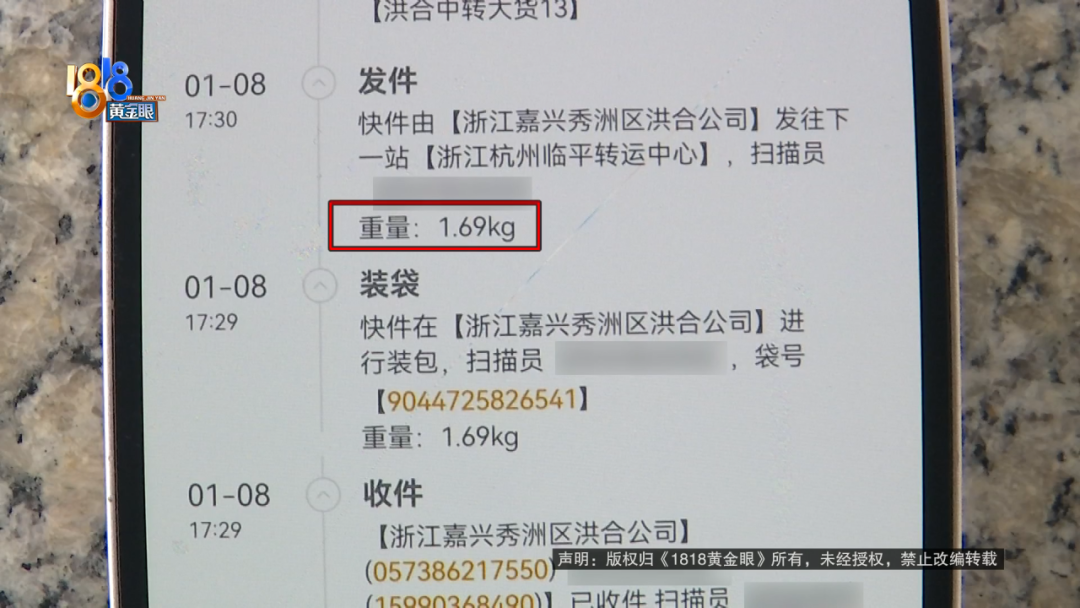
Group 1 - A customer in Jiaxing, Zhejiang, accidentally sent her car key back with a returned clothing item, highlighting potential issues in the return process of e-commerce [1][3] - The customer, Ms. Shen, reported that the car key for her Mercedes C260L costs 6,000 yuan to replace, indicating the high value of the lost item [1] - The weight discrepancy between the package sent back (1.69 kg) and the original package (1.2 kg) raises questions about what was included in the return [1] Group 2 - The customer’s car key, which weighs 53.3 grams, was confirmed to have been sent back, but the online store staff stated they have no use for the key if found [3] - The platform is actively coordinating to ensure both parties' rights are protected, but the exact location of the key remains uncertain [5] - The store staff mentioned they would continue to monitor the situation and encouraged anyone who finds the key to contact them [5]
上海南外滩轻纺面料市场一派热闹:剪刀划过布料的簌簌声与多语种的交谈声交织 众多外籍顾客来沪“做件衣服”回去
Jie Fang Ri Bao· 2026-01-30 01:49
Core Viewpoint - The Shanghai South Bund Textile Market is experiencing a surge in popularity, particularly among foreign customers, driven by a combination of visa-free policies and a unique customization service that caters to individual preferences [1][5]. Group 1: Market Dynamics - The market is bustling with activity as foreign consumers flock to customize suits, qipaos, and traditional Chinese garments, with long queues forming for orders [1]. - Foreign customers now account for 50% to 60% of the market's clientele, with some shops reporting that foreign sales make up over 70% of their business [2]. - The market has transformed from a traditional textile hub to a vibrant destination for personalized fashion, attracting international visitors through platforms like Cat Travel and Xiaohongshu [2]. Group 2: Customization Trends - There is a growing trend for personalized and unique clothing, with customers often requesting specific designs and details that reflect their individual tastes [4]. - The "come with a picture" customization service is particularly popular, allowing customers to bring in images for tailored creations [4]. - The market's ability to fulfill urgent orders, with some items ready for pickup the next day, aligns well with the tight schedules of international tourists [6]. Group 3: Market Evolution - The South Bund Textile Market has evolved through proactive changes and upgrades, enhancing its appeal and service offerings [5]. - The market provides a cost-effective alternative to international brands, with custom suits priced at one-third or less than those of high-end overseas stores [6]. - Recent improvements include the establishment of a café, renovations to the building's interior, and training programs for merchants to enhance their online presence and marketing skills [6].
国潮AI卷动淘货人海!四季青清仓大促变文旅嘉年华
Hang Zhou Ri Bao· 2026-01-16 03:33
Core Insights - The annual year-end promotion at the Siqiqing clothing district has introduced innovative features, including outdoor markets, traditional aesthetics spaces, AI fitting technology, and a new men's clothing market, aiming to provide visitors with an immersive cultural and tourism experience that combines quality, affordability, and fashion exploration [1] Group 1: Promotion Details - The promotion features significant discounts, with items like wool sweaters priced at 90 yuan and overcoats ranging from 150 to 200 yuan, showcasing the depth of the discounts available [2] - The outdoor market area has expanded from over 900 square meters last year to approximately 1,600 square meters this year, with seven participating markets and 27 outdoor stalls fully booked within half an hour [2] - Some markets have introduced a return and exchange service, enhancing consumer confidence in their purchases [2] Group 2: Experience and Transformation - The Siqiqing district is transforming shopping into an immersive carnival experience, integrating shopping with entertainment and cultural activities [3] - The "Xizi Magic Box" space has been revamped with a focus on Eastern aesthetics and features an AI fitting experience that allows visitors to create virtual outfits based on their body measurements [3] - The district aims to evolve from being known as "China's first clothing street" to becoming an "international tourism hotspot," with a focus on diverse consumer experiences [3] Group 3: Future Goals - The district's goal is to provide visitors with not just clothing but also a unique memory that blends fashion with urban culture [4] - The "Siqiqing Quality Products" initiative is driving continuous scene renewal and business upgrades, positioning the area as a vibrant fashion lifestyle center with global reach [4]
开店近500家,年销数十亿,拆解深呼吸女装的全渠道协同增长密码
Sou Hu Cai Jing· 2026-01-16 03:16
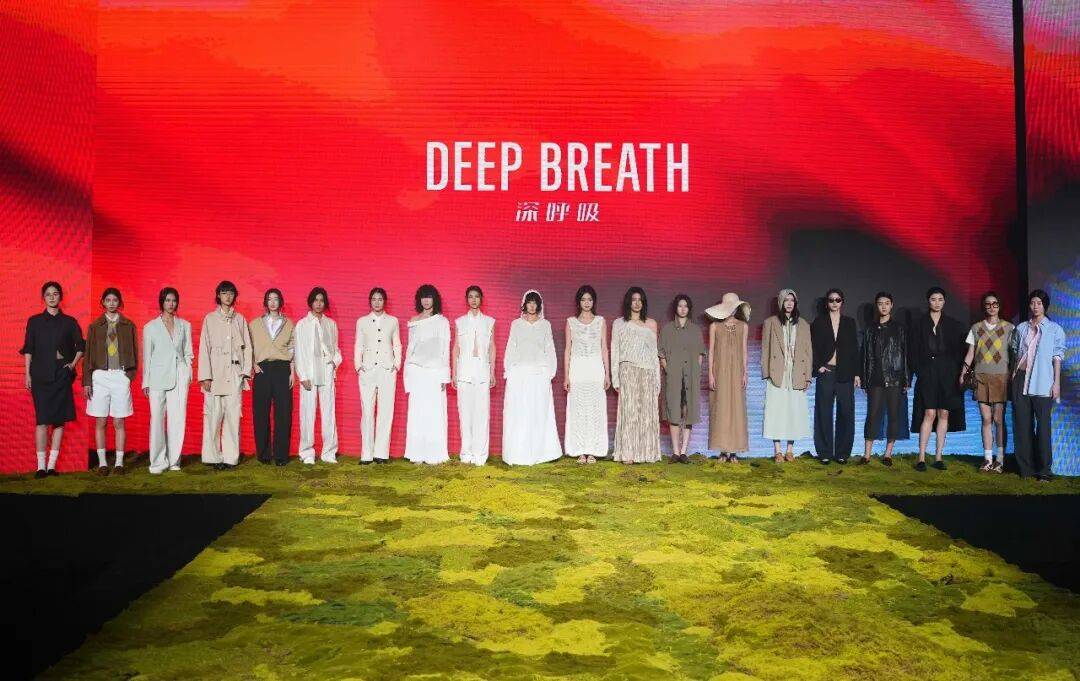
Core Insights - DEEP BREATH has opened nearly 500 stores and achieved annual sales in the billions, leveraging a comprehensive retail ecosystem [2][16] - The brand represents a shift in consumer behavior towards rational consumption, focusing on comfort, practicality, and value rather than emotional premium associated with brands [2][4] Product Strategy - DEEP BREATH continues to emphasize high-quality materials at affordable prices, aligning with trends in rational consumption and sustainable fashion [6] - The brand's core philosophy revolves around "comfortable dressing," aiming to provide urban women with practical wardrobe solutions [6] - The strategic focus on wool and cashmere has helped establish trust and recognition in the market, with competitive pricing of 100% cashmere sweaters at 380 RMB and 100% Australian merino wool sweaters at 200 RMB [7] Market Performance - DEEP BREATH has achieved significant market recognition, ranking first in sales and customer satisfaction for women's wool and cashmere sweaters [9] - The brand's sales performance during major shopping events, such as achieving nearly 1 billion RMB in GMV during the 2025 Double 11, reflects its strong market presence [18] Product Range Expansion - The brand targets urban women aged 25-45, focusing on practical and versatile clothing options, and has expanded its product range to include various categories such as outerwear, pants, and shirts [10] - DEEP BREATH emphasizes durability and versatility in its products, using high-quality materials and sustainable practices [12] Retail Strategy - DEEP BREATH has established a dual-channel sales system, integrating online and offline platforms to enhance customer experience and conversion rates [14][17] - The brand's offline stores are strategically located in high-traffic urban areas, designed to reflect the brand's philosophy and enhance customer engagement [15][16] Marketing and Brand Building - The brand focuses on long-term brand value through public engagement activities, collaborations with artists, and partnerships with fashion media to enhance visibility [20][23] - DEEP BREATH aims to build a stable brand recognition through consistent and multi-dimensional content output rather than short-term promotional bursts [25]
一家服装店里能做那么多事!
Xin Lang Cai Jing· 2026-01-13 23:59
Core Insights - The newly opened Jianjue clothing store in Nanhu New District has quickly become a consumer hotspot, attracting large crowds and enhancing the area's cultural vibrancy [4][6] - The store features a unique design that combines art and fashion, creating an immersive shopping experience that redefines traditional retail [4][5] - Jianjue aims to provide a comprehensive aesthetic experience, integrating professional styling services and various leisure activities within the store [5][6] Store Design and Concept - Jianjue spans 4,000 square meters and is designed with a Wabi-Sabi aesthetic, presenting clothing as art pieces rather than mere products [4] - The store's interior includes elements like geometric lighting and desert-like textures, enhancing the overall artistic atmosphere [4] - The store's concept is to transform shopping into an immersive aesthetic experience rather than just a transactional activity [4] Consumer Experience - Jianjue offers personalized styling services that analyze customers' features to provide tailored fashion advice, addressing common dressing dilemmas [5] - The store includes various leisure areas such as a coffee zone, artisan bread section, and craft beer area, catering to customers' relaxation needs [5] - Future plans include hosting workshops and events, further enriching the consumer experience and fostering community engagement [5][6] Cultural and Economic Impact - The opening of Jianjue is part of a broader initiative in Nanhu New District to integrate culture and commerce, creating new consumer scenarios [6][7] - The district is developing the Fuyun Road cultural and creative street, enhancing the area with diverse cultural and commercial offerings [6] - Local authorities emphasize the importance of improving residents' quality of life by encouraging innovative business models like Jianjue [7]
预售围城
Jing Ji Guan Cha Bao· 2025-12-20 01:35
Core Viewpoint - The article discusses the growing trend of pre-sale in the fashion industry, highlighting consumer frustrations and the operational challenges faced by merchants due to extended pre-sale periods and high return rates [1][6][23]. Group 1: Consumer Experience - Consumers are increasingly frustrated with pre-sale items that take too long to ship, leading to cancellations and dissatisfaction with product quality [1][2][3]. - A survey of approximately 30 consumers revealed various issues with pre-sale purchases, including unpredictable shipping times and receiving incorrect or low-quality items [3][4]. - A significant percentage of consumers (78%) believe that pre-sale periods are lengthening, and 80% feel that extended pre-sale negatively impacts their shopping experience [16][21]. Group 2: Merchant Strategies - Merchants like "DuoDuo" utilize pre-sale as a strategy to manage inventory and cash flow, often only producing a fraction of the orders to mitigate risks associated with high return rates [4][12][16]. - The average return rate for some merchants has increased significantly, with one brand reporting a rise from 50% to 80% in returns, indicating a shift in consumer behavior towards trying multiple items before returning [13][14]. - Larger brands have different pre-sale strategies, often using it as a means to gauge demand before committing to production, while smaller merchants rely on pre-sale to manage cash flow and inventory [14][15][22]. Group 3: Industry Trends - The overall scale of the clothing industry is declining, with significant drops in revenue and production reported by major companies [5][6]. - Pre-sale has become a necessary tactic for survival in a challenging market, allowing merchants to "trade time for survival space" amidst declining sales [6][23]. - The article notes that the pre-sale model in the fashion industry resembles early real estate pre-sale practices, suggesting potential for market bubbles and the need for regulatory oversight [23][24]. Group 4: Operational Challenges - Manufacturers face increased complexity and costs due to frequent changes in production lines and the need to adapt to varying order sizes, which complicates the production process [17][20]. - The time required for production has increased, with manufacturers reporting longer wait times for orders due to the need for adjustments in production lines [17][19]. - The handling of returns adds additional operational costs for merchants, as each returned item requires inspection and potential refurbishment before resale [21][22].
外资企业与中国市场“双向奔赴”
Sou Hu Cai Jing· 2025-12-16 14:10
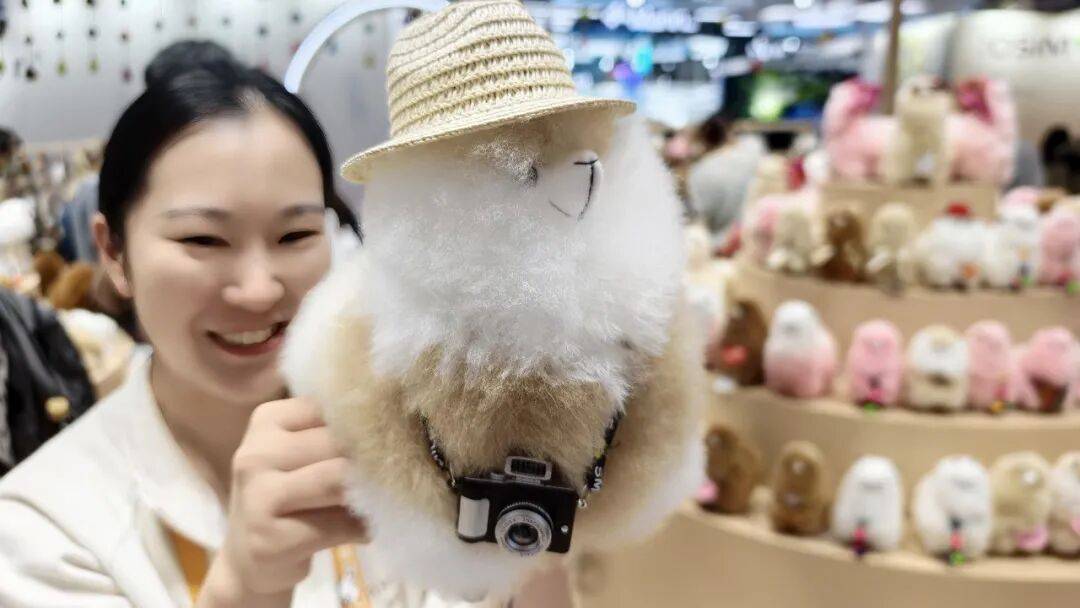
Group 1 - The "Warm Alpaca" brand from Peru has expanded to over 30 stores in China, offering more than 300 product variations, driven by Chinese consumer demand and favorable policies [3][5] - During the "14th Five-Year Plan" period, foreign enterprises in China have witnessed significant growth, with a 16.2% increase in newly established foreign-funded enterprises in the first nine months of 2025 [5][6] - High-tech industries have shown remarkable performance, with foreign investment in sectors like e-commerce services and aerospace manufacturing increasing by 155.2% and 38.7% respectively [5][6] Group 2 - The Chinese government has implemented over 500 regulatory changes to enhance the business environment for foreign investors, including the removal of restrictions on foreign investment in manufacturing [6][7] - Tax incentives, such as the profit reinvestment tax credit for foreign investors, have been introduced to encourage further investment in China [7][8] - The establishment of foreign investment task forces and regular communication with foreign enterprises has improved the operational environment for foreign businesses [7][8] Group 3 - The shift from "pure export" to "joint innovation" among foreign companies in China reflects the growing demand for quality and innovation driven by Chinese consumers [10][11] - China has become a global hub for innovation, with many multinational companies establishing regional headquarters and R&D centers in the country [10][11] - The integration of local cultural elements into product design has become a trend, as seen with brands like Aike Air, which draws inspiration from traditional Chinese designs [13][14] Group 4 - The "15th Five-Year Plan" emphasizes the need for a more open market, reducing the negative list for foreign investment and promoting efficient cross-border data flow [17][18] - Recent improvements in the efficiency of foreign investment approvals, such as the record speed of processing for qualified foreign institutional investors, indicate a commitment to facilitating foreign investment [18] - The ongoing development of a market-oriented, law-based, and international business environment in China aims to provide stability and certainty for foreign investors [18]