
微分子

Search documents
争抢“Z世代” “老白酒”杀向低度酒
Shen Zhen Shang Bao· 2026-02-05 17:55
Group 1 - The core viewpoint of the articles highlights the increasing trend of low-alcohol beverages in the Chinese liquor market, particularly driven by the younger generation's consumption preferences as the Spring Festival approaches [1][5] - Traditional liquor companies are launching new low-alcohol products to attract younger consumers, with notable examples including Moutai's 6-degree blueberry sparkling wine and Wuliangye's 29-degree product that achieved over 100 million yuan in sales within 60 days [2][3] - The market for low-alcohol beverages is experiencing growth rates that exceed the industry average, indicating a shift in consumer preferences from high-alcohol content to more moderate options [4][5] Group 2 - The competition between traditional and new liquor brands is intensifying, with established companies adapting their strategies to include younger demographics and low-alcohol products [2][3] - The market is transitioning from "expansion-based growth" to "structural growth," indicating a new phase of competition and differentiation among liquor brands [4] - The Chinese Alcoholic Drinks Association notes that the growth rate of low-alcohol products reflects a change in consumer attitudes, where alcohol is increasingly viewed as an emotional medium rather than just a social tool [5]
茶酒融合:“微醺经济”的双向奔赴
Nan Fang Nong Cun Bao· 2025-11-05 15:12
Core Viewpoint - The integration of tea and alcohol is emerging as a significant trend in the beverage industry, driven by the demand for "micro-drunk" experiences among younger consumers, leading to innovative product offerings and cross-industry collaborations [5][6][46]. Group 1: Industry Trends - The Guizhou Provincial Department of Commerce has issued a draft guideline to promote the transition from "selling alcohol" to "selling lifestyle," emphasizing the integration of alcohol and tea products to expand cross-industry consumption markets [2][3]. - The trend of alcohol and tea fusion is not new, with both alcohol and tea companies seeking growth opportunities through innovative product combinations [5][6]. - The younger demographic is increasingly becoming the main consumer group for alcohol, prompting companies to innovate beyond traditional high-alcohol products to attract this audience [8][49]. Group 2: Product Innovations - Major alcohol brands are launching lower-alcohol or non-alcoholic products to cater to younger consumers, with examples including Moutai's introduction of over ten youth-oriented products at a recent trade fair [12][18]. - The collaboration between Luckin Coffee and Moutai to launch the "Sauce Aroma Latte" achieved remarkable sales, with over 5.42 million cups sold on the first day, generating over 100 million yuan in revenue [28][30]. - New tea drinks incorporating alcohol, such as "Drunken Steps" by Tea Baidao and "Lychee Ice Brew" by Grandpa's Tea, have also gained popularity, indicating a growing acceptance of alcohol-infused beverages [32][39]. Group 3: Market Dynamics - The market for low-alcohol beverages is expanding, with data showing that fruit wine accounts for 38% of instant retail channels, growing at 72% annually, while tea and alcohol combinations account for 25%, growing at 65% [54][55]. - Health consciousness among consumers is influencing the beverage market, with a significant percentage of consumers expressing concerns about the health impacts of traditional tea drinks, leading to a demand for healthier options [60][61]. - The fusion of tea and alcohol is seen as a strategic move to address the challenges faced by both industries, allowing them to meet consumer demands for "micro-drunk" experiences while ensuring health considerations are met [63].







洋河股份(002304):延续深度调整,静待改善拐点
Minsheng Securities· 2025-11-02 12:26
Investment Rating - The report maintains a "Recommended" rating for the company, with a current price of 70.80 yuan [5]. Core Views - The company is undergoing a deep adjustment phase, with a focus on long-term development rather than short-term scale growth. It is actively managing inventory and adjusting its operational pace to prepare for future demand recovery [3]. - The company has introduced new products targeting various market segments, including high-end and mass-market offerings, to enhance its product structure and profitability [3]. - Financial forecasts indicate a significant decline in revenue and net profit for 2025, with expectations of gradual recovery in subsequent years [3][8]. Summary by Sections Financial Performance - For the first three quarters of 2025, the company reported revenue of 18.09 billion yuan, a year-on-year decrease of 34.3%. The net profit attributable to shareholders was 3.98 billion yuan, down 53.7% year-on-year [1]. - In Q3 2025 alone, revenue was 3.30 billion yuan, a decline of 29.0% year-on-year, with a net loss of 370 million yuan [1][2]. - The gross margin for the first three quarters decreased by 2.7 percentage points to 71.1%, while the net profit margin fell by 9.2 percentage points to 22.0% [2]. Market Strategy - The company is shifting its strategy to focus on mass consumption and channel destocking, moving away from solely pursuing short-term growth [3]. - New product launches during the autumn sugar conference include offerings aimed at various consumer segments, such as the "Yanghe National Guest" and "Super Football" [3]. - The company is restructuring its dealer profit model to address the challenges posed by industry competition and is enhancing its collaboration with e-commerce platforms [3]. Future Outlook - The company expects net profits of 3.79 billion yuan, 4.43 billion yuan, and 5.44 billion yuan for 2025, 2026, and 2027, respectively, with corresponding EPS of 2.51 yuan, 2.94 yuan, and 3.61 yuan [3][8]. - The current price-to-earnings ratios are projected to be 28, 24, and 20 for the years 2025, 2026, and 2027, indicating a potential for recovery in the long term [3][8].
不为短期波动所扰:洋河三季度报告背后的价值坚守
Sou Hu Cai Jing· 2025-10-31 12:20
Core Viewpoint - The report highlights a significant divergence in the Chinese liquor industry, with a pronounced "Matthew Effect" leading to market consolidation around leading enterprises, while smaller companies face increasing survival challenges. The competition has shifted from mere distribution to a focus on core competencies and product innovation [1][2]. Group 1: Financial Performance - Yanghe Co., Ltd. reported a revenue of 18.09 billion yuan and a net profit of 3.975 billion yuan for the first three quarters of 2025, indicating a strategic shift from pursuing scale growth to enhancing core capabilities through product innovation and emotional connections with consumers [1][4]. - R&D investment increased by 77.92% year-on-year, with contract liabilities rising to 6.424 billion yuan from 4.966 billion yuan, reflecting a commitment to product upgrades and market share consolidation [4]. Group 2: Strategic Focus - The company emphasizes maintaining strategic consistency by focusing on traditional craftsmanship and quality, while adapting to consumer preferences, particularly among younger demographics, by promoting a "bottle-opening" culture [2][4]. - Yanghe is diversifying its product offerings beyond traditional big items, introducing a matrix of products targeting different market segments, including low-alcohol and cultural products, to capture new growth opportunities [4][9]. Group 3: Brand and Market Engagement - Yanghe has developed a multi-faceted brand communication strategy centered on "content + scene + experience," enhancing consumer engagement and brand recognition through various marketing initiatives [6][7]. - The company has successfully integrated sports and cultural events into its marketing strategy, such as sponsoring major cultural programs and creating interactive consumer experiences, which have significantly increased brand visibility and consumer interaction [7][9]. Group 4: Market Trends and Consumer Insights - The main consumer demographic for liquor is undergoing a generational shift, with individuals born between 1985 and 1994 becoming the primary consumers, making up 34% of the market, while those born after 1995 account for 18%. This shift necessitates a focus on cultural relevance and brand modernization [9]. - Analysts suggest that Yanghe's current strategic positioning is aimed at preparing for a market rebound, with expectations of improved performance by 2026 as inventory levels normalize and pricing structures stabilize [9].
不为短期波动所扰:洋河三季度报背后的价值坚守
Zhong Jin Zai Xian· 2025-10-31 07:03
Core Viewpoint - The white liquor industry is experiencing a significant divergence, with a concentration of market power among leading companies, while smaller enterprises face increasing survival challenges. The competition has shifted from mere distribution to a focus on core competencies and product innovation [1][2]. Financial Performance - Yanghe Co. reported a revenue of 18.09 billion yuan and a net profit of 3.975 billion yuan for the first three quarters of 2025. The company is prioritizing internal capabilities over scale growth during this adjustment phase [1][5]. Strategic Focus - Yanghe is maintaining strategic consistency by emphasizing quality through traditional methods and focusing on consumer-defined value. The company is targeting younger consumers with a "bottle-opening" approach to enhance engagement [2][4]. Product Development - The company is diversifying its product offerings by introducing new products like the seventh generation of Hai Zhi Lan and low-alcohol beverages, while also exploring new consumption scenarios. This strategy aims to create a comprehensive product matrix that spans from high-end to mass-market segments [4][5]. Investment in R&D - Yanghe's R&D investment increased by 77.92% compared to the previous year, indicating a commitment to product upgrades and market share consolidation. The company's contract liabilities rose to 6.424 billion yuan, reflecting a positive outlook on channel confidence [5][6]. Brand Strategy - Yanghe is building a multi-dimensional brand communication system that integrates content, scenarios, and experiences to enhance brand recognition and consumer engagement. Initiatives like sponsoring sports events and cultural programs are designed to connect with consumers on a deeper level [7][9]. Market Insights - The main consumer demographic for white liquor is shifting, with younger generations (born between 1985-1994) becoming the primary market segment. Yanghe is adapting its branding and product strategies to resonate with this demographic's cultural identity [9]. Future Outlook - Analysts suggest that Yanghe's current strategic positioning may lead to a significant rebound in performance by the end of 2026, contingent on inventory management and pricing adjustments [9].
洋河2025年三季报:营收180.9亿元 合同负债增长显渠道信心
Zheng Quan Ri Bao Zhi Sheng· 2025-10-30 13:13
Core Insights - The Chinese liquor industry is currently experiencing a "bottoming out" phase, as evidenced by the performance reports of companies like Yanghe, which reported a revenue of 18.09 billion yuan and a net profit of 3.975 billion yuan for the first three quarters of 2025, reflecting a common trend during the industry's adjustment period [1][3]. Industry Overview - In 2025, nearly 80% of liquor companies are facing market challenges, with traditional peak seasons failing to generate expected sales, leading to high channel inventory and price inversions [1][3]. - The industry is transitioning from a golden era of simultaneous volume and price growth to a focus on quality preservation among leading companies [1][3]. Company Strategy - Yanghe's strategy for 2025 emphasizes "de-stocking, enhancing momentum, and stabilizing prices," with a focus on reducing channel inventory through various promotional measures, resulting in a double-digit reduction in overall market inventory [1][3]. - The company employs a unique approach to inventory reduction by promoting sales rather than imposing sales targets, utilizing strategies like QR code red envelopes and banquet policies to engage high-net-worth consumers [3][4]. Digital Transformation - Yanghe's digital infrastructure is enhancing efficiency by enabling promotional policies to reach terminals directly and using data analytics to match demand accurately, thereby reducing burdens on channels and increasing effectiveness [3][4]. Product Strategy - Yanghe continues to implement a "dual famous liquor, multi-brand, multi-category" strategy, creating a comprehensive product matrix that spans all price ranges, which strengthens its risk resilience [4][5]. - Despite short-term revenue pressures, Yanghe maintains its investment in product quality, with significant resources dedicated to premium storage and traditional craftsmanship, which fosters consumer loyalty [5][7]. Market Positioning - The company has launched six new products this year, including upgraded versions of existing lines and new entries that have generated excitement in the market, indicating a strong commitment to innovation [7]. - Yanghe's substantial raw liquor reserves and product innovation capabilities position it well for future growth, suggesting that the current challenging period may serve as a foundation for a new phase of expansion for long-term investors [7].
洋河全明星阵容亮相秋糖,“六境”沉浸式体验重构白酒消费场景
Xin Jing Bao· 2025-10-17 10:36
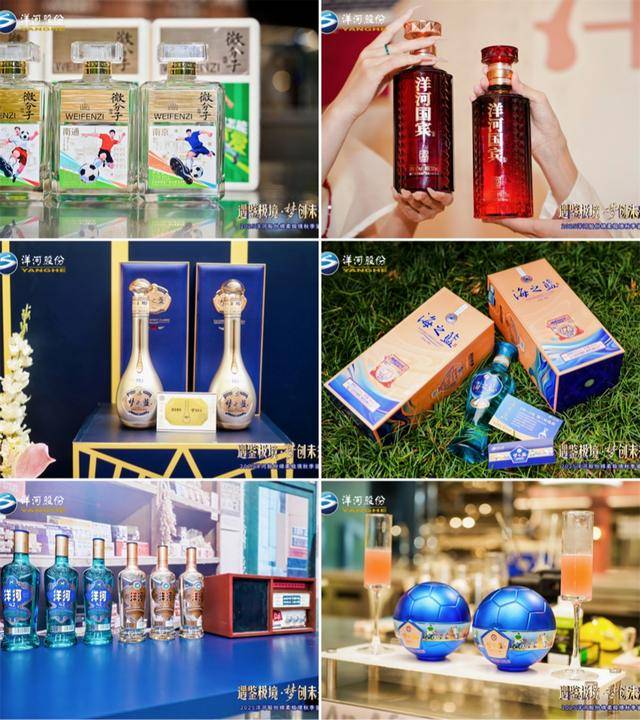
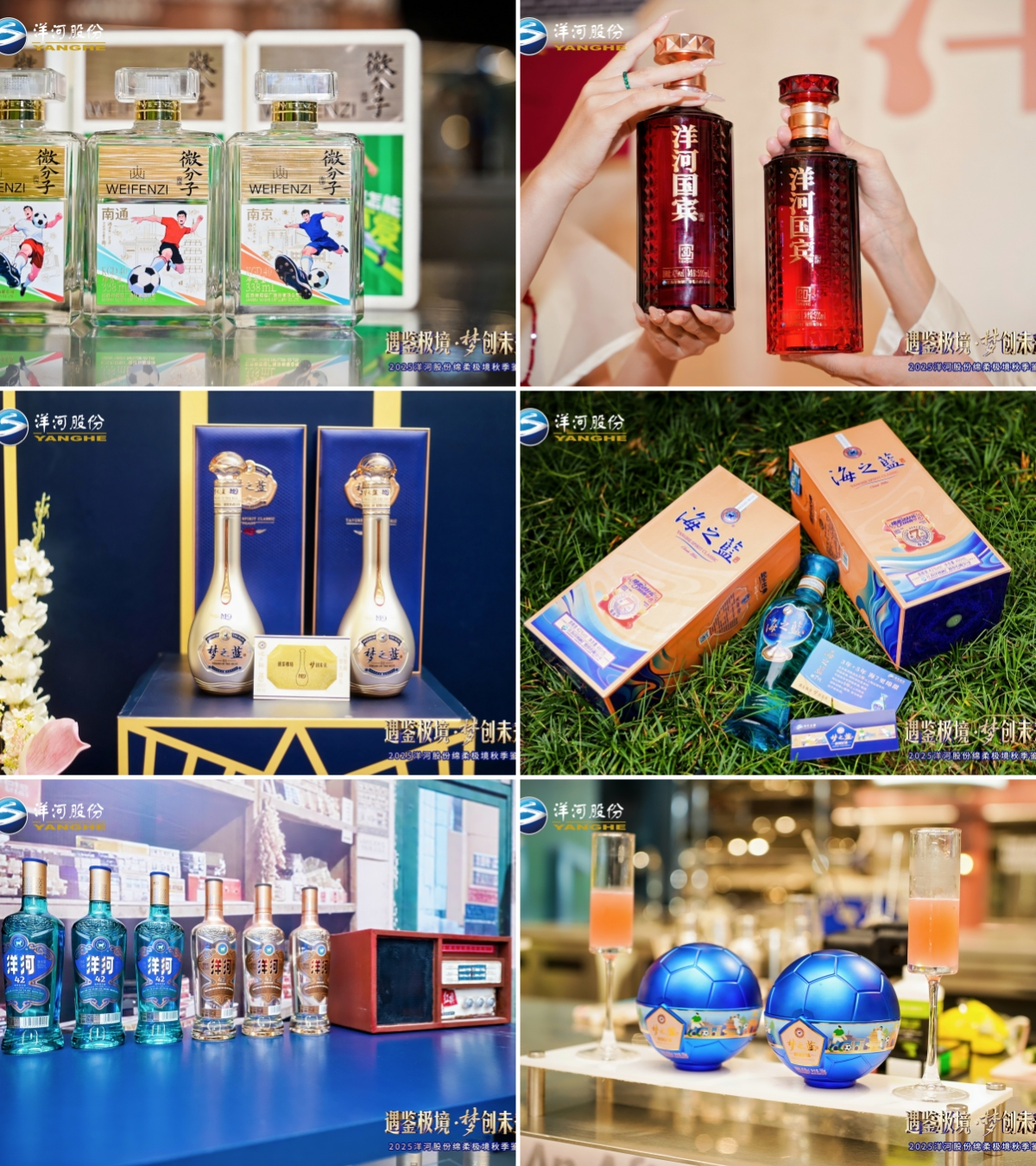
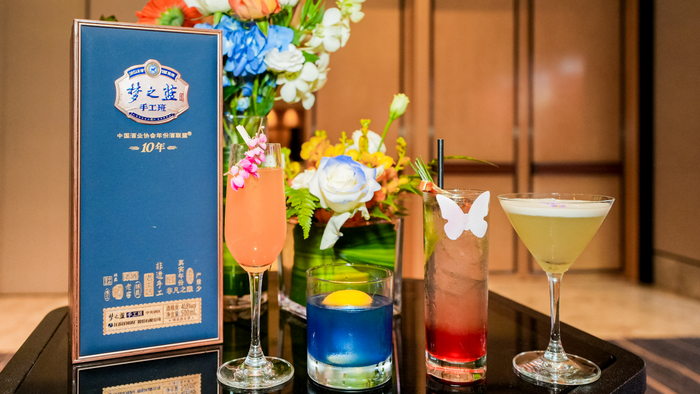
Core Insights - The 113th National Sugar and Wine Fair, held from October 16 to 18 in Nanjing, showcased Yanghe Co., which highlighted its brand strength through an all-star product lineup and an immersive experience centered around new products [1][3] Group 1: Product Showcase - Yanghe Co. presented its all-star product lineup, including the Dream Blue series (Handcrafted Class, M9, M6+, Crystal Edition), which solidifies its high-end market position [3] - The company’s products, such as the seventh generation of Sea Blue and the high-line bottled liquor, have received widespread acclaim, with the former promising "3 years + 5 years, better wine is softer" and achieving record sales [3][4] Group 2: Strategic New Product Launch - Yanghe Co. launched several strategic new products during the fair, including Yanghe Guobin, Micro-molecule, Super Football, and Jinmeng Nine, aligning with current industry trends of diversification and younger consumer engagement [4][6] - The new product launch is seen as a deep rebranding effort and aims to establish emotional connections with consumers [6] Group 3: Immersive Experience - The "Six Realms" immersive experience created by Yanghe Co. allowed guests to explore different aspects of the brand, enhancing their understanding of its soft flavor profile [7] - The event featured a performance showcasing the evolution of Chinese wine etiquette across different dynasties, along with interactive tasting sessions where guests could compare different aged wines [7] Group 4: Industry Positioning - Yanghe Co. is recognized for its innovative capabilities and responsiveness to market changes, maintaining its position at the forefront of Chinese liquor innovation for over 30 years [7]
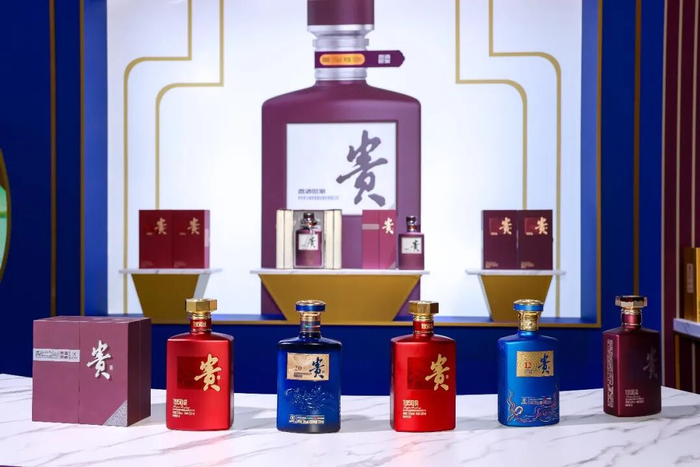
13家酒企年内狂推近60款新品,价格为何两极分化?
Mei Ri Jing Ji Xin Wen· 2025-10-14 00:34
Core Insights - The Chinese liquor industry has entered a "new product competition" phase in 2025, with 13 companies launching nearly 60 new products this year, particularly concentrated in August and September before the National Day and Mid-Autumn Festival [1][2] Group 1: New Product Launch Strategy - The timing of new product launches aligns with the traditional consumption calendar, maximizing brand exposure and allowing for sufficient channel preparation [2] - Companies are adopting a "precision strike" strategy, focusing resources on key products during peak sales windows, as evidenced by Guizhou Moutai's significant sales growth in August and September [2][3] - The successful trial sales of "Zhenjiu Dazhen" indicate a positive market response, with 100,000 boxes sold across 30 provinces and a revenue of 370 million yuan [2] Group 2: Price Polarization - The product landscape shows a clear polarization, with high-end products like Moutai's commemorative liquor priced at 7,000 yuan and 3,788 yuan, while the mid-range segment remains underrepresented [3][4] - Nearly half of the new products launched this year are priced below 500 yuan, indicating a downward shift in the industry's pricing focus [3][4] - The dual strategy of elevating brand value while penetrating the mass market reflects the industry's response to current consumer segmentation trends [4] Group 3: Cross-Industry Expansion - Companies are exploring "low-alcohol" and "non-alcoholic" products to attract younger consumers and meet health-conscious demands [5][6] - Moutai's "Youmi" brand and other companies are introducing a variety of low-alcohol beverages, targeting diverse consumer scenarios such as home drinking and social gatherings [5][6] - The low-alcohol market is projected to exceed 74 billion yuan by 2025, with a compound annual growth rate of 25%, highlighting its potential as a significant growth area for liquor companies [6]
产品焕新产能夯实 洋河股份打造“时间的产业”
Zheng Quan Shi Bao Wang· 2025-04-30 09:48
Core Viewpoint - Yanghe Co., Ltd. has reported its 2024 annual results and 2025 Q1 results, showing resilience and strategic adjustments in a challenging industry environment [1][2][3] Financial Performance - In 2024, the company achieved operating revenue of 28.876 billion yuan and a net profit attributable to shareholders of 6.673 billion yuan [1] - For Q1 2025, the operating revenue was 11.066 billion yuan, with a net profit of 3.637 billion yuan [1] Product Strategy - The company is focusing on product innovation with a "golden matrix" strategy, emphasizing "soft quality" and "aged liquor" [1] - Key brands such as "Blue Classic," "Dream Blue," and "Handcrafted Class" are prioritized for product iteration and market adaptation [1] - The seventh generation of the mid-range product "Sea Blue" has been upgraded, enhancing its market position [2] - The "Dream Blue" series continues to penetrate the sub-premium market, with "Dream Blue M6+" maintaining a central market position [1][2] Market Positioning - Yanghe is expanding its product layout for high-end light bottle liquor, targeting quality, convenience, and affordability [2] - The company is also introducing creative products aimed at younger consumers, such as micro-molecule and zodiac wines [2] Channel and Distribution Strategy - The company is implementing a "provincial cultivation, external breakthrough" strategy, adding 77 new distributors throughout the year [2] - Marketing strategies have shifted from "deep distribution" to "precise marketing," enhancing sales efficiency [2] Production Capacity - Yanghe has established over 20 square kilometers of brewing industrial parks across various provinces, with a production capacity of 160,000 tons of raw liquor and a storage capacity of 1 million tons [2] - The company holds the largest inventory of aged liquor in the industry at 700,000 tons, supported by a Guinness-certified pool of wine cellars [2] Long-term Strategy - The company is focusing on building a solid foundation during the industry's adjustment period, emphasizing systematic resource accumulation and capability development [3] - Yanghe aims to strengthen its product, channel, and organizational foundations to prepare for the next growth cycle [3]