
护发精油

Search documents
估值百亿的美发巨头拟赴美IPO!
Sou Hu Cai Jing· 2026-02-05 10:16
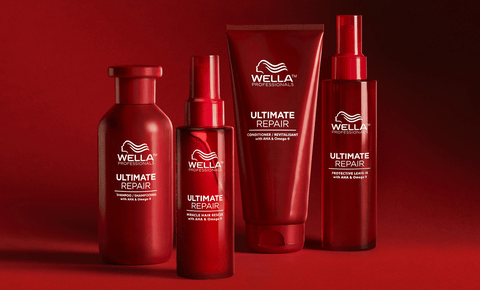
Group 1 - KKR is preparing for Wella Company's IPO in the U.S., which could happen as early as this year [1] - Wella Company is working with investment banks such as Bank of America and Goldman Sachs to facilitate the IPO, which is expected to value the company significantly higher than KKR's acquisition valuation of $4.3 billion (approximately 29.8 billion RMB) [3] - KKR acquired a 60% stake in Wella Company from Coty in 2020, with the valuation including debt at $4.3 billion (approximately 29.8 billion RMB), and has since increased its stake [4] Group 2 - Wella Company has a rich history dating back to 1880 and includes well-known brands such as Wella Professionals, O·P·I, Nioxin, and Clairol [4] - In 2025, KKR plans to acquire the remaining 25.8% of Wella for $750 million (approximately 5.2 billion RMB), with Coty set to receive 45% of the proceeds from any future sale or IPO after KKR's preferred return is met [4] - Wella Company entered the Chinese market in 1981, becoming the first Western hair care company to do so, and has since introduced several brands across various segments [5] Group 3 - Wella has established a strong online presence in China, with flagship stores on platforms like Tmall and JD, offering nearly 20 product links priced between 50-200 RMB, and achieving over 1,000 sales for five products [8] - The Tmall flagship store has garnered 240,000 followers, indicating a robust consumer interest and engagement [8]

2025年洗护品类趋势与创新洞察报告-久谦中台
Sou Hu Cai Jing· 2025-12-08 07:53
Core Insights - The report reveals a significant transformation in the Chinese personal care market, shifting from "basic cleaning" to "health management" and "emotional value" [1][7] - Consumers are increasingly seeking products with precise efficacy, safety, and emotional resonance, leading to a market shift from "broad audience" to "refined, scenario-based, and segmented" [1] Market Landscape - The personal care market is characterized by "saturation in basic categories" and "high growth in niche categories" with a compound annual growth rate (CAGR) of 11% over the past three years, primarily driven by volume [2] - Body care and oral care have seen growth rates of 14.2% and 12.2%, respectively, surpassing hair care's 8.1%, becoming new growth engines [2] - Men's grooming sales have declined by an average of 6.8% annually, indicating potential issues with product innovation or competition from unisex products [2] Shampoo Trends - The perception of shampoo has evolved from "hair cleaning" to "scalp health management," with consumers increasingly rational in their ingredient choices [3] - Key ingredients like selenium sulfide and salicylic acid are experiencing rapid growth, while hyaluronic acid is declining due to its short retention time in rinse-off products [3] - Emotional concerns about scalp health have shifted from anxiety to fear of damage, prompting brands to focus on self-pleasure rather than attracting others [3] Body Wash Evolution - Body wash is transitioning from a "cleaning tool" to roles such as "exercise recovery assistant" and "emotional healer" [4] - Consumers now expect body wash to function as a skincare product, with significant demand for benefits like whitening and acne treatment [4] - The value of fragrance has evolved from merely being pleasant to evoking feelings of happiness and nostalgia, with "pseudo-body fragrance" becoming a new marketing trend [4] Hair Oil Market Dynamics - The hair oil market is showing trends of "professionalization" and "premiumization," with consumers focusing on ingredients and technology similar to skincare products [5] - High-end ingredients like truffles and ginseng are emerging, driving short-term differentiation [5] - The emotional value of products has shifted from "atmospheric" to "high-end" and "self-healing," with attractive packaging contributing to consumer happiness [5] Future Outlook - The competition in the personal care market is shifting from "selling points" to "meaning," with consumers desiring brands to act as "heroes" and "caregivers" [6] - Brands will need to leverage advanced language models and social media data to better understand consumer motivations and predict future growth opportunities [6] Consumer Insights - The report highlights a comprehensive upgrade in consumer perception from "basic cleaning" to "health management" and "emotional value," with a strong emphasis on safety and gentleness [10] - Consumers are increasingly interested in emotional aspects, seeking "safety" and "problem-solving" from brands, while also desiring sensory pleasure and personal expression [10]
久谦中台:2025年洗护品类趋势与创新洞察报告
Sou Hu Cai Jing· 2025-11-27 20:33
Core Insights - The report highlights a significant shift in the personal care market from "basic cleaning" to "health management and emotional value," indicating a clear direction for brand development [1][2]. Market Trends - The overall market is characterized by "saturation in basic categories and high growth in segmented categories," with a projected CAGR of 11.2% for mainstream e-commerce channels from 2022 to 2025, primarily driven by sales volume [1][11]. - Body care (CAGR 14.2%) and oral care are experiencing rapid growth, surpassing hair care, while traditional categories like hair moisturizing and basic shower products are seeing a decline in demand [1][11]. - The average price across the market has only slightly increased by 1.2%, with most categories facing challenges in price hikes, except for hand care and essential oils, which have seen significant price increases due to a shift towards high-end functionalities [1][11]. Consumer Insights - There is a profound transformation in consumer awareness and demand, with core needs evolving from basic cleaning to a balance of health management and emotional value, where safety and gentleness are baseline requirements [2][7]. - Consumers are increasingly seeking emotional connections, desiring safety, problem-solving, sensory pleasure, and personalized aesthetics, with professional trust and social confidence becoming core emotional appeals [2][7]. - The trend of "circle" and "scene" segmentation is evident, with specific needs arising from demographics such as "working individuals with oily hair" and "post-night shift care," leading to the creation of specialized products [2][7]. Product Innovation - Product innovation is clearly directed towards combining "traditional herbal formulas with modern technology," with rapid growth in effective ingredients like selenium disulfide and plant extracts such as cedar leaves [2][3]. - The rise of concepts like micro-ecology and scalp anti-aging is notable, with fragrance becoming an important differentiator and packaging evolving towards a sense of luxury and artistry [2][3]. - The focus of brand competition is shifting from functional selling points to meaningful competition, with diverse brand archetypes emerging, such as the "hero" archetype in shampoo emphasizing efficacy, and the "lover" archetype in body wash enhancing emotional connections [2][3]. Brand and Supply Chain Strategy - Brands should concentrate on precise efficacy, targeting opportunities in scalp health and body care, enhancing safety transparency, and creating emotional premiums while embracing segmented markets [3][7]. - Supply chains need to invest in effective raw materials, gentle surfactants, and environmentally friendly packaging development, improving collaborative research capabilities [3][7]. - The future trend of AI-driven C2M (Customer to Manufacturer) development will enable brands to capture high-interest, low-satisfaction pain points through big data, predicting ingredient trends for agile research and precise innovation [3][7].

2025年个护清洁趋势报告:新周期下的品类重构与机会
FBeauty未来迹· 2025-11-27 14:10
Core Insights - The personal care and cleaning market has undergone significant changes from 2022 to 2025, shifting from a broad growth model to a more segmented and precise approach driven by specific scenarios, efficacy, and emotional value [5][19]. Market Overview - The overall personal care market maintains an 11.2% CAGR, but growth is not uniform across categories [5]. - New growth engines include "body care" (CAGR +17.2%) and "oral care" (CAGR +12.2%), with "intimate care" showing an impressive growth rate of 68.6% [5]. - Traditional "hair care" is experiencing slower growth at 8.1%, with a 1.8% decline in average price, indicating a price war in the saturated market [5]. - "Men's care" has seen a negative growth of 8.4%, suggesting a shift in male consumer preferences towards more neutral and specialized products [6]. Consumer Behavior - Consumers are less willing to pay a premium for basic cleaning functions, with sales growth (9.8%) outpacing average price growth (1.3%) [7]. - Only products with upgraded efficacy or emotional attributes can support a robust pricing structure [7]. Key Categories and Trends - **Shampoo**: Evolving from a "cleanser" to a "scalp conditioner," focusing on specific pain points like "sensitive scalp" and "fine hair" [11]. - **Body Wash**: Growth is slow (3.6%), but consumers are demanding skincare standards, leading to increased interest in ingredients like "acids" for skin issues [14]. - **Hair Oil**: Outpacing the hair care market with a growth rate of 15.5%, shifting from "repair" to "styling" [16]. Brand and Retail Strategies - Brands should pivot from ineffective competition in basic cleaning to focus on "scalp health" and "emotional value" [20]. - Retailers need to adjust product selection by reducing traditional large bottles and increasing the display of specialized products [20]. - Emphasizing ingredient education in stores can lower consumer decision-making barriers and enhance cross-selling opportunities [20]. Supply Chain Recommendations - Innovation in raw materials should focus on "skincare-grade scalp ingredients" and "gentle high-activity acid technologies" [21]. - Development of non-greasy lightweight oil substitutes and new polymers to address consumer pain points [21]. Conclusion - The personal care market in 2025 will prioritize precision over simple scale expansion, with brands and retailers needing to adapt quickly to the shift towards refined, efficacy-driven, and emotionally resonant consumer demands [23].

大侠后宫:"让家长帮忙买乌萨奇的后果......" 哈哈哈哈哈哈笑死了
猿大侠· 2025-10-17 04:12
Group 1 - The article discusses the economic strength and consumer spending capabilities, suggesting that despite economic challenges, consumer spending remains robust [6] - It highlights the trend of consumers enjoying leisure activities, such as dining out and socializing, indicating a positive outlook on consumer behavior [6] Group 2 - The article emphasizes the importance of adapting to current economic conditions while maintaining a focus on personal enjoyment and lifestyle choices [6] - It suggests that individuals are finding ways to balance work and leisure, reflecting a shift in priorities towards a more fulfilling life [6]

泼天发量可“接”!屈臣氏携发量大使萌趣趣惊喜亮相
Sou Hu Wang· 2025-08-18 02:45
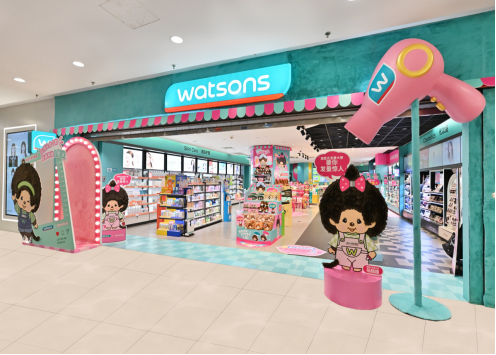
Core Insights - Watsons has launched a fun pop-up store in Shanghai featuring the iconic character Mengququ as the "Hair Volume Ambassador" to promote hair care products and engage consumers in interactive experiences [1][4][10] Group 1: Event Highlights - The pop-up store includes immersive experiences such as a giant hair volume waterfall arch and themed areas like the Hair Volume Research Institute and the Fluffy Supply Warehouse [4][7] - Consumers can participate in various interactive challenges, trying on fun wigs and taking photos, enhancing their emotional satisfaction [4][5] - The event aims to attract young consumers by integrating health hair care concepts into creative interactions like "getting hair volume" and "styling" [10] Group 2: Product Offerings - Watsons has introduced exclusive co-branded hair care sets in collaboration with multiple brands, including hair oils, conditioners, masks, and shampoos, providing a comprehensive hair care solution [7][11] - The themed stores in Shanghai and Chengdu feature dedicated stations for scalp and hair care, creating a lively shopping atmosphere [7][9] Group 3: Marketing Strategy - The collaboration with Mengququ reflects Watsons' keen insight into young consumer trends and preferences, aiming to innovate marketing activities and strengthen brand identity [10]
2025年第31周:美妆行业周度市场观察
艾瑞咨询· 2025-08-06 00:06
Industry Environment - Fermented skincare is emerging as a new trend in the beauty industry, utilizing microbial technology to convert natural ingredients into effective active components, with a projected market size of 15 billion yuan by 2030 and an annual growth rate of 15% [2] - The 2025 Douyin E-commerce Skincare Trend White Paper reveals four major trends: technological skincare, medical beauty scenarios, targeted care, and emotional skincare, indicating a shift towards scientific and refined consumer demands [3] - The global perfume market is expected to grow from $53 billion in 2025 to $77.53 billion by 2032, with luxury brands like Chanel and Kering's beauty business performing well amid market challenges [4] - The medical beauty sector is becoming a new hotspot in the beauty consumption market, with the Chinese medical beauty market projected to reach 350 to 400 billion yuan by 2025, driven by the Z generation [5] - Small and niche brands are gaining traction in the global beauty market, appealing to younger consumers who prioritize brand values and cultural resonance [6] - In the first half of 2025, the global beauty market saw 61 investment events, with a focus on skincare and personal care sectors, highlighting a significant interest in upstream technologies [7] Company Dynamics - Huaxizi has appointed Wang Junkai as its first global color makeup ambassador in an attempt to revive declining sales, which have seen a 21.19% year-on-year drop in online GMV for 2024 [9] - Estée Lauder's high-end hair care brand Aveda has opened its first flagship store in China, emphasizing a holistic approach to beauty that integrates natural wisdom and immersive experiences [10] - ColorWow, a professional hair care brand, was recently acquired by L'Oréal for $1 billion, showcasing the success of its founder Gail Federici in the hair care industry [11] - Onitsuka Tiger has launched a new perfume line, marking its entry into the beauty sector and aligning with its high-end, fashion-forward strategy [12] - Plant Doctor has been accepted for IPO, focusing on high-altitude plant products, but faces challenges in growth and online transformation [13] - A hair oil brand has topped Douyin's sales charts, driven by increased demand for hair care products among university students during the summer [14] - JD Health has opened its first offline medical beauty clinic in Beijing, aiming to leverage its supply chain advantages in a competitive market [15] - Unilever is focusing on high-end beauty and growth categories as part of its "tail-cutting survival" strategy, with a 1.9% global revenue increase projected for 2024 [17]

20%高增速领跑,上半年洗护市场为什么“爆了”?
FBeauty未来迹· 2025-07-24 12:02
Core Viewpoint - The hair care market is experiencing significant growth, with online transaction value reaching 340.37 billion yuan in the first half of 2025, marking a year-on-year increase of 20.67% [4][5]. Market Performance - The hair care segment outperformed other beauty categories, driven by a 131.5% surge in men's hair care and steady performances from international brands like Kérastase, L'Oréal, and Pantene [2][4]. - The overall beauty market saw a total online transaction value of 3,060.39 billion yuan, with hair care being one of the fastest-growing segments [5]. Segment Breakdown - The hair care subcategories showed robust growth: - Hair cleansing: 179.72 billion yuan, up 21.56% - Hair care: 74.00 billion yuan, up 19.59% - Hair dyeing and perming: 57.44 billion yuan, up 17.20% - Hair styling: 20.76 billion yuan, up 16.64% - Men's hair care: 5.12 billion yuan, up 131.50% [7]. Brand Landscape - The market share of the top five brands (CR5) decreased from 19% in 2024 to 16%, indicating increased competition from emerging domestic brands and private labels [8]. - New domestic brands like Off&Relax and others are gaining traction, with several entering the top 20 rankings [11]. Consumer Trends - There is a shift towards efficacy-driven products, with consumers seeking solutions for specific scalp issues and multi-functional products [14][19]. - The introduction of "face-care level" ingredients in hair care products is becoming a trend, enhancing the overall consumer experience [19][21]. Innovation and New Products - Over 25 brands launched new products in the first half of 2025, with a focus on scalp care and multi-functional benefits [13]. - Brands are emphasizing rapid effectiveness, with products claiming visible results in as little as one to three minutes [17]. Future Outlook - The competition in the hair care market is expected to intensify, particularly in the areas of anti-hair loss and scalp care, with a focus on patented technologies and quick results [26][29]. - The potential for growth in differentiated segments like scalp oils is significant, as brands explore new opportunities [23][26].


彩妆&香水行业用户趋势速递:夏妆焕彩,香引潮风
Xiao Hong Shu· 2025-06-03 08:40
Investment Rating - The report provides a positive investment rating for the beauty and personal care industry, highlighting significant growth potential in various segments [1]. Core Insights - The beauty and personal care industry is experiencing a surge in user engagement, particularly in makeup and fragrance categories, driven by trends such as emotional healing and cultural collaborations [3][8]. - The report emphasizes the importance of understanding consumer trends, such as the rise of mini makeup products and the integration of fragrance into personal care routines, which are reshaping market dynamics [10][90]. User Trends - Trend 01: The rise of "mini makeup" products, with searches for mini makeup increasing by 145% year-on-year, indicating a shift towards portable beauty solutions [15][17]. - Trend 02: The "island makeup" trend reflects a desire for quick, effective beauty solutions that cater to the vacation mindset, with related searches up by 350% [38][44]. - Trend 03: The "no foundation makeup" trend is gaining traction, with a 262% increase in searches, as consumers seek lightweight, breathable products for warmer months [76][78]. Fragrance Trends - Trend 01: The focus on "energy fragrances" is growing, with a 165% increase in related searches, as consumers seek scents that resonate with their emotional states [92][94]. - Trend 02: The "memory fragrance" trend utilizes scents to evoke memories, with significant engagement on platforms like Xiaohongshu, indicating a strong consumer interest in personalized fragrance experiences [100][102]. - Trend 03: The trend of "DIY fragrances" is emerging, with a 52% increase in searches for DIY scent combinations, reflecting a growing consumer interest in personalized fragrance solutions [180][182]. Category Trends - The report identifies a significant expansion in the women's hygiene products sector, with trends such as "therapeutic sleepwear" and "private care" gaining traction due to increased consumer awareness and demand [188][194]. - The "absorbent pads" trend highlights a growing need for incontinence products, with a staggering 813% increase in related searches, indicating a previously underserved market [217][223]. - The "facial cleansing wipes" trend is also on the rise, with a focus on convenience and user experience, particularly for travel and outdoor activities, as evidenced by a 134% increase in related discussions [238][250].
“全球品牌中国线上500强”出炉 受年轻人欢迎的品牌增速更高
Zheng Quan Ri Bao· 2025-05-23 06:14
Core Insights - The "Global Brand China Online 500 Strong" list for Q1 2025 was released, with Apple ranking first, followed by Huawei and Xiaomi in second and third place respectively. Among the top 10 brands, 7 are domestic brands [1] - The research utilized consumer big data from e-commerce platforms like Taobao and Tmall, analyzing metrics such as traffic, search terms, transaction amounts, member transactions, and store ratings to create a comprehensive scoring model for brands [1] - Key drivers for brand growth identified include product innovation, scene segmentation, and "self-consumption" trends, with a significant percentage of Chinese consumers willing to pay more for innovative products and special experiences [1][2] Brand Characteristics - Emerging brands are focusing on precise scene positioning and exhibit significant product innovation capabilities, with 36 out of the fastest-growing 100 brands showcasing a clear "product innovation + scene focus" characteristic [2] - "Self-consumption" is becoming mainstream, with brands in personal care, gaming, and pet products catering to individual emotional experiences, exemplified by brands like Kérastase and domestic pet food brand MaiFuDi [2] - There is a high overlap between high-growth brands and those favored by consumers aged 18 to 24, indicating that attracting younger consumers is translating into brand growth [2] Market Trends - As market maturity increases, consumers are seeking more refined functional needs, making it difficult for single, mass-market products to meet diverse scene requirements. Product innovation around segmented scenes is crucial for differentiation and brand longevity [2] - The demand for self-value expression among users is rising, prompting brands to provide emotional connections and personalized experiences to win consumer favor [2]

