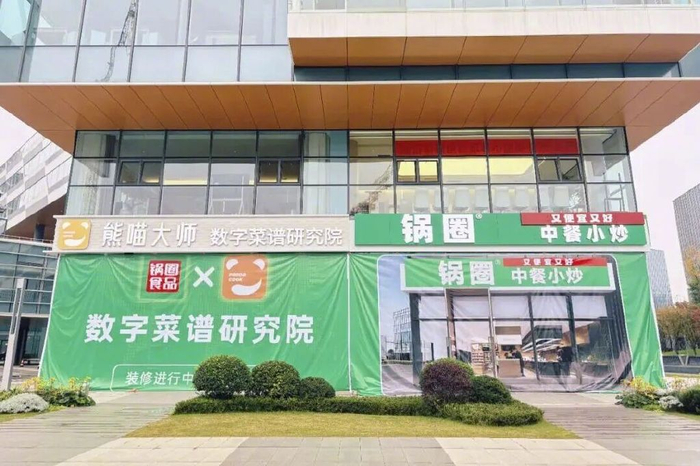
智能炒菜机

Search documents
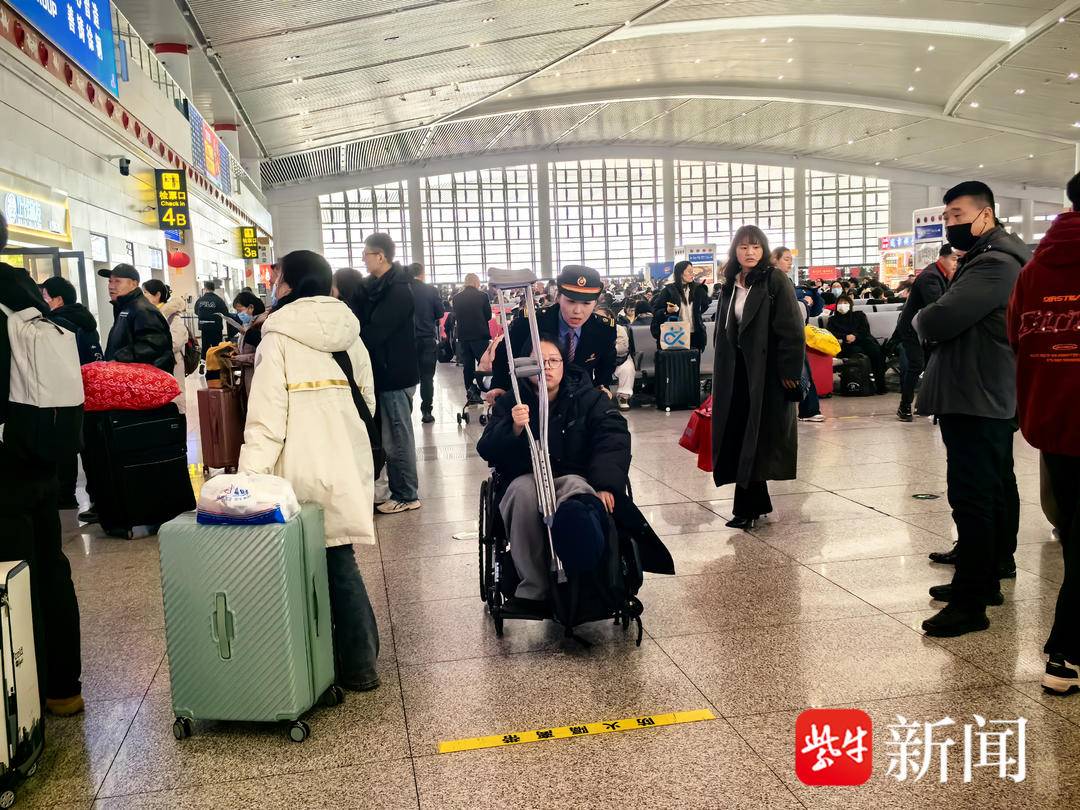
春运第5天 长三角铁路计划增开列车202列
Yang Zi Wan Bao Wang· 2026-02-06 02:24
Group 1 - The core viewpoint of the news is that the passenger flow in the Yangtze River Delta railway continues to rise during the Spring Festival travel season, with significant increases in the number of travelers being sent [1][3] - On February 5, the Yangtze River Delta railway sent 2.54 million passengers, and a total of 9.655 million passengers were sent in the first four days of the Spring Festival [1] - On February 6, it is expected that 2.82 million passengers will be sent, indicating a growing demand for travel during this period [1] Group 2 - The railway has increased capacity in key directions, adding 202 passenger trains, including 129 direct trains and 73 intra-city trains, to meet the travel demand [3] - The railway department has implemented enhanced travel services, such as personalized service for frequent travelers and improved facilities at stations to ensure a smoother travel experience [5] - A weather warning has been issued for rain and snow in several regions, prompting the railway department to advise travelers to plan their journeys accordingly and allow extra time for travel [7]

别让“伪智能”钻空子
Hai Nan Ri Bao· 2026-01-16 01:36
Core Insights - The article highlights the issue of "pseudo-intelligence" in smart home appliances, where products like smart cooking machines and washing machines require frequent human intervention, failing to meet consumer expectations for automation [2] - The phenomenon reflects a trend among some companies prioritizing short-term gains over quality, leading to exaggerated marketing claims about their products' capabilities [2] - The lack of stringent industry standards allows subpar products to be labeled as "smart," necessitating improved regulations to protect consumers and ensure market integrity [2] Industry Analysis - The prevalence of "pseudo-intelligent" products indicates a growing market for smart home appliances, but also reveals significant consumer dissatisfaction due to unmet promises [2] - Companies are urged to adopt a more responsible approach to product development and marketing, focusing on genuine innovation rather than misleading claims [2] - Strengthening industry standards is essential for effective market regulation and to prevent inferior products from entering the market, thereby enhancing consumer trust [2]

“伪智能”需要真监管(纵横)
Ren Min Ri Bao· 2026-01-14 23:04
Group 1 - The core issue highlighted is the prevalence of "pseudo-intelligent" home appliances that fail to meet consumer expectations, often requiring frequent manual intervention and not delivering on their promised convenience [1][2] - The rapid development of artificial intelligence has led some manufacturers to exaggerate the capabilities of their products, misleading consumers and ignoring real user pain points [1] - The long-term viability of these "pseudo-intelligent" products is questioned, as they lack genuine technological innovation and may harm consumer trust while stifling market space for innovative companies [1] Group 2 - Strengthening regulatory measures is essential to combat the "pseudo-intelligent" phenomenon, with calls for improved laws and standards in the smart home appliance sector to ensure effective enforcement [1][2] - Companies are urged to adhere to ethical business practices, focusing on genuine product development and user needs rather than resorting to deceptive marketing tactics [1] - Consumers are encouraged to make informed purchasing decisions through legitimate channels and to support high-quality products rather than being swayed by the allure of "black technology" concepts [1][2]
部分智能家居家电产品存在“伪智能”现象
Xin Lang Cai Jing· 2026-01-07 19:17
Core Insights - The article highlights the prevalence of "pseudo-intelligence" in smart home appliances, where the actual functionality does not meet consumer expectations, leading to dissatisfaction [1][2] Group 1: Issues with Smart Appliances - A significant portion of consumers reported that smart washing machines failed to automatically adjust washing parameters based on fabric type and weight, with 44.8% of respondents indicating issues with inaccurate detergent dispensing [2] - In the case of smart cooking machines, 60.49% of users experienced frequent manual intervention during cooking, contradicting the expectation of hands-free operation, which diminishes the product's practical value [2] - The smart watch marketed for real-time blood oxygen monitoring did not fulfill its promise, as it failed to send data instantly to parents, highlighting a disconnect between marketing claims and actual product capabilities [1] Group 2: Recommendations for Improvement - Experts suggest that companies should focus on enhancing consumer experience by prioritizing product quality, intelligence level, and practical value through technological innovation and ecosystem integration [2] - It is recommended that businesses provide accurate representations of their products' smart features to avoid exaggerated claims, thereby fostering better integration of artificial intelligence in consumer products [2]
全市企业技术中心总量超1700家
Xin Lang Cai Jing· 2026-01-05 20:49
Core Viewpoint - Chengdu has established 141 pilot test platforms and proof-of-concept centers at the municipal level and above, with over 1,700 enterprise technology centers, highlighting the city's commitment to integrating technology and industry for innovation and development [1][5]. Group 1: Pilot Test Platforms - Chengdu's pilot test platforms have been instrumental in bridging the gap between technology research and industrial production, with 7,000+ pilot projects served to date [5]. - The city has 11 manufacturing pilot platforms included in the Ministry of Industry and Information Technology's first batch of key cultivation lists, ranking among the top in the country [3]. - The pilot test platforms cover key industrial chains such as artificial intelligence, low-altitude economy, and advanced energy [5]. Group 2: Technology Centers - Chengdu has recognized 5 national-level and 118 provincial-level enterprise technology centers, with a total exceeding 1,700, emphasizing the importance of enterprises in driving innovation [7]. - The enterprise technology centers serve as crucial hubs for industry chain upgrades and innovation, directly responding to market demands [7]. - The city aims to ensure that over 60% of large-scale industrial enterprises have in-house research and development institutions [7]. Group 3: Integration of Technology and Industry - The integration of technology and industry is a key focus for Chengdu, with initiatives aimed at enhancing the competitiveness of the modern industrial system [3][6]. - The city promotes "order-based" innovation, "customized" research and development, and "demand-driven" problem-solving to facilitate the transformation of technological achievements into productive forces [7]. - Chengdu's strategy includes building a "pilot test +" ecosystem to accelerate the industrialization of scientific and technological achievements [5].
穿透锅圈食汇“增长神话”,品牌与加盟商的2025冷暖鸿沟
Xin Lang Cai Jing· 2025-12-30 02:47
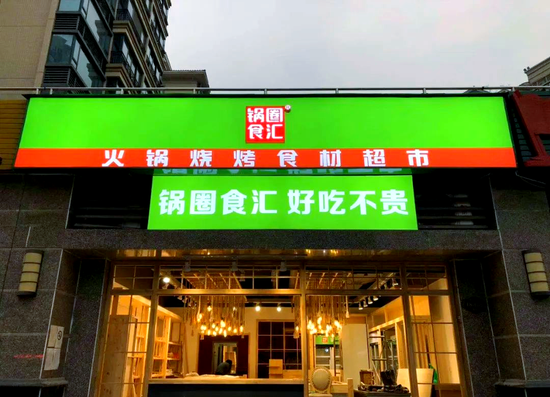
Core Viewpoint - The company must reconstruct a win-win model with franchisees, optimize the supply chain, control prices, and strengthen food safety measures to alleviate its current survival predicament in the context of a challenging hot pot industry landscape in 2025 [2][32]. Group 1: Industry Overview - The hot pot industry is experiencing a dual scenario of decline and growth, with a significant drop in new registrations of hot pot enterprises, only 22,000 in the first half of 2025 compared to 50,000-100,000 annually from 2021 to 2024 [33]. - Despite the industry's downturn, the company is projected to achieve revenue of 1.85-2.05 billion yuan in Q3 2025, representing a year-on-year growth of 13.6%-25.8% [33]. - The company's stock price has nearly doubled from 1.57 HKD per share in January 2025 to 4.44 HKD in November 2025, reflecting a 98.1% increase [33]. Group 2: Franchisee Challenges - Franchisees face three main challenges: significant regional differences in dietary preferences, food safety issues eroding consumer trust, and limitations in the hot pot category that hinder new business exploration [35]. - Many franchisees report a drastic decline in daily sales during peak seasons, with some stores earning only a few hundred yuan, leading to unsustainable losses due to high fixed costs [37][38]. - The competitive pricing of external hot pot restaurants has diminished the appeal of the company's at-home hot pot offerings, with consumers increasingly opting for cheaper alternatives [38]. Group 3: Market Dynamics - The average consumer spending on hot pot has decreased from over 80 yuan to around 70 yuan by the end of 2024, with leading brands also experiencing a drop in average transaction values [39]. - The company’s internal competition has intensified due to the rapid opening of new stores, leading to customer traffic dilution and unhealthy competition among franchisees [41]. - The target demographic of young consumers is increasingly absent from county and town markets, as many have migrated for education or work, leaving behind a primarily older demographic with different consumption habits [42]. Group 4: Strategic Responses - The company has implemented several strategies to address its challenges, including expanding its product offerings, enhancing online and offline marketing efforts, and investing in smart store technologies [45][46]. - Despite these efforts, franchisees report a decline in overall profit margins, with many experiencing a drop to 15%-20% due to high delivery platform fees and operational conflicts arising from diverse retail scenarios [46][47]. - The company’s reliance on frozen and pre-packaged foods is increasingly at odds with consumer preferences for fresh and made-to-order meals, further complicating its market position [48]. Group 5: Industry Pressures - The frozen food industry is facing a downturn, with many companies reporting declining revenues and profits, exacerbating competitive pressures on the company [54][55]. - The shift towards direct-to-consumer sales by frozen food manufacturers is undermining the company's traditional distribution model, making it harder to maintain price competitiveness [55]. - Franchisees are burdened by stringent performance metrics and penalties imposed by the company, which further complicates their operational challenges [27].
各地抢抓机遇为千行百业赋能“智慧大脑” 让人工智能“+”出发展新活力
Yang Shi Wang· 2025-12-23 12:50
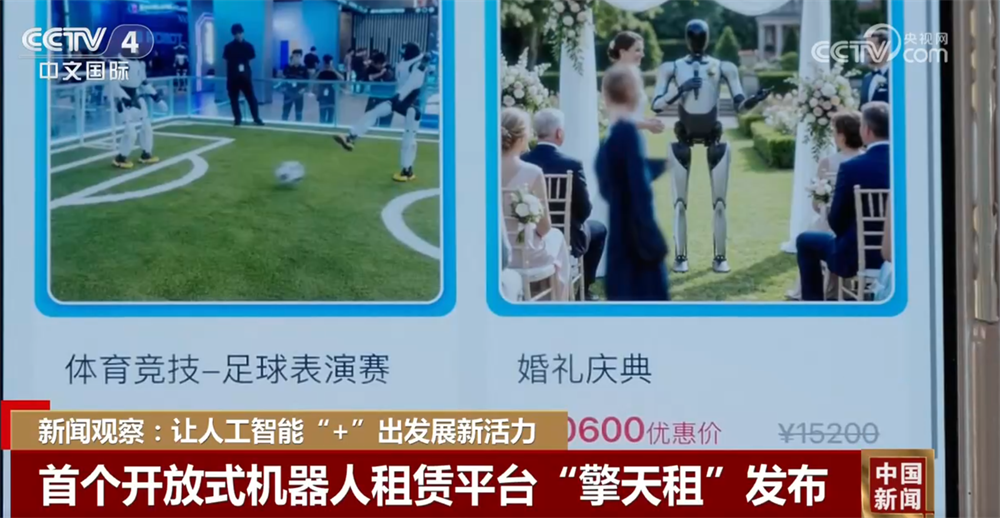
Group 1 - The central economic work conference emphasized the importance of "deepening and expanding 'Artificial Intelligence+'", indicating a strong governmental push towards integrating AI across various industries [1] - The launch of the first open robot leasing platform "Qingtian Rental" is expected to facilitate exponential growth in robot leasing, with an anticipated market size of no less than 10 billion yuan next year [1] - The "Smart Cooking" trend is penetrating various business formats, with commercial smart cooking machines executing precise cloud-based instructions in fast-food kitchens [3] Group 2 - Hubei province is accelerating the development of the AI industry, creating inclusive application scenarios for "Artificial Intelligence+", with smart cooking machines recognized as one of the top ten innovative AI products in Wuhan this year [5] - AI technology is deeply integrated into sectors such as mining, agriculture, and urban governance, with the Xinjiang Software Park attracting 133 companies, over 50% of which are digital intelligence enterprises [7] - The central economic work conference called for "improving AI governance", signaling a shift from policy documents to practical applications in factories and fields, emphasizing the need for institutional and technological innovation to overcome barriers [9]
港股异动 | 锅圈(02517)涨超4% “锅圈小炒”将于下月进行首店试营业
智通财经网· 2025-12-23 06:27
Core Viewpoint - The stock of Guoquan (02517) has increased by over 4%, currently trading at 3.66 HKD with a transaction volume of 50.776 million HKD, following the announcement of its first store trial operation on January 6, 2026 [1] Group 1: Business Development - Guoquan's new business model, "Guoquan Xiaochao," will utilize an intelligent cooking machine as its core component, aiming to provide efficient and flavorful freshly made Chinese meals in community settings [1] - The project leverages Guoquan's strengths in compound seasoning and food supply chain, indicating a strategic focus on enhancing customer experience and operational efficiency [1] Group 2: Market Potential - Huaxi Securities recently highlighted that the new business model could optimize labor efficiency through the intelligent cooking machine, enabling standardized operations and data analysis to identify the most popular menu items among consumers [1] - Once the model is successfully implemented, it is expected to become a new profit growth point for the company [1]
锅圈涨超4% “锅圈小炒”将于下月进行首店试营业
Zhi Tong Cai Jing· 2025-12-23 06:23
Core Viewpoint - Guoquan (02517) shares rose over 4%, currently up 4.27% at HKD 3.66, with a trading volume of HKD 50.776 million [1] Group 1: Business Development - Guoquan's new venture, Guoquan Xiaochao, is set to begin trial operations on January 6, 2026 [1] - The project focuses on an intelligent cooking machine as its core component, leveraging Guoquan's strengths in compound seasoning and ingredient supply chains [1] - The aim is to provide efficient and flavorful freshly prepared Chinese meals in community settings [1] Group 2: Market Analysis - Huaxi Securities (002926) recently reported that the new business model "Guoquan Xiaochao" optimizes labor efficiency through the intelligent cooking machine [1] - The model is expected to standardize operations and analyze data to identify the most popular menu items among consumers [1] - Once the model is proven successful, it is anticipated to become a new profit growth point for the company [1]
锅圈“无人厨房”将开到你家楼下,机械臂掌勺、3分钟出菜
Bei Jing Shang Bao· 2025-11-05 14:16
Core Insights - The company, Guoquan, is expanding its business model by launching a new project called Guoquan Xiaochao, which focuses on Chinese cuisine and is set to open its first store on January 6, 2026 [1][3] - The new store format will utilize robotic cooking technology, allowing for quick meal preparation without traditional chefs, aligning with the company's "community central kitchen" strategy [3][10] Business Model and Strategy - Guoquan Xiaochao will not have dine-in options; instead, it will offer a takeout model where customers can order online and pick up their meals, with a cooking time of as little as 1 minute [3][8] - The menu has been carefully curated based on extensive consumer data analysis, focusing on high-recognition and high-repurchase dishes that are easy for robotic cooking [7][10] - The company aims to enhance meal convenience while maintaining quality and affordability through a partnership with a smart kitchen service provider, Xiong Miao Dashi, to integrate technology and supply chain efficiency [10][11] Market Potential and Competitive Landscape - The Chinese fast food market, particularly in community settings, is seen as having significant growth potential, with increasing demand for convenient and cost-effective meal options [10][14] - Guoquan's strategy aligns with industry trends towards digitalization and the integration of pre-prepared meals with smart cooking devices, which could help the company expand its market presence [10][14] - The company faces challenges in reshaping consumer perceptions, as its brand is primarily associated with hot pot, and must ensure food safety and quality to compete effectively in the Chinese cuisine sector [13][14] Financial Performance - As of the first half of 2025, Guoquan reported revenue of 3.24 billion yuan, with 97.4% of this revenue coming from food product sales, primarily through franchise channels [11] - The franchise model has been a significant contributor to the company's revenue, with franchise sales accounting for approximately 80.1% of total revenue from food products [11]