洗衣凝珠

Search documents
若羽臣20260325
2026-03-26 13:20
Company and Industry Summary Company Overview - **Company**: 若羽臣 (Ruyuchen) - **Industry**: Health Supplements and Consumer Goods Key Points 2026 Performance Guidance - **Revenue Growth**: Expected to exceed 80% with profits doubling [2] - **GMV Growth**: January to February GMV increased by 200% year-on-year, indicating strong Q1 performance [2] Core Brand Performance - **"翡翠" (Jade)**: Achieved breakeven in 2025, targeting 100% growth in 2026 with a long-term net profit margin goal of over 10% [2] - **"战家" (Zhanjia)**: Projected GMV growth of over 100% in 2025 and 50% in 2026, with a long-term net profit margin target of 13% [2] Product Strategy - **Focus on High-Barrier Ingredients**: Emphasis on AKK bacteria (second-generation probiotics) and NMN+ to leverage influencer marketing for risk diversification and traffic expansion [2] - **Market Potential of AKK Bacteria**: Positioned as a promising product with clinical data supporting its benefits in weight management and metabolic health [6] Regulatory Environment - **Increased Regulation**: Post-315 incident, stricter regulations are accelerating industry consolidation, benefiting compliant companies [4] - **Compliance Strategy**: Company prioritizes full-chain compliance to mitigate risks and adapt marketing strategies to meet regulatory standards [4] Financial Performance - **Profit Margins**: "战家" and "翡翠" brands show stable gross margins with potential for further optimization; "战家" aims for a net margin of 13% [5] - **Channel Profitability**: Offline channels generally yield higher profit margins compared to online channels [16] Capital and Expansion Plans - **Hong Kong IPO Progress**: Currently in the queue for listing, with plans to use proceeds for strategic growth aligned with business objectives [7] - **Acquisition Strategy**: Focus on acquiring differentiated overseas brands with established market presence to enhance overall business capabilities [9] Brand Marketing and Product Development - **"湛家" (Zhanjia) Marketing Plans**: Plans to leverage IP collaborations and influencer partnerships to enhance brand visibility and consumer trust [10] - **"翡翠" Brand Performance**: Significant sales growth in offline channels, particularly through partnerships with retailers like Watsons [10] Future Product and Market Strategies - **"翡翠" and "New Ideal" Differentiation**: "翡翠" targets the mid-to-high-end market with a focus on women's health, while "New Ideal" aims for the mass market with competitive pricing [13] - **Product Structure Changes**: In 2026, "翡翠" will focus on anti-aging products, with a significant portion of sales coming from key products like the anti-aging purple bottle [14] Team and Talent Management - **Long-term Talent Incentives**: Company emphasizes core talent retention through stock incentive plans and performance-based assessments [18] Overall Market Outlook - **Strong Growth Potential**: The health supplement market is expected to continue growing, driven by increasing consumer health awareness and demand for effective products [6][12]
若羽臣(003010):25年营收净利同比高增,自有品牌势能强劲
Guoyuan Securities· 2026-03-26 10:06
Investment Rating - The report maintains a "Buy" rating for the company, indicating an expected stock price increase of over 15% compared to the benchmark index [4]. Core Insights - The company achieved significant growth in revenue and net profit for 2025, with revenue reaching 3.432 billion yuan, a year-on-year increase of 94.35%, and net profit of 194 million yuan, up 84.03% [1][4]. - The gross profit margin improved to 59.80%, an increase of 15.23 percentage points, driven by a higher proportion of high-margin proprietary brand business [1]. - The company’s proprietary brand business generated revenue of 1.813 billion yuan, a remarkable increase of 261.94% [2]. Summary by Sections Revenue and Profitability - In 2025, the company reported operating revenue of 3.432 billion yuan, a 94.35% increase year-on-year. The net profit attributable to the parent company was 194 million yuan, reflecting an 84.03% growth [1]. - The gross profit margin was 59.80%, up 15.23 percentage points, indicating enhanced profitability due to the growth of proprietary brands [1]. Proprietary Brand Performance - The proprietary brand segment achieved revenue of 1.813 billion yuan, a staggering increase of 261.94%. The high-end home cleaning brand, Zhenjia, generated 1.069 billion yuan, growing by 120.8% with a gross margin of 68.4% [2]. - The oral beauty brand, Feicui, saw revenue of 696 million yuan, a 56.45-fold increase, with a gross margin of 86.96% [2]. Brand Management and E-commerce Operations - The brand management business generated revenue of 895 million yuan, a year-on-year increase of 78.63%, with a gross margin of 46.2%, up 15.76 percentage points [3]. - The e-commerce operations reported revenue of 723 million yuan, a decline of 5.27% year-on-year [3]. Future Earnings Forecast - The company is expected to continue its growth trajectory, with projected net profits of 399 million yuan, 562 million yuan, and 773 million yuan for 2026, 2027, and 2028, respectively [4].
标准之问:如何避免合法地生产“劣质”产品|“315”特别策划
经济观察报· 2026-03-15 13:26
Core Viewpoint - The article emphasizes the critical role of standards in ensuring product quality and consumer protection, particularly in the context of the rapidly evolving online sales environment and the challenges posed by substandard products [1][3]. Group 1: Issues with Current Standards - The lack of basic national or industry standards is highlighted through examples such as "100% coconut water" containing external water and syrup, and the presence of chicken and pork in beef meatballs, indicating a significant gap in regulatory oversight [2][3]. - The delayed revision of the national standard for disposable sanitary products, which took 22 years, reflects the serious lag of national standards behind industry developments [2][3]. - The ongoing debate surrounding pre-prepared dishes showcases the difficulty in reaching a consensus between industry and society regarding standards [2][3]. Group 2: Impact of Standards on Industry - The article discusses how the current standardization law allows companies to set their own standards, which can be lower than recommended national standards, leading to the production of subpar products [7][8]. - The example of laundry detergents illustrates that some products on the market have active ingredient content as low as 6%, significantly below the recommended standard of 15%, effectively misleading consumers [8]. - The phenomenon of "bad money driving out good" is attributed to the lack of stringent standards, resulting in a downward spiral in product quality and pricing in various industries [9]. Group 3: The Need for Reform - The article argues for the necessity of a robust and scientifically sound standardization system to foster healthy industry competition and protect consumer interests [12][19]. - It suggests that the current standardization process is influenced by commercial interests, where entities with more financial power can dominate the standard-setting process, leading to biased outcomes [14][15]. - The call for legislative changes to require that corporate standards must exceed recommended standards aims to elevate product quality and encourage innovation within the industry [21][22].


破局产品低质陷阱:一位制造业老板的“标准”建言
经济观察报· 2026-03-08 06:32
Core Viewpoint - The article emphasizes the critical role of standards and regulations in achieving high-quality development in China, highlighting the existing loopholes in current standards that contribute to low-quality products and unhealthy competition in various industries [1][3]. Group 1: Issues with Current Standards - The existing standards in industries are often non-mandatory, leading to a prevalence of low-quality products as companies can set their own standards without strict enforcement [3][7]. - The lack of a professional and scientific standard system is causing mediocre products to dominate the market, resulting in price wars and the phenomenon of "bad money driving out good" [6][10]. - The current Standardization Law encourages companies to meet only recommended standards, which fails to establish a necessary quality baseline, allowing subpar products to thrive [7][12]. Group 2: Industry Examples and Implications - In the detergent industry, the quality of products is often compromised due to the absence of stringent standards, leading to issues such as white clothing turning yellow over time due to inadequate cleaning [5][6]. - The example of laundry pods illustrates how industry standards can be manipulated for the benefit of major players, resulting in lower quality products being accepted in the market [8][9]. - The lack of accountability in standard-setting organizations leads to standards that do not reflect the scientific and practical needs of the industry, further exacerbating quality issues [9][10]. Group 3: Recommendations for Improvement - Merging multiple industry associations into a single entity could streamline the standard-setting process and enhance accountability [11]. - Implementing a product quality grading system, similar to energy labels for appliances, would help consumers make informed choices and encourage companies to improve product quality [11]. - A revision of the Standardization Law is necessary to mandate that corporate standards must exceed recommended national or industry standards, thereby establishing a quality baseline for all products [12].

中国制造的“失语”与新叙事
经济观察报· 2026-02-10 11:43
Core Viewpoint - The transformation of Chinese manufacturing is shifting from being the "world's factory" to becoming the "world's source of innovation," which is reflected in the evolving narrative and language used within the industry [3][10]. Group 1: Language and Perception - The limitations of the existing language used by Chinese manufacturers highlight a deeper crisis in meaning generation, as companies struggle to articulate their unique value propositions and market positioning [10][12]. - The transition from a focus on production capabilities to market capabilities necessitates a new language that can define the boundaries of the market and the unique value of the products [14][29]. - The concept of "Chinese manufacturers" is introduced as a new narrative framework that aims to reshape the perception of manufacturing enterprises, emphasizing their roles as practical innovators and risk-takers [16][17]. Group 2: Investment and Capabilities - Historically, manufacturers have focused on tangible investments in facilities and equipment, but the shift to brand ownership requires investment in intangible capabilities such as marketing, branding, and customer engagement [5][6]. - The inability to build new capabilities leads to a reliance on outdated investment logic, resulting in misaligned decisions that do not address the current market challenges [8][12]. - The essence of transformation lies in moving from production capacity to market capacity, where understanding customer needs and building brand trust become paramount [9][10]. Group 3: Collaborative Ecosystems - The establishment of a "mutual cooperation system" among Chinese manufacturers aims to foster collaborative innovation across different sectors, promoting an ecosystem that values shared growth and collective success [20][21]. - This new collaborative narrative encourages companies to redefine their competitive strategies, focusing on ecosystem contributions rather than solely internal efficiencies [20][25]. - The potential for a new development paradigm emerges as the "Chinese manufacturer" concept evolves, emphasizing the importance of local innovation ecosystems and collaborative networks for sustainable industrial growth [23][24]. Group 4: Future Vision - The ongoing narrative transformation seeks to create a collective image of Chinese manufacturing that emphasizes its role as a provider of complex solutions rather than just low-cost products [29][31]. - By redefining the language and practices of manufacturing, companies can generate new realities that reflect their innovative capabilities and contributions to global value chains [30][31]. - The journey towards becoming proactive storytellers in the manufacturing sector is seen as essential for overcoming the current challenges and achieving a more inclusive and resilient industrial future [31][32].

若羽臣20260209
2026-02-10 03:24
Summary of the Conference Call on Ruoyu Chen Company Overview - **Company Name**: Ruoyu Chen - **Industry**: E-commerce and Health Products - **Founded**: 2011 in Guangzhou - **Core Business**: Leading operator of health and beauty products, focusing on e-commerce and brand management - **Key Brands**: - **Zhanjia**: High-end home cleaning products - **Feicui**: Women's anti-aging health products - **New Era**: Affordable health products Key Points and Arguments Company Development Stages - **Stage 1 (2011-2019)**: Started as a maternity product operator, expanded into beauty and health products - **Stage 2 (2020)**: Listed on the Shenzhen Stock Exchange, launched the Zhanjia brand - **Stage 3 (2024)**: Entering the oral anti-aging health product market with the launch of Feicui [2][3] Financial Performance - **Revenue Projection for 2025**: Approximately 3.3 billion RMB - **Revenue from Free Brands**: Expected to reach around 1.8 billion RMB, accounting for over 50% of total revenue, with a year-on-year growth rate exceeding 200% [2][3] - **Profit Margins**: - Zhanjia: Gross margin around 67%, net margin slightly above 10% - Feicui: Gross margin over 85%, expected to achieve positive profitability in 2026 [3][4] Market Dynamics - **Home Cleaning Market Size**: Approximately 150 billion RMB, with a mid-single-digit CAGR over the past five years - **Trends**: Shift towards premium products and emotional value in consumer preferences, leading to growth in high-end segments [6][7] - **Online Sales Growth**: Significant increase in online sales, particularly through platforms like Douyin [8][12] Competitive Landscape - **Market Share**: Zhanjia ranked fifth in the high-end laundry detergent market with a 3% market share [9][10] - **Consumer Trends**: Increasing demand for premium and differentiated products, particularly in the home cleaning and health supplement sectors [6][9] Brand Strategy - **Zhanjia**: Focus on high-end positioning with unique selling points such as fragrance and natural ingredients [18][20] - **Feicui**: Emphasizes high-purity ingredients and clear efficacy claims, targeting the beauty and anti-aging market [21][26] Growth Drivers - **Product Expansion**: Plans to introduce new products in both home cleaning and health supplement categories, including collaborations with popular IPs [28][30] - **Channel Strategy**: Strong self-operated capabilities across multiple platforms, with a focus on Douyin for rapid growth [22][24] Future Outlook - **Revenue Forecast for 2026**: Expected to reach around 6 billion RMB, with significant contributions from free brands and new product launches [34] - **Profitability**: Anticipated profit growth of 115% year-on-year, with a stable profit margin for Zhanjia and improving margins for health products [34][35] Investment Considerations - **Valuation**: Current market cap around 11 billion RMB, with a projected 25% upside based on future growth potential [35] - **Market Trends**: Positive outlook for the health and beauty sector, with opportunities for investment in other brands like Maogeping and Shanghai Jahwa [36] Additional Important Information - **Upcoming IPO**: Plans for a Hong Kong IPO to support future acquisitions and international expansion [5][6] - **Brand Management**: New partnership with Mistique for exclusive distribution rights in China, expected to contribute significantly to revenue [32][33] This summary encapsulates the key insights from the conference call regarding Ruoyu Chen's business model, market positioning, financial performance, and future growth strategies.
洗衣凝珠、柔顺剂、防染色片如何使用 一文教你正确洗衣
Xin Lang Cai Jing· 2026-01-14 21:48
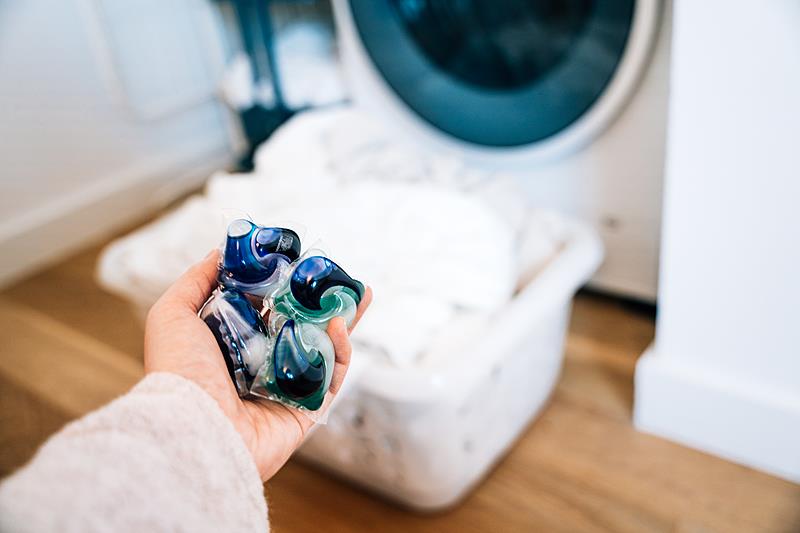
Group 1 - The article discusses various laundry products designed to address common laundry issues such as color bleeding and static electricity, including laundry pods, fabric softeners, and color catchers [1] - Laundry pods are concentrated detergents encased in a water-soluble film that dissolves upon contact with water, releasing the detergent for effective cleaning [1] - The effectiveness of laundry pods is linked to the active ingredient content, with a minimum of 15% for regular liquid detergents and 25% for concentrated products as per standards [1] Group 2 - Fabric softeners are used in conjunction with detergents to make fabrics softer and reduce static, but they should not be mixed with laundry detergent to avoid reducing their effectiveness [4][6] - Specific types of fabrics, such as cotton towels and specially treated synthetic fibers, should not use fabric softeners as they can reduce absorbency [7] - Color catchers are designed to prevent color bleeding during laundry by adsorbing dyes, but they have a limited capacity and need to be replaced regularly for optimal performance [1][6]
载誉前行!若羽臣斩获金桥奖“杰出品牌影响力企业”殊荣
Sou Hu Wang· 2026-01-13 08:37
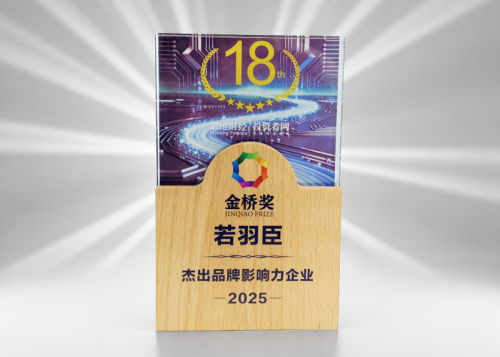
Core Viewpoint - Ruo Yu Chen has been awarded the "Golden Bridge Award for Outstanding Brand Influence Enterprise," highlighting its significant achievements in brand building and industry influence, establishing its benchmark position in the high-quality development wave of the consumer goods industry [1][3]. Group 1: Brand Development - The award signifies Ruo Yu Chen's self-owned brand influence has reached the top tier of the industry, providing strong momentum for brand upgrades and market expansion [3]. - Ruo Yu Chen is a technology-driven, consumer-centric new consumer brand company focused on high-quality, differentiated products that meet unmet consumer needs in emotional value, functional value, scenario experience, and self-expression [3]. - The company has launched several self-owned brands since 2020, including the high-end fragrance home cleaning brand LYCOCELLE, the scientific anti-aging brand FineNutri, and NuiBay, showcasing its vibrant brand development [3]. Group 2: Product Innovation - LYCOCELLE has quickly entered the market by identifying gaps in the high-end home cleaning market, leveraging natural plant-based formulas and exceptional product experiences to lead the trend of fragrance in home cleaning [3]. - The brand has developed a product matrix that includes laundry liquids, fragrance laundry beads, floor cleaners, and more, consistently ranking in the top three of various home cleaning category lists [3]. - LYCOCELLE has innovatively introduced a laundry bead with a 30% high-concentration fragrance oil formula, making each bead comparable to a piece of art [4]. Group 3: Brand Narrative - LYCOCELLE collaborates with beloved IPs like Audrey Hepburn and Hello Kitty to deepen its fragrance narrative, enhancing brand storytelling [6]. Group 4: Market Performance - The scientific anti-aging dietary supplement brand FineNutri is a significant expansion into the health sector, focusing on different causes of aging and user needs across various age groups [8]. - FineNutri achieved rapid market performance, with retail sales exceeding 500 million yuan within 12 months of launch, setting a record for growth in the oral anti-aging brand category [9]. Group 5: Future Outlook - The award is a testament to Ruo Yu Chen's self-owned brand strength and marks a new starting point for continuous innovation and development [11]. - The company aims to leverage this recognition to further enhance the quality of its self-owned brands and improve product research and brand operation capabilities, writing a new chapter in high-quality brand influence development [11].
洗衣凝珠去污力更强
Xin Lang Cai Jing· 2026-01-11 22:25
Core Insights - The study conducted by the Guilin Consumer Association evaluated 9 samples of laundry liquids and pods, providing consumers with authoritative purchasing references. All samples met safety performance standards, with laundry pods showing significantly higher active ingredient content than regular laundry liquids, indicating stronger cleaning potential. However, there were notable differences in cost-performance ratios among different brands [1][2][4]. Group 1: Product Evaluation - The samples included 5 laundry liquids and 4 laundry pods from brands such as OMO, Blue Moon, and others, with prices ranging from 14.9 yuan to 29.99 yuan, reflecting various price levels suitable for everyday consumers [2]. - The evaluation focused on key consumer concerns, assessing composition, safety performance, and price-quality ratio based on national and industry standards. The results showed that 5 laundry liquids received ratings from three to five stars, with Blue Moon receiving the highest rating [2][3]. - Among the laundry pods, the "Diao Pai" brand received a five-star rating, while "He Huang Bai Mao" received four stars, indicating a strong performance in cleaning efficacy [3]. Group 2: Cleaning Efficacy and Safety - All samples met safety standards for total active ingredient content, pH levels, and phosphorus content. The total active ingredient content in laundry pods ranged from 66.2% to 74.2%, significantly higher than the 14.23% to 21.4% found in regular laundry liquids, demonstrating superior cleaning ability [4]. - The pH values of the samples ranged from 7.2 to 9.6, all below the standard limit of 10.5, indicating safety for human use. Most samples fell within the safe pH range of 7 to 8, with only a few exceeding this range [5]. - In terms of phosphorus content, all samples were environmentally friendly, with only one sample showing a trace amount, well below the acceptable limit [5]. Group 3: Price Analysis - There were significant differences in pricing among brands, with the "Jin Fang" laundry pod being the most expensive at 103.9 yuan per kilogram, while "OMO" laundry liquid was the cheapest at 14.9 yuan per kilogram. The price rankings for laundry liquids and pods varied, indicating a diverse market [5].
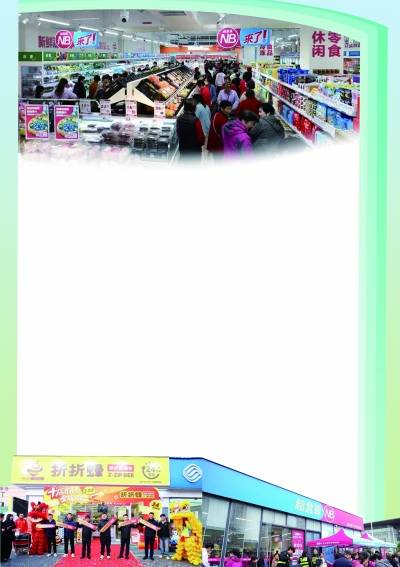
南京硬折扣超市 “硬”在哪
Sou Hu Cai Jing· 2026-01-10 03:45
Core Viewpoint - The emergence of hard discount supermarkets in Nanjing, such as "Zhe Zhe Feng," is driven by supply chain reforms and data advantages, allowing them to offer competitive prices and efficient operations in the consumer market [2][5]. Supply Chain and Cost Structure - Hard discount supermarkets eliminate middlemen by directly connecting with producers or factories, ensuring freshness for perishable goods and reducing costs through customized production and private labels [2][3]. - The "Zhe Zhe Feng" model utilizes a "joint venture + self-sourcing" supply chain, with approximately 60% of products sourced directly from factories, leading to significant cost savings that benefit consumers [3]. - The example of laundry pods illustrates that traditional channels incur high marketing and brand costs, while hard discount models significantly reduce these expenses, allowing for lower prices [3][4]. Product Strategy and Store Operations - Hard discount supermarkets focus on a streamlined product selection, with "Zhe Zhe Feng" offering around 1,100 SKUs compared to traditional supermarkets that may have over 10,000 [4]. - The emphasis on high-frequency essential goods and bulk purchasing helps minimize production and labor costs, enhancing overall efficiency [4][6]. Market Trends and Consumer Behavior - The Nanjing retail market is highly competitive, with a shift in consumer preferences from "cost-performance ratio" to "quality-price ratio," indicating a demand for better quality at reasonable prices [5]. - The trend towards community-based hard discount stores is a strategic response to changing consumer behavior, aiming to provide high-quality and affordable products [5][6]. Competitive Landscape and Challenges - The entry of multiple players in the hard discount sector, including "Super Box NB" and "Aoleqi," intensifies competition, necessitating a focus on supply chain efficiency and digital capabilities [6][8]. - As the market expands into lower-tier cities, adapting to regional consumption differences while maintaining a consistent supply chain is crucial for success [8][9]. - The potential for homogenization in the market poses a risk, as increased competition may lead to a decline in customer traffic if differentiation strategies are not implemented [8][9]. Future Outlook - The competition among hard discount supermarkets will hinge on their ability to meet consumer needs through effective product selection, supply chain management, and service quality [9]. - The evolution of domestic brands in this sector is seen as a gradual process, with the potential for long-term sustainability if they can enhance their supply chain capabilities and consumer insights [9].