
硅中介层

Search documents
玻璃,革命芯片?
Zhi Tong Cai Jing· 2026-02-22 02:17
Core Insights - The semiconductor industry is shifting focus from miniaturization of individual chips to the integration of multiple smaller units, known as Chiplets, due to physical limitations in chip size and yield issues [2][6][9] - The demand for larger AI models necessitates an increase in transistor count on chips, leading to a need for larger chip sizes, which is constrained by current lithography technology [5][6] - The industry is exploring new materials and architectures, particularly glass substrates, to overcome the limitations of organic substrates and silicon interconnects [24][28][33] Group 1: Chiplet Architecture - Chiplet architecture allows for the assembly of smaller chips, improving yield and reducing costs while enabling the use of different manufacturing processes for various components [9][10] - The communication between Chiplets must be efficient; otherwise, the benefits of separating chips could be negated [10][11] - Companies like NVIDIA and Intel are already implementing Chiplet designs in their products, such as NVIDIA's Blackwell and Intel's Ponte Vecchio [9] Group 2: Material Limitations - Organic substrates have dominated the market for 25 years but are now facing challenges in high-performance applications, particularly in AI chips [15][16][20] - Silicon interconnects provide superior performance but come with high costs and resource constraints, leading to a bottleneck in production capacity [21][22][49] - Glass substrates are being explored as a potential solution, offering advantages in thermal expansion matching and signal integrity [28][29][30] Group 3: Glass Substrate Development - Two main approaches for glass substrates are emerging: replacing the interconnect layer with glass and using glass as a substrate itself [26][27] - Glass has shown superior performance in thermal expansion and signal loss compared to organic materials, making it a promising alternative [28][29] - However, challenges such as fragility, thermal conductivity, and power noise must be addressed before glass can be widely adopted [31][32][33] Group 4: Competitive Landscape - Intel has invested heavily in glass substrate technology and holds a significant number of patents, but recent leadership changes raise questions about its future in this space [36][38] - Samsung is pursuing a vertically integrated approach to glass substrate production, but quality issues have been reported with their prototypes [39] - Other companies, such as Absolics, are also entering the market but face challenges in securing large customers for their products [40] Group 5: Industry Dynamics - The semiconductor industry is at a crossroads, with multiple technologies competing for dominance in the substrate and interconnect space [52][53] - The future will depend on the ability to achieve high production yields and meet the demands of AI chip growth, with no clear winner emerging yet [35][58] - The ongoing developments in both glass and organic materials will shape the competitive landscape, with significant implications for production capabilities and market dynamics [57][60]


玻璃,革命芯片?
半导体行业观察· 2026-02-22 01:33
Core Viewpoint - The semiconductor industry is transitioning from focusing on smaller chip sizes to integrating multiple smaller units (Chiplets) to overcome physical limitations in chip size and yield issues [2][5][10]. Group 1: Chip Size Limitations - The maximum area for a chip's photolithography mask is approximately 858 square millimeters, with NVIDIA's GH100 chip reaching 814 square millimeters, indicating a limit to chip size [2]. - As chip sizes increase, the yield issues become more pronounced, similar to painting on a larger canvas where defects affect more area [3]. Group 2: Chiplet Architecture - Chiplets allow for the division of large chips into smaller components, which can be manufactured separately and then assembled, improving yield and reducing costs [5][6]. - Each Chiplet can utilize different manufacturing processes, optimizing performance and cost [5]. Group 3: CoWoS Technology - CoWoS (Chip-on-Wafer-on-Substrate) architecture integrates multiple chips and requires a high-speed interconnect layer, which is critical for performance [7][9]. - The choice of materials for the interconnect layer significantly impacts performance, cost, and production capacity [9][10]. Group 4: Material Challenges - Organic substrates have dominated for 25 years but face limitations in high-performance applications, particularly with AI chips [10][14]. - Silicon interconnect layers provide better performance but are costly and resource-intensive, creating a bottleneck in production [18][19]. Group 5: Glass Substrate Potential - Glass substrates present a promising alternative, potentially matching silicon's thermal expansion properties and significantly reducing signal loss [25][27]. - Two approaches for glass use include replacing the interconnect layer or the substrate itself, each addressing different performance challenges [20][21]. Group 6: Industry Competition - Major players like Intel and Samsung are investing heavily in glass technology, with Intel showcasing prototypes and Samsung developing a vertical integration strategy [35][37]. - The competition is fierce, with companies like Absolics and SKC also exploring innovative solutions to meet the growing demand for AI chips [38][44]. Group 7: Future Outlook - The semiconductor industry is at a crossroads, with multiple technologies vying for dominance, including organic substrates, silicon interconnects, and emerging glass technologies [63]. - The future will depend on overcoming production challenges and achieving economic viability in new materials and methods [48][51].

反潮流的TSV
半导体行业观察· 2025-12-10 01:50
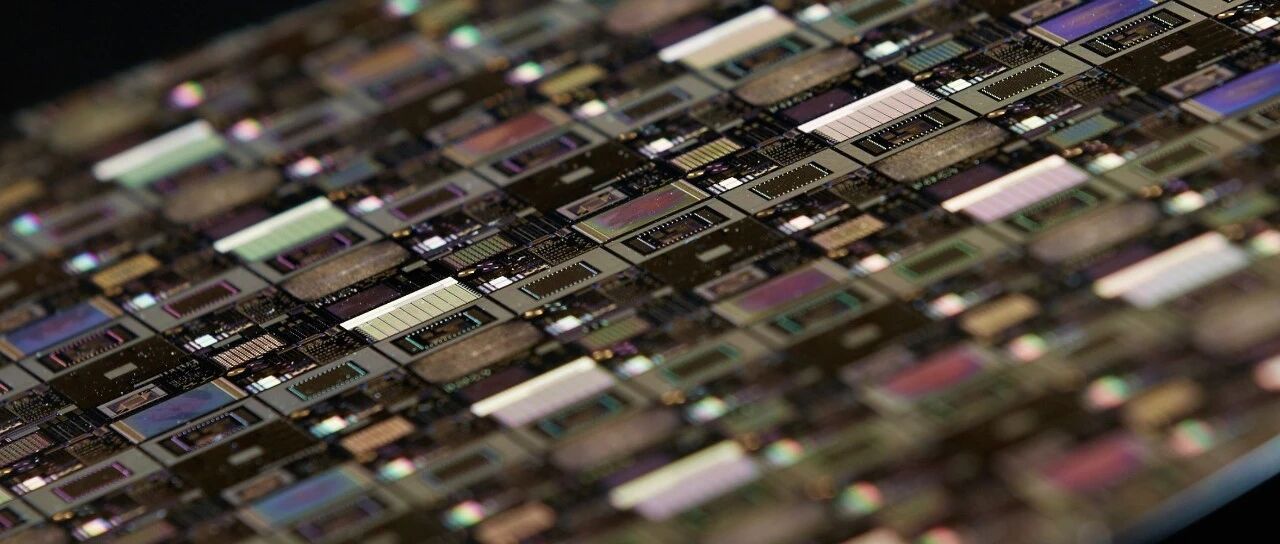
Core Viewpoint - The advancement in semiconductor technology is shifting from device scaling to interconnects, with advanced packaging becoming the new frontier, particularly through the use of larger Through-Silicon Vias (TSVs) to enhance electrical performance, power delivery, thermal management, and manufacturing yield [2][11]. Group 1: Evolution of Interconnect Technology - The journey began with wire bonding, the standard interconnect technology of the 20th century, followed by flip-chip packaging, which reduced interconnect size and parasitic effects [4]. - The introduction of silicon interposers in the early 21st century provided a platform for high-density interconnects, enabling the development of breakthrough technologies like Xilinx FPGA Virtex 7 and AI accelerators [4][6]. - TSVs are vertical channels that allow direct communication between chips, significantly reducing signal delay and enhancing overall system performance compared to traditional wire bonding [4][6]. Group 2: Characteristics and Functions of Interposers - Interposers serve as a critical layer between silicon chips and printed circuit boards (PCBs), enhancing functionality and performance through high-density interconnects [6]. - They are custom-designed based on specific chip packaging requirements and play three key roles: providing a mounting surface for semiconductor chips, enabling connections between chips, and connecting the stacked structure to the packaging substrate [6][7]. - Interposers are typically made from silicon, glass, or organic substrates, with TSMC being a major supplier [7]. Group 3: Advantages of Larger TSVs - Larger TSVs (up to 50μm in diameter and 300μm in depth) are being developed to support higher power transmission, lower high-frequency losses, and improved thermal management [11][15]. - The transition from traditional TSVs (5-10μm in diameter) to larger TSVs represents a fundamental shift in packaging concepts, enabling better performance for high-performance computing (HPC), AI, and 5G applications [16]. - Larger TSVs can accommodate greater currents, reduce IR drop, and enhance signal integrity, which is crucial for high-frequency applications [15][16]. Group 4: Challenges and Future Directions - Despite the advantages, larger TSVs present challenges such as increased mechanical stress due to mismatched thermal expansion coefficients and reduced available routing space on the interposer [13]. - The industry is exploring new materials and designs to mitigate these challenges while ensuring cost-effectiveness and reliability in future applications [16]. - Future interposers are expected to integrate more functionalities and materials, supporting heterogeneous integration of CPUs, GPUs, memory, and RF devices, while also addressing thermal management and cost scaling [16].
都盯上了中介层
半导体行业观察· 2025-09-08 01:01
Core Viewpoint - The interposer has transitioned from a supporting role to a focal point in the semiconductor industry, with major companies like Resonac and NVIDIA leading initiatives to develop advanced interposer technologies [1][28]. Group 1: Definition and Importance of Interposer - Interposer serves as a critical layer between chips and packaging substrates, enabling high-density interconnections and efficient integration of various chiplets into a system-in-package (SiP) [3][5]. - The interposer is essential for achieving higher bandwidth, lower latency, and increased computational density in advanced packaging [3][5]. Group 2: Types of Interposers - Two main types of interposers are currently in production: Silicon Interposer (inorganic) and Organic Interposer (Redistribution Layer) [5][6]. - Silicon Interposer has been established since the late 2000s, with TSMC pioneering its use in high-performance computing [6]. - Organic Interposer is gaining traction due to its lower production costs and flexibility, despite challenges in wiring precision and reliability [6][23]. Group 3: JOINT3 Alliance - The JOINT3 alliance, led by Resonac, consists of 27 global companies aiming to develop next-generation semiconductor packaging, focusing on panel-level organic interposers [8][11]. - The alliance plans to establish a dedicated center in Japan for advanced organic interposer development, targeting a significant increase in production efficiency and cost reduction [11][12]. - The shift to organic interposers is driven by the limitations of silicon interposers, particularly in terms of geometric losses and production costs [11][12]. Group 4: SiC Interposer as a New Direction - NVIDIA is exploring the use of Silicon Carbide (SiC) interposers for its next-generation GPUs, indicating a potential shift in materials used for interposers [17][19]. - SiC offers superior thermal conductivity and electrical insulation, making it suitable for high-performance AI and HPC applications, although manufacturing challenges remain [19][25]. Group 5: Competitive Landscape of Interposer Materials - The competition among silicon, organic, and SiC interposers is characterized by their respective advantages and disadvantages, influencing performance, cost, and scalability [20][22][23]. - Silicon interposers are currently dominant but face challenges as chip sizes increase, while organic interposers are expected to gain market share due to cost advantages [22][26]. - SiC interposers, if successfully developed, could become the standard for cutting-edge AI and HPC packaging in the long term [26]. Group 6: Future Trends - In the short term, silicon interposers will remain the market leader, while organic interposers are anticipated to see widespread adoption in the mid-term due to their cost and scalability benefits [26]. - Long-term projections suggest that SiC interposers may emerge as the preferred choice for advanced packaging once manufacturing hurdles are overcome [26].
联电要在台湾扩产?
半导体行业观察· 2025-06-21 03:05
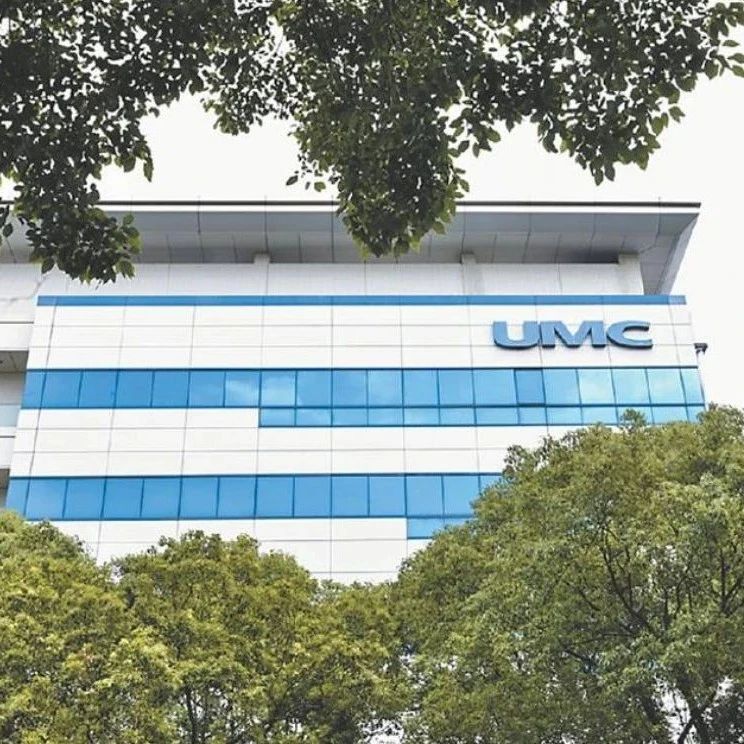
Core Viewpoint - The article discusses UMC's potential acquisition of a factory from Han Yu Crystal in Tainan Science Park, emphasizing the company's strategic focus on expanding advanced packaging capabilities in Taiwan and Singapore [1][3]. Group 1: Company Strategy - UMC is exploring opportunities for operational and profit enhancement, including factory acquisitions, technology collaborations, and new investments, with Taiwan remaining a key expansion option [3][5]. - The company plans to integrate wafer fabrication with advanced packaging solutions, moving beyond traditional foundry services to high-value areas [4][5]. Group 2: Technological Development - UMC has established 2.5D advanced packaging capabilities in Singapore and is leveraging wafer-to-wafer bonding technology, which is crucial for 3D IC manufacturing [4][5]. - The company is currently focused on 12nm process technology in collaboration with Intel, while also looking to diversify into compound semiconductors and specialized materials [4][5]. Group 3: Production Capacity - UMC's interposer production currently stands at approximately 6,000 units per month, with no immediate plans for capacity expansion [5]. - Future efforts will concentrate on developing integrated technologies with higher added value, providing comprehensive system-level solutions for clients [5].
中介层困局
半导体行业观察· 2025-06-20 00:44
Core Viewpoint - The article discusses the limitations and challenges of interposer line lengths in advanced packaging, highlighting the differences between electrical and optical interposers and the implications for signal integrity and transmission efficiency [1][11]. Group 1: Interposer Types and Challenges - There are two main types of interposers in production: organic interposers (RDL) and silicon interposers, with organic interposers being significantly cheaper to produce but having larger feature sizes [2]. - The use of silicon does not necessitate narrow lines, as wider signal lines require more signal layers, which is undesirable for manufacturers [2][3]. - The resistance of narrow lines in organic interposers leads to significant insertion loss, which is a major concern for clients [3][5]. Group 2: Signal Integrity and Grounding - Signal integrity is heavily reliant on good grounding, typically provided by ground layers, which can serve multiple functions including power delivery and impedance control [7]. - Controlled impedance is crucial for maintaining signal quality, and even short lines can suffer from interference or crosstalk [7][8]. - Designers strive to minimize loss and maintain grounding around high-speed lines, which can be challenging due to manufacturing constraints [8][10]. Group 3: Optical Interposers and Future Directions - Optical interposers face fewer limitations compared to electrical ones, as optical signals can transmit over longer distances [1][11]. - The integration of optical devices into packaging is a growing trend, with technologies like Lightmatter's Passage aiming to combine CMOS and silicon photonics within an interposer [11][12]. - While photonics offers a potential long-term solution to line length limitations, it is not yet ready for mass production [14].
颠覆中介层,玻璃来了!
半导体行业观察· 2025-06-16 01:56
Core Viewpoint - The article presents a comprehensive analysis of the advantages of glass interposers over silicon interposers in 3D stacking configurations, highlighting significant improvements in area optimization, signal integrity, power integrity, and overall performance metrics [1][4][56]. Group 1: Advantages of Glass Interposers - Glass interposers enable 3D stacking of chiplets embedded within the substrate, a capability not achievable with silicon interposers [1][4]. - Experimental results show that glass interposers can achieve 2.6 times area optimization, 21 times reduction in wire length, a 17.72% decrease in total chip power consumption, a 64.7% improvement in signal integrity, and a 10 times enhancement in power integrity, although temperature increases by 15% [1][4][56]. Group 2: Design and Integration - The study explores the potential of glass interposers in a "5.5D" stacking architecture, which allows for both vertical and horizontal connections between chiplets [6][8]. - The integration of chiplets and interposers is designed to optimize performance, power, and area (PPA), with detailed analysis conducted on signal integrity (SI), power integrity (PI), and thermal integrity (TI) [8][14][56]. Group 3: Manufacturing and Cost Analysis - The manufacturing capabilities of glass interposers allow for large-size panel processing, which is advantageous for high-density wiring similar to silicon interposers [7][8]. - Cost quantification analysis indicates that the glass interposer design can lead to lower manufacturing costs due to its efficient layout and reduced material requirements [8][56]. Group 4: Performance Metrics - The performance comparison of chiplets using different interposer materials shows that glass interposers yield the smallest chip sizes and comparable power consumption across various configurations [24][27]. - Glass interposers demonstrate superior signal and power integrity, with the widest eye diagram and lowest PDN impedance, indicating better performance under operational conditions [46][48][56]. Group 5: Thermal Analysis - Thermal analysis reveals that glass interposers maintain reasonable operating temperatures, with memory chip temperatures slightly higher than other interposer types, but still within acceptable limits [52][56].
颠覆中介层,玻璃来了!
半导体行业观察· 2025-06-16 01:47
Core Viewpoint - The article discusses the advantages of glass interposers over silicon interposers in 3D stacking of chiplets, highlighting significant improvements in area optimization, signal integrity, and power consumption while noting a slight increase in temperature [1][4][49]. Group 1: Glass Interposer Advantages - Glass interposers enable 3D stacking of chiplets embedded within the substrate, which silicon interposers cannot achieve [1][4]. - Experimental results show that glass interposers can achieve 2.6 times area optimization, 21 times reduction in line length, 17.72% decrease in total chip power consumption, 64.7% improvement in signal integrity, and 10 times better power integrity, although temperature increases by 15% [1][4]. Group 2: Chiplet Integration Methods - The integration of chiplets can be categorized into 2.5D interposer integration and 3D stacking integration, with 2.5D integration allowing for heterogeneous integration of multiple chiplets [2][4]. - Glass interposers provide a low-cost solution for embedding chiplets directly into the substrate, facilitating 3D stacking configurations [4][5]. Group 3: Manufacturing and Design Process - The article outlines a collaborative design process for chiplets and interposers, focusing on performance, power, area (PPA), signal integrity (SI), power integrity (PI), and thermal integrity (TI) analysis [7][12]. - The design process includes hierarchical partitioning of chiplets and the use of specific process design kits (PDK) for layout generation [12][15]. Group 4: Performance and Power Analysis - The performance and power consumption of chiplets designed with glass interposers were analyzed, showing that most chiplets operate normally at 700MHz with minimal power differences across various interposer types [21][22]. - Glass interposers exhibited the smallest chiplet sizes due to their minimal bump pitch of 35 micrometers, leading to higher unit utilization compared to silicon and organic interposers [20][22]. Group 5: Signal and Power Integrity - Signal integrity analysis revealed that glass interposers have the widest eye diagram due to shorter wiring, while silicon interposers showed narrower eye diagrams due to longer wiring paths [42][44]. - Power distribution network (PDN) impedance analysis indicated that glass interposers have the lowest impedance, resulting in faster stabilization times and lower voltage drops [44][46]. Group 6: Thermal Reliability - Thermal analysis showed that glass interposers have slightly higher temperatures for memory chiplets compared to other interposers, but overall, they maintain reasonable operating temperatures [46][49]. - The article emphasizes the importance of proper chiplet partitioning design to ensure embedded chiplets operate within acceptable temperature ranges [49].
两万字看懂先进封装
半导体行业观察· 2025-04-27 01:26
如果您希望可以时常见面,欢迎标星收藏哦~ 自半导体工业诞生以来,集成电路就一直被封装在封装件中。最初的想法主要是保护内部脆 弱的硅片不受外部环境的影响,但在过去的十年中,封装的性质和作用发生了巨大的变化。 虽然芯片保护仍然重要,但它已成为封装中最不引人关注的作用。 本文探讨了封装领域最大的变化,即通常所说的先进封装。先进的含义并没有明确的定义。相反, 该术语广泛涵盖了多种可能的封装方案,所有这些方案都比传统的单芯片封装复杂得多。先进封装 通常封装了多个元件,但组装方式却千差万别。 在这种讨论中,经常会提到 2.5D 或 3D 封装,这些描述指的是内部元件的排列方式。 本文首先讨论了从外部观察到的封装类型,然后向内讨论了高级封装所集成的基本组件。之后,将 更详细地探讨每个组件。大部分讨论将涉及高级软件包的各种组装过程。文章最后探讨了任何技术 讨论都必须涉及的四个主题--工程师如何设计先进封装、如何对其进行测试、先进封装的总体可靠 性影响以及任何安全影响。 文章还简要讨论了两个相关的广泛话题。首先是键合。虽然这是封装的一个必要组成部分,但它本 身也是一个很大的话题,在此不作详细讨论。其次是不属于集成电路但可能包含 ...