
硅铝合金

Search documents
工业硅&多晶硅周报:工业硅检验预期兑现,预计震荡为主;多晶硅延续震荡寻底-20260328
Wu Kuang Qi Huo· 2026-03-28 14:35
1. Report Industry Investment Rating There is no information provided in the report regarding the industry investment rating. 2. Core Viewpoints of the Report - Industrial silicon prices are expected to maintain a volatile trend. The supply - side production rhythm is stable, while the demand side is weak, with insufficient price - driving power from demand improvement, and the price weakness restrains the enthusiasm for enterprise复产. The cost support has not collapsed significantly, and the industrial self - discipline expectations have been limitedly fulfilled, so the price range is not fully opened [16]. - Polysilicon continues to be in a negative feedback adjustment state. Factory inventories remain high, downstream restocking willingness is low, and actual transaction prices are falling, intensifying the weak atmosphere. The negative feedback from downstream silicon wafers and battery cells is transmitted upstream. The futures price is in a smooth downward trend and is expected to continue to oscillate and seek a bottom. It is recommended to wait and see, and be cautious about left - side layout [18]. 3. Summary According to the Directory 3.1. Weekly Assessment and Strategy Recommendation 3.1.1. Demand - Polysilicon weekly output is 19,400 tons, showing a slight decline [14]. - DMC output is 42,900 tons, with a week - on - week increase of 1,400 tons. In February, DMC output was 163,700 tons, a month - on - month decrease of 25,600 tons [14]. - From January to February 2025, the cumulative output of aluminum alloy was 2.765 million tons, a cumulative year - on - year increase of 274,000 tons or 11.0% [14]. - From January to February 2025, China's cumulative net export of industrial silicon was 113,000 tons, a cumulative year - on - year increase of 19,400 tons or 20.77% [14]. 3.1.2. Inventory As of March 27, 2026, the industrial silicon inventory was 544,400 tons. Among them, the factory inventory was 249,600 tons, a week - on - week decrease of 1,500 tons; the market inventory was 183,500 tons, a week - on - week decrease of 1,000 tons; the registered warehouse receipt inventory was 111,400 tons, a week - on - week increase of 3,000 tons [14]. 3.1.3. Price and Cost - As of March 27, 2026, the spot price of 553 (non - oxygen - passing) industrial silicon in the East China region was 9,150 yuan/ton, a week - on - week increase of 50 yuan/ton; the spot price of 421 industrial silicon was 9,600 yuan/ton, with a converted futures price of 8,800 yuan/ton, remaining unchanged week - on - week. The futures main contract (SI2605) closed at 8,625 yuan/ton, a week - on - week increase of 170 yuan/ton. The 553 (non - oxygen - passing) had a premium of 525 yuan/ton over the futures main contract, with a basis rate of 5.74%; the 421 had a premium of 175 yuan/ton over the main contract, with a basis rate of 1.99% [15]. - According to Baichuan Yingfu data, the average cost of industrial silicon in Xinjiang was 8,545 yuan/ton, 9,712 yuan/ton in Yunnan, 8,800 yuan/ton in Sichuan, and 8,994 yuan/ton in Inner Mongolia [15]. 3.1.4. Supply The weekly output of industrial silicon was 67,400 tons, a week - on - week increase of 100 tons. In February, the output of industrial silicon was 237,900 tons, a month - on - month decrease of 82,200 tons. The cumulative output from January to February was 558,000 tons, a year - on - year decrease of 27,800 tons or 4.74% [15]. 3.2. Spot and Futures Market 3.2.1. Industrial Silicon As of March 27, 2026, the spot price of 553 (non - oxygen - passing) industrial silicon in the East China region was 9,150 yuan/ton, a week - on - week increase of 50 yuan/ton; the spot price of 421 industrial silicon was 9,600 yuan/ton, with a converted futures price of 8,800 yuan/ton, remaining unchanged week - on - week. The futures main contract (SI2605) closed at 8,625 yuan/ton, a week - on - week increase of 170 yuan/ton. The 553 (non - oxygen - passing) had a premium of 525 yuan/ton over the futures main contract, with a basis rate of 5.74%; the 421 had a premium of 175 yuan/ton over the main contract, with a basis rate of 1.99% [23]. 3.2.2. Polysilicon As of March 27, 2026, the average price of N - type re -投料 of polysilicon was 39.75 yuan/kg, a week - on - week decrease of 3.75 yuan/kg; the average price of N - type dense material was 39 yuan/kg, a week - on - week decrease of 3 yuan/kg. The futures main contract (PS2605) closed at 35,680 yuan/ton, a week - on - week decrease of 2,085 yuan/ton. The basis of the main contract was 4,070 yuan/ton, with a basis rate of 10.24% [26]. 3.3. Industrial Silicon 3.3.1. Total Output As of March 27, 2026, the weekly output of industrial silicon was 67,400 tons, a week - on - week increase of 100 tons. In February, the output of industrial silicon was 237,900 tons, a month - on - month decrease of 82,200 tons. The cumulative output from January to February was 558,000 tons, a year - on - year decrease of 27,800 tons or 4.74% [31]. 3.3.2. Output in Main Producing Areas The report provides historical output data of industrial silicon in Sichuan, Yunnan, Xinjiang, Inner Mongolia, and Gansu, but does not mention the latest output data of these regions other than the overall output [33][35][38]. 3.3.3. Production Cost - As of March 27, 2026, the electricity price in the main producing areas remained unchanged week - on - week, and the silicon stone price remained stable week - on - week [44]. - The price of silicon coal remained stable compared with before the holiday. The average cost of industrial silicon in Xinjiang was 8,545 yuan/ton, 9,712 yuan/ton in Yunnan, 8,800 yuan/ton in Sichuan, and 8,994 yuan/ton in Inner Mongolia [47]. 3.3.4. Visible Inventory As of March 27, 2026, the industrial silicon inventory was 544,400 tons. Among them, the factory inventory was 249,600 tons, a week - on - week decrease of 1,500 tons; the market inventory was 183,500 tons, a week - on - week decrease of 1,000 tons; the registered warehouse receipt inventory was 111,400 tons, a week - on - week increase of 3,000 tons [50]. 3.4. Polysilicon 3.4.1. Output As of March 27, 2026, the weekly output of polysilicon was 19,400 tons, showing a slight decline. In February, the output of polysilicon was 77,000 tons, a month - on - month decrease of 23,800 tons; the cumulative output from January to February was 177,800 tons, a year - on - year decrease of 3.63% [55]. 3.4.2. Operating Rate and Scheduled Production In February, the operating rate of polysilicon was 29.11%, a month - on - month decrease of 4.95 percentage points. It is expected that the output in March will be 84,900 tons, a slight month - on - month increase [58]. 3.4.3. Inventory As of March 27, 2026, the factory inventory of polysilicon was 381,600 tons according to Baichuan Yingfu's statistics, and 332,000 tons according to SMM's statistics [61]. 3.4.4. Cost and Profit As of March 27, 2026, the production cost of polysilicon was 44,189.79 yuan/ton, and the gross profit was - 5,663.47 yuan/ton [64]. 3.4.5. Downstream Industries - **Silicon Wafers**: As of March 27, 2026, the weekly output of silicon wafers was 11.38 GW, showing a slight decline. In February, the output of silicon wafers was 44.27 GW, a month - on - month decrease of 1.66 GW; the cumulative output from January to February was 90.20 GW, a year - on - year decrease of 4.37%. The inventory was 26.98 GW, showing a week - on - week decrease. It is predicted that the output in March will be 49.01 GW, a month - on - month increase [67][70]. - **Battery Cells**: In February, the output of battery cells was 37.09 GW, a month - on - month decrease of 4.35 GW; the cumulative output from January to February was 78.53 GW, a year - on - year decrease of 11.98%. The operating rate in February was 38.06%, a month - on - month decrease of 4.46 percentage points. As of March 27, 2026, the inventory of photovoltaic battery export factories was 6.79 GW, showing a week - on - week increase. It is expected that the output in March will be 46.36 GW, a significant month - on - month increase [76][79]. - **Components**: In February, the output of components was 29.3 GW, a month - on - month decrease of 5.9 GW; the cumulative output from January to February was 64.5 GW, a year - on - year decrease of 13.77%. The operating rate in February was 28.44%, a month - on - month decrease of 5.73 percentage points. As of March 27, 2026, the finished product inventory of photovoltaic components was 28.9 GW, showing a slight week - on - week increase. It is expected that the output in March will be 41.39 GW, a significant month - on - month increase [84][87]. 3.5. Organic Silicon 3.5.1. Output As of March 27, 2026, the output of DMC was 42,900 tons, a week - on - week increase of 1,400 tons. In February, the output of DMC was 163,700 tons, a month - on - month decrease of 25,600 tons [94]. 3.5.2. Price and Profit As of March 27, 2026, the average price of organic silicon was 14,050 yuan/ton, remaining unchanged week - on - week. The gross profit of DMC was 428.75 yuan/ton [97]. 3.5.3. Inventory As of March 27, 2026, the DMC inventory was 47,800 tons, a week - on - week decrease of 1,300 tons [100]. 3.6. Silicon - Aluminum Alloy and Exports 3.6.1. Aluminum Alloy - As of March 27, 2026, the price of primary aluminum alloy A356 was 24,020 yuan/ton, a week - on - week decrease of 360 yuan/ton; the price of recycled aluminum alloy ADC12 was 24,420 yuan/ton, a week - on - week decrease of 240 yuan/ton. From January to February 2025, the cumulative output of aluminum alloy was 2.765 million tons, a cumulative year - on - year increase of 274,000 tons or 11.0% [105]. - As of March 27, 2026, the operating rate of primary aluminum alloy was 55%, and the operating rate of recycled aluminum alloy was 59.5% [108]. 3.6.2. Exports From January to February 2025, China's cumulative net export of industrial silicon was 113,000 tons, a cumulative year - on - year increase of 19,400 tons or 20.77% [111].
工业硅&多晶硅周报 2026/01/31:工业硅关注大厂停炉兑现;多晶硅现货价格松动,承压运行-20260131
Wu Kuang Qi Huo· 2026-01-31 14:29
1. Report Industry Investment Rating - Not provided in the given content 2. Core Viewpoints - For industrial silicon, the supply side shows a downward trend in weekly production as Sichuan enterprises maintain furnace shutdown and Xinjiang and Inner Mongolia enterprises reduce production. The demand side is weak with a leading polysilicon enterprise shutting down and some other enterprises reducing production, and the organic silicon weekly production also shows a downward trend. In February, if the production - reduction plan of a large Xinjiang factory is implemented, the balance sheet of industrial silicon is expected to improve, but the price is expected to oscillate due to the approaching Spring Festival and weakening downstream demand. [16] - For polysilicon, the spot price is under pressure with intense price - game in the market. A leading enterprise has shut down and some other enterprises have reduced production, so the supply is expected to contract in the first quarter. The policy is expected to support the price, but the futures market is expected to be under pressure due to the loosening of the spot price. [18] 3. Summary by Directory 3.1 Zhou度评估及策略推荐 - **Demand**: The weekly production of polysilicon is 19,200 tons, showing a continuous downward trend. The DMC production is 42,100 tons, a decrease of 800 tons compared to the previous week. From January to December, the cumulative production of aluminum alloy is 19.297 million tons, a year - on - year increase of 3.156 million tons or 19.55%. The cumulative net export of industrial silicon from January to December is 708,400 tons, a year - on - year increase of 13,500 tons or 1.94%. [14] - **Inventory**: As of January 30, 2026, the industrial silicon inventory is 509,100 tons, a decrease of 8,700 tons compared to the previous week. Among them, the factory inventory is 250,400 tons, a decrease of 11,600 tons; the market inventory is 189,000 tons, a decrease of 2,000 tons; the registered warehouse receipt inventory is 69,700 tons, an increase of 4,900 tons. [14] - **Price**: As of January 30, 2026, the spot price of 553 (non - oxygen - passing) industrial silicon in the East China region is 9,200 yuan/ton, remaining unchanged compared to the previous week; the spot price of 421 industrial silicon is 9,650 yuan/ton, with a converted futures price of 8,850 yuan/ton, also remaining unchanged. The futures main contract (SI2605) closes at 8,850 yuan/ton, an increase of 30 yuan/ton. The 553 (non - oxygen - passing) has a premium of 350 yuan/ton over the futures main contract, with a basis rate of 3.80%; the 421 is at par with the main contract. [15] - **Cost**: According to Baichuan Yingfu data, the average cost of industrial silicon in Xinjiang is 8,487.50 yuan/ton, 9,718.00 yuan/ton in Yunnan, and 8,960.00 yuan/ton in Inner Mongolia. [15] - **Supply**: The weekly production of industrial silicon is 73,600 tons, a decrease of 2,700 tons compared to the previous week. [15] 3.2 期现市场 - **Industrial Silicon**: As of January 30, 2026, the spot price of 553 (non - oxygen - passing) industrial silicon in the East China region is 9,200 yuan/ton, remaining unchanged; the spot price of 421 industrial silicon is 9,650 yuan/ton, with a converted futures price of 8,850 yuan/ton, also remaining unchanged. The futures main contract (SI2605) closes at 8,850 yuan/ton, an increase of 30 yuan/ton. The 553 (non - oxygen - passing) has a premium of 350 yuan/ton over the futures main contract, with a basis rate of 3.80%; the 421 is at par with the main contract. [23] - **Polysilicon**: As of January 30, 2026, the average price of N - type re -投料 of polysilicon is 51.3 yuan/kg, a decrease of 2.7 yuan/kg; the average price of N - type dense material is 50.5 yuan/kg, a decrease of 2.75 yuan/kg. The futures main contract (PS2605) closes at 47,140 yuan/ton, a decrease of 3,580 yuan/ton. The basis of the main contract is 4,160 yuan/ton, with a basis rate of 8.11%. [26] 3.3 工业硅 - **Total Production**: As of January 30, 2026, the weekly production of industrial silicon is 73,600 tons, a decrease of 2,700 tons compared to the previous week. In December 2025, the production of industrial silicon is 355,900 tons, a decrease of 4,200 tons compared to the previous month. From January to December, the cumulative production is 652,300 tons less than the previous year, a decrease of 13.86%. [31] - **Main Production Areas**: The production in main areas such as Sichuan, Yunnan, Xinjiang, Inner Mongolia, and Gansu is presented through historical data charts, but no specific new data for the current period are provided other than the overall weekly production. [33][35][38] - **Production Cost**: As of January 30, 2026, the electricity price in main production areas remains unchanged, and the silicon stone price also remains stable. The average cost of industrial silicon in Xinjiang is 8,487.50 yuan/ton, 9,718.00 yuan/ton in Yunnan, and 8,960.00 yuan/ton in Inner Mongolia. [43][46] - **Explicit Inventory**: As of January 30, 2026, the industrial silicon inventory is 509,100 tons, a decrease of 8,700 tons compared to the previous week. Among them, the factory inventory is 250,400 tons, a decrease of 11,600 tons; the market inventory is 189,000 tons, a decrease of 2,000 tons; the registered warehouse receipt inventory is 69,700 tons, an increase of 4,900 tons. [49] 3.4 多晶硅 - **Production**: As of January 30, 2026, the weekly production of polysilicon is 19,200 tons, showing a continuous downward trend. The production in January is 100,800 tons, a decrease of 14,700 tons compared to the previous month, and a year - on - year increase of 67,800 tons. [54] - **Capacity Utilization and Scheduling**: The capacity utilization rate of polysilicon in December is 42.23%, a decrease of 1.95 percentage points compared to the previous month. It is expected that the production in February will be 79,700 tons, continuing to decline. [57] - **Inventory**: As of January 30, 2026, the factory inventory of polysilicon is 332,100 tons, and the inventory according to SMM is 333,000 tons. [60] - **Cost and Profit**: As of January 30, 2026, the production cost of polysilicon is 44,102.42 yuan/ton, and the gross profit is 6,766.00 yuan/ton, with the profit showing a downward trend. [63] - **Silicon Wafer**: The weekly production of silicon wafers is 11.75GW, showing a slight increase. The production in January is 45.93GW, an increase of 2.03GW compared to the previous month, and a year - on - year decrease of 0.15%. The inventory of silicon wafers is 27.29GW, showing an upward trend. It is predicted that the production in February will be 45.31GW, remaining basically unchanged. [66][69] - **Battery Cell**: The production of battery cells in December is 46.76GW, a decrease of 8.85GW compared to the previous month. The cumulative production from January to December is 669.48GW, a year - on - year increase of 1.95%. The inventory of battery cells is 8.92GW, showing an increase. It is expected that the production in January will be 39.36GW, a significant decrease compared to the previous month. [75][78] - **Module**: The production of modules in January is 35.2GW, a decrease of 3.5GW compared to the previous month, and a year - on - year decrease of 7.61%. The capacity utilization rate in January is 34.17%, a decrease of 3.4 percentage points. The inventory of modules is 26.1GW, showing a downward trend. It is expected that the production in February will be 29.8GW, continuing to decline. [83][86] 3.5 有机硅 - **Production**: As of January 30, 2026, the DMC production is 42,100 tons, a decrease of 800 tons compared to the previous week. The production in December is 204,800 tons, a decrease of 4,700 tons compared to the previous month. The cumulative production from January to December is 2.477 million tons, a year - on - year increase of 9.93%. [93] - **Price and Profit**: As of January 30, 2026, the average price of organic silicon is 13,900 yuan/ton, remaining unchanged. The gross profit of DMC is 1,859.38 yuan/ton. [96] - **Inventory**: As of January 30, 2026, the DMC inventory is 40,500 tons, a decrease of 1,900 tons compared to the previous week. [99] 3.6 硅铝合金及出口 - **Aluminum Alloy**: As of January 30, 2026, the price of primary aluminum alloy A356 is 24,780 yuan/ton, an increase of 460 yuan/ton; the price of recycled aluminum alloy ADC12 is 24,290 yuan/ton, an increase of 230 yuan/ton. From January to December, the cumulative production of aluminum alloy is 19.297 million tons, a year - on - year increase of 3.156 million tons or 19.55%. The capacity utilization rate of primary aluminum alloy is 58.4%, and that of recycled aluminum alloy is 58.9%. [104][107] - **Export**: From January to December, the cumulative net export of industrial silicon is 708,400 tons, a year - on - year increase of 13,500 tons or 1.94%. [110]
工业硅&多晶硅周报:工业硅延续震荡;多晶硅成交清淡,观望为主-20260124
Wu Kuang Qi Huo· 2026-01-24 14:34
1. Report Industry Investment Rating - Not provided in the given content 2. Core Viewpoints of the Report - Industrial silicon has potential for improved supply - demand, but prices are expected to fluctuate due to the approaching Spring Festival. Attention should be paid to large - factory production cuts and downstream production adjustment rhythms [16] - For polysilicon, the current "anti - involution" expectation is unclear, and it is recommended to wait and see. Pay attention to terminal demand feedback and policy adjustments [18] 3. Summary According to the Directory 3.1 Week - to - Week Assessment and Strategy Recommendation - **Demand**: Polysilicon weekly output was 20,400 tons, continuing to decline. DMC output was 42,900 tons, a decrease of 700 tons. From January to December, the cumulative aluminum alloy output was 19.297 million tons, a year - on - year increase of 3.156 million tons or 19.55%. From January to December, China's cumulative net export of industrial silicon was 708,400 tons, a year - on - year increase of 13,500 tons or 1.94% [14] - **Inventory**: As of January 23, 2026, the industrial silicon inventory was 517,800 tons, an increase of 7,400 tons. Factory inventory was 262,000 tons, a decrease of 1,000 tons; market inventory was 191,000 tons, unchanged; registered warehouse receipt inventory was 64,900 tons, an increase of 8,400 tons [14] - **Price and Cost**: As of January 23, 2026, the spot price of 553 (non - oxygenated) industrial silicon in East China was 9,200 yuan/ton, unchanged; the spot price of 421 industrial silicon was 9,650 yuan/ton, with a discounted futures price of 8,850 yuan/ton, unchanged. The futures main contract (SI2605) closed at 8,820 yuan/ton, an increase of 215 yuan/ton. The cost in Xinjiang was 8,487.50 yuan/ton, in Yunnan was 9,720.00 yuan/ton, and in Inner Mongolia was 8,960.00 yuan/ton [15] - **Supply**: The weekly output of industrial silicon was 76,200 tons, a decrease of 2,200 tons [15] 3.2 Spot and Futures Market - **Industrial Silicon**: As of January 23, 2026, the spot price of 553 (non - oxygenated) industrial silicon in East China was 9,200 yuan/ton, unchanged; the spot price of 421 industrial silicon was 9,650 yuan/ton, with a discounted futures price of 8,850 yuan/ton, unchanged. The futures main contract (SI2605) closed at 8,820 yuan/ton, an increase of 215 yuan/ton. The 553 (non - oxygenated) had a premium of 380 yuan/ton over the futures main contract, with a basis rate of 4.13%; the 421 had a premium of 30 yuan/ton over the main contract, with a basis rate of 0.34% [23] - **Polysilicon**: As of January 23, 2026, the average price of N - type polysilicon re - feedstock was 54 yuan/kg, a decrease of 0.85 yuan/kg; the average price of N - type dense material was 53.25 yuan/kg, a decrease of 1.1 yuan/kg. The futures main contract (PS2605) closed at 50,720 yuan/ton, an increase of 520 yuan/ton. The basis of the main contract was 3,280 yuan/ton, with a basis rate of 6.07% [26] 3.3 Industrial Silicon - **Total Output**: As of January 23, 2026, the weekly output of industrial silicon was 76,200 tons, a decrease of 2,200 tons. In December 2025, the output was 355,900 tons, a decrease of 4,200 tons. From January to December, the cumulative output decreased by 652,300 tons or 13.86% year - on - year [31] - **Output in Main Production Areas**: The report provides historical output data of industrial silicon in Sichuan, Yunnan, Xinjiang, Inner Mongolia, and Gansu [33][35][38] - **Production Cost**: As of January 23, 2026, the electricity price in main production areas was unchanged, and the silicon stone price was stable. The silicon coal price in Xinjiang decreased by 150 yuan/ton. The average cost in Xinjiang was 8,487.50 yuan/ton, in Yunnan was 9,720.00 yuan/ton, and in Inner Mongolia was 8,960.00 yuan/ton [43][46] - **Visible Inventory**: As of January 23, 2026, the industrial silicon inventory was 517,800 tons, an increase of 7,400 tons. Factory inventory was 262,000 tons, a decrease of 1,000 tons; market inventory was 191,000 tons, unchanged; registered warehouse receipt inventory was 64,900 tons, an increase of 8,400 tons [49] 3.4 Polysilicon - **Output**: As of January 23, 2026, the weekly output of polysilicon was 20,400 tons, continuing to decline. In December, the output was 115,500 tons, an increase of 900 tons. From January to December, the cumulative output was 1.3052 million tons, a year - on - year decrease of 25.46% [54] - **Capacity Utilization and Scheduling**: In December, the capacity utilization rate of polysilicon was 42.23%, a decrease of 1.95 percentage points. It is expected that the output in January will be 107,800 tons, continuing to decline [57] - **Inventory**: As of January 23, 2026, the factory inventory of polysilicon was 320,800 tons, and the SMM - caliber inventory was 330,000 tons [60] - **Cost and Profit**: As of January 23, 2026, the production cost of polysilicon was 43,372.74 yuan/ton, and the gross profit was 11,074.63 yuan/ton [63] - **Silicon Wafer**: As of January 23, 2026, the weekly output of silicon wafers was 10.86 GW, a slight increase. In December, the output was 43.9 GW, a decrease of 10.47 GW. From January to December, the cumulative output was 647.09 GW, a year - on - year decrease of 0.46%. The inventory was 26.78 GW, an increase. It is predicted that the output in January will be 45.2 GW, basically unchanged [66][69] - **Solar Cell**: In December, the output of solar cells was 46.76 GW, a decrease of 8.85 GW. The capacity utilization rate was 47.11%, a decrease of 8.93 percentage points. From January to December, the cumulative output was 669.48 GW, a year - on - year increase of 1.95%. As of January 23, 2026, the inventory was 8.54 GW, a decrease. It is expected that the output in January will be 39.36 GW, a significant decrease [75][78] - **Solar Module**: In December, the output of solar modules was 38.7 GW, a decrease of 8.2 GW. The capacity utilization rate was 37.57%, a decrease of 8.14 percentage points. From January to December, the cumulative output was 563.2 GW, a year - on - year decrease of 1.21%. As of January 23, 2026, the inventory was 27.2 GW, a decrease. It is expected that the output in January will be 32.47 GW, a decrease [83][86] 3.5 Organic Silicon - **Output**: As of January 23, 2026, the DMC output was 42,900 tons, a decrease of 700 tons. In December, the output was 204,800 tons, a decrease of 4,700 tons. From January to December, the cumulative output was 2.477 million tons, a year - on - year increase of 9.93% [93] - **Price and Profit**: As of January 23, 2026, the average price of organic silicon was 13,900 yuan/ton, an increase of 50 yuan/ton. The DMC gross profit was 1,971.88 yuan/ton [96] - **Inventory**: As of January 23, 2026, the DMC inventory was 42,400 tons, a decrease of 900 tons [100] 3.6 Silicon - Aluminum Alloy and Exports - **Aluminum Alloy**: As of January 23, 2026, the price of primary aluminum alloy A356 was 24,320 yuan/ton, an increase of 40 yuan/ton; the price of recycled aluminum alloy ADC12 was 24,060 yuan/ton, an increase of 170 yuan/ton. From January to December, the cumulative output of aluminum alloy was 19.297 million tons, a year - on - year increase of 3.156 million tons or 19.55%. The capacity utilization rate of primary aluminum alloy was 58.6%, and that of recycled aluminum alloy was 59.3% [106][109] - **Exports**: From January to December, China's cumulative net export of industrial silicon was 708,400 tons, a year - on - year increase of 13,500 tons or 1.94% [112]
工业硅&多晶硅周报 2026/01/17:工业硅供需双降,震荡偏弱;多晶硅供给收缩,波动运行-20260117
Wu Kuang Qi Huo· 2026-01-17 14:02
Report Industry Investment Rating No relevant content provided. Core Viewpoints - Industrial silicon is expected to experience a supply - demand double decline and fluctuate weakly. The supply of polysilicon is shrinking, and it will operate with fluctuations [16][18]. Summary by Directory 1. Weekly Assessment and Strategy Recommendation - **Demand**: Polysilicon weekly output was 22,000 tons, down week - on - week. DMC output was 43,600 tons, a decrease of 400 tons week - on - week. From January to November, the cumulative output of aluminum alloy was 17.456 million tons, a year - on - year increase of 2.895 million tons or 19.88%. From January to November, China's cumulative net export of industrial silicon was 651,400 tons, a year - on - year increase of 12,400 tons or 1.95% [14]. - **Inventory**: As of January 16, 2026, the industrial silicon inventory was 510,400 tons, a decrease of 1,900 tons week - on - week. Factory inventory was 263,000 tons, down 3,900 tons week - on - week; market inventory was 191,000 tons, unchanged; registered warehouse receipt inventory was 56,400 tons, an increase of 2,000 tons week - on - week [14]. - **Price and Cost**: The spot price of 553 (non - oxygenated) industrial silicon in East China was 9,200 yuan/ton, unchanged week - on - week; the spot price of 421 industrial silicon was 9,650 yuan/ton, with a converted futures price of 8,850 yuan/ton, unchanged week - on - week. The futures main contract (SI2605) closed at 8,605 yuan/ton, a decrease of 110 yuan/ton week - on - week. The cost of industrial silicon in Xinjiang was 8,487.50 yuan/ton, Yunnan was 9,720.00 yuan/ton, Sichuan was 9,600.00 yuan/ton, and Inner Mongolia was 8,960.00 yuan/ton [15]. - **Supply**: The weekly output of industrial silicon was 78,400 tons, a decrease of 1,900 tons week - on - week [15]. 2. Futures and Spot Markets - **Industrial Silicon**: As of January 16, 2026, the spot price of 553 (non - oxygenated) industrial silicon in East China was 9,200 yuan/ton, unchanged week - on - week; the spot price of 421 industrial silicon was 9,650 yuan/ton, with a converted futures price of 8,850 yuan/ton, unchanged week - on - week. The futures main contract (SI2605) closed at 8,605 yuan/ton, a decrease of 110 yuan/ton week - on - week. The 553 (non - oxygenated) had a premium of 595 yuan/ton over the futures main contract, with a basis ratio of 6.47%; the 421 had a premium of 245 yuan/ton over the main contract, with a basis ratio of 2.77% [23]. - **Polysilicon**: As of January 16, 2026, the average price of polysilicon N - type re -投料 was 54.85 yuan/kg, a decrease of 0.15 yuan/kg week - on - week; the average price of N - type dense material was 54.35 yuan/kg, an increase of 0.1 yuan/kg week - on - week. The futures main contract (PS2605) closed at 50,200 yuan/ton, a decrease of 1,100 yuan/ton week - on - week. The basis of the main contract was 4,650 yuan/ton, with a basis ratio of 8.48% [26]. 3. Industrial Silicon - **Total Output**: As of January 16, 2026, the weekly output of industrial silicon was 78,400 tons, a decrease of 1,900 tons week - on - week. In December 2025, the output of industrial silicon was 355,900 tons, a decrease of 4,200 tons month - on - month. The cumulative output from January to December 2025 decreased by 652,300 tons or 13.86% year - on - year [31]. - **Output in Main Producing Areas**: Relevant graphs show the output trends of industrial silicon in Sichuan, Yunnan, Xinjiang, Inner Mongolia, and Gansu [30][33][35]. - **Production Cost**: As of January 16, 2026, the electricity price and silicon stone price in the main producing areas were unchanged week - on - week. The silicon coal price in the main producing areas was also unchanged week - on - week. The average cost in Xinjiang was 8,487.50 yuan/ton, Yunnan was 9,720.00 yuan/ton, Sichuan was 9,600.00 yuan/ton, and Inner Mongolia was 8,960.00 yuan/ton [43][46]. - **Visible Inventory**: As of January 16, 2026, the industrial silicon inventory was 510,400 tons, a decrease of 1,900 tons week - on - week. Factory inventory was 263,000 tons, down 3,900 tons week - on - week; market inventory was 191,000 tons, unchanged; registered warehouse receipt inventory was 56,400 tons, an increase of 2,000 tons week - on - week [49]. 4. Polysilicon - **Output**: As of January 16, 2026, the weekly output of polysilicon was 22,000 tons, down week - on - week. In December 2025, the output of polysilicon was 115,500 tons, an increase of 900 tons month - on - month. The cumulative output from January to December 2025 was 1.3052 million tons, a year - on - year decrease of 25.46% [54]. - **Capacity Utilization and Scheduling**: In December 2025, the capacity utilization rate of polysilicon was 42.23%, a decrease of 1.95 percentage points month - on - month. It is predicted that the output of polysilicon in January 2026 will continue to decline [57]. - **Inventory**: As of January 16, 2026, the factory inventory of polysilicon was 316,800 tons, and the SMM -口径 inventory was 321,000 tons [60]. - **Cost and Profit**: As of January 16, 2026, the production cost of polysilicon was 42,969.05 yuan/ton, and the gross profit was 16,241.47 yuan/ton [63]. - **Silicon Wafer**: The weekly output of silicon wafers was 10.83 GW, a slight increase week - on - week. In December 2025, the output of silicon wafers was 43.9 GW, a decrease of 10.47 GW month - on - month. The cumulative output from January to December 2025 was 647.09 GW, a year - on - year decrease of 0.46%. The inventory of silicon wafers was 24.78 GW, down week - on - week. It is predicted that the output of silicon wafers in January 2026 will be 45.2 GW, basically unchanged month - on - month [66][69]. - **Battery Cell**: In December 2025, the output of battery cells was 46.76 GW, a decrease of 8.85 GW month - on - month. The capacity utilization rate of photovoltaic batteries was 47.11%, a decrease of 8.93 percentage points month - on - month. The cumulative output from January to December 2025 was 669.48 GW, a year - on - year increase of 1.95%. The inventory of photovoltaic battery export factories was 9.04 GW, an increase week - on - week. It is expected that the output of battery cells in January 2026 will be 39.36 GW, a significant decrease month - on - month [75][78]. - **Module**: In December 2025, the output of modules was 38.7 GW, a decrease of 8.2 GW month - on - month. The capacity utilization rate of modules was 37.57%, a decrease of 8.14 percentage points month - on - month. The cumulative output from January to December 2025 was 563.2 GW, a year - on - year decrease of 1.21%. The finished product inventory of photovoltaic modules was 30.4 GW, basically unchanged week - on - week. It is predicted that the output of modules in January 2026 will be 32.47 GW, a decrease from December [83][86]. 5. Silicone - **Output**: As of January 16, 2026, the output of DMC was 43,600 tons, a decrease of 400 tons week - on - week. In December 2025, the output of DMC was 204,800 tons, a decrease of 4,700 tons month - on - month. The cumulative output from January to December 2025 was 2.477 million tons, a year - on - year increase of 9.93% [93]. - **Price and Profit**: As of January 16, 2026, the average price of silicone was 13,850 yuan/ton, an increase of 250 yuan/ton week - on - week. The gross profit of DMC was 1,921.88 yuan/ton [96]. - **Inventory**: As of January 16, 2026, the DMC inventory was 43,300 tons, a decrease of 1,300 tons week - on - week [99]. 6. Silicon - Aluminum Alloy and Exports - **Aluminum Alloy**: As of January 16, 2026, the price of primary aluminum alloy A356 was 24,280 yuan/ton, an increase of 40 yuan/ton week - on - week; the price of recycled aluminum alloy ADC12 was 23,890 yuan/ton, an increase of 170 yuan/ton week - on - week. From January to November, the cumulative output of aluminum alloy was 17.456 million tons, a year - on - year increase of 2.895 million tons or 19.88%. The capacity utilization rate of primary aluminum alloy was 58.6%, and the capacity utilization rate of recycled aluminum alloy was 58% [104][107]. - **Exports**: From January to November, China's cumulative net export of industrial silicon was 651,400 tons, a year - on - year increase of 12,400 tons or 1.95% [110].
工业硅&多晶硅周报 2026/01/10:工业硅震荡调整;多晶硅风险担忧下市场情绪宣泄,短期盘整运行-20260110
Wu Kuang Qi Huo· 2026-01-10 13:46
1. Report Industry Investment Rating No relevant content provided. 2. Core Viewpoints of the Report - The price of industrial silicon is fluctuating and adjusting. In the short - term, market sentiment is volatile, and the price is expected to be under pressure. The demand for industrial silicon from polysilicon may be weak, and the organic silicon demand is relatively stable in the short - term. The polysilicon market is affected by legal risk concerns and market sentiment, with futures prices dropping and spot - price fluctuations. The market is waiting for the implementation of policies and the actual situation of transactions [16][18]. 3. Summary According to the Directory 3.1 Week - on - Week Assessment and Strategy Recommendation - **Demand**: The weekly production of polysilicon decreased slightly to 2.54 tons. The DMC production was 44,000 tons, a decrease of 400 tons from the previous week. From January to November, the cumulative output of aluminum alloy was 17.456 million tons, a year - on - year increase of 2.895 million tons or 19.88%. From January to November, the cumulative net export of industrial silicon was 651,400 tons, a year - on - year increase of 12,400 tons or 1.95% [14]. - **Inventory**: As of January 9, 2026, the industrial silicon inventory was 5.123 million tons, an increase of 3,300 tons from the previous week. Factory inventory decreased by 1,000 tons, market inventory increased by 1,000 tons, and registered warrant inventory increased by 3,300 tons [14]. - **Price**: The spot price of 553 (non - oxygen - permeable) industrial silicon in East China was 9,200 yuan/ton, unchanged from before the holiday. The spot price of 421 industrial silicon was 9,650 yuan/ton, with a discounted futures price of 8,850 yuan/ton, also unchanged. The futures main contract (SI2605) closed at 8,715 yuan/ton, a decrease of 145 yuan/ton from before the holiday. The SMM - statistical average price of polysilicon N - type re - feeding material was 55 yuan/kg, an increase of 2 yuan/kg from before the holiday. The average price of N - type dense material was 54.25 yuan/kg, an increase of 2.75 yuan/kg. The futures main contract (PS2605) closed at 51,300 yuan/ton, a decrease of 6,620 yuan/ton from before the holiday [15][23][26]. - **Cost**: The average cost of industrial silicon in Xinjiang was 8,487.50 yuan/ton, 9,720.00 yuan/ton in Yunnan, 9,775.00 yuan/ton in Sichuan, and 8,966.67 yuan/ton in Inner Mongolia. The production cost of polysilicon was 42,795.37 yuan/ton, with a gross profit of 16,415.16 yuan/ton [15][17]. 3.2 Spot and Futures Market - **Industrial Silicon**: As of January 9, 2026, the spot price of 553 (non - oxygen - permeable) industrial silicon in East China was 9,200 yuan/ton, unchanged from before the holiday. The spot price of 421 industrial silicon was 9,650 yuan/ton, with a discounted futures price of 8,850 yuan/ton, also unchanged. The futures main contract (SI2605) closed at 8,715 yuan/ton, a decrease of 145 yuan/ton from before the holiday [23]. - **Polysilicon**: As of January 9, 2026, the SMM - statistical average price of polysilicon N - type re - feeding material was 55 yuan/kg, an increase of 2 yuan/kg from before the holiday. The average price of N - type dense material was 54.25 yuan/kg, an increase of 2.75 yuan/kg. The futures main contract (PS2605) closed at 51,300 yuan/ton, a decrease of 6,620 yuan/ton from before the holiday [26]. 3.3 Industrial Silicon - **Total Output**: As of January 9, 2026, the weekly output of industrial silicon was 80,300 tons, a decrease of 600 tons from the previous week. In December 2025, the output of industrial silicon was 355,900 tons, a decrease of 4,200 tons from the previous month. The cumulative output from January to December decreased by 652,300 tons or 13.86% year - on - year [31]. - **Output in Main Production Areas**: The electricity price and silica price in main production areas remained unchanged week - on - week. The average cost of industrial silicon in Xinjiang was 8,487.50 yuan/ton, 9,720.00 yuan/ton in Yunnan, 9,775.00 yuan/ton in Sichuan, and 8,966.67 yuan/ton in Inner Mongolia [43][46]. - **Inventory**: As of January 9, 2026, the industrial silicon inventory was 5.123 million tons, an increase of 3,300 tons from the previous week. Factory inventory decreased by 1,000 tons, market inventory increased by 1,000 tons, and registered warrant inventory increased by 3,300 tons [49]. 3.4 Polysilicon - **Output**: As of January 9, 2026, the weekly output of polysilicon was 25,400 tons, a slight decrease from the previous week. In December, the output was 115,500 tons, an increase of 900 tons from the previous month. The cumulative output from January to December was 1.3052 million tons, a year - on - year decrease of 254,600 tons [54]. - **Operating Rate and Scheduled Production**: The operating rate of polysilicon in December was 42.23%, a decrease of 1.95 percentage points from the previous month. The expected output in January was 107,800 tons, continuing to decline [57]. - **Inventory**: As of January 9, 2026, the factory inventory of polysilicon was 311,800 tons, and the SMM - statistical inventory was 302,000 tons [60]. - **Cost and Profit**: The production cost of polysilicon was 42,795.37 yuan/ton, with a gross profit of 16,415.16 yuan/ton [63]. - **Silicon Wafer**: The weekly output of silicon wafers was 10.52 GW, remaining stable. In December, the output was 43.9 GW, a decrease of 10.47 GW from the previous month. The cumulative output from January to December was 647.09 GW, a year - on - year decrease of 0.46%. The inventory was 26.23 GW, a slight increase. The predicted output in January was 45.2 GW, remaining basically unchanged [66][69]. - **Battery Cell**: In December, the output of battery cells was 46.76 GW, a decrease of 8.85 GW from the previous month. The operating rate was 47.11%, a decrease of 8.93 percentage points from the previous month. The cumulative output from January to December was 669.48 GW, a year - on - year increase of 1.95%. The inventory was 8.92 GW, remaining unchanged. The expected output in January was 39.36 GW, a significant decrease [75][78]. - **Module**: In December, the output of modules was 38.7 GW, a decrease of 8.2 GW from the previous month. The operating rate was 37.57%, a decrease of 8.14 percentage points from the previous month. The cumulative output from January to December was 563.2 GW, a year - on - year decrease of 1.21%. The inventory was 30 GW, a slight decrease. The expected output in January was 32.47 GW, a decrease from December [83][86]. 3.5 Organic Silicon - **Output**: As of January 9, 2026, the DMC output was 44,000 tons, a decrease of 400 tons from the previous week. In December, the output was 204,800 tons, a decrease of 4,700 tons from the previous month. The cumulative output from January to December was 2.477 million tons, a year - on - year increase of 9.93% [93]. - **Price and Profit**: The average price of organic silicon was 13,600 yuan/ton, remaining unchanged. The DMC gross profit was 1,609.38 yuan/ton [96]. - **Inventory**: As of January 9, 2026, the DMC inventory was 44,600 tons, a decrease of 400 tons from the previous week [99]. 3.6 Silicon - Aluminum Alloy and Exports - **Aluminum Alloy**: As of January 9, 2026, the price of primary aluminum alloy A356 was 24,240 yuan/ton, an increase of 1,420 yuan/ton from the previous week. The price of recycled aluminum alloy ADC12 was 23,720 yuan/ton, an increase of 1,210 yuan/ton. From January to November, the cumulative output of aluminum alloy was 17.456 million tons, a year - on - year increase of 2.895 million tons or 19.88%. The operating rate of primary aluminum alloy was 58.4%, and that of recycled aluminum alloy was 58% [105][108]. - **Exports**: From January to November, the cumulative net export of industrial silicon was 651,400 tons, a year - on - year increase of 12,400 tons or 1.95% [111].
工业硅&多晶硅月报:工业硅供需难改善,震荡偏弱;多晶硅风控措施降温,观察为主-20260104
Wu Kuang Qi Huo· 2026-01-04 13:22
1. Report Industry Investment Rating - Not provided in the given content 2. Core Viewpoints - Industrial silicon supply - demand is difficult to improve, and the price is expected to fluctuate weakly. The price increase is mainly due to commodity sentiment, and it may face pressure when the market sentiment changes. Attention should be paid to new supply - side disturbances in the northwest [14]. - For polysilicon, after the exchange's risk - control measures, the futures position has declined, trading volume has shrunk, and liquidity has tightened. The price is expected to fluctuate weakly. It's advisable to observe the actual spot transactions and changes in risk - control measures [17]. 3. Summary by Directory 3.1 Monthly Assessment and Strategy Recommendation - As of December 31, 2025, in the East China region, the spot price of 553 (non - oxygen - blown) industrial silicon was 9200 yuan/ton, a monthly decrease of 150 yuan/ton; the spot price of 421 industrial silicon was 9650 yuan/ton, with a discounted futures price of 8850 yuan/ton, also a monthly decrease of 150 yuan/ton [13][22]. - In December 2025, the industrial silicon output was 35.59 tons, a month - on - month decrease of 0.42 tons. The 1 - 12 month cumulative output was 405.52 tons, a year - on - year decrease of 65.23 tons or 13.86% [30]. - The 1 - 12 month cumulative output of polysilicon was 130.52 tons, a year - on - year decrease of 25.46%. The DMC output from January to December was 247.7 tons, a year - on - year increase of 9.93%. The cumulative output of aluminum alloy from January to November was 1745.6 tons, a cumulative year - on - year increase of 289.50 tons or 19.88%. The cumulative net export of industrial silicon from January to November was 65.14 tons, a cumulative year - on - year increase of 1.24 tons or 1.95% [13]. - At the end of December, the industrial silicon inventory was 50.33 tons, with factory inventory at 26.62 tons, market inventory at 19.00 tons, and registered warehouse - receipt inventory at 4.71 tons [13][49]. 3.2 Spot - Futures Market - Industrial silicon: As of December 31, 2025, in the East China region, the spot price of 553 (non - oxygen - blown) industrial silicon was 9200 yuan/ton, a monthly decrease of 150 yuan/ton; the spot price of 421 industrial silicon was 9650 yuan/ton, with a discounted futures price of 8850 yuan/ton, also a monthly decrease of 150 yuan/ton [13][22]. - Polysilicon: As of December 31, 2025, the average price of SMM - statistical N - type polysilicon re - feedstock was 53 yuan/kg, a monthly increase of 0.7 yuan/kg; the average price of N - type dense material was 51.5 yuan/kg, a monthly increase of 0.5 yuan/kg [16][25]. 3.3 Industrial Silicon - Total output: In December 2025, the industrial silicon output was 35.59 tons, a month - on - month decrease of 0.42 tons. The 1 - 12 month cumulative output was 405.52 tons, a year - on - year decrease of 65.23 tons or 13.86% [30]. - Main production areas: The average production cost in Xinjiang was 8487.50 yuan/ton, 9720.00 yuan/ton in Yunnan, and 9775.00 yuan/ton in Sichuan [13][46]. - Production cost: As of December 31, 2025, the electricity price in the main production areas remained flat month - on - month, and the silicon stone price was stable month - on - month. The silicon coal price in the main production areas also remained flat month - on - month [43][46]. - Visible inventory: At the end of December, the industrial silicon inventory was 50.33 tons, with factory inventory at 26.62 tons, market inventory at 19.00 tons, and registered warehouse - receipt inventory at 4.71 tons [13][49]. 3.4 Polysilicon - Output: In December, the SMM - caliber polysilicon output was 11.22 tons, a month - on - month increase of 0.09 tons. The 1 - 12 month cumulative output was 130.52 tons, a year - on - year decrease of 25.46% [16][54]. - Operating rate and production schedule: The operating rate in November was 44.18%, a month - on - month decrease of 5.91 percentage points. The estimated output in January was 10.78 tons, a month - on - month decrease [57]. - Inventory: At the end of December, the polysilicon inventory was 30.83 tons according to the Baichuan Yingfu caliber and 30.6 tons according to the SMM caliber, with factory inventory accumulating [15][60]. - Cost and profit: At the end of December, the production cost was 42321.68 yuan/ton, and the gross profit was 7888.84 yuan/ton, with relatively good profits [63]. - Downstream: In December, the silicon wafer output was 43.9GW, a month - on - month decrease of 10.47GW; the battery output was 46.76GW, a month - on - month decrease of 8.85GW; the component output was 38.7GW, a month - on - month decrease of 8.2GW [15]. 3.5 Silicone - Output: In December, the DMC output was 20.48 tons, a month - on - month decrease of 0.47 tons. The 1 - 12 month cumulative output was 247.7 tons, a year - on - year increase of 9.93% [92]. - Price and profit: As of December 31, 2025, the average price of silicone was 13600 yuan/ton, a monthly increase of 400 yuan/ton, and the DMC gross profit was 1659.38 yuan/ton [95]. - Inventory: At the end of December, the DMC inventory was 4.4 tons, a month - on - month decrease of 0.07 tons [98]. 3.6 Silicon - Aluminum Alloy and Exports - Aluminum alloy: As of December 31, 2025, the price of primary aluminum alloy A356 was 22820 yuan/ton, a monthly increase of 910 yuan/ton; the price of recycled aluminum alloy ADC12 was 22510 yuan/ton, a monthly increase of 1180 yuan/ton. The cumulative output from January to November was 1745.6 tons, a cumulative year - on - year increase of 289.50 tons or 19.88%. At the end of December, the operating rate of primary aluminum alloy was 58.6%, and that of recycled aluminum alloy was 60% [103][106]. - Exports: From January to November, the cumulative net export of industrial silicon was 65.14 tons, a cumulative year - on - year increase of 1.24 tons or 1.95% [109].
立中集团:生产的航空航天级特种中间合金已成功间接用于制造飞机发动机排气塞、发动机扇叶等关键部位
Mei Ri Jing Ji Xin Wen· 2025-12-25 10:10
Core Viewpoint - The company is actively expanding its product applications in the commercial aerospace sector and is engaging with suppliers in the aerospace industry chain [2] Group 1: Product Development and Applications - The company has developed and produced aluminum-based rare earth intermediate alloys and high-end aluminum-based intermediate alloys, which are used in the manufacturing of aluminum alloys for civil aircraft, commercial aircraft, spacecraft, and rockets [2] - The aerospace-grade special intermediate alloys produced by the company are primarily applied in titanium alloys and high-temperature alloy fields, successfully used in critical components such as aircraft engine exhaust plugs, fan blades, nozzle components, landing gear, brake discs, and fasteners [2] - The company has also developed new composite materials, including silicon-aluminum alloys, aluminum-based composite materials, microcrystalline aluminum alloy materials, and 3D printed aluminum alloy materials, which can be used in aerospace electronic packaging, aircraft components, rocket components, and optical devices [2]


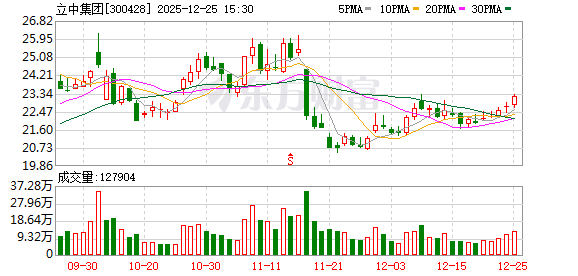
立中集团:公司研发和生产的铝基稀土中间合金和高端铝基中间合金已应用于民用飞机、火箭等部件的铝合金制造
Mei Ri Jing Ji Xin Wen· 2025-12-25 10:10
Core Viewpoint - The company is actively expanding its product applications in the commercial aerospace sector, collaborating with both domestic and international suppliers in the aerospace industry chain [2]. Group 1: Product Applications - The company has developed aluminum-based rare earth intermediate alloys and high-end aluminum-based intermediate alloys, which are used in the manufacturing of aluminum alloys for civil aircraft, commercial aircraft, spacecraft, and rockets [2]. - The aerospace-grade special intermediate alloys produced by the company are primarily applied in titanium alloys and high-temperature alloy fields, successfully used in critical components such as aircraft engine exhaust plugs, fan blades, nozzle components, landing gear, brake discs, and fasteners [2]. - The company has also developed new composite materials, including silicon-aluminum alloys, aluminum-based composite materials, microcrystalline aluminum alloy materials, and 3D printed aluminum alloy materials, which can be utilized in aerospace electronic packaging, aircraft components, rocket components, and optical devices [2].
立中集团:铝基稀土中间合金已用于民用飞机、商用飞机等部件的铝合金制造
Zheng Quan Ri Bao· 2025-12-24 09:35
Core Viewpoint - The company, Lichung Group, is actively involved in the aerospace sector, focusing on the research and production of advanced aluminum-based alloys and composite materials for various aerospace applications [2] Group 1: Aerospace Applications - The company has developed aluminum-based rare earth intermediate alloys and high-end aluminum-based intermediate alloys that are utilized in the manufacturing of components for civil aircraft, commercial aircraft, spacecraft, and rockets [2] - The aerospace-grade special intermediate alloys produced by the company are primarily used in titanium and high-temperature alloy applications, successfully contributing to critical components such as aircraft engine exhaust nozzles, fan blades, nozzles, landing gear, brake discs, and fasteners [2] - Additionally, the company has researched silicon-aluminum alloys, aluminum-based composite materials, microcrystalline aluminum alloys, and 3D printed aluminum alloys, which can be applied in aerospace electronic packaging, aircraft components, rocket components, and optical devices [2]
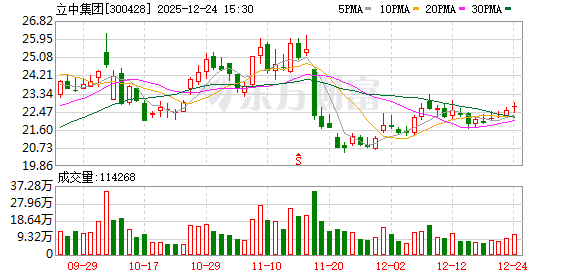
立中集团(300428.SZ):研发和生产的铝基稀土中间合金和高端铝基中间合金已应用于民用飞机、商用飞机、飞行器、火箭等部件的铝合金制造
Ge Long Hui· 2025-12-24 07:10
Core Viewpoint - The company, Lichung Group, has successfully developed and produced aluminum-based rare earth intermediate alloys and high-end aluminum-based intermediate alloys for applications in the aerospace sector, including components for civil and commercial aircraft, spacecraft, and rockets [1] Group 1: Aerospace Applications - The aluminum-based alloys produced by the company are utilized in the manufacturing of critical components such as aircraft engine exhaust plugs, fan blades, nozzle components, landing gear, brake discs, and fasteners [1] - The aerospace-grade special intermediate alloys are primarily applied in the fields of titanium alloys and high-temperature alloys [1] Group 2: New Material Development - The company has also developed new composite materials, including silicon-aluminum alloys, aluminum-based composite materials, microcrystalline aluminum alloys, and 3D printed aluminum alloys [1] - These new materials can be used in aerospace electronic packaging, aircraft components, rocket components, and optical devices [1]