磷酸锰铁锂电池

Search documents
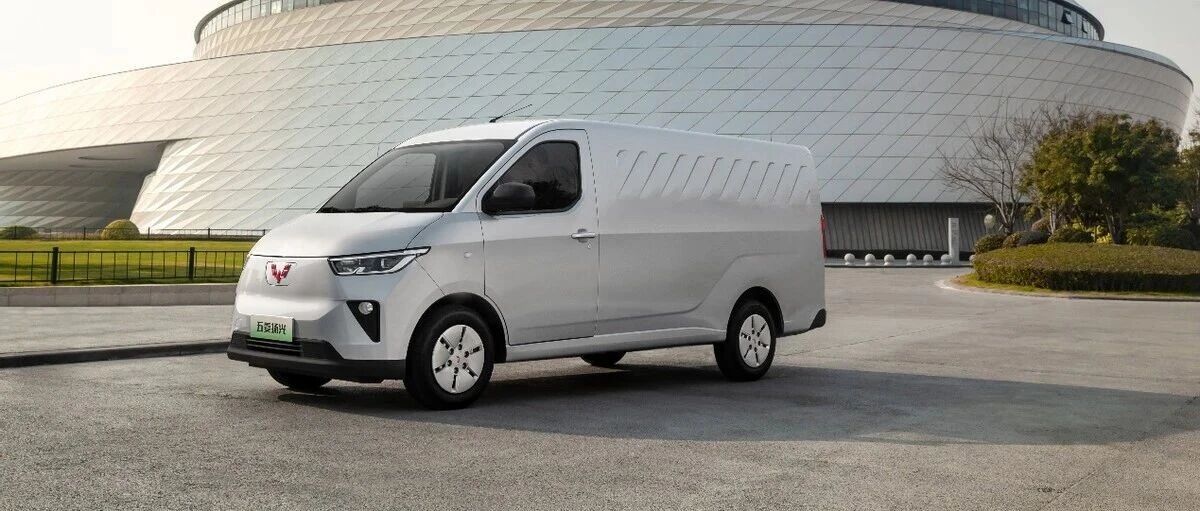
开5年省出一辆新车!这台“创富神车”,要再次改写汽车行业?
电动车公社· 2026-03-28 16:06
Core Viewpoint - The article discusses the transformation of the new energy commercial vehicle market in China, highlighting the rapid growth and adoption of electric light commercial vehicles, particularly the Wuling Yangguang model, which has significantly lowered entry costs and improved operational efficiency [8][50][75]. Group 1: Market Background and Changes - Two to three years ago, the new energy commercial vehicle sector faced significant challenges due to fraudulent practices, leading to distrust among drivers [1][5]. - As of 2023, the penetration rate of new energy in domestic passenger vehicles has reached nearly 35%, while that for commercial vehicles remains low at 11% [7]. - By 2025, the penetration rate for new energy in commercial vehicles is projected to rise to approximately 27% [9]. Group 2: Growth of Light Commercial Vehicles - The light commercial vehicle segment is experiencing rapid growth, with penetration rates increasing from 30% in 2022 to 57% in 2024, and further to 65% in 2025 [10]. - Predictions indicate that by 2026, three out of every four light commercial vehicles will be electric [11]. Group 3: Wuling Yangguang's Market Strategy - The Wuling Yangguang model was launched at a price point just above 70,000 yuan, significantly undercutting previous high prices of 140,000 to 200,000 yuan for electric light commercial vehicles [22][24]. - The 2026 version of Wuling Yangguang offers various configurations and has adopted a platform-based manufacturing approach, allowing for greater flexibility and customization [28][30]. Group 4: Technological Advancements - The new model incorporates advanced technologies such as silicon carbide motors and a smart temperature control system, enhancing performance and safety [39][44]. - The vehicle's operational cost is significantly lower, with an estimated annual electricity cost of around 5,000 yuan compared to 23,000 yuan for traditional fuel vehicles, resulting in substantial savings [57][58]. Group 5: Broader Implications of Electrification - The electrification of commercial vehicles is expected to reduce logistics costs and carbon emissions significantly, with potential annual reductions of 800 million tons of carbon emissions if fully adopted [63]. - The shift towards electric commercial vehicles is also seen as a critical step in achieving national energy security and reducing reliance on imported oil [62]. Group 6: Conclusion - The article emphasizes that the ongoing electrification of commercial vehicles will fundamentally alter the logistics industry and societal resource distribution, leading to lower delivery costs and improved air quality for the general public [75][76].

全球最大镍矿减产70%,将如何影响新能源汽车产业?
Zhong Guo Qi Che Bao Wang· 2026-02-13 03:28
Core Viewpoint - Indonesia has announced a significant reduction of 70% in the annual nickel ore production quota for the world's largest nickel mine, Weda Bay Nickel, in response to rising raw material prices in the global electric vehicle (EV) supply chain [1][3]. Group 1: Production Cuts and Market Impact - Weda Bay Nickel's production quota for 2026 is set at 12 million tons, down from 42 million tons in 2025, marking a direct halving of production [3]. - The reduction aims to reverse the long-term low nickel prices, as Indonesia's nickel supply has accounted for approximately 65% of the global market, which has suppressed prices and led to production halts in other regions [3]. - Indonesia plans to lower its national nickel production target for 2026 from 379 million tons in 2025 to 260 million tons, indicating a series of tightening measures to support a price rebound [3]. Group 2: Global Market Reactions - Following the announcement, nickel prices began to rise on the London Metal Exchange (LME), with major investment banks adjusting their price forecasts for 2026 significantly upward [5]. - Macquarie raised its average nickel price forecast for 2026 from $15,000 to $17,750 per ton, while Goldman Sachs increased its forecast from $14,800 to $17,200 per ton, predicting prices could reach around $18,700 per ton by the second quarter of 2026 [5]. - There is a consensus in the market that Indonesia's production cut is a strategic move rather than a short-term reaction, indicating a long-term shift in the nickel market dynamics [5]. Group 3: Long-term Strategic Considerations - Indonesia's production cut is part of a broader strategy to move away from being a low-cost resource exporter and to develop its domestic nickel refining and processing industries [6]. - The goal is to gain pricing power within the global EV supply chain, allowing Indonesia to capture a larger share of the industry's profits [6]. - This strategic shift is expected to have profound implications for the global nickel market and reshape the competitive landscape of the EV industry [6]. Group 4: Industry Adaptations and Innovations - The tight nickel supply situation has prompted the EV industry to explore alternative battery technologies, such as low-nickel or nickel-free battery solutions, to reduce dependency on high-nickel batteries [8]. - Lithium manganese iron phosphate (LMFP) batteries, which use more abundant and stable materials, are gaining attention as a viable alternative [8]. - The recycling of nickel from waste materials is emerging as a crucial strategy to alleviate supply pressures, with the potential for significant profit margins as nickel prices rise [9]. Group 5: Global Resource Strategies - Companies in the EV supply chain are pursuing global resource strategies, including investments in nickel mining and refining projects in regions like New Caledonia and Australia to diversify supply sources [9]. - New Caledonia is attracting attention due to its rich nickel reserves, providing a strategic option for companies to mitigate supply chain risks [9]. - This cross-regional resource strategy enhances the bargaining power and supply chain control of EV industry players, reducing risks associated with supply disruptions in any single region [9].
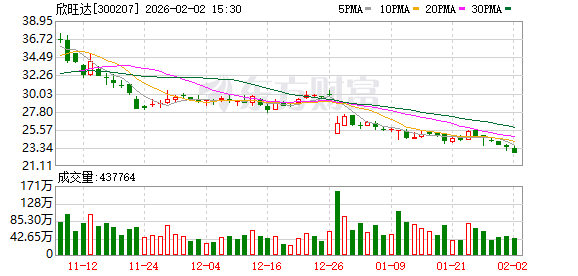
欣旺达:2027年全固态电池有望实现量产
Zheng Quan Ri Bao· 2026-02-02 12:38
Core Viewpoint - The company emphasizes its commitment to innovation in research and production, achieving significant progress in various next-generation battery technologies [2] Group 1: Research and Development - The company has consistently invested in the research and development of solid-state batteries, sodium-ion batteries, lithium iron phosphate batteries, and large cylindrical batteries [2] - The first and second generations of semi-solid batteries have achieved large-scale production [2] - Full-scale production of solid-state batteries is expected to be realized by 2027 [2] - The self-developed 684Ah stacked energy storage cell has achieved million-level production and delivery since its launch in September 2025 [2] Group 2: Production Capacity - The company is constructing multiple production bases both domestically and internationally, ensuring global delivery capabilities for consumer batteries, power batteries, and energy storage batteries [2]

2025年磷酸锰铁锂市场盘点:产量2.85万吨,激增206.5%
鑫椤锂电· 2026-01-26 08:03
Core Viewpoint - The article highlights the significant growth potential of manganese iron phosphate production, projecting a production increase from 28,500 tons in 2025 to over 500,000 tons by 2030, driven by advancements in electric vehicle technology and increasing demand in various sectors [2][5]. Group 1: Production Growth - The production of manganese iron phosphate is expected to reach 28,500 tons in 2025, representing a year-on-year growth of 206.5% [2]. - By 2026, production is anticipated to rise to 70,000 tons, and by 2030, it is projected to exceed 500,000 tons [2]. Group 2: Key Drivers of Growth - The price increase of cobalt raw materials has led to a surge in the prices of ternary cathode materials, enhancing the price competitiveness of manganese iron phosphate [5]. - Trade frictions have prompted significant stocking and export actions in overseas digital markets, resulting in increased shipments of manganese iron phosphate [5]. - Technological improvements, such as element doping and carbon coating, have addressed issues related to manganese leaching, low conductivity, low packing density, and low specific capacity [5]. Group 3: End-Use Applications - In the power sector, Guoxuan High-Tech's "Qicheng Second Generation Cell" achieves an energy density of 240 Wh/kg and supports 5C fast charging, allowing a 60 kWh battery to charge to 80% in just 12 minutes [6]. - In the two- and three-wheeled electric vehicle market, Star Power has successfully industrialized manganese iron phosphate batteries, with major domestic brands using these batteries in 70% of their products, achieving over 10 million units sold globally [6]. - In consumer electronics, Henan Hengyi Lithium Energy's new battery, utilizing manganese iron phosphate and nano-silicon carbon, boasts double the capacity, a 30% increase in lifespan, and improved charging efficiency [6]. Group 4: Competitive Landscape - Leading companies in the manganese iron phosphate sector include Hanchuang Nano, Rongbai Science and Technology, Times Rui Xiang, Defang Nano, and Zhiliang New Materials [7]. - Hanchuang Nano has a stable production line of 15,000 tons and is accelerating a 30,000-ton expansion project [8]. - Rongbai Science and Technology has seen its manganese iron phosphate product shipments in the first half of 2025 exceed the total for 2024, with a 103% year-on-year increase in Q3 2025 [8]. - Times Rui Xiang's 20,000-ton manganese iron phosphate project was completed and began production in April 2025, achieving industry-leading performance [8].

扩产来不及、不扩产跟不上,动力电池产能告急下进退两难
Zhong Guo Qi Che Bao Wang· 2025-12-08 09:19
Core Insights - The Chinese electric vehicle (EV) market is experiencing a "battle for battery supply" as companies rush to secure battery resources ahead of a significant tax policy change set to take effect on January 1, 2026 [2][3] - The impending reduction of the EV purchase tax from full exemption to a 50% reduction has triggered a surge in demand, leading to a scramble among automakers to lock in battery supplies [3][4] - The rapid growth in EV demand is creating a mismatch with battery production capacity, exacerbated by structural issues within the battery industry [2][5] Demand Surge - The demand for EVs has surged due to the impending tax policy change, with automakers offering purchase tax guarantees to customers to stimulate sales [3][4] - In the first ten months of 2025, China's EV production and sales reached 13.015 million and 12.943 million units, respectively, both showing over 30% year-on-year growth [4] - The domestic battery installation volume reached 84.1 GWh in October 2025, marking a 10.7% month-on-month increase and a 42.1% year-on-year increase [4] Supply Constraints - Battery production capacity is lagging behind demand, with a typical production line taking 18 months to become operational, and high investment costs of 150-200 million yuan per GWh [5] - The supply chain is further strained by rising prices of key raw materials like lithium carbonate, which increased by 20% year-on-year to 93,900 yuan per ton as of December 3, 2025 [5][10] - The current supply-demand mismatch is characterized as a structural issue rather than an absolute shortage, with experts predicting a return to more rational demand levels post-policy implementation [6] Technological Advancements - The battery industry is undergoing rapid technological innovation, with advancements in lithium iron phosphate and nickel-rich batteries posing challenges to existing production capacities [7][8] - The shift towards new battery technologies creates risks for production investments, as companies must adapt to avoid obsolescence [8] - The market is increasingly concentrated, with the top five battery manufacturers holding an 81.8% market share, indicating a decline in capacity utilization among smaller firms [8] Resource Allocation Challenges - The explosive growth of the energy storage sector is diverting battery production capacity, as both energy storage and EV batteries share similar technological resources [9][10] - Companies are prioritizing energy storage orders due to higher profit margins, which complicates the balance between energy storage and EV battery production [10] - The Chinese government is taking steps to regulate competition in the battery industry to promote high-quality development and address capacity allocation issues [10] International Market Dynamics - While the Chinese market faces battery supply shortages, the U.S. market is experiencing a contraction in battery projects due to concerns over oversupply and insufficient demand [11][12] - The disparity between the two markets is attributed to different stages of industry development, with China in a growth phase and the U.S. still in a cultivation phase [12] - Chinese battery companies are positioned to leverage their technological and cost advantages to expand into international markets, particularly in regions experiencing rapid EV growth [12]



特斯拉“神车”上海焕新 产业链公司争相驶入磷酸锰铁锂赛道
Xin Hua Wang· 2025-08-12 05:48
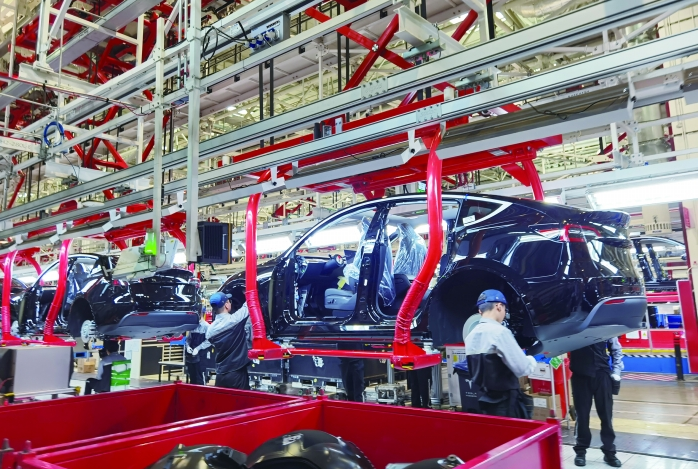
Group 1 - Tesla has launched a new version of the Model 3 in China, marking the first update in six years for the best-selling electric vehicle globally. The new model is expected to be delivered in Q4 2023, with production ramping up at the Shanghai Gigafactory [1][2] - The starting price for the new Model 3 is set at 259,900 yuan, which is lower than comparable models from luxury brands like Mercedes-Benz, BMW, and Audi. This pricing strategy aims to promote smart and green transportation [2] - The Shanghai Gigafactory has become a key production hub for Tesla, contributing to a significant increase in global sales, with the Model 3 accounting for nearly half of Tesla's total sales of 4.54 million vehicles as of Q2 2023 [2][4] Group 2 - The new Model 3 will feature several upgrades, including the use of manganese iron lithium batteries in the high-performance version, while the standard version will continue to use lithium iron phosphate batteries. The price of the new model has increased by 28,000 yuan compared to the previous version [5] - The manganese iron lithium battery is expected to improve energy density by approximately 15% compared to lithium iron phosphate batteries, making it a more competitive option in the market [5][6] - Several companies in the battery supply chain, including CATL and Guoxuan High-Tech, are actively developing manganese iron lithium batteries, indicating a growing trend in the industry [6][7] Group 3 - Tesla has removed LiDAR technology from the new Model 3, opting for a "pure vision" approach for its autonomous driving capabilities. This shift reflects a broader industry trend where companies are moving away from LiDAR in favor of camera-based systems [8][9] - Major automotive suppliers like Bosch and ZF have announced their exit from the LiDAR market, citing complexities and challenges in technology development. This indicates a potential shift in the competitive landscape for sensor technologies in the automotive industry [9][10] - Despite the trend towards camera-based systems, companies like BYD continue to invest in LiDAR technology, launching new models equipped with such sensors, suggesting that the market remains diverse in its technological approaches [10]

在贵州发现巨大宝藏,价值高达万亿!多国排队求合作
Sou Hu Cai Jing· 2025-07-16 06:02
Core Insights - The rise of Qian Dong Manganese Mine in Guizhou, China, is significantly reshaping the global manganese industry, driven by technological innovation, environmental protection, and strategic resource management [1][9]. Exploration and Discovery - The discovery of a unique manganese ore in 2017 in Songtao, Guizhou, challenged traditional geological theories and revealed a massive mineral deposit, leading to a total manganese reserve of 750 million tons, accounting for one-third of the world's super-large manganese reserves [3][5]. - The exploration efforts have positioned China as a dominant player in the global manganese market, with four of the top ten manganese mines located in the country [3][5]. Industrial Importance - Manganese is essential in steel production, with a requirement of 6-9 kg of manganese per ton of steel, and its importance is increasing in the battery industry, particularly for electric vehicles [5][6]. - The global demand for manganese in battery production is expected to surge by 300% by 2030, highlighting the critical role of manganese in the transition to renewable energy [5][6]. Supply Chain Dynamics - China's manganese self-sufficiency rate is projected to rise from 31% to 85% due to the new discoveries, significantly impacting global manganese pricing and supply dynamics [5][6]. - The average grade of the newly discovered manganese ore is 25.75%, surpassing the national average of 20%, which enhances China's competitive position in the global market [5][6]. Technological Advancements - The development of selective leaching technology has enabled the conversion of manganese carbonate into battery-grade manganese sulfate with a purity of 99.9%, reducing costs and environmental impact [6][9]. - Innovations in mining and processing techniques, such as automated sorting and intelligent filling methods, have improved ore purity and recovery rates, maximizing the value extracted from each ton of manganese [9]. Environmental Considerations - The establishment of a "mining ecological bank" in Tongren mandates environmental restoration efforts alongside mining activities, aiming to prevent past pollution issues [8][9]. - Successful remediation projects have restored local ecosystems, demonstrating a commitment to sustainable mining practices and garnering international recognition [8][9]. Global Reactions - In response to China's advancements, countries like Australia and Japan are seeking partnerships and technological exchanges to secure their positions in the manganese supply chain [6][8]. - The international community is taking notice of China's sustainable practices, with the United Nations recognizing Tongren as a benchmark for sustainable development [8][9].
哈啰/嘟嘟/司马/小安/雅迪/台铃/新日/亿纬/星恒/多氟多/创明/睿恩/派能/诺达/盾创/博观/尚闻/比克/鹏辉邀您共聚深圳!
起点锂电· 2025-06-29 04:16
Event Overview - The 2025 Fifth Start Two-Wheeled Vehicle Battery Swap Conference and Lightweight Power Battery Technology Summit will be held on July 10-11, 2025, in Shenzhen [1] - The event theme is "Battery Swap City, Smart Two-Wheelers" [1] - The conference will feature over 300 key enterprises in the two-wheeled vehicle battery swap and battery sectors, with more than 600 executives attending [2][3] Key Highlights - The event will include the release of the "2025 China Two-Wheeled Vehicle Battery Swap and Battery TOP Rankings and Industry White Paper" [2] - The conference aims to establish brand benchmarks in battery swap operations, lithium batteries, sodium batteries, and related technologies [2] - The rapid growth of the two-wheeled vehicle battery swap market is driven by policy support, demand for instant delivery, and technological upgrades [2] Technical Discussions - The forum will cover advanced topics such as high safety, high energy density, long cycle life, and cost optimization in battery products [2] - AI technology will accelerate the development of new battery technologies, including sodium batteries, lithium iron phosphate, and solid-state batteries [2] - The event will feature specialized forums on electric two-wheeler smart technology and battery safety [4][5][6] Participating Companies - Notable participating companies include Yadi Technology Group, Tailling Group, New Day Co., and various battery manufacturers such as BYD and CATL [1][8][9] - The event will also attract companies from the IoT and communication module sectors, as well as testing and certification institutions [9] Registration and Fees - Registration packages are available, with Package A priced at 2888 RMB per person, including one-day hotel accommodation and a copy of the industry white paper [10] - Package B is available for 2288 RMB per person, including lunch and a simplified version of the industry white paper [11]







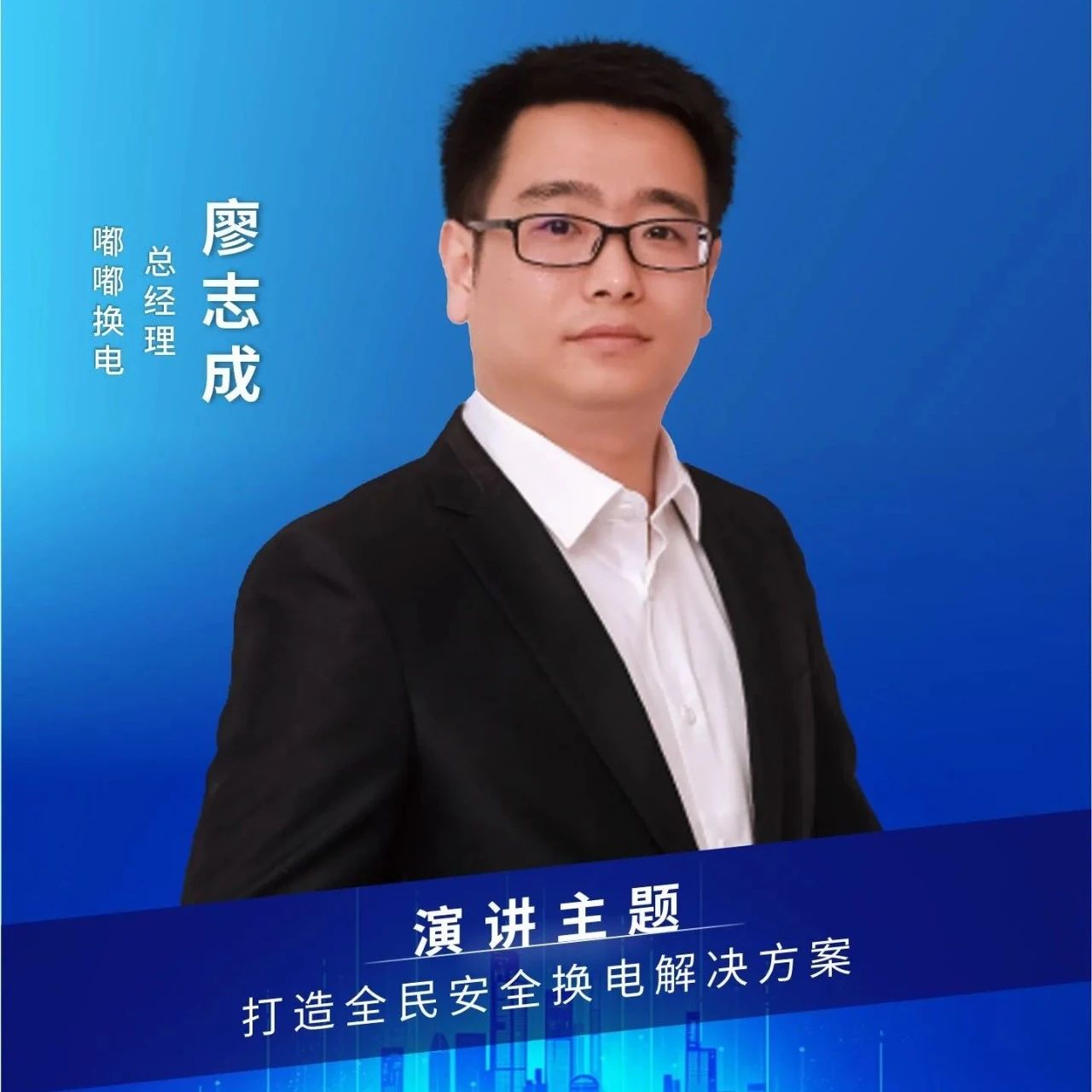
嘟嘟换电 总经理 廖志成 确定演讲!分享主题:打造全民安全换电解决方案!(7.11-深圳两轮车换电大会)
起点锂电· 2025-06-27 09:40
Core Viewpoint - The article emphasizes the importance of developing a comprehensive and safe battery swapping solution for electric two-wheelers, highlighting the upcoming 2025 conference focused on this topic [3][5]. Group 1: Event Details - The 2025 Fifth Start Point Two-Wheeler Battery Swapping Conference and Lightweight Power Battery Technology Summit will be held on July 10-11 in Shenzhen [5]. - Various companies, including Yadea Technology Group and Tailin Group, will present on topics such as trends in battery swapping vehicles and the smart development of electric two-wheelers [5]. Group 2: Key Presentations - Yadea Technology Group will discuss the trends and applications of battery swapping vehicles [5]. - Tailin Group will focus on the new trends in the smartization and overseas development of electric two-wheelers [5]. - Other companies like Udan Technology and Chuangming New Energy will present on safety reconstruction and the application of cylindrical batteries in the two-wheeler sector [5].
长沙4万吨磷酸锰铁锂项目月底投产
起点锂电· 2025-06-12 09:52
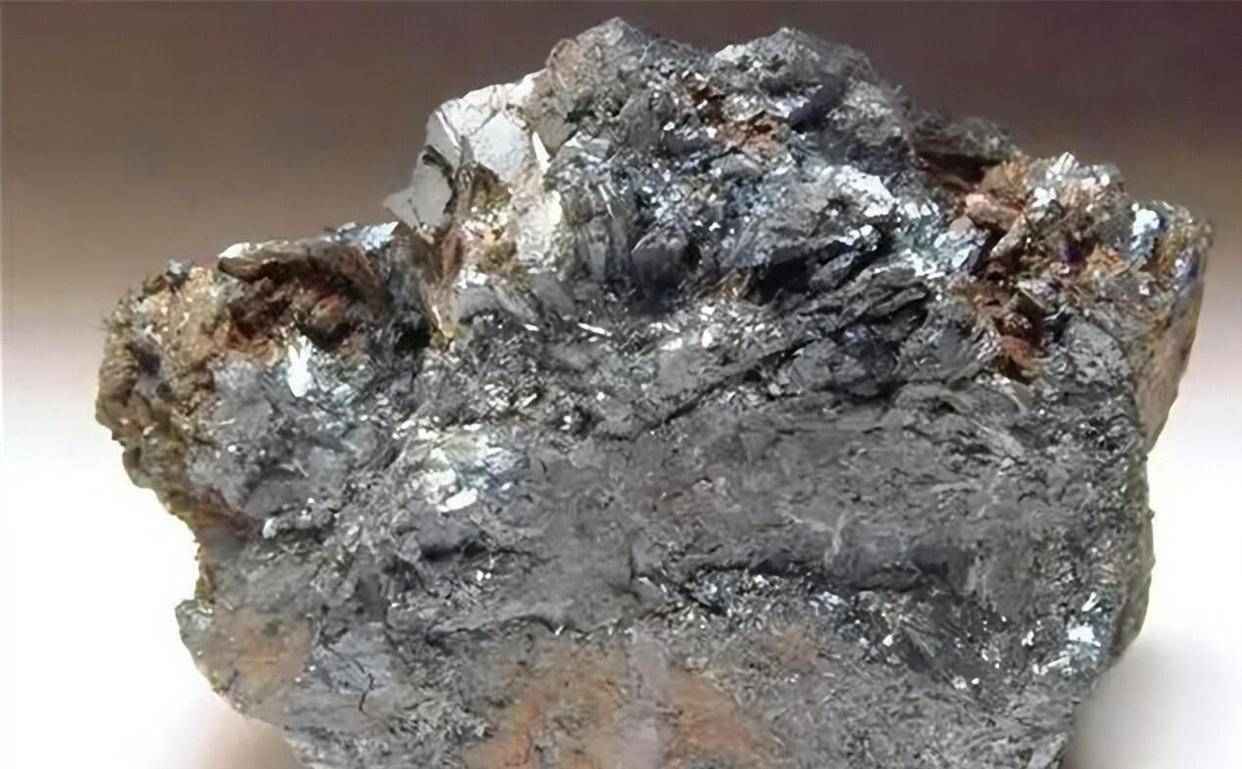
Core Viewpoint - The article highlights the rapid development of the manganese iron phosphate lithium industry in Changsha, Hunan, with the Montstar Nano project expected to commence operations by the end of June 2023, significantly increasing production capacity in the sector [1]. Group 1: Project Overview - The Montstar Nano project in Changsha has a total investment of approximately 350 million yuan and a construction area of 33,416.97 square meters, which includes two factories and one office building [1]. - Once fully operational, the project will achieve an annual production capacity of 40,000 tons of manganese iron phosphate lithium, generating an estimated annual output value of 2 billion yuan and tax revenue exceeding 80 million yuan [1]. Group 2: Research Institute and Future Plans - The project is incubated by Hunan Zhidian Valley New Energy Technology Research Institute, which was officially established on May 29, 2023, with a total investment plan of 5 billion yuan for the development of a research platform [1][2]. - The research institute aims to incubate 14 projects over the next five years, with 8 projects expected to be officially launched, and plans to cultivate 5 national high-tech enterprises [2]. Group 3: Industry Dynamics - Despite the promising performance advantages of manganese iron phosphate lithium materials, their application has not met expectations due to increased competition from optimized lithium iron phosphate materials and inherent cost and technical challenges [2]. - Several projects are currently advancing in the industry, including a 20,000-ton production project in Gansu and a 100,000-ton project in Shanxi, indicating a growing interest in manganese iron phosphate lithium [3]. - Major battery companies, including CATL and BYD, are actively investing in manganese iron phosphate lithium batteries, suggesting that the industrialization process for these batteries is likely to accelerate in the coming years [3].