老字号产品

Search documents
老字号成年轻人新宠贵在守正创新
Xin Lang Cai Jing· 2026-02-25 17:54
Group 1 - The core viewpoint is that traditional brands, known as "laozihao," are successfully attracting younger consumers through product innovation and immersive experiences, leading to increased foot traffic and sales in key commercial areas during the Spring Festival [1] - The Beijing Municipal Bureau of Commerce reported that the integration of traditional brands with immersive experiences has resulted in a dual growth of customer flow and sales in major shopping districts [1] - Traditional brands are no longer exclusive to older generations and are increasingly gaining attention and affection from younger consumers, showcasing a successful "breaking the circle" strategy [1] Group 2 - Young consumers are drawn to traditional brands due to their deep cultural heritage, good reputation, and stable quality, which provide a sense of trust and nostalgia [2] - The combination of adhering to quality and embracing innovation is crucial for traditional brands to maintain their authority and credibility while appealing to younger consumers [2] - Many traditional brands are incorporating modern fashion elements into their product designs to meet the personalized demands of younger consumers, achieving a blend of tradition and modernity [2] Group 3 - Despite the success in attracting younger consumers, traditional brands still face challenges in expanding their influence and should further explore innovative products that combine traditional cultural resources with modern technology and trends [3] - There is potential for traditional brands to collaborate with emerging industries, such as cultural creative and tourism sectors, to create unique consumer experiences [3] - The popularity of traditional brands among young consumers indicates a significant opportunity for the integration of traditional culture with modern consumption, suggesting a promising future for such brands [3]
免税店上新了
Ren Min Ri Bao Hai Wai Ban· 2026-02-09 22:48
Core Viewpoint - The expansion of duty-free shops at entry ports in China is a strategic move by the government to enhance consumer experience, stimulate domestic consumption, and promote regional development through the establishment of 41 new duty-free stores across various locations [4][5][6][8]. Group 1: Expansion of Duty-Free Shops - The Chinese government has announced the establishment of 41 new duty-free shops at entry ports, including airports, waterway, and land ports, to enhance consumer access and fill regional gaps [5][6][14]. - The new duty-free shops will be located in various provinces, including Hubei, Hunan, Fujian, and Guangxi, ensuring coverage across eastern, central, and western regions of China [6][12]. - The initiative aims to provide consumers with more shopping options and competitive prices, thereby increasing the attractiveness of domestic shopping compared to overseas purchases [12][14]. Group 2: Consumer Benefits - The expansion allows consumers to shop for duty-free goods conveniently upon entry into China, addressing previous limitations where shopping was primarily restricted to departure points [5][9]. - The new stores will offer a diverse range of products, including international brands and local Chinese cultural products, catering to various consumer preferences [12]. - The initiative is expected to stimulate consumer spending and enhance the overall shopping experience for both domestic and international travelers [10][12]. Group 3: Economic and Regional Development - The establishment of these duty-free shops is seen as a tool for stabilizing foreign trade and expanding domestic demand, contributing to economic growth [7][12]. - The initiative is designed to attract both returning Chinese travelers and international tourists, thereby increasing inbound consumption and supporting local economies [10][11]. - The duty-free shops are positioned to enhance the logistics, tourism, and cultural industries, creating a more integrated economic ecosystem around port cities [12][13].

德州借运河大集启新春直播季 电商赋能点燃消费新活力
Qi Lu Wan Bao· 2026-02-05 14:37
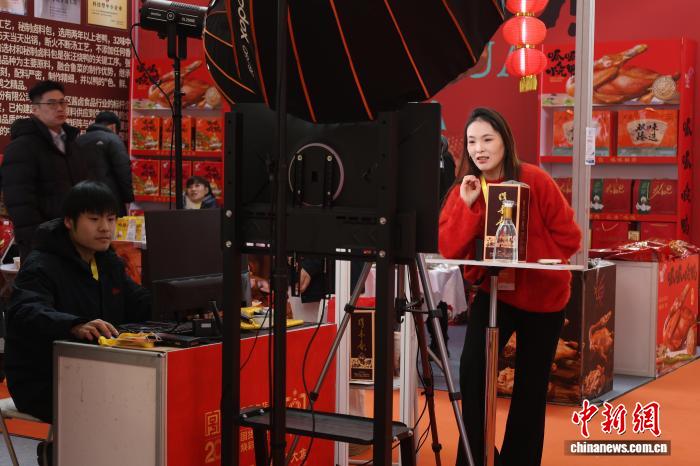
Core Insights - The "Canal Grand Market" Spring Festival in Dezhou aims to boost local consumption and promote e-commerce development through a combination of online live streaming and offline experiences [1][2][3] Group 1: Event Overview - The event features over 100 local quality products, including specialty foods and traditional crafts, showcasing Dezhou's unique offerings [1] - The live streaming activities are led by local influencers and village leaders, enhancing the promotion of Dezhou's products [2] Group 2: E-commerce Development - The event is part of Dezhou's "E-commerce Breakthrough Year" initiative, focusing on high-quality e-commerce development [2] - The collaboration between village leaders and influencers creates a direct connection between rural products and urban markets, expanding the reach of Dezhou's offerings [2] Group 3: Economic Impact - The initiative aims to activate the Spring Festival consumption market and serves as a test of the effectiveness of local e-commerce strategies [3] - E-commerce is positioned as a key driver for local economic development and rural revitalization, with the potential to enhance the brand of "Dezhou Good Products" [3]
山东临沂:老字号国潮年货大集开幕
Zhong Guo Xin Wen Wang· 2026-01-22 13:00
Core Viewpoint - The 2026 Old Brand National Trend New Year Goods Fair has opened in Linyi, Shandong, focusing on promoting traditional old brand products for the upcoming New Year celebrations [3][4][6]. Group 1: Event Overview - The fair is themed "Bringing Old Brands Home for the New Year" and spans an area of 10,000 square meters, creating an immersive shopping experience for consumers [3][4][6]. - Various themed exhibition areas have been set up, including sections for New Year's Eve dinner, family reunions, visiting relatives and friends, and traditional cultural experiences [3][4][6]. Group 2: Consumer Engagement - The event features live streaming sales of old brand products, enhancing consumer engagement and accessibility [3][4][6]. - The fair aims to attract a wide range of visitors, promoting the cultural significance of traditional products during the festive season [3][4][6].
线上促消费 “2026全国网上年货节”在兰州启动
Sou Hu Cai Jing· 2026-01-20 10:50
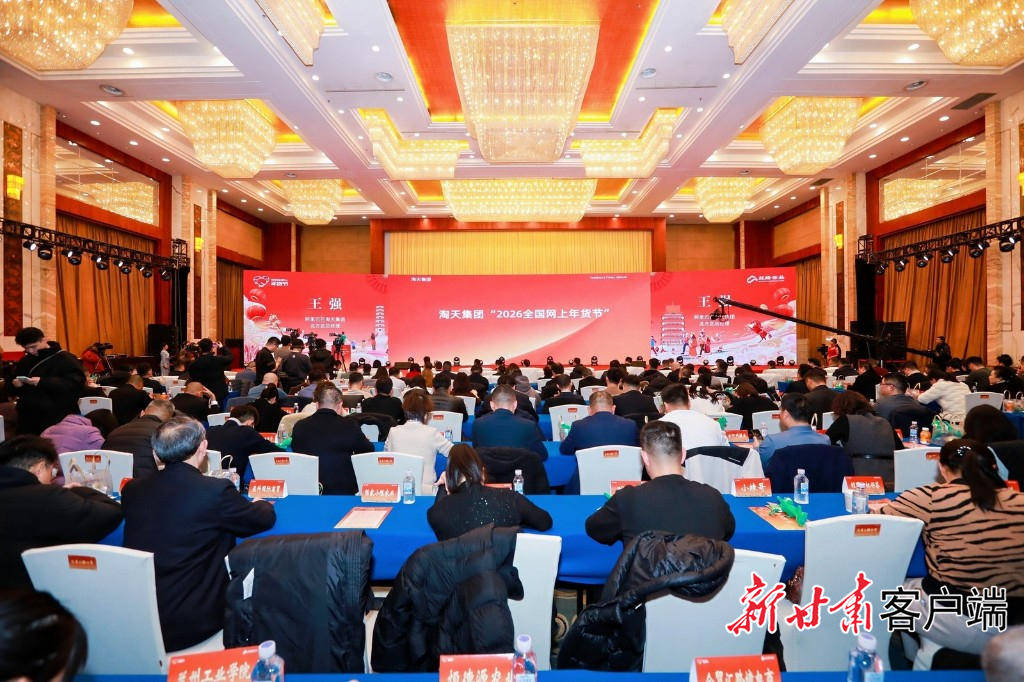
Core Viewpoint - The "2026 National Online New Year Goods Festival" has been launched in Lanzhou, aiming to promote traditional culture, enhance consumption quality, and stimulate consumer potential through various engaging activities [1][3]. Group 1: Event Overview - The festival is organized under the guidance of the Ministry of Commerce and includes a series of activities that resonate with public interests, focusing on themes such as cultural promotion and market connectivity [1]. - The event adopts a "1+N" format, with a central launch in Lanzhou and various supporting activities across five northwestern provinces and e-commerce platforms [1][3]. Group 2: Activities and Themes - The festival features five main thematic activities: "Sweet Taste of Gansu," "Quality Home Refresh," "Digital Enjoyment of Life," "Silk Road Adds New Year Flavor," and "Enjoy Discounts with Payments," aimed at providing a diverse and high-quality consumer experience [3]. - Various local and online platforms will create a "New Year Flavor Map" and "New Year Goods List," showcasing non-heritage performances and cultural creative exhibitions to enhance the festive atmosphere [1][3]. Group 3: Exhibition and Market Setup - The launch event includes an exhibition area for Gansu's quality products and non-heritage items, with food and goods markets set up in key locations to create differentiated consumer experiences [4]. - The markets will feature local specialties, non-heritage products, traditional liquor, and cultural creative items, catering to diverse consumer needs during the festival [4].
开门红!元旦假期,杨浦消费市场热力值拉满
Sou Hu Cai Jing· 2026-01-04 12:45
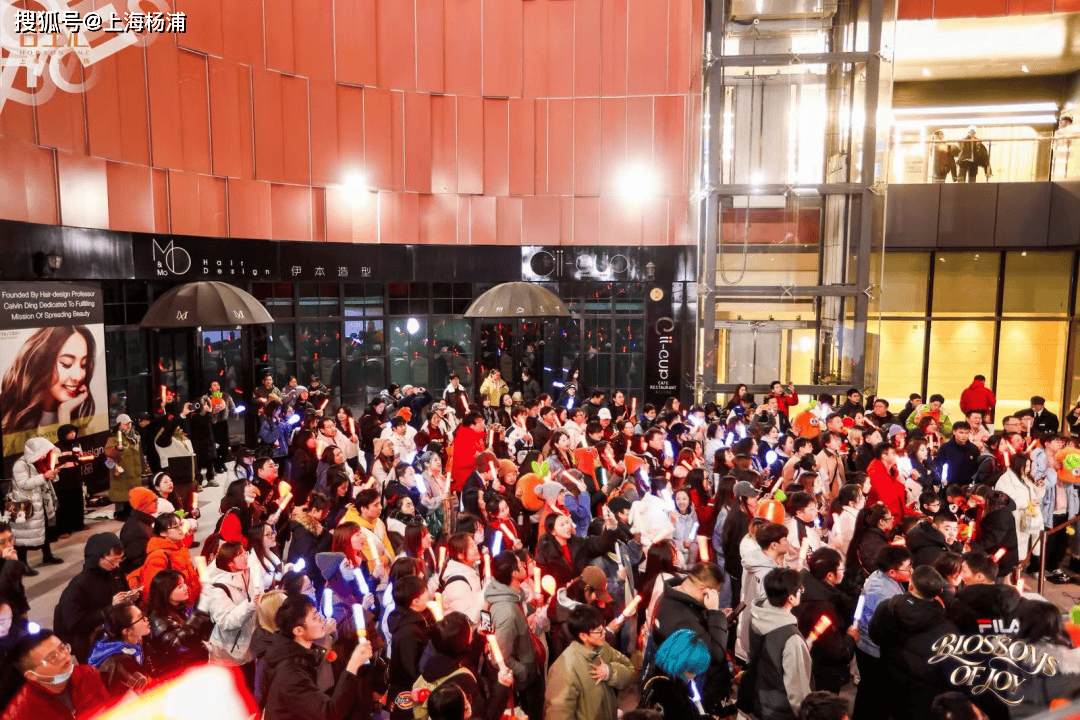
Core Insights - The Yangpu consumption market experienced a vibrant New Year holiday, with over 30 activities launched under the theme "Digital Commerce New Trend: Play in Yangpu," effectively stimulating consumer potential and achieving a strong start to the new year [1] Group 1: Consumption Data - The Wujiaochang business district recorded a total consumption of 130 million yuan from January 1 to 2, 2026, representing a year-on-year increase of 27.7% [3] - The foot traffic reached 896,600 visitors, marking a 52.3% increase compared to the previous year, indicating growth in both sales and customer visits [3] Group 2: Promotional Activities - Yangpu issued over 10 million yuan in "Play in Yangpu" New Year consumption vouchers, effectively stimulating consumer enthusiasm with a leverage ratio of 1:8 [5] - Major commercial entities in Yangpu launched themed promotional activities, resulting in significant sales and foot traffic increases, such as Suning's AI Smart Home Exhibition attracting a 11.11% increase in foot traffic [5] Group 3: Digital and Innovative Engagement - Yangpu emphasized a "young," "digital," and "immersive" consumption experience, enhancing online and offline integration to activate regional consumption vitality [7] - Online events like Meituan's "Flash Purchase Double Festival" and JD's "Shanghai Self-Pickup Festival" were organized to tap into local consumption potential [7] Group 4: Experiential Activities - The Wujiaochang business district collaborated with Douyin to create engaging events like the "Heartfelt Street" and a countdown party, attracting a large number of young consumers [10] - The "Capybara City Amusement Park" and themed pop-up events in commercial spaces contributed to a 22.26% increase in sales and a 67.42% increase in foot traffic [12] Group 5: Night Economy and Thematic Events - Various commercial districts launched unique activities to enhance the festive atmosphere, directly boosting consumption, with the Wujiaochang Wanda Plaza and other key commercial entities extending their operating hours to midnight [14] - Events like the "Sleepless Street" at Wanda Plaza achieved a 13.41% increase in sales and a 27.56% increase in foot traffic [14]
政策再“上新”,免税经济添活力
Xin Hua Ri Bao· 2025-12-22 02:22
Core Viewpoint - The recent policy issued by the Ministry of Finance and four other departments aims to enhance the duty-free shop sector to stimulate consumer spending, effective from November, by supporting the sale of domestic products and expanding the range of goods available in duty-free shops [1] Group 1: Policy Implementation - The new policy is expected to significantly benefit duty-free shops, encouraging them to expand their brand offerings and product variety to facilitate traveler purchases [3] - The policy includes support for both port exit duty-free shops and city duty-free shops, introducing high-quality products such as time-honored brands, cultural and creative products, and intangible cultural heritage items [1] Group 2: Market Response - Following the implementation of the new regulations, there has been a noticeable increase in customer traffic at duty-free shops, particularly at Nanjing Lukou International Airport, where travelers are arriving earlier to take advantage of shopping opportunities [2] - The customs statistics indicate that from January to October, the number of travelers monitored by Nanjing Lukou Airport Customs reached 2.3135 million, reflecting a year-on-year increase of 5.62% [2] Group 3: Operational Adjustments - Duty-free shops are actively expanding their sales categories and implementing promotional activities such as discounts and gift offers to convert foot traffic into sales [2] - Customs authorities are facilitating the growth of duty-free shops by understanding their inventory needs, expediting approval processes for goods, and enhancing regulatory efficiency through online reviews [2]
更好服务高水平对外开放(编辑手记)
Ren Min Ri Bao· 2025-12-07 22:02
Core Viewpoint - The continuous optimization of China's departure tax refund policy is significantly enhancing the shopping experience for foreign travelers, thereby stimulating inbound consumption and contributing to the construction of a robust domestic market and a new development pattern [1][2]. Group 1: Policy Optimization - Since 2015, China has implemented a comprehensive departure tax refund policy, with recent measures including lowering the minimum refund threshold from 500 yuan to 200 yuan and increasing the cash refund limit from 10,000 yuan to 20,000 yuan [1]. - The number of foreign travelers processing departure tax refunds increased by 229.8% year-on-year, while the total refund amount grew by 97.4% in the first nine months of this year, indicating the effectiveness of the optimized policy [1]. Group 2: Economic Impact - The optimization of the departure tax refund policy is expected to enhance the convenience of shopping for foreign travelers, thereby improving their satisfaction and overall experience in China [2]. - Compared to other major countries, there is still room for growth in the proportion of inbound consumption relative to China's GDP, indicating significant potential for further growth in inbound consumption [2]. Group 3: Future Developments - Future enhancements to the departure tax refund policy will focus on digitization, convenience, and service refinement, including initiatives like paperless refunds and multilingual intelligent service systems [3]. - The aim is to attract more foreign travelers and promote the international presence of high-quality Chinese products, making "China shopping" a prominent symbol of high-level openness [3].
产品为基、文化为核、传播为桥 推动老字号持续健康发展
Ren Min Wang· 2025-12-03 01:31
Core Viewpoint - The report highlights the revitalization of traditional brands (老字号) through cultural depth, technological innovation, and experiential reconstruction, emphasizing the importance of product strength, cultural value, and communication power in brand building [1][2]. Group 1: Government Support and Policy - Government policies have increasingly supported the innovative development of traditional brands, linking policy design closely with brand consumption and cultural heritage [1]. - A dynamic management mechanism has been established to promote the healthy development of traditional brands, ensuring a competitive environment through "entry and exit" [1]. Group 2: Product Strength - Leading traditional brands possess strong research and innovation capabilities, enhancing their competitiveness in both domestic and international markets [2]. - The expansion of online channels, overseas markets, smart manufacturing, and cultural empowerment is expected to drive traditional brands as economic engines that promote consumption [2]. Group 3: Cultural Strength - Traditional brands embody and transmit excellent traditional Chinese culture, including business wisdom, intangible cultural heritage, and regional cultural characteristics [2]. - They also play a role in public education and enriching public cultural services while adapting to modern trends such as IP integration and digitalization [2]. Group 4: Communication Power - The total online communication volume for traditional brands is projected to exceed 8.93 million from October 2024 to October 2025, indicating a high level of brand visibility [2]. - Events like the "Traditional Brand Expo" and "Canton Fair" significantly enhance brand exposure, especially during key consumption periods like the Spring Festival and Mid-Autumn Festival [2]. Group 5: Market Trends and Consumer Behavior - Recent public opinion controversies surrounding traditional brands have decreased, but historical issues still have lingering effects [3]. - Younger consumers are emerging as the main force in traditional brand consumption, prioritizing quality, experience, and cultural identity [3]. Group 6: Future Directions - Future brand building for traditional brands should focus on quality, cultural value, and expanding brand influence to transform into sustainable economic value and cultural symbols of the era [3].
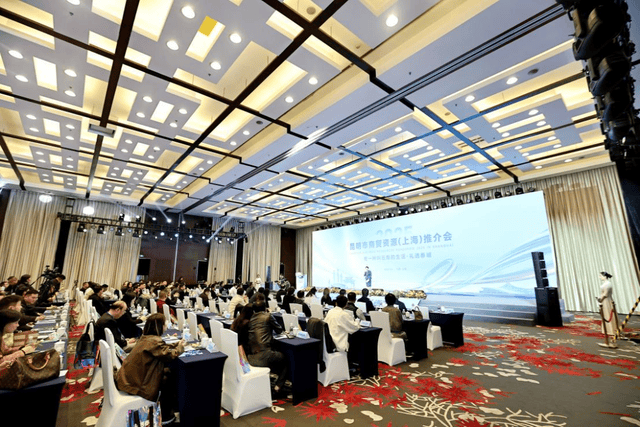
“2025昆明市商贸资源(上海)推介会”在沪成功举办
Sou Hu Cai Jing· 2025-11-08 05:41
Core Viewpoint - The "2025 Kunming Trade Resource Promotion Conference" aims to deepen cooperation between Shanghai and Yunnan, showcasing Kunming's unique position and opportunities as a gateway to South Asia and Southeast Asia, while promoting cross-border e-commerce and consumption growth [1][3][11] Group 1: Economic Development and Opportunities - Kunming is actively promoting the integration of diverse consumption formats, focusing on emerging fields like coffee consumption to create nationally influential consumption scenarios [3][5] - The city is leveraging its rich "old brand" resources to rejuvenate traditional brands and stimulate various consumption potentials to meet diverse consumer needs [3][5] - The promotion conference highlighted Kunming's commitment to building a regional international center city, enhancing its role as a hub for international trade and commerce [1][4][7] Group 2: International Cooperation and Trade - Kunming is enhancing its exhibition platform to host international events, facilitating efficient connections and deep cooperation between domestic and foreign enterprises [3][4] - The city is focusing on high-quality foreign trade development through three main paths: improving trade efficiency, creating new open platforms, and enhancing international logistics channels [7][10] - The event attracted over a hundred well-known enterprises and investment institutions from Shanghai and the Yangtze River Delta, fostering discussions on international supply chain cooperation and collaborative market development [11][13] Group 3: Event Highlights and Outcomes - The promotion conference featured representatives from seven key units, emphasizing cross-border e-commerce and exhibition platforms, with 28 quality enterprises showcasing their products [10][11] - The event facilitated discussions between 22 representatives from Fortune 500 companies and participating enterprises, resulting in multiple cooperation intentions and agreements [10][11] - Attendees expressed optimism about Kunming's potential, recognizing it as a vibrant city with significant commercial opportunities and a welcoming business environment [13]