超级e平台兆瓦闪充

Search documents
比亚迪蝉联三冠王背后:重研发,才有硬技术
Zhi Tong Cai Jing· 2026-02-06 06:57
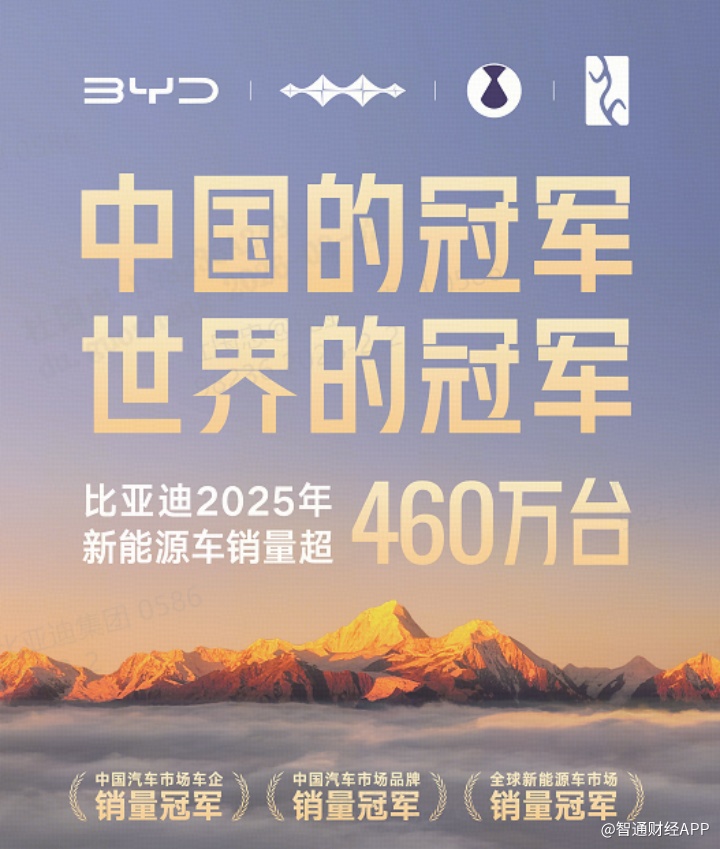
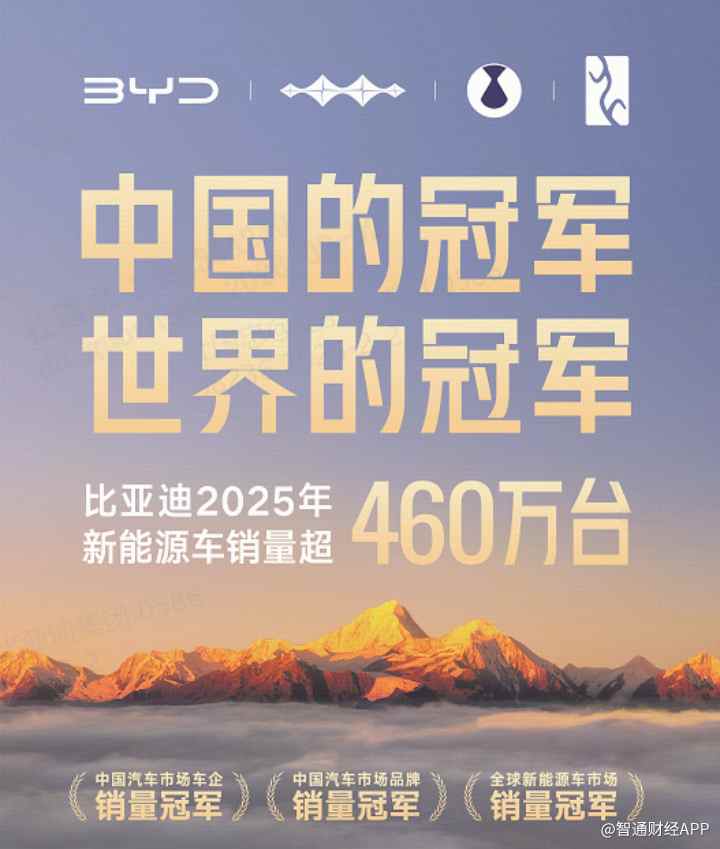
Core Insights - In 2025, China's automotive industry achieved a historic milestone with production and sales exceeding 34 million units, marking the 17th consecutive year as the global leader, while domestic sales of new energy vehicles surpassed 50% [1] - BYD maintained its position as the global leader in new energy vehicle sales for the fourth consecutive year, with total sales exceeding 4.6 million units in 2025 [1] - The growth momentum for BYD continued into 2026, with January sales of new energy vehicles reaching 210,000 units, reflecting strong market recognition [1] Group 1: Global Expansion - BYD's overseas sales reached 1.0496 million units in 2025, representing a 145% year-on-year increase, making international markets a key growth driver [4] - The company emphasizes a long-term strategy, focusing on building a comprehensive ecosystem of distribution networks, local factories, and logistics systems for sustainable growth [4] - BYD's products are now available in 119 countries and regions, with significant sales increases in core markets such as Brazil, Germany, and the UK, enhancing brand influence [4] Group 2: Research and Development - BYD's R&D investment reached 43.75 billion yuan in the first three quarters of 2025, a 31% increase year-on-year, with total R&D spending exceeding 220 billion yuan [6] - The company has consistently invested more in R&D than its annual net profit for 13 out of the last 14 years, indicating a strong commitment to technological advancement [6] - New technologies, such as the "Tian Shen Zhi Yan" driver assistance system and the Super e-platform, were launched in 2025, pushing the boundaries of industry technology [6] Group 3: High-End Market Strategy - BYD's approach to high-end market penetration is based on technological capabilities rather than brand premium, differentiating it from other Chinese brands [8] - The company has established three sub-brands—Yangwang, Tengshi, and Fangchengbao—to target various segments of the high-end market, achieving significant sales growth in each [8][9] - Fangchengbao's sales reached 234,600 units in 2025, a 316.1% increase, while Tengshi D9 sold 103,500 units, breaking the dominance of foreign brands in the luxury MPV market [8] Group 4: Industry Impact - BYD's success signifies a broader transformation in the Chinese automotive industry, moving from merely "chasing parameters" to "building systems" [10] - The company's ability to support global expansion while driving high-end breakthroughs represents a new phase of high-quality development for the Chinese automotive sector [10] - BYD is becoming a pivotal reference point in this transition, highlighting its significance beyond just being a successful enterprise [10]


比亚迪(01211)蝉联三冠王背后:重研发,才有硬技术
智通财经网· 2026-02-06 06:55
Core Insights - In 2025, China's automotive industry achieved a historic milestone with production and sales exceeding 34 million units, marking the 17th consecutive year as the global leader, while domestic sales of new energy vehicles surpassed 50% [1] - BYD maintained its position as the global leader in new energy vehicle sales for the fourth consecutive year, with total sales exceeding 4.6 million units in 2025, and continued strong performance into 2026 with January sales reaching 210,000 units [1] Group 1: Growth Drivers - The growth logic behind these achievements is shifting, characterized by accelerated globalization, a solidified technological framework, and rapid advancements in high-end offerings [3] - In 2025, overseas markets became a significant growth engine for BYD, with overseas sales reaching 1.0496 million units, a 145% increase year-on-year [4] - BYD emphasizes long-term strategies over short-term gains, focusing on building a comprehensive system of dealerships, local factories, and logistics networks to support its global expansion [4] Group 2: R&D and Technological Advancements - BYD's sustained global expansion is underpinned by significant long-term investments in R&D, with expenditures reaching 43.75 billion yuan in the first three quarters of 2025, a 31% increase year-on-year [6] - The company has consistently invested more in R&D than its annual net profit for 13 out of the last 14 years, translating these investments into marketable technologies [6] - New technologies such as the "Tian Shen Zhi Yan" driver assistance system and the Super e-platform have been launched, pushing the boundaries of industry technology [6] Group 3: High-End Market Strategy - BYD's approach to high-end market penetration differs from traditional Chinese brands, focusing on technological capabilities rather than brand premium to drive high-end development [8] - The company has segmented its high-end strategy through three sub-brands: Yangwang, Tengshi, and Fangchengbao, targeting various market segments from personalized luxury to ultra-high-end offerings [8] - In 2025, Fangchengbao achieved sales of 234,600 units, a 316.1% increase, while Tengshi D9 sold 103,500 units, breaking the dominance of foreign brands in the luxury MPV market [8][9] Group 4: Industry Impact - BYD's significance extends beyond its corporate success, representing a shift in the Chinese automotive industry from merely "chasing parameters" to "building systems" [10] - The ability of technology to support global expansion and further enhance high-end breakthroughs signifies a new phase of high-quality development for the Chinese automotive industry [10]
纯电动汽车销量登顶全球榜首!比亚迪重构全球新能源汽车格局
Chang Sha Wan Bao· 2026-02-05 09:54
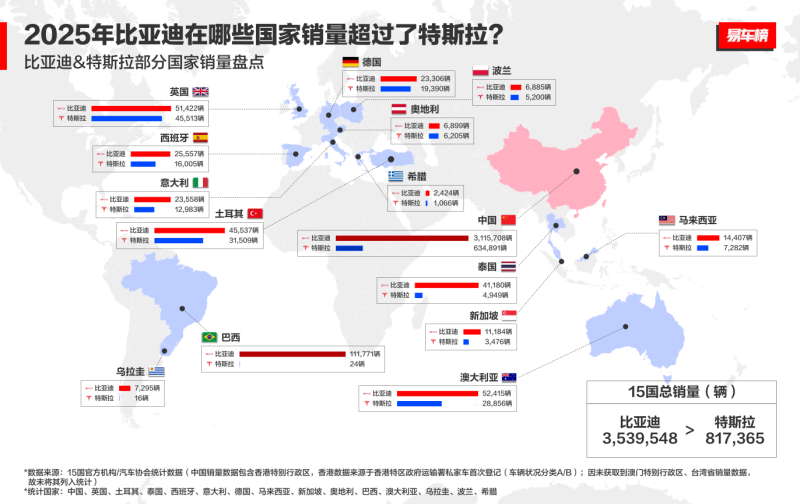
Core Insights - In 2025, BYD surpassed Tesla with a total of 2.257 million pure electric vehicle sales, marking a historic shift in the global electric vehicle industry [1] - This achievement reflects the systematic innovation and strategic globalization of Chinese automotive brands, establishing a leading position in the core track of the global automotive industry [1] Group 1: Technological Advancements - BYD's success is built on a robust full-industry chain technology moat, with key innovations such as the "Tian Shen Eye" driver assistance system and "Super e-platform Mega Flash Charging" [1] - The vertical integration of its supply chain ensures rapid iteration of technology and products, providing a competitive edge in global markets [1] Group 2: Market Performance - In Europe, BYD transitioned from a single product approach to a systematic breakthrough, achieving over 50,000 sales in the UK, a 485% year-on-year increase [3] - In traditional automotive strongholds like Germany, Spain, and Italy, annual sales exceeded 20,000 units [3] - In emerging markets like Turkey and Thailand, annual sales reached 45,000 and 41,000 units respectively, with local production significantly enhancing market dominance [3] Group 3: Global Expansion Strategy - BYD's dual strategy of "going global" and "localization" has led to its presence in 119 countries and regions, with overseas sales surpassing one million units in 2025 [4] - The establishment of production facilities in Thailand, Brazil, Uzbekistan, and the upcoming factory in Hungary reflects a commitment to localize operations, shorten delivery times, and meet market demands [4] - BYD's ascent signifies a new phase in global automotive competition, demonstrating the capability of the Chinese automotive industry to lead in technology-intensive high-end manufacturing [4]
多国销量超越特斯拉!比亚迪登顶全球纯电销量冠军,重构新能源汽车格局
Xin Lang Cai Jing· 2026-02-04 01:56
Core Insights - In 2025, BYD achieved a historic milestone by surpassing Tesla with annual sales of 2.257 million pure electric vehicles, becoming the global leader in the electric vehicle market [1][4] - This achievement is attributed to BYD's systematic innovation and strategic globalization, positioning Chinese automotive brands at the forefront of the global automotive industry [1][4] Group 1: Technological Advancements - BYD's success is built on a robust technological moat established over the years, featuring innovations like the "Heavenly Eye" driver assistance system and the "Super e-platform" for rapid charging [1][4] - The company's vertically integrated supply chain model ensures rapid iteration of technology and products, creating a competitive edge that is difficult to replicate [1][4] Group 2: Market Performance - In Europe, BYD transitioned from a single product focus to a comprehensive breakthrough, with sales in the UK exceeding 50,000 units, a staggering increase of 485% year-on-year [2][5] - In traditional automotive markets like Germany, Spain, and Italy, annual sales surpassed 20,000 units, reflecting the recognition of product quality and the effectiveness of localized sales and service networks [2][5] - In the Asia-Pacific region, BYD's dominance is evident, with annual sales reaching 45,000 units in Turkey and 41,000 units in Thailand, bolstered by the establishment of local manufacturing facilities [2][5] Group 3: Global Expansion Strategy - BYD's dual strategy of "going global" and "localization" has been pivotal, with its electric vehicles now present in 119 countries and regions, achieving overseas sales exceeding one million units in 2025 [3][6] - The company is expanding its production footprint internationally, with factories in Thailand, Brazil, and Uzbekistan already operational, and a facility in Hungary set to commence operations soon [3][6] - This localization strategy not only addresses complex external environments but also shortens delivery times and aligns with market demands, marking a significant shift from "product trade" to "industry rootedness" [3][6]
深圳创新四姐妹,2025年三大关键词
2 1 Shi Ji Jing Ji Bao Dao· 2025-12-31 13:03
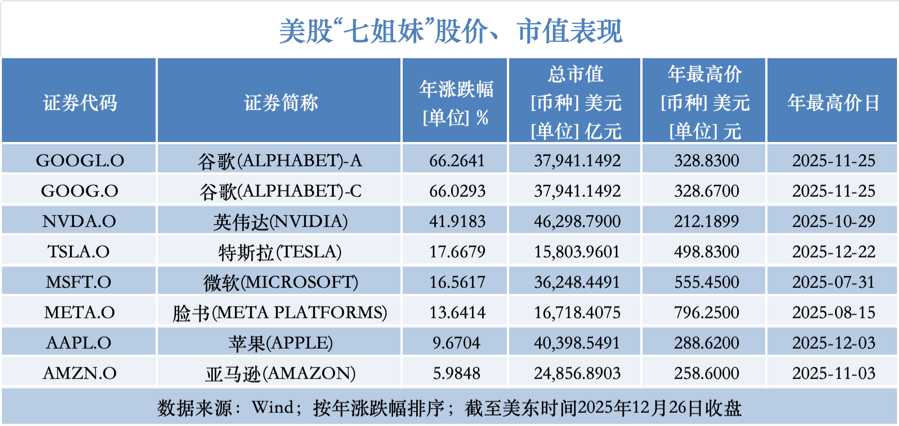
Core Viewpoint - The rapid development of artificial intelligence (AI) is prompting a revaluation of technology assets globally, with Shenzhen emerging as a focal point for investors seeking opportunities in China. The city has produced several leading tech giants, referred to as the "Four Sisters" of innovation: Huawei, Tencent, Ping An, and BYD, all of which have market capitalizations exceeding 1 trillion yuan and revenues above 600 billion yuan, with Ping An surpassing 1 trillion yuan in revenue for 2024 [1][2][4]. Group 1: Value Reassessment - The "Four Sisters" have experienced a collective value reassessment, with stock prices and market capitalizations reaching new highs. Excluding Huawei, which is not publicly listed, Tencent, Ping An, and BYD have all recorded significant stock price increases this year, benefiting from the narrative of asset revaluation in China [4][5]. - As of December 29, the average stock price increase for the "Four Sisters" was 44.87%, outperforming the average increase of 27.95% for the "Magnificent Seven" in the U.S. [5][6]. - Ping An's stock price rose by 52.25%, Tencent by 44.29%, and BYD by 10.47% this year, with all three companies achieving new market capitalization highs [7][9]. Group 2: AI Development - The "Four Sisters" are heavily investing in AI, engaging in a talent acquisition race and increasing R&D expenditures to secure a competitive edge in AI technology. For instance, Tencent has recruited top AI talent, while Huawei has launched a global recruitment initiative for AI experts [11][12]. - R&D spending has surged, with Huawei's R&D expenses reaching 96.95 billion yuan, accounting for 22.7% of its revenue, and Tencent's R&D expenditure hitting 22.82 billion yuan, a 28% increase year-on-year [12][13]. - Each company has adopted a differentiated approach to AI: Huawei focuses on foundational technologies, Tencent aims to integrate AI into its social applications, Ping An emphasizes AI in financial and healthcare services, and BYD incorporates AI into smart transportation solutions [15][16]. Group 3: Global Influence and Expansion - The global influence of the "Four Sisters" has increased, as evidenced by their improved rankings in the 2025 Fortune Global 500 and Kantar BrandZ lists. Ping An ranked 13th, Huawei 24th, BYD 27th, and Tencent 32nd in the Fortune list [16][17]. - BYD has surpassed Tesla to become the world's top electric vehicle seller, with exports growing by 144% year-on-year [16][17]. - Tencent's international gaming revenue grew by 43% to 20.8 billion yuan, while its cloud business has maintained high double-digit growth, serving a significant portion of leading overseas internet and gaming companies [17][18].

深圳创新四姐妹,2025年三大关键词
21世纪经济报道· 2025-12-31 12:50
Core Viewpoint - The rapid development of artificial intelligence (AI) is prompting a revaluation of technology assets globally, with Shenzhen emerging as a focal point for investors seeking opportunities in China. The city has produced several tech giants, referred to as the "Four Sisters" of innovation: Huawei, Tencent, China Ping An, and BYD, all of which have market capitalizations exceeding 1 trillion yuan and revenues above 600 billion yuan, with Ping An's revenue surpassing 1 trillion yuan in 2024 [1][2]. Group 1: Characteristics of the "Four Sisters" - The "Four Sisters" have experienced a collective revaluation, with stock prices and market capitalizations reaching new highs. Except for Huawei, which is not publicly listed, Tencent, Ping An, and BYD have all seen significant stock price increases this year, benefiting from the narrative of asset revaluation in China [3][4]. - The average stock price increase for the "Four Sisters" is 44.87% year-to-date, outperforming the average increase of 27.95% for the "Magnificent Seven" in the U.S. [4][5]. - Each of the "Four Sisters" has achieved record market capitalizations this year, with Tencent reaching a peak of 683 HKD per share and a market cap of 5.45 trillion HKD, while Ping An's market cap is around 1.3 trillion HKD [6][7]. Group 2: AI Investment and Strategy - The "Four Sisters" are heavily investing in AI, engaging in a talent acquisition race and increasing R&D expenditures. For instance, Huawei's R&D spending reached 96.95 billion yuan in the first half of the year, accounting for 22.7% of its revenue [8][9]. - Each company has a differentiated AI strategy: Huawei focuses on foundational technologies, Tencent integrates AI into its social applications, Ping An emphasizes AI in financial and healthcare services, and BYD incorporates AI into smart transportation solutions [12][13]. Group 3: Global Expansion and Influence - The global influence of the "Four Sisters" is on the rise, as evidenced by their improved rankings in the 2025 Fortune Global 500 and Kantar BrandZ lists. Ping An ranks 13th, Huawei 24th, BYD 27th, and Tencent 32nd [13][14]. - BYD has surpassed Tesla in global electric vehicle sales, exporting 878,000 units from January to November, a 144% increase year-on-year. Huawei operates in over 170 countries, while Tencent's international gaming revenue grew by 43% [14][15].

“深圳创新四姐妹”年终三重奏:价值重估、AI突围、全球拓局
2 1 Shi Ji Jing Ji Bao Dao· 2025-12-31 11:27
Core Viewpoint - The rapid development of artificial intelligence (AI) is prompting a revaluation of technology assets globally, with Shenzhen emerging as a focal point for investors seeking opportunities in China. The city has produced several leading tech giants, referred to as the "Shenzhen Innovation Four Sisters," including Huawei, Tencent, China Ping An, and BYD, all of which have market capitalizations exceeding 1 trillion yuan and revenues above 600 billion yuan [1][2]. Group 1: Performance and Market Trends - The "Shenzhen Innovation Four Sisters" have experienced significant stock price and market capitalization increases, benefiting from a narrative of asset revaluation in China. Notably, Tencent, Ping An, and BYD have all reached new highs in stock prices and market values this year [1][4]. - The average annual stock price increase for the "Four Sisters" is 44.87%, outperforming the average increase of 27.95% for the "Magnificent Seven" in the U.S. stock market [4][6]. - As of December 29, 2025, China Ping An's stock price increased by 52.25%, Tencent by 44.29%, and BYD by 10.47%, with Ping An leading the group [4][6]. Group 2: AI Development and Talent Acquisition - The "Four Sisters" are heavily investing in AI, with each company focusing on different aspects of AI technology to gain competitive advantages. They are engaged in a talent acquisition race to attract top AI professionals [9][10]. - Huawei's R&D expenditure reached 96.95 billion yuan in the first half of the year, accounting for 22.7% of its revenue, while Tencent's R&D spending in Q3 was 22.82 billion yuan, marking a 28% year-on-year increase [10][11]. - The companies are implementing differentiated AI strategies: Huawei focuses on foundational technologies, Tencent aims to reshape consumer services, Ping An emphasizes specialized AI services, and BYD integrates AI into smart mobility solutions [12][11]. Group 3: Global Expansion and Influence - The global influence of the "Four Sisters" is on the rise, as evidenced by their improved rankings in the 2025 Fortune Global 500 and Kantar BrandZ lists. China Ping An ranks 13th, Huawei 24th, BYD 27th, and Tencent 32nd in the Fortune list [12][13]. - BYD has surpassed Tesla to become the top seller of electric vehicles globally, with exports reaching 878,000 units from January to November, a 144% increase year-on-year [13][14]. - Tencent's international gaming revenue grew by 43% to 20.8 billion yuan in Q3, while Huawei's wearable device shipments exceeded 200 million units globally, maintaining a leading position in the market [13][14].
当传统巨头收缩战线:比亚迪的研发“豪赌”为何赢了?
经济观察报· 2025-12-03 14:22
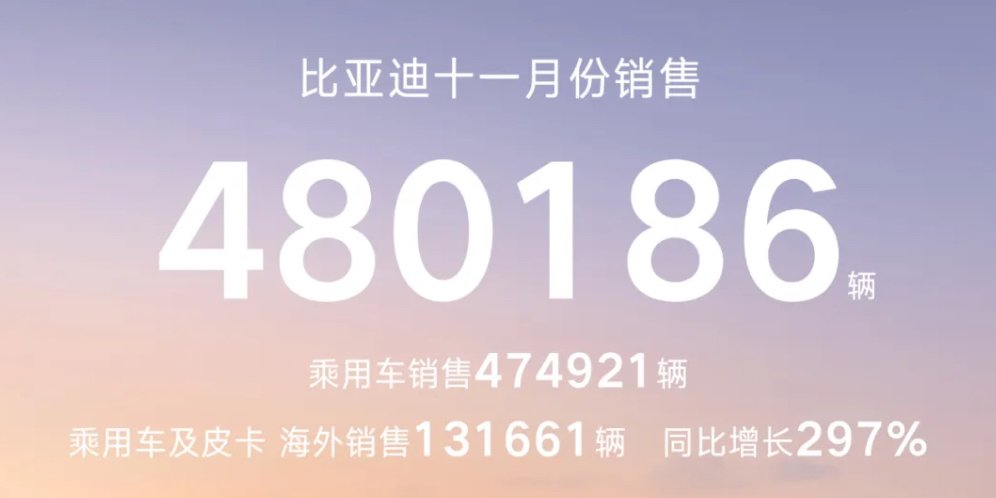
Core Viewpoint - BYD demonstrates a long-term commitment to R&D, with investments exceeding net profits for 13 out of the last 14 years, driving its sales to rank among the top five globally, showcasing a "technology is king" strategy [1][5]. Group 1: Sales Performance - In November, BYD achieved a record monthly sales of 480,000 new energy vehicles, marking a significant year-end sales push [2]. - Cumulatively, BYD's sales reached 4.182 million units in the first 11 months, reflecting an 11.3% year-on-year growth, maintaining its leading position in the industry [2][3]. Group 2: R&D Investment - BYD's R&D expenditure for the first three quarters of this year reached 43.7 billion yuan, a 31% increase year-on-year, positioning it as a leader in R&D investment among global automakers [3]. - Over the past decade, BYD has invested over 220 billion yuan in R&D, ranking it among the top in A-share listed companies [5]. - The company's R&D spending has consistently exceeded its net profits, emphasizing its focus on long-term technological advantages [5]. Group 3: Competitive Landscape - Chinese automakers, including BYD, are experiencing positive performance while traditional foreign automakers face challenges, indicating a shift in the industry dynamics [3][5]. - While Chinese companies are increasing R&D investments, traditional foreign automakers like Volkswagen and BMW are reducing their R&D budgets, potentially compromising their future competitiveness [5]. Group 4: Technological Advancements - BYD's innovations, such as the Tian Shen Eye driver assistance system and the Super e-platform, are enhancing its product competitiveness [8]. - In the battery sector, BYD ranked second globally in electric vehicle battery usage in Q3, with a 28.4% year-on-year growth [8]. Group 5: Global Expansion - BYD's overseas sales reached 700,000 units in the first three quarters, a 136% increase year-on-year, becoming a significant growth driver for the company [12]. - The company's global presence is expanding, with its products integrated into various international markets, showcasing its competitive edge in the global automotive landscape [12].
当传统巨头收缩战线:比亚迪的研发“豪赌”为何赢了?
Jing Ji Guan Cha Wang· 2025-12-03 09:37
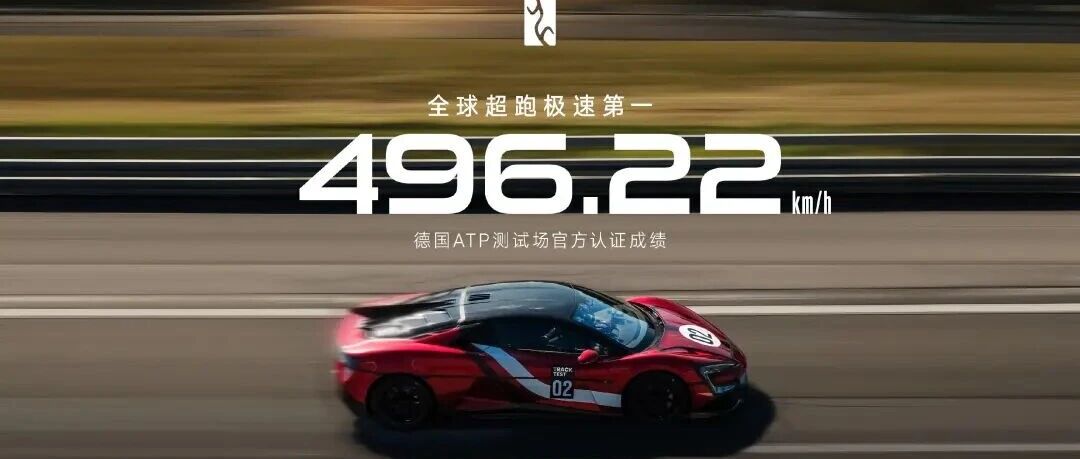
Core Insights - The November sales data highlights the strong performance of China's electric vehicle (EV) industry, with BYD achieving a record monthly sales of 480,000 units, marking a year-high [1] - BYD's cumulative sales for the first eleven months reached 4.182 million units, reflecting a year-on-year growth of 11.3%, maintaining its leading position in the industry [1] - A divergence in performance is noted between Chinese automakers, led by BYD, and foreign giants, with the former showing robust growth while the latter struggles [1][4] Sales Performance - In November, BYD's sales reached 480,000 units, while other major players like SAIC and Geely also reported strong sales figures [1] - BYD's cumulative sales for the first eleven months of the year reached 4.182 million units, a year-on-year increase of 11.3% [1] R&D Investment - BYD's R&D expenditure for the first three quarters of the year was 43.7 billion yuan, a 31% increase year-on-year, positioning it as a leader in R&D investment among global automakers [1][4] - Over the past decade, BYD has invested over 220 billion yuan in R&D, consistently prioritizing technology as a core strategy [4] - In contrast, traditional foreign automakers like Volkswagen and BMW have reduced their R&D spending, indicating a more conservative approach to innovation [4] Technological Advancements - BYD has introduced innovative technologies such as the Tian Shen Eye driver assistance system and the Super e-platform, enhancing its product competitiveness [6] - The company ranks second globally in electric vehicle battery usage, with a total of 55.1 GWh in the third quarter, reflecting a year-on-year growth of 28.4% [6] Market Expansion - BYD's energy storage systems have positioned it among the top three globally, with significant projects like the largest energy storage project in Germany [7] - The company has seen a 136% year-on-year increase in overseas sales, reaching 700,000 units in the first three quarters, contributing significantly to its growth [11] Brand Development - BYD's high-end brand strategy has led to rapid increases in sales and market share, enhancing its global influence and technological authority [9] - The U9 Xtreme model has set a world record for electric vehicles, showcasing BYD's technological prowess and elevating the brand's status in the automotive industry [9]
1200万辆之后,中国新能源汽车靠什么增长?
Bei Jing Ri Bao Ke Hu Duan· 2025-11-06 13:16
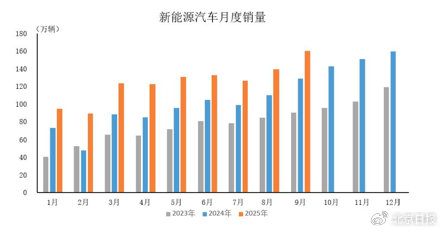
Core Insights - The Chinese new energy vehicle (NEV) industry has shown strong growth since the "14th Five-Year Plan," with annual production and sales exceeding 12 million units, enhancing core competitiveness and contributing to high-quality economic development [1] - The automotive industry is undergoing a transformation from traditional industrial expansion to a technology-driven model, focusing on innovation and quality improvement [1][3] - In September, NEV production reached 1.617 million units and sales reached 1.604 million units, marking year-on-year increases of 23.7% and 24.6% respectively [1][3] - BYD has achieved cumulative global sales of 3.26 million units from January to September, a year-on-year increase of 18.64%, and has completed 70.87% of its annual sales target [3][5] Industry Growth - The NEV market is shifting from policy-driven to market-driven, indicating increasing consumer acceptance [3] - The total production of NEVs in the first three quarters of 2025 reached 11.243 million units, with sales of 11.228 million units, reflecting year-on-year growth of 35.2% and 34.9% respectively [1] Technological Innovation - Technological advancements have led to improvements in battery range, charging efficiency, energy consumption, and intelligence levels, enhancing product competitiveness [3][5] - BYD's R&D expenses reached 43.75 billion yuan, a 31% increase year-on-year, with total R&D investment exceeding 220 billion yuan [5] - The introduction of the "Tiangshen Eye" advanced driving assistance system has significantly contributed to BYD's sales, with over 1.7 million units sold since its launch [3][5] User-Centric Development - BYD's focus on technology innovation addresses user needs for safety, efficiency, and environmental sustainability, creating a strong link between user demand and industry development [3][11] - The fifth-generation DM technology has achieved a thermal efficiency of 46.06% and a fuel consumption of 2.6 liters per 100 kilometers, directly responding to user demands for lower operating costs [7][9] - BYD's "Yunlian" intelligent vehicle body control system and "Tiangshen Eye" system enhance driving comfort and safety, making advanced features accessible to more consumers [9][11]