黄金定投

Search documents
2026年黄金还能买吗?机构观点、投资方式与风险提示全解析
Sou Hu Cai Jing· 2026-02-05 13:37
Market Trends - The consensus among major institutions is that gold prices will exhibit "high-level fluctuations with structural upward trends" in 2026, with differing views on target prices and volatility [2] - The World Gold Council predicts that gold prices will remain strong, supported by stable economic conditions and potential Federal Reserve rate cuts, maintaining a ±5% fluctuation; in optimistic scenarios, prices could rise by 15%-30%, potentially exceeding $6000 per ounce [2] - UBS has raised its quarterly target price for 2026 to $6200 per ounce, citing unexpected investment demand, while Goldman Sachs projects a year-end target of $5400 per ounce, with extreme conditions possibly reaching $6000; JPMorgan forecasts a long-term price of $8000-$8500 but warns of short-term overbought risks [2] Core Drivers for Price Increase - Four main drivers are identified to support the upward movement of gold prices: 1. Central bank gold purchases have become normalized, with a net purchase of 863 tons in 2025 and an expected monthly average of 60-70 tons in 2026, driven by emerging markets' "de-dollarization" strategies [3] 2. The Federal Reserve's anticipated rate cuts, expected to total 50-75 basis points in 2026, will lower holding costs and weaken the dollar's credit, encouraging investment in gold [3] 3. Geopolitical risks, including the Russia-Ukraine conflict and Middle Eastern tensions, highlight gold's role as a safe-haven asset amid policy uncertainties from the U.S. elections [3] 4. An expanding supply-demand gap, with projected gold demand of 5270 tons against a supply of only 4950 tons, further strengthens support for prices [3] Investment Strategies for Different Investor Types - For novice investors, gold ETFs and gold dollar-cost averaging are recommended due to their low entry barriers and risks; gold ETFs can be traded through brokerage accounts and offer tax benefits, while gold dollar-cost averaging helps mitigate volatility [5] - Risk-averse investors should focus on investment-grade gold bars, which are exempt from VAT and have lower costs compared to jewelry; a recommended allocation is no more than 20% of total assets [6] - Experienced investors may consider gold futures, which involve higher risks and require strict stop-loss measures; trading platforms may offer cost advantages for spot gold transactions [7] Decision-Making Recommendations - Gold is positioned as a "hedging tool" rather than a short-term speculative asset; long-term investment is supported by ongoing central bank purchases, expected Fed rate cuts, and persistent geopolitical risks [8] - Ordinary investors should adhere to key operational principles, including cost control, diversified allocation, and avoiding emotional trading decisions; continuous monitoring of macroeconomic data and institutional insights is essential for dynamic portfolio adjustments [9]
黄金核心知识与投资指南
Sou Hu Cai Jing· 2026-02-05 11:49
Core Insights - The article emphasizes the importance of understanding gold investment through various dimensions, including fundamental recognition, price logic, investment varieties, institutional predictions, and risk control [1] Group 1: Fundamental Recognition - Gold possesses three core financial attributes: commodity, currency, and safe-haven asset, which influence its price based on supply-demand dynamics, central bank reserves, and market risk [2] - Gold can be categorized into three main types: physical gold (jewelry, investment bars/coins), exchange-traded products (like gold T+D and futures), and derivatives (such as gold ETFs and options) [3] Group 2: Price Logic - The Federal Reserve's monetary policy is a key variable affecting gold prices, with a strong negative correlation to real interest rates; a forecasted rate cut of 50-75 basis points in 2026 is expected to support gold prices [4] - Supply-demand dynamics indicate that global gold production is nearing peak levels, with a projected supply-demand gap of 320 tons by 2026, while central bank purchases are expected to provide structural support [5] - As of February 5, 2026, gold prices are reported at $4866.55 per ounce in the international market and 1095 CNY per gram in the domestic market, reflecting recent declines [6] Group 3: Investment Varieties - Conservative investors are advised to choose low-premium bank investment bars or gold ETFs, while those with higher risk tolerance may consider gold T+D or futures, but should be cautious of leverage risks [7] - Gold ETFs track spot gold prices and allow for intraday trading, while gold regular investment involves periodic purchases to average costs, suitable for long-term holding [8] Group 4: Institutional Predictions - Institutions generally have a positive long-term outlook for gold prices, with UBS raising its 2026 target to $6200 per ounce, while Goldman Sachs predicts $5400 per ounce, and JPMorgan forecasts $8000-$8500, albeit with short-term volatility risks [9][10] - Common drivers supporting gold prices include Fed rate cuts, central bank purchases, and supply-demand gaps, while short-term risks may arise from market corrections and speculative trading [10] Group 5: Risk Control - It is recommended that gold should constitute 5%-15% of total assets, serving as a stabilizing component rather than a primary source of returns, with strategic buying during price dips [11] - Investors should be aware of price volatility, product selection risks, and liquidity issues associated with physical gold, emphasizing the importance of long-term trends over short-term fluctuations [12]
巴菲特:做投资的关键不是聪明,而是敢出手
聪明投资者· 2025-11-09 02:07
Group 1 - The article emphasizes the importance of stable investment products, particularly in the current market environment where investors are more sensitive to drawdowns and risk management [2][3] - It highlights the collaboration between Smart Investors and Guotai Fund in the "Midnight Diner" series, which has been ongoing for four years, reflecting a commitment to providing reliable investment insights [2] - The article suggests that despite the volatility in technology and energy sectors, a stable investment remains a crucial anchor for investors, often underestimated in its strength [3] Group 2 - The article mentions key insights from the APS 30th anniversary forum, including discussions on the rare earth market, institutional resilience, and the reassessment of the China-US landscape [4] - It features an exclusive interview with Zhang Yidong, who advocates for a patient long-term investment strategy, suggesting that the upcoming AI market will likely lead growth in large-cap stocks, with both emerging and traditional sectors expected to perform well next year [4] - Liu Yuhui's recent commentary indicates that the sentiment in the A-share market is unlikely to be aggressive as it approaches the year-end, with a focus on four key sectors and gold as a preferred stable investment asset [4]


果然财评|税收新政后,普通人应该怎样买黄金?越调整越要买?
Sou Hu Cai Jing· 2025-11-05 10:12
Core Viewpoint - The new gold tax policy, effective from November 1, 2025, aims to regulate the gold market by categorizing gold transactions into "investment" and "non-investment" types, potentially leading to an increase in retail prices of investment gold bars and widening the buy-sell price gap [2] Group 1: Tax Policy Implications - The new tax policy will exempt value-added tax (VAT) on standard gold traded on exchanges, while non-exchange transactions will incur VAT, promoting a more regulated and transparent market [2] - For ordinary consumers, tax costs are a significant factor in choosing investment channels, with lower costs available through exchange member units compared to non-exchange channels [2] Group 2: Investment Options and Strategies - Physical gold is a direct investment method, but gold jewelry is not suitable for pure investment due to high premiums and potential depreciation [3] - Gold ETFs offer liquidity, low transaction costs, and no storage costs, making them accessible for ordinary investors [3] - Gold dollar-cost averaging is recommended to mitigate risks associated with price volatility, allowing investors to smooth costs over time [3] Group 3: Market Trends and Recommendations - Experts suggest that the proportion of gold assets in total household assets should be controlled, with conservative investors keeping it under 5% and aggressive investors under 10% [4] - Gold serves as a hedge against inflation and credit currency risks, typically moving inversely to stock markets, thus providing risk diversification [4] - Central banks globally are increasing their gold reserves, with a reported net purchase of 634 tons in the first three quarters of 2025, indicating a trend towards asset diversification and geopolitical risk management [4] Group 4: Market Risks and Investor Behavior - Ordinary investors should be cautious of short-term market volatility, as current gold prices are at historical highs, with signs of market overbuying [5] - The tax adjustment is seen as a means to standardize transactions rather than alter value, with historical data indicating that gold prices will ultimately align with core economic factors [5] - Investors are advised to consider their risk tolerance and investment horizon when selecting gold products and channels, ensuring that gold serves as a stabilizing asset in their portfolio [5]
金价跌到550元/克,是抄底良机还是陷阱?投资者该何去何从?
Sou Hu Cai Jing· 2025-11-04 07:16
Core Viewpoint - The international gold price experienced significant volatility in 2025, reaching historical peaks before a sharp decline, leading to uncertainty among investors regarding future trends and strategies [1][3]. Price Fluctuations - In 2025, international gold prices surged past $4100, $4200, and $4300 per ounce, but on October 21, a historic drop occurred with a single-day decline of 5.74%, causing prices to fall below $4000 [1][3]. - Domestic gold prices also reflected this volatility, with the price of gold jewelry dropping from 1294 yuan per gram to below 1200 yuan [1]. Influencing Factors - The Federal Reserve's monetary policy played a crucial role, with multiple interest rate cuts in 2025, but hawkish comments from Chairman Powell increased market volatility [3]. - Geopolitical developments, particularly statements from Ukrainian President Zelensky about ending the Russia-Ukraine conflict, reduced safe-haven demand, leading to capital withdrawal from precious metals [3]. - A strengthening dollar further pressured gold prices, as it increased the cost of purchasing gold for investors holding other currencies [3]. Investor Sentiment - The dramatic fluctuations in gold prices have caused significant distress among investors, with reports of substantial losses within short time frames [4]. - The volatility has even impacted personal decisions, such as marriage plans, due to the uncertainty surrounding gold purchases [4]. Institutional Perspectives - Despite the recent price corrections, many financial institutions remain optimistic about gold's long-term prospects, with UBS predicting a rebound to $4200 per ounce by year-end [5]. - Conversely, Citibank analysts express caution, suggesting a potential drop to $3800 within the next three months, while Bloomberg's commodity strategists foresee a possible 20% to 30% correction [5]. Investment Strategies - Experts recommend a cautious and strategic approach to gold investment, emphasizing the importance of asset allocation and long-term planning [6]. - Suggestions include maintaining a gold allocation of 5% to 10% of total assets, with varying strategies based on risk tolerance, such as physical gold for low-risk investors and gold ETFs for medium-risk investors [6][7].
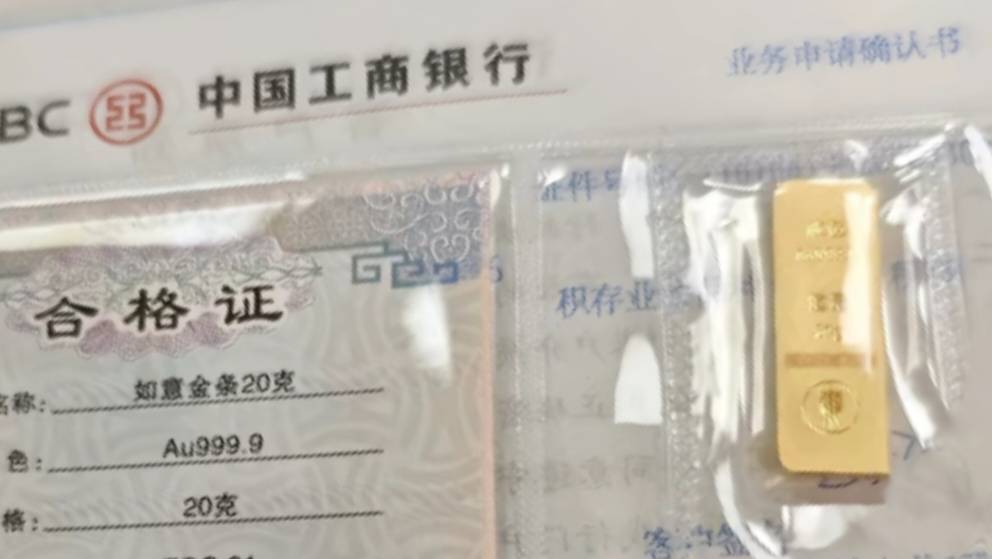
美元真要玩火自焚?美联储急印钞,但人民币的目标不止"打败美元"
Sou Hu Cai Jing· 2025-10-18 12:17
Group 1: Gold Market Dynamics - The gold market is experiencing significant price increases, with domestic gold prices surpassing 1245 RMB per gram, marking a nearly 7.3% rise in just six days [3] - International gold prices have also reached new highs, with New York futures and London spot prices exceeding 4000 USD per ounce during the National Day holiday [3] - The surge in gold prices is primarily driven by global concerns over the credibility of the US dollar, as evidenced by a 3% drop in the dollar index to 99.01 [5] Group 2: Economic Indicators and Monetary Policy - Weak economic data in the US, including a March CPI of 2.4% and a mere 22,000 increase in non-farm employment in August, has led to expectations of four interest rate cuts by the Federal Reserve in 2025 [5] - The US national debt is approaching 38 trillion USD, with daily debt increases of 6 billion USD, raising concerns about fiscal sustainability [9] - Moody's downgraded the US sovereign debt rating from Aaa to Aa1 due to concerns over fiscal sustainability [9] Group 3: Shift Towards De-dollarization - The trend of de-dollarization is gaining momentum, with countries like Saudi Arabia and China moving towards accepting RMB for oil transactions [11][13] - The share of RMB in international payments is increasing, reflecting a decline in the dollar's dominance in bilateral trade [13] - The RMB has become the largest settlement currency for China's foreign trade, with cross-border RMB payments reaching 35 trillion RMB in the first half of 2025, a 14% year-on-year increase [15][17] Group 4: Impact on Investment Behavior - The rising gold prices have led to increased costs in the wedding market, with gold and silver jewelry CPI rising by 18.6% year-on-year in March 2025 [22] - Investors are shifting from the stock market to gold, as evidenced by a 28% fluctuation in the Shanghai Composite Index in the first half of 2025 [22] - The increasing attractiveness of RMB assets provides more diverse investment options for ordinary individuals, benefiting from the inflow of foreign capital [25]
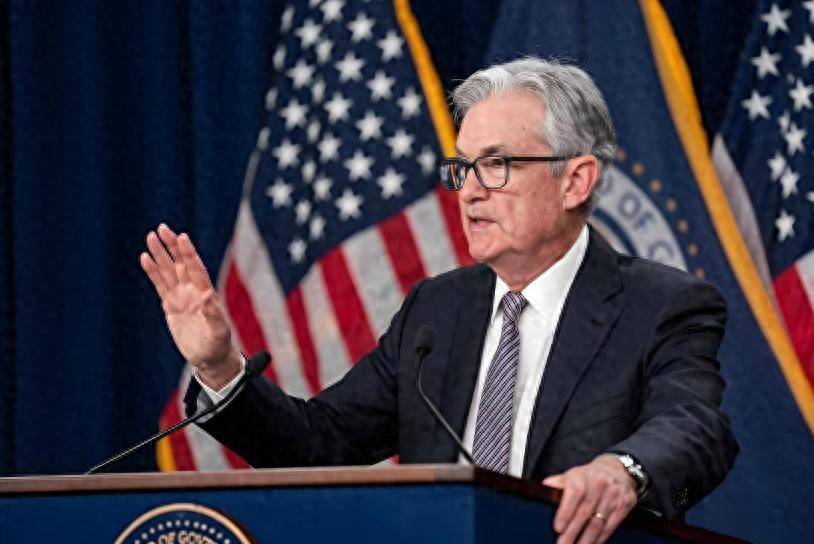
美联储降息预期下黄金能否逆袭?2025年潜力平台与风险预警
Sou Hu Cai Jing· 2025-05-16 02:30
Group 1 - The core reason for the recent decline in gold prices is attributed to the aftermath of the Federal Reserve's aggressive interest rate hikes, which have increased the real interest rates of the dollar, diminishing the appeal of gold as a non-yielding asset [1] - Global risk aversion has decreased due to the easing of the Russia-Ukraine conflict and reduced recession expectations, leading to a shift of funds from gold to riskier assets like the stock market [1] - Central bank gold purchases have slowed down after record buying in 2022-2023, resulting in a stabilization of demand in 2024 [1] Group 2 - Short-term pressures on gold prices are expected, but it still holds long-term investment value, especially if the U.S. economy achieves a "soft landing," which may lead to continued price stabilization [2] - There is potential for a favorable shift in gold prices as the market anticipates a possible interest rate cut by the Federal Reserve in 2025, which could renew interest in gold as an inflation hedge [2] Group 3 - Ongoing geopolitical risks in regions like the Middle East and East Asia may lead to periodic surges in demand for gold as a safe-haven asset [3] Group 4 - For ordinary investors, a strategy of gradual accumulation is recommended to avoid single-sided bets, while aggressive investors should consider futures and ETFs but must manage leverage risks carefully [4] Group 5 - Five recommended legal gold trading platforms in China include the Shanghai Gold Exchange, which offers low transaction fees and supports physical delivery, making it suitable for long-term investors and institutions [6] - Bank channels like Industrial and Commercial Bank of China and China Construction Bank provide accessible gold investment options with low entry thresholds, ideal for beginners [6] - The Shanghai Futures Exchange offers high liquidity and supports both long and short positions in gold futures [7] - Digital platforms like Alipay and WeChat provide flexible investment options starting from 1 yuan, suitable for small-scale investors [9] - Other compliant platforms include China Gold Investment Gold Bars and various gold ETFs from Southern Fund and Guotai Junan [12] Group 6 - Investors should be cautious of high-risk traps, including offshore platforms that promise high leverage and zero fees, which often lead to unregulated gambling-like trading [13] - Virtual scams that lure investors through "gold trading groups" and manipulate data behind the scenes pose significant risks [14] - Non-licensed sales through certain P2P platforms have led to multiple failures, highlighting the importance of regulatory compliance [15]