
Zheng Quan Shi Bao

Search documents
增值税法实施条例明年起施行 完善税收优惠
Zheng Quan Shi Bao· 2025-12-30 18:22
Core Viewpoint - The implementation of the Value-Added Tax (VAT) Law Regulation aims to refine the VAT system in China, effective from January 1, 2026, with detailed provisions on taxpayer classification, tax rates, tax calculation methods, tax incentives, and management measures [1][2]. Group 1: Taxpayer and Tax Scope - The regulation specifies the scope of taxable transactions, including goods, services, intangible assets, and real estate, while clarifying the standards for different types of taxpayers [1]. - It further defines the criteria for general taxpayers and small-scale taxpayers, as well as the specific circumstances under which services and intangible assets are consumed domestically [1]. Group 2: Tax Rate Application - The regulation clarifies the range of export goods eligible for a zero tax rate and the specific conditions under which cross-border sales of services and intangible assets apply a zero tax rate [1]. - It also establishes principles for applying tax rates and collection rates when a taxable transaction involves multiple rates [1]. Group 3: Tax Calculation Methods - The regulation outlines the specific types of VAT deduction certificates and the methods for deducting input VAT [1]. - It details how tax authorities will determine the sales volume of taxpayers and clarifies the rules for input VAT deductions in special circumstances [1]. Group 4: Tax Incentives - The regulation specifies the standards for various VAT exemption projects and outlines the scope, standards, and conditions for applying VAT incentive policies [1]. - It mandates that the Ministry of Finance and tax authorities assess the effectiveness of VAT incentive policies and report to the State Council for timely adjustments [1]. Group 5: Management Measures - The regulation further clarifies the registration requirements for general taxpayers, the requirements for issuing special VAT invoices, and the timing of tax obligations [2]. - It also includes provisions for export tax refunds (exemptions) and the sharing of tax-related information [2].
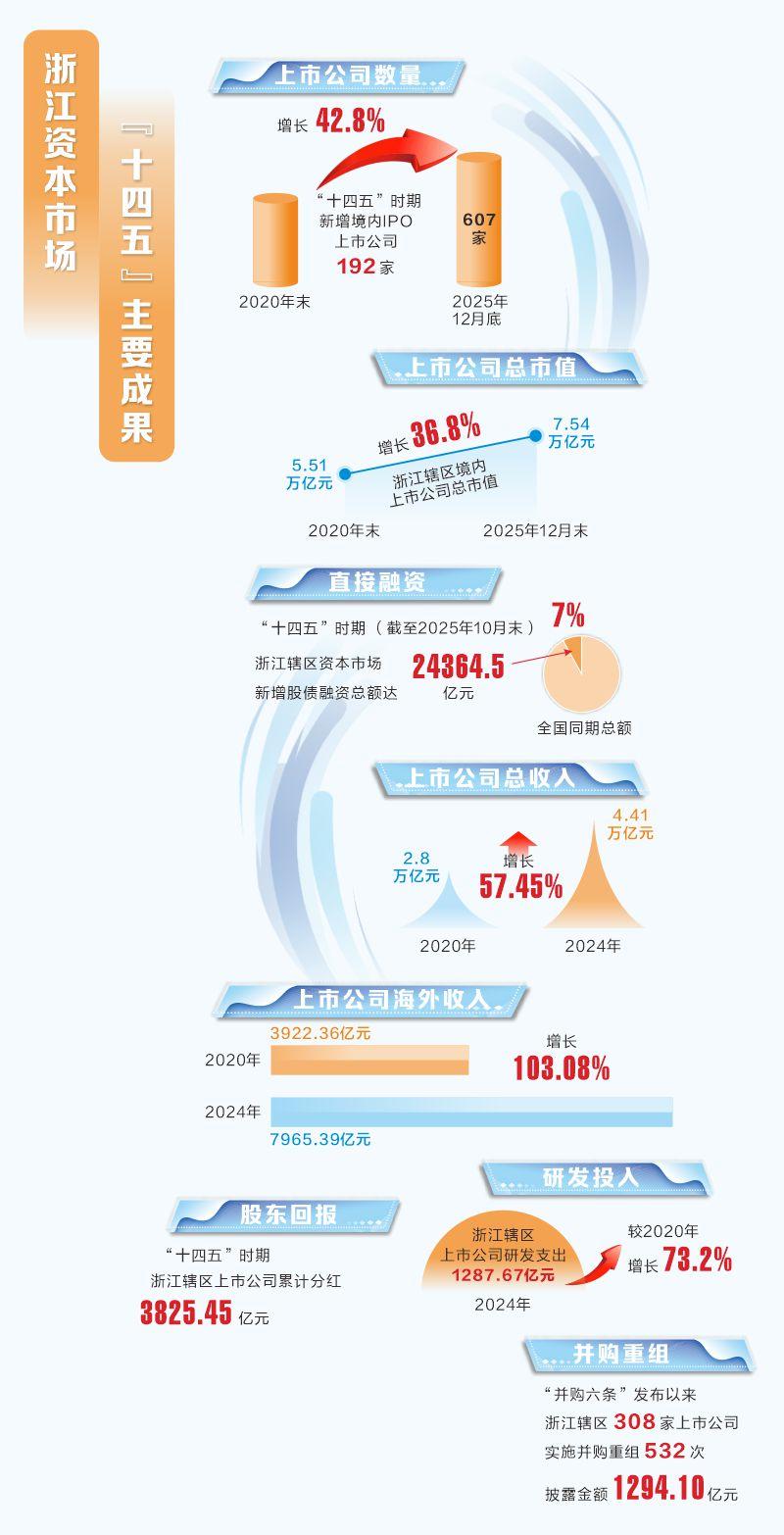
决胜“十四五” 擘画“十五五”·地方资本市场高质量发展之浙江篇:资本为翼、科创为核 “凤凰行动”牵引浙江产业跃升
Zheng Quan Shi Bao· 2025-12-30 18:22
清 上市公司到 江赏本市 增长 42.8% HE+ "十四五"时期 新增境内IPO 607 家 上市公司 L 192家 主题成 2020年末 2025年 12月底 市公司总市值 == 7.54 端长 36.8% 万亿元 5.51 万亿元 上市公司总市值 2025年12月末 2020年末 直接融资 7% "十四五"时期(截至2025年10月末) 24364.5 浙江辖区资本市场 新增股债融资总额达 亿元 全国同期总额 上市公司总收人 4.41 月亿元 2.8 te K 万亿元 2020年 2024年 上市公司海外收 3922.36亿元 增长 2020年 103.08% 2024年 0017 = 作为中国资本市场的重要增长极与组成部分,浙江资本市场上市公司群体庞大、新兴产业占比高,多元资本服务 生态协同模式成熟,债券、REITs等金融工具创新成效显著。"十四五"时期的成果不仅筑牢了浙江特色现代化产业 体系的资本根基,更为全国地方资本市场服务新质生产力、打通"资本—实体"循环提供了示范性经验。展望"十五 五",浙江将进一步精准有效发挥资本市场服务功能,为因地制宜大力发展新质生产力、加快构建浙江特色现代化 产业体系提 ...

八大关键词见证 2025私募业规模、质量双升
Zheng Quan Shi Bao· 2025-12-30 18:20
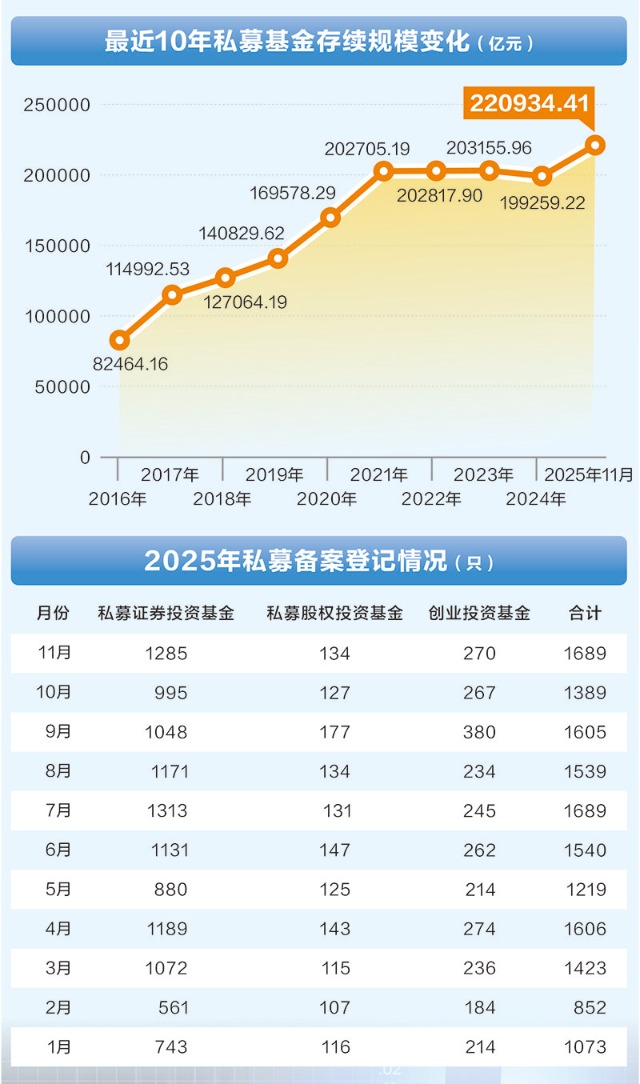
Core Insights - The private equity industry in 2025 experienced a recovery and restructuring phase, with the total management scale surpassing 22 trillion yuan, marking a significant rebound from previous downturns [5][6] - The industry is witnessing a concentration effect, with leading firms gaining more market share amid stricter regulations and a more rational investor base [5][10] Group 1: Industry Growth and Scale - By the end of November 2025, the private equity fund scale reached 22.09 trillion yuan, up from 19.91 trillion yuan at the beginning of the year, indicating a net increase of over 2 trillion yuan within the year [6][7] - The private securities investment funds have been the primary driver of this growth, with their scale increasing from 5.21 trillion yuan at the start of the year to 7.04 trillion yuan by November [6][7] Group 2: Market Dynamics and Investor Behavior - The recovery in private equity scale is attributed to a rebound in the stock market, leading to improved performance of private equity funds, which in turn has shifted investor risk preferences towards more selective and proactive asset allocation [7][10] - The number of private equity firms with over 100 billion yuan in assets has increased significantly, with 113 firms reported by the end of October 2025, indicating a return to the "double hundred" era [8][10] Group 3: Fundraising Trends - The number of newly registered private equity funds showed a notable increase, with 1,689 new funds registered in July 2025, marking the highest monthly registration in nearly four years [10][11] - There is a pronounced disparity in fundraising, with top-tier quantitative firms significantly outperforming mid-tier and lower-tier managers, reflecting a stronger "Matthew effect" in fundraising dynamics [10][11] Group 4: Quantitative Strategies and AI Integration - Quantitative strategies have gained prominence, particularly in small-cap indices, with some products achieving over 50% returns in 2025, driven by favorable market conditions [11][12] - AI technology is increasingly integrated into the quantitative investment process, enhancing data analysis and decision-making capabilities, thus reshaping the competitive landscape of the industry [15][16] Group 5: Regulatory Environment and Industry Consolidation - The regulatory framework for algorithmic trading has been strengthened, promoting transparency and fair competition within the market, which is expected to lead to a healthier long-term development of the capital market [13][14] - The number of private equity managers that have been deregistered reached 1,118 in 2025, indicating a significant industry cleanup and a shift towards compliance and sustainable operations [17][18]
科创板第600家公司上市 强一股份十年攻坚打破垄断
Zheng Quan Shi Bao· 2025-12-30 18:20
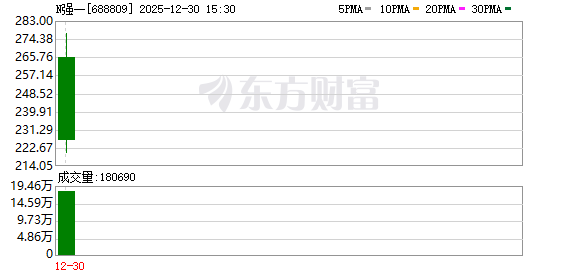
Core Insights - Strong One Co., Ltd. officially became the 600th listed company on the Sci-Tech Innovation Board, marking a significant milestone in its journey from facing technological barriers to becoming a top player in the global semiconductor probe card industry [2][3] - The company has successfully developed its own technology and patents, achieving a total of 182 domestic invention patents by September 30, 2025, and has positioned itself among the top six globally in the probe card sector [3][4] Company Development - The probe card industry has been historically dominated by foreign manufacturers, creating significant challenges for domestic companies due to technology and material barriers [3] - Strong One was founded in 2015 with the mission to provide China with independent choices in semiconductor core hardware, leading to a decade-long effort to overcome technical challenges [3][4] Technological Advancements - The company emphasizes the importance of long-term commitment to core technology for achieving self-sufficiency in the semiconductor industry [4] - Strong One has made breakthroughs in 2D/2.5D MEMS probe cards, enhancing product performance in terms of current tolerance and testing lifespan, which supports the development of domestic chip industries [4] Strategic Initiatives - Following its listing, Strong One plans to invest raised funds into R&D and production projects in Nantong and Suzhou, creating a closed-loop system of "R&D—Production—Validation" [5][6] - The Nantong project focuses on expanding high-end probe card production capacity, while the Suzhou project aims at advancing core technology and domestic material substitution [5][6] Competitive Advantages - Strong One's competitive edge lies in its technology, cost-effectiveness, and service quality, with a focus on local production and rapid delivery of customized solutions [6] - The company has established stable orders with over 400 domestic clients in chip design, wafer foundry, and packaging testing sectors, enhancing its market position [6] Market Outlook - The semiconductor industry is expected to see sustained demand growth, driven by emerging sectors like cloud services and artificial intelligence, alongside domestic and global capacity expansions [7] - Strong One anticipates a shift in the competitive landscape, with domestic manufacturers gaining market share due to technological advancements and local service advantages [7] Future Plans - The company aims to maintain high R&D investment, focusing on the development of advanced MEMS and high-frequency probe cards, while exploring potential mergers and acquisitions to enhance industry collaboration [8] - Strong One's goal is to become a globally competitive domestic probe card manufacturer, contributing to the self-sufficiency of China's semiconductor hardware [8]
年度行情今日收官 十家券商金股组合收益率超百分之五十
Zheng Quan Shi Bao· 2025-12-30 18:19
Core Insights - The article highlights the performance of brokerage firms' recommended stocks, known as "golden stocks," which have achieved over 50% returns in 2025, with some firms excelling by identifying and recommending stocks early in their upward trends [1][3]. Group 1: Performance of Golden Stocks - As of December 29, 2025, 10 brokerage firms' golden stock portfolios recorded returns exceeding 50%, with the highest being 83.73% from Guoyuan Securities [3]. - Other notable performers include Northeast Securities and Kaiyuan Securities, with returns of 67.47% and 67%, respectively [3]. - The golden stock strategy has become a mature business for many brokerage firms, showcasing their research capabilities and market insights [3]. Group 2: Strategies for Success - Early identification of stocks at low prices and consistent recommendations have been key strategies for achieving high returns [4]. - For instance, Kaiyuan Securities recommended Xinyisheng for four consecutive months, resulting in a total increase of 440% from May to August [5]. - Guoyuan Securities focused on sectors like media, pharmaceuticals, and machinery, with significant monthly gains from stocks like Giant Network and JiBit [4]. Group 3: Popularity of Tencent - Tencent Holdings emerged as the most recommended stock, being favored by around seven brokerage firms monthly, making it the top "golden stock" of the year [2][6]. - The popularity of stocks varies by quarter, with technology stocks dominating in the first quarter, consumer stocks in the second, financial stocks in the third, and a return to technology stocks in the fourth quarter [6]. Group 4: Market Trends and Recommendations - The article notes that not all popular stocks achieve high success rates, with less than 40% of the most recommended A-share stocks showing gains in the same month they were recommended [7].







时报观察 | 科技巨头密集并购 抢占技术人才生态高地
Zheng Quan Shi Bao· 2025-12-30 18:19
Group 1 - Meta announced the acquisition of AI startup Manus for several billion dollars, following its $15 billion acquisition of Scale AI six months prior, indicating a strategic focus on AI through mergers and acquisitions [1] - The core logic of these acquisitions is to use capital to overcome innovation bottlenecks, with Scale AI providing essential infrastructure for training large models and Manus offering scalable capabilities in general AI Agent technology [1][2] - The acquisitions aim to secure technology, talent, and ecosystem advantages, positioning Meta to effectively counter competitors like Microsoft and Google [2] Group 2 - The talent acquisition aspect is a critical motivation behind these mergers, as acquiring companies directly brings in top-tier teams, bypassing traditional recruitment inefficiencies [2] - Meta's strategy includes building ecological barriers, with the acquisitions forming a complementary strategy to resist competitive pressures and avoid being vulnerable to supply chain disruptions [2] - The success of these large-scale acquisitions hinges on the ability to integrate the acquired companies effectively, as this will determine the long-term viability of the investments [2]

手机“贾维斯”元年将至 AI Agent能否接管一切?
Zheng Quan Shi Bao· 2025-12-30 18:19
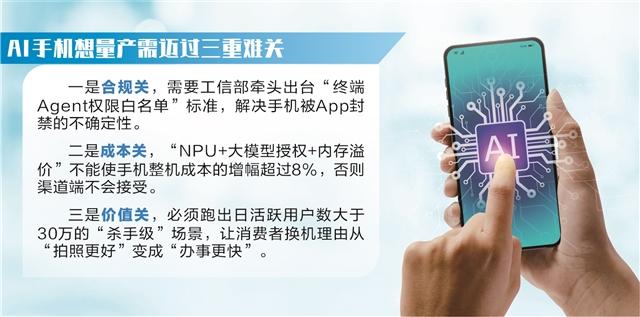
Core Viewpoint - The emergence of AI Agent smartphones is expected to revolutionize the mobile industry by 2026, driven by advancements in AI technology and collaborations between smartphone manufacturers and AI model developers [2][3]. Group 1: Industry Trends - The AI Agent smartphone is seen as a ticket to a new era in mobile technology, especially as traditional smartphone sales stagnate [3]. - Major companies like ByteDance are reportedly collaborating with leading hardware manufacturers such as Vivo and Lenovo to develop AI smartphones [3]. - The "Big Model Six Little Tigers," including Zhiyu, are accelerating the development of AI Agent smartphones, with Zhiyu announcing the open-sourcing of its AutoGLM model, which can autonomously operate smartphones [3][4]. Group 2: Development Paths - The industry is divided into two distinct paths: the "radical faction," represented by Doubao AI smartphones, which integrates high-level permissions to access system functions, and the "conservative faction," represented by companies like Huawei, which uses API interfaces for cross-application collaboration [4][5]. - Companies like ZTE are more willing to explore aggressive strategies due to their lower market share, while larger firms face significant compliance costs with any system-level changes [5]. Group 3: Challenges and Concerns - The development of AI Agent smartphones raises concerns about user privacy and security, as the technology requires extensive permissions that could be exploited by malicious software [6][7]. - Major applications, including WeChat and banking apps, have begun to block access to Doubao AI smartphones due to security concerns, highlighting the tension between innovation and risk management [6][7]. - The industry faces three major hurdles before AI Agent smartphones can achieve mass production: compliance with regulations, cost management, and demonstrating clear value to consumers [9][10].



58家!苏州“科创军团”强势崛起
Zheng Quan Shi Bao· 2025-12-30 18:17
2019年7月22日,苏州企业华兴源创作为"科创板第一股"闪亮登场,与另外两家苏州企业共同完成科创 板"首秀";2025年12月30日,苏州企业强一股份成功登陆科创板,成为科创板第600家上市公司,为资 本市场再添"苏州力量"。 历时六年多深耕,苏州科创板上市公司已达58家,占全国科创板总数9.6%,位列全国第三;IPO融资总 金额超720亿元,总市值约6700亿元,位居全国第四,形成了"数量领跑、质量过硬、生态完备"的资本 市场发展格局,成为苏州经济转型升级的重要引擎。 "科创军团"提质扩容 作为全国科创企业集聚高地,苏州打造的"科创军团"可谓"兵强马壮"。 从行业分布来看,58家科创板上市公司中,新一代信息技术产业达到29家,占据半壁江山;高端装备制 造、生物医药、新材料产业各有9家、8家、8家,新能源产业3家,节能环保产业1家,全面覆盖科创板 重点支持领域。 在关键核心技术领域,苏州企业不断实现"从0到1"的突破:"科创板第一股"华兴源创打破半导体检测领 域国际垄断,更以产业资本入局磁悬浮工业传输领域,开启战略延伸;阿特斯依托大型储能先发优势, 前三季度储能产品出货量达5.8GWh,同比增长32%,在海 ...
央企国资联手 210万中小微企业出海增添新动能
Zheng Quan Shi Bao· 2025-12-30 18:17
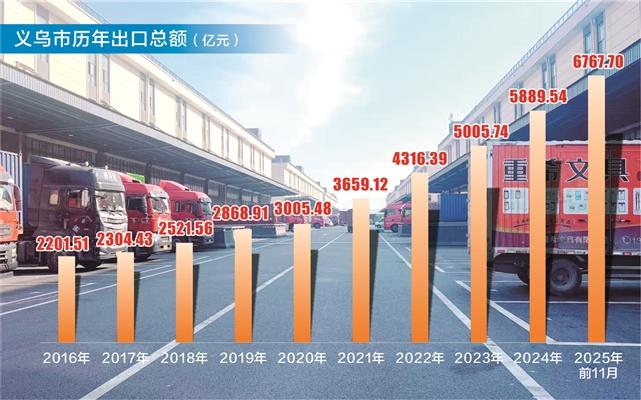
Core Insights - Yiwu, known as the "world supermarket," has seen its export volume reach a record high of 676.77 billion yuan in the first 11 months of this year, marking a year-on-year increase of 24.80% [2][4] - The logistics challenges faced by small and micro enterprises in Yiwu, such as high shipping costs and difficulties in consolidating shipments, are significant barriers to their international trade efforts [4][5] - The establishment of the Zhijie Yuangang International Supply Chain Technology Co., Ltd. aims to address these logistics issues by providing a digital platform for small and micro enterprises [6][7] Export Performance - Yiwu's market has over 120,000 operating entities and 210 million types of products, supporting approximately 3.2 million jobs [2] - The export growth is attributed to the increasing brand recognition of local businesses, with some reporting sales growth of around 30% [2][4] Logistics Challenges - Small orders often struggle to meet container requirements, leading to delays and increased costs, with some businesses reporting shipping costs rising by 15% due to insufficient volume [4][5] - The phenomenon of "container abandonment" is prevalent, where shipping companies cancel shipments due to space constraints, disproportionately affecting small shipments [5] Solutions and Innovations - Yiwu has initiated several logistics improvements, including the opening of the Yiwu-Ningbo "sea-rail intermodal" service and the construction of the Yiwu (Suxi) International Hub Port [6] - Zhijie Yuangang has achieved a market share of 3% in 2023, with projections to increase to 6% in 2024, indicating a doubling of shipping volume [7][8] Collaborative Efforts - The logistics platform aims to consolidate small shipments into larger ones, enhancing bargaining power and reducing costs for individual merchants [8][9] - The platform has established a logistics park of 240,000 square meters, achieving a 100% occupancy rate, which helps improve resource utilization and lower transportation costs [10][11]
6万亿置换债发行收官 明年重在城投化债
Zheng Quan Shi Bao· 2025-12-30 18:16
Core Insights - The issuance of local government special bonds and replacement bonds will commence on January 5, 2026, with Shandong Province planning to issue 24.609 billion yuan for refinancing existing hidden debts [1] - A total of 6 trillion yuan in replacement bonds is expected to be fully issued, marking a significant phase in the replacement of hidden debts, although local debt management efforts will continue [1][2] - The focus of local debt management is shifting from debt replacement to establishing long-term mechanisms, with an emphasis on the market-oriented transformation of local government financing platforms [3] Group 1: Debt Replacement and Management - The issuance of 2 trillion yuan in replacement bonds, along with special local government bonds for debt management, will alleviate the immediate debt pressure on local governments and reduce interest expenses, potentially saving around 400 billion yuan in interest payments [2] - Experts suggest that the local debt management strategy will transition from primarily replacing debts to building sustainable mechanisms, with a target to eliminate hidden debts by 2028 [3] - The central economic work conference has called for optimizing debt restructuring and replacement methods to mitigate risks associated with operational debts of local government financing platforms [4] Group 2: Market Transformation of Financing Platforms - The reform and transformation of local government financing platforms (城投公司) have accelerated, with 362 companies publicly announcing their exit from government financing roles as of December 30, 2025 [4] - The key to managing operational debts lies in the "exit from the list" process, which will determine whether the remaining financial debts of these companies will still be classified as operational debts [4] - Future debt management will rely heavily on special bonds, with the Ministry of Finance allocating 800 billion yuan annually from new local government special bonds for debt management until 2028 [3] Group 3: Risk Prevention and Control - The establishment of a dedicated Debt Management Department within the Ministry of Finance aims to centralize the management of government debts, enhancing coordination and resource allocation [7] - The department will focus on preventing and mitigating hidden debt risks, addressing issues such as underreporting and illegal activities related to hidden debts [7] - The goal is to create a comprehensive debt risk prevention system that ensures the rational use of government debt funds while avoiding systemic risks [7]
