Guan Cha Zhe Wang

Search documents
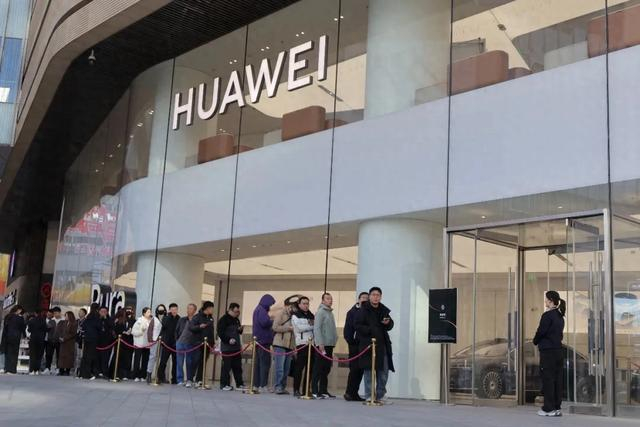
鸿蒙生态从突破到成熟,华为Mate 80系列再现“一机难求”
Guan Cha Zhe Wang· 2025-11-30 09:28
Core Insights - Huawei's Mate 80 series has seen significant success since its launch on November 28, with high consumer interest and engagement across various platforms [1][6] - The series features multiple innovative technologies, including a 14-day extreme battery life mode and a peak brightness of 8000 nits, establishing it as a flagship smartphone benchmark [3][8] - The HarmonyOS ecosystem has matured, with over 300,000 applications and services, and more than 27 million devices equipped with HarmonyOS 5 and 6, indicating strong user adoption [3][12] Group 1: Product Features and Innovations - The Mate 80 series introduces several "black technologies," such as a full metal body design and a dual-layer OLED screen, enhancing both aesthetics and performance [8] - The outdoor exploration mode supports 14 days of extreme battery life and emergency communication capabilities, showcasing Huawei's commitment to practical innovation [8] - The integration of HarmonyOS 6 enhances user experience through features like AI assistance and improved security measures, creating a unique competitive edge [8][10] Group 2: Market Reception and Ecosystem Growth - The initial sales of the Mate 80 series exceeded expectations, with rapid sell-outs online and significant foot traffic in physical stores, indicating strong market demand [6][19] - The HarmonyOS ecosystem has achieved a remarkable growth trajectory, with a rapid increase in registered developers and applications, reflecting a collaborative effort in building a robust digital environment [12][21] - The success of the Mate 80 series is seen as a direct endorsement of Huawei's technological innovations and the maturity of the HarmonyOS ecosystem [19][21]

美媒:想要跟中国竞争稀土,我们得搞定官僚习气
Guan Cha Zhe Wang· 2025-11-30 06:28
Core Viewpoint - The article argues that China's dominance in the rare earth sector is largely a result of bureaucratic inefficiencies in the U.S., and it emphasizes the urgent need for the U.S. to reform its approval processes to achieve self-sufficiency in rare earth production [1]. Group 1: China's Dominance - China controls over 90% of global rare earth processing capacity, having maintained a dominant position for decades while U.S. producers and policymakers have been negligent [1]. - The article highlights that China's recent export controls on critical minerals essential for U.S. defense systems demonstrate Beijing's leverage over U.S. defense production [1]. Group 2: Regulatory Challenges - The article identifies regulatory uncertainty, particularly under the National Environmental Policy Act (NEPA), as a significant barrier to U.S. rare earth production, with environmental impact assessments often taking over two years [2]. - It notes that the lengthy and unpredictable regulatory processes can deter investment and delay the establishment of processing capabilities in the U.S. [2][5]. Group 3: Strategic Implications - The article discusses the strategic vulnerabilities that arise from the U.S. reliance on China for rare earth processing, particularly in the context of potential conflicts in the Indo-Pacific region [4]. - It emphasizes that the ability to maintain supply chains for defense systems is crucial, as the capacity to replace and sustain these systems over time is more critical than initial technological superiority [4]. Group 4: Recommendations for Improvement - The article suggests that predictable regulatory processes are essential for companies to invest in rare earth processing facilities, recommending simultaneous environmental assessments by federal, state, and local agencies [5]. - It advocates for legislative measures to ensure that projects are not subject to re-evaluation with changes in government, thereby stabilizing the policy environment for rare earth production [5]. Group 5: Investment and Economic Considerations - The article points out that significant upfront investments in rare earth processing facilities require assurance of sustained demand and stable prices for critical minerals [6]. - It calls for the U.S. Department of Defense to implement long-term procurement plans that include critical minerals in national defense reserves to encourage investment [6]. Group 6: Historical Context and Long-term Strategy - The article notes that the U.S. has transitioned from self-sufficiency in rare earths to complete reliance on imports over the past 15 years, highlighting a long-standing concern that transcends political administrations [7]. - It emphasizes that the U.S. has made some progress in strengthening rare earth supply chains, but the complexity of rebuilding the entire ecosystem from mining to processing remains a significant challenge [7][8]. Group 7: Comparative Analysis - The article compares the U.S. mining and processing timelines unfavorably with countries like Canada and Australia, where permitting processes are significantly shorter, contributing to the U.S.'s increasing import dependency [10]. - It highlights that the average time for U.S. mining projects to go from exploration to production is around 29 years, which is among the slowest globally [8][10].

最高检通报金融领域职务犯罪典型案例,泰禾集团前副总裁被判14年
Guan Cha Zhe Wang· 2025-11-30 02:20
Core Viewpoint - The case of Huang Xi, former vice president of Taihe Group and China Construction Bank, highlights the issue of corruption in the financial sector, particularly the "revolving door" phenomenon between government and business [1][3]. Group 1: Case Details - Huang Xi was sentenced to 14 years in prison for accepting bribes totaling over 42.68 million yuan, with an additional 10.11 million yuan in unpaid "salary" [2][3]. - The bribes were facilitated through his positions at a state-owned bank, where he helped a company controlled by Huang Qisen gain access to specific client lists [1][2]. - Huang Xi's financial dealings included receiving 30 million yuan disguised as "relocation fees" before transitioning to a role at Taihe Group, where he was promised a salary of 5 million yuan per year plus bonuses [1][2]. Group 2: Background and Implications - The case is part of a broader crackdown on corruption within the financial sector, particularly involving individuals transitioning between government and corporate roles [3]. - Taihe Group, under Huang Qisen's leadership, has faced significant financial difficulties, including a total debt of 69.856 billion yuan, with overdue loans amounting to 48.108 billion yuan [4]. - Huang Qisen has also faced legal scrutiny, including being placed under detention for suspected violations, indicating ongoing issues within the company's governance [5][6].
“美国人质疑这段视频造假,却不知中国制造业有多强”
Guan Cha Zhe Wang· 2025-11-30 01:14
Core Viewpoint - The rapid development of humanoid robots in China is highlighted, showcasing advancements in technology and production capabilities, which have led to skepticism from international observers regarding the authenticity of these developments [1][3][6]. Group 1: Company Developments - UBtech released a video demonstrating hundreds of Walker S2 humanoid robots performing synchronized movements, which sparked skepticism from Brett Adcock, CEO of Figure, who suggested the video was computer-generated [1]. - In response to the skepticism, UBtech provided additional footage filmed with a drone to validate the authenticity of their robots [1]. - The humanoid robot industry in China has seen significant advancements, with robots now being utilized in various sectors such as new energy vehicle manufacturing and smart logistics [6]. Group 2: Industry Trends - The Chinese humanoid robot industry is experiencing rapid growth due to open-source collaboration and a tightly integrated supply chain, allowing for quick iterations and innovations [6][7]. - Companies like EngineAI are leveraging open-source strategies to accelerate product development, achieving prototype readiness in approximately six months [6]. - The Shenzhen government is actively supporting the robot industry by providing public sector job opportunities for robots, further enhancing the industry's growth [6]. Group 3: Market Dynamics - The cost of humanoid robots is decreasing, making them more accessible to hobbyists and educational institutions, as demonstrated by Noetix Robotics' launch of a humanoid robot priced under 10,000 RMB [7]. - There are around 200 startups in China focusing on unique technologies and market niches within the humanoid robot sector, contributing to the industry's overall progress [7]. - Despite some lag in core components compared to Western companies, China possesses significant advantages in supply chain capabilities and a large-scale research and development team for humanoid robots [8][10].

等死与找死?FD-SOI何以成为中国半导体的一条活路
Guan Cha Zhe Wang· 2025-11-30 01:03
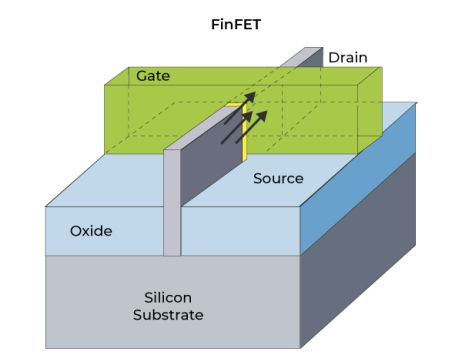
Core Insights - The article discusses the historical context and current relevance of FD-SOI technology in the semiconductor industry, particularly in China, as it faces challenges in advanced process nodes due to geopolitical factors [2][21]. Group 1: Historical Context - In the early 2010s, Soitec, a leader in SOI substrate materials, faced financial difficulties due to the slow growth of the FD-SOI market and required government loans to survive [1]. - The Chinese National Integrated Circuit Industry Investment Fund (the "Big Fund") considered investing in Soitec but ultimately chose to focus on FinFET technology, reflecting a broader industry skepticism towards FD-SOI at that time [1][2]. - The decision by Intel to fully commit to FinFET technology led to a domino effect, causing other major players like TSMC and Samsung to follow suit, effectively sidelining FD-SOI [9][10]. Group 2: Technological Divergence - Two distinct solutions emerged in the late 1990s to address the limitations of traditional CMOS technology: FinFET and FD-SOI [3][5]. - FinFET technology enhances control over electrical currents by utilizing a three-dimensional structure, while FD-SOI employs a thin insulating layer to prevent leakage, offering advantages in power consumption and manufacturing simplicity [5][7]. - Despite its advantages, FD-SOI faced challenges due to stringent substrate material requirements and a lack of industry support, leading to its marginalization [8][9]. Group 3: Recent Developments - In 2016, Shanghai Silicon Industry Investment Co. established a strategic partnership with Soitec, acquiring approximately 14.5% of its shares, which opened doors for Chinese semiconductor firms to access SOI technology [10][12]. - The investment has yielded significant returns and has been pivotal in developing China's capabilities in FD-SOI technology, which is now seen as a viable alternative to FinFET in specific applications [12][21]. - FD-SOI technology is gaining traction in markets such as IoT, automotive electronics, and RF communications, where its lower manufacturing costs and power efficiency are advantageous [13][21]. Group 4: Ecosystem Development - Over the past decade, a complete FD-SOI ecosystem has been developing in China, encompassing substrate materials, wafer foundries, EDA tools, and IP design [14][16]. - Key players include GlobalFoundries, which has been a major proponent of FD-SOI technology, and various Chinese companies adopting FD-SOI for IoT chip designs [16][17]. - The ecosystem is still smaller compared to the well-established FinFET market, which presents challenges in scaling and cost competitiveness [18][19]. Group 5: Future Outlook - The article suggests that FD-SOI may not compete directly with FinFET in high-performance computing but can carve out a niche in emerging markets [20][21]. - The global FD-SOI market is projected to grow significantly, from approximately $700 million in 2022 to over $4 billion by 2027, indicating a compound annual growth rate exceeding 30% [20]. - The ongoing development of FD-SOI technology in China represents a strategic path for maintaining technological capabilities amid external pressures [21][22].
心智观察所:等死与找死?FD-SOI何以成为中国半导体的一条活路
Guan Cha Zhe Wang· 2025-11-30 00:56
Core Viewpoint - The FD-SOI technology, once abandoned by the mainstream semiconductor industry, is now emerging as a viable alternative for China's semiconductor sector amidst geopolitical challenges and supply chain constraints [2][21]. Group 1: Historical Context - In the early 2010s, Soitec, a leader in SOI substrate materials, faced severe financial difficulties due to the slow growth of the FD-SOI market, relying on government loans to survive [1]. - The Chinese National Integrated Circuit Industry Investment Fund (the "Big Fund") considered investing in Soitec but ultimately opted for FinFET technology, reflecting a widespread belief that pursuing FD-SOI was a dead end [1][2]. Group 2: Technological Divergence - The divergence in technology routes began in the late 1990s when two solutions were proposed to overcome the limitations of CMOS technology: FinFET and FD-SOI [3][5]. - FinFET technology enhances control over electrical currents by adopting a three-dimensional structure, while FD-SOI employs an insulating layer to prevent leakage, offering a simpler manufacturing process [5][7]. Group 3: Industry Response - The semiconductor industry overwhelmingly favored FinFET due to its compatibility with existing processes and the perceived challenges of FD-SOI, particularly its stringent substrate requirements [9][10]. - Intel's decision to focus solely on FinFET led to a domino effect, with TSMC and other companies following suit, effectively sidelining FD-SOI [9][10]. Group 4: Strategic Investment - In 2016, Shanghai Silicon Industry Investment Co. strategically invested in Soitec, acquiring approximately 14.5% of its shares, which facilitated access to the Smart-Cut technology essential for FD-SOI [10][12]. - This investment not only saved Soitec but also strengthened the collaboration between Chinese firms and French technology, laying the groundwork for China's capabilities in FD-SOI [12]. Group 5: Current Market Dynamics - FD-SOI technology is gaining traction as a cost-effective alternative to FinFET, particularly in applications requiring lower power consumption, such as IoT and automotive electronics [13][21]. - The global FD-SOI market is projected to grow from approximately $700 million in 2022 to over $4 billion by 2027, with a compound annual growth rate exceeding 30% [20][21]. Group 6: Ecosystem Development - Over the past decade, a complete FD-SOI ecosystem has been developing in China, encompassing substrate materials, wafer foundries, EDA tools, and IP design [16][17]. - Key players include GlobalFoundries, which has been a major proponent of FD-SOI technology, and various Chinese companies adopting FD-SOI for IoT chip designs [16][17]. Group 7: Challenges Ahead - Despite progress, the FD-SOI ecosystem faces challenges, including a smaller market presence compared to FinFET and higher substrate costs, which hinder widespread adoption [18][19]. - The lack of local foundry capacity for advanced FD-SOI processes remains a significant barrier, necessitating reliance on overseas production facilities [19]. Group 8: Future Outlook - The potential for integrating SOI substrates with FinFET structures is being explored, indicating that both technologies may coexist and serve different market needs [20][21]. - FD-SOI's strategic value for China's semiconductor industry lies in its ability to maintain technological development in a constrained environment, providing a pragmatic approach to addressing supply chain vulnerabilities [21][22].

福建永安一水库大坝建设被指偷工减料,中国电建:已成立调查组
Guan Cha Zhe Wang· 2025-11-29 23:48
Core Viewpoint - China Power Construction Corporation is taking the allegations of quality issues at the Fujian Yong'an pumped storage power station seriously and has established an investigation team to address the concerns raised by the media [1][3]. Group 1: Project Overview - The Fujian Yong'an pumped storage power station is a key project under China's 14th Five-Year Plan for pumped storage [3]. - The construction of the lower reservoir has been reported to have serious quality issues, particularly regarding the dam construction [3]. Group 2: Quality Concerns - The project, undertaken by China Power Construction's subsidiary, China Water Resources and Hydropower Third Engineering Bureau, has been accused of significant cost-cutting measures, including the substantial reduction of the actual length of hundreds of anchor piles, with some being less than one-third of the design standard [3][5]. - Many anchor piles were not filled with cement mortar as required, with the construction team only performing minimal sealing at the pile openings to pass inspections [5]. Group 3: Safety Implications - Experts have indicated that the quality of the lower reservoir dam is critical to the safe operation of the Yong'an pumped storage power station, and the alleged cost-cutting measures could jeopardize the overall safety of the dam [5]. Group 4: Monitoring and Compliance Issues - There have been reports of improper conduct among monitoring personnel, including accepting entertainment from the construction team, which raises concerns about the integrity of oversight [7].


美团Q3财报:“外卖大战”致亏,出海提前盈利
Guan Cha Zhe Wang· 2025-11-29 12:32
Core Insights - Meituan reported a revenue of 95.5 billion RMB for Q3 2025, a 2% year-on-year increase, but faced a core local business operating loss of 14.1 billion RMB due to intensified competition [1][2][3] - The company emphasized prioritizing market scale, user engagement, and long-term competitiveness over short-term profits [1][3] Financial Performance - Revenue for Q3 2025 was 95.5 billion RMB, with a breakdown of core local business revenue at 67.4 billion RMB, including delivery service revenue of 23.0 billion RMB, commission revenue of 26.4 billion RMB, and online marketing service revenue of 14.2 billion RMB [2][4] - The operating loss for the core local business was 14.1 billion RMB, attributed to increased direct subsidies in the food delivery sector to counter irrational competition [3][4] User Engagement and Market Position - The number of transaction users on the platform exceeded 800 million in the past 12 months, with daily active users (DAU) growing over 20% year-on-year [1][5] - Meituan maintained a leading position in the mid-to-high price order market, capturing over 70% of orders above 30 RMB [5] New Business Growth - New business segment revenue grew by 15.9% year-on-year to 28 billion RMB, although operating losses increased by 24.5% to 1.3 billion RMB [6] - The company is expanding its international presence, with Keeta achieving profitability in Hong Kong and entering new markets in the Middle East and Brazil [6][7] Technological Advancements - Meituan is advancing its AI initiatives, launching tailored AI tools for restaurant businesses and a smart assistant app for users, aimed at enhancing operational efficiency and user experience [9] - The company plans to continue its "retail + technology" strategy to meet user needs and drive sustainable industry growth [9]


燕云十六声周年前夕,网易联合公安成功破获恶性外挂制售案件
Guan Cha Zhe Wang· 2025-11-29 09:47
Core Viewpoint - The game "Yanyun Sixteen Sounds" has made significant progress in combating cheating software, with a recent case leading to the arrest of a developer involved in creating and selling cheats [1][3]. Group 1: Cheating Software Case - On November 29, NetEase announced that its legal team, in collaboration with law enforcement, successfully cracked a major case involving the production and sale of cheating software, resulting in the arrest of a developer named Qin [1]. - The cheating program, specifically designed for "Yanyun Sixteen Sounds," was sold through QQ groups and included features such as speed enhancement, damage reduction, and instant kills, generating illegal profits of several tens of thousands of yuan [1]. Group 2: Legal Context and Enforcement - The legal community has varying opinions on the classification of cheating software, with potential charges including "illegal business operations," "copyright infringement," and "destruction of computer information systems," among others [3]. - Sentences for such offenses can range from fines to imprisonment of three to ten years, depending on the specifics of each case [3]. Group 3: Ongoing Anti-Cheat Measures - Since the game's launch nearly a year ago, the operational team has maintained a strict stance against cheating, with over 10,000 players permanently banned and more than 35,000 players temporarily suspended for various violations, including the use of cheats and speed-enhancing software [5]. - The team continues to monitor the use of third-party software and has implemented technical measures to improve the detection of abnormal behaviors within the game, encouraging players to help maintain a fair gaming environment [5].

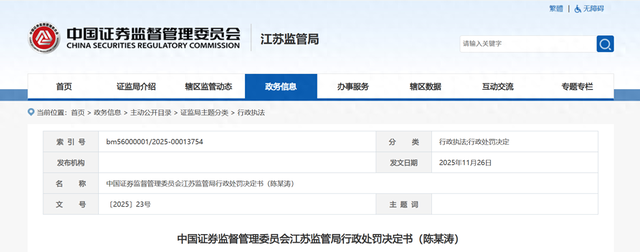
江苏证监局:券商副总裁陈某涛违规买卖证券被罚没1.35亿
Guan Cha Zhe Wang· 2025-11-29 08:41
炒股就看金麒麟分析师研报,权威,专业,及时,全面,助您挖掘潜力主题机会! 江苏证监局网站11月28日发布行政处罚决定书。 以下为处罚决定书全文: 依据2005年修订的《中华人民共和国证券法》(以下简称2005年《证券法》)、《中华人民共和国证券 法》(以下简称《证券法》)的有关规定,江苏证监局对当事人陈某涛非法买卖及利用未公开信息交易股 票违法行为进行了立案调查,并依法向当事人告知作出行政处罚的事实、理由、依据及当事人依法享有 的权利。应当事人要求,江苏证监局于2025年9月23日举行听证会,听取当事人的陈述和申辩。本案现 已调查、办理终结。 经查明,当事人存在以下违法事实: 一、陈某涛涉案期间系证券从业人员 陈某涛自1999年8月起在某证券公司任职,先后担任副总裁等职务,涉案期间系证券从业人员。 二、陈某涛利用未公开信息从事有关证券交易 当事人陈某涛曾担任某证券公司副总裁,被江苏证监局没收违法所得4515.05万元,并处以9030.1万元罚 款,同时被采取8年及5年两项证券市场禁入措施。"没一罚二"合计罚没1.35亿元。 处罚决定书显示,2020年3月1日至2023年3月12日,陈某涛利用职务便利,获取了相 ...