Hua Xia Shi Bao

Search documents
宝盈基金“科技悍将”张天闻清仓式卸任,科技赛道“押注式投资”引争议
Hua Xia Shi Bao· 2025-12-17 13:53
Core Viewpoint - The sudden resignation of fund manager Zhang Tianwen from four funds at Baoying Fund has raised concerns in the industry, especially given his previous success in managing funds focused on technology sectors [2][3]. Group 1: Fund Manager's Performance - Zhang Tianwen managed funds that achieved significant returns, with the Baoying Semiconductor Industry Mixed Fund A (017075) returning 93.18% and the Baoying Basic Industry Mixed Fund A (010383) returning 85.51% during his tenure [3]. - Other funds under his management, such as Baoying Artificial Intelligence Stock A (005962) and Baoying Smart Life Mixed A (011170), also showed strong performance, with returns of 75.79% and 51.30% respectively [3]. Group 2: Concerns Over Investment Strategy - There are concerns regarding a potential "style drift" and "betting-style investment" in Zhang's managed funds, as they heavily overlap in the TMT (Technology, Media, Telecommunications) and hard technology sectors [5][6]. - The concentrated holding strategy in these funds amplifies risks associated with a single sector, making performance highly dependent on market trends rather than the fund manager's active management skills [6]. Group 3: Company Response - Baoying Fund stated that each fund managed by Zhang Tianwen adhered to its specific investment logic and strategy, emphasizing that the funds are not merely overlapping but have distinct focuses within the technology sector [7].


溢价9.9%“上岸”?吻合器龙头康基医疗港股退市,医疗板块估值困局再添注脚
Hua Xia Shi Bao· 2025-12-17 13:53
Core Viewpoint - Kangji Medical has completed its privatization with a valuation of $1.4 billion, marking its exit from the capital market after five years of listing on the Hong Kong Stock Exchange [2] Group 1: Privatization Process - The privatization process began on July 17, 2025, when Knight Bidco Limited requested the board to present a privatization proposal to shareholders [3] - The privatization offer was officially announced on August 12, 2025, with shareholders set to receive HKD 9.25 per share, representing a 21.7% premium over the closing price on June 30, 2025 [4] - The proposal received shareholder approval on November 10, 2025, leading to the final trading of Kangji Medical shares on December 9, 2025 [4] Group 2: Financial Performance and Market Context - Kangji Medical's stock price fell over 64% from its initial listing price of HKD 23.679 to HKD 8.42 by the time of the privatization announcement [3] - The company reported revenue of CNY 497 million for the six months ending June 30, 2025, an increase of 8.3%, but net profit attributable to shareholders decreased by 7% to CNY 266 million, indicating challenges in profitability despite revenue growth [7] - The privatization reflects broader valuation challenges in the Hong Kong medical sector, with other companies like China Traditional Chinese Medicine and Sai Sheng Pharmaceutical also pursuing privatization due to similar pressures [8] Group 3: Strategic Considerations - The decision for privatization was influenced by factors such as limited equity financing capabilities, long-term stock price underperformance, and the need to reduce compliance costs [3][6] - Kangji Medical aims to focus on long-term strategic decisions, including R&D investments and operational upgrades, which are hindered by short-term performance pressures in a competitive market [6][7] - The involvement of major investors like TPG and Qatar Investment Authority, who collectively hold 74.75% of the company, provides a solid foundation for the privatization process [5]

年内涨幅68%!多晶硅期货溢价空间凸显,光伏上游反内卷见效?
Hua Xia Shi Bao· 2025-12-17 11:19
Core Viewpoint - The recent surge in polysilicon futures prices is attributed to multiple factors, including supply contraction, rising costs, and policy expectations, rather than an increase in downstream demand [2][4][8] Group 1: Price Movements - Polysilicon futures reached a high of 61,235 CNY/ton on December 17, with a cumulative increase of 68% this year [1] - The current price of polysilicon N-type dense material is around 50 CNY/kg, while N-type re-investment material is approximately 51.5 CNY/kg [4] - The market is experiencing a disconnect between futures and spot prices, with spot prices remaining stable despite the rise in futures [4][8] Group 2: Supply and Demand Dynamics - Domestic polysilicon production dropped to about 115,000 tons in November, a decrease of approximately 14% month-on-month, primarily due to proactive production cuts by leading companies during the dry season [2] - The average operating rate in the polysilicon industry has fallen to 40%, with many second and third-tier companies halting production [6] - High inventory levels exceeding 300,000 tons are putting pressure on the market, with weak demand from downstream sectors [6] Group 3: Market Expectations and Policies - A recent meeting among 11 leading manufacturers emphasized production control and price stabilization, reinforcing market expectations for industry self-discipline and the establishment of a storage platform [2][3] - The establishment of a capacity integration acquisition platform is seen as a second wave of market sentiment boost, although details remain unclear [3][7] - The market is closely monitoring the potential announcement of a "debt-for-equity" acquisition and flexible capacity plans, which could further influence sentiment [7][9] Group 4: Trading Strategies - Current high premiums suggest strategies such as "selling futures and buying spot" or "registered warehouse delivery" to lock in basis profits [9] - Investors are advised to reduce leverage and implement strict stop-loss measures due to increased volatility in polysilicon futures [9]
170亿元新险企获批开业,富泽人寿承接君康人寿全部业务与负债
Hua Xia Shi Bao· 2025-12-17 09:01
Core Viewpoint - The establishment of Fuzhou Life Insurance represents a significant step in the restructuring of the insurance industry, aimed at resolving existing risks and enhancing the market ecosystem [2][10]. Group 1: Company Overview - Fuzhou Life Insurance was approved for establishment on January 20 and began operations on June 19, with a registered capital of 17 billion yuan [3]. - The company has been authorized to set up provincial branches in five major cities and 21 subsidiaries, covering essential regions and offering a full range of life, health, and accident insurance products [3][10]. - The company is tasked with taking over all insurance business, assets, and liabilities from the troubled Jun Kang Life Insurance, ensuring a smooth transition for millions of policyholders [2][3]. Group 2: Shareholding Structure - The shareholding structure of Fuzhou Life Insurance is characterized by local state-owned capital dominance, with Jinan Jintou Holding Group holding 49.71% and Jinan Zhengjintongda Investment Group holding 3.53% [4]. - The China Insurance Security Fund contributes 6 billion yuan for a 35.29% stake, providing essential credit enhancement and financial support during the transition [5]. - The involvement of large professional insurance institutions, such as China Life Asset Management, indicates a blend of local government responsibility and industry expertise in risk management [5]. Group 3: Management Team - The management team includes a mix of regulatory and market-driven appointments, with the chairman having extensive experience in local financial supervision [6]. - The CEO is a market-driven professional with a strong background in financial management across various insurance companies, indicating a focus on operational efficiency and risk control [6][10]. - The governance structure aims to balance regulatory oversight with market-oriented management, although potential challenges in decision-making efficiency may arise [6]. Group 4: Historical Context of Jun Kang Life Insurance - Jun Kang Life Insurance has faced significant operational challenges since its inception in 2006, including unstable ownership and governance issues [7]. - The company experienced severe financial distress under previous ownership, leading to a critical decline in its solvency and operational transparency [7][8]. - The restructuring process for Jun Kang Life began in 2024, with a dedicated task force focusing on risk management and asset recovery [8]. Group 5: Strategic Importance for the Region - The establishment of Fuzhou Life Insurance is a strategic move to enhance the financial landscape in Shandong province, which has been lacking a major local insurance entity despite its economic significance [10][11]. - The company aims to support the local economy by providing essential insurance services, particularly in sectors with high demand for risk management and financial support [11]. - Fuzhou Life Insurance's mission emphasizes a commitment to social responsibility and community service, aligning with national strategies for economic development [11].

江西农商联合银行获批22亿元“上参下”,参股省内19家农商行
Hua Xia Shi Bao· 2025-12-17 09:01
Core Viewpoint - Jiangxi Rural Commercial Bank has taken a significant step in its "upward participation and downward investment" model by obtaining approval to invest up to 220.475 million yuan in 19 rural commercial banks, enhancing the governance and risk management of the rural financial system in Jiangxi province [2][3][6]. Group 1: Investment Details - The investment involves 19 rural commercial banks across Nanchang, Shangrao, and Pingxiang, with each holding at least 5% [2][3]. - The highest stake is in Hengfeng Rural Commercial Bank at 34.22%, while the lowest is in Yiyang Rural Commercial Bank at 5.08% [4]. - The total investment amount approved is 220.475 million yuan, marking a substantial financial commitment to strengthen local banks [3][6]. Group 2: Institutional Context - Jiangxi Rural Commercial Bank, established in April 2023, is the seventh provincial-level rural commercial bank in China, overseeing 85 banks and over 2,200 branches, with total assets of 1.4 trillion yuan [3][6]. - The "upward participation and downward investment" model aims to enhance the coordination and governance of rural financial institutions by creating a capital link between provincial and county-level banks [6][8]. Group 3: Challenges and Opportunities - Many of the banks involved in this investment face common issues such as high non-performing loan rates and insufficient capital [7]. - For instance, Ganchang Rural Commercial Bank reported a non-performing loan rate of 4.6% and a capital adequacy ratio of 10.59% as of the end of 2024, indicating the need for improved financial health [7]. - The investment is expected to enhance the capital levels of these banks, providing them with more room to manage non-performing assets [6][7].

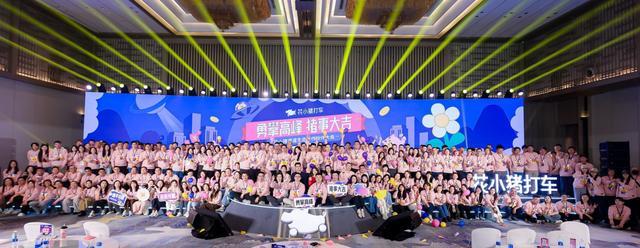
建中心、送福利、做帮扶,花小猪联合400余家渠道生态合作伙伴升级司机服务
Hua Xia Shi Bao· 2025-12-17 05:55
Core Insights - The article discusses the recent Flower Pig Channel Ecosystem Partner Conference held in Kunming, focusing on collaboration and service development in the transportation industry [1] Group 1: Partnership and Growth - Flower Pig has established partnerships with over 400 channel ecosystem partners and built more than 100 offline driver service centers to provide training on order-taking skills and safety standards [3][5] - The company emphasizes the importance of driver support, offering various benefits such as birthday gifts, health check-ups, and movie tickets to enhance drivers' sense of belonging [5][6] - The number of core drivers has increased significantly by 30%, indicating a positive growth trend in the driver ecosystem [6] Group 2: Service and Safety - Flower Pig aims to provide a transparent, stable, respectful, and mutually beneficial ecosystem for driver service companies and agents, which are crucial for regional operations and service extension [7] - The company has implemented safety measures including background checks, regular inspections, and emergency response features to ensure passenger and driver safety [9][10] - Looking ahead to 2026, Flower Pig plans to further enhance platform capabilities and resource investment to improve services for both passengers and drivers [10]
沐曦股份最高涨超750%!中一签暴赚40万元,比摩尔线程还牛,知名大佬浮盈百亿
Hua Xia Shi Bao· 2025-12-17 05:05
Core Insights - Muxi Co., Ltd. has officially listed on the A-share market on December 17, 2023, with an issue price of 104.66 yuan per share, becoming the "second domestic GPU stock" and "the second most expensive new stock of the year" [1] - On its first trading day, the stock price surged, reaching a maximum increase of over 750%, peaking at 895 yuan, with a market capitalization exceeding 350 billion yuan [1] - The stock's initial subscription rate was significantly lower than that of its competitor, Moer Technology, indicating a higher difficulty in obtaining shares [1] Subscription and Allocation - The offline allocation of Muxi Co., Ltd. was heavily concentrated among Class A institutions, which accounted for 85.83% of the total effective subscription amount, with a final allocation share of 98.04% of the offline issuance total [2] - Among the top institutional investors, Yifangda received 1.94 million shares (approximately 203 million yuan), followed by Southern Fund with 1.86 million shares (approximately 195 million yuan) [2] Company Background and Financials - Muxi Co., Ltd. was founded in September 2020 and is a rare "full-stack GPU" design and production company in China, focusing on high-performance general-purpose GPU chips and solutions [3] - The company has reported losses since its inception, with projected revenues of 426,400 yuan, 53.02 million yuan, and 743 million yuan for 2022 to 2024, while net losses are expected to be 777 million yuan, 871 million yuan, and 1.409 billion yuan respectively [3] - As of the first three quarters of 2025, the company achieved a revenue of 1.236 billion yuan but still reported a net loss of 346 million yuan [3]
人形机器人走向大众?宇树科技首发应用商店,行业生态“暗战”浮出水面
Hua Xia Shi Bao· 2025-12-17 04:59
Core Insights - The article discusses the challenges and advancements in the humanoid robot market, particularly focusing on the efforts of companies like Yushu Technology and Zhiyuan Robotics to lower the technical barriers for users [3][9][10] Group 1: Market Demand and User Experience - Many sellers on second-hand platforms are offloading humanoid robots due to high technical barriers, indicating that widespread adoption of humanoid robots in daily life is still a distant goal [3][6] - Yushu Technology has launched its first humanoid robot application store, allowing users without professional knowledge to operate robots, while Zhiyuan Robotics has introduced the "Lingchuang" platform to encourage user participation in robot development [3][6][9] - The current application store from Yushu Technology is in public testing, offering only three actions for its G1 humanoid robot, which reflects the limited initial offerings available to users [5][7] Group 2: Development Platforms and Ecosystem - The development of platforms like Yushu Technology's application store and Zhiyuan Robotics' "Lingchuang" is driven by the market demand for secondary development of humanoid robots [9][10] - The platforms aim to bridge the gap between developers and ordinary users, allowing for easier access to robot programming and customization [9][10] - Experts suggest that the success of these platforms hinges on building a robust ecosystem that combines hardware and software, similar to successful models seen in companies like Apple and NVIDIA [10][11] Group 3: Challenges and Future Outlook - Despite the advancements, the hardware sales of humanoid robots have not reached a critical mass, making the software offerings seem less essential in the current market [11] - The article emphasizes that the primary challenge remains in expanding the user base for humanoid robots, as a larger user base is necessary for a thriving software ecosystem [11]


尘埃落定!苏伊士最新发声“还是要留在中国”,将加大工业领域技术研发
Hua Xia Shi Bao· 2025-12-17 04:25
Core Viewpoint - Suez Group has decided to retain and increase its investment in the Chinese market, despite previous rumors of selling its water assets in China valued at approximately $2 billion [2][3]. Group 1: Company Strategy - Suez Group's Asia Senior Vice President, Sun Minghua, confirmed that the company will focus on enhancing its technological research and development in the industrial sector as part of its strategic transformation in China [2][4]. - The new CEO, Xavier Girre, emphasized Suez's commitment to the Chinese market during a recent visit to China, where he participated in the China-France Entrepreneurs Committee meeting and signed new cooperation agreements with partners in Jiangsu and Shandong provinces [2][3]. Group 2: Market Context - Suez has been operating in China since 1975 and has established a presence in over 30 major cities and regions [3]. - The company has undergone restructuring in recent years, including divesting some solid waste assets while retaining its core water assets [4]. Group 3: Industry Challenges - The environmental industry in China has faced difficulties in recent years, with the average revenue of the top 50 environmental companies declining by 3.91% year-on-year to 7.536 billion yuan [6]. - Only 24 out of the top 50 companies reported revenue growth, indicating a challenging market environment [6]. Group 4: Future Development Directions - Suez aims to explore new development directions in the industrial sector, focusing on project management and resource recovery [7]. - Recent collaborations in Shandong and Jiangsu align with this strategy, including a strategic cooperation memorandum with Shandong Public Utilities and a new industrial water plant project in Jiangsu with an investment of approximately 440 million yuan [7].

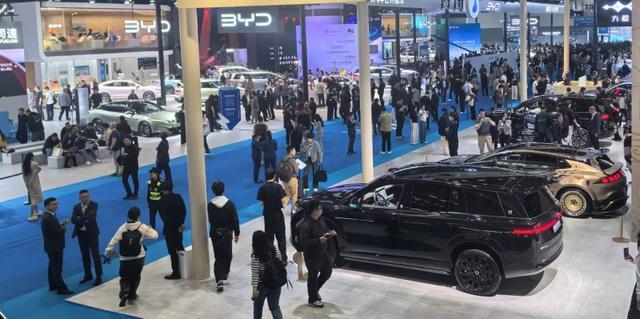
终止汽车“价格战”乱象,汽车行业将迎“价格合规指南”,比亚迪、小鹏、北汽、长城等车企纷纷表态
Hua Xia Shi Bao· 2025-12-17 04:24
Core Viewpoint - The Chinese automotive industry is experiencing intense competition, particularly in the electric vehicle sector, leading to a "price war" that has prompted the National Market Supervision Administration to draft the "Automotive Industry Pricing Behavior Compliance Guidelines" to establish a fair competitive environment and promote high-quality development [2][4]. Group 1: Price War and Its Impact - The automotive market has undergone four major price wars in the past three years, with over 90% of mainstream brands participating and an average price reduction of 15%, with some models seeing discounts exceeding 30% off the official price [3]. - As of mid-2025, the proportion of automotive dealers reporting losses rose to 52.6%, an increase of 8.3 percentage points year-on-year, with 74.4% of dealers selling vehicles below cost, leading to direct economic losses [3]. - The industry's profit margin has declined from 7.8% in 2017 to 4.3% in 2024, with a further drop to 4.1% in the first four months of this year, representing a nearly 60% decrease compared to the 10.2% margin during the industry's peak in 2012 [3][4]. Group 2: Regulatory Response - The newly introduced guidelines require companies to establish pricing strategies based on production costs and market demand, implementing comprehensive price management across the entire supply chain [4]. - The guidelines explicitly outline nine scenarios of "selling below cost" and seven types of price fraud, providing clear legal boundaries for companies and addressing the core issues of the ongoing price war [4][6]. Group 3: Industry Response and Future Outlook - Major automotive companies, including BYD and Xpeng Motors, have quickly expressed support for the guidelines, committing to optimize their pricing management systems and ensure compliance [5]. - The "National Subsidy" policy is set to continue through 2026, with a significant increase in funding for consumer goods replacement, indicating a strong governmental push to stimulate consumption and promote industry upgrades [6][7]. - The automotive industry has seen a revenue increase of 7.9% and profit growth of 4.4% in the first ten months of this year, with profit margins recovering to 4.4%, suggesting a shift away from aggressive price competition [7][8]. - The production and sales of new energy vehicles have also shown significant growth, with a year-on-year increase of 31.4% and 31.2% respectively, further enhancing China's market share in the global electric vehicle sector [8].