Hua Xia Shi Bao

Search documents
从赔30万元到一头猪卖6000元!解密全国首个助残助农一体化项目“五个养猪人”的盈利模式
Hua Xia Shi Bao· 2025-12-18 06:37
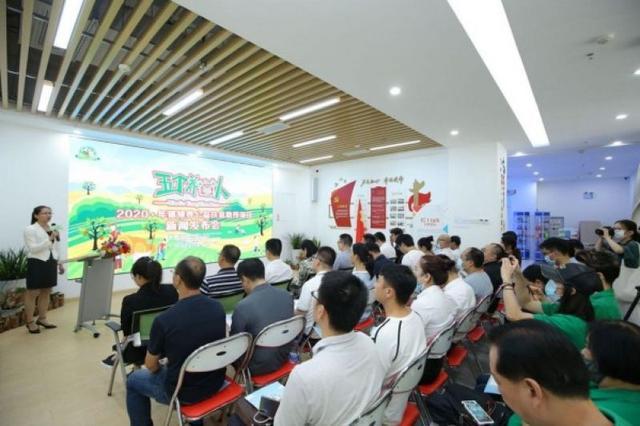
Core Insights - The article discusses the "Five Pig Farmers" project, a pioneering initiative in China that integrates assistance for disabled individuals with agricultural development, aiming to transform them into "digital new farmers" and explore market-based solutions to social issues [1][3]. Group 1: Project Overview - The project was initiated after five disabled pig farmers suffered significant losses due to the African swine fever outbreak in 2019, leading to a total loss of 30 million yuan [3][4]. - The project received support from the Shenzhen-based company "Double Assistance Future" and local governments, which provided funding and technical guidance to restart operations in 2020 [4][5]. Group 2: Operational Model - The project employs a closed-loop model where the local disability association and the company provide initial funding and technical support, while the disabled farmers utilize their unique qualities for ecological pig farming [5]. - The black pigs raised under this model are sold at a premium price of 6,000 yuan each, significantly higher than the market average of over 3,000 yuan, due to their ecological quality and embedded social value [5]. Group 3: Market Dynamics - The project initially relied on government procurement and the goodwill of consumers, but faces challenges as government funding pressures increase and market competition intensifies [8][9]. - The project must adapt to a more competitive environment as it expands to a broader consumer base through the "Zhen Help" platform, necessitating a shift from emotional to value-driven purchasing [10]. Group 4: Future Strategies - To ensure sustainability, the project aims to transition from being emotionally driven to value-driven, focusing on the intrinsic value of the products rather than solely on their social attributes [10]. - The project seeks to innovate resource connections and expand market support networks, including partnerships with other government departments and leveraging large sports events for funding [12][13]. Group 5: Systemic Change - The project advocates for a transformation in the role of government from direct provider to ecosystem builder, proposing a three-tier support system to facilitate innovation and integration of disabled individuals into the workforce [13][14]. - The ultimate goal is to create a dignified development path for disabled individuals, recognizing their unique contributions as valuable human capital in specialized agricultural and service sectors [14][15].

历史性时刻!海南封关启动!从游客到产业,6600个税目零关税将改写哪些行业命运?
Hua Xia Shi Bao· 2025-12-18 06:11
Core Insights - The Hainan Free Trade Port officially commenced its full island closure operation on December 18, implementing a policy of "one line open, two lines controlled, and free within the island" [1] - The A-share "Hainan Free Trade" sector showed active performance, with several stocks reaching their daily limit up, reflecting market confidence in the implementation of the closure policy [1] Policy and Economic Impact - The closure operation significantly expands the range of "zero tariff" goods and optimizes the duty-free policy, which is expected to lower consumer prices and stimulate consumption [2] - The Hainan provincial government announced that the full closure will officially start on December 18, 2025, establishing the island as a special customs supervision area [2] - The "zero tariff" product list expanded from over 1,900 items to more than 6,600 items, increasing its share of total product categories from 21% to 74% [3] Market Opportunities - The closure is anticipated to enhance the development environment for private enterprises, stimulating investment and providing clear growth opportunities across various sectors [4] - Industries such as import-export trade, international shipping, and logistics are expected to benefit directly from the new policies, while tourism and service sectors will attract more international visitors [4][5] - The logistics sector is projected to see significant growth in traffic volume, benefiting companies involved in transportation and supply chain management [5][6] Corporate Developments - Companies like Hainan Highway and China International Marine Containers are positioning themselves to capitalize on the new opportunities presented by the closure [5][6] - The tourism sector has already seen positive impacts, with a notable increase in visitor numbers and spending, indicating a vibrant consumption environment [6][7] - High-end manufacturing and technology firms are also expected to benefit from favorable tax rates and reduced R&D costs, attracting investments in sectors like biomedicine and digital economy [7][8] Business Expansion - Numerous enterprises are actively registering and expanding their operations in Hainan, with a significant increase in new business registrations noted [9][10] - Established companies are also increasing their investments, indicating long-term confidence in the Hainan market [11] - Major corporations are planning to deepen their involvement in Hainan, focusing on sectors such as tourism, healthcare, and advanced manufacturing [11]
财务数据“悄然生变”、产能闲置仍扩产:长裕集团IPO疑问待解
Hua Xia Shi Bao· 2025-12-18 05:46
Core Viewpoint - Changyu Group's IPO application has raised concerns due to discrepancies in financial data between two prospectuses released four months apart, leading to regulatory inquiries and market skepticism about the reliability of the company's financial information [2][3][4]. Financial Data Discrepancies - The updated prospectus from September shows changes in key financial figures compared to the May version, with 2022-2024 revenues reported as 1.669 billion, 1.608 billion, and 1.638 billion yuan, and net profits as 263 million, 195 million, and 212 million yuan respectively [3][4]. - The differences in reported figures have raised questions about the company's financial data reliability, as such significant changes within the same IPO application period are uncommon [4]. Core Product Performance - Changyu Group, the world's largest zirconium oxychloride producer, has seen its core product prices decline, impacting revenue and profit levels post-2022 [5]. - The revenue contribution from zirconium products has decreased from 76.17% in 2022 to 69.78% in 2025, with sales prices dropping from approximately 24,000 yuan/ton in 2022 to 18,000 yuan/ton in 2024, a decline of over 25% [5][6]. Production Capacity and Utilization - The company has a zirconium production capacity of 75,000 tons per year, but the utilization rates for specialty nylon products have been low, with rates of 34.32%, 40.96%, and 49.64% from 2022 to 2024 [7][8]. - Despite the low utilization rates, Changyu Group plans to raise 700 million yuan through its IPO to expand production capacity, which raises questions about the necessity and feasibility of such expansion given current underutilization [7][8]. Market Strategy and Future Outlook - The company aims to break foreign monopolies and achieve domestic substitution through its expansion projects, but the potential for absorbing new capacity remains uncertain [8].

百融云创获年度技术突破标杆机构:企业级AI迈入价值验证阶段
Hua Xia Shi Bao· 2025-12-18 04:03
Core Insights - The enterprise-level AI industry is entering a critical phase of value verification, focusing on whether AI technology can be transformed into practical and replicable productivity [1] - BaiRong Cloud's recognition as a leading technology breakthrough institution reflects its commitment to integrating AI into business growth [1] Group 1: AI Integration into Business Processes - BaiRong Cloud aims to transition AI from merely enhancing efficiency to becoming a core production factor integrated into organizational structures [2] - The company is advancing a technology architecture centered around agents, enabling AI to move from "assisting decision-making" to "participating in execution" [2] - The introduction of "silicon-based employees" allows for clear and stable responsibilities, significantly reducing operational costs by 60%-70% in quality inspection scenarios [2] Group 2: Long-term Value of AI in Production Systems - BaiRong Cloud believes that the explosion of enterprise-level intelligent services will hinge on the long-term value derived from integrating AI into production systems [3] - The company has developed a reusable path for enterprise-level AI implementation, allowing technology capabilities to be applied across various business lines and organizational structures [3] - BaiRong Cloud emphasizes the importance of strict business constraints and execution logic in AI ecosystem construction to ensure reliability and controllability in diverse operational environments [3]
同一基金经理操盘:两基金“拖后腿”超19% 一基金却大赚24%!
Hua Xia Shi Bao· 2025-12-18 03:12
Core Viewpoint - The performance differentiation of fund managers, particularly Li You from Chuangjin Hexin Fund, has become a focal point in the context of ongoing salary reforms in the fund industry, highlighting the impact of performance on compensation assessments [1][5]. Performance Disparity - The significant performance differences among the funds managed by Li You stem from contrasting portfolio structures, with Chuangjin Hexin Industry Select A underperforming its benchmark by 26.86% and 19.49% for Chuangjin Hexin Industrial Cycle Select A, while Chuangjin Hexin Resource Theme A achieved a 24.75% excess return [1][2]. - The underperformance of Chuangjin Hexin Industry Select A is attributed to its heavy concentration in manufacturing sectors like new energy and semiconductors, which faced valuation adjustments and increased competition from 2022 to 2024 [2]. - The lithium price decline in 2023 pressured the profitability of midstream material companies, and despite gradual reductions in holdings, the adjustment lagged behind market turning points, leading to sustained net value losses [2]. Investor Confidence and Fund Stability - The performance pressure has directly affected the stability of fund sizes, as seen with Chuangjin Hexin Industry Select A, which experienced net outflows despite a significant rebound in net value in Q3 2025 [3]. - The high volatility and valuation elasticity of high-growth sectors demand precise judgment and trading timing from fund managers, with concentrated holdings amplifying potential losses during market downturns [3]. Recent Performance Improvements - Recent data indicates improvements in excess returns for Chuangjin Hexin Industry Select A and Chuangjin Hexin Industrial Cycle, with respective one-year excess returns of 19.02% and 3.35% as of December 15, 2025 [3][5]. Salary Reform and Performance Assessment - The ongoing salary reform in the fund industry emphasizes a longer assessment period of over three years and a comprehensive view of all products managed by fund managers, which may lead to stricter evaluations for those with significant performance disparities [5][6]. - This reform is expected to encourage fund managers to distribute their research efforts more evenly across all products, rather than focusing solely on high-profile funds [5]. Implications for Fund Managers - Fund managers are required to reassess their investment capabilities within a more integrated and long-term evaluation framework, potentially leading to a focus on areas where they can consistently generate alpha [6]. - The core objective of the salary reform is to align individual capabilities, product positioning, and investor interests more accurately through optimized incentive mechanisms [6].
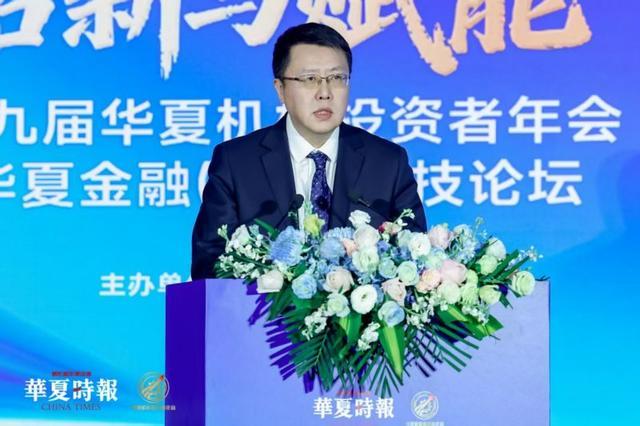
天津银行副行长郑可:抒写金融“五篇大文章” 赋能实体经济高质量发展|2025华夏机构投资者年会
Hua Xia Shi Bao· 2025-12-18 02:31
Core Viewpoint - The 19th Huaxia Institutional Investor Annual Conference emphasized the themes of "vitality and resilience, innovation and empowerment," focusing on the future paths for financial development and the role of financial institutions in supporting the real economy [2]. Group 1: Financial Innovation - Tianjin Bank has successfully issued the first batch of technology-oriented innovative bonds in the country and the first in Hebei Province, with technology innovation loans growing by 26.21% year-on-year as of September 2025 [3]. - The bank has developed a specialized product system including equity, debt, loans, funds, and guarantees, and has successfully launched its first leasing business for computing power equipment and private satellite leasing [3]. Group 2: Green Finance - Tianjin Bank has issued the first energy-saving evaluation environmental loan in Tianjin, with significant year-on-year growth in both green bond investments and transactions [3]. - The introduction of innovative green financial products, such as energy evaluation-linked loans and green intellectual property-linked loans, marks an expansion of its green finance product system [3]. Group 3: Inclusive Finance - The bank has implemented the "thousand enterprises and ten thousand households" outreach initiative, with a total credit amount nearing 6.3 billion, leading in new credit issuance among city commercial banks in Tianjin [3]. - Inclusive corporate loans have increased by 51.7% year-on-year, reaching a historical high [3]. Group 4: Pension Finance - Tianjin Bank has upgraded its "Golden Autumn Harbor" pension finance brand and is issuing dedicated financial products, with steady growth in loans for the pension industry [4]. - The bank is integrating financial services into elderly care communities, creating a comprehensive product matrix for pension finance [4]. Group 5: Digital Finance - The bank's digital transformation has been recognized with 26 awards and 37 approved intellectual property rights, providing data support to the National Bureau of Statistics [4]. - The digital transformation efforts have received high praise from the National Bureau of Statistics [4].
豪赌跨年行情?炒股软件公司现金流下降40%,却砸17亿元对外投资
Hua Xia Shi Bao· 2025-12-18 00:18
Core Viewpoint - Wealth Trend (688318.SH) plans to use idle self-owned funds not exceeding RMB 1.7 billion for external investments, raising market concerns about cash flow and compliance with regulations [1][4]. Investment Authorization - The board approved an investment authorization for the general manager to use up to RMB 1.7 billion for external investments within 12 months, ensuring fund safety and compliance [2][4]. Compliance and Fund Composition - The investment authorization complies with relevant regulations and does not require shareholder approval, as it involves self-owned funds, not raised funds [4][3]. The total assets exceed RMB 3.8 billion, and the investment does not exceed 50% of total assets or market value [4]. Investment Strategy - The investment will focus on fixed income products, non-fixed income products, and equity assets, with strict risk control measures in place [4][5]. A funds management committee oversees the investment process to ensure safety and compliance [5]. Financial Performance - For Q3 2025, the company reported total revenue of RMB 198 million, a year-on-year decline of 5.71%, while net profit increased by 27.91% to RMB 184 million [6][7]. The revenue drop is attributed to reduced demand from financial institutions, while net profit growth is due to increased cash management income and cost control [7]. Cash Flow Concerns - Operating cash flow decreased by 40.75% year-on-year, raising concerns about potential cash flow crises due to ongoing large-scale investments [8]. The decline is linked to lower bank deposit income and increased upfront cash expenditures for business growth [8]. Market Reaction - The company's stock price fell over 27% from its peak of RMB 180.86 in late August to RMB 131.92 by mid-December, influenced by broader market trends in the fintech sector [10][11]. Future Development Strategy - In 2026, the company aims to expand its B-end business, enhance product development in bonds, and strengthen its securities information service, with a focus on AI as a strategic direction [12]. The company plans to leverage its advantages to enhance user engagement and competitive strength [12].

中央财办回应明年房地产会采取哪些举措,住建部:推进现房销售,实现所见即所得
Hua Xia Shi Bao· 2025-12-17 14:21
Core Viewpoint - The Central Economic Work Conference highlighted that there is still significant room for high-quality development in China's real estate sector, focusing on rigid and improvement demands, with an emphasis on urban renewal, particularly in dilapidated housing and urban village transformations [2][3]. Group 1: Market Stability and Development - The real estate market has shown stability in new and second-hand housing transactions, with a narrowing decline in housing prices and varied regional market trends [3]. - As of November, the total real estate development investment reached 78,591 billion yuan, a year-on-year decrease of 15.9%, compared to a 9.8% decline at the beginning of the year [3]. - The inventory of unsold commercial housing decreased by 3.01 million square meters from October, with residential unsold area down by 2.84 million square meters [3]. Group 2: Demand Analysis - The rigid housing demand is expected to continue, driven by urbanization, with the urbanization rate projected to reach 67% for the resident population by 2024, while the registered population's urbanization rate is below 50% [3]. - Improvement demand is rising, with an increase in the willingness of residents to sell old homes for new ones, as the proportion of second-hand home transactions rose from 28% in 2021 to 45% this year [4]. Group 3: Strategies for High-Quality Development - The Central Financial Office proposed three strategies to promote high-quality development in real estate: stabilizing the market from both supply and demand sides, supporting the transformation of real estate companies, and accelerating the establishment of a new development model [6]. - On the supply side, there is a focus on controlling new developments and revitalizing existing stock, while the demand side will see targeted measures to release rigid and improvement demands [6]. - Real estate companies are encouraged to shift from primarily new home sales to holding properties and providing diverse living services, with a focus on light asset management and service-oriented business models [6]. Group 4: Sales and Regulatory Reforms - The promotion of a current housing sales system aims to prevent delivery risks, ensuring that buyers receive what they see [7]. - The article emphasizes the need for regulatory reforms in real estate development, financing, and sales, including the establishment of a main bank system for project financing [7]. - The rental market is also highlighted, with a call for the development of a market-oriented and professional rental sector to protect the legal rights of both landlords and tenants [8].

同一基金经理操盘:两基金“拖后腿”超19%,一基金却大赚24%!
Hua Xia Shi Bao· 2025-12-17 13:53
Core Viewpoint - The performance of fund managers and their compensation assessment have become focal points in the context of ongoing reforms in the fund industry, highlighted by the significant performance divergence of fund manager Li You's products [2][5]. Performance Discrepancy - The stark differences in performance among the funds managed by Li You stem from their contrasting portfolio structures, with the underperforming funds heavily invested in manufacturing sectors like new energy and semiconductors, which faced valuation adjustments and competitive pressures from 2022 to 2024 [3]. - The fund "Chuangjin Hexin Industry Smart Selection A" lagged its benchmark by 26.86%, while "Chuangjin Hexin Industrial Cycle Selection A" underperformed by 19.49%, whereas "Chuangjin Hexin Resource Theme A" achieved a 24.75% excess return [2][3]. Impact of Market Conditions - The decline in lithium prices in 2023 pressured the profitability of midstream material companies within the new energy sector, leading to a delayed adjustment in the fund's holdings compared to market trends [3]. - The fund manager acknowledged a mismatch between their foresight regarding the cyclical nature of new energy and the actual timing and extent of the market adjustments [3]. Fund Size and Investor Confidence - The performance pressure has directly affected the stability of fund sizes, as seen with "Chuangjin Hexin Industry Smart Selection A," which experienced net outflows despite a significant rebound in net value in Q3 2025 [4]. - Rebuilding investor trust is a major challenge for fund managers, especially after prolonged periods of underperformance [4]. Resource Stocks vs. Manufacturing Stocks - In contrast, "Chuangjin Hexin Resource Theme A" benefited from strong performance in resource stocks, with top holdings like Xinyi Silver, Zijin Mining, and Luoyang Molybdenum seeing gains exceeding 20% in three months, driven by global inflation expectations and supply-demand gaps [4]. - The allocation decisions made by fund managers significantly influence the degree of performance divergence among funds [4]. Compensation Assessment Reforms - The fund company noted improvements in excess returns for its products over the past year, with "Chuangjin Hexin Industry Smart Selection A" achieving a 30.97% increase compared to its benchmark's 11.95% [5]. - New assessment guidelines emphasize sustainability and a holistic view of fund managers' performance across all products, which may lead to stricter evaluations for those with significant performance disparities [6]. Long-term Focus for Fund Managers - Fund managers are now required to reassess their investment capabilities within a more comprehensive and long-term evaluation framework, which may encourage them to focus on areas where they can consistently generate alpha [7]. - The core objective of the industry’s compensation reform is to align individual capabilities, product positioning, and investor interests more accurately through optimized incentive mechanisms [7].

宝盈基金“科技悍将”张天闻清仓式卸任,科技赛道“押注式投资”引争议
Hua Xia Shi Bao· 2025-12-17 13:53
Core Viewpoint - The sudden resignation of fund manager Zhang Tianwen from four funds at Baoying Fund has raised concerns in the industry, especially given his previous success in managing funds focused on technology sectors [2][3]. Group 1: Fund Manager's Performance - Zhang Tianwen managed funds that achieved significant returns, with the Baoying Semiconductor Industry Mixed Fund A (017075) returning 93.18% and the Baoying Basic Industry Mixed Fund A (010383) returning 85.51% during his tenure [3]. - Other funds under his management, such as Baoying Artificial Intelligence Stock A (005962) and Baoying Smart Life Mixed A (011170), also showed strong performance, with returns of 75.79% and 51.30% respectively [3]. Group 2: Concerns Over Investment Strategy - There are concerns regarding a potential "style drift" and "betting-style investment" in Zhang's managed funds, as they heavily overlap in the TMT (Technology, Media, Telecommunications) and hard technology sectors [5][6]. - The concentrated holding strategy in these funds amplifies risks associated with a single sector, making performance highly dependent on market trends rather than the fund manager's active management skills [6]. Group 3: Company Response - Baoying Fund stated that each fund managed by Zhang Tianwen adhered to its specific investment logic and strategy, emphasizing that the funds are not merely overlapping but have distinct focuses within the technology sector [7].